Outdoor Gear
Winter Day Trip Gear: 9 Essentials for Staying Warm and Safe
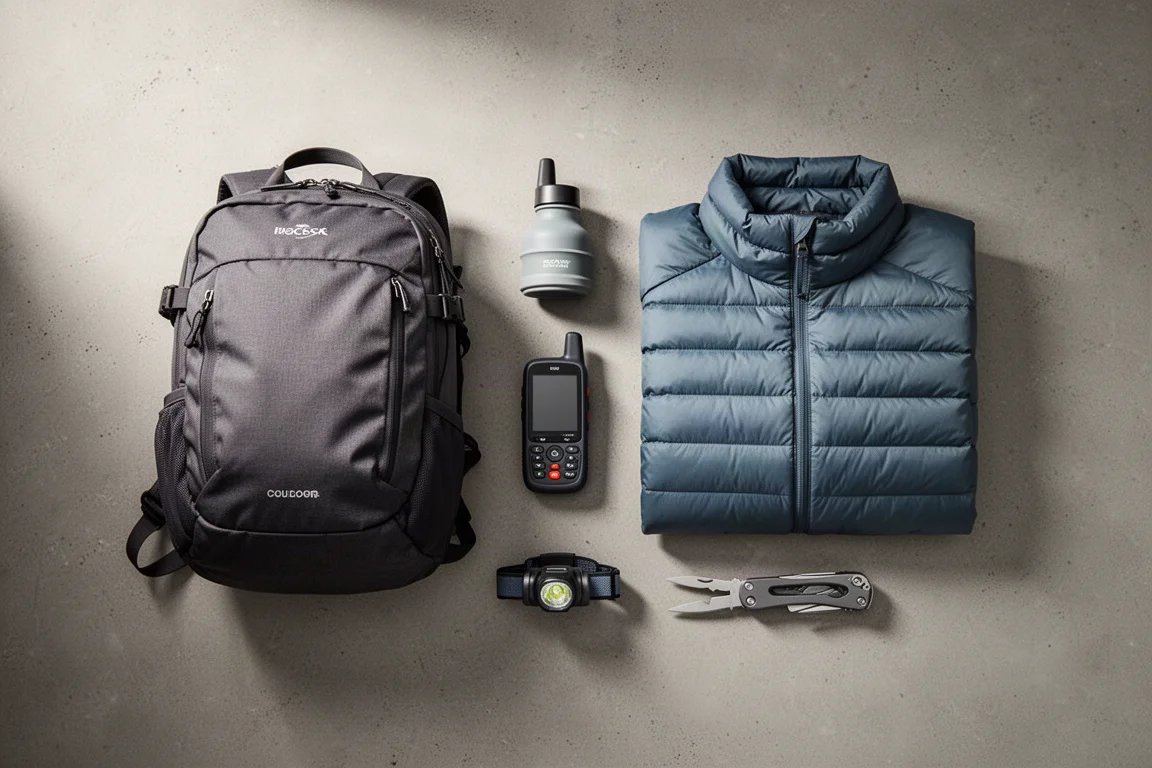
A practical winter day-trip kit built around nine pieces of gear that cover warmth, hydration, light, communication, and field repairs.
Introduction
Winter hiking, snowshoeing, and skiing are a lot of fun when you are prepared. The trouble is that a summer kit carried into winter conditions is uncomfortable at best and dangerous at worst. The difference is rarely one big purchase. It is a set of deliberate choices about how you carry water, how you stay warm once you stop moving, how you see the trail when the days are short, and how you get help if something goes wrong.
This guide covers nine pieces of gear for winter day trips. Some are comfort items, some are safety items, and a few are both.
What to Look For in Winter Day Trip Gear
A winter day-trip kit has to solve four problems at once: keeping water liquid, keeping the body warm during stops, keeping the path visible when daylight runs out, and keeping a way to communicate on your person rather than buried in a pack.
The order matters. Insulation and hydration cover the majority of trips, while light, communication, and repair capability cover the situations you hope never happen. Packing for all four is what separates a comfortable day out from a long, cold walk back.
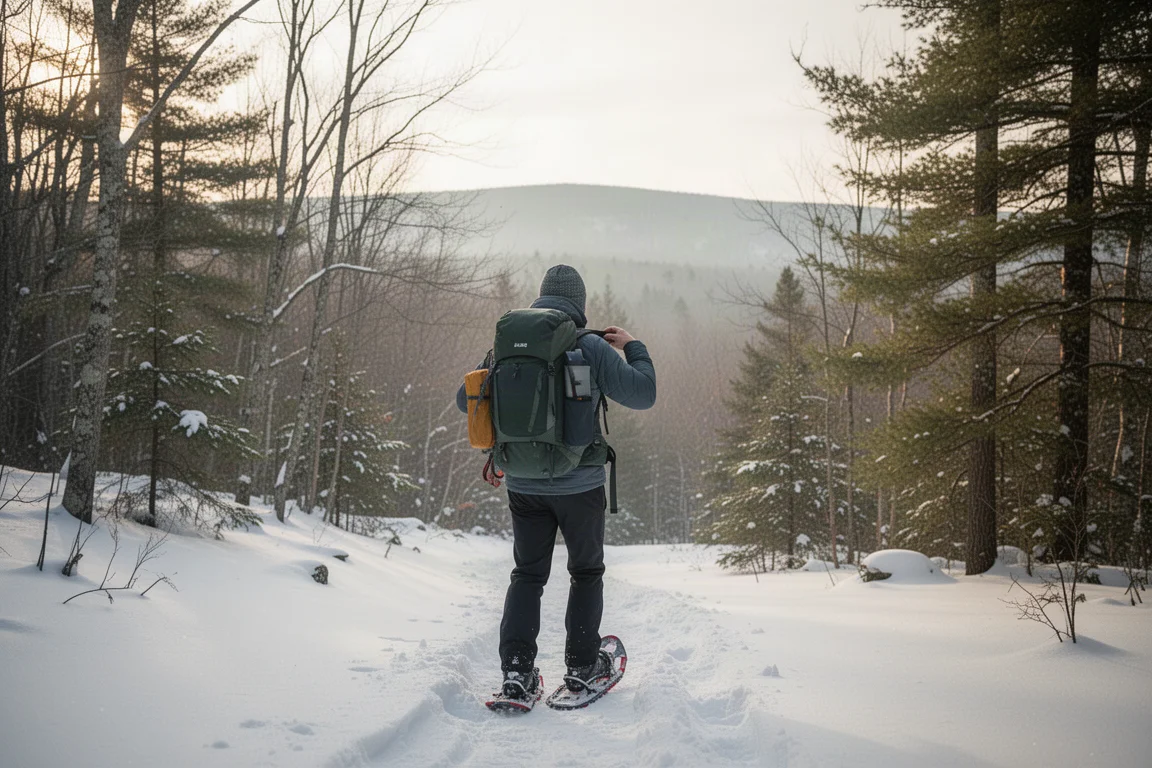
Weight and packability deserve attention too. Winter layers are bulky, so gear that compresses down and gear that serves more than one purpose earns its place in the pack more easily.
Best Winter Pack: Osprey Kamber 30
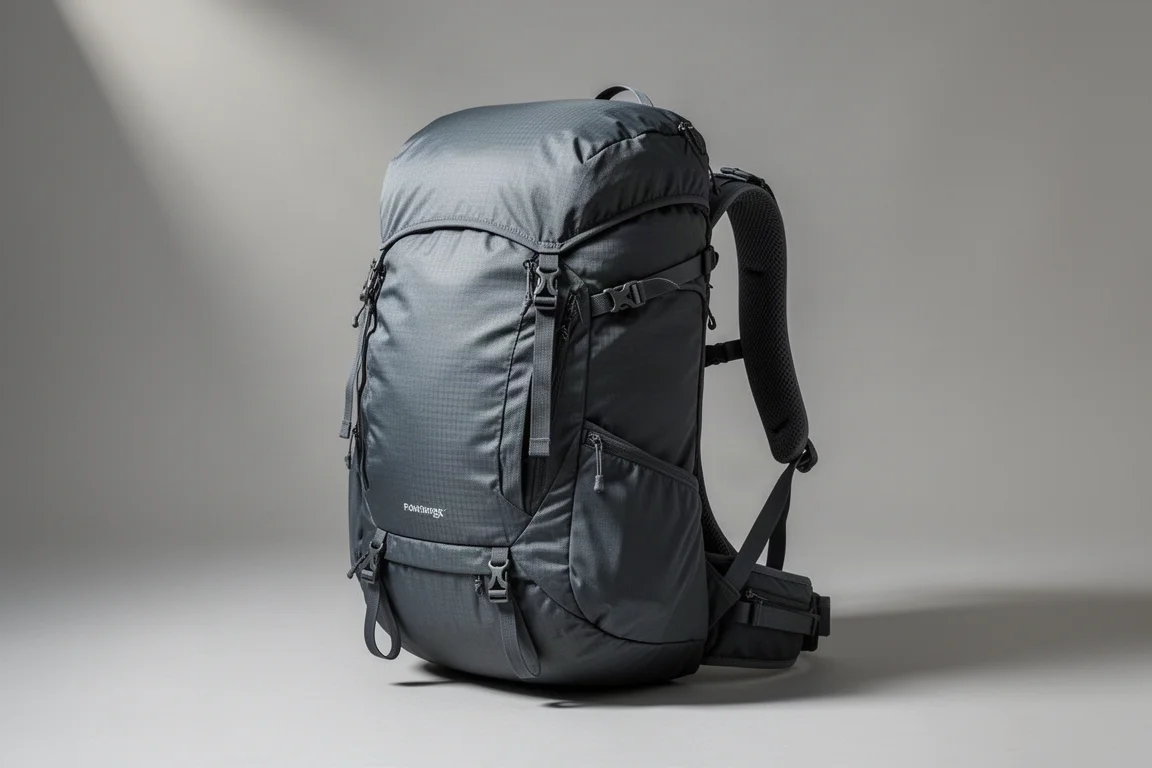
The Osprey Kamber 30 is a winter-specific daypack with a feature set built around cold-weather use. The insulated hydration sleeve on the shoulder strap is the standout: a hydration bladder sits inside the pack, the tube runs through the sleeve, and foam around the tubing helps stop the water inside from freezing.
Organization is generous. There are two hip belt pockets for snacks and small items, a top pocket for quick access, and a helmet carry system for skiing. The main compartment opens through a clamshell panel, so you can lay the whole pack open and reach anything inside instead of digging down from the top. A full set of external straps handles skis, snowshoes, and similar loads.
Best Hydration Bottle: Platypus SoftBottle
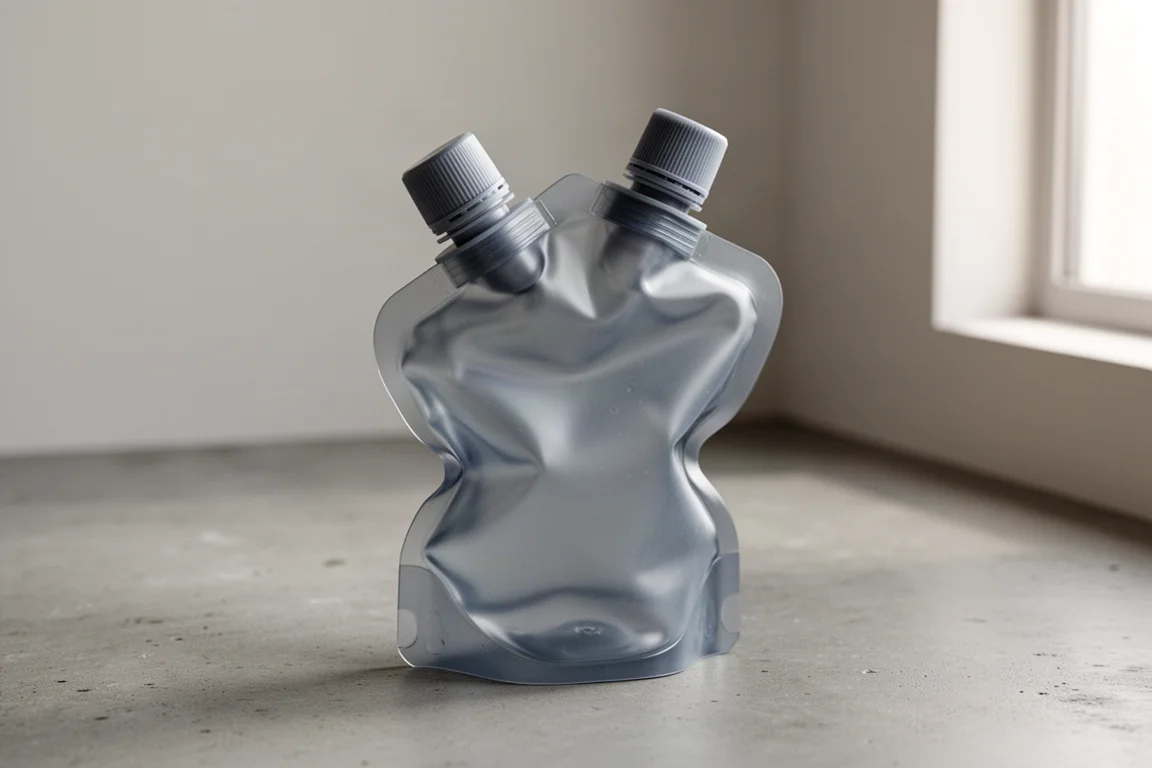
Keeping water from freezing is easier when the bottle lives inside your jacket. The Platypus SoftBottle is made for exactly that: it slides into an internal jacket pocket with a sleeve, where body heat keeps the contents liquid while you move.
The collapsible design means it flattens as it empties, so it takes up less room as the day goes on. It comes in a 1 liter version and a 500 ml version, which makes it easy to match capacity to the length of the trip.
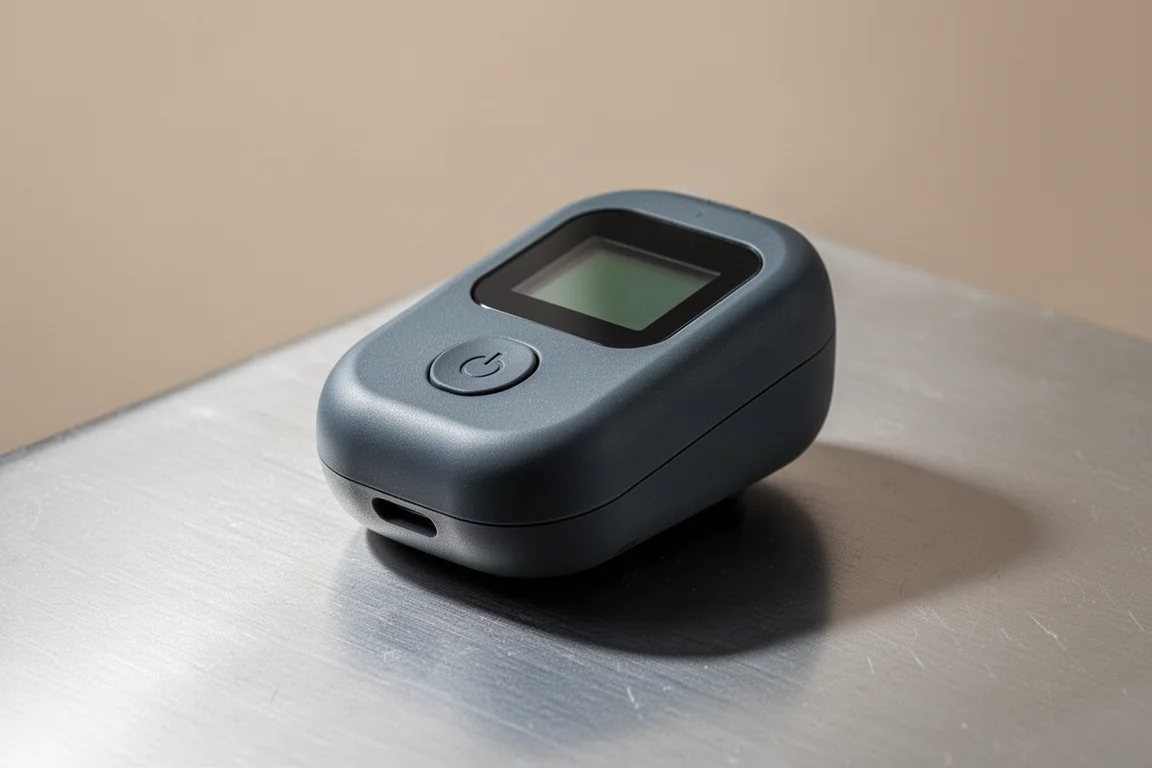
Best Emergency Communicator: Motorola Defy
A communication device belongs on your person, not in your pack. If a pack is torn away in a fall or an avalanche, anything critical stored inside it goes with it, which is why a small SOS device that slides into a pocket is the better arrangement.
The Motorola Defy is lightweight, compact, and one of the more affordable options of its kind. The device is priced at $150, with plans starting at $10 per month. For day trips, the yearly plan with a set number of messages is a sensible fit: SOS capability stays available, and you are not paying for a large monthly message allowance you will never use.
Best Overgloves: Decathlon Overgloves
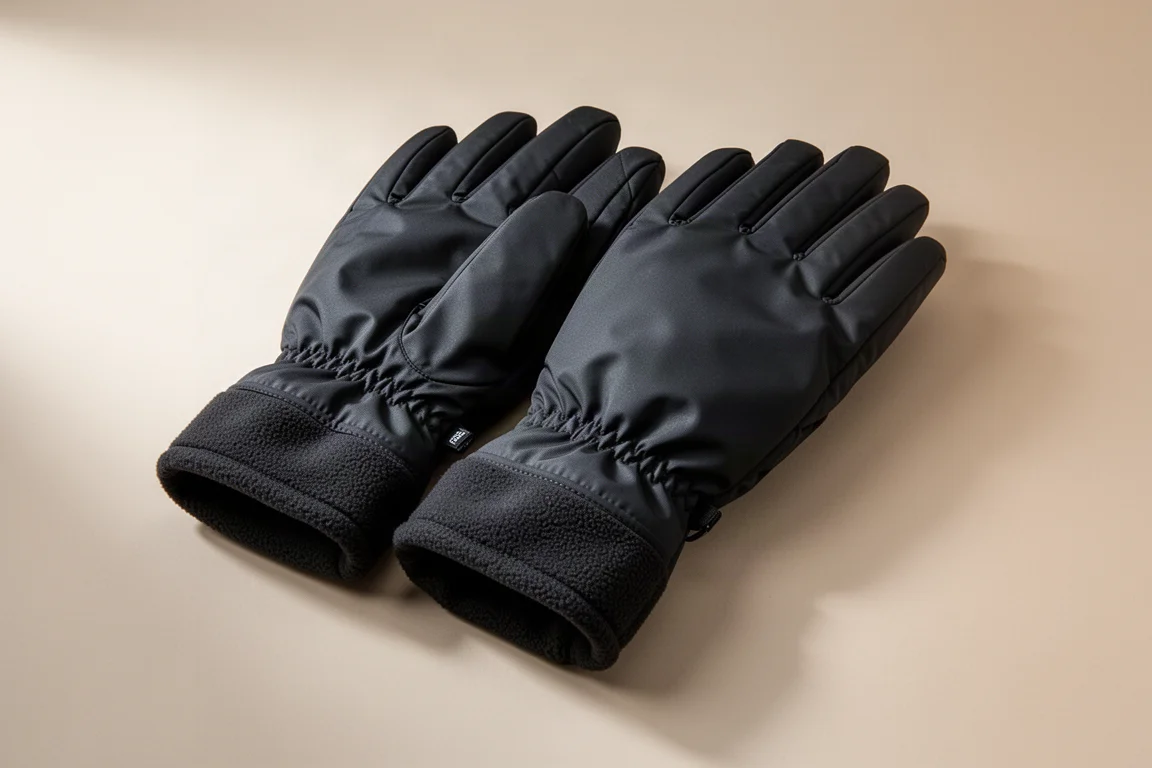
Overgloves are the simplest fix for cold hands. These Decathlon overgloves are fleece lined, waterproof, and deliberately oversized, so they slide on over the gloves you are already wearing when the wind picks up or your fingers start to go numb.
They are a layer, not a replacement. Keeping them in the top pocket of the pack means you can add them in seconds without stopping to reorganize anything.
Best Electrolyte Mix: LMNT
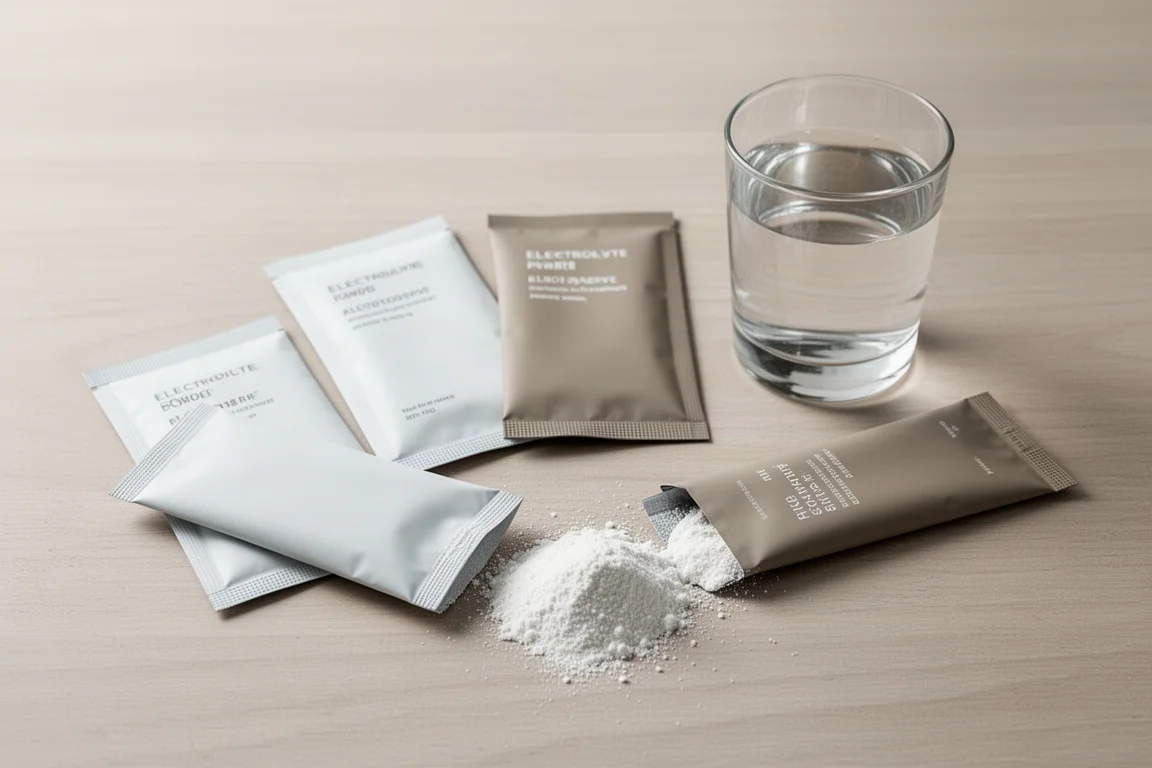
Electrolytes matter more in winter than most people expect, for three reasons. The salt content helps slow down how quickly your water freezes. A flavored mix makes you drink more when cold water is unappealing. And sweating does not stop just because the temperature dropped, so replacing sodium, potassium, and magnesium helps you avoid cramping and dehydration.
LMNT comes in a range of flavors and in single-serve packets that are easy to open even with gloves on. The chocolate flavor is worth knowing about if you carry a thermos: mixed with hot water, it becomes a hot chocolate with electrolytes in it.
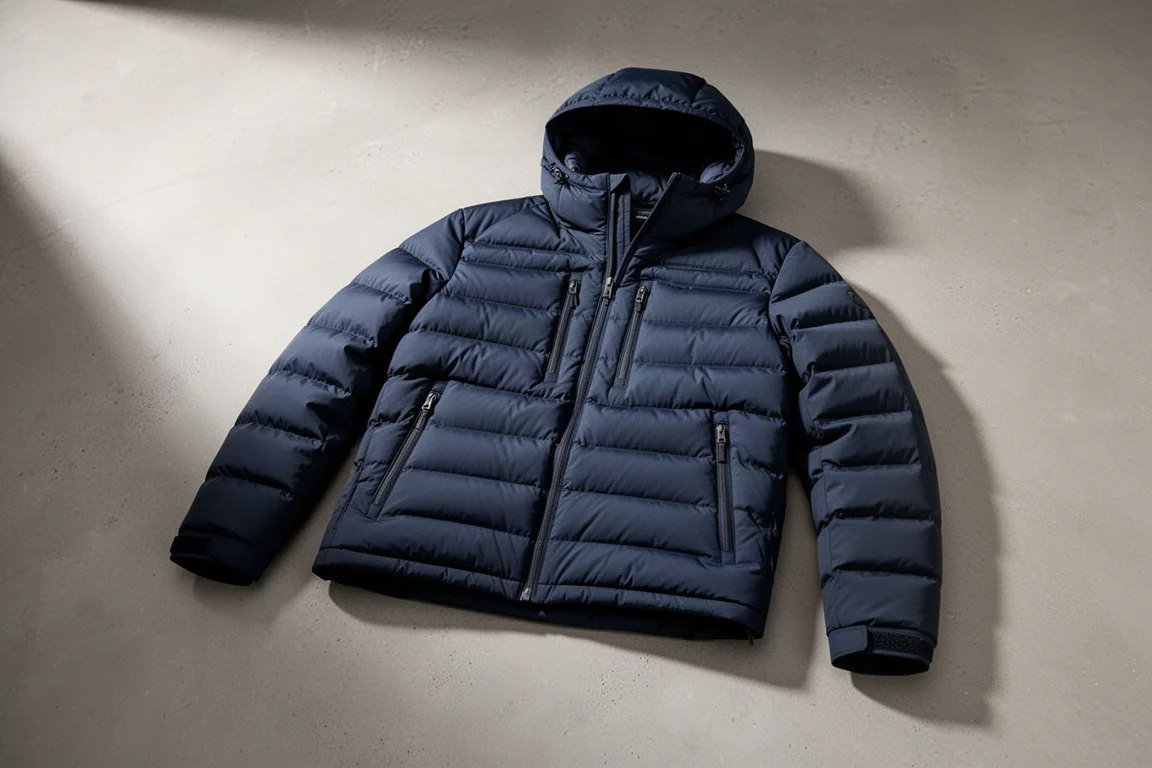
Best Insulation: Decathlon MT900 Down Jacket
The main insulation piece for a winter day trip is a down jacket, and down earns its place because it compresses smaller and weighs less than synthetic insulation of comparable warmth. The Decathlon MT900 is an affordable, very warm down parka that works well as a stationary layer.
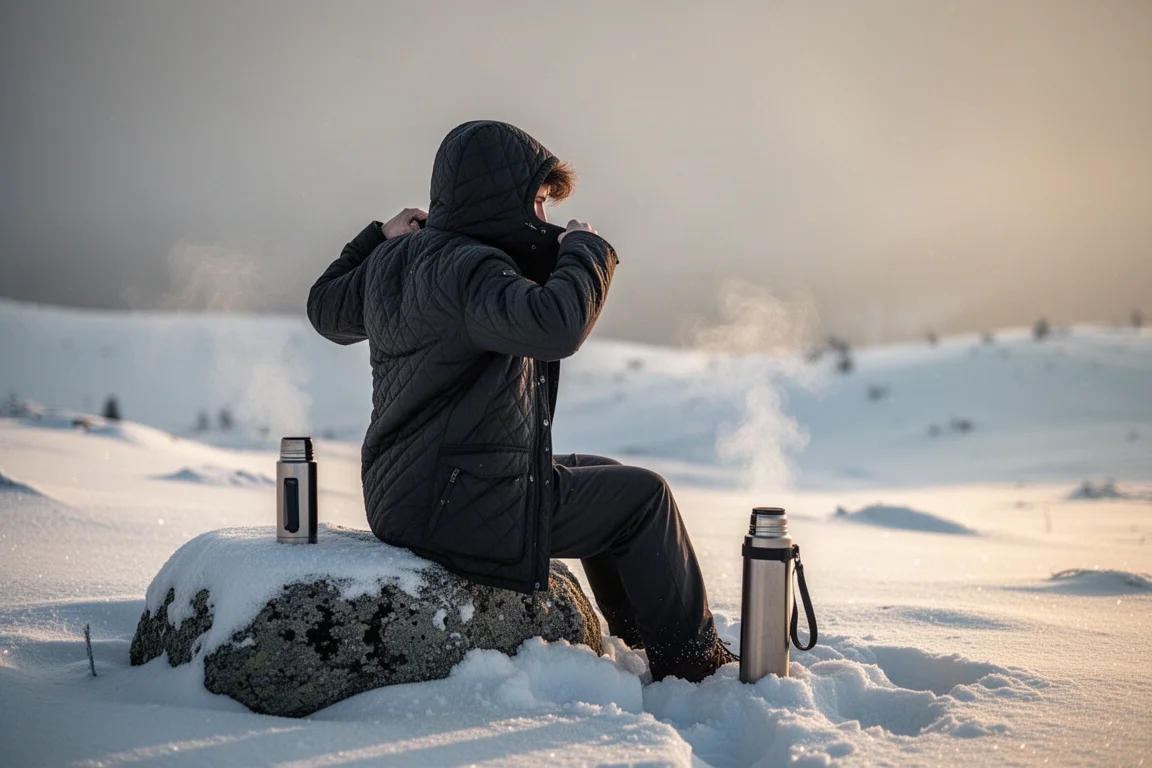
This is the jacket you pull on the moment you stop for a snack or a break, and it is also the layer that keeps you warm if a short delay turns into a longer one. For sitting around, it stays comfortable at roughly minus 5 and holds up in colder conditions in a pinch.
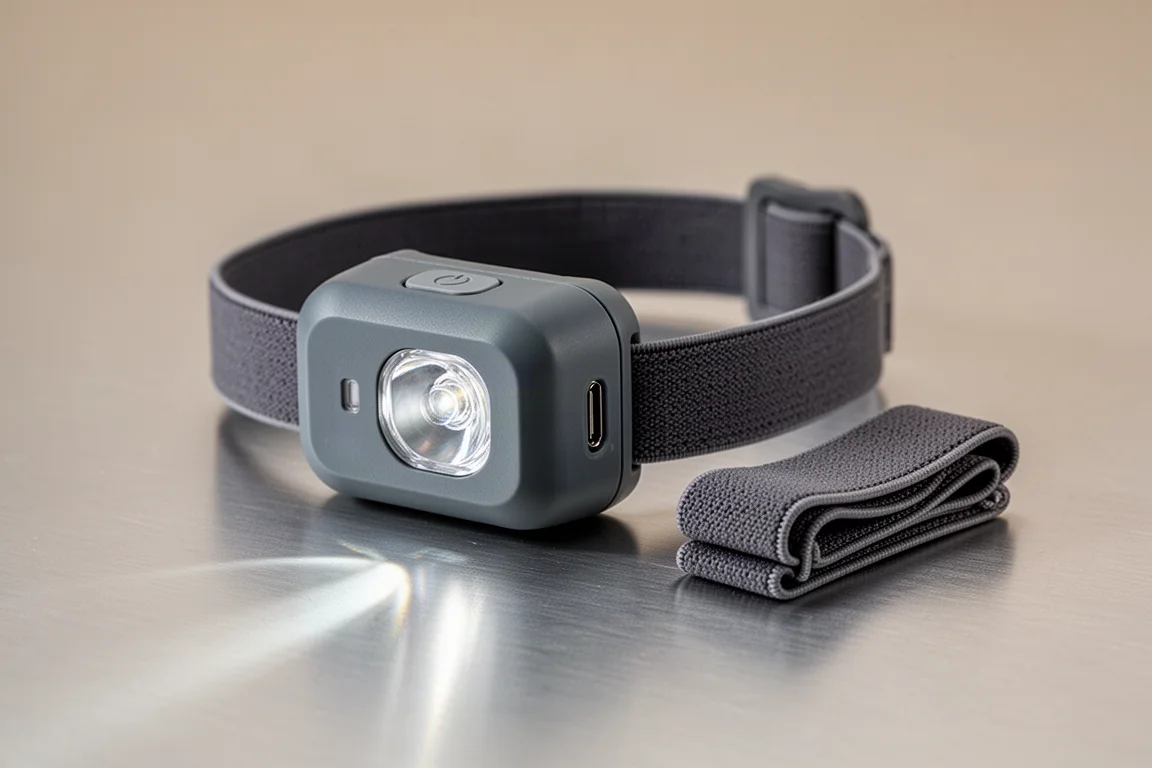
Best Headlamp: Black Diamond Deploy 325
Winter daylight is short, and an hour of delay can turn a daylight descent into a dark one. The Black Diamond Deploy 325 puts out 325 lumens in a lightweight body that is easy to keep in the pack on every winter trip.
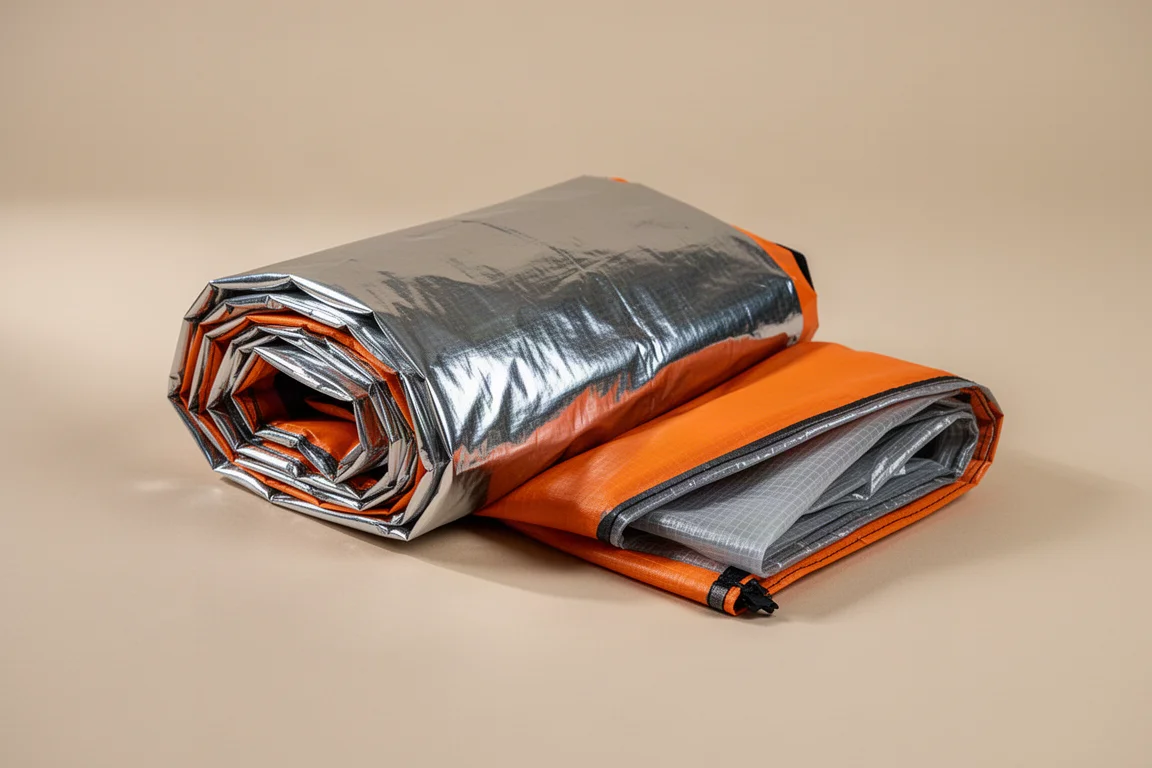
Best Emergency Shelter: SOL Escape Lite Bivvy
An emergency bivvy is the item you carry hoping never to open. The SOL Escape Lite is more breathable than the smallest, most compact bivvies, and that matters: condensation and moisture trapped inside a bivvy will cool you down quickly, which defeats the purpose of getting inside one.
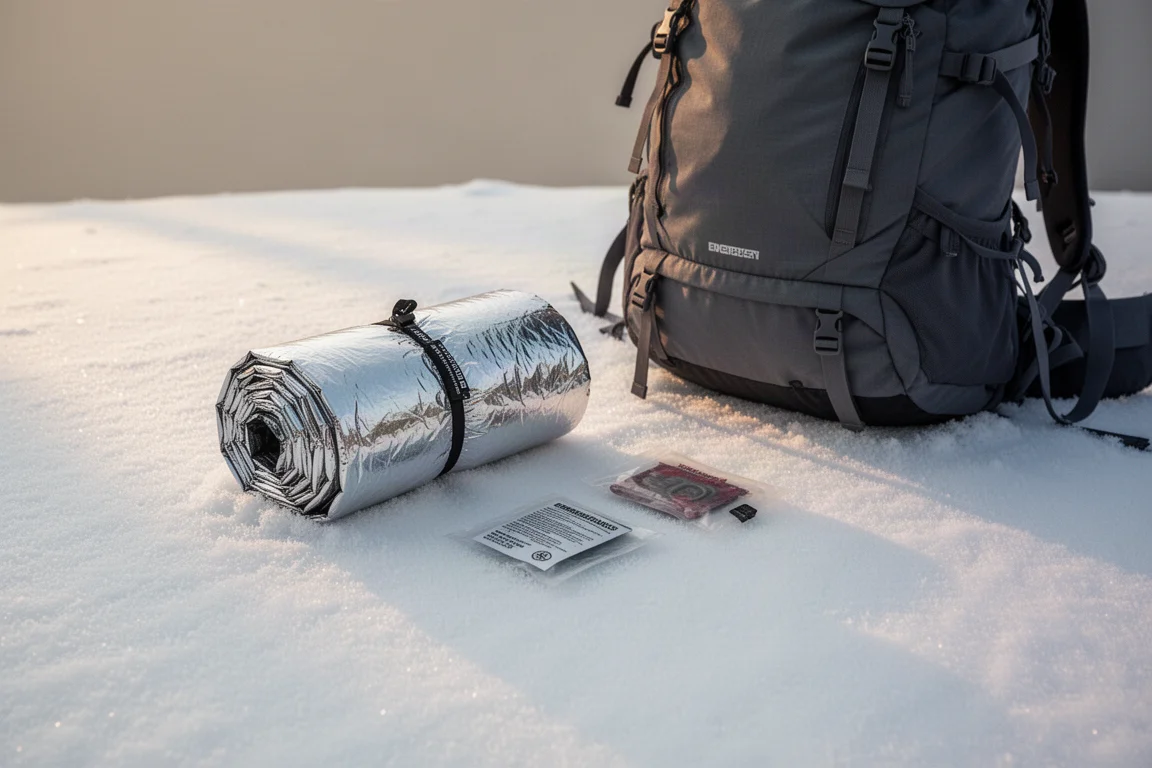
For day trips it is compact insurance that fits in the main compartment alongside the rest of the emergency kit and adds very little weight.
Best Multi-Tool: Leatherman Skeletool
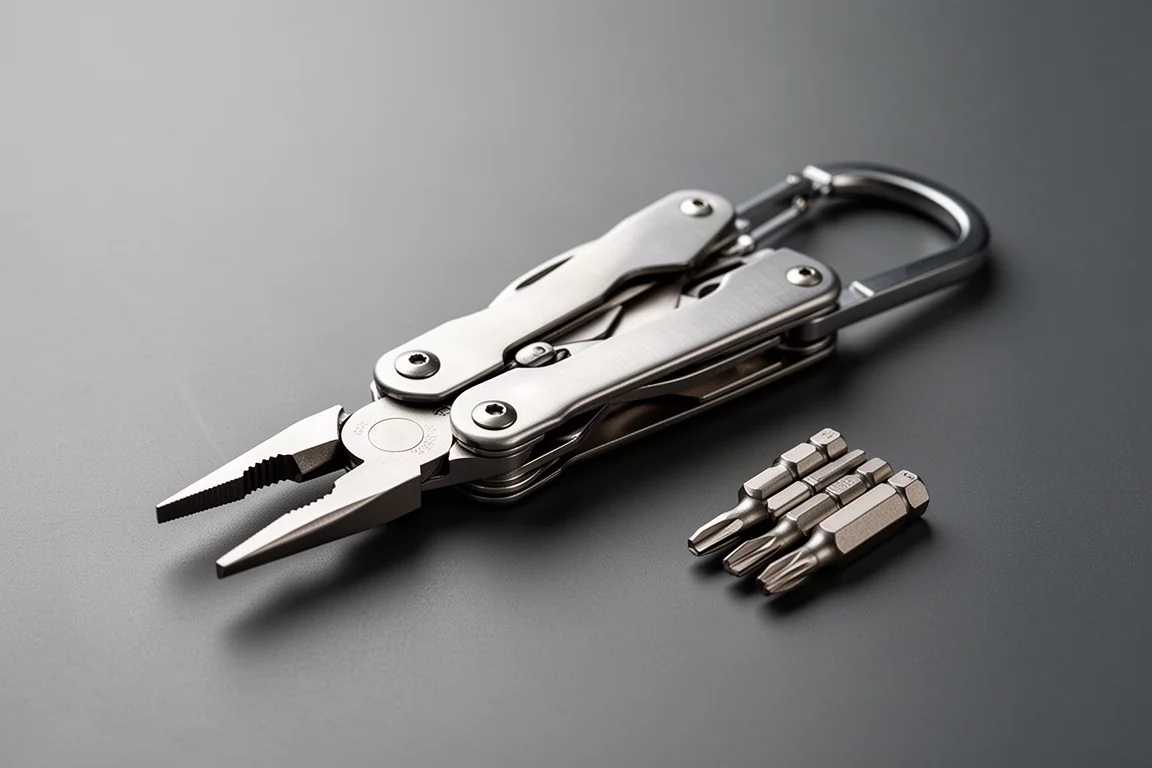
A repair kit is what keeps a small equipment failure from ending a trip. The Leatherman Skeletool is the core of that kit: a lightweight multi-tool with pliers, wire cutters, and bits that handle ski adjustments and small fixes.
It pairs with a few low-tech additions. Zip ties handle light-duty repairs, and wire wrapped around a zip tie is strong enough for the things that really need to stay locked down, such as ski bindings or snowshoes, and it holds better than tape in cold conditions. A small backup light and spare batteries for an avalanche beacon round out the kit, along with duct tape and the fire-starting basics in a first aid kit.
Overall Buying Advice
Build the kit in order of consequence. Start with the pack and the insulation layer, since those determine whether the day is comfortable at all. Add a headlamp and a repair kit next, because both cost little relative to the problems they solve. Then add the items that address less likely scenarios: a bivvy, a multi-tool, and an SOS device.
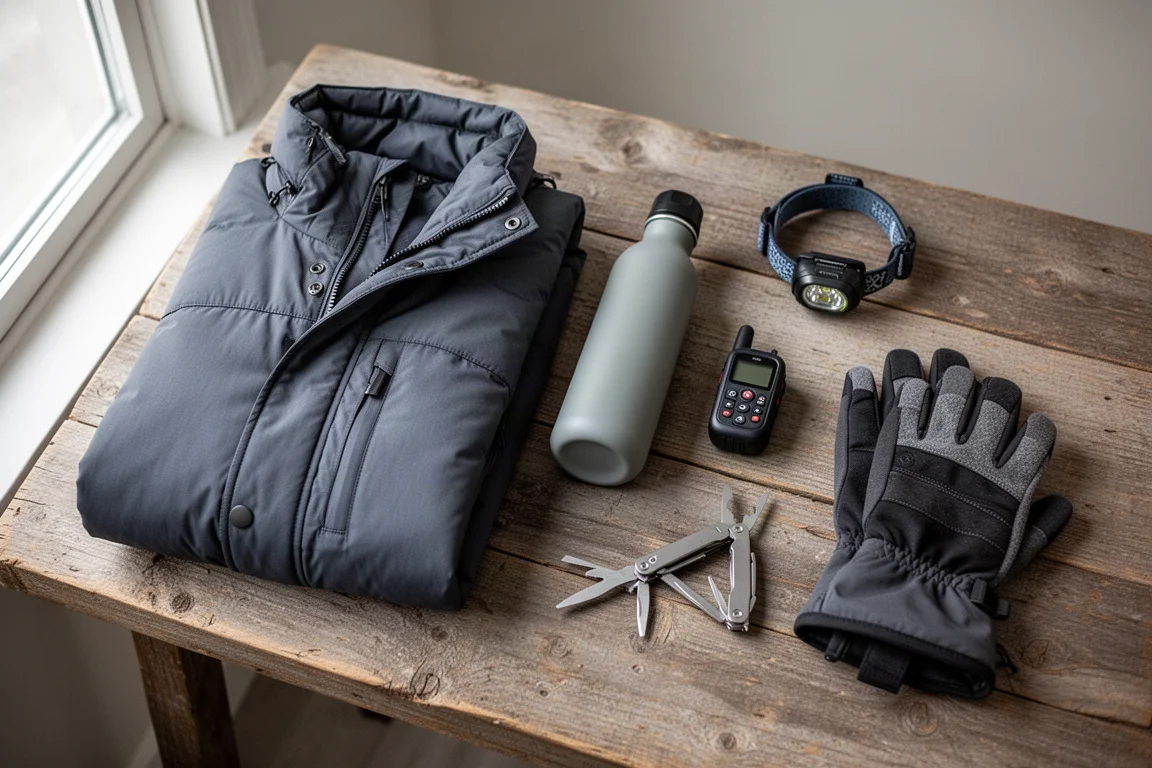
For most people, the communication device is the purchase that takes the longest to justify and the one that is hardest to replace once you actually need it. A $150 device plus a low-cost yearly plan is a small amount of money measured against the alternative.
Match capacity to the trip. A 500 ml bottle is enough for a short outing, while a 1 liter bottle and a larger message allowance make more sense for longer days. Treat the small items, the overgloves, the electrolyte packets, the spare socks and hat, as part of the plan rather than extras.
Conclusion
Winter day trips go well when the gear is chosen for the conditions rather than borrowed from summer. The Osprey Kamber 30 handles carrying and hydration, the Decathlon MT900 covers warmth during stops, the Black Diamond Deploy 325 covers light, the Motorola Defy covers communication, and the Leatherman Skeletool covers repairs. Everything else on this list fills a specific gap between those five.
Further reading
Related Reviews
Outdoor Gear
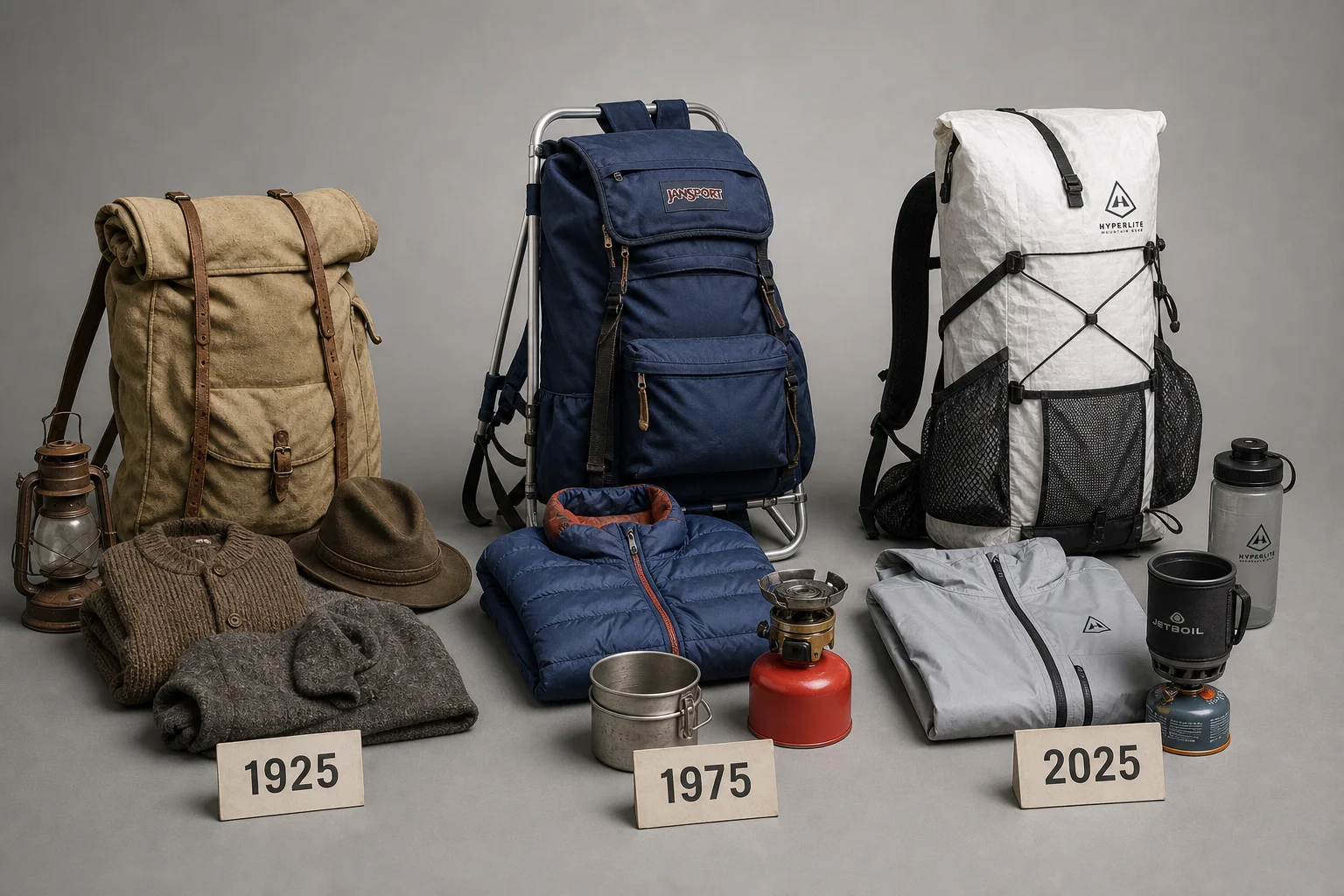
Backpacking Gear Evolution: 100 Years of Technology Compared
We tested backpacking gear from 1925, 1975, and 2025 across a three-day hike in Yosemite. Here's how technology has transformed comfort, weight, and the outdoor experience.
Outdoor Gear
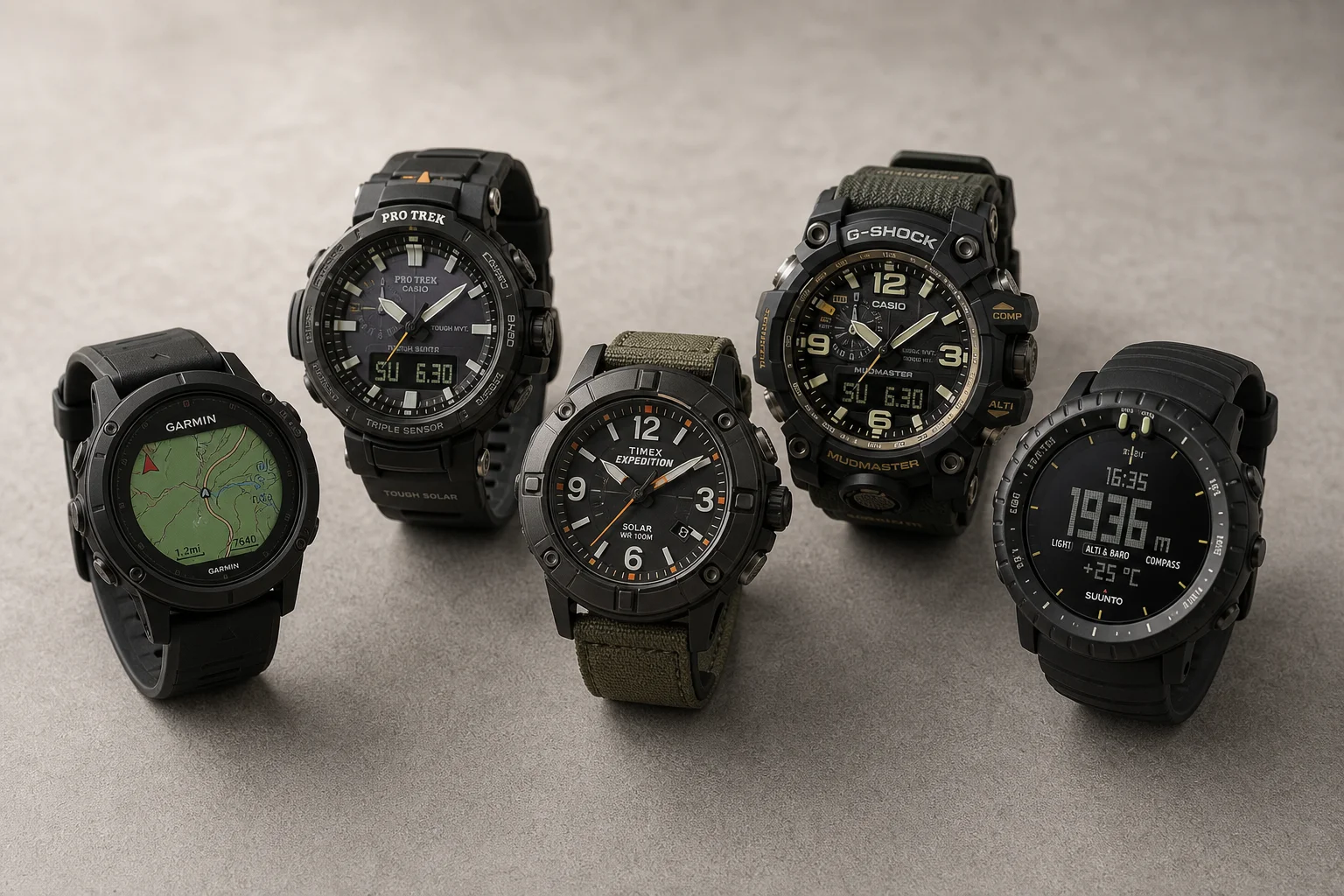
Best Affordable Hiking Watches: Five Rugged Options for Outdoor Adventures
Five durable hiking watches that balance ruggedness, functionality, and value for outdoor enthusiasts who need reliable GPS tracking and weather resistance.
Outdoor Gear
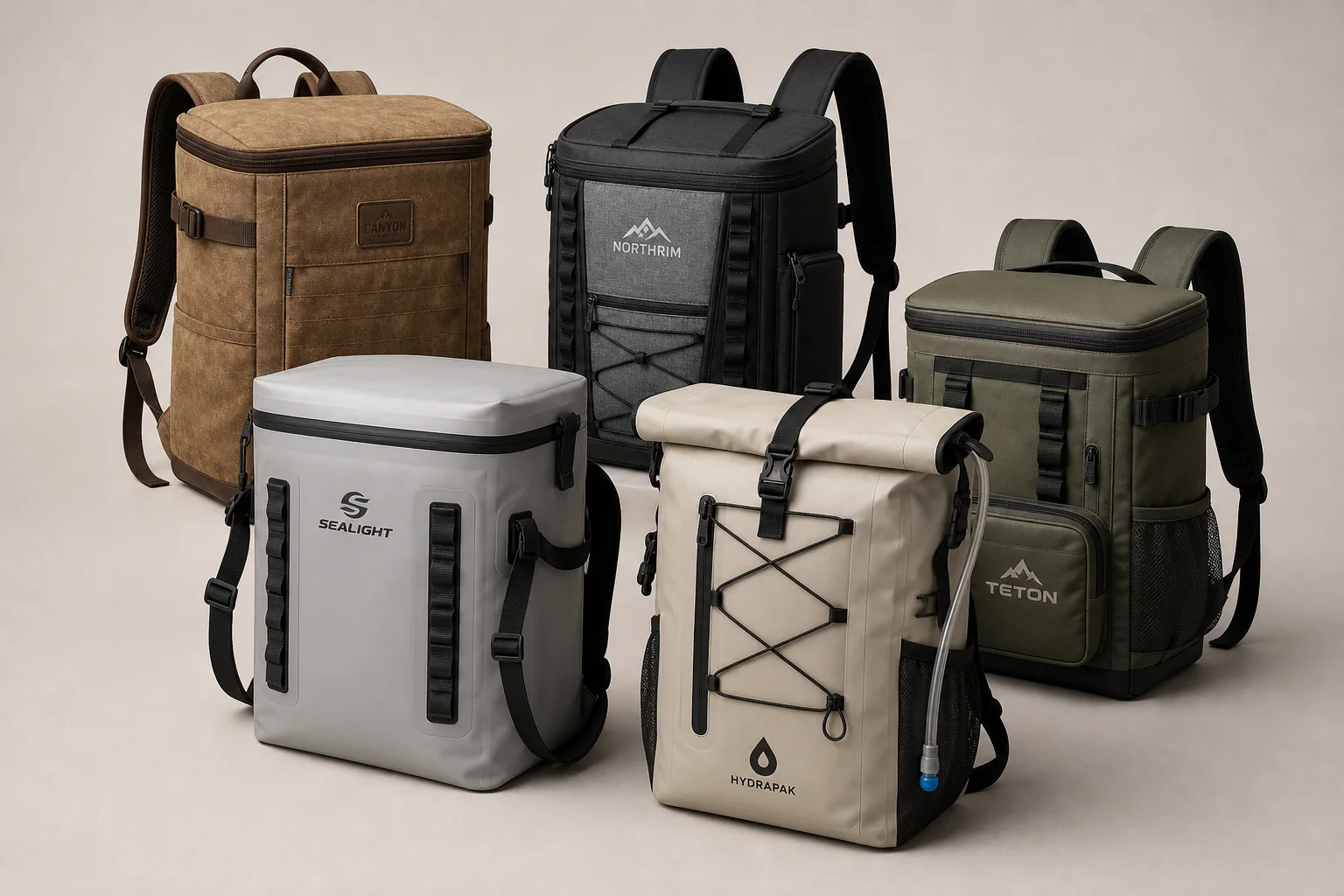
Best Backpack Coolers 2026: Five Practical Options for Outdoor Adventures
Five backpack coolers with distinct cooling capabilities, storage features, and design trade-offs to help you choose the right one for your outdoor needs.