Outdoor Gear
Winter Day Trip Gear: 8 Pieces Worth Packing for Cold-Weather Adventures
A practical roundup of winter day trip gear, from a ski-ready daypack and GPS navigation to emergency shelter, packable insulation, and hydration that will not freeze.
Introduction
Winter day trips look simple on paper: a trailhead, a few hours of skiing, snowshoeing, or hiking, and a return to the car before dark. In practice, cold temperatures shorten the margin for error. Water freezes, batteries fade, daylight disappears faster than expected, and a wet layer can turn an ordinary outing into a serious situation.
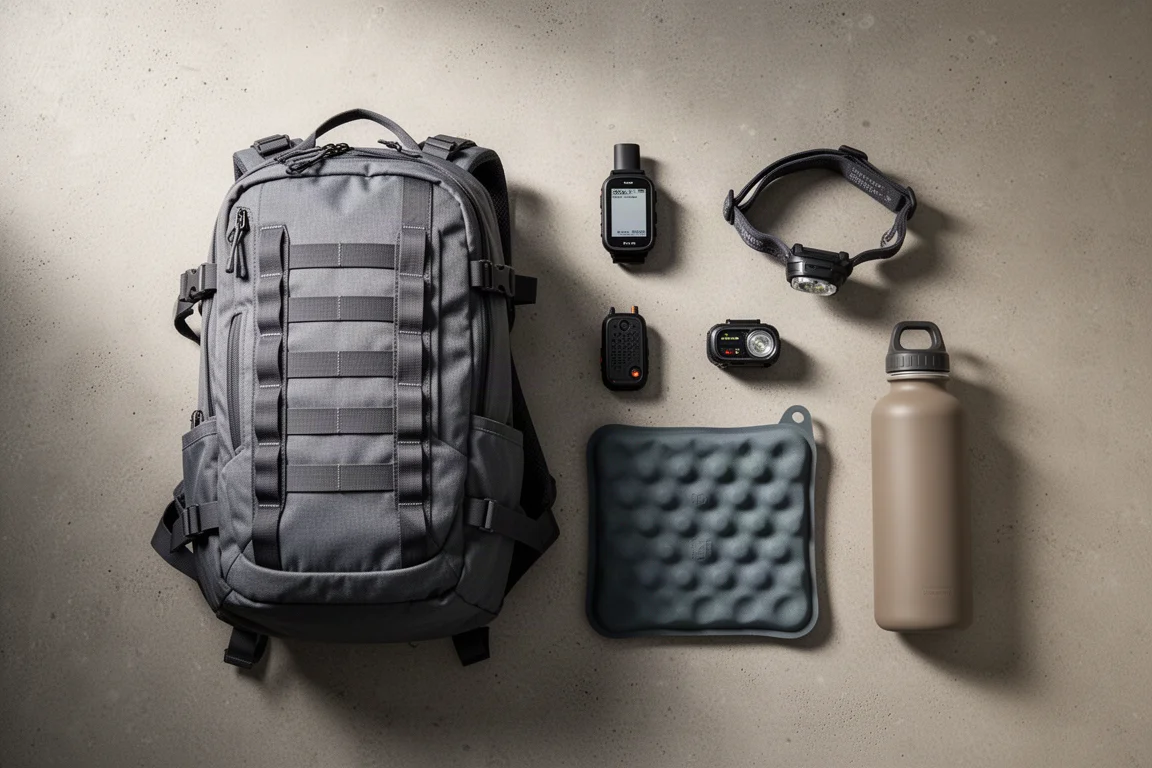
The gear below is chosen for that reality. Each item earns its place by solving a specific cold-weather problem, whether that means carrying awkward equipment, navigating a trail that has vanished under snow, or keeping an injured companion warm while help is on the way.
What Matters on a Winter Day Out
Winter conditions ask different questions of your kit than summer hiking does. The priorities are staying warm, staying found, and staying able to call for help. In practice that means three categories of gear: the essentials that keep you safe when something goes wrong, the insulation that keeps your body temperature stable once you stop moving, and the small comforts that make a long, cold day genuinely enjoyable rather than merely survivable.
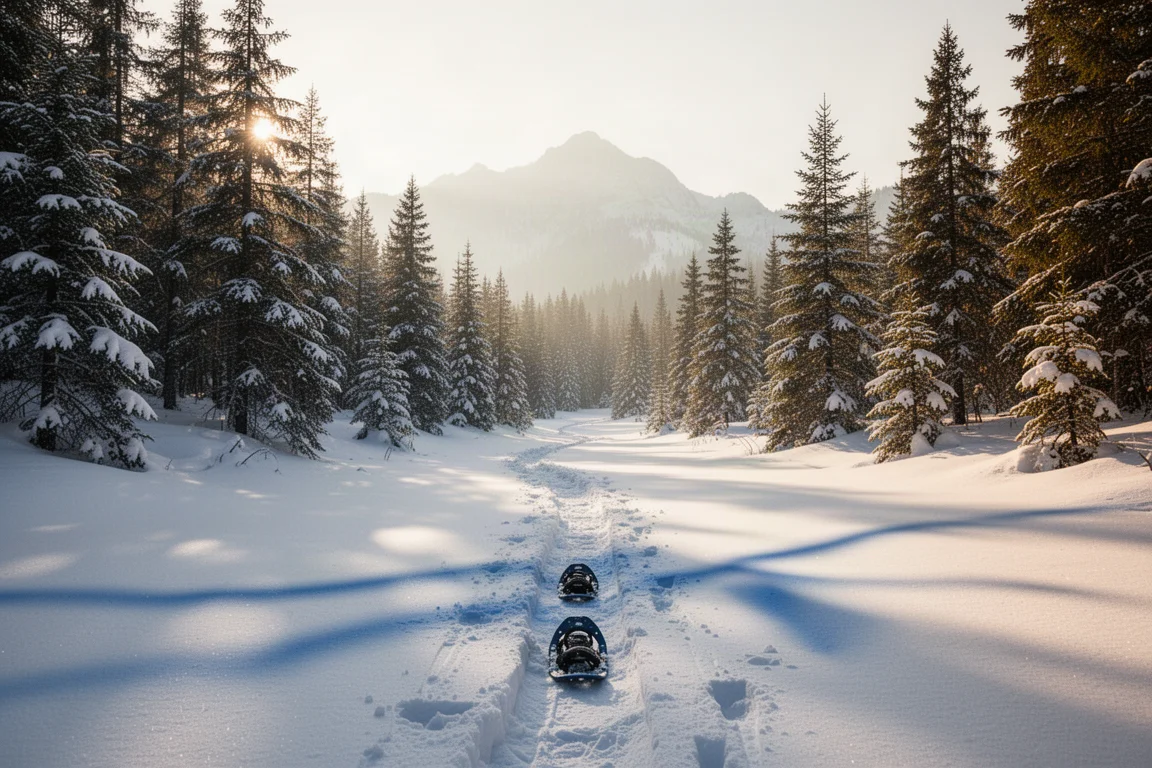
A useful test for any item is whether it solves a problem a summer alternative cannot. A bottle that freezes is not hydration. A phone with a flat battery is not navigation. A jacket too bulky to carry is not insulation. Weight matters, but reliability in low temperatures matters more, and the best winter kit is the kit you actually bring because it is light and easy to pack.
Gregory Tari Fast Track 24: Carrying Awkward Winter Gear
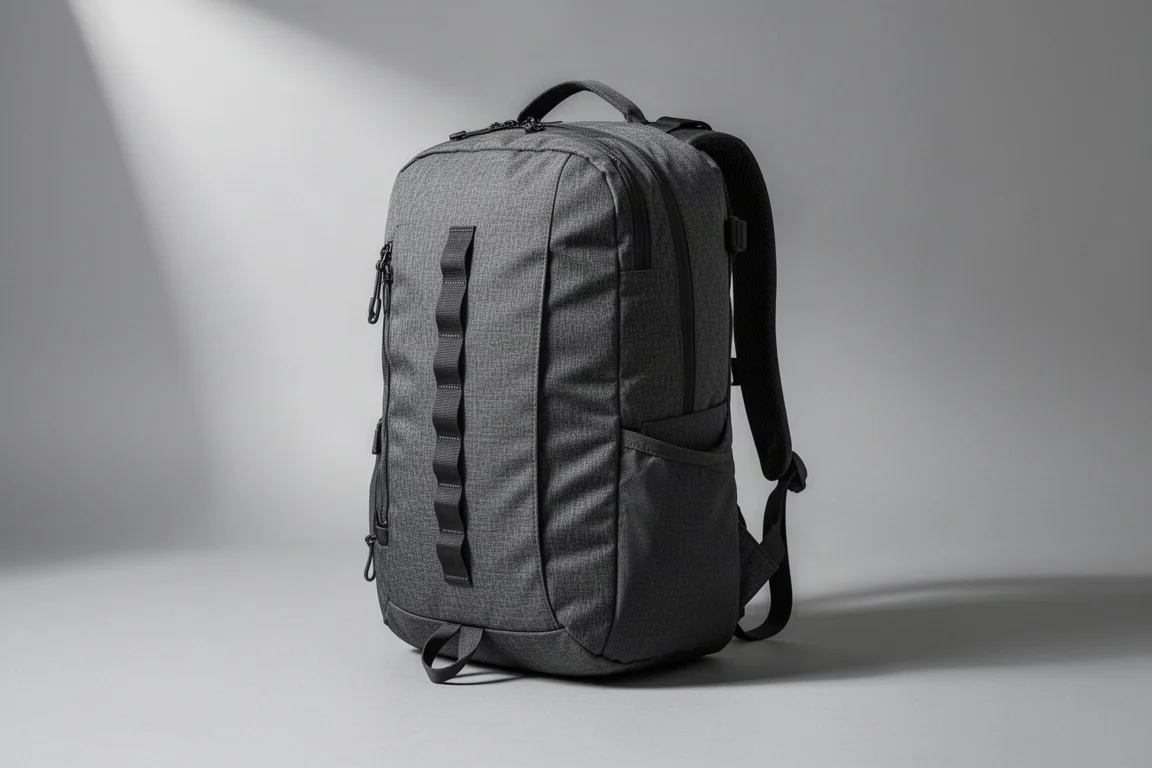
The Gregory Tari Fast Track 24 is the lightweight member of the Tari line, and it is built around a simple idea: give a daypack enough attachment points to carry whatever the season throws at it. A row of webbing loops runs down the back panel, which makes it straightforward to lash snowshoes, skis, or extra layers to the outside of the pack with a couple of straps. A hip belt pocket keeps snacks within reach without stopping.
A dedicated loop tucks out of the bottom of the pack so skis can be carried briefcase style, and a second attachment wraps around the skis and clips into the shoulder strap for hands-free carrying on a climb or a traverse. It suits resort days, cross-country skiing, snowshoeing, and hiking, which says a lot about how broadly it adapts. Its low weight is the main trade-off: this is a stripped-down carry rather than a load hauler.
Garmin Fenix 6 Pro Solar: Navigation on Snow-Covered Trails
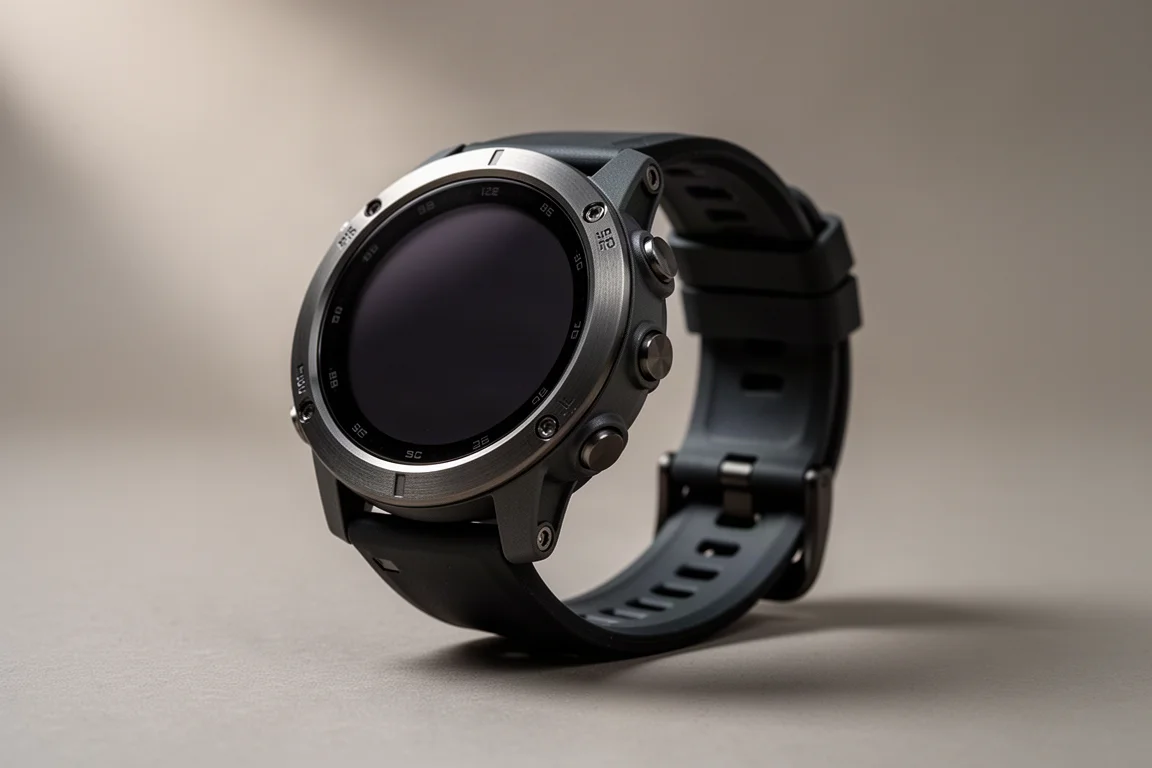
Snow covers trails and erases the landmarks that make summer navigation straightforward. The Garmin Fenix 6 Pro Solar addresses that problem directly. You can load a track onto the watch and follow it on the built-in topo maps, so route-finding stays on your wrist instead of on a phone that may be cold and buried in a pocket. That matters most on trails that have not seen traffic since the last snowfall.
Because cold temperatures shorten battery life, the watch pairs well with a small power bank kept in an inside pocket. It is a premium purchase, and the map-based navigation toolset is what justifies it for winter travel.
Garmin inReach: Communication Beyond Cell Coverage
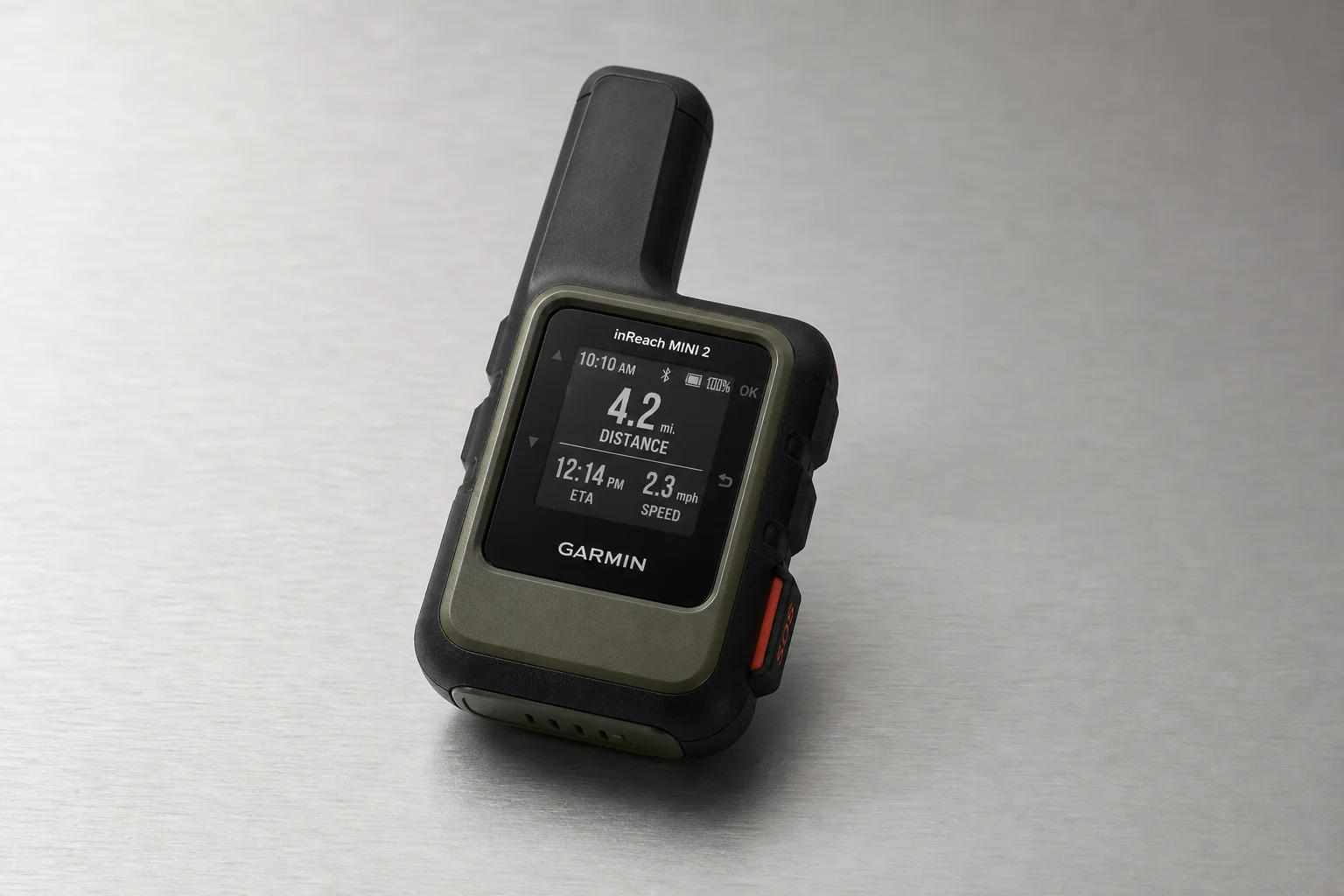
Cell coverage disappears in many mountain valleys, and that gap is one of the most underestimated risks of a winter day out. The Garmin inReach closes it. The SOS button connects to emergency rescue services if you are injured or in trouble, and preset messages let you check in with family or coordinate with people who are waiting for you.
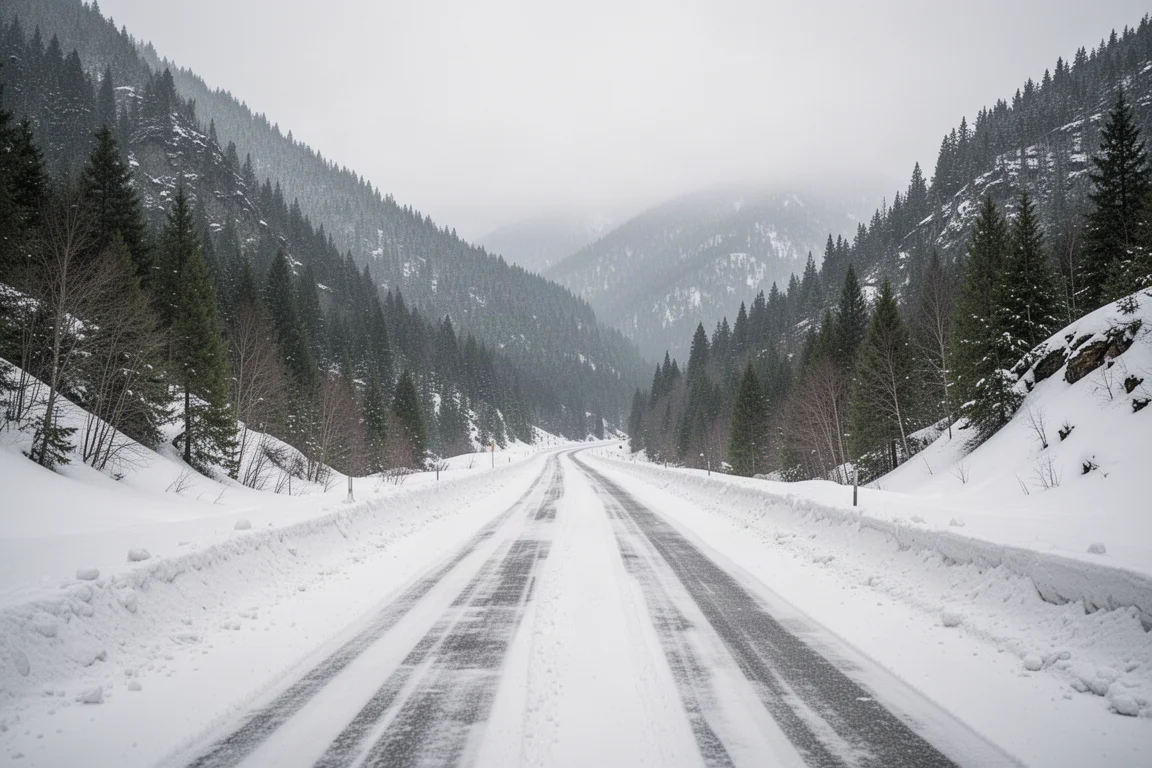
Its usefulness is not limited to the trail. On winter drives through areas with no reception, a collision or a slide off the road can leave you stranded with no way to call for help. Keeping the device in the car as well as the pack lets the same purchase do double duty.
Nitecore NU25: Light for Short Winter Days
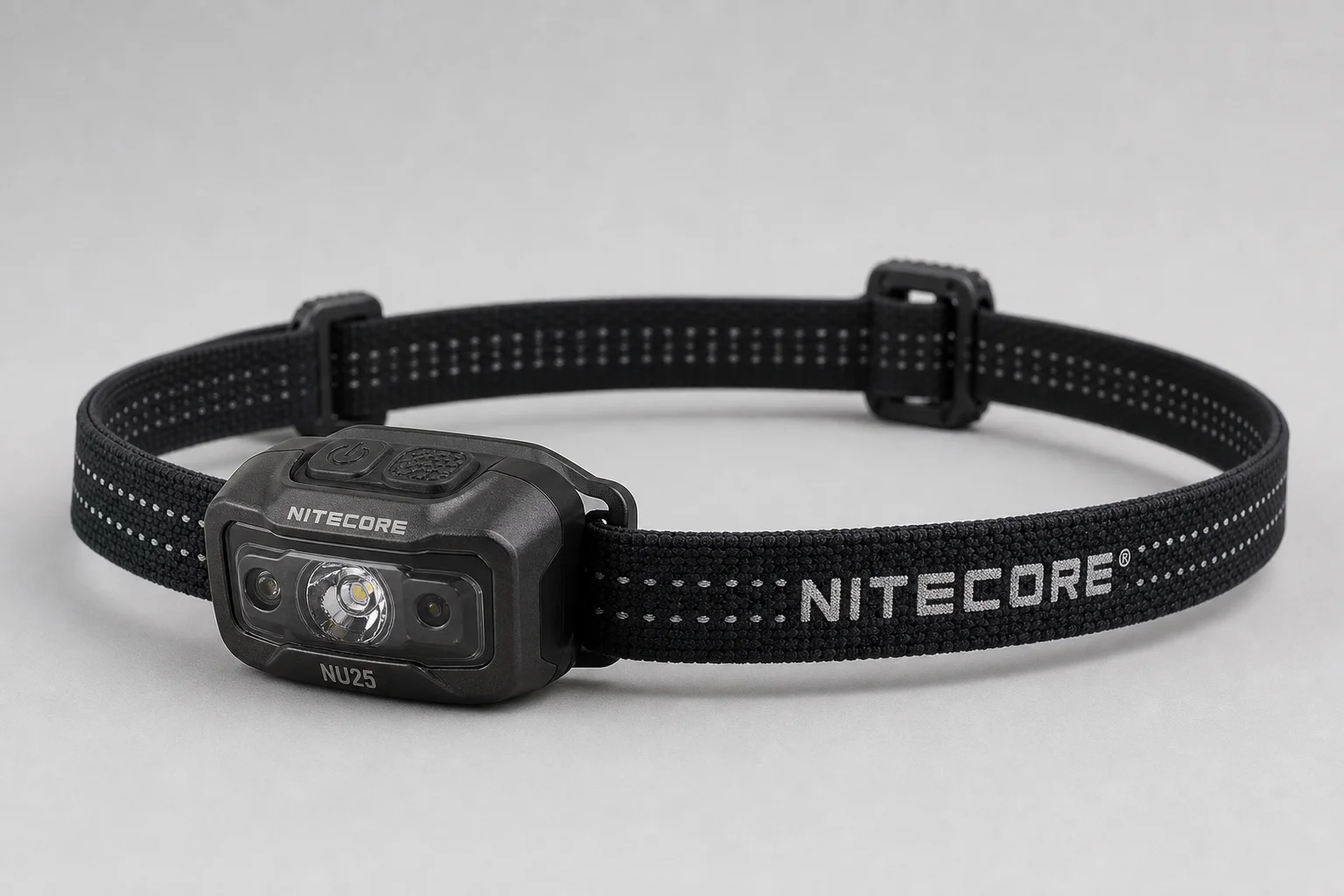
Winter daylight is short, and it is easy to misjudge how long a route will take or how long the return to the car will be. The Nitecore NU25 is small and light enough to disappear into a pack pocket, which removes any excuse for leaving it behind.
Cold temperatures are hard on batteries, so treat a headlamp as an item to charge and check before every trip, and keep a spare power source in the pack alongside it. A light you remember to bring is worth far more than a brighter one sitting at home.
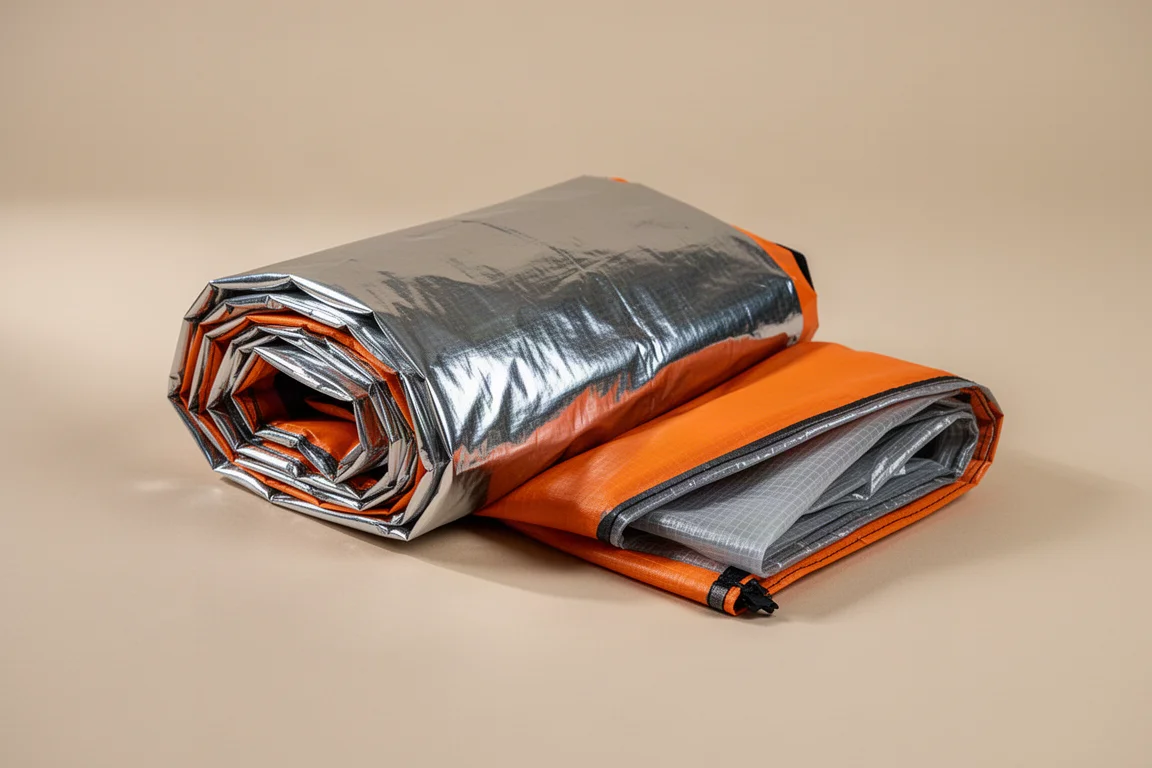
SOL Escape Lite Bivvy: Emergency Shelter That Breathes
Emergency shelter is one of those items you hope never to unwrap. The SOL Escape Lite Bivvy is a compact alternative to a standard emergency blanket, and the key difference is breathability. It releases more of the moisture your body produces, which reduces the condensation that builds up inside.
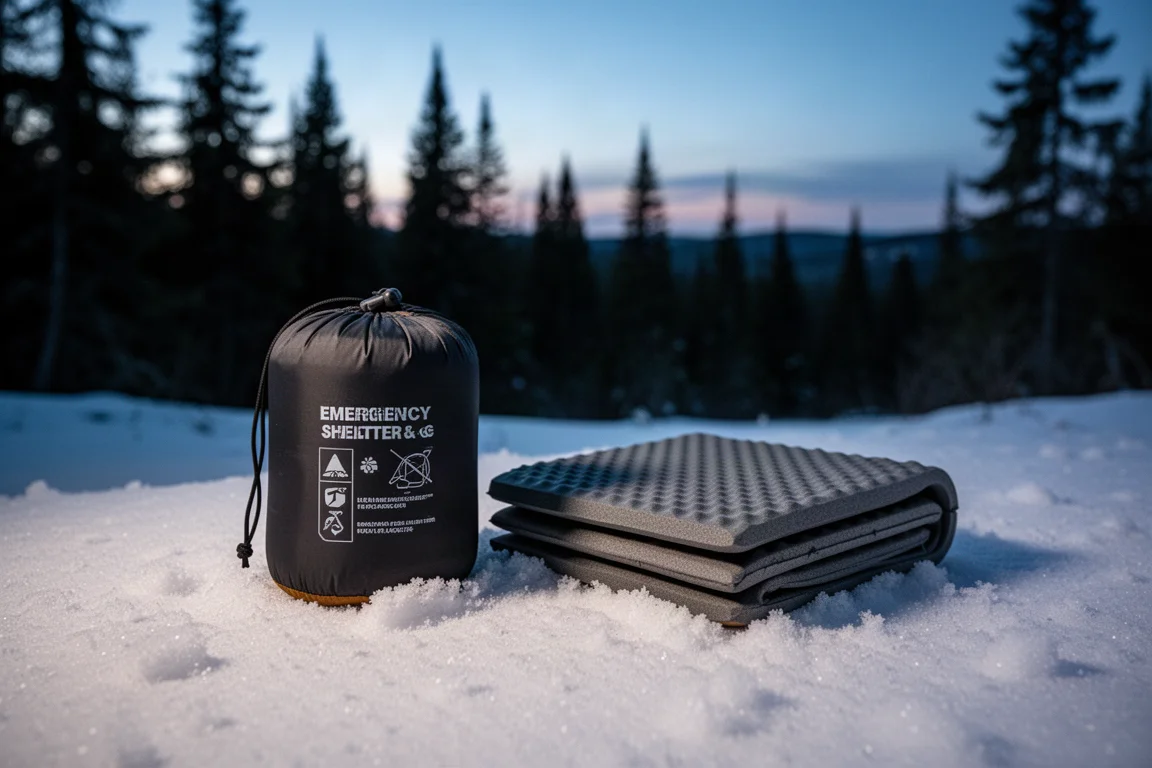
That detail matters more in winter than in any other season. Moisture collecting in your clothing or insulation strips warmth away quickly, and staying dry is one of the most important factors in staying safe in the cold. The bivvy is not a substitute for a proper sleeping system, but it is a lightweight layer of insurance for the worst case.
Decathlon Trek 100 Down Jacket: Affordable Insulation
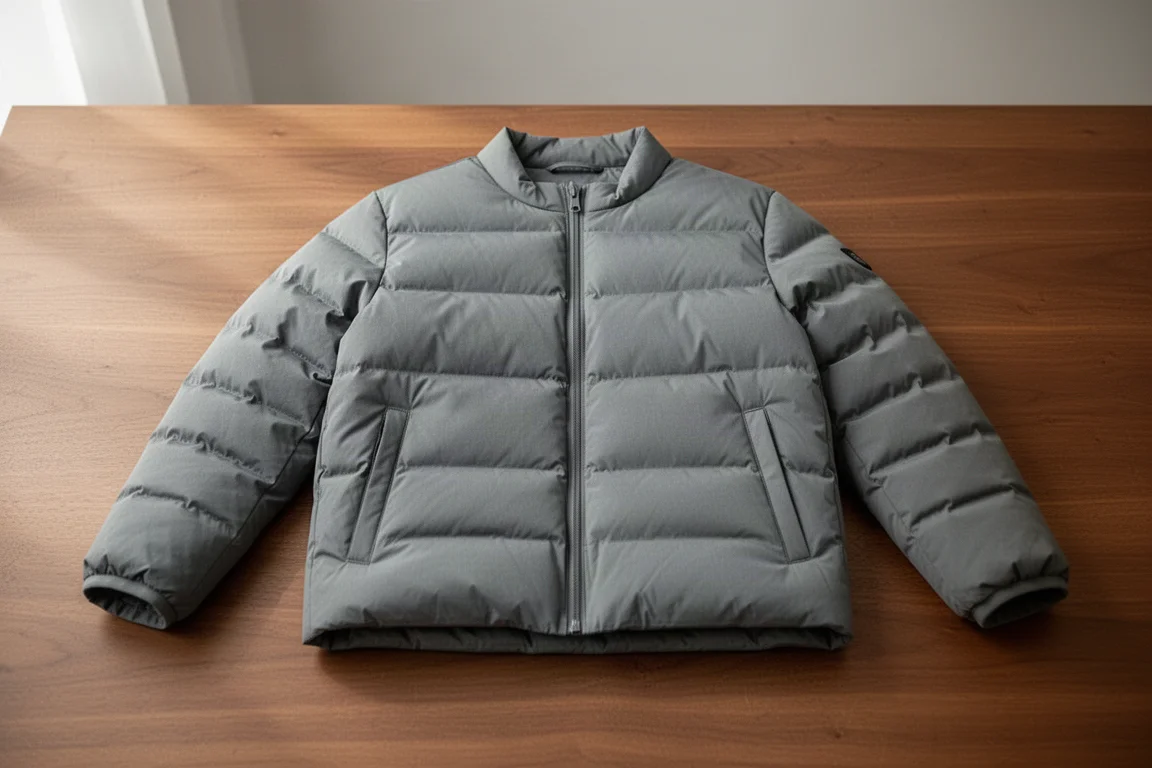
Insulation is the piece of kit that turns a cold break into a comfortable one. The Decathlon Trek 100 down jacket is light for the warmth it provides and packs down small enough to live in the pack until you stop for lunch or start to feel the chill.
For colder days, the Decathlon TRE 900 down jacket is the warmer option in the same family, and it remains affordable for the warmth it delivers. Either way the logic is identical: pull the jacket on the moment you stop moving, because a stationary body cools fast.
Platypus SoftBottle: Keeping Water From Freezing
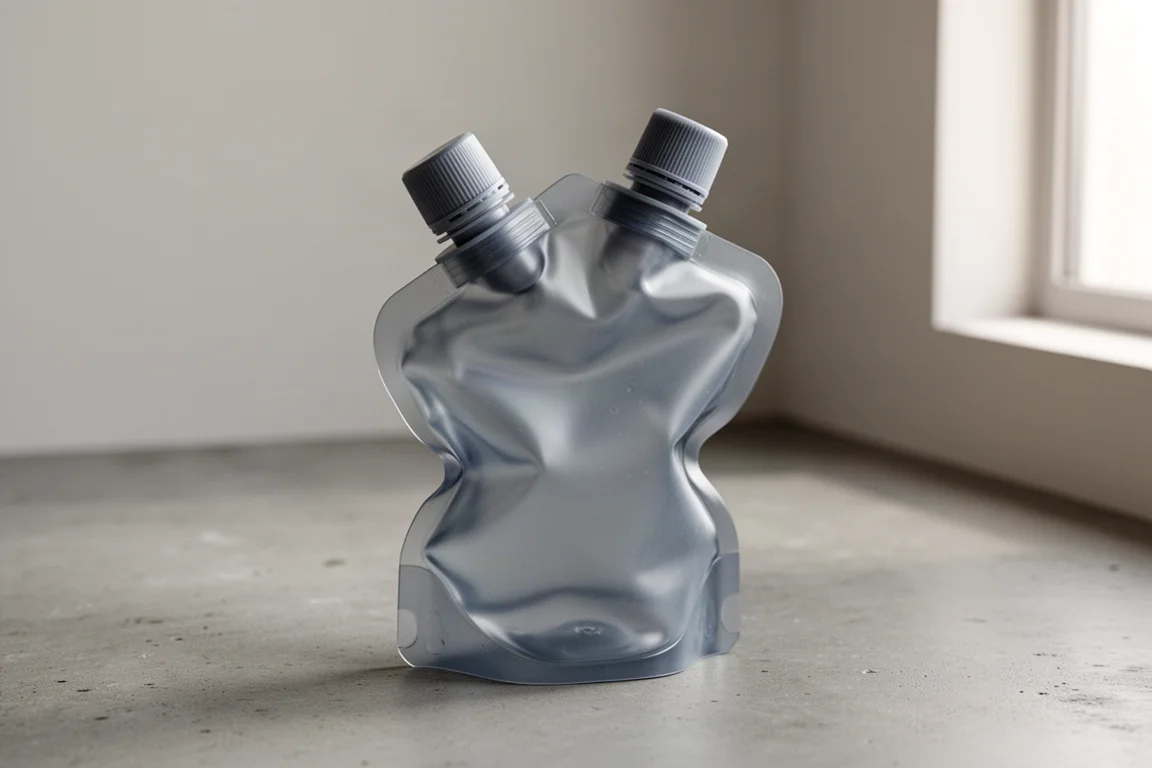
Water management is one of the quiet challenges of winter. A bottle carried on the outside of a pack is very likely to freeze, which turns a hydration plan into a problem. The Platypus SoftBottle solves it by being soft and collapsible enough to tuck inside a jacket pocket, where body heat keeps the contents liquid.
Because it is soft rather than rigid, it flattens as it empties and takes up almost no room once you have drunk your fill. For anyone who has dealt with a frozen bottle at the halfway point of a trip, this is a small change with an outsized effect.
Zseat Foam Pad: Small Comfort on Cold Breaks
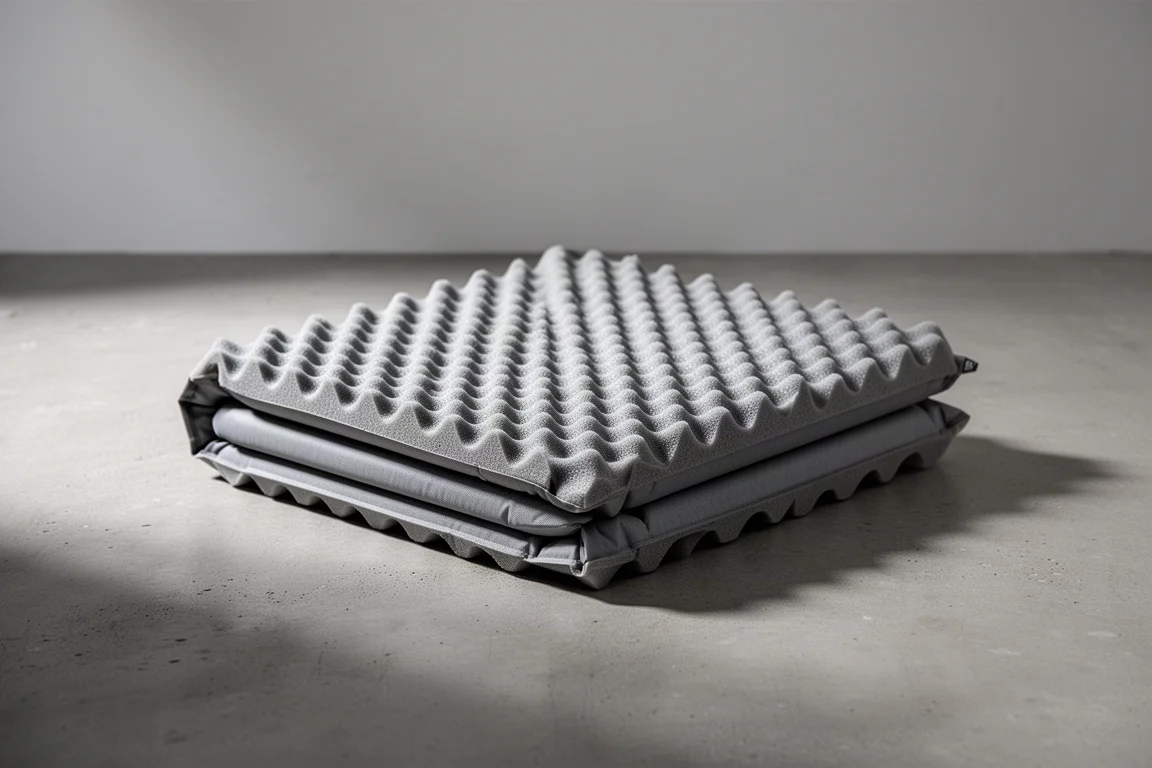
Breaks are colder than they look. Sitting directly on snow pulls heat out of your body quickly, and the Zseat foam pad is a lightweight answer. It gives you a dry, insulated surface to sit on, which keeps you warmer and makes a lunch stop something to enjoy rather than endure.
It adds very little weight and takes up minimal space, so it tends to come along on trips where a heavier comfort item would not. Paired with a hot drink from a flask, it turns a short stop into a genuine reset.
Buying Advice for Winter Day Trips
If you are building a winter day kit from scratch, start with the items that address risk rather than comfort. A satellite communicator, a light source, an emergency shelter, and a warm layer cover the scenarios that turn a delayed return into an emergency. Navigation comes next, because snow hides the trail and daylight is short.
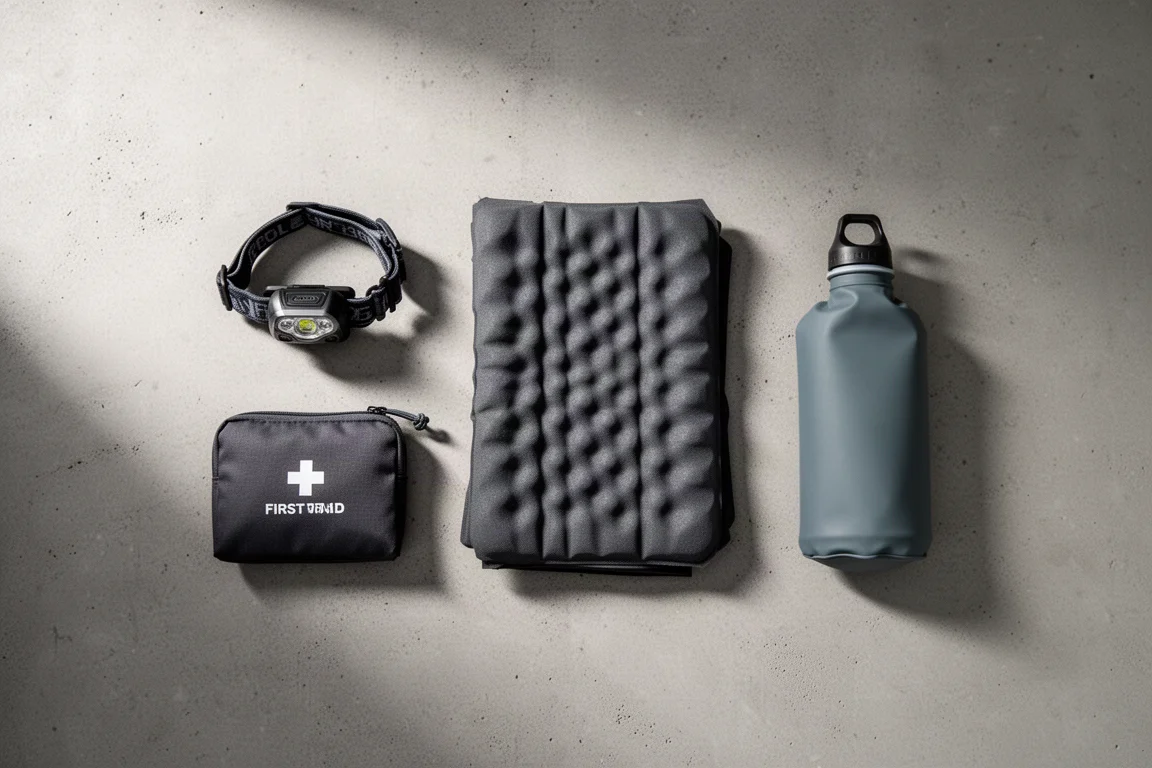
From there, add the pieces that make the day work better: a pack with real attachment points, a hydration system that will not freeze, and a sit pad for breaks. None of these items is expensive relative to the safety margin it adds, and most are light enough that the only real cost is remembering to pack them.
Finally, check the whole kit before every trip. Batteries fade in the cold, bottles need to be filled and stowed against the body, and a repair kit only helps if the tools inside it are actually there.
Conclusion
The eight items here are not a complete winter survival system, and they are not meant to be. They are the pieces that make a day out in the cold safer and more comfortable: a pack that carries awkward gear, navigation that works when trails vanish, communication that reaches beyond cell coverage, light for short days, emergency shelter, affordable insulation, hydration that stays liquid, and a small comfort for the moments you stop moving. Packed together, they turn a winter day trip into something you can plan around with confidence.
Further reading
Related Reviews
Outdoor Gear
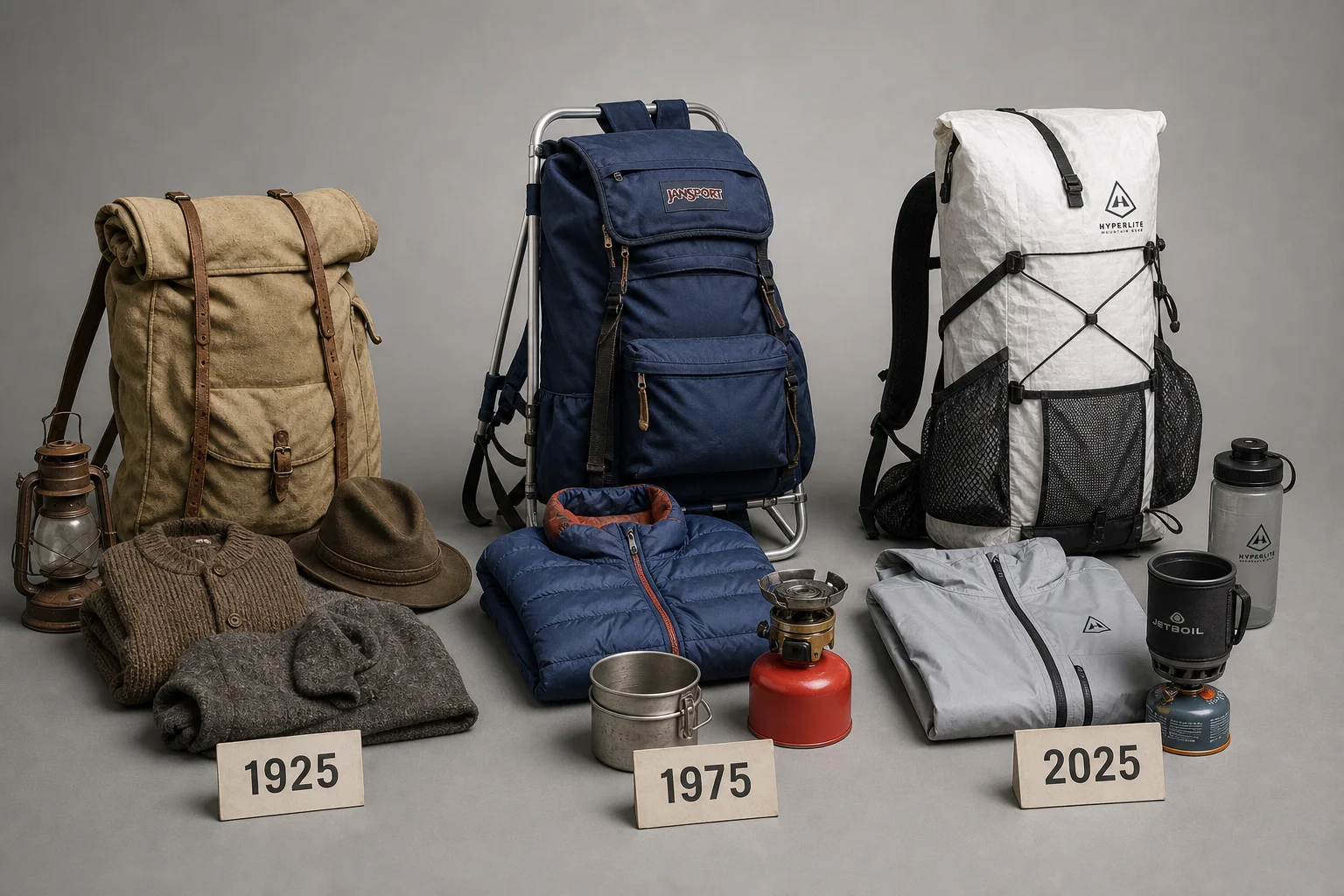
Backpacking Gear Evolution: 100 Years of Technology Compared
We tested backpacking gear from 1925, 1975, and 2025 across a three-day hike in Yosemite. Here's how technology has transformed comfort, weight, and the outdoor experience.
Outdoor Gear
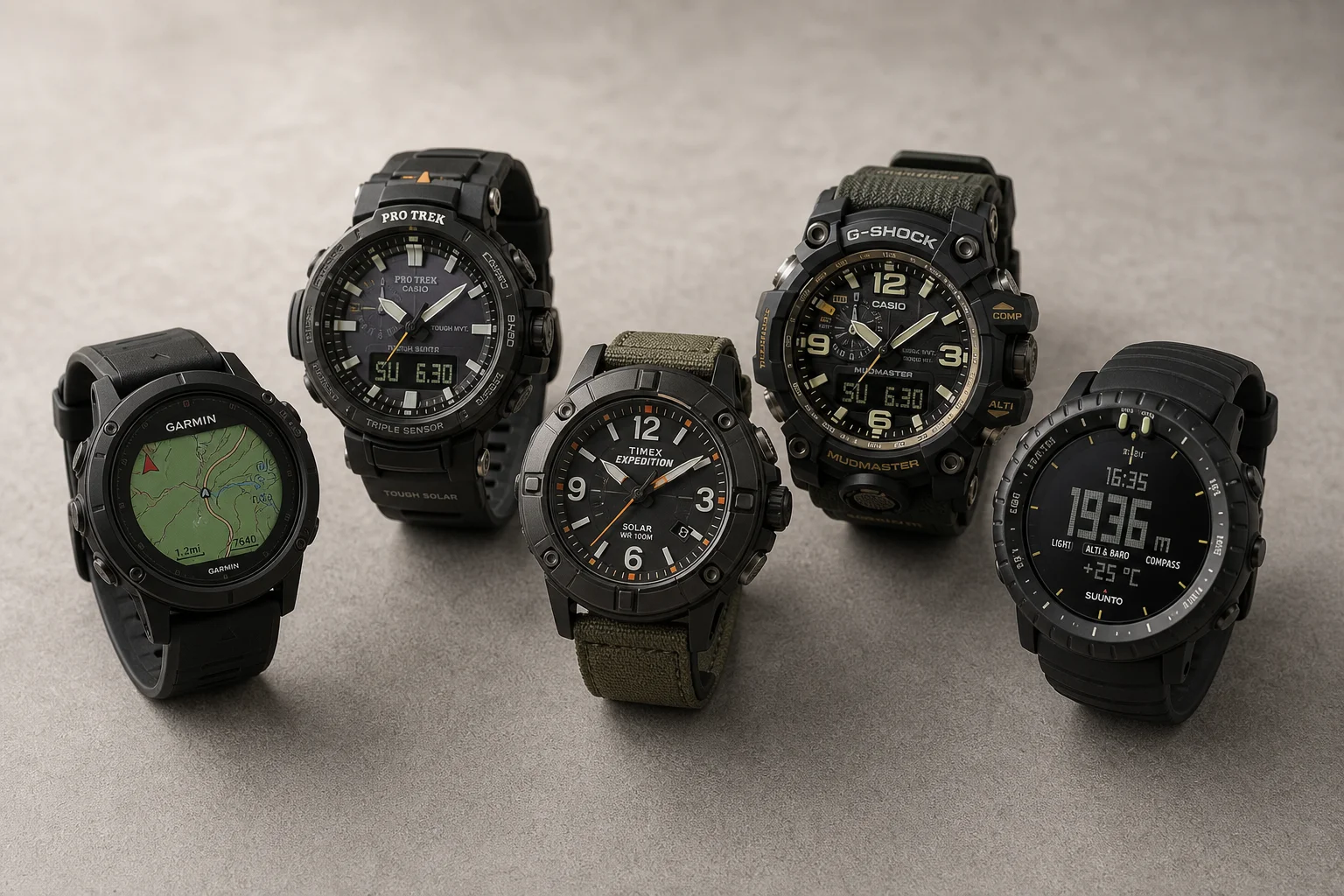
Best Affordable Hiking Watches: Five Rugged Options for Outdoor Adventures
Five durable hiking watches that balance ruggedness, functionality, and value for outdoor enthusiasts who need reliable GPS tracking and weather resistance.
Outdoor Gear
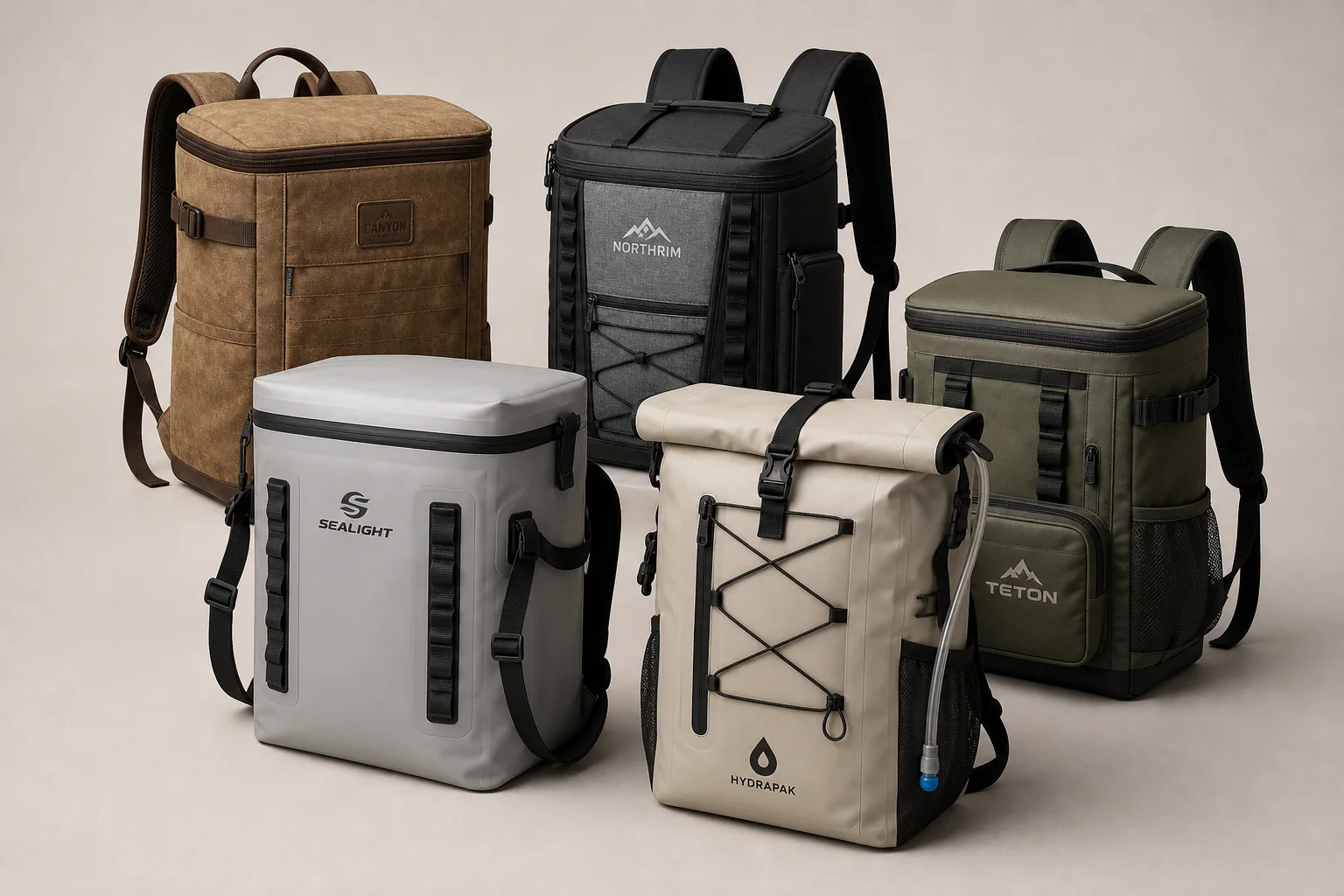
Best Backpack Coolers 2026: Five Practical Options for Outdoor Adventures
Five backpack coolers with distinct cooling capabilities, storage features, and design trade-offs to help you choose the right one for your outdoor needs.