Camping Gear
Winter Camping Gear Tested: An Ultralight Tent and Three Cold-Weather Sleeping Pads
A field-tested look at the X-Dome tent and three winter sleeping pads, with clear strengths, real trade-offs, and practical buying guidance.
Introduction
Winter camping puts gear under a particular kind of pressure. Staying warm overnight matters more than almost anything else, weight and packed bulk decide how hard the trip feels, and comfort decides whether you actually sleep. That combination is why shelter and sleeping pads get so much attention from anyone who camps on snow.
This guide covers four pieces of gear that were put through a cold-weather overnight test: the X-Dome tent and three winter sleeping pads, the Exped Ultra 7R, the Therm-a-Rest XTherm, and the Nemo Tensor Extreme Conditions. Base layers, vapor barriers, and a cook pot were also part of the wider kit, but the tent and the pads produced the most useful lessons.
What Matters in Winter Shelter and Sleep Gear
Weight and packed volume come first. A tent that comes in under a kilogram and a pad that rolls down small make a measurable difference to how a winter pack carries, and bulky shelter is one of the fastest ways to turn a trip into a grind.
Wind and snow handling come next. Freestanding tents are easier to pitch on sugary snow, on rocky ground, or in thin snow cover where deadman anchors will not hold, but many winter-specific freestanding designs are heavy and bulky. How a tent behaves in wind depends on its shape, its guy points, and how much solid fabric it uses relative to mesh.
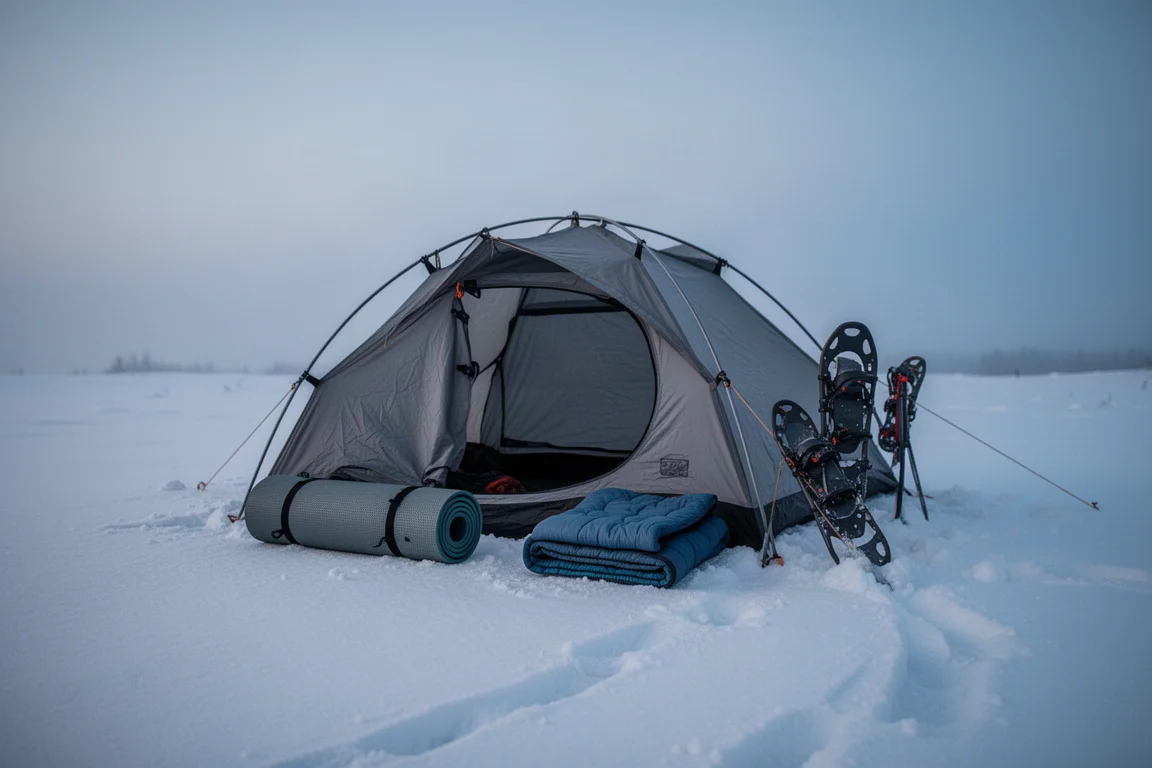
Insulation behavior is the third factor. Sleeping pads do not all trap warmth the same way. Some use synthetic insulation stretched between the top and bottom surfaces of the pad, while others use loose down that sits inside each baffle. The two approaches can feel very different in cold conditions, and the difference shows up most clearly on snow.
Comfort and cold-weather handling round out the list. Baffle orientation affects how a pad feels under a side sleeper, and small setup details such as pole feet and glove-friendly hardware matter far more at -10 °C than they do in a shop.
X-Dome Tent: Ultralight Freestanding Shelter for Cold Weather
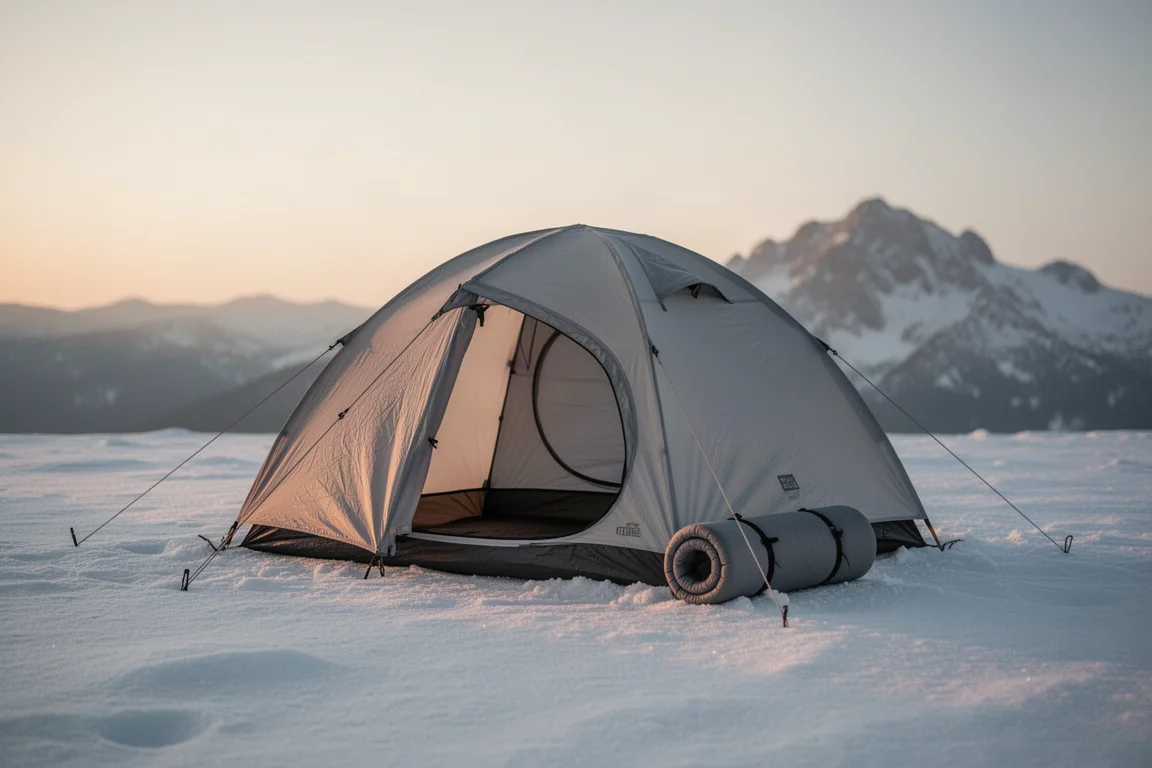
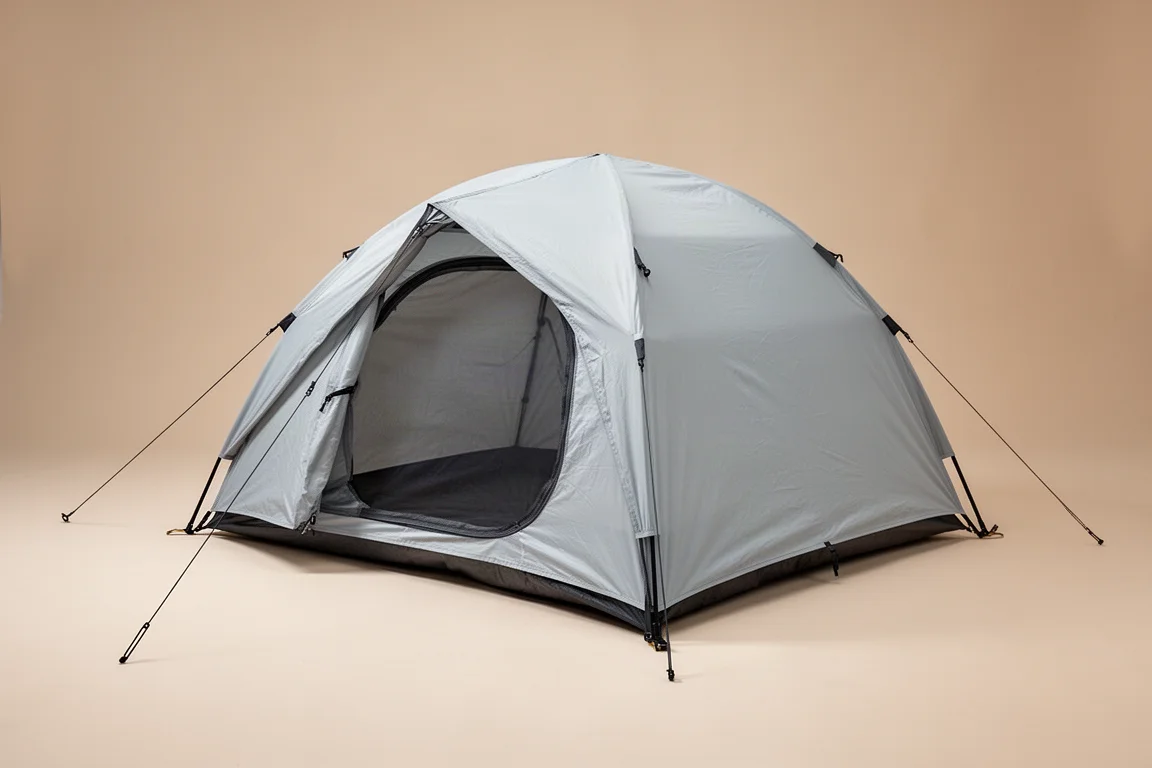
The X-Dome is a freestanding tent that weighs under a kilogram and can be pitched either inner-first or as a single all-in-one unit. It targets a specific gap: freestanding tents are convenient in winter, but the models built specifically for cold conditions tend to be heavy and bulky.
Structure is where the tent makes its case. It has come through 65 km/h winds, and the design adds a guy loop near the top that wraps around the pole to provide support at a critical point. Trekking poles can also be added on the broad sides for extra stability. When pitching in wind, orienting the side opposite the door into the wind gives better structural stability and reduces the amount of air pushed into the tent.
The inner uses a lot of mesh, particularly on the door side, but there is a decent amount of solid material running up the sides. Piling snow around the outside of the tent blocks much of the wind that would otherwise find its way in.
Setup is where the tent asks for patience. The pole feet at each corner have two slots depending on whether the tent is pitched inner-first or all-in-one, and threading poles into them with gloves on can be awkward. The inserts at the ends of the poles are also not fixed in place, so they can pop out when the poles are separated. That is a deliberate choice: a removable insert lets you undo the cord and replace a single bent or broken pole segment, and no carbon fiber pole system currently offers a better insert design. Wrapping tape around the joint, or using a glue that softens with heat, are both workable ways to keep the insert attached while preserving the ability to remove it.
One design change would help in exposed or sandy conditions. Extending the solid fabric on the door side to roughly one third of the way up the tent would add protection without giving up much ventilation.
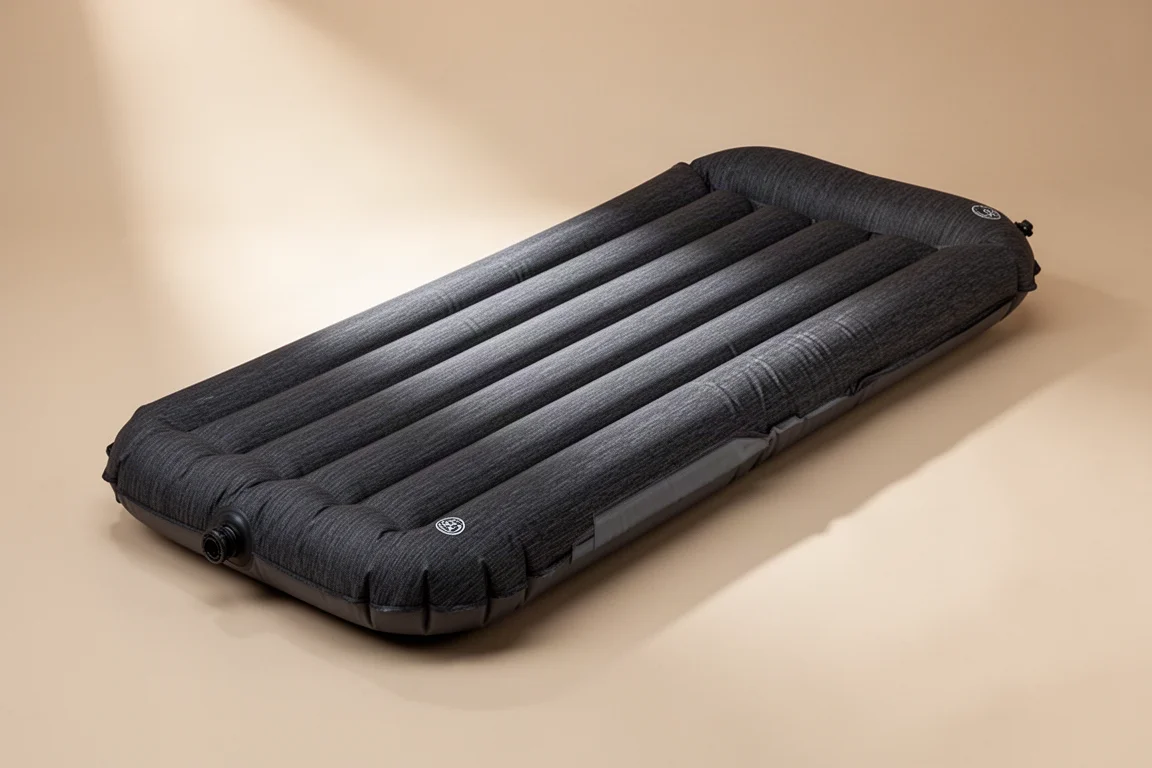
Exped Ultra 7R: Comfortable Baffles, Uncertain Warmth
The Exped Ultra 7R is a winter-rated sleeping pad built around vertical baffles, with down insulation sitting loose inside each baffle rather than being stretched between the pad surfaces.
Comfort is the pad’s clear strength. It is very comfortable to lie on, including on the side, and it came across as noticeably more comfortable than the other two pads in this group.
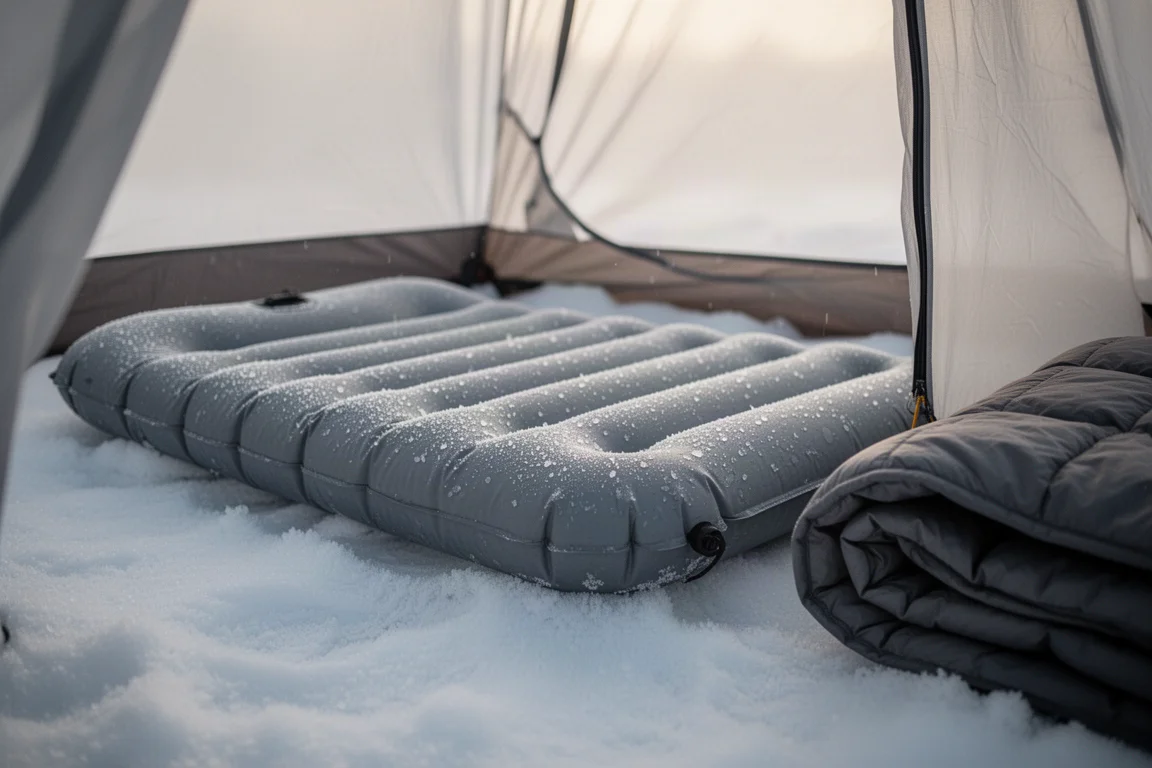
Warmth is the open question. On snow with an overnight low of -7 °C, the pad felt cold, and heat loss through it was still noticeable at around -10 °C. Shaking the pad before bed, and again during the night, to loosen any clumped down did not resolve it. In short, the pad passed the comfort test and failed the warmth test.
That result is worth treating carefully rather than as a verdict on the design. The synthetic-insulated pads elsewhere in the same line, which use insulation stretched between the top and bottom of the pad, have been reliable and comfortable. A defective unit is one plausible explanation for the cold night, and it is worth ruling out before writing the pad off.
Therm-a-Rest XTherm: A Proven Cold-Weather Reference
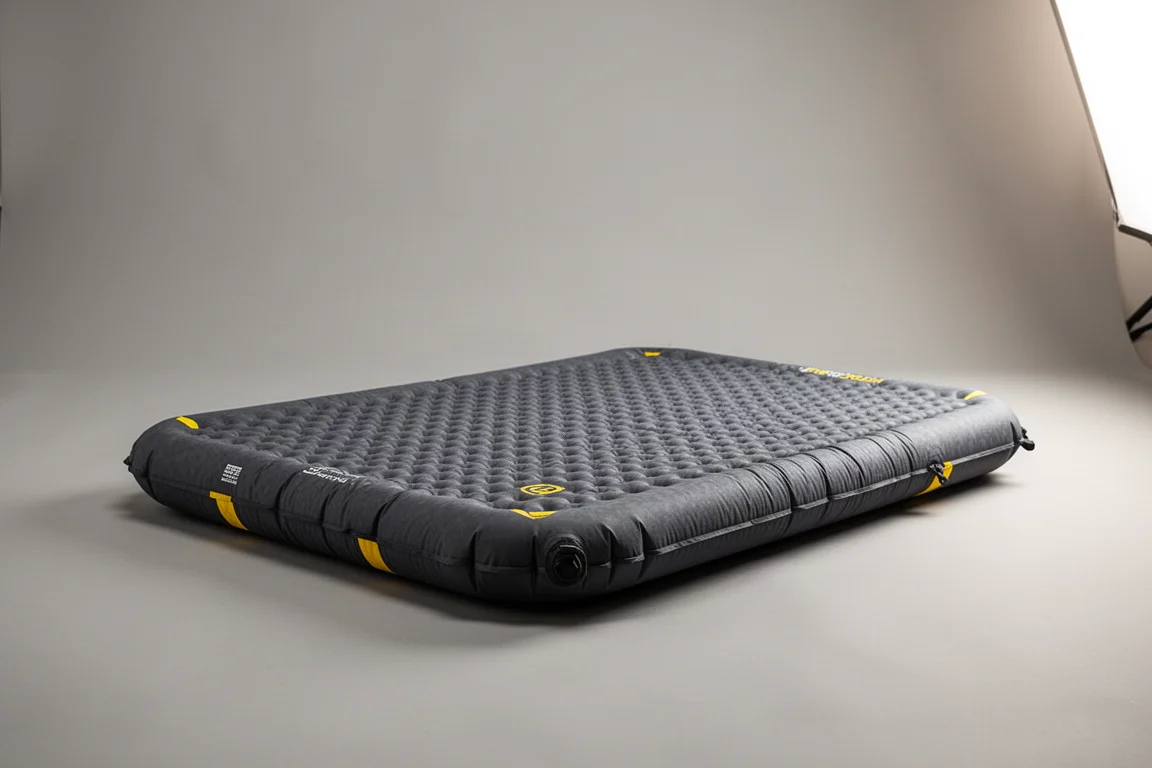
The Therm-a-Rest XTherm is a winter-rated sleeping pad with strong cold-weather capability, and it was one of the two pads that the Ultra 7R was measured against in this group.
The trade-off is comfort. Compared with the vertically baffled Ultra 7R, the XTherm feels less forgiving, especially for anyone who sleeps on their side and shifts position through the night. Campers who place warmth above everything else, and who can accept a firmer surface, are the natural audience.
Nemo Tensor Extreme Conditions: Winter Warmth With a Comfort Trade-Off
The Nemo Tensor Extreme Conditions follows a similar pattern: a winter-rated pad with solid cold-weather capability, where comfort is the compromise.
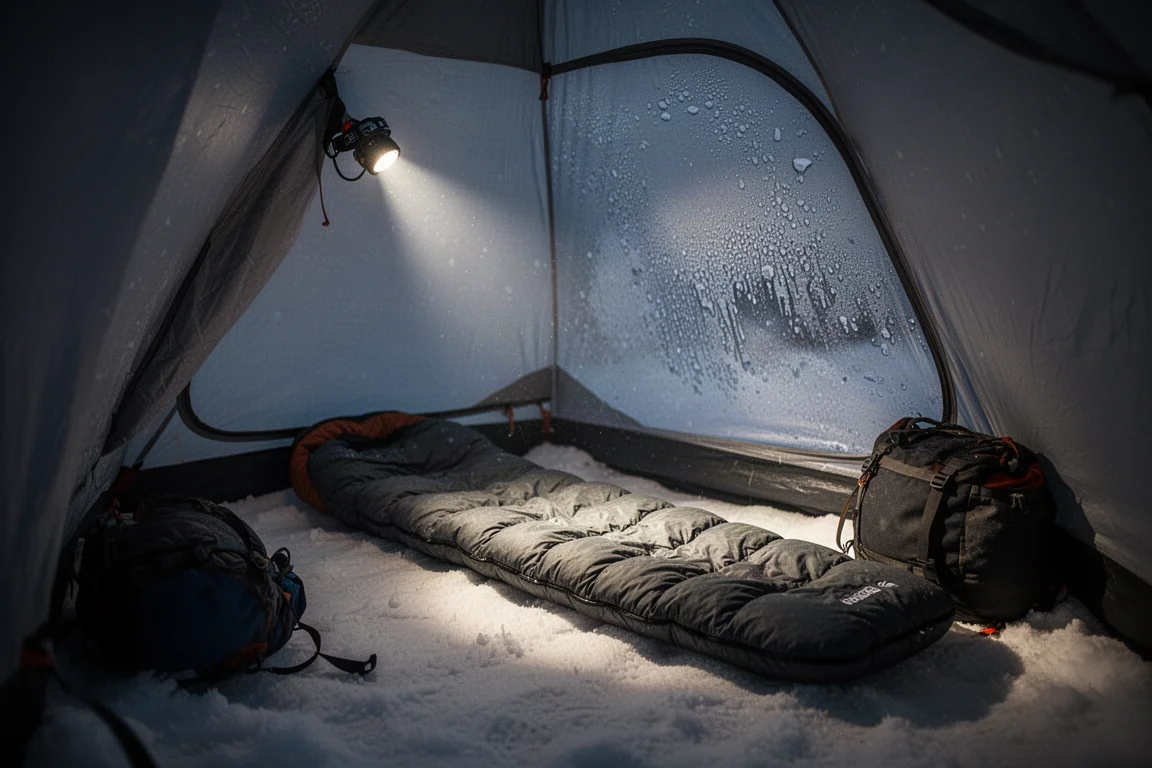
Against the Ultra 7R, it is the less comfortable option for side sleeping. The vertically baffled surface of the Exped pad was clearly preferred in that comparison, while the Tensor Extreme Conditions holds its own on warmth. Campers who need dependable cold-weather performance and can live with a less cushioned feel will find it a reasonable match.
What the Overnight Test Revealed
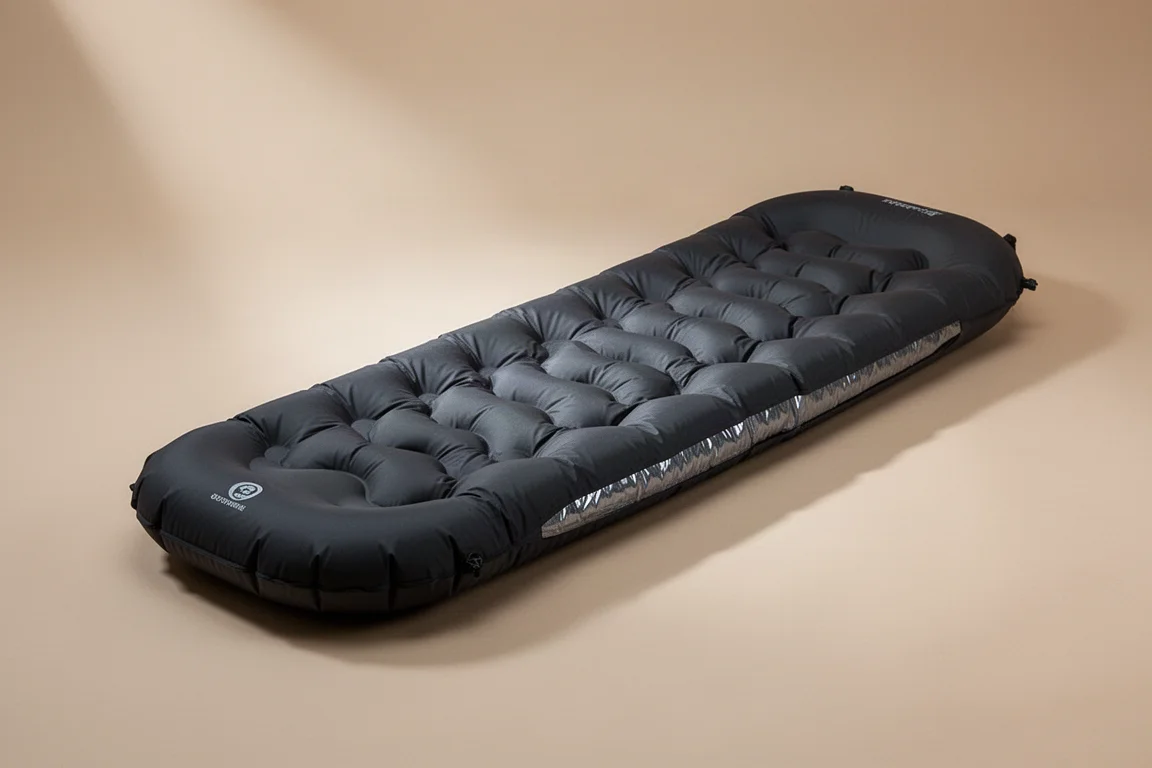
The quilt-based sleep system worked well. The top insulation did its job, and being able to roll and shift underneath a quilt meant no compressed down was exposed to cold air the way it is with a sleeping bag. Sealing the quilt against the pad, and keeping the head covered with a hood and a warm hat, both proved manageable. The next step is pushing the same system into lower temperatures.
The pad was the weak link in the system. Comfort was excellent, but heat loss through the Exped Ultra 7R was the reason the night felt cold, and that is the piece to revisit first.
The tent’s wind performance was not fully tested, because conditions were not especially windy. The mesh on the door side draws attention, but the solid fabric up the sides and snow piled around the perimeter should limit most wind intrusion. The more important habit is orientation: keep the side opposite the door facing into the wind.
Buying Advice: Matching Gear to Your Winter Trips
Start with the problem you are actually trying to solve. If shelter weight and packed bulk are the main frustration, and you want a freestanding tent that pitches easily on snow and rock, the X-Dome is the natural starting point. If a warm night’s sleep is the priority and comfort is secondary, the Therm-a-Rest XTherm and the Nemo Tensor Extreme Conditions are both winter-rated options that put warmth first. If comfort is what keeps you awake, the vertically baffled Exped Ultra 7R is the most comfortable of the group, provided you confirm that it sleeps warm for you.
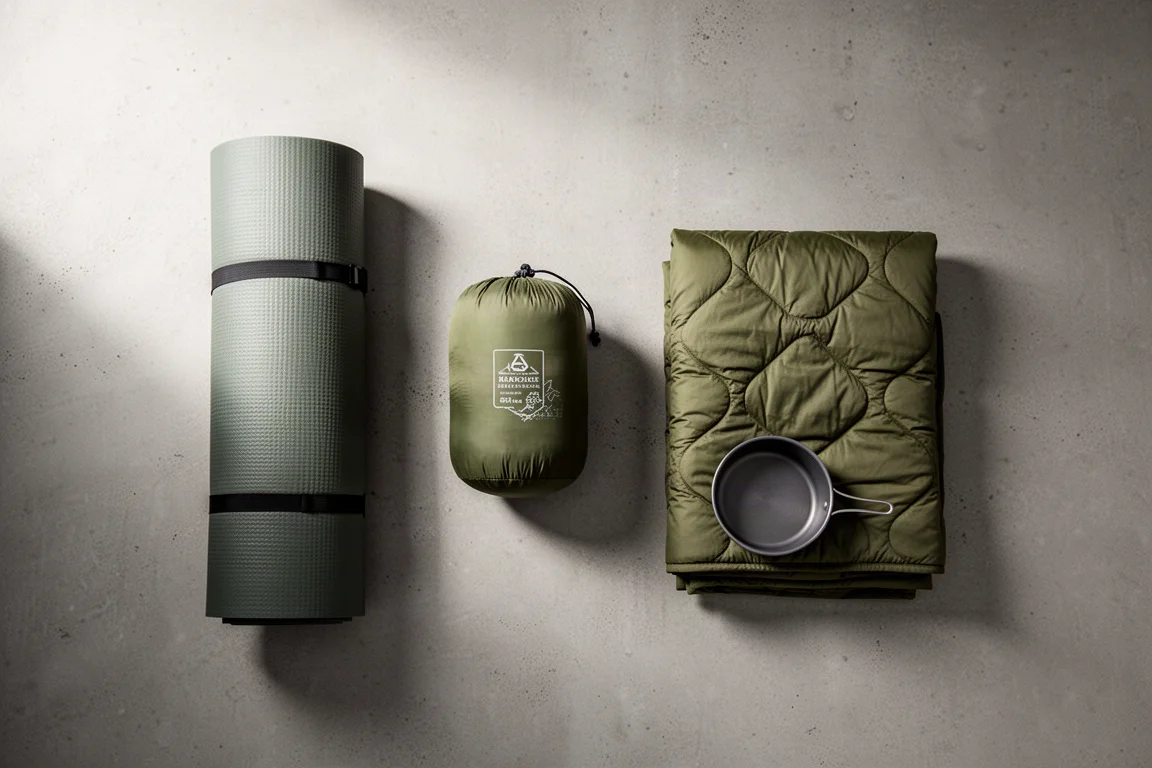
Practical habits matter as much as the gear. Pitch the tent with the side opposite the door into the wind, and pile snow around the perimeter when it is available. Check a new pad on a short, cold trip before trusting it on a longer one, and shake a down-insulated pad to redistribute the insulation before bed. Small fixes help too: tape the pole end inserts so they stay attached, while keeping the ability to remove them if a pole segment ever needs replacing.
Buying winter shelter and sleep gear is mostly about matching trade-offs to your own habits. Weight, warmth, and comfort rarely arrive together at the same level, and knowing which one you can live without makes the decision much easier.
Conclusion
Four pieces of gear, one cold night, and a clear set of takeaways. The X-Dome tent delivers a genuinely light freestanding shelter with wind handling already proven at 65 km/h, along with a few small setup quirks that are easy to work around. Among the pads, comfort and warmth split apart: the Exped Ultra 7R is the most comfortable of the three but raised real questions about heat loss on snow, while the Therm-a-Rest XTherm and the Nemo Tensor Extreme Conditions lean the other way, offering dependable winter warmth with less cushioning.
The useful next step is not buying more gear but testing the gear you already own in the conditions you actually camp in. A short cold overnight will tell you more about a sleeping pad than any specification sheet, and it is the cheapest way to find out whether a shelter and sleep system is dialled in for the trips you have planned.
Further reading
Related Reviews
Camping Gear
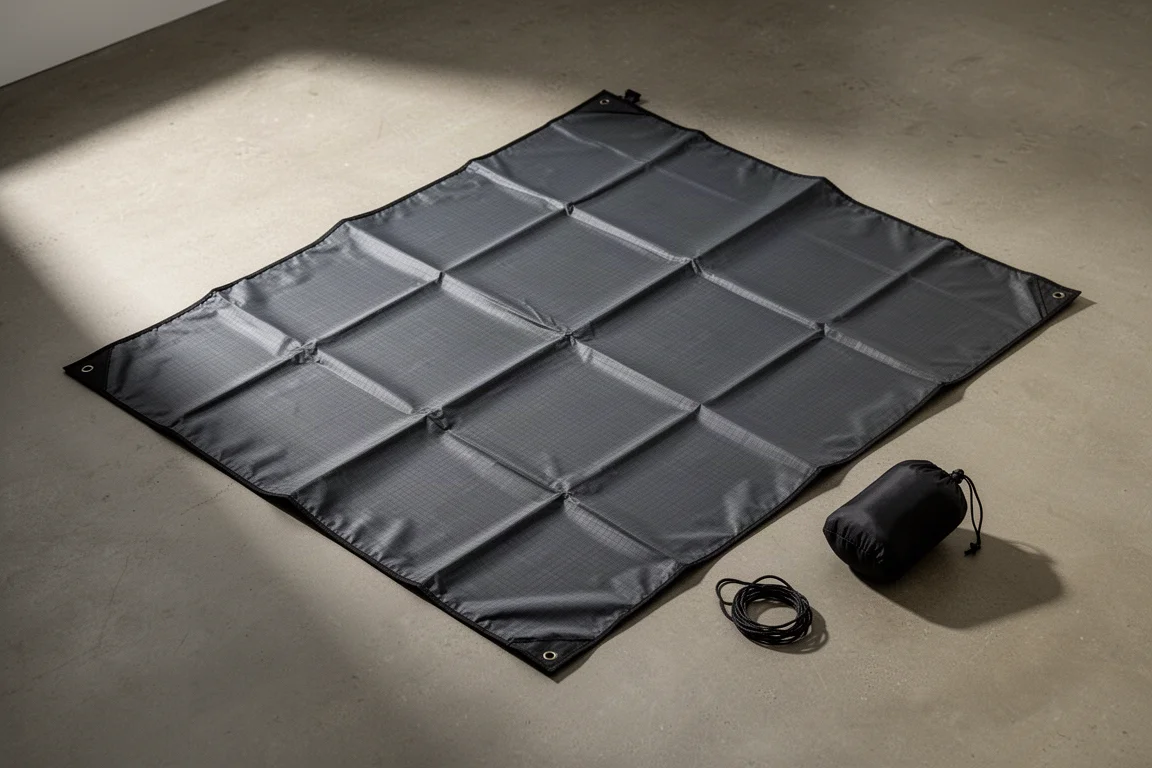
3FUL Ultralight Ground Sheet Review: A Two-Person Footprint Worth Packing
A 6.7 oz two-person ground sheet in ripstop silnylon, priced around $30. Here is what it protects, what it does not do, and who should pack it.
Camping Gear
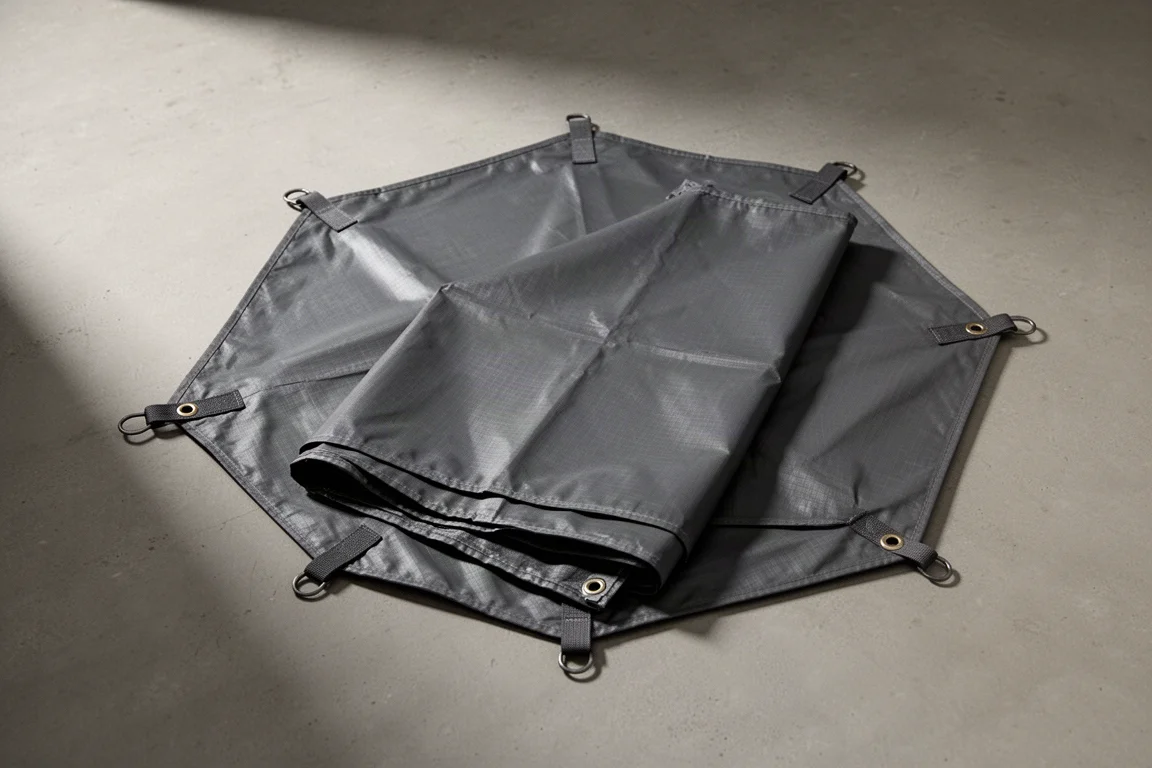
Backcountry Light Dual-Function Tarp and Floor Review: A Footprint First
A dual-purpose tent floor and tarp that keeps falling rain off you, but cannot block wind. Here is where it works and where it does not.
Camping Gear
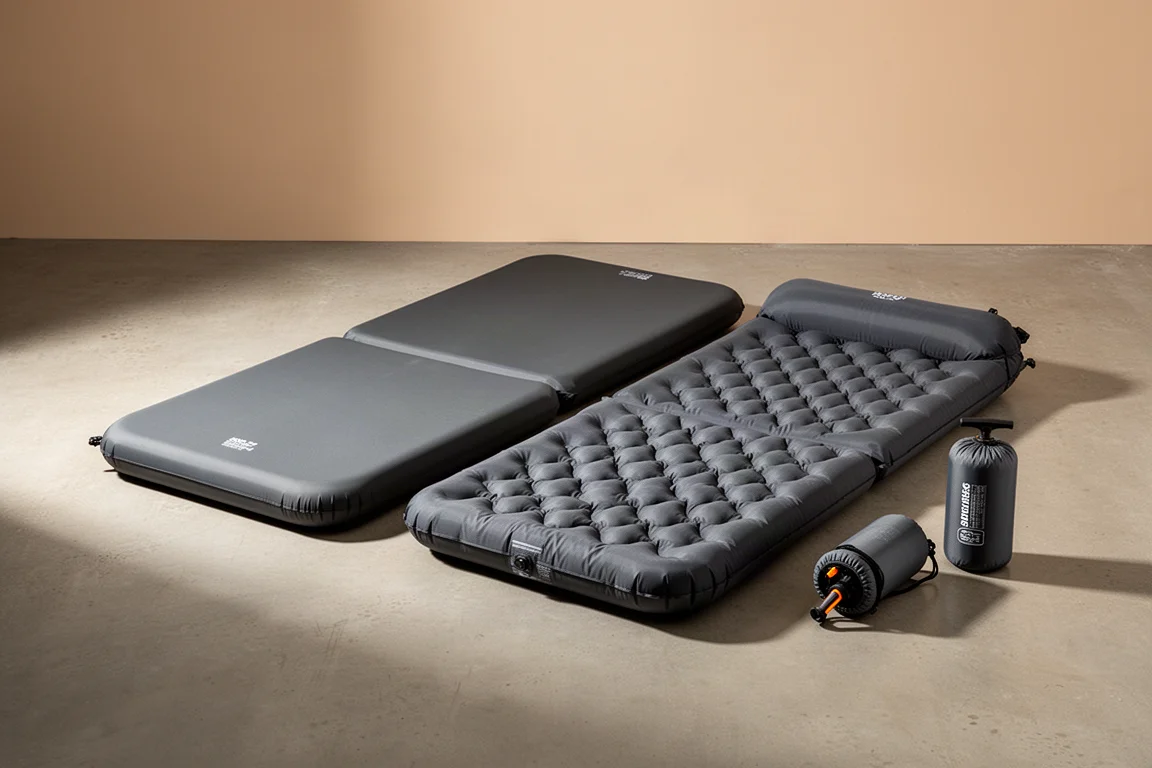
Best 2-Person Camping Mattresses for Couples: 10 Options Compared
A practical comparison of ten two-person camping mattresses, covering self-inflating pads, air pads and air mattresses for couples.