Winter Camping Gear
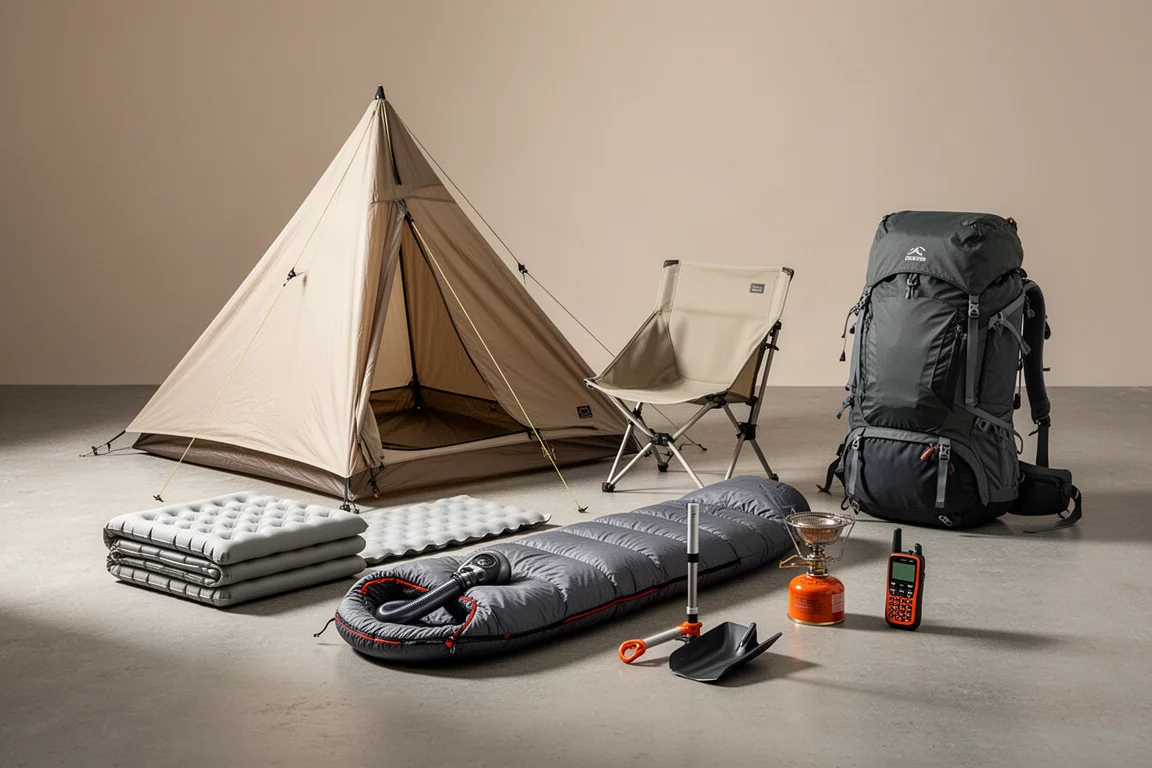
Winter Camping Gear List: Nine Pieces That Keep You Warm and Dry
A practical winter backpacking gear list covering shelter, layered sleep systems, cooking, insulation, carrying capacity, and safety gear for deep snow trips.
Introduction
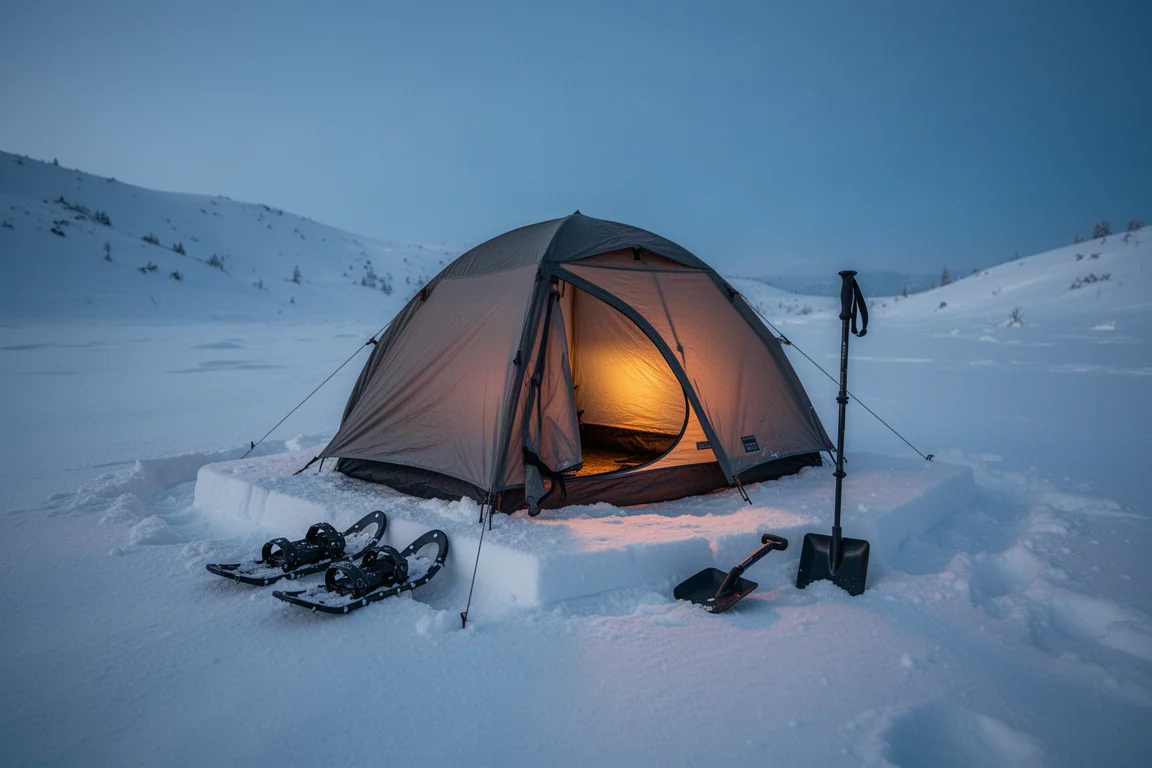
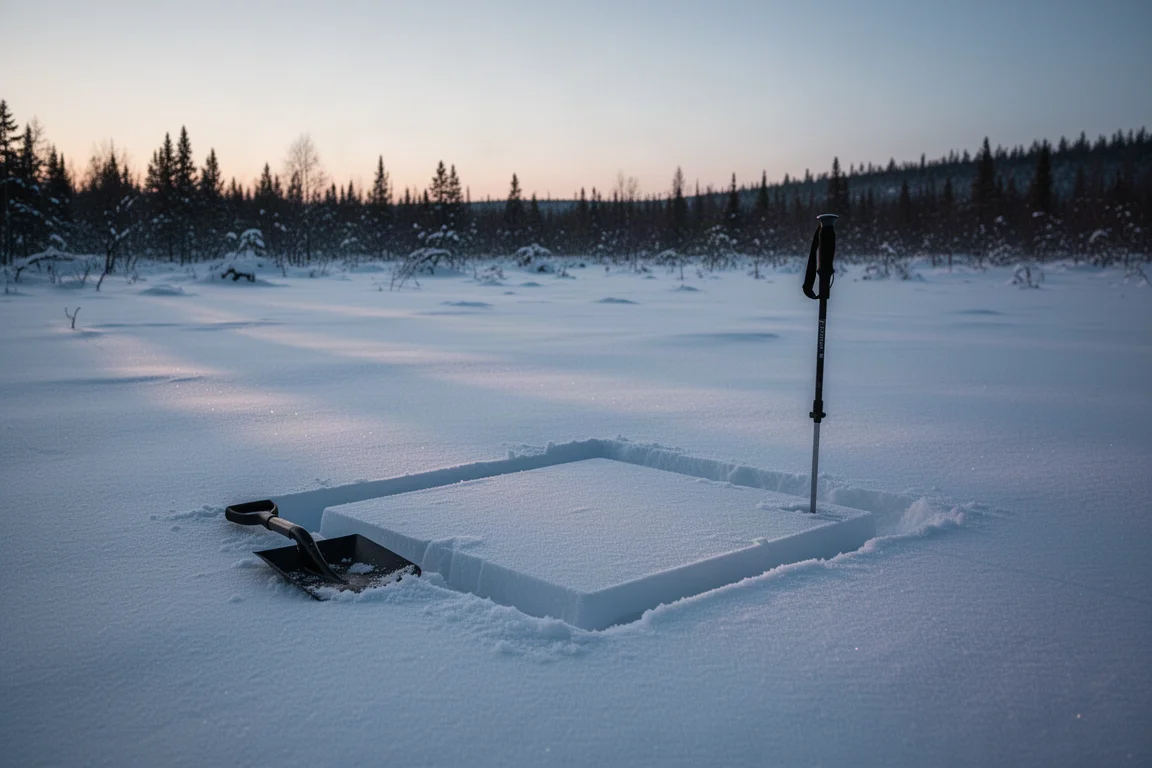
Winter backpacking in deep snow invites the obvious question: why choose to spend a night in the backcountry freezing your way through several feet of powder? Because it is a challenge, and because a well-built kit turns that challenge into something genuinely enjoyable. The campsite alone takes work. Snow this deep has to be stamped down into a platform and left to settle and harden before anything gets pitched on it.
Once camp is established, the entire gear list serves two objectives: stay warm and stay dry. Every other decision, from the shelter to the stove to the sleep system, exists to support those two goals so a cold night never turns into a safety problem. Below are the pieces that carry the most weight in a winter kit, along with the smaller items that make the whole system work together.
What Matters Most in a Winter Camping Kit
Snow conditions set the agenda. Several feet of dry, powdery snow means building a platform before you can cook, sleep, or organize anything, which is why a winter shovel and a single trekking pole earn their place in the pack. Snowshoes make moving around camp far less exhausting, and a soft shell pant that breaks wind and sheds snow keeps you dry while kneeling in it.
From there the kit splits into clear systems: shelter, sleeping pad, sleep layers, cooking, insulation, carrying capacity, and communication. Get those right and overnight temperatures in the low teens or single digits become manageable. Get them wrong and the same night becomes a long one.
Managing body temperature is its own skill. A light synthetic hoodie or fleece worn while moving keeps sweating under control, while a heavier insulation piece goes on the moment you stop. Keeping one set of dry layers reserved for sleeping is worth the small amount of extra pack weight.
Shelter: Black Diamond Highlight 2-Person Tent
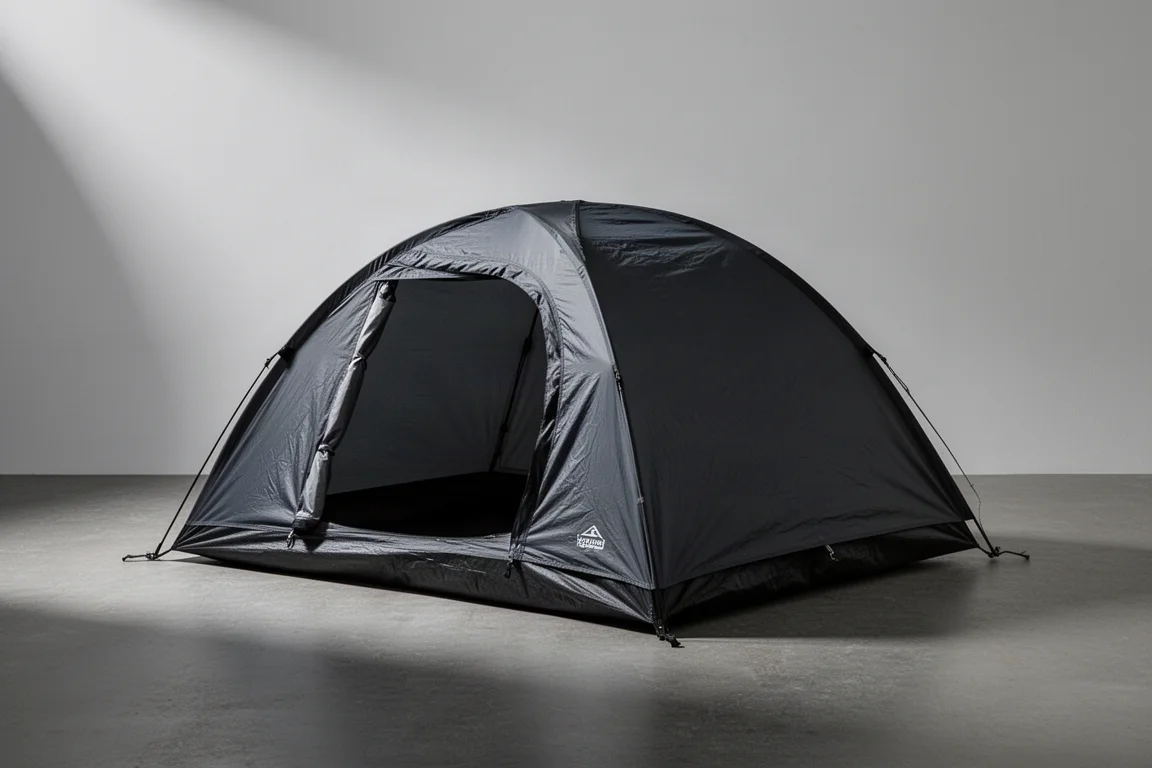
The Highlight is a freestanding, single-wall polyester shelter. That combination matters in winter. Polyester does not stretch and takes on very little water, so the tent holds its shape when snow piles up on it, and the freestanding structure can be pitched and repositioned on a snow platform without a lengthy staking process.
Interior space is the trade-off. It is a two-person tent in name only: short and narrow enough that even a 5’9” sleeper has to lie on a diagonal, and two adults would be a squeeze. As a solo winter shelter the compact size works in your favour, with less interior volume to warm up and less surface area to clear.
Sleeping Pad: Therm-a-Rest NeoAir XTherm MAX
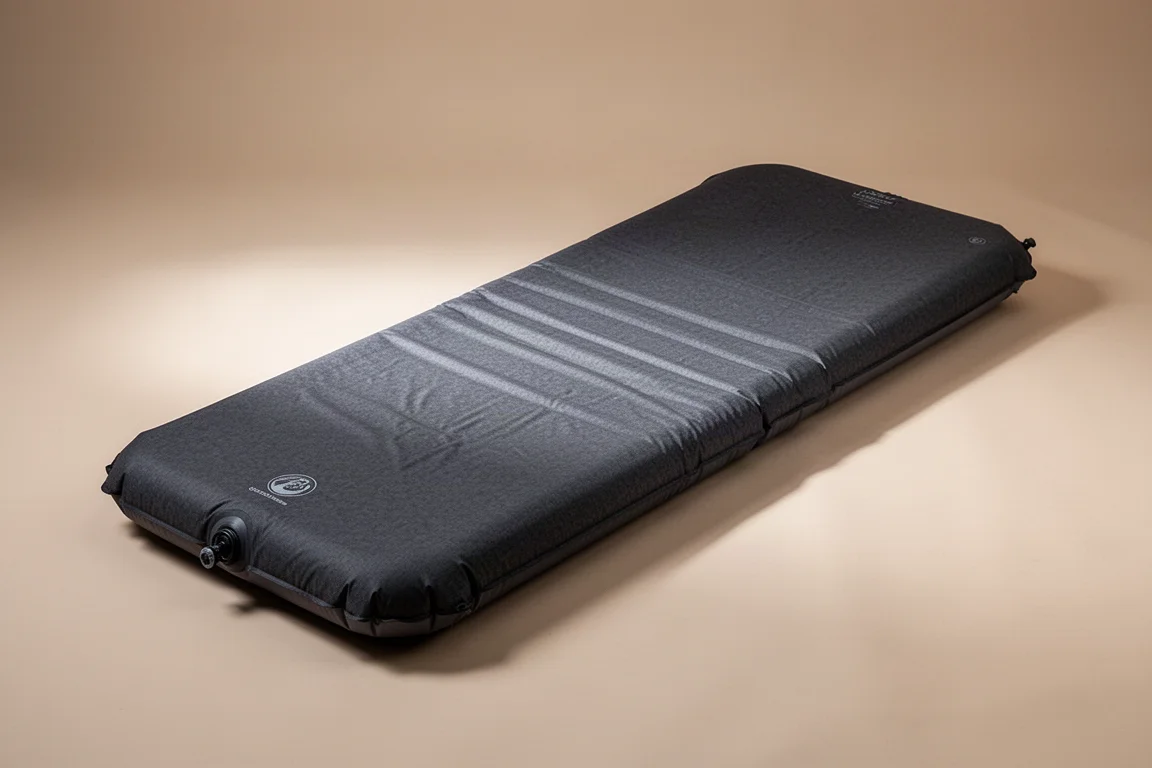
Ground insulation is where winter sleep systems are won or lost, and the XTherm MAX brings a 6.9 R-value in a full-length size for maximum coverage. That rating is the reason it sits at the base of a sleep system intended for nights in the low teens and single digits.
A thin closed-cell foam layer wrapped in Tyvek goes underneath the pad. It adds a thermal break, protects the pad, and doubles as a sit pad in a camp chair so wind does not pull heat out of you while you are resting.
Sleep System: Zen Bivy Light Bed 25°
Not every winter camper owns a zero-degree bag, and layering two bags is a practical workaround. The Light Bed 25° handles the outer layer here, adding a warm shell around a lighter bag inside it and building a system that stays comfortable well below its own rating.
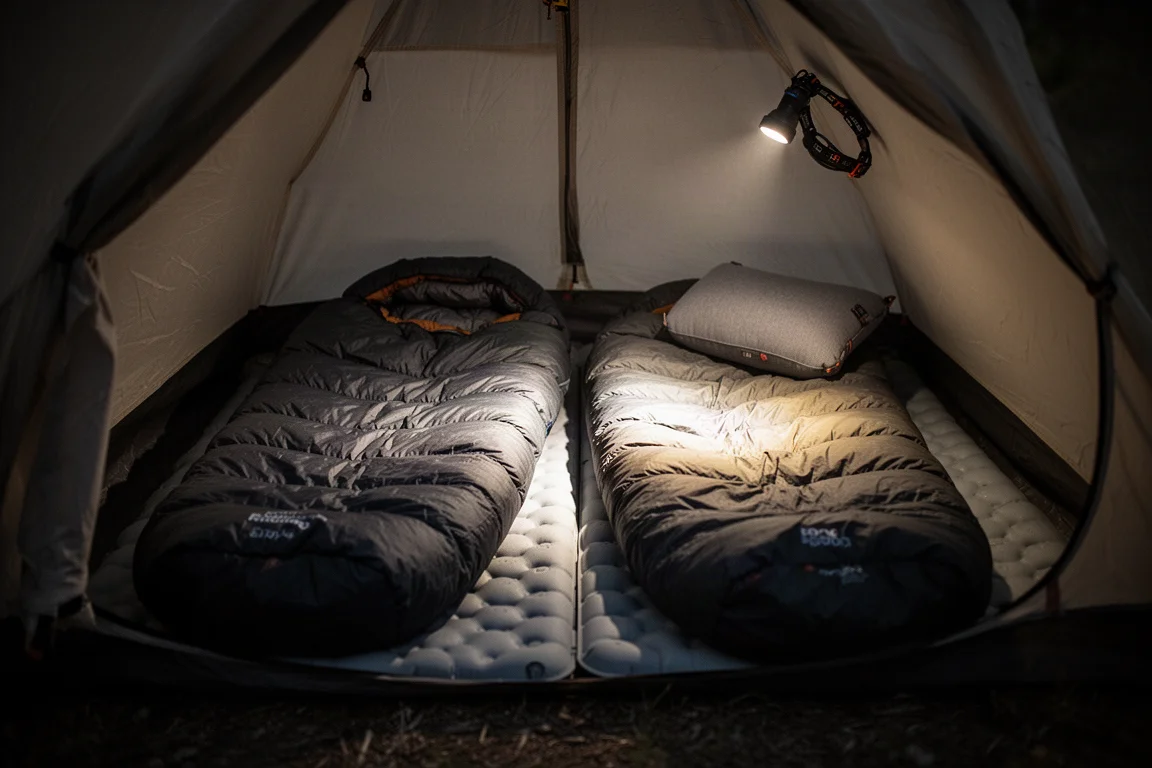
The result is a sleep setup that works into the low teens and single digits without buying a dedicated deep-winter bag. It also means the same gear can be split apart for milder trips, which makes the two-bag approach more flexible than a single heavy bag.
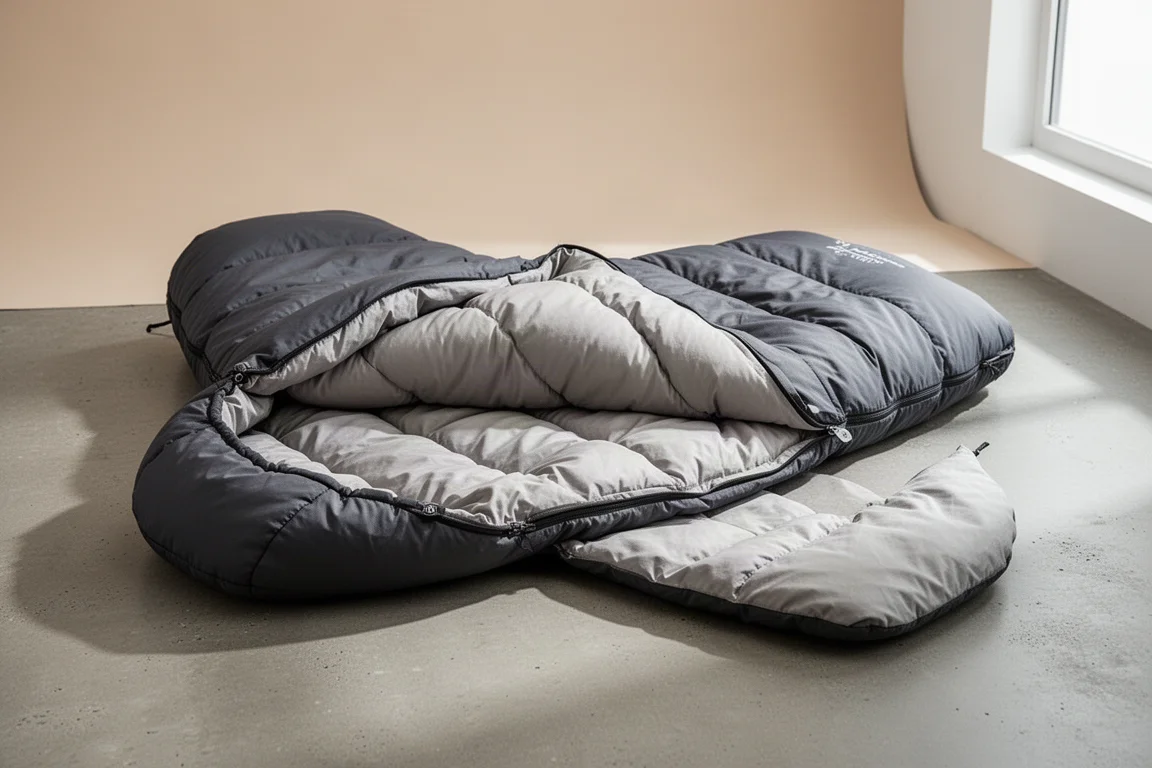
Sleep System: Western Mountaineering SummerLite 30°
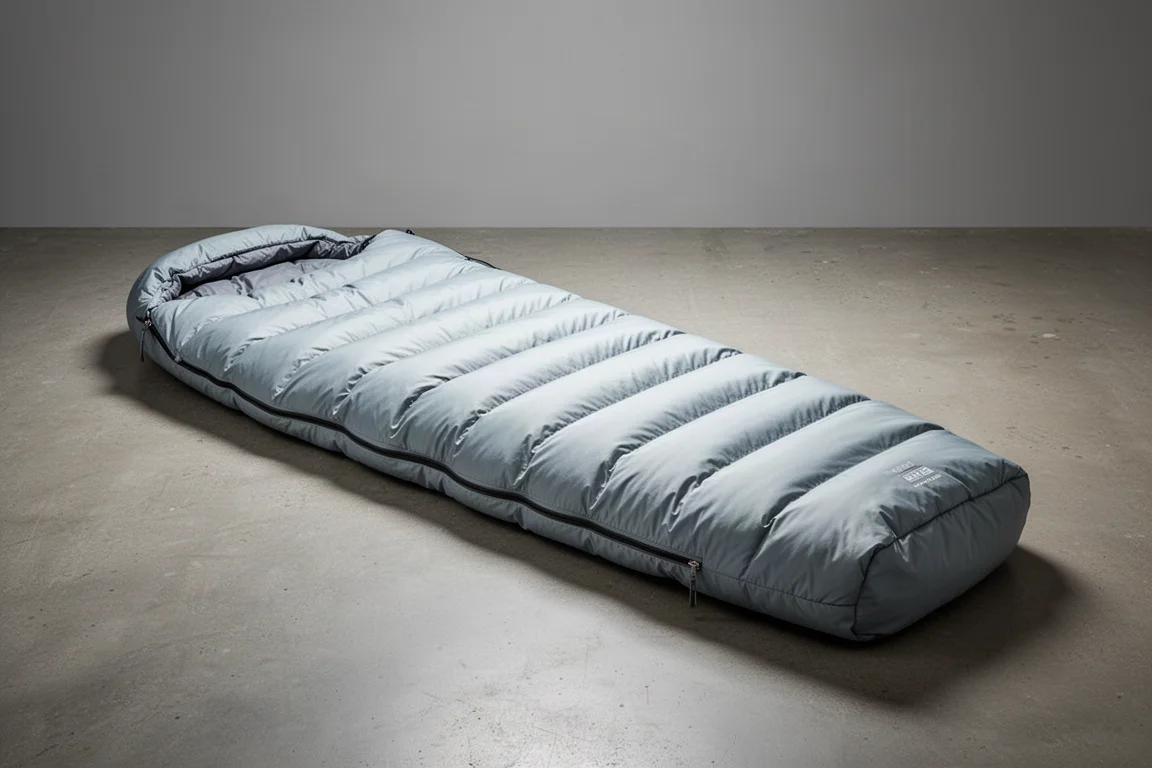
Inside the outer layer sits the SummerLite 30°, a three-season bag doing winter duty as the inner layer of the stack. On its own it is a warm-weather bag, but combined with a 25° outer shell it becomes part of a system that handles genuinely cold nights.
That is the appeal of layering: it turns gear you already own into a winter-capable setup, and it lets you tune warmth by adding or removing a layer rather than committing to one heavy bag.
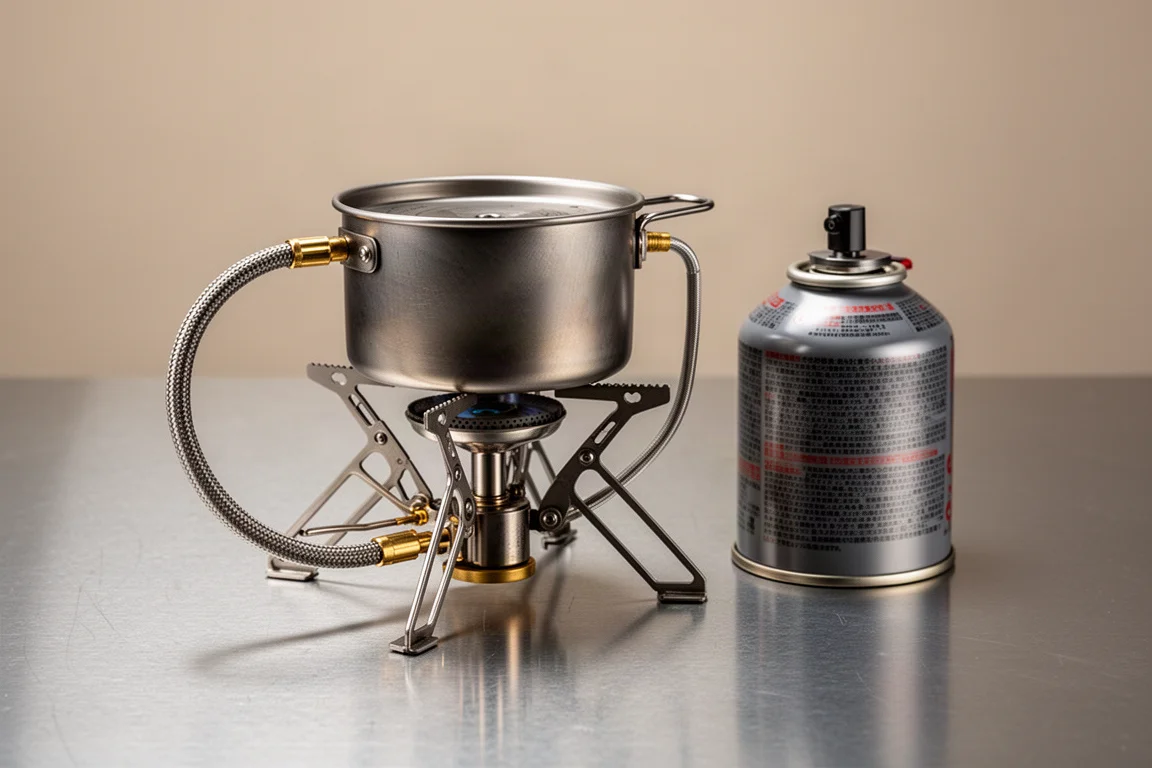
Cook System: Fire Maple Blade 2 Titanium Stove
The Blade 2 is a titanium remote-canister stove, and its standout feature is a preheat tube that runs up the side of the burner. Because the canister sits remotely on a hose, it can be inverted while running, which improves performance in cold conditions and makes the stove more efficient overall.
It pairs with a 700ml titanium pot and a measuring cup for rationing fuel and water. A second canister lets a lantern run at the same time as the stove, which is a small luxury in a tent with no fire option.
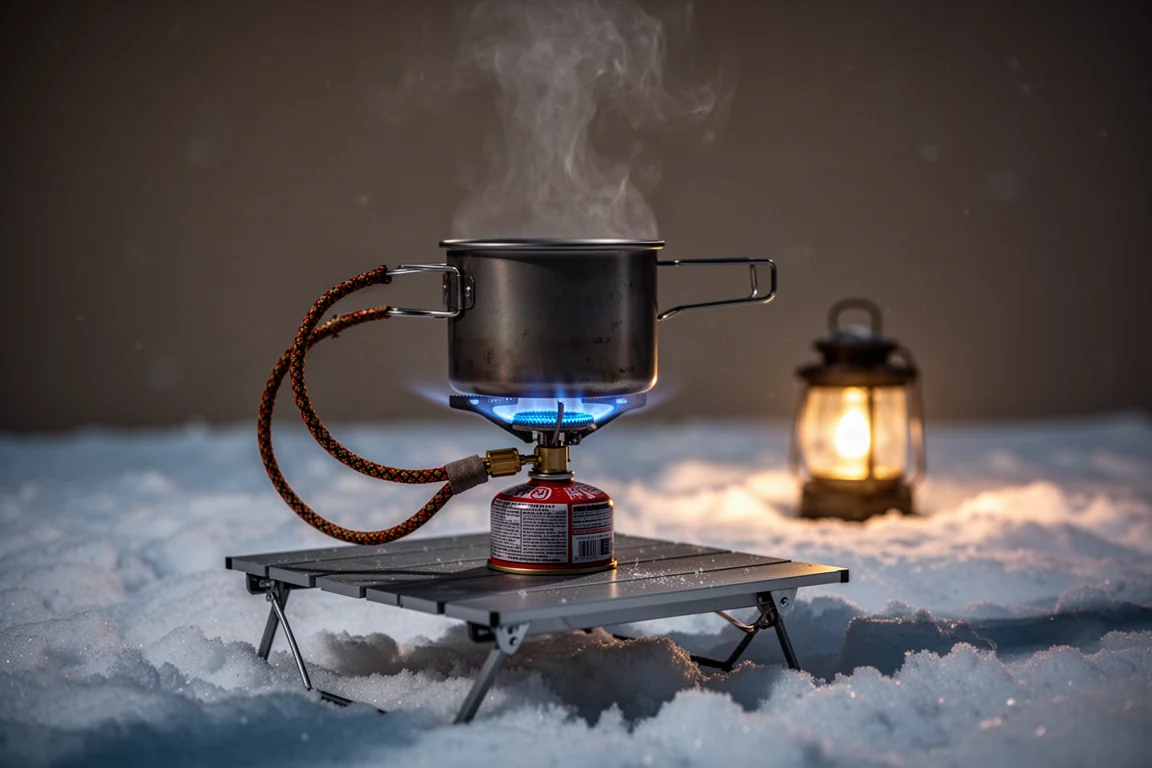
Melting snow is the water strategy in these conditions. There is no need for a filter in winter, so carrying water and melting more as needed is simpler and more reliable than trying to treat snow.
Warmth: Outdoor Vitals Nova Pro
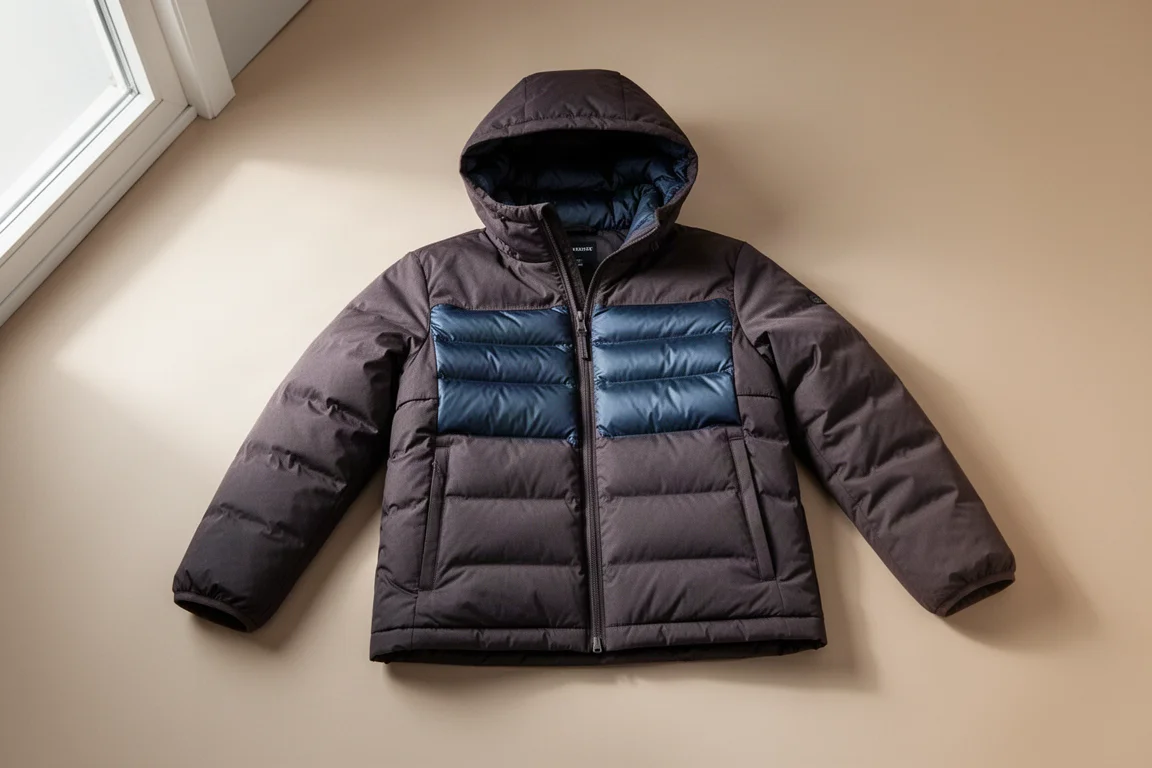
The Nova Pro is the main insulation piece, the layer that goes on the moment you stop moving and stays on through camp chores and dinner. It works alongside a Tushar rain shell for snowy conditions and a Ventus synthetic hoodie for active use, with a hooded Altitude layer worn underneath for lighter output.
Static warmth is what matters at camp. Once you stop generating heat through movement, an insulation layer that traps warmth becomes the difference between a comfortable evening and a short one.
Carry: Waymark Gear Light 50L Backpack
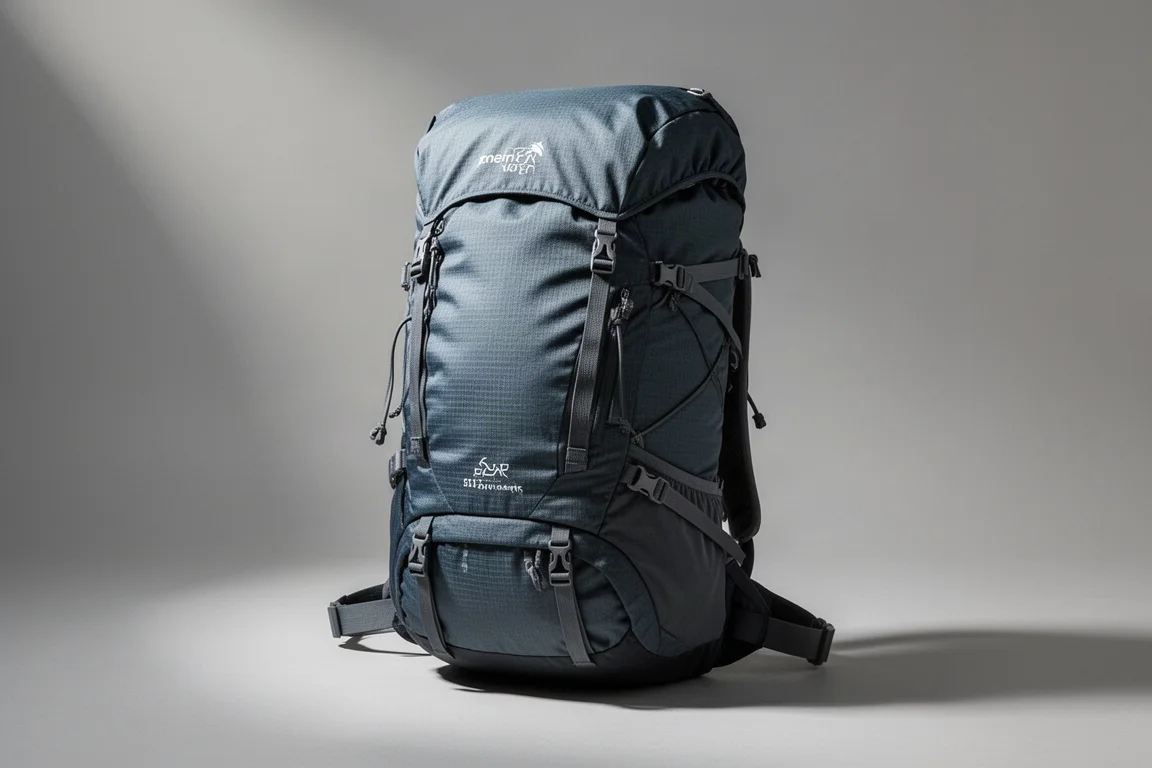
A winter kit is bulky. Shelter, two sleeping bags, an insulated pad, a stove, fuel, food, water, and snow tools add up quickly, which is why the 50-liter Light carries the whole system without forcing compromises on the essentials.
Snowshoes and a shovel ride on the outside, secured with an Infinity strap that makes it easy to lash bulky items to the pack and adjust them as conditions change.
Winter Travel: MSR Revo Explorer Snowshoes
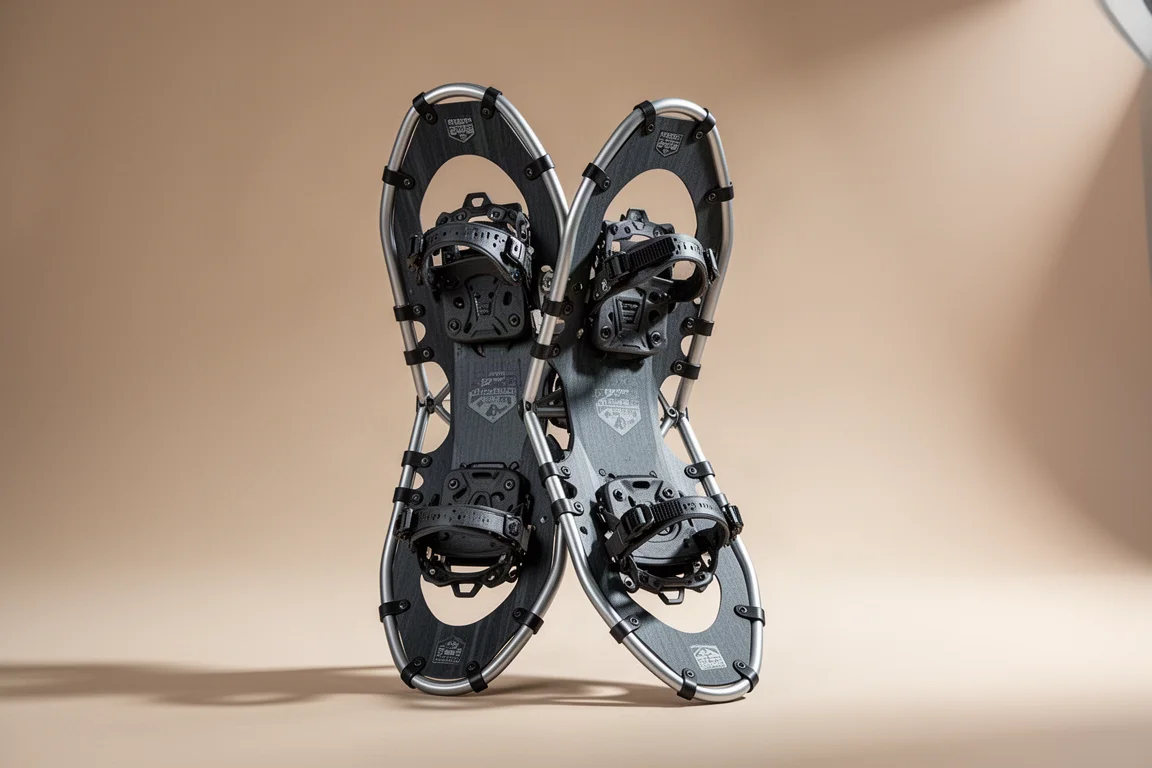
Moving through several feet of dry powder is only realistic with flotation, and the Revo Explorer snowshoes handle that job. Paired with a single trekking pole for balance, they make camp chores and short excursions far less draining than post-holing through the snow.
Snowshoes also need to be manageable when they are not on your feet, which is where simple lashing straps earn their keep. Being able to strap them to the pack quickly keeps them out of the way when the terrain allows a normal stride.
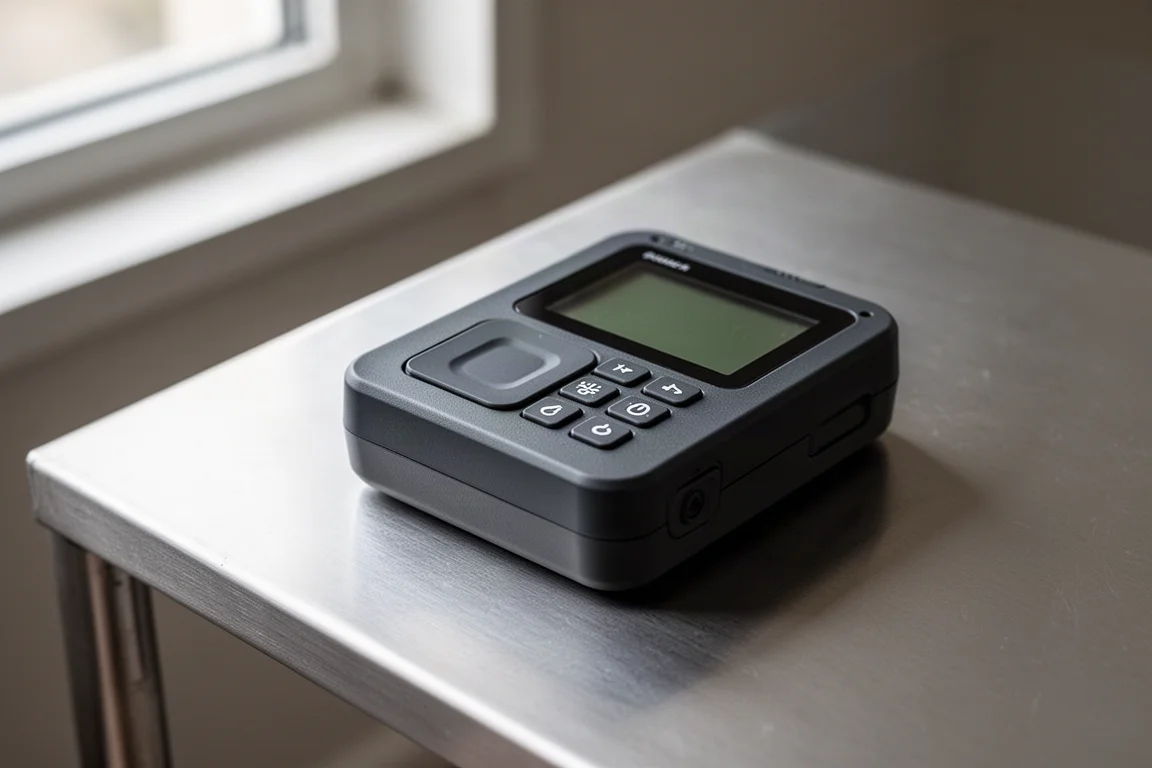
Safety and Communication: ZOLEO Satellite Communicator
Weather can change quickly in the mountains, and a satellite communicator is how you stay ahead of it. Pulling updated forecasts matters when a storm could drop up to 18 inches of new snow overnight, and there is no cell signal to fall back on.
The rest of the safety kit is deliberately simple: a first aid kit, hand warmers, a small towel, and a bundle of cord that can be cut into dead man anchors if snow stakes will not hold. A headlamp and a battery bank keep lights and devices running through a long winter night.
How to Prioritize a Winter Camping Kit
Spend first on shelter and sleep. A load-resistant tent and a pad with a high R-value do more for comfort and safety than any other purchase, and a layered sleep system can be built from bags you already own.
After that, the cooking setup and the insulation layer are the next priorities, since hot food and a warm static layer carry a long evening. Everything beyond that is comfort and camp life: a packable chair, a small pillow, a gas lantern for ambiance, a mini pump that inflates pads and doubles as a tent light, a compact battery bank, a spare headlamp, a wide-mouth bottle that can hold boiled water for warmth, and down booties for sleeping.
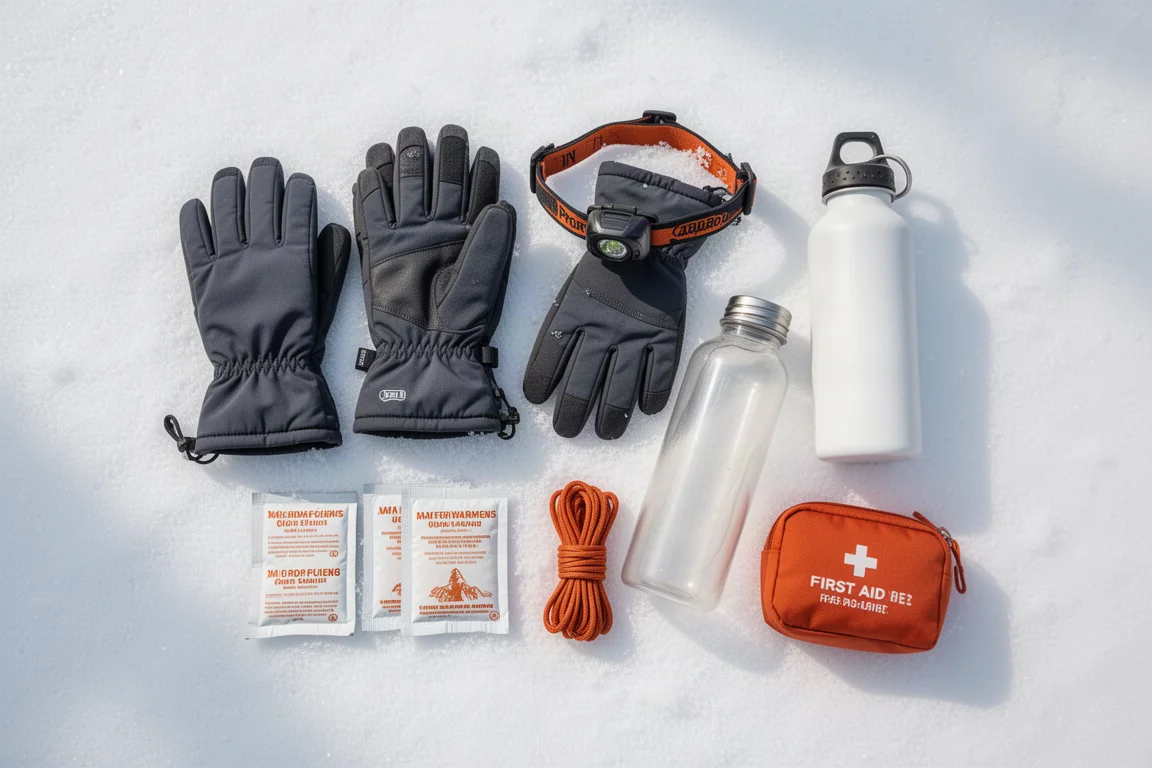
Two smaller habits matter as much as the gear. Keep a dry set of layers strictly for sleeping, and stage your cooking items on a small table or platform so fuel and pots stay off the cold snow. Both make a noticeable difference once the sun drops.
Conclusion
Winter camping rewards preparation more than any other kind of trip. A shelter that sheds snow, a sleep system built from layered bags, a pad with real insulation value, an efficient stove, and a way to check the forecast cover the essentials, while the smaller items turn a cold night into a comfortable one.
Build the kit around staying warm and staying dry, test it on a shorter trip first, and deep snow stops being something to survive and starts being the reason to go.
Further reading
Related Reviews
Winter Camping Gear
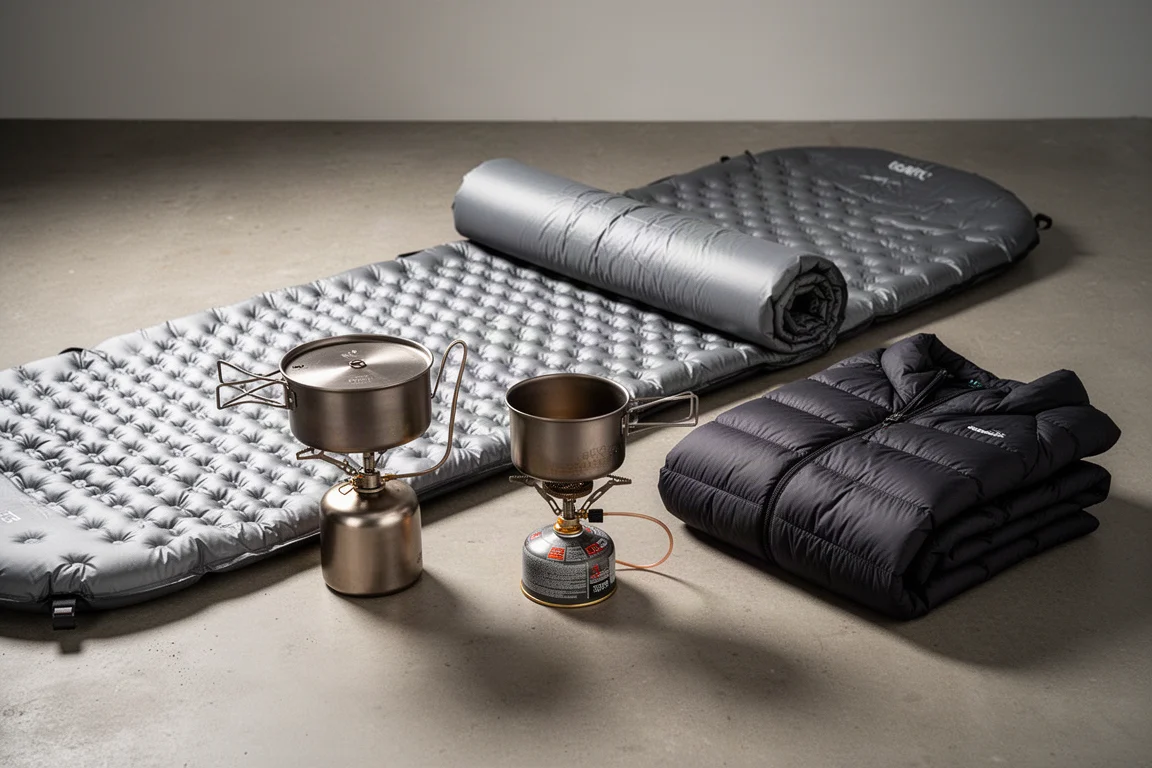
Affordable Winter Camping Gear: Six Budget Pieces Tested Below Freezing
Three reflective sleeping pads, an updated down jacket, a titanium pot and a $25 winter stove, assessed on frozen ground at around minus 12 degrees Celsius.
Winter Camping Gear
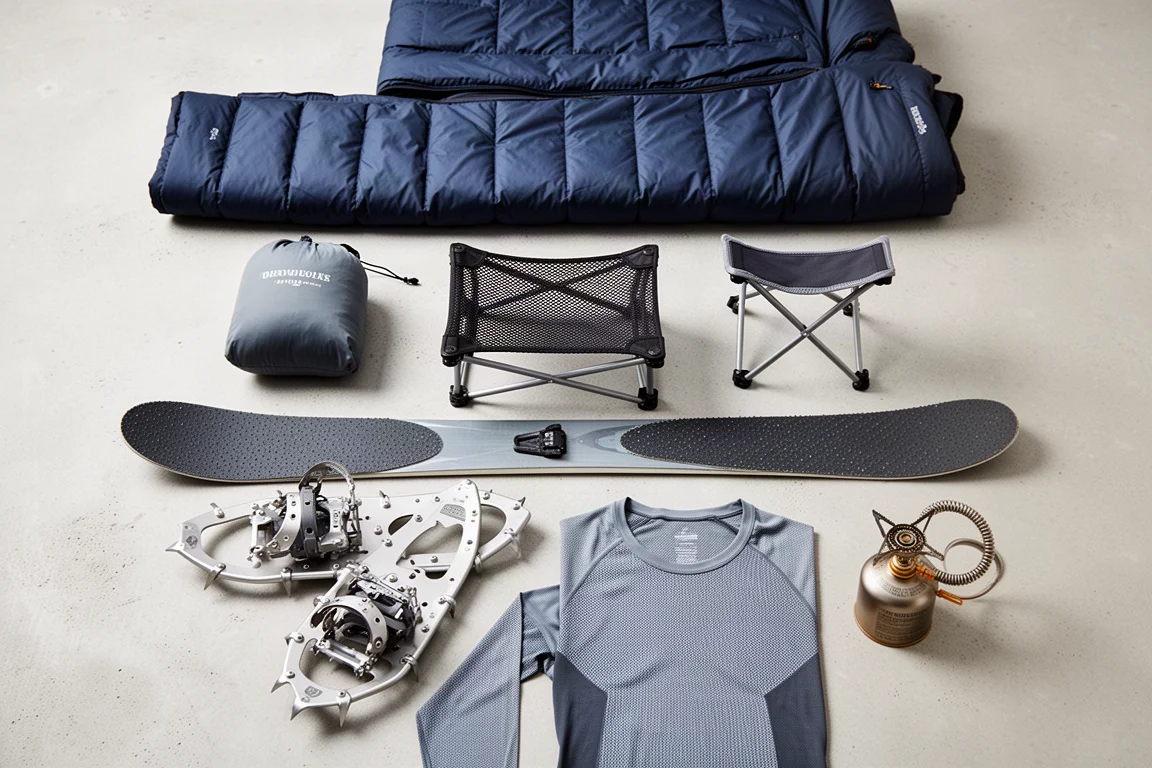
Best Winter Camping Gear 2026: Seven Pieces Worth Packing
A practical look at seven winter camping items, from an insulated parka rated to minus 20 degrees Celsius to a titanium stove built for cold canisters.
Winter Camping Gear
Ultimate Winter Camping Gear List: Proven Essentials for Cold-Weather Adventures
A curated list of winter camping gear that has proven itself in freezing temperatures, from shelter and sleep systems to cooking and safety essentials.