Outdoor Gear
Winter Backpacking Gear: Layers and Sleep Systems for Cold Trips
How to adapt three-season layers and sleep gear for winter conditions, with practical picks for insulation, quilts and sleeping pads.
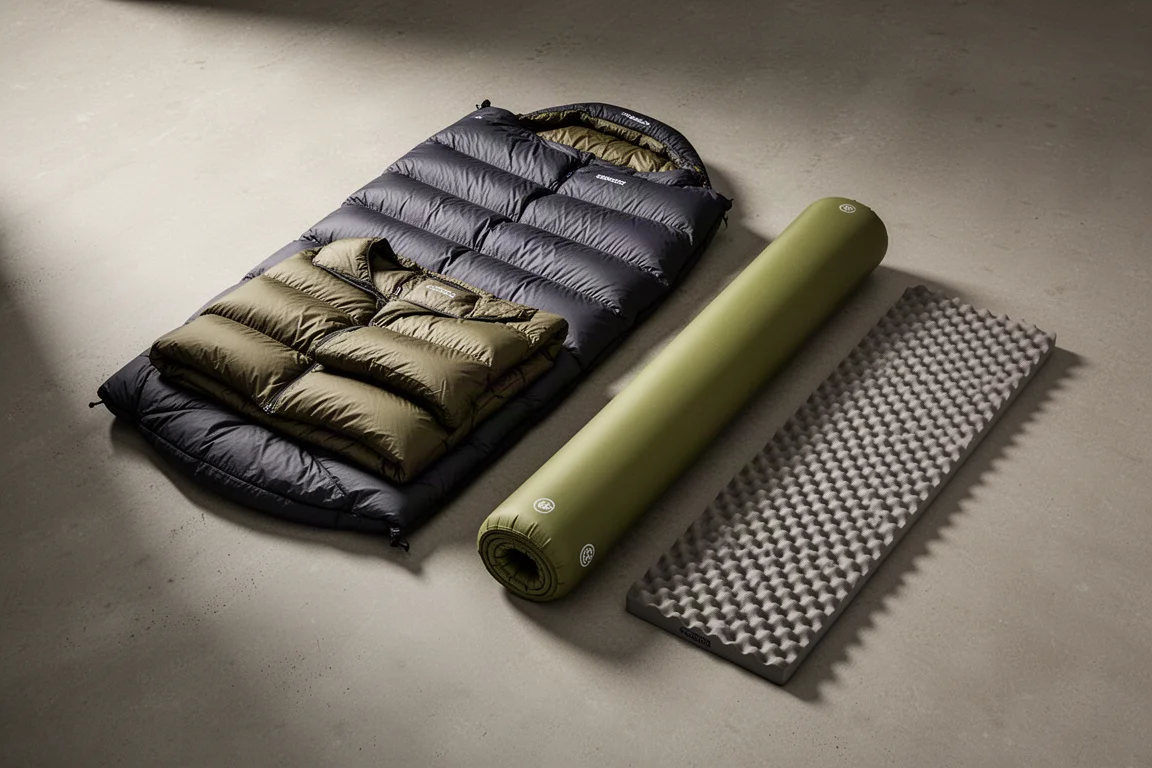
Introduction
Winter backpacking does not have to mean building a second gear closet from scratch. It does mean rethinking the pieces that keep you dry, warm and rested when the ground is cold and the air is damp. Melting snow, condensation inside the tent, and the sweat you build up on the approach all change how a three-season setup behaves, and the two areas where that shift matters most are the layers you wear and the sleep system you carry.
This guide walks through the decisions that matter most on cold-weather trips and the specific pieces worth considering at each stage, from insulation choice through to the pad underneath your quilt.
How Winter Conditions Change Your Gear Plan
Planning for winter starts with the forecast rather than the calendar. The useful questions are practical ones: what weather is anticipated, what are the daytime high and the overnight low, and how much does that spread change what you carry. Ground temperature matters just as much. Sleeping on snow, on frozen ground, or on milder terrain changes the demands on a sleep system more than most people expect.
Moisture is the other variable. Winter offers more chances to get wet than summer does, both from your own sweat and from the environment. Snow that softens during the day adds humidity around camp, and condensation forms more readily inside a tent, where it can rub off onto gear and clothing.
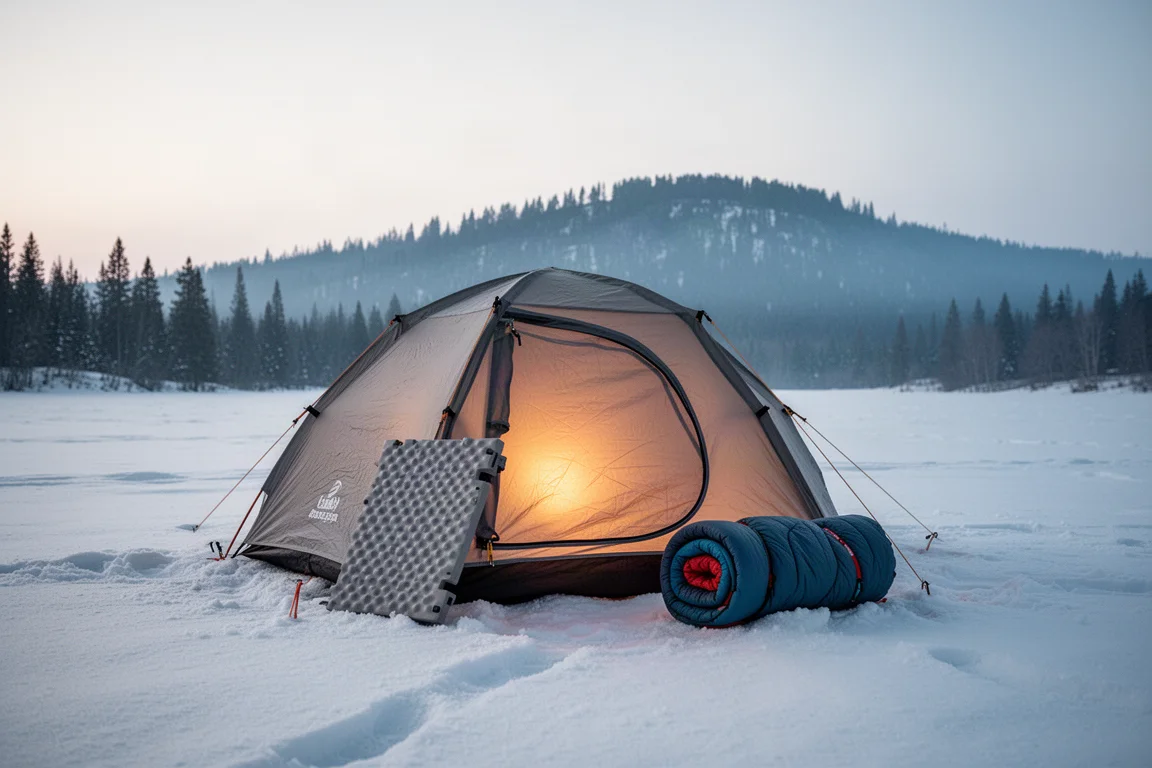
Pack capacity is worth a quick check as well. A three-season pack is often big enough to absorb the extra bulk of a warmer quilt and additional layers, and because winter approaches are usually shorter, a slightly overloaded pack is manageable. In genuinely extreme conditions, a larger pack rated to carry more bulk and weight comfortably makes the trip more enjoyable.
Layering: Base, Mid, and Shell
A layering system built for cold weather starts with a base layer that moves moisture and dries fast. Synthetic wool or full polyester both work well, because the priority is fabric that wicks sweat away from the body and then dries quickly instead of holding it.
Mid layers matter for the same reason. Winter layering encourages overheating, so a mid layer that keeps you warm while letting air move through it, such as a grid fleece, helps you stay dry while you are moving.
The insulation layer is where the down versus synthetic decision comes in. Down loses its ability to insulate once it gets wet: it clumps, and it takes a long time to dry. Synthetic insulation continues to insulate reasonably well when damp and dries faster, which makes it the safer choice when the cold is humid or wet rather than dry. Modern synthetic fills have improved here. Thermore, which has been producing synthetic insulation since 1972, specializes in recycled insulations made from PET and plastic bottles, and its EcoDown fiber is a loose-fill synthetic designed to resist clumping and to hold up when wet.
The final layer is a rain shell or hard shell. It breaks the wind and provides a waterproof barrier that protects everything underneath it, which is the simplest way to keep your other layers working.
Stio Pinion Down Jacket
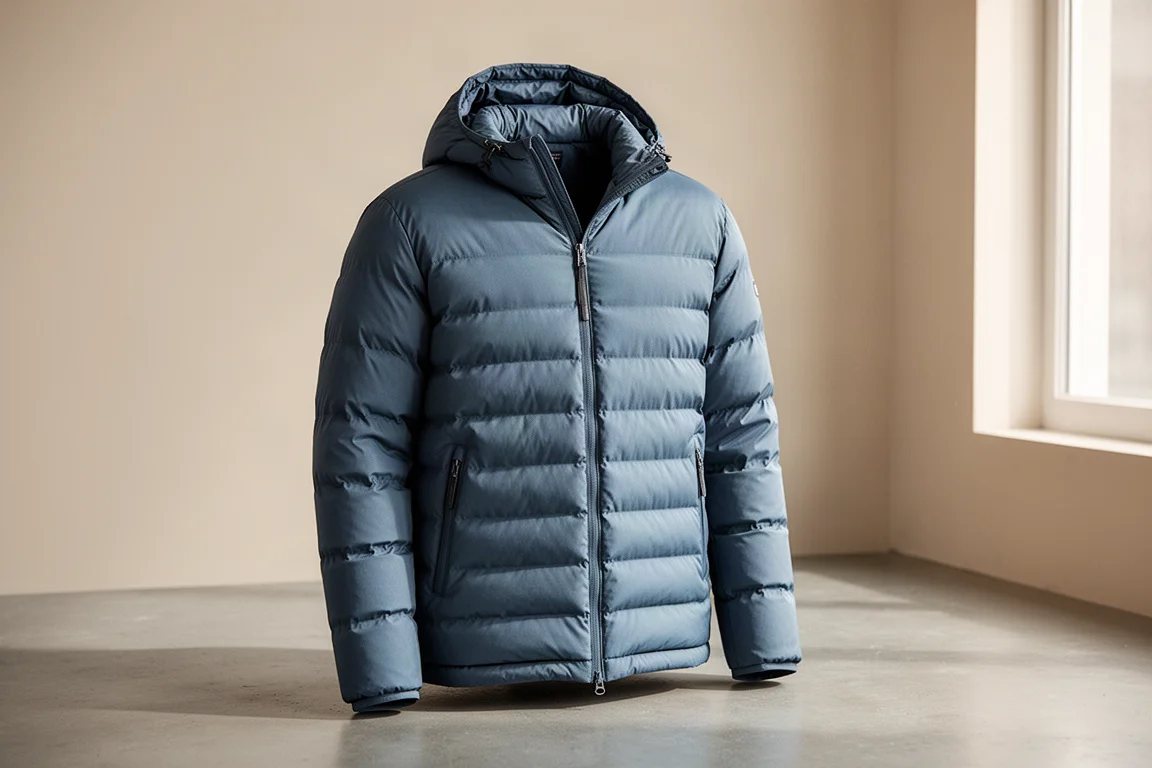
The Stio Pinion Down Jacket is a lightweight puffy that works best as one part of a system rather than as a standalone winter piece. It is thin, and the sewn-through baffling leaves cold spots where the stitching compresses the insulation, so it is not the jacket to rely on for deep winter on its own.
Where it fits is as a mid or outer layer on milder cold days, or as one of several light puffies stacked together when you want to tune warmth. If you would rather carry a single insulation layer with more loft, a higher-volume synthetic option is the more efficient choice.
UGQ Bandit Top Quilt
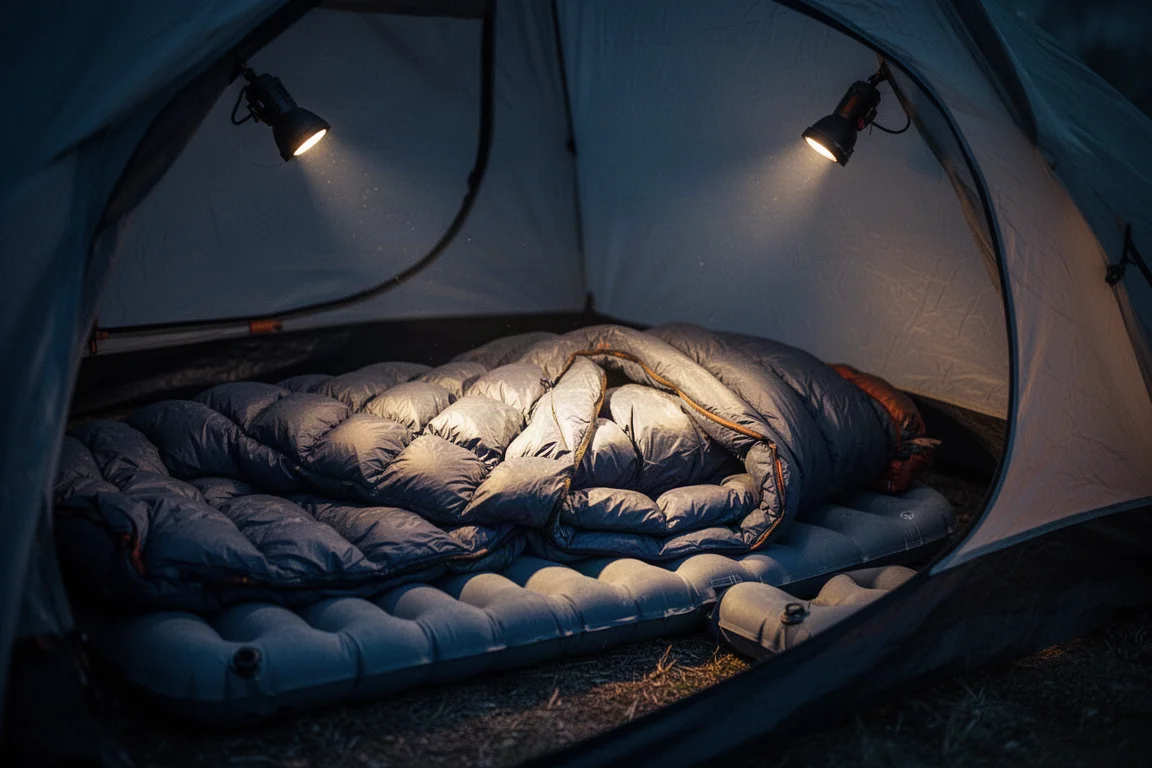
The UGQ Bandit Top Quilt is a 20°F quilt that covers the standard three-season window from late spring through summer to early fall. Its 20°F figure is a comfort rating, which is worth noting, because most bags and quilts are rated for survival rather than comfort: a 20°F survival rating usually translates to roughly a 30°F comfort rating.
Even as a comfort rating, 20°F is a thin margin for winter. Add humidity, wind and a low in the twenties, and the quilt on its own is unlikely to deliver the warm night you want. It remains an excellent three-season piece, and it pairs with a pad as one half of a two-part system.
UGQ Quillow
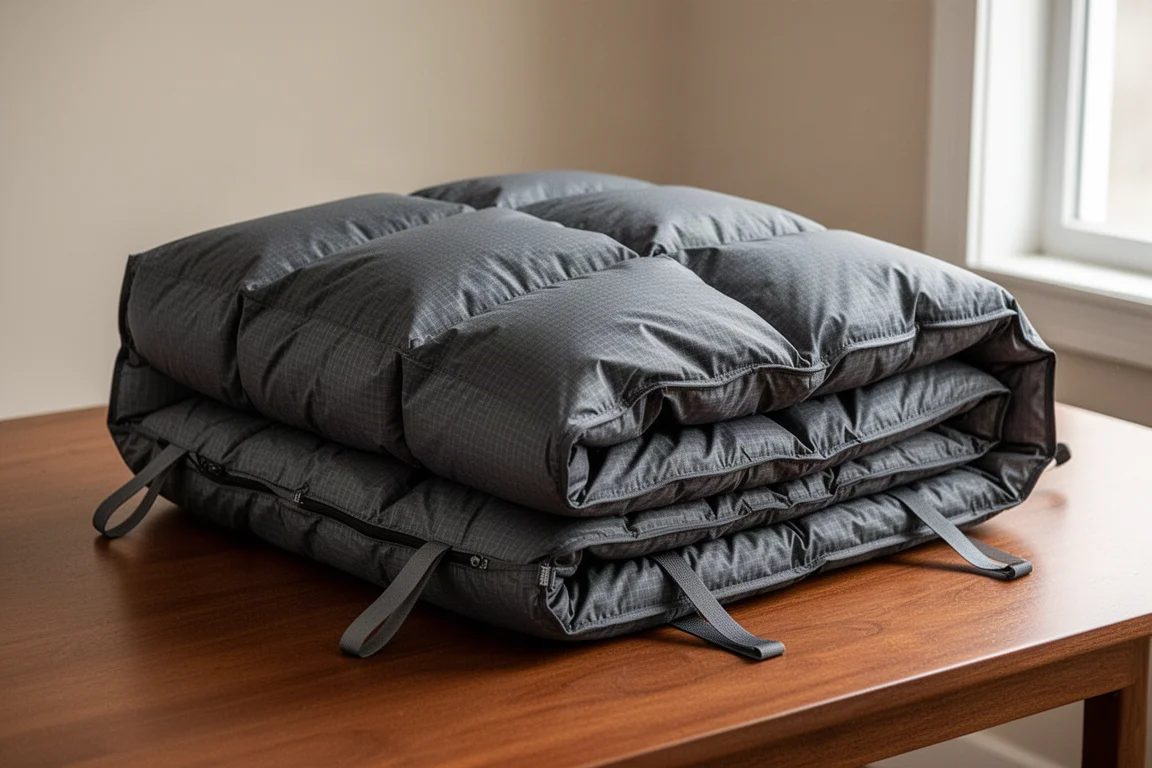
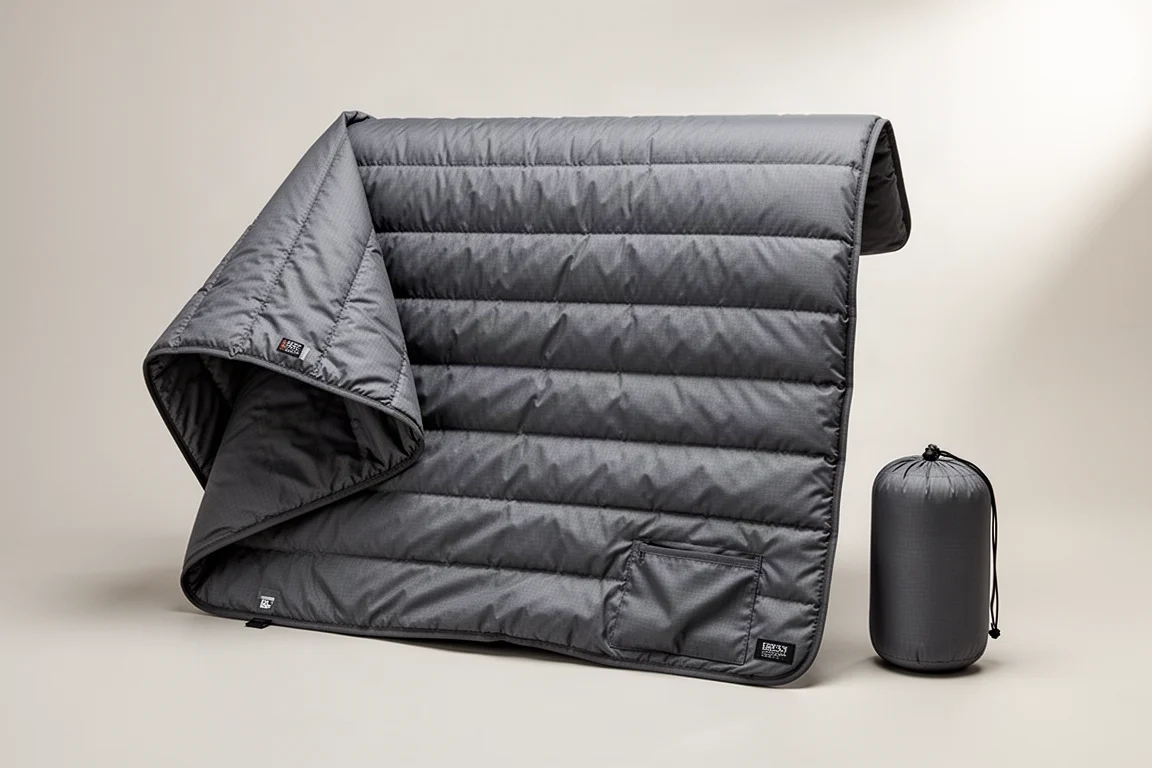
The UGQ Quillow is a pillow that doubles as an ultralight blanket and quilt. It comes in a junior size and a larger deluxe size, and it includes a foot pocket that helps it stay in place.
Its real value in winter is as a warmth booster. The Quillow is a down-insulated quilt rated around 50°F, and lining the inside of a three-season backpacking quilt with it adds loft and insulation without the cost of a dedicated winter bag.
Used that way, it stretches the range of a quilt you already own, which makes it one of the more cost-effective ways to sleep warmer. It also works as a pillow and a camp blanket, so it earns its place in the pack beyond a single cold night.
ZenBivy Light Bed
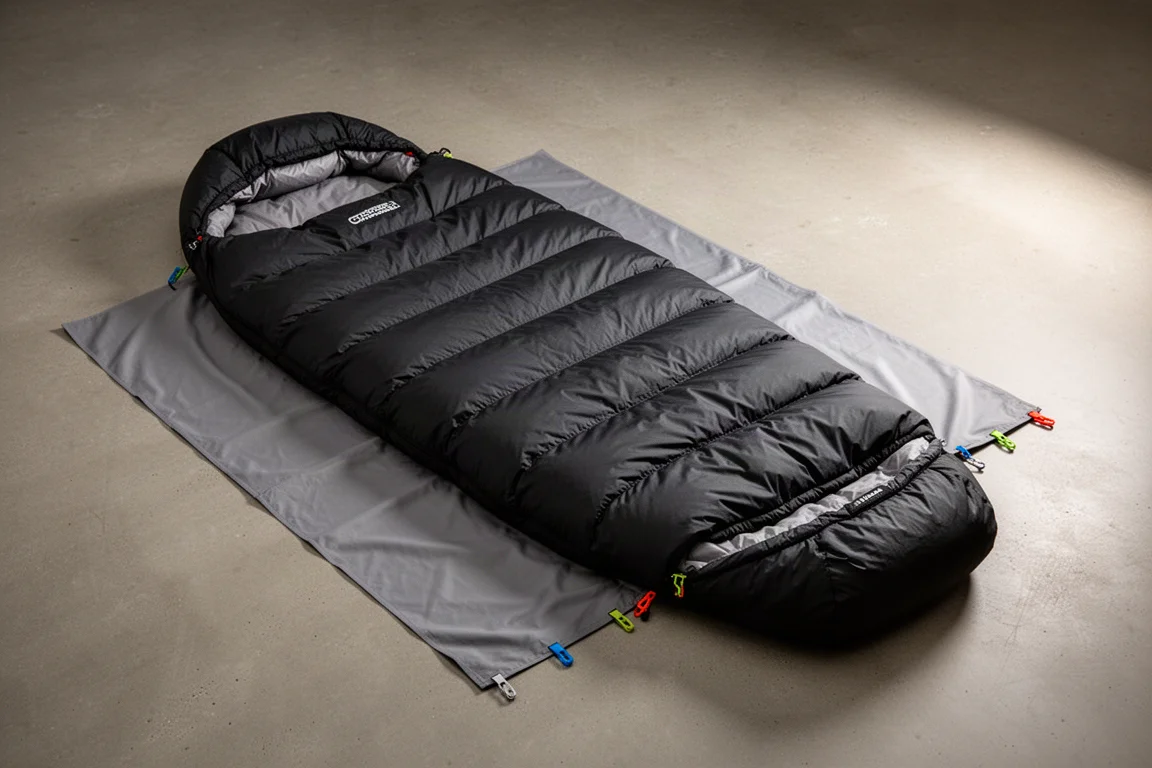
For trips that are consistently cold, a winter-rated sleep system is the more dependable answer. The ZenBivy Light Bed is rated for 5°F and is designed as a comfort rating rather than a survival figure, with an R7 sleeping pad underneath.
The quilt carries a substantial amount of down insulation and a noticeable amount of loft, which is what makes it feel genuinely cozy on cold ground. A system at this level is aimed at people who plan to sleep on snow and frozen ground repeatedly rather than occasionally.
Big Agnes Zoom UL
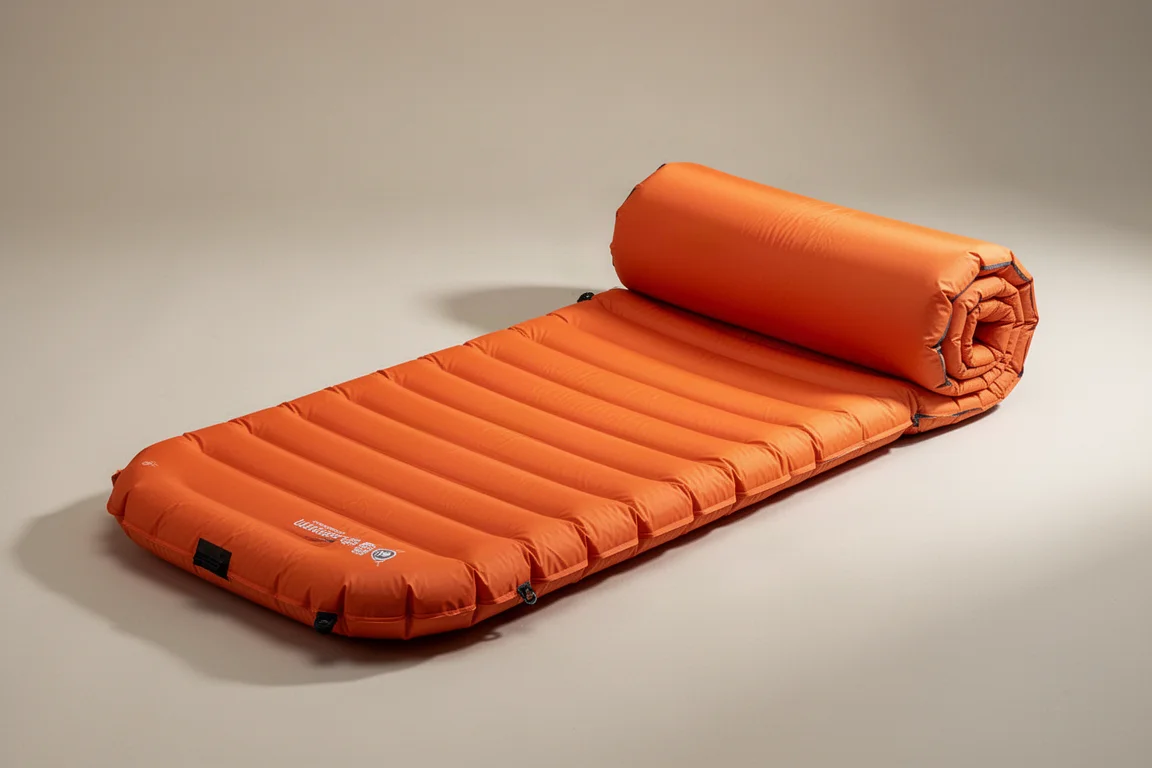
R-values are a useful starting point, but they are not a complete description of how a pad performs. The Big Agnes Zoom UL carries an R-value of four or higher, which on paper should keep a sleeper warm down to freezing temperatures and on cold ground. On cold ground, nights on this pad have felt considerably colder than that number suggests, and it has not insulated the way its rating implies.
That gap comes down to construction. How a pad is built shapes how well it actually insulates, and the standard R-value test does not capture all of it. The practical takeaway is to look at how a pad behaves in the conditions you plan to camp in, not only at the number printed on the box.
Nemo Tensor Trail
If you would rather not buy a dedicated winter pad, a three-season pad can still work with a supplement. The Nemo Tensor Trail sits just under an R-value of three, which is typical for a warm-weather pad.
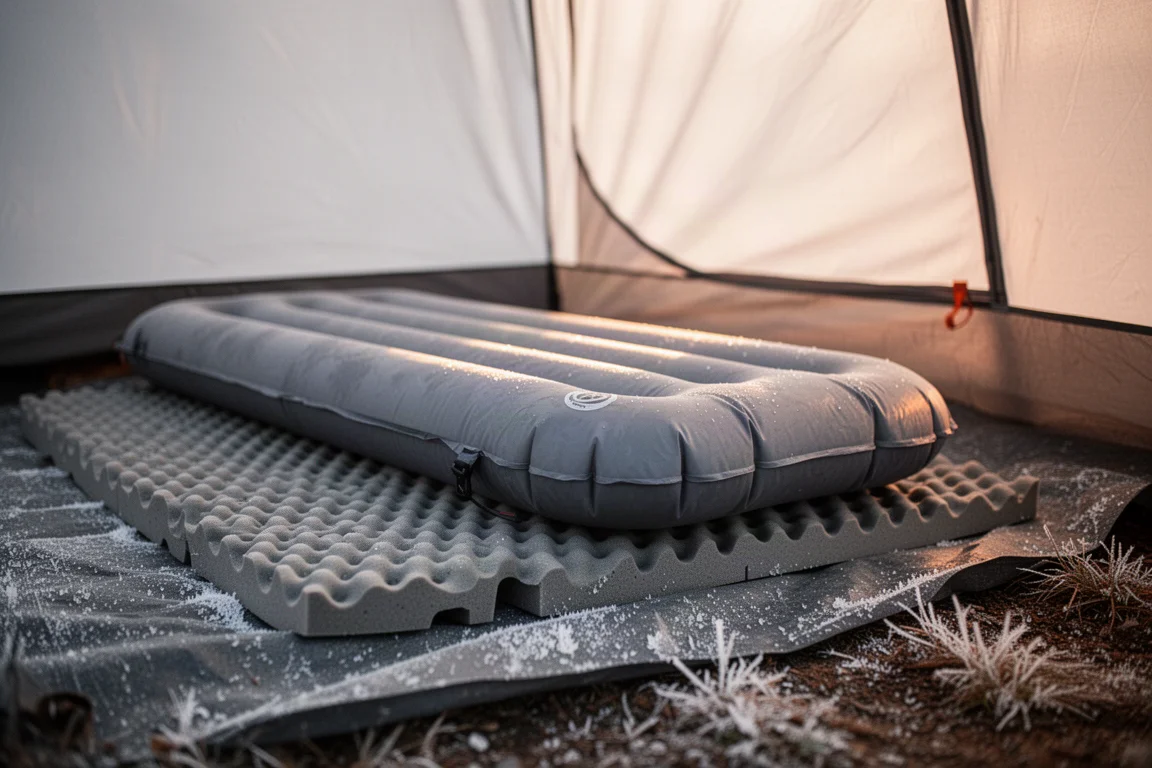
To take a pad like this into cold conditions, add supplemental insulation. A closed-cell foam pad placed underneath creates a thermal barrier that reduces conduction between the cold ground and the inflatable pad. Layers placed on top that do not compress, such as fabric, add further insulation value. For extended time on snow, a dedicated cold-weather pad is the better route.
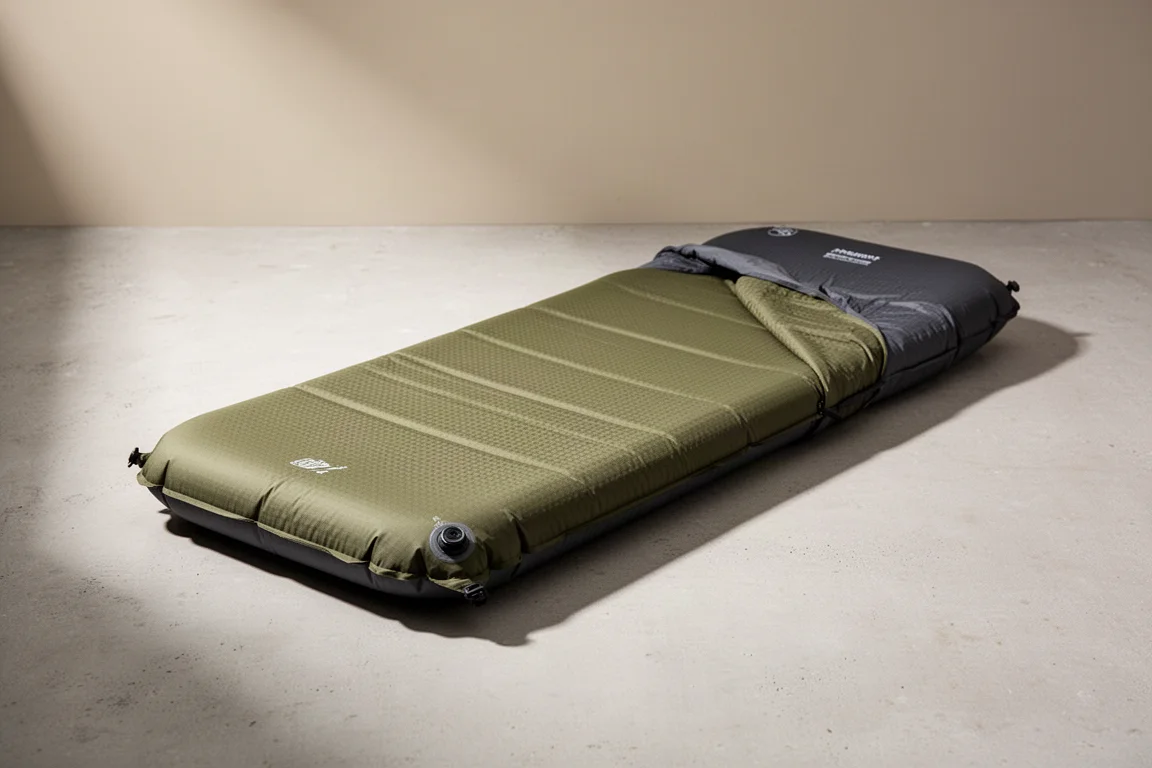
Nemo Switchback
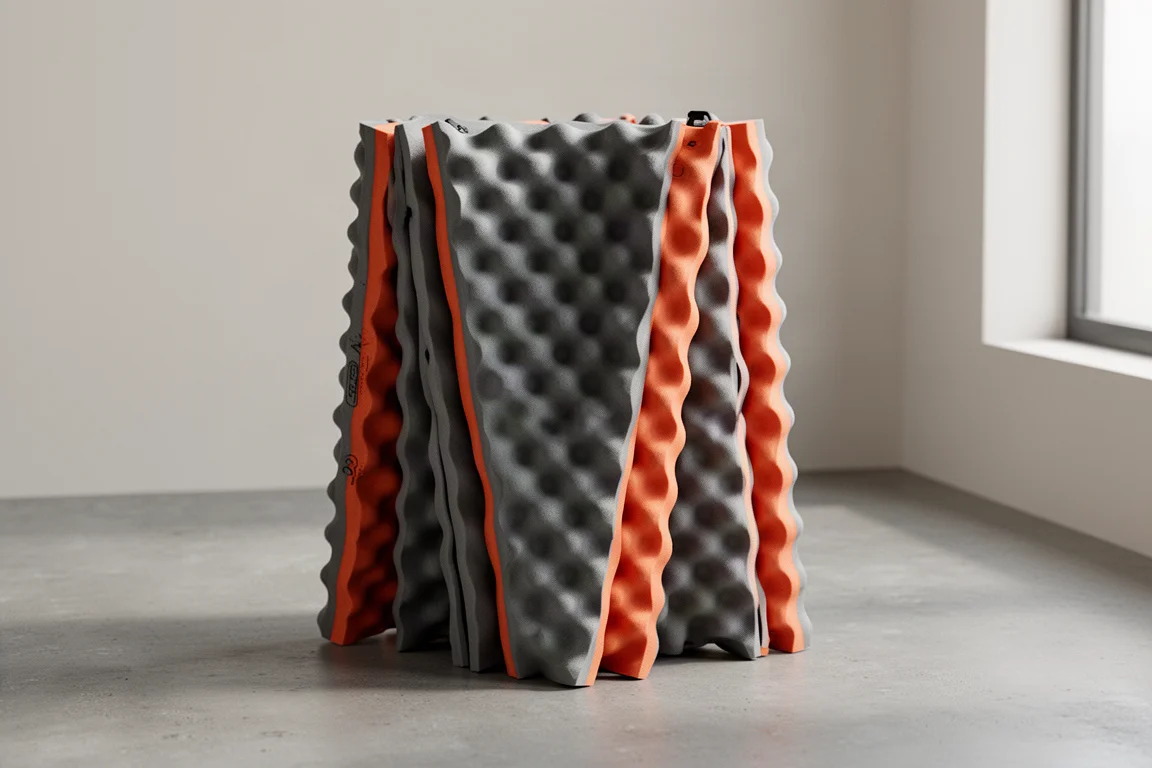
The Nemo Switchback is a closed-cell foam pad, and its role in winter is as a supplement rather than a primary pad. Placed under an inflatable pad, it creates a thermal barrier that cuts down conduction from the ground.
It is a simple and inexpensive way to stretch the range of a three-season pad, and plenty of comparable closed-cell options exist if this particular one is not available to you.
Exped Ultra 7R
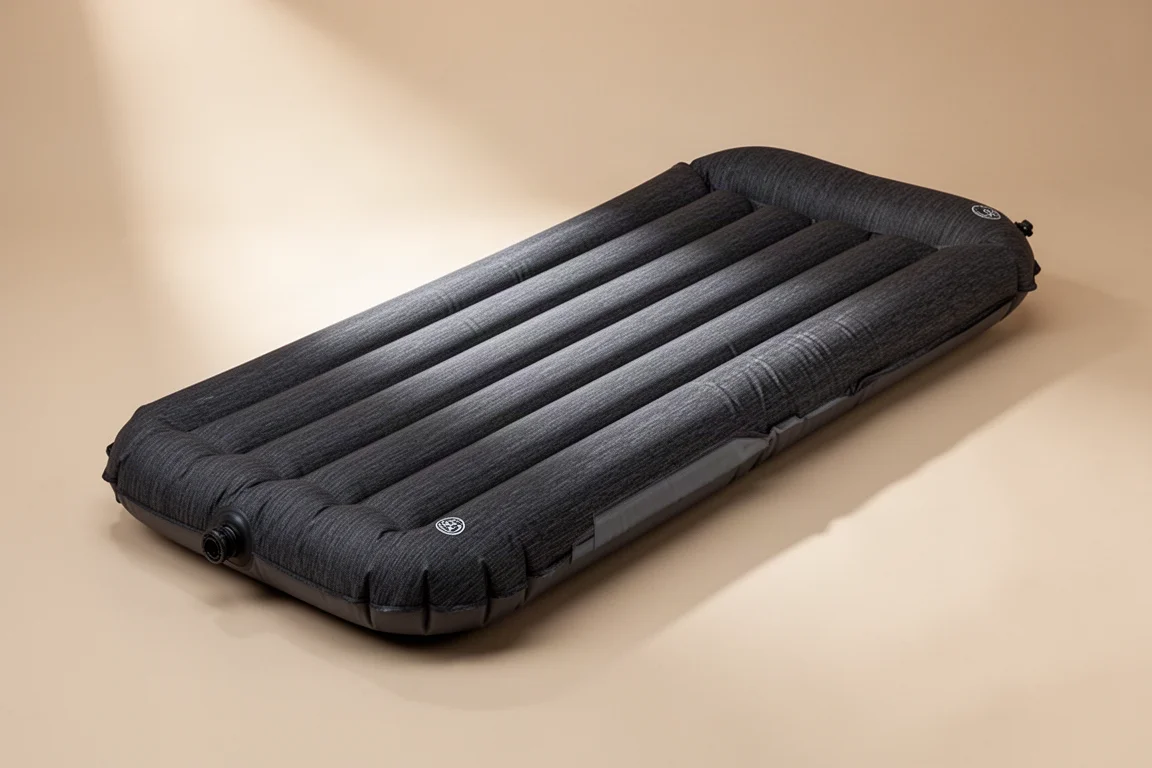
The Exped Ultra 7R is a dedicated cold-weather pad with an R-value of seven and down insulation built into the mat. It sleeps warm without needing a closed-cell foam pad underneath it.
For anyone who spends real time on snow and frozen ground, a pad at this level is the piece that makes the largest difference to a night’s sleep.
Therm-a-Rest NeoAir XTherm
The Therm-a-Rest NeoAir XTherm is a long-established option for winter conditions and a proven performer on snow and frozen ground. Paired with a warm quilt or bag, it completes the two-part sleep system that decides whether a cold trip is enjoyable.
How to Choose: Winter Buying Advice
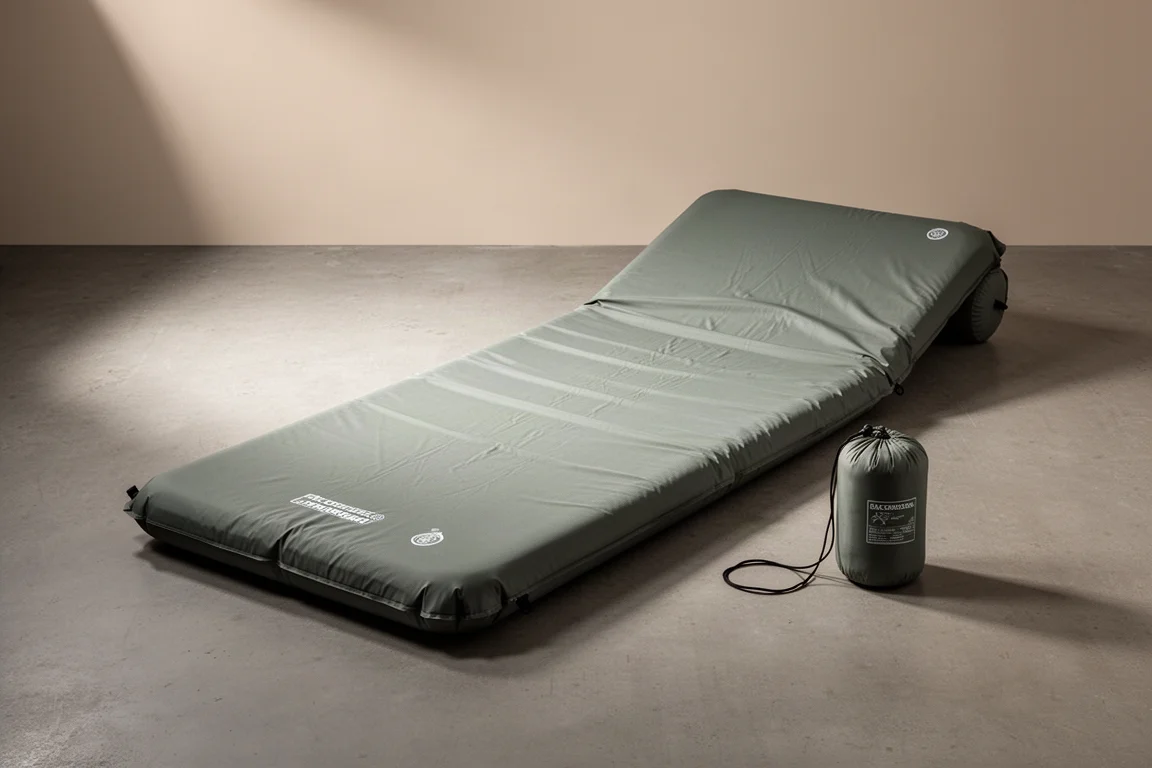
Start with the sleep system, because it does the most work. If you are not ready to invest in winter-rated gear, the cheapest path is to extend what you already own: a bag liner, a down quilt used as an inner layer, and a closed-cell foam pad under your inflatable. If you plan to camp in winter regularly, a winter-rated quilt or bag plus a pad with a high R-value is the combination that pays off.
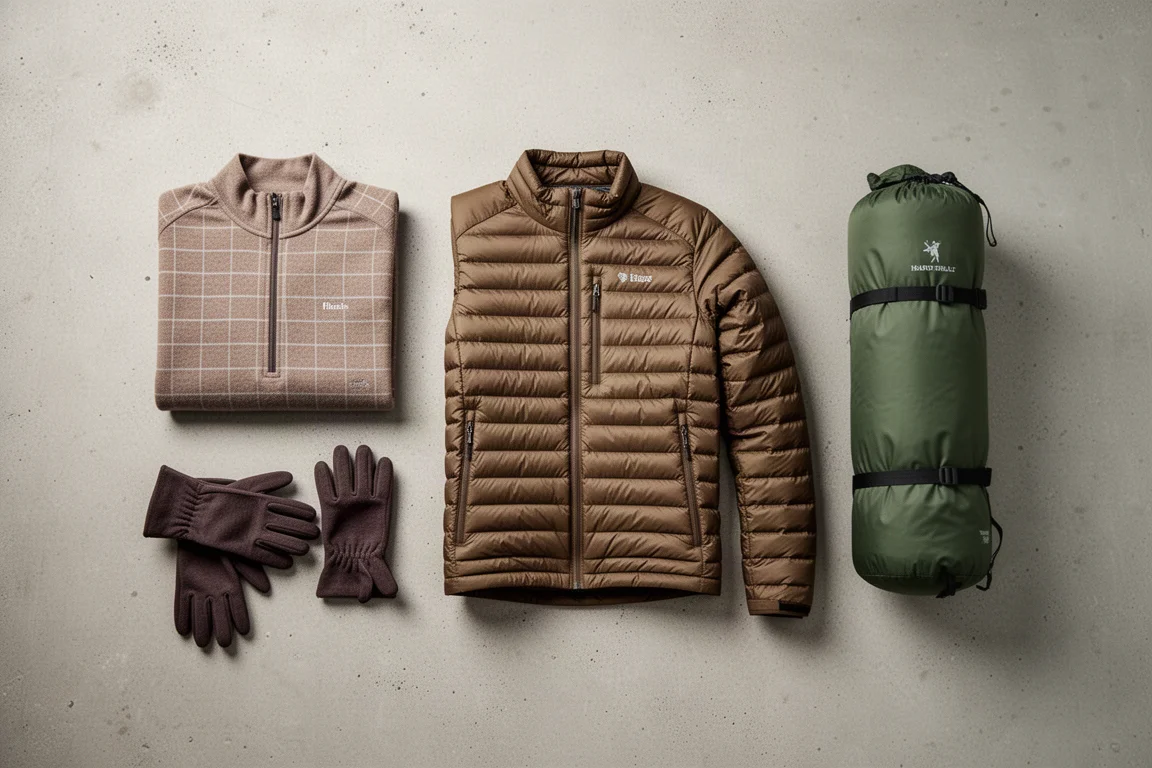
On the clothing side, choose insulation based on the moisture you expect. A dry cold favors down for its warmth-to-weight ratio, while a humid or wet cold favors synthetic for its ability to keep insulating when damp. Whichever you choose, finish the system with a shell that blocks wind and water, and test the whole setup on a short, low-risk trip before you commit to a longer one.
Conclusion
Winter backpacking comes down to two things: staying dry and staying warm. Layers that wick and dry quickly, insulation that keeps working when damp, a shell that blocks wind and water, and a sleep system where the quilt and the pad are matched to the conditions will do more for your experience than any single piece of gear. You can start by extending the three-season kit you already own, and move to winter-rated pieces when the trips become a regular habit.
Further reading
Related Reviews
Outdoor Gear
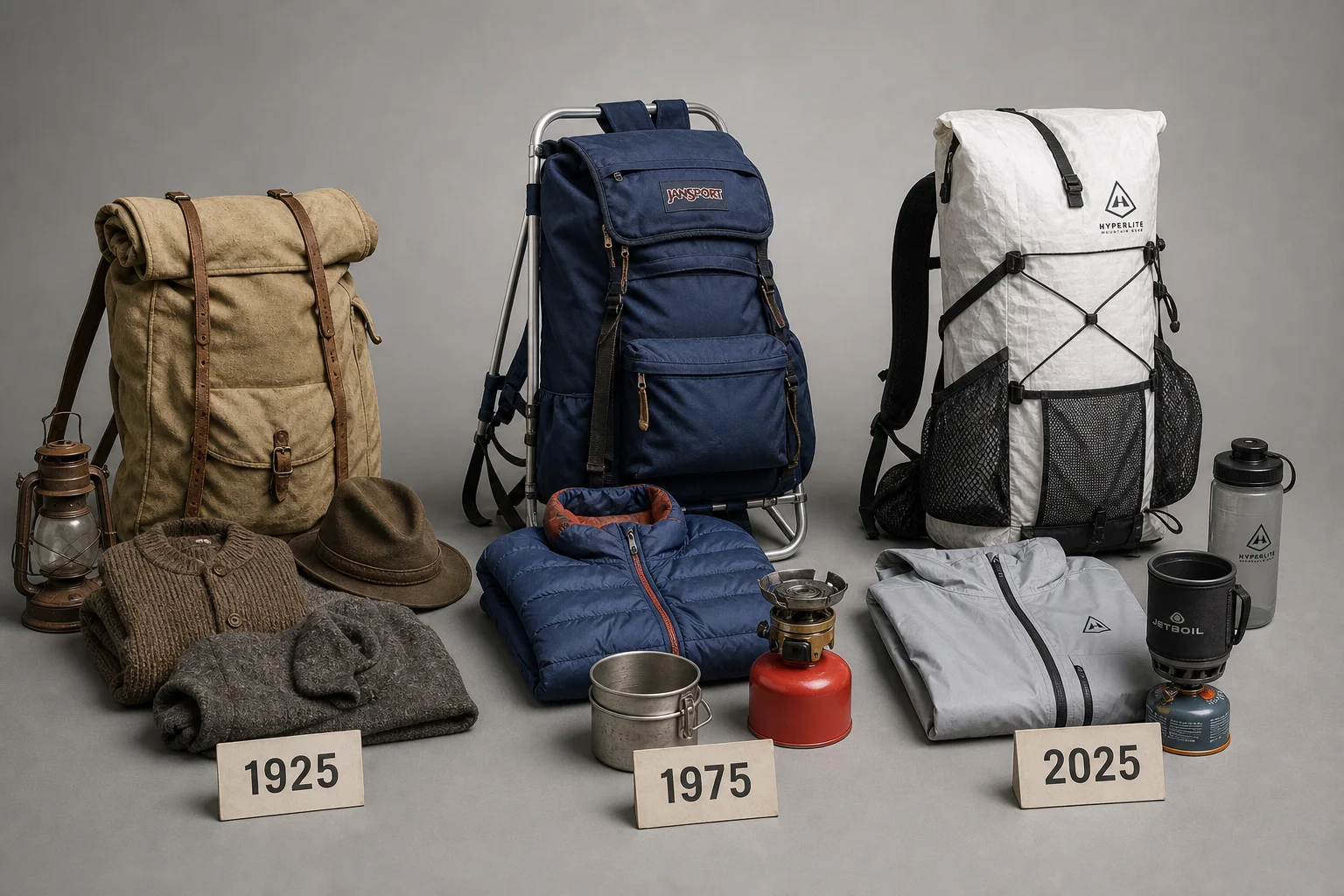
Backpacking Gear Evolution: 100 Years of Technology Compared
We tested backpacking gear from 1925, 1975, and 2025 across a three-day hike in Yosemite. Here's how technology has transformed comfort, weight, and the outdoor experience.
Outdoor Gear
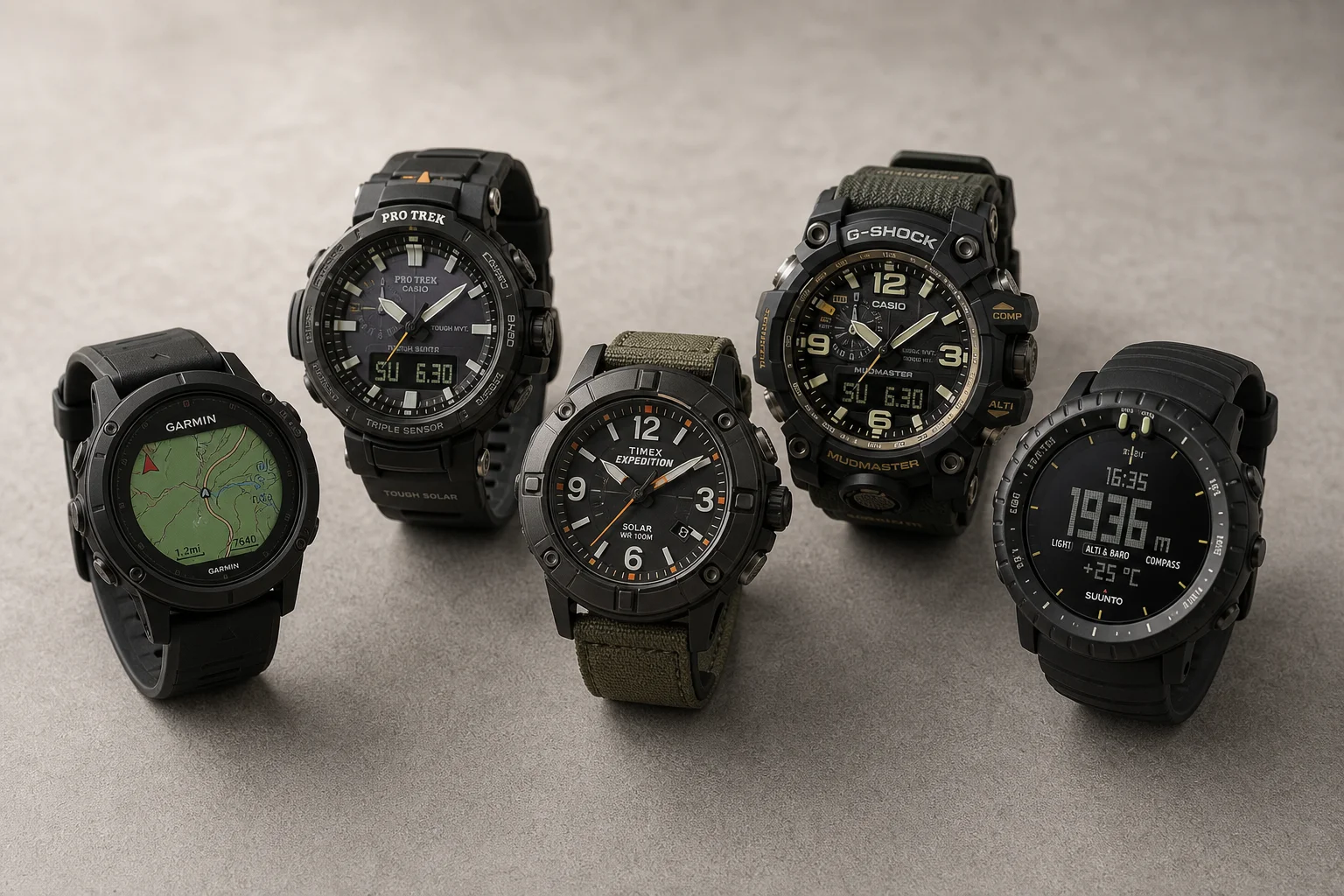
Best Affordable Hiking Watches: Five Rugged Options for Outdoor Adventures
Five durable hiking watches that balance ruggedness, functionality, and value for outdoor enthusiasts who need reliable GPS tracking and weather resistance.
Outdoor Gear
Best Backpack Coolers 2026: Five Practical Options for Outdoor Adventures
Five backpack coolers with distinct cooling capabilities, storage features, and design trade-offs to help you choose the right one for your outdoor needs.