Outdoor Gear
Winter Backpacking Gear Guide: Building a Four-Season Sleep System
How to layer a quilt, a three-season bag, high R-value pads, a liner, a freestanding tent, and a larger pack into a cold-weather system that genuinely keeps you warm.
Introduction
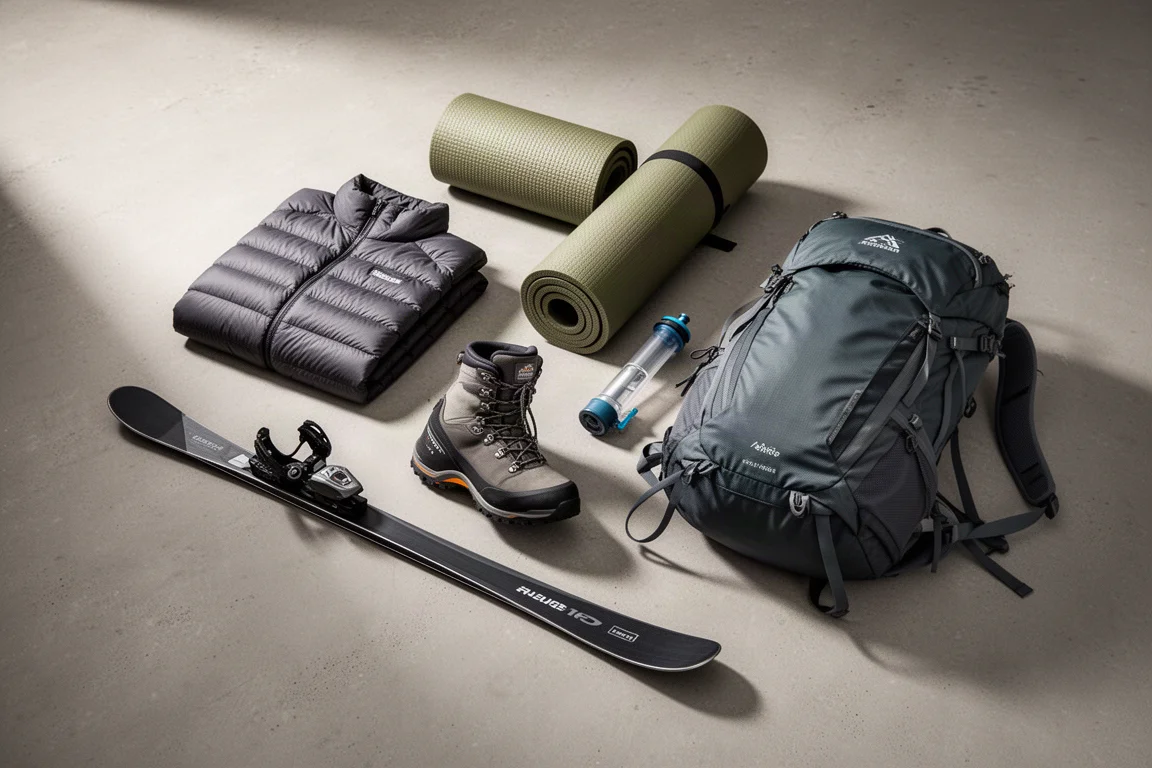
Cold weather does not have to end the backpacking season. The hesitation is easy to understand, because the first question anyone asks about winter camping is whether they can actually stay warm. The encouraging answer is that a capable four-season system rarely requires a complete gear overhaul. In most cases it comes down to layering three-season pieces intelligently, then choosing a shelter and a pack that can handle the extra bulk and the weather.
This guide covers the individual pieces that make that system work, from the quilt and bag combination that generates the loft, to the pads that block ground cold, to the liner, tent, and pack that hold everything together.
How to Build a Four-Season Sleep System
The core principle is layering, exactly as you would with clothing. A wide down quilt on the outside traps a large volume of loft, and a three-season sleeping bag placed inside it adds a second insulating layer with room to spare. Combining a 25-degree quilt with a 20-degree bag can take a sleep system comfortably below zero Fahrenheit, which is a far better use of gear you already own than buying one dedicated expedition bag.
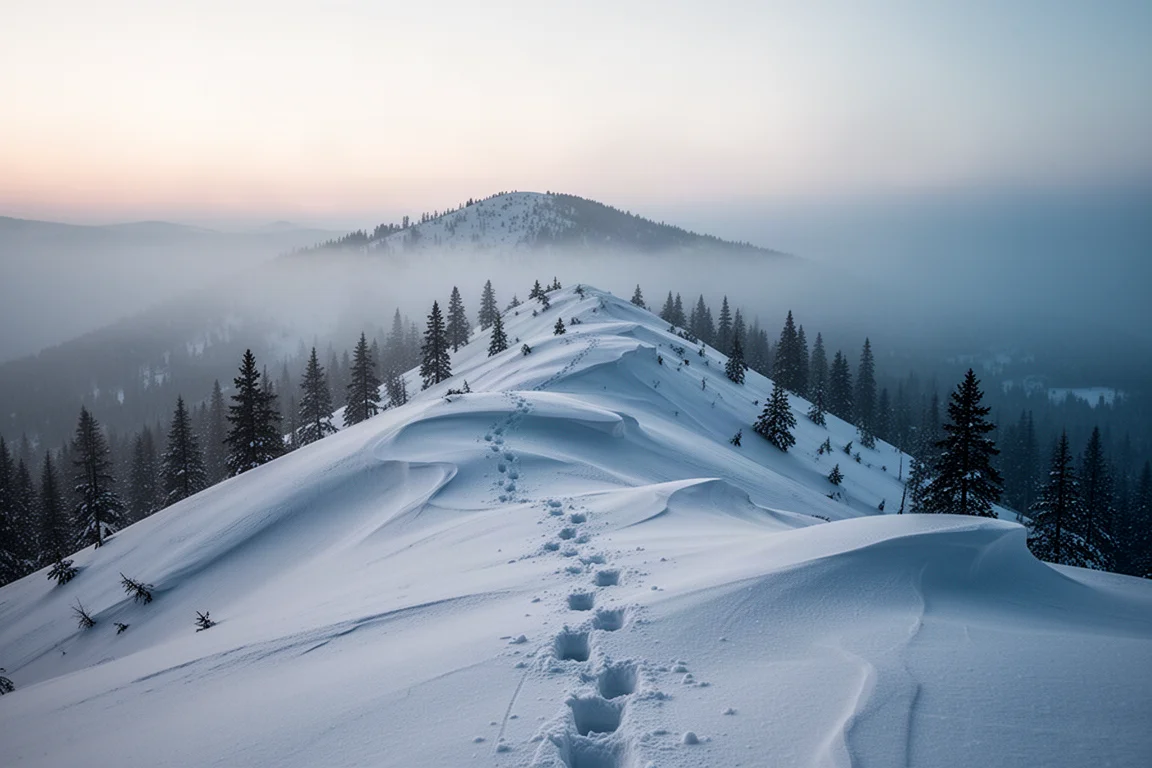
Underneath, the sleeping pad matters as much as the insulation above you. Ground cold is the most common reason people sleep badly in winter, and a pad with a high R-value is the piece that fixes it. Everything else in this guide builds on that foundation.
Zenbivy Light Bed: The Outer Quilt Layer
The Zenbivy Light Bed is a 25-degree down top quilt that attaches to a sheet system, which keeps the quilt contained on top of the sleeping pad instead of sliding off during the night. That attachment matters more in cold weather than it does in summer, because a quilt that stays put is a quilt that keeps working.
Because the quilt is wide, there is enough internal volume to layer a second three-season bag inside it. That extra space is what makes the system adaptable: you get a large pocket of loft without compressing the insulation beneath you.
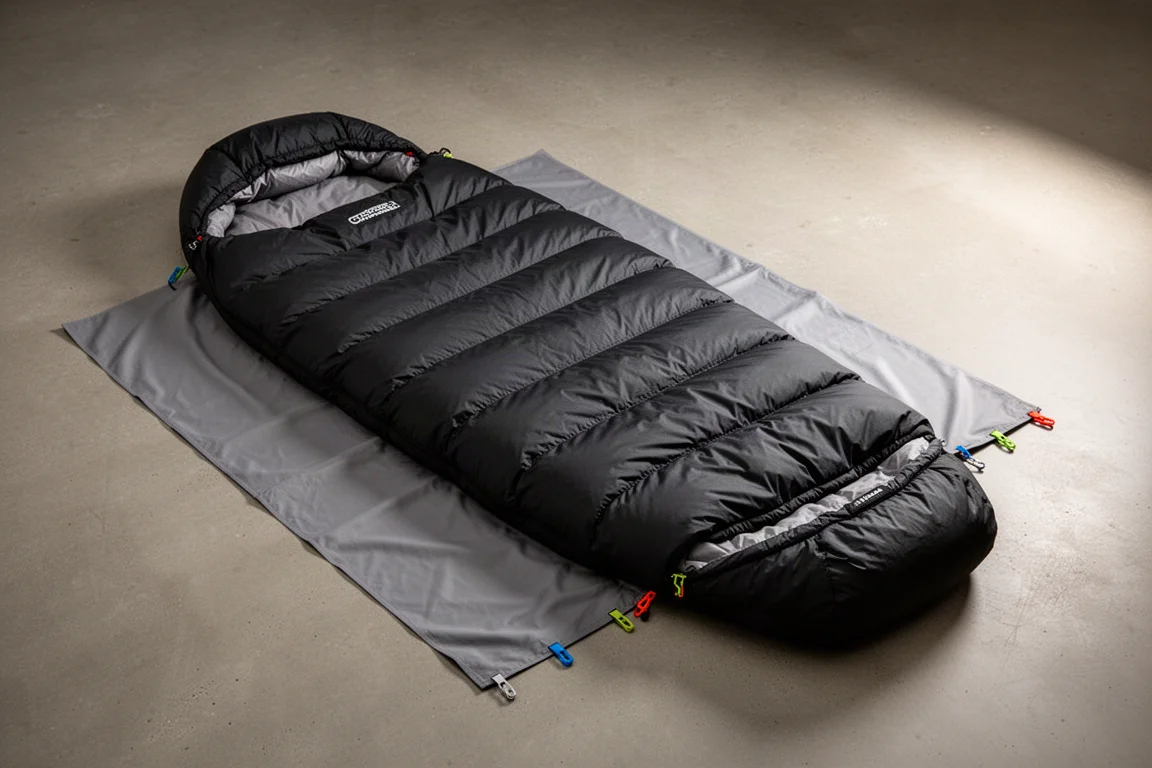
Western Mountaineering UltraLite 20° Sleeping Bag: The Inner Layer
Placed inside the Light Bed, a 20-degree rated down bag such as the Western Mountaineering UltraLite adds a second layer of down and a substantial amount of additional loft. The two ratings work together rather than competing, and the combined system can handle temperatures below zero Fahrenheit.
Using a bag you already own as the inner layer is the single most cost-effective move in cold-weather backpacking. It also means the same bag still works on its own for the rest of the year.
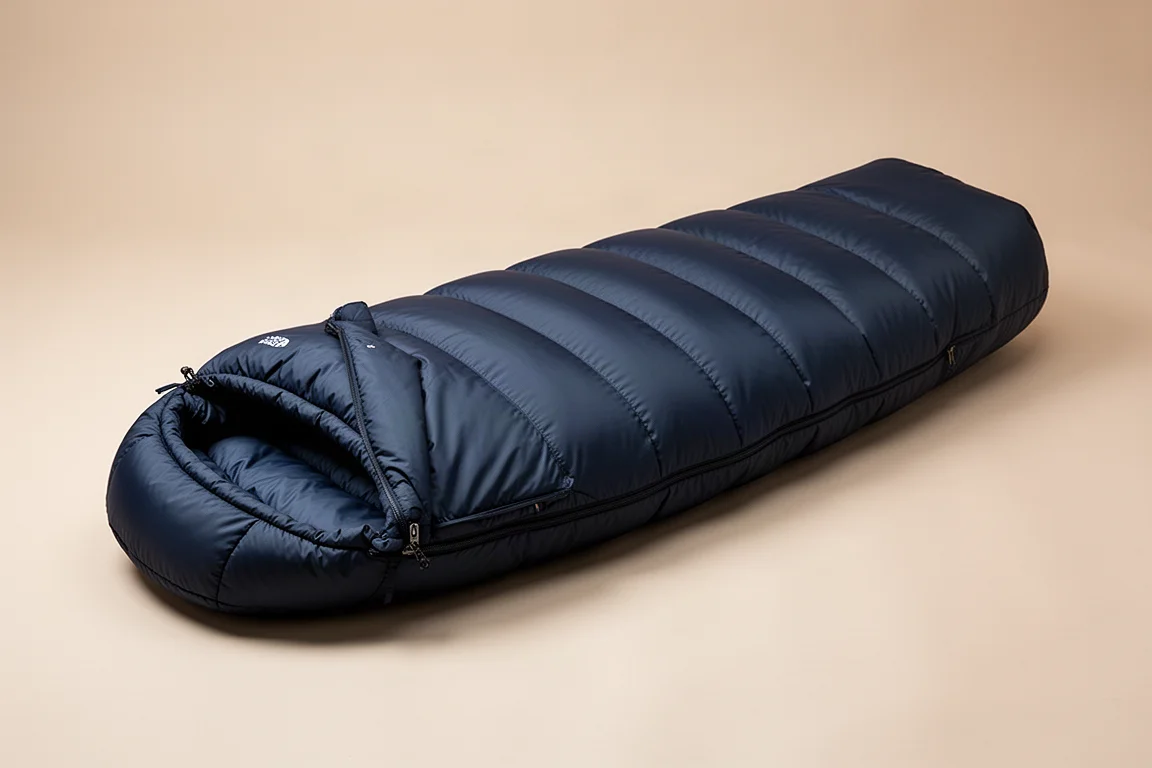
Therm-a-Rest NeoAir XTherm Max: Maximum Warmth Underneath
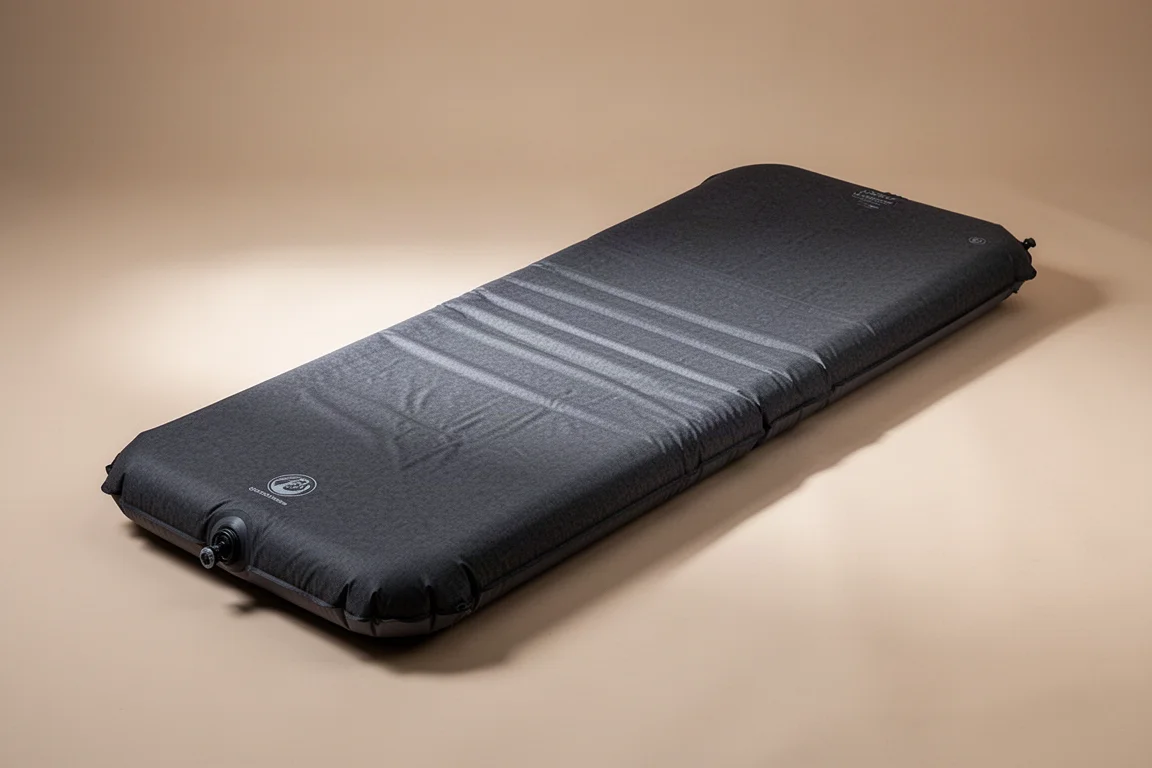
The Therm-a-Rest NeoAir XTherm Max is the warmth-to-weight benchmark among sleeping pads, with a 6.9 R-value that creates a serious barrier between you and frozen ground. For trips that push into genuinely low temperatures, that R-value is the difference between a warm night and a very long one.
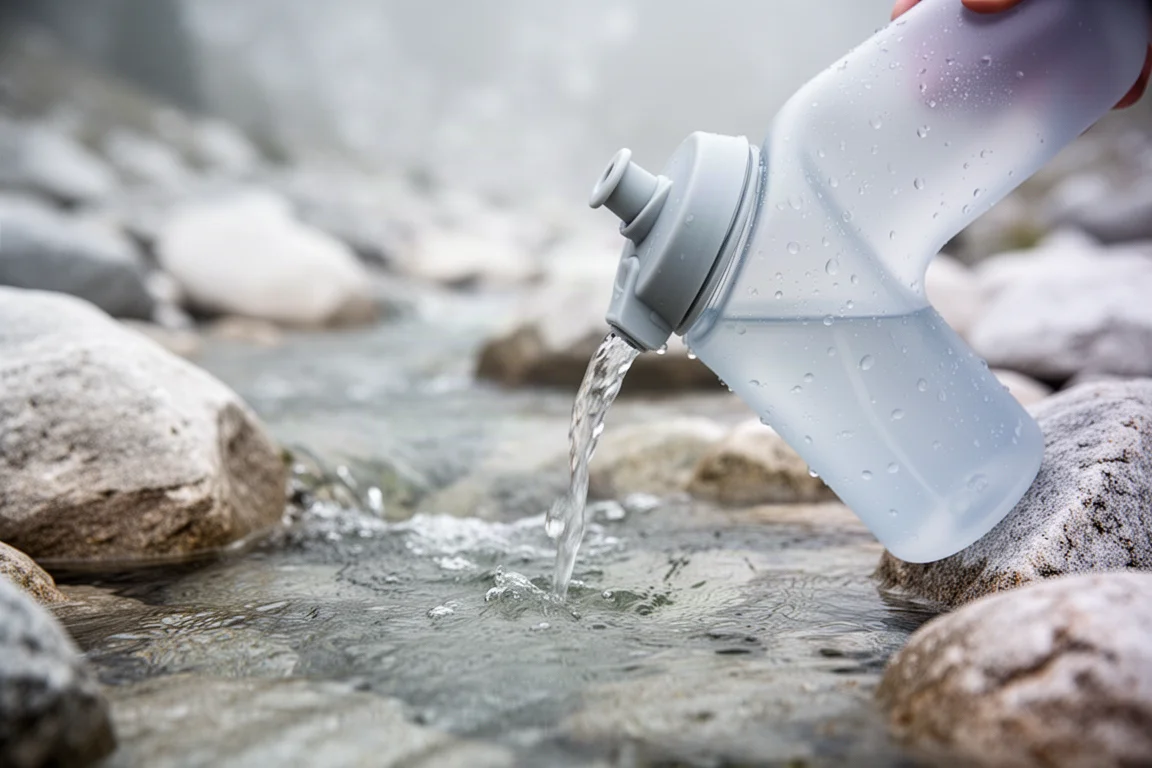
Comfort is subjective, and the XTherm Max is not the plushest pad on the market. What it delivers instead is warmth per gram, which is the trade-off most cold-weather trips justify.
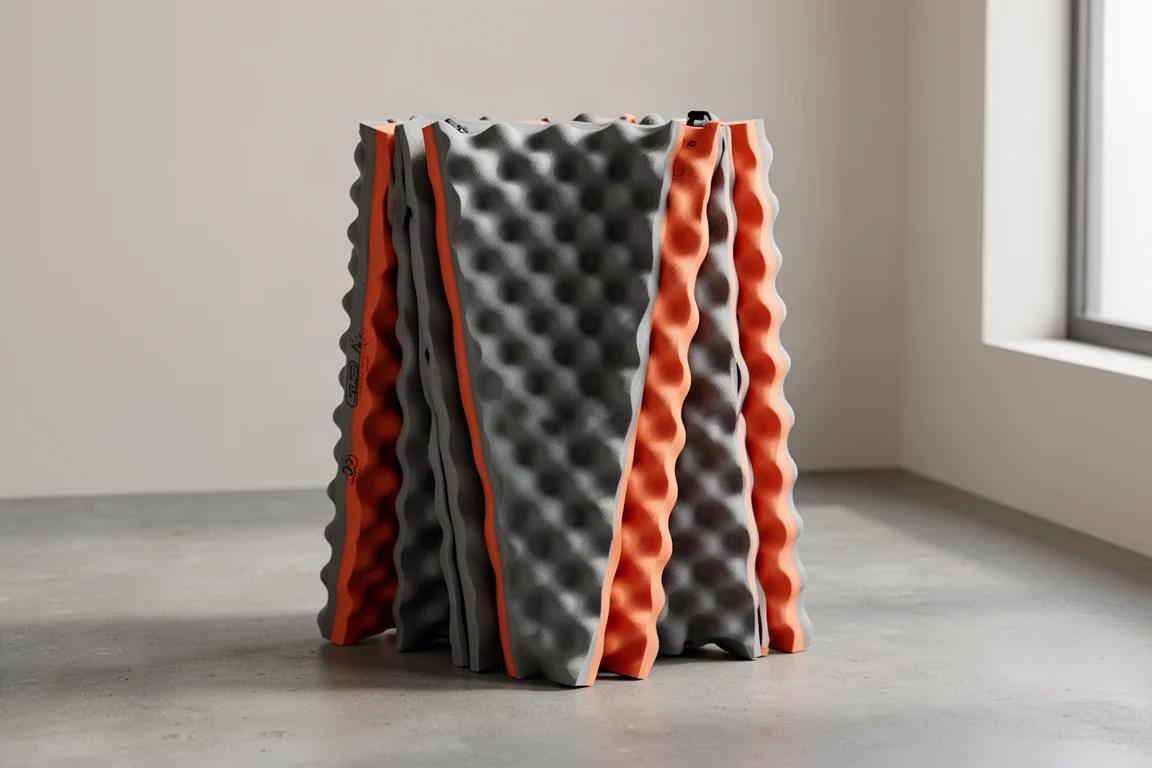
Nemo Switchback: Inexpensive Insurance Against Ground Cold
Not every cold-weather trip needs to go to extremes. For nights in the upper teens or low twenties, a simple closed-cell foam pad such as the Nemo Switchback layered underneath an existing three-season pad is one of the cheapest ways to add warmth. Foam adds R-value, adds a physical barrier against the ground, and cannot puncture or leak.
Laying a foam pad under a three-or-four-R-value inflatable is a straightforward upgrade that also improves comfort on rough or uneven ground.
Nemo Rift 15° Sleeping Bag: A Three-Season Bag Used Honestly
The Nemo Rift 15 is a good example of a three-season bag that should be used with realistic expectations. A 15-degree rating is not a guarantee of comfort at 15 degrees, particularly without a well-insulated pad beneath it.
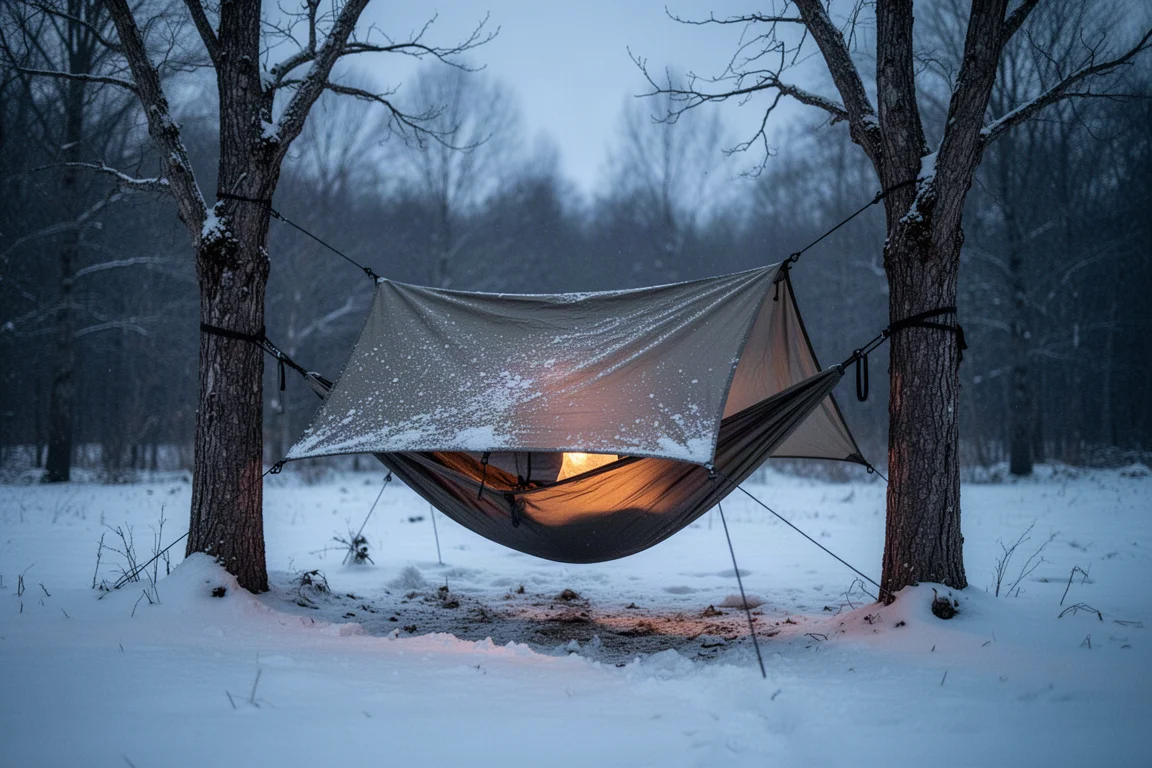
That is less a flaw in the bag than a reminder about how temperature ratings work. On top of a warm pad, with a liner inside and a quilt or second bag over the top, the Rift 15 becomes a genuinely useful component of a cold-weather system rather than a standalone winter bag.
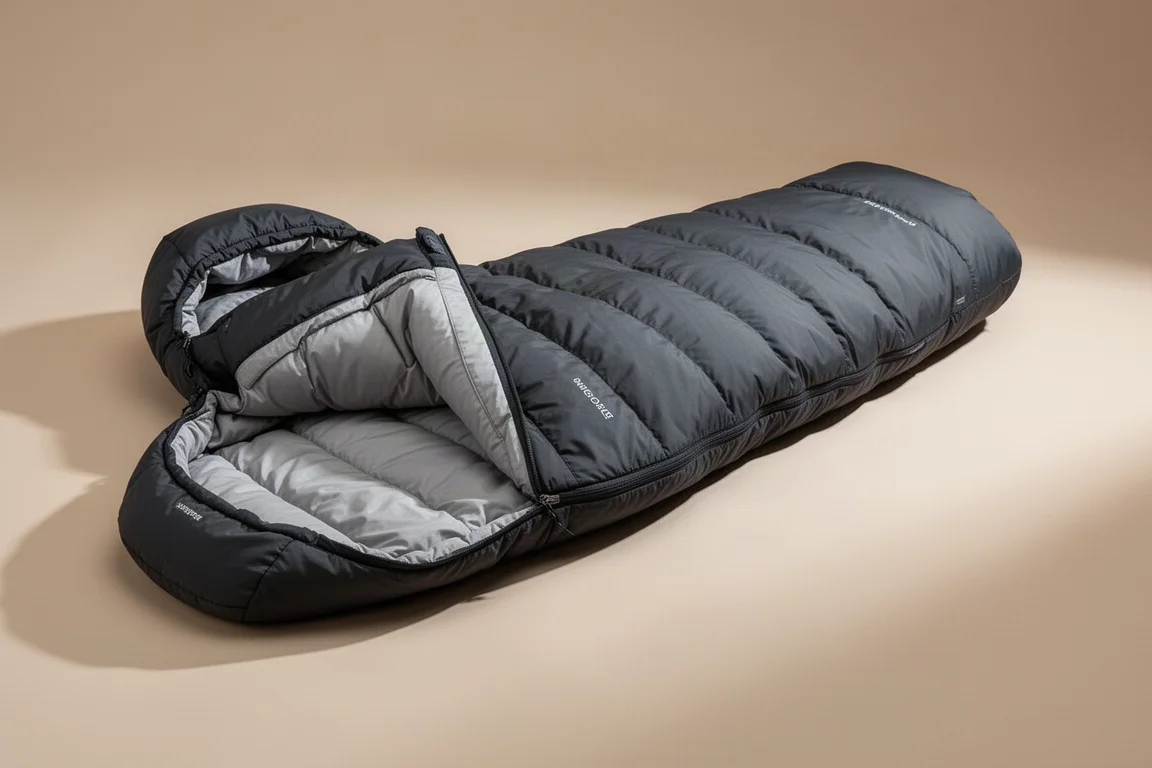
Sea to Summit Reactor: Extending Range Without a New Bag
A sleeping bag liner is the least expensive single addition to a cold-weather sleep system. The Sea to Summit Reactor goes inside an existing bag and adds warmth without requiring a new purchase, which is a very different proposition from spending several hundred dollars on a dedicated zero-degree or lower bag.
For anyone extending a hiking season rather than committing to deep winter, a liner is often the most sensible first step.
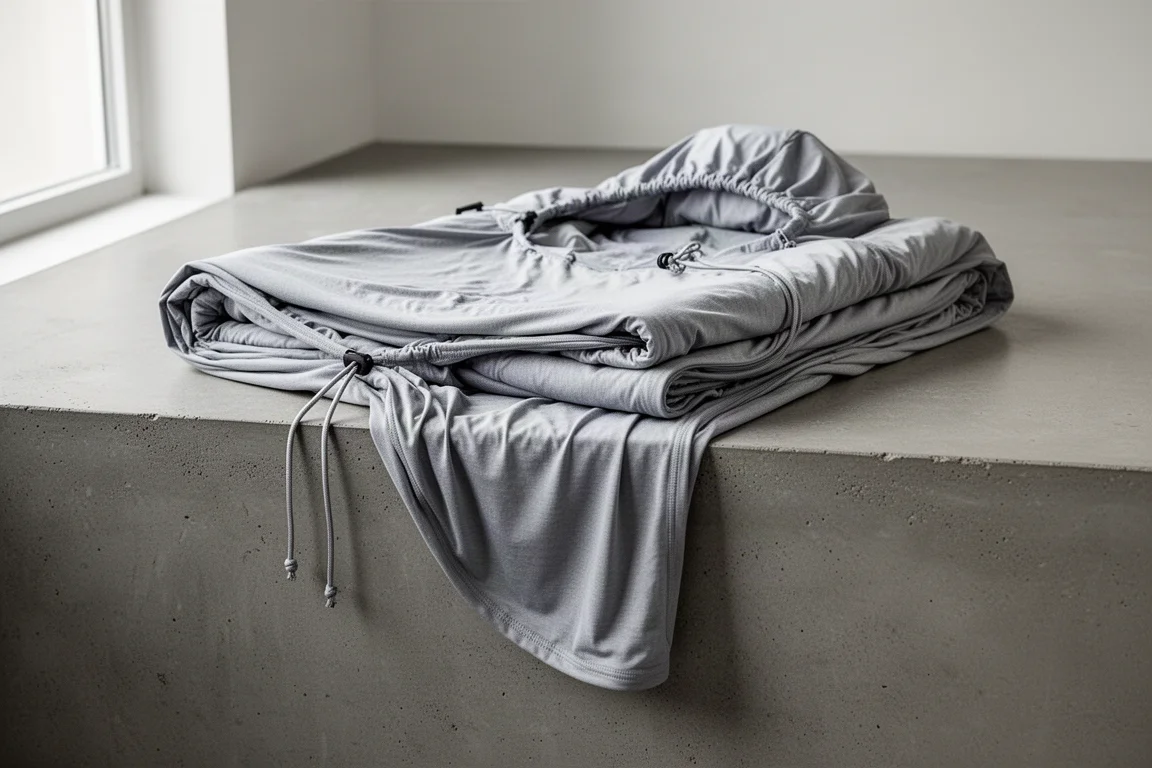
Black Diamond Highlight 2: A Shelter Built for Snow Load
Shelter makes an outsized difference in cold weather, and a tent that was perfectly adequate in July can feel genuinely inadequate in January. The Black Diamond Highlight two-person tent is a full freestanding design, which means it can be pitched without driving stakes into soft snow or building dead-man anchors.
It uses a polyester fabric, which stretches less than nylon when it gets wet, and a single-wall construction, which asks for more attention to ventilation to keep condensation in check. The pole structure sits inside the tent, adding strength to the frame, and the tent handles snow load well, shedding weight placed on top of it rather than deforming. That combination of easy freestanding setup and snow-load strength is what makes it a convincing cold-weather shelter.

Waymark Gear Lite 50L: Carrying the Extra Bulk
Cold-weather gear is bulkier, and that changes the pack calculation. A 50-litre framed pack such as the Waymark Gear Lite 50 is a reasonable baseline, though it will sit near its limit on cold-weather trips; a 60-litre pack may be more appropriate for genuinely deep winter conditions.
The other question to answer is whether the pack keeps its contents dry. Water resistance helps, but a pack liner and dry bags are the dependable answer, since wet insulation is both a comfort problem and a safety problem once temperatures drop.

Overall Buying Advice
Priorities differ depending on how deep into winter you intend to go. For trips into the low twenties and upper teens, the cheapest wins come first: a closed-cell foam pad layered under an existing inflatable, and a sleeping bag liner inside an existing bag. Neither requires replacing gear you already own.
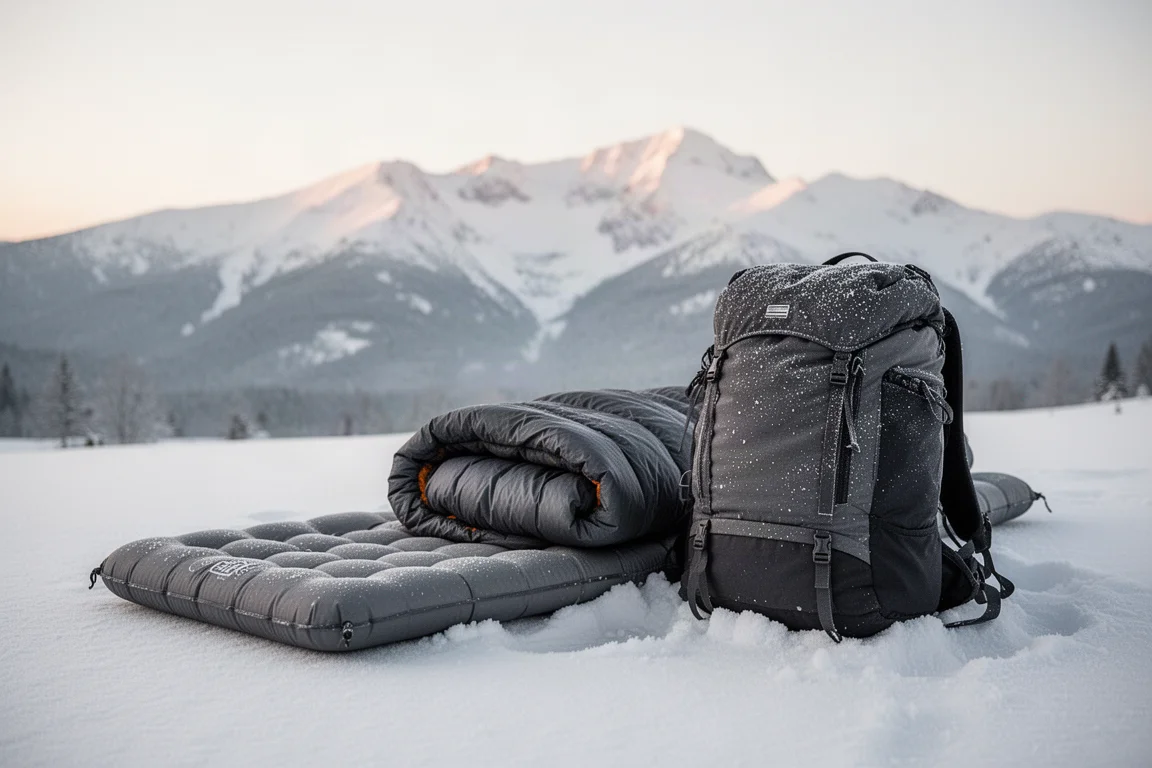
For genuinely cold conditions, the sleep system becomes the focus. A wide quilt layered over a three-season bag produces more loft and more usable space than a single bag, and a high-R-value pad underneath is not optional. Shelter and pack follow from there, sized to the bulk of everything else.
A wood-burning hot tent is one alternative route, and it can be a great experience, but it is cumbersome and demands a lot of work. For most people, dialling in the sleep system and being intentional about trip length and destination will do more for the experience than a stove.
Conclusion
Staying warm in cold weather is not a matter of buying one do-everything bag. It is a matter of layering what you already own, adding R-value underneath, and choosing a shelter and pack that can handle the extra load and the weather. Build the system in that order and the backpacking season stops ending with the first frost.
Further reading
Related Reviews
Outdoor Gear
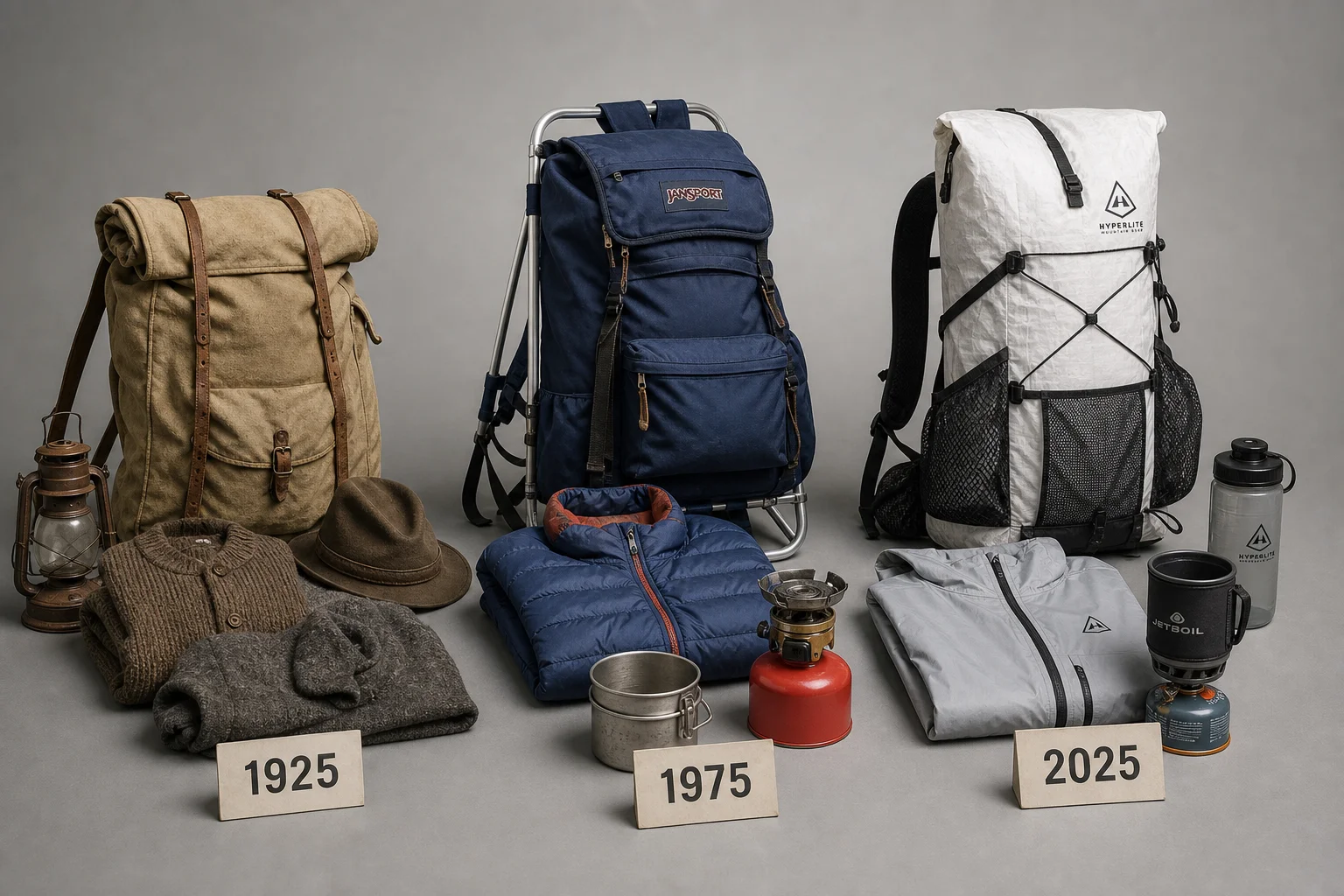
Backpacking Gear Evolution: 100 Years of Technology Compared
We tested backpacking gear from 1925, 1975, and 2025 across a three-day hike in Yosemite. Here's how technology has transformed comfort, weight, and the outdoor experience.
Outdoor Gear
Best Affordable Hiking Watches: Five Rugged Options for Outdoor Adventures
Five durable hiking watches that balance ruggedness, functionality, and value for outdoor enthusiasts who need reliable GPS tracking and weather resistance.
Outdoor Gear
Best Backpack Coolers 2026: Five Practical Options for Outdoor Adventures
Five backpack coolers with distinct cooling capabilities, storage features, and design trade-offs to help you choose the right one for your outdoor needs.