Triathlon Gear
Wind Tunnel Tested: Aero Helmets and Hydration Setups Ranked by Real Watt Savings
A wind tunnel comparison of five aero helmets and two hydration setups, with the measured watt savings and the trade-offs that matter on a hilly course.
Introduction
Every aerodynamic choice on a triathlon bike is a trade-off, and the honest way to settle those trade-offs is to measure them. A rider preparing for a hilly 70.3 championship course took an already proven long-course setup into a wind tunnel to find out where the remaining free speed actually sat, and which changes were worth paying for.
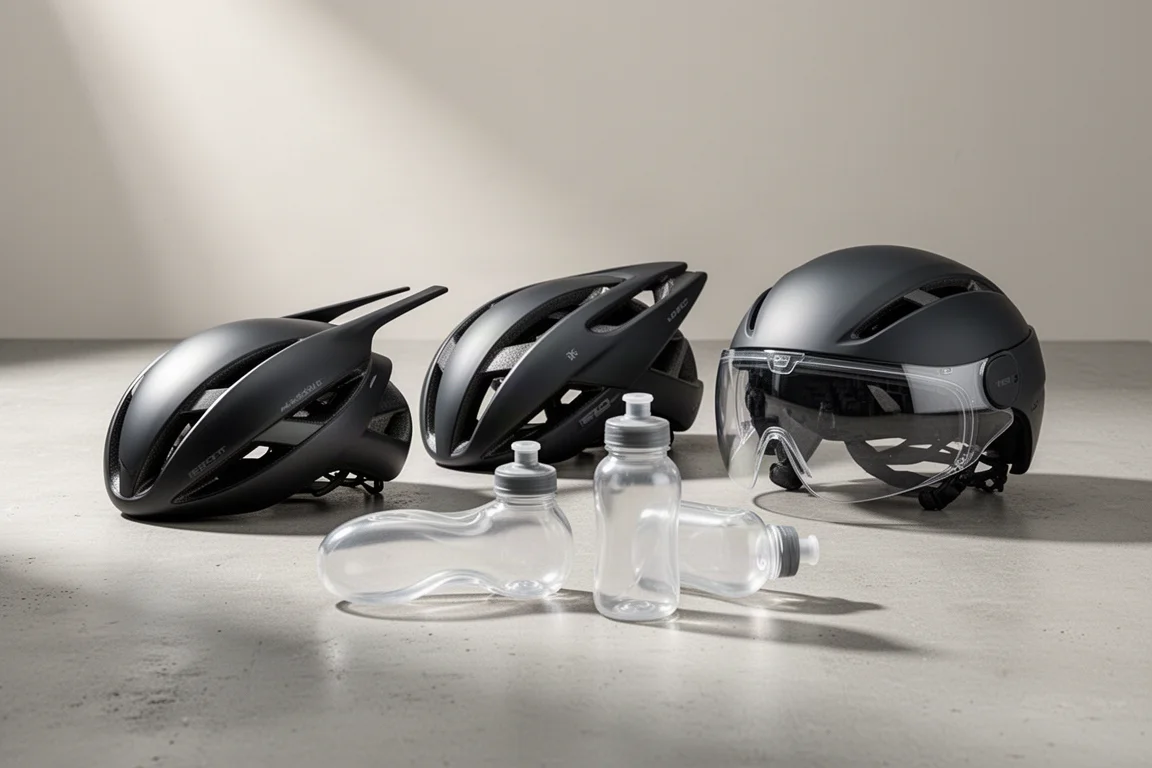
The starting point was sensible rather than exotic: a single 750ml bottle on the down tube, an empty cage carried as a spare, a 62mm front wheel, an 80mm rear wheel, and a short-tail aero helmet. What followed was a sequence of controlled changes, each measured against that baseline, covering hydration layouts and five different helmets.
Some of those changes were free. Others cost real money. A few turned out to be slower, which is often the most useful result of all.
How This Wind Tunnel Test Worked
Testing ran at 40 km/h, deliberately faster than the rider’s typical race average speed. The logic is straightforward: measuring at a slightly higher speed makes the differences between setups easier to see without pushing the test to an unrealistic 50 km/h. Runs were captured at zero and 10 degrees of yaw, and most of the comparisons below use an average across both.
That methodology matters when reading the numbers. A small watt figure inside a tunnel is not a small figure out on course, because it compounds over a long, steady effort. Five watts is roughly the equivalent of adding five watts to functional threshold power, which most riders would accept without hesitation.
The baseline was a realistic race setup rather than a stripped-out test rig, which is what makes these comparisons useful for ordinary riders. Each change was layered on top of the previous one, so the cumulative effect could be tracked alongside the individual gain.
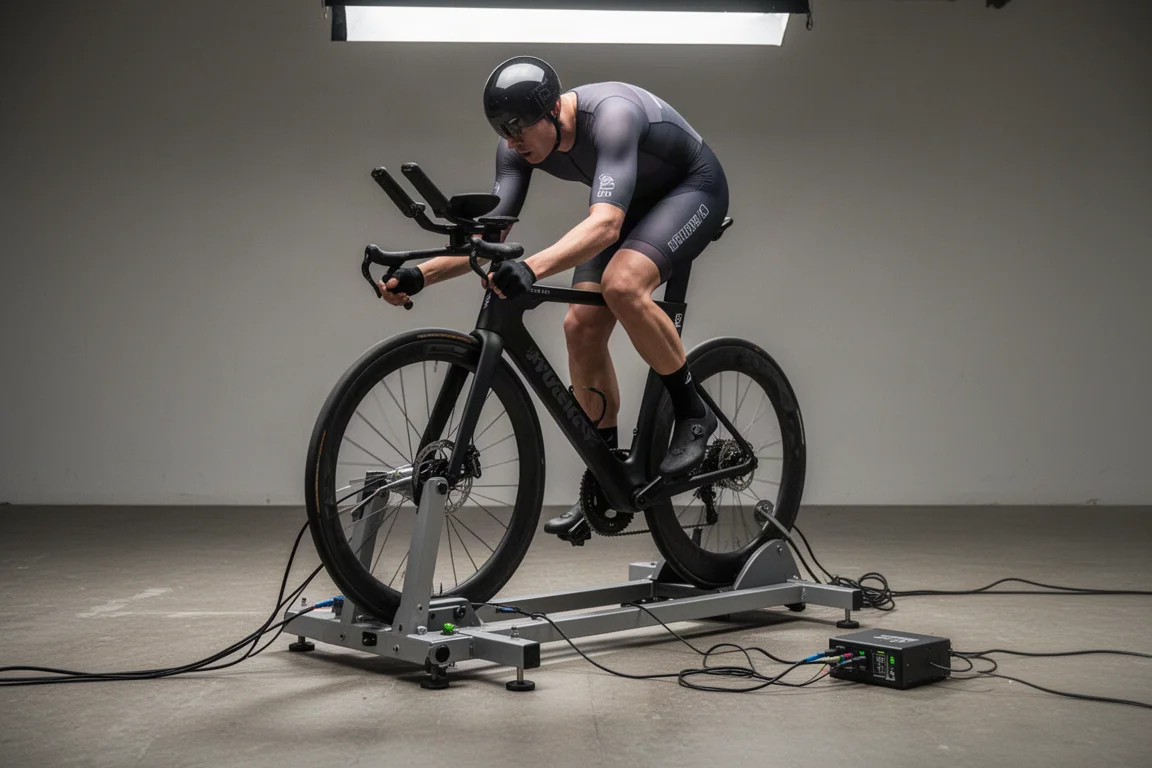
Testing also revealed where the numbers stop being reliable. A front hydration system had to be fitted with an improvised mount rather than the intended integrated unit, which made those particular results inconclusive rather than definitive.
MET Codatronca: The Baseline Short-Tail Aero Helmet
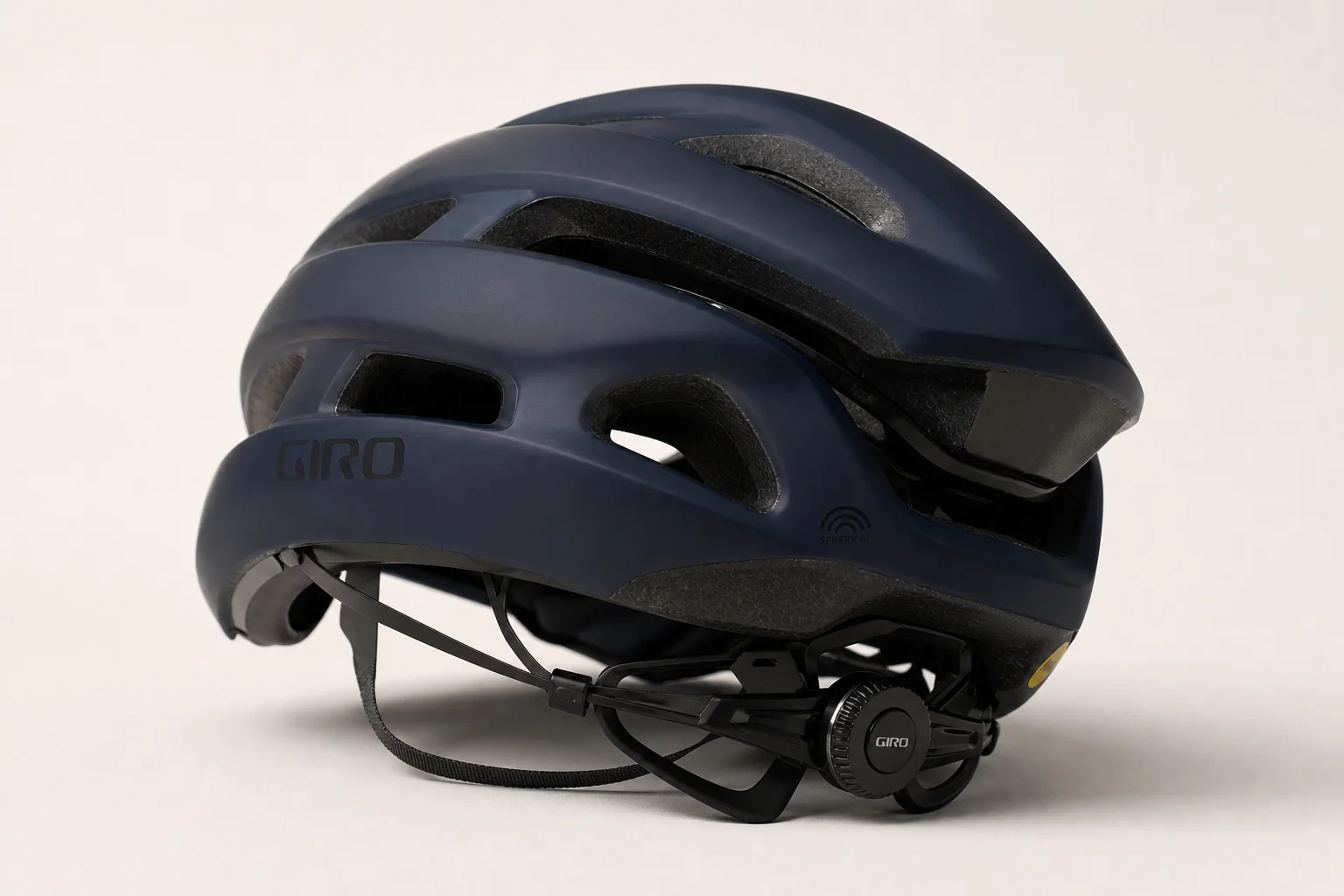
The Codatronca is a short-tail aero helmet, and it was the helmet the rider already owned and raced in. Its defining characteristic is the length of the tail: short enough that a rider can move their head around without paying a large aerodynamic penalty. That matters over a long course, where riders constantly check position, drink, and look ahead.
It also came out of the session as the recommended choice. The short tail retains a little ventilation, and it tested as a genuinely fast setup rather than a compromise made for comfort.
MET Drone: Longer Tail, One More Watt
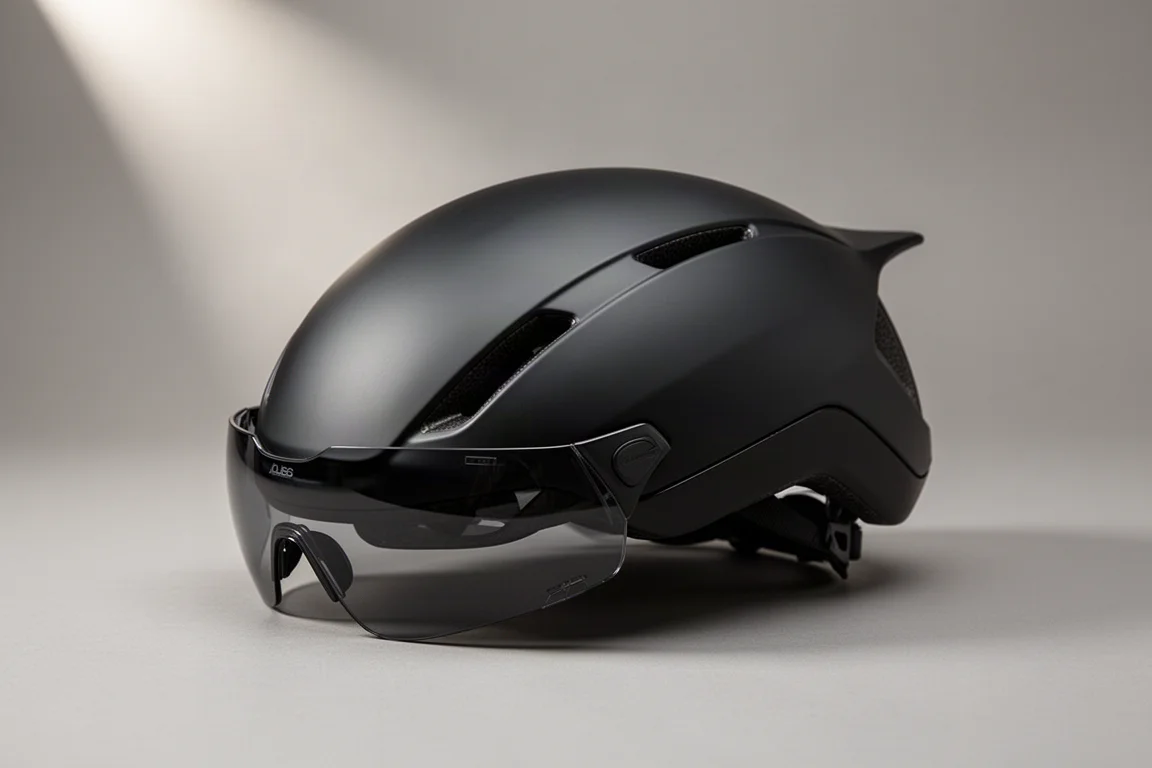
The Drone shares the general silhouette of the Codatronca but extends the tail. A longer tail is a bargain struck with the wind: it channels airflow more effectively, but only while the rider holds a stable head position. Move the head and the tail begins to work against you.
Held steady, the Drone added one more watt over the fastest setup of the day, bringing the running total to nine watts over baseline.
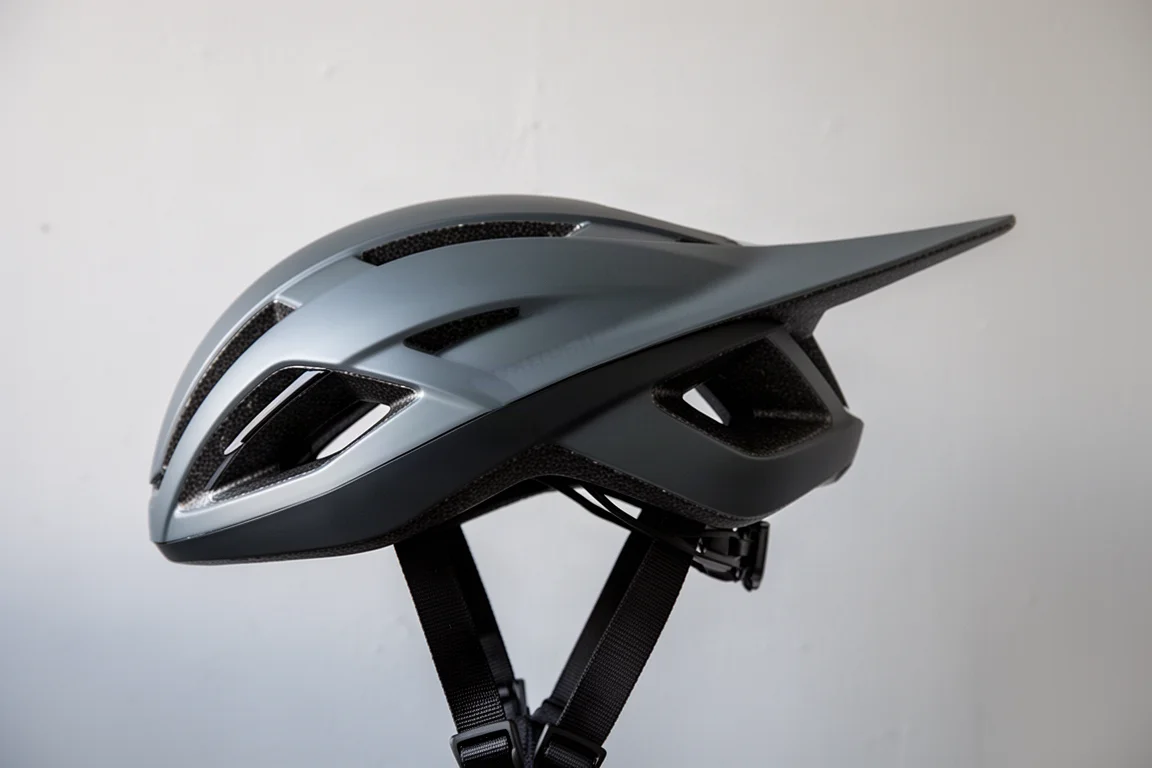
That single watt is the honest headline. A long-tail helmet is not a dramatic upgrade over a well-chosen short-tail design. It is a marginal gain that depends entirely on how still the rider can stay.
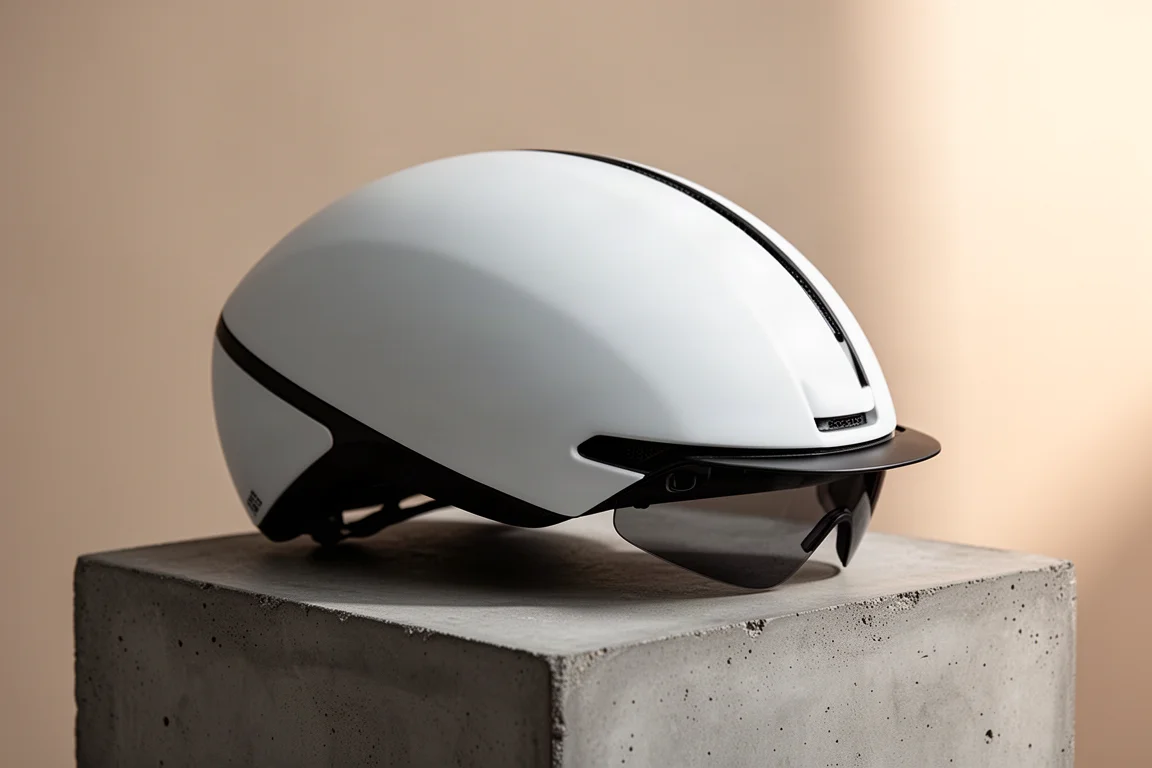
Rudy Project Wingdream: Fast for Some Riders, Not All
The Wingdream is a wide-body aero helmet of the type seen at the front of professional fields. Its shape is built to guide airflow smoothly over the shoulders, which works beautifully when the head sits in line with the body in a low, tucked position.
With the head positioned higher, that same broad shape increases frontal area instead. For this rider the Wingdream was four watts slower than the fastest setup, with most of the loss appearing at 10 degrees of yaw, where the gap widened to roughly seven or eight watts.
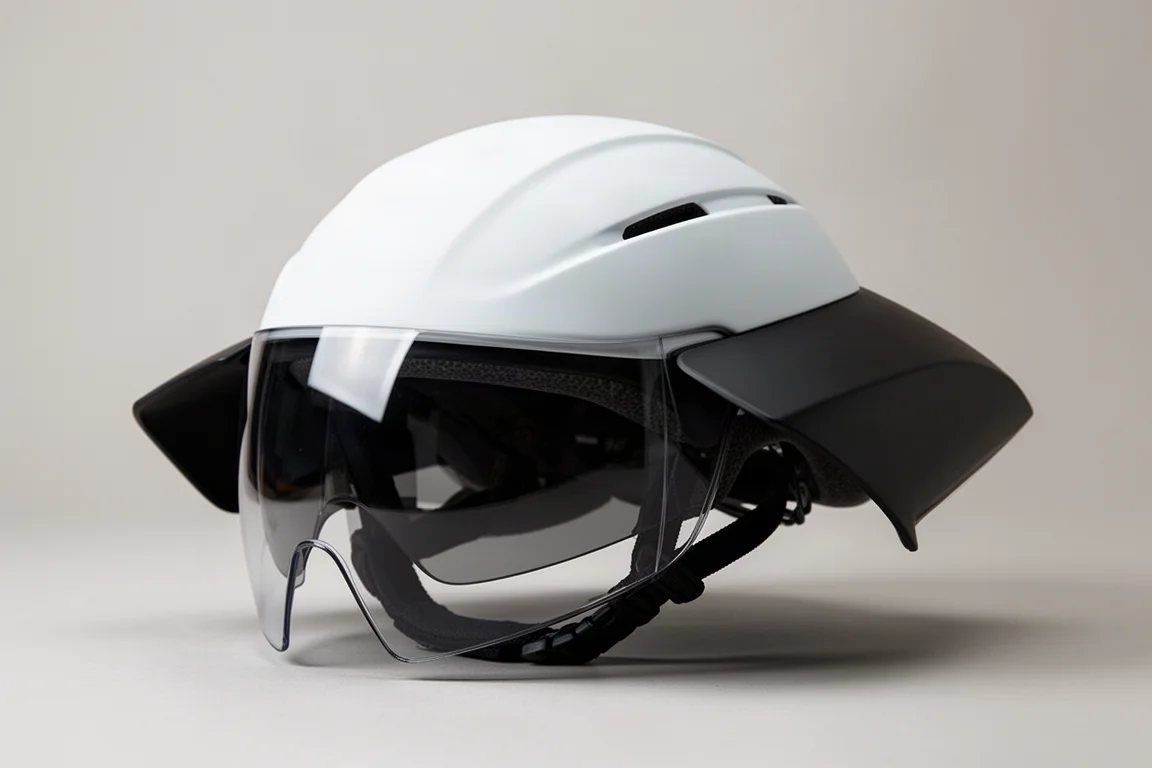
MET Manta: Aero Road Helmet With Ventilation
The Manta is an aero road helmet, which makes it a middle path: more ventilation than a closed aero shell, less drag than an open road helmet. In this test it was 3.5 watts slower than the fastest setup, yet still 4.5 watts quicker than the baseline.
That is a useful position to occupy. Riders who overheat in a fully closed aero helmet, or who race in hot conditions, give up a measurable but modest amount rather than the larger penalty that comes with a fully vented design.
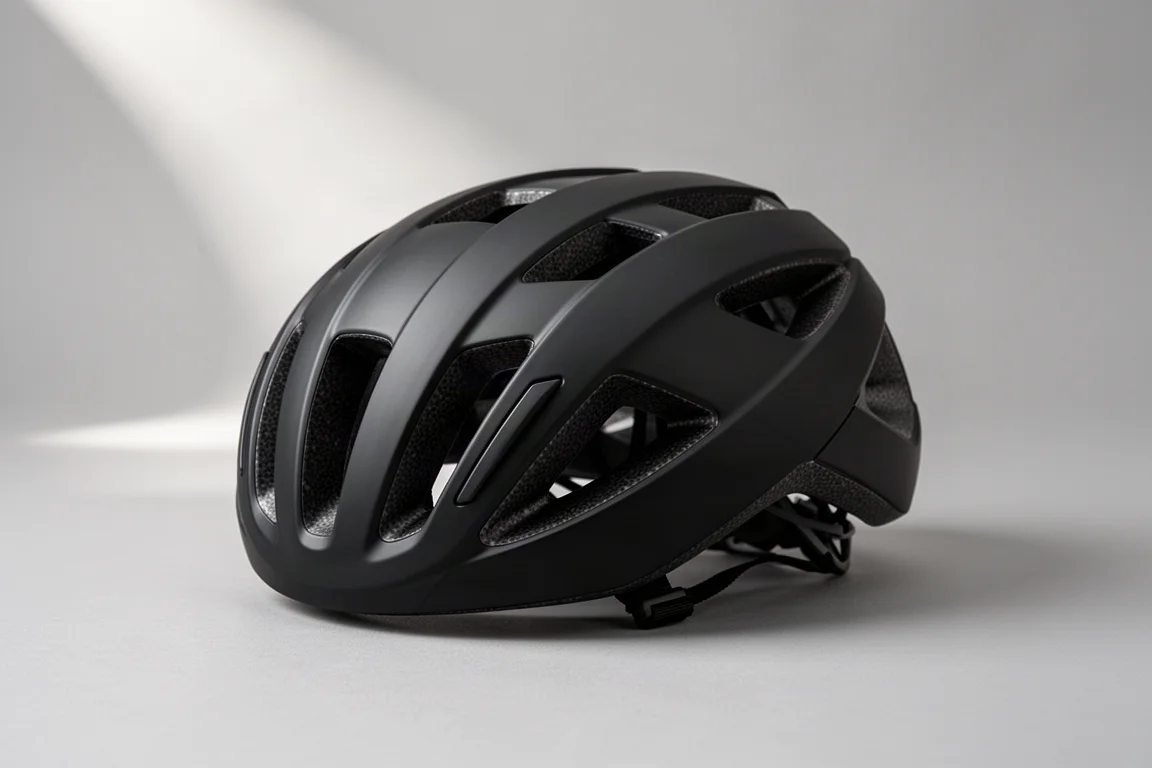
MET Trenta: Maximum Ventilation, More Drag
The Trenta is a properly ventilated road helmet, and ventilation is exactly what it delivers. The cost is 7.2 watts against the fastest setup, which leaves it roughly level with the original baseline.
For a hot-weather race, or for a rider who simply cannot tolerate a closed shell, that is a defensible trade. As an aero choice for a championship effort, it gives away speed that is available elsewhere in the setup.
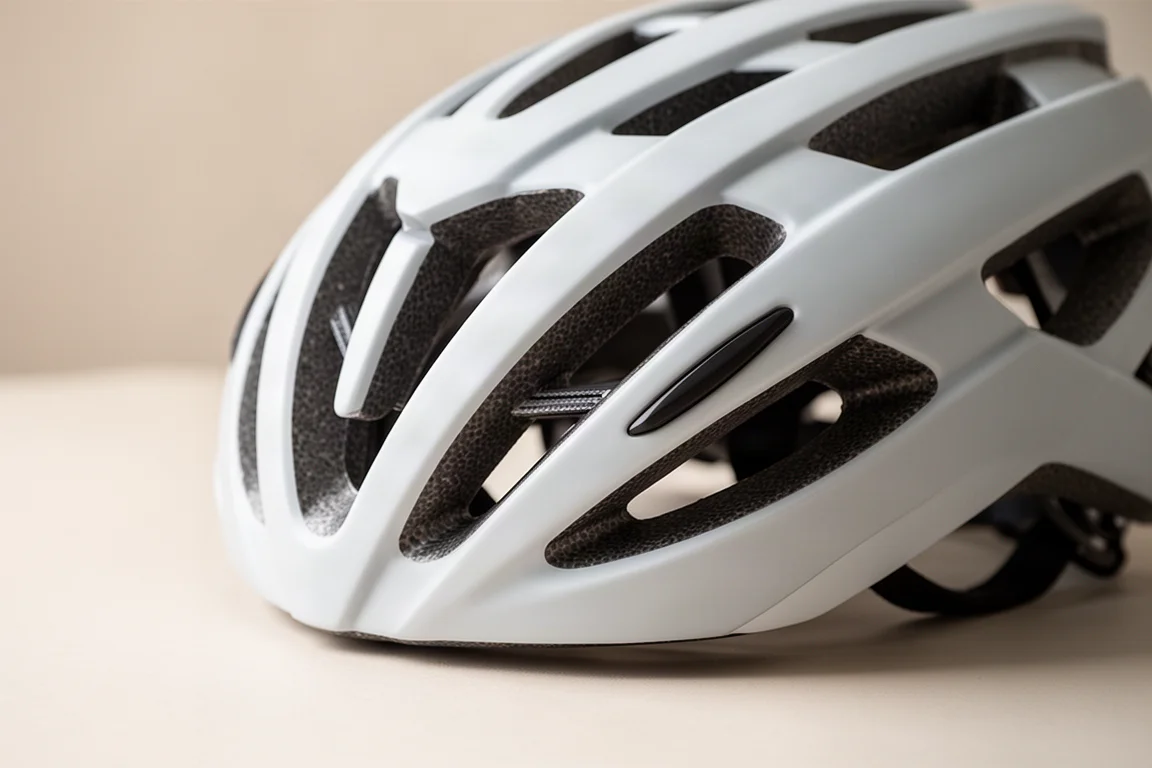
Worth noting: ventilation preference is not only about temperature. A rider who feels contained and focused in an aero helmet may hold a better position for longer, which can offset part of the drag difference over a long effort.
Canyon Aerofuel Bottle and Rear Hydration
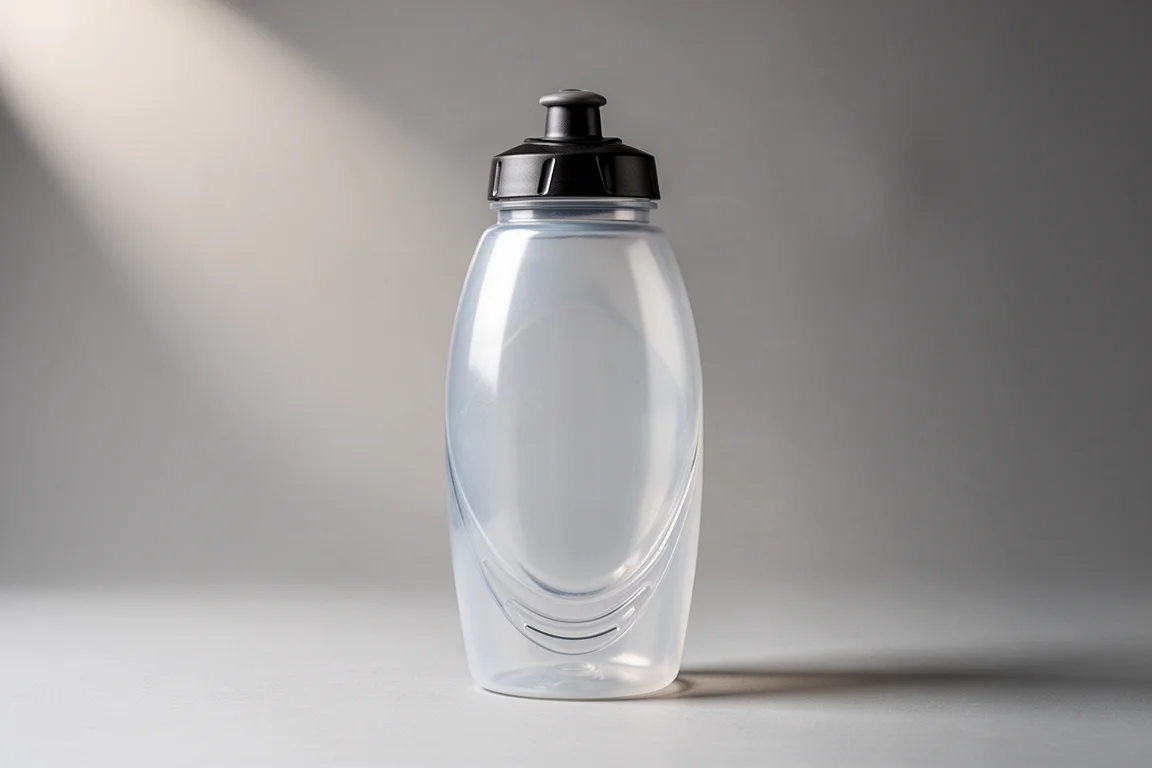
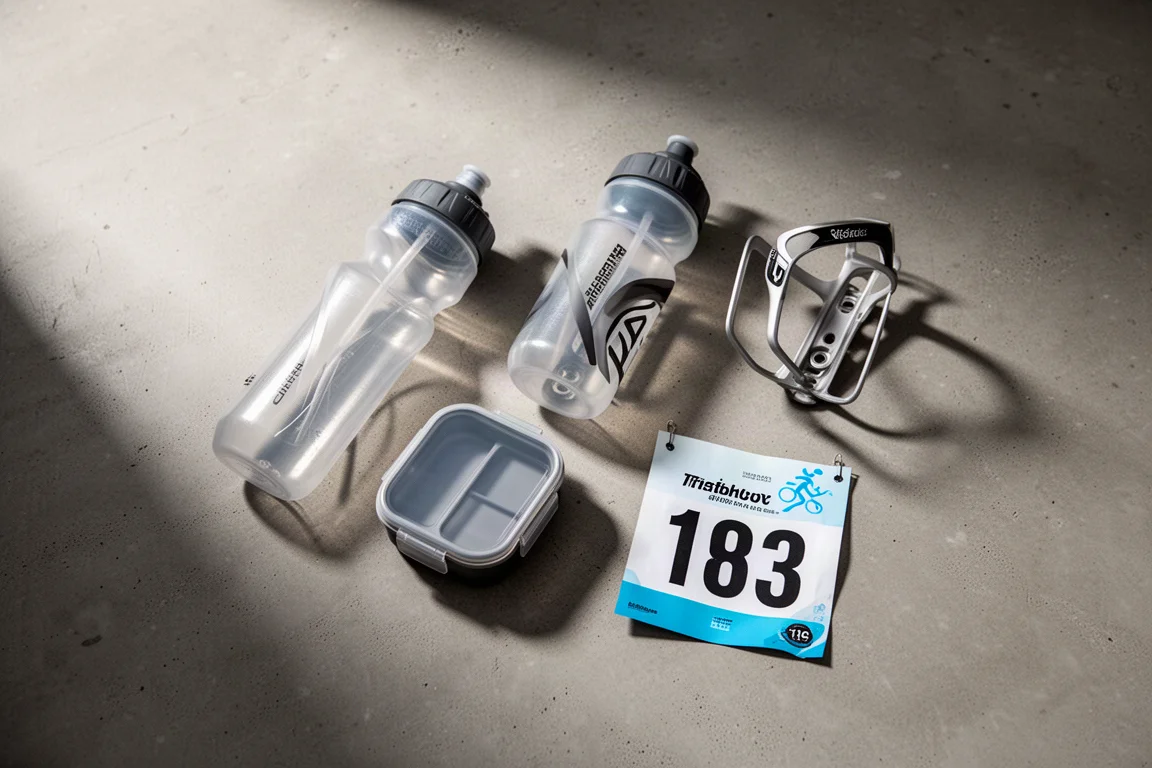
Hydration produced the cheapest meaningful gains of the day. Removing the standard bottle cages and fitting a single 650ml Canyon Aerofuel bottle on the down tube saved 5.2 watts, tested in isolation so the effect of the bottle itself was clear.
Adding a behind-the-saddle mount with a 500ml bottle brought total capacity to 1,150ml, comfortably more than the rider carried on race day, and lifted the saving to eight watts over baseline. Swapping that rear bottle for a larger 750ml version reduced the gain to six watts over baseline, roughly two watts slower than the 500ml arrangement. Rear bottles can affect riders differently, and small position differences between runs are hard to rule out entirely.
A front hydration system was also tested, but with an improvised mount rather than the intended integrated unit, so the numbers are not a fair verdict. It saved 5.7 watts over baseline, yet at zero yaw it was 4.5 watts slower than the fastest setup, while at 10 degrees of yaw it matched it. Well-integrated front hydration is generally faster, which makes it worth revisiting with the correct hardware.
Wheel Choices: Disc and Deeper Front
Wheels offered the largest single gains and the least practicality. A disc rear wheel added 6.7 watts on top of the fastest setup, for roughly 14.7 watts total over baseline, and more than 20 watts at 10 degrees of yaw. Fitting a deeper 80mm front wheel instead added 7.5 watts, for about 15.5 watts over baseline and 23 watts at 10 degrees of yaw.
Put together, a full deep-front and disc setup is worth in the region of three to four minutes over a 90km bike leg. Even the more modest combination of the fastest helmet setup and the aero bottle arrangement is worth around 90 seconds over the same distance.
Practicality decides the rest. On a hilly championship course a disc wheel is not a realistic option, and a deeper front wheel brings handling considerations that no tunnel number captures.
Buying Advice
The bottle setup alone was worth eight watts over baseline, and it is by far the least expensive change on this list. Riders still running standard cages on the down tube have an easy, measurable gain available to them.
Helmet choice should follow head position rather than reputation. A short-tail aero helmet was both the fastest and the most forgiving option here. The long-tail alternative added only a single watt and demanded a steadier head, while the wide-body design rewarded a low, tucked position and punished a high one.
Ventilated road helmets gave away between 3.5 and 7.2 watts in this comparison. That is a fair price in extreme heat and a poor one for a target race where comfort is manageable.
Wheels remain the biggest lever and the least practical one on a hilly course. For most riders the sensible order is hydration first, then helmet, then wheels.
One non-aerodynamic factor deserves equal weight: access. A bottle that is hard to reach will not get used, and a rear-mounted bottle takes practice to handle. Any setup has to work at race pace, not only in a wind tunnel.
Conclusion
The most useful result from this session is how uneven the returns were. A single aero bottle and a rear bottle mount produced eight watts for very little money. A long-tail helmet produced one additional watt. A wide-body helmet, worn with the wrong head position, cost four watts. A fully vented road helmet gave away 7.2.
That pattern is a reminder that aerodynamic gains are rider-specific. The same helmet can be the fastest choice for one position and the slowest for another, and the only way to know is to test, or to match a design to how a rider actually holds their head.
For a hilly championship course, the practical combination looks like this: a short-tail aero helmet, an aero down-tube bottle paired with a rear-mounted bottle, and wheels chosen for the terrain rather than for the tunnel.
Further reading
Related Reviews
Triathlon Gear
Two Affordable Triathlon Gear Picks: A Race Suit and a Budget GPS Bike Computer
A short-sleeve trisuit and a budget GPS bike computer: two affordable triathlon upgrades with clear use cases, real strengths, and trade-offs to weigh first.
Triathlon Gear
Best Triathlon Tech from Kona 2024: 11 Standout Gear Picks
A roundup of the most interesting triathlon gear spotted at the Kona 2024 Expo, from prototype bikes to smart goggles and recovery boots.
Triathlon Gear
Christmas Gift Ideas for Triathletes: 10 Practical Picks
A practical gift guide for triathletes, covering swim, bike, run, recovery and stocking fillers that solve real training problems.