Backpacking Tents
Wind-Testing Six Popular Backpacking Tents at 50 MPH: What Held Up and What Failed
Six backpacking tents, from budget picks to premium shelters, strapped to a car and driven down a private runway to see how each one handles sustained wind.
Introduction
Testing a tent in real weather has one obvious flaw: the conditions cannot be controlled. A shelter that shrugs off a breezy weekend can behave very differently when a front moves in. To get repeatable numbers, six popular backpacking tents were strapped to a platform on a car roof and driven down a private runway at steadily increasing speed, up to 50 mph, with the survivors pushed further.
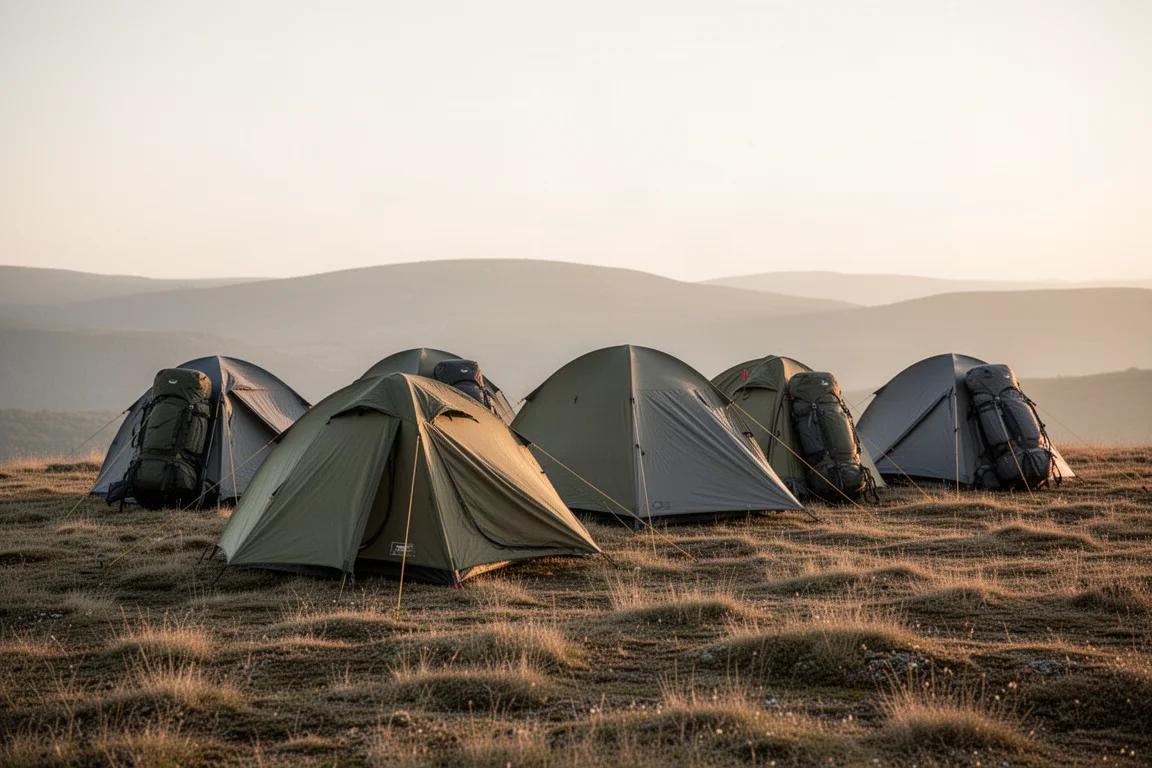
The lineup mixed trekking-pole shelters and freestanding designs: the MSR Hubba Hubba, the Big Agnes Copper Spur, the Zpacks Duplex Zip, and the Durston X-Mid 2 Pro, alongside two affordable options, the Naturehike Cloud Up 2 and the Featherstone Backbone 2.
The expectation going in was that trekking-pole shelters would come out ahead. Their poles are generally stronger than tent poles, and their geometry tends to direct wind loads downward rather than sideways. The runway had other ideas.
How the Wind Test Worked
Stakes were the first variable worth isolating. Trekking-pole shelters depend on multiple stakes just to stand, so losing a single one can compromise the whole pitch, while freestanding shelters hold their shape without them. Because the tents were mounted on a wooden platform, there was nothing for a stake to bite into. Digital force meters were attached where stakes normally sit, and the same meters were used to measure how much force it takes to pull a stake out of the ground.
That side study produced clear numbers. The MSR Groundhog needed an average of 45.3 lb of force to pull free. Eight-inch aluminum nails by Easton were the strongest at 55.8 lb. V-shaped stakes were the weakest by a wide margin, releasing at just 23.14 lb.
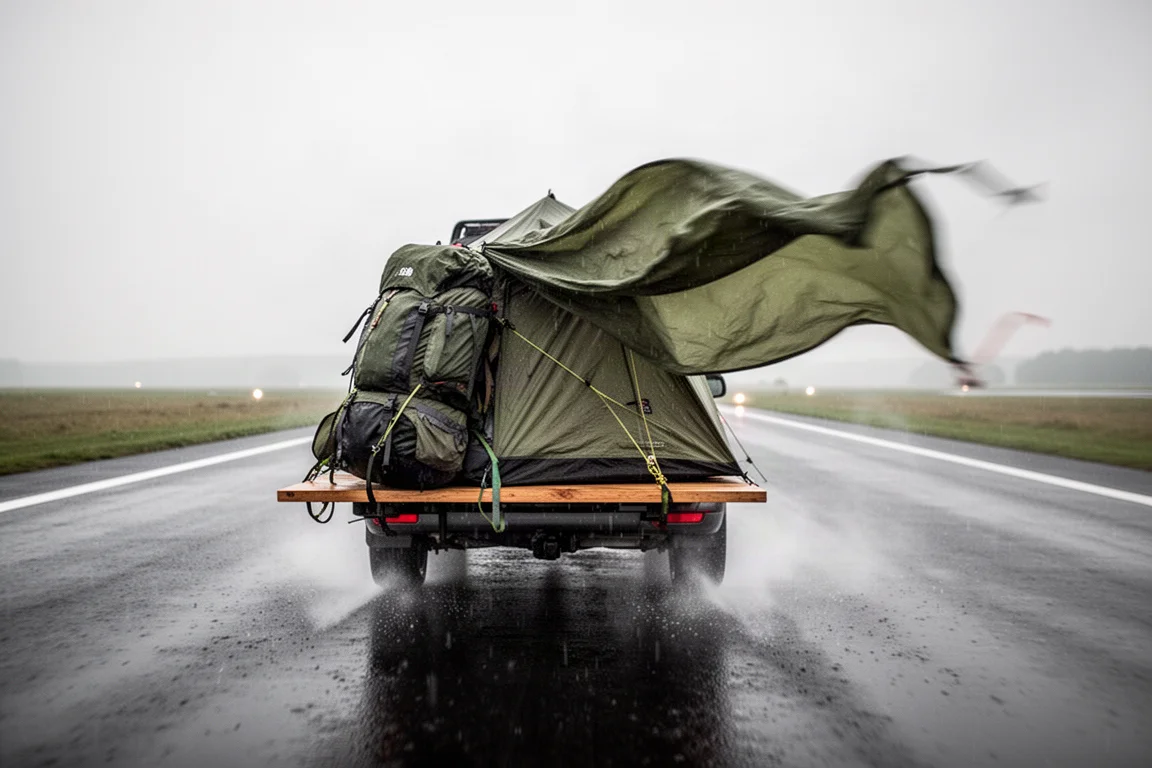
Each tent then ran the runway at gradually increasing speed with a target of 50 mph. Anything that survived was pushed further, first to 60 mph and then to 70 mph.
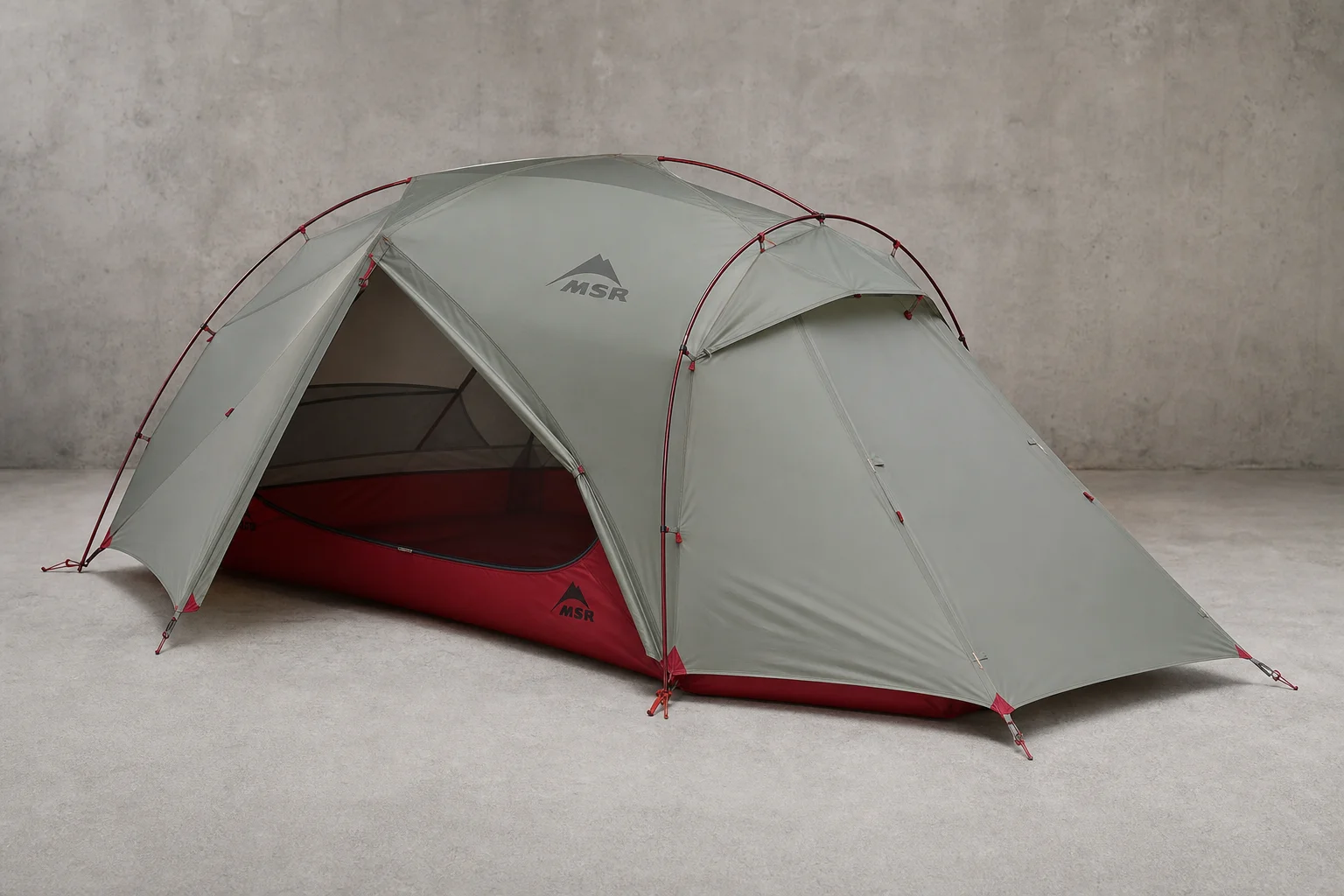
MSR Hubba Hubba
The Hubba Hubba was the first tent to pass 30 mph, pass 40 mph, and reach 50 mph. Its composite poles, a material closer to carbon fiber than the aluminum used on most freestanding tents, were the feature most likely to be a weakness. They behaved well under load instead: at 50 mph the poles collapsed rather than snapped, and the shelter popped back up with nothing ripped or torn.
That difference is worth more than it sounds. A collapsed tent in a storm is miserable, and a soaking sleeping bag can end a trip, but a shelter that survives intact can be pitched again the following night.
Big Agnes Copper Spur
The Copper Spur cleared 30 mph without trouble, then snapped a pole at 40 mph, despite two extra guylines rigged across the front. Extra guylines were only used when the manufacturer supplied them, so the tent ran with everything it came with.
The contrast with the Hubba Hubba is the useful takeaway here. Aluminum poles can fail suddenly under a hard gust, while composite poles folded, flexed, and recovered, leaving the shelter usable.
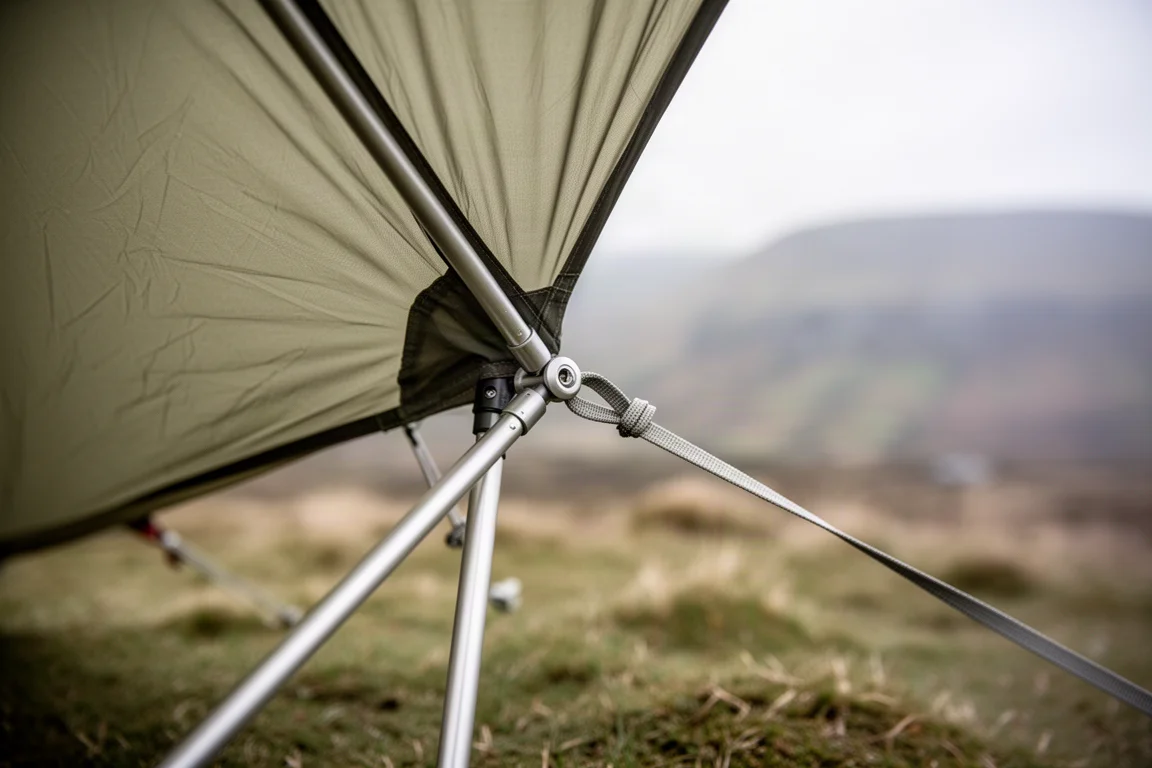
That outcome is also a reminder that wind loads concentrate at specific points on a pitch, and a pole joint is one of them.
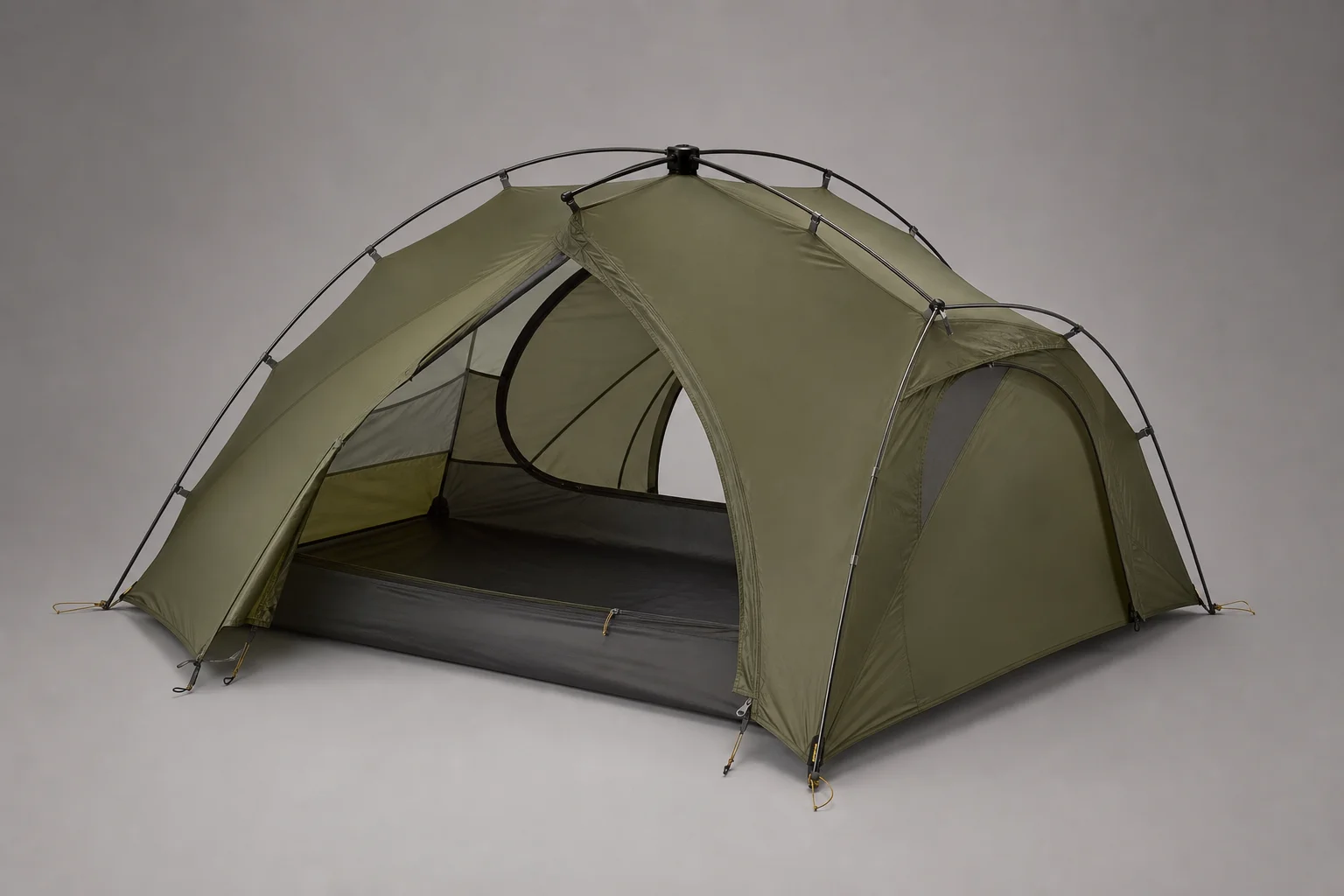
Zpacks Duplex Zip
The Duplex Zip was the first casualty, failing on its opening run at 30 mph. The strap connecting the rear corner to the guyline snapped, and the shelter was not usable again afterward. The manufacturer’s response was that across decades and thousands of tents, this failure has been recorded only three times.
At roughly $600 to $700, this is the most expensive shelter in the group and the one that failed earliest. A single data point does not define a tent, but for a shelter at this price it is worth knowing about.
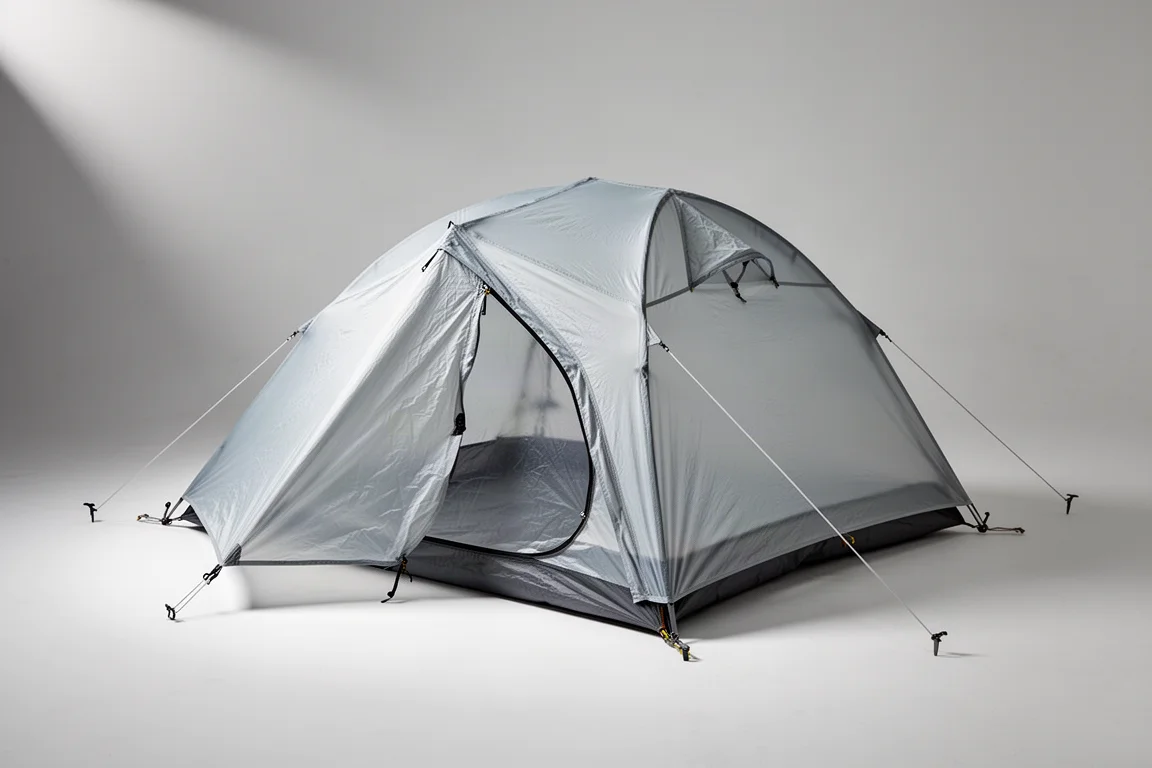
Durston X-Mid 2 Pro
The X-Mid 2 Pro was the tent expected to lead the field. With the narrow end facing the wind, the shape leaves no broad flat surface for gusts to push against, and it passed 30 mph with hardly a ripple. At 40 mph, a rear corner ripped through its stitching.
The designer confirmed this is a known issue. Early X-Mid Pros received a single set of stitches on two corners where three sets were required, so the webbing loop stopped after the first bar tack instead of running through all three. The construction has since been updated, but only on tents purchased after June 2023. Even so, holding together through 40 mph of sustained wind is a respectable result.
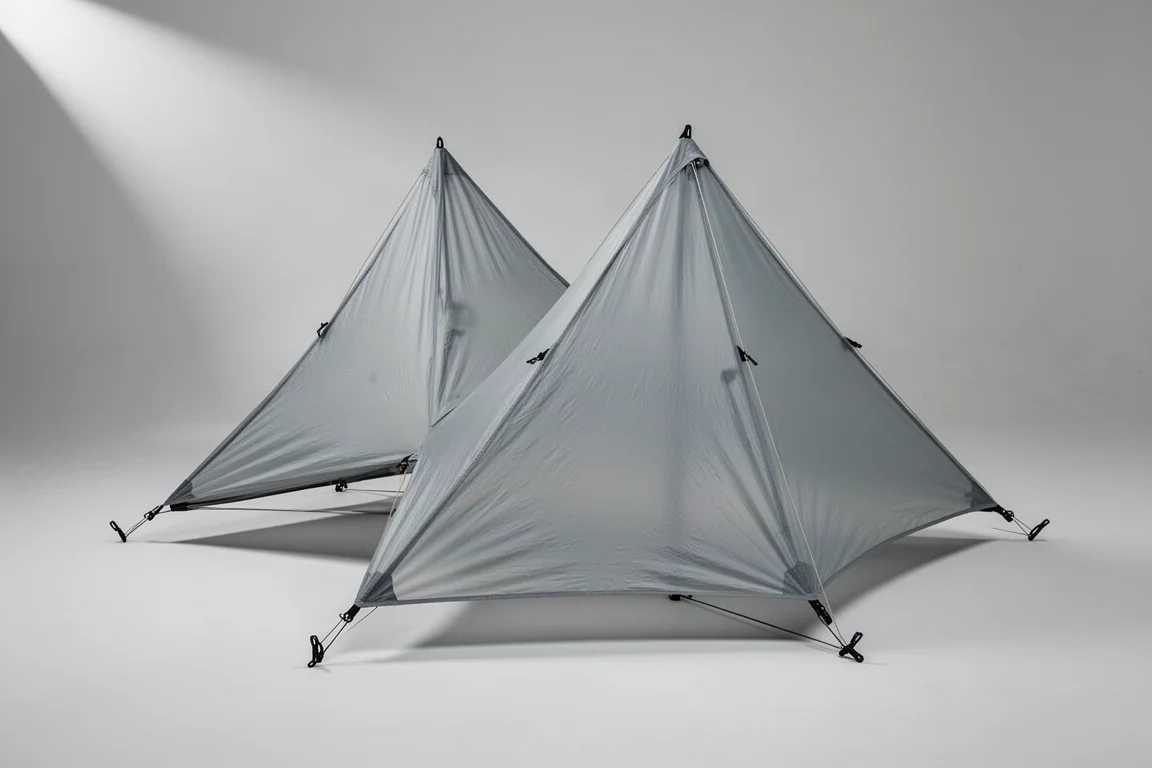
Naturehike Cloud Up 2
At $135 at the time of testing, the Cloud Up 2 was the surprise of the group. It cleared 30 mph and 40 mph, then collapsed at 50 mph without breaking: the pole bent but stayed functional. Because it was inexpensive and still working, it became the first tent pushed to 60 mph and then 70 mph. It collapsed at both speeds and came back to shape each time.
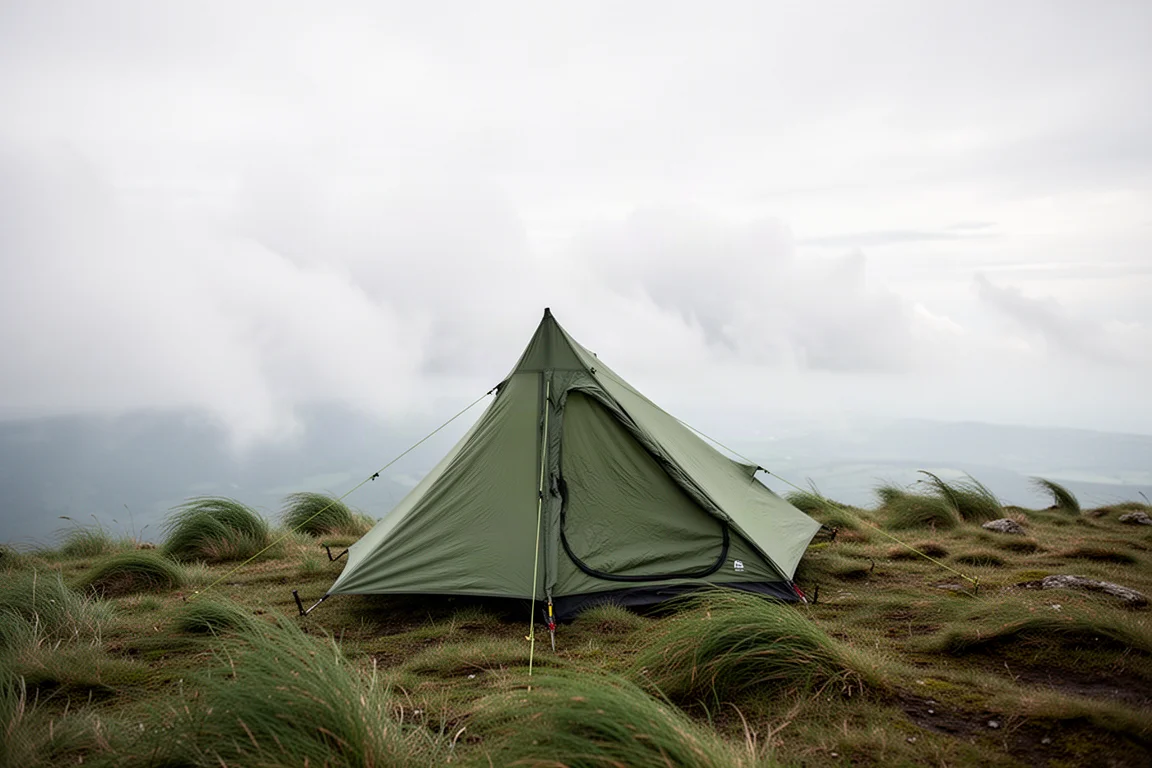
Its advantage appears to come from shape rather than materials. A single front entrance and a narrow body present a smaller face to the wind than the side vestibules on the other tents, which extend much further out. Slightly stronger aluminum poles likely helped as well. The trade-offs are real, since convenience, weight, and other features are given up to reach that price.
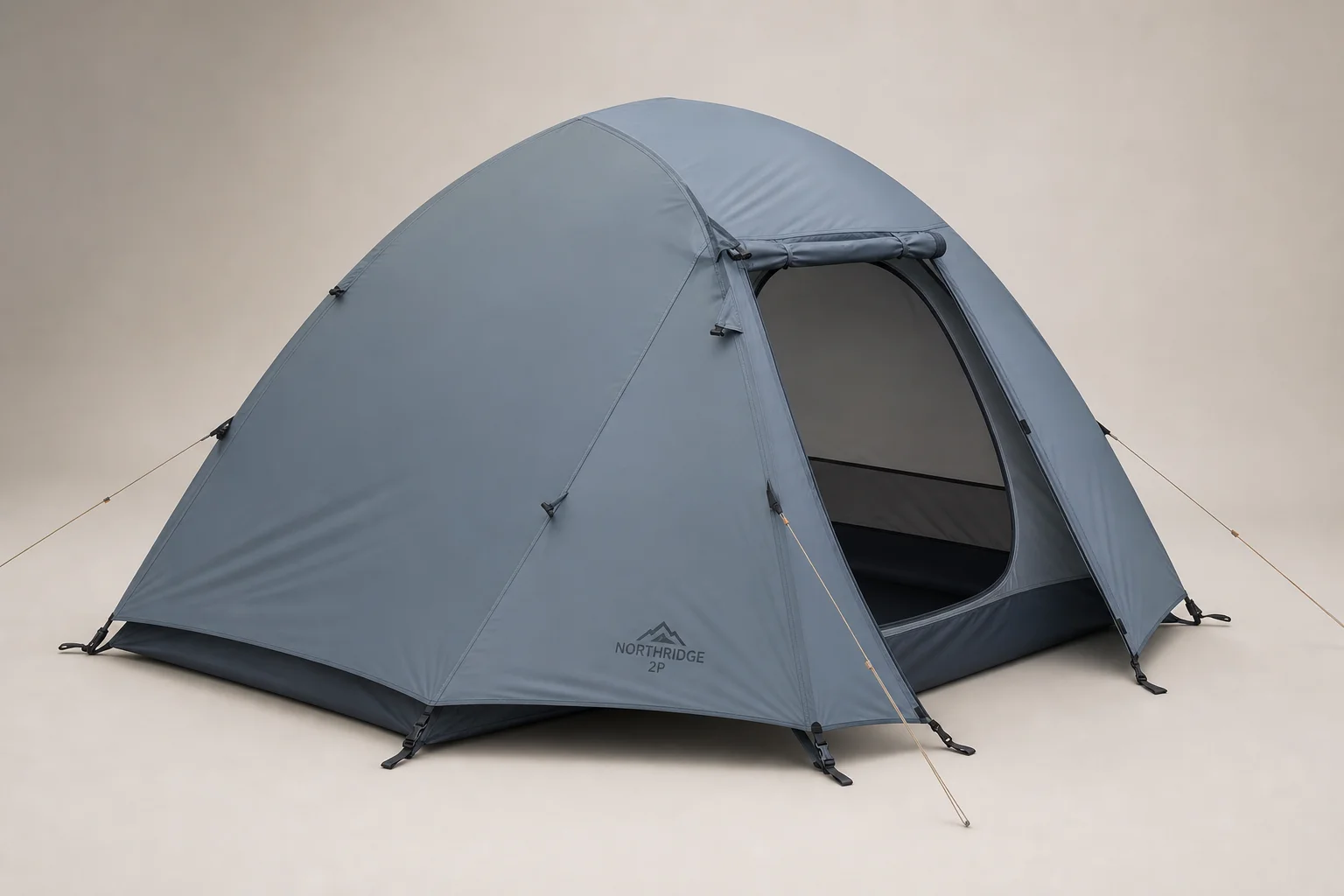
Featherstone Backbone 2
The Backbone 2 reached 40 mph even without its peak guylines deployed. Those lines were supplied but overlooked during testing, and the failure occurred precisely where the vestibule clips to the guyline. Deploying the peak lines might have relieved stress on that plastic clip and changed the outcome, so this result may understate what the tent can handle.
What the Wind Test Revealed About Tent Design
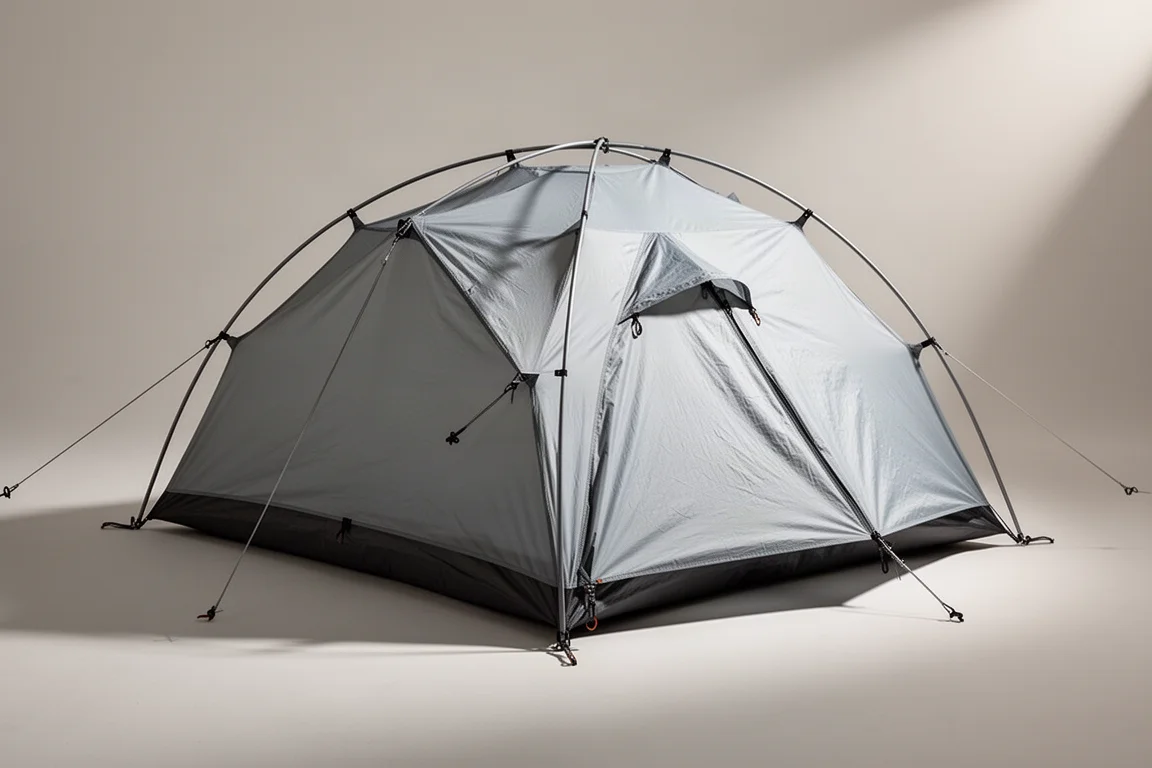
Freestanding shelters outperformed trekking-pole designs, and the reason was the opposite of what was expected. The rigidity of trekking poles left no give at all, so loads transferred to stitching, webbing, and plastic hardware, which became the weak points. Freestanding poles flexed with the wind instead, reducing stress on fabric and seams. Both of the trekking-pole shelters that failed did so at a rear corner, where wind wrapping around the shelter concentrates load.
Stakes were not the limiting factor. Across every run, no force meter registered above 30 lb, well below the 45.3 lb holding power of the MSR Groundhog and the 55.8 lb of the Easton aluminum nails. With decent stakes or their equivalent, the anchors would have held.
Buying Advice
The results point to a fairly simple decision framework. If you pitch in exposed, windy terrain, a freestanding shelter with poles that flex is the safer bet, and it will stand without a full set of stakes when the ground is poor. If you hike with trekking poles and want to save weight, a trekking-pole shelter remains a sound choice, but budget for quality stakes and expect the design to depend on them.
For budget buyers, the Naturehike result is encouraging. A narrow, simple, single-entrance design handled runs up to 70 mph without breaking, which suggests that shape and simplicity can count for more than price when the wind picks up. It is not a substitute for a premium shelter in every respect, but it earned its place in this test.
Keep the scope of these results in mind. Wind performance is one factor among many, and weight, interior space, condensation management, durability, and price all shape whether a tent suits you. Treat the runway numbers as one useful data point rather than the whole picture.
Conclusion
The test produced a clear hierarchy. The MSR Hubba Hubba handled 50 mph with poles that folded instead of breaking. The Naturehike Cloud Up 2 kept going to 70 mph on a bent but unbroken pole. The Big Agnes Copper Spur, Zpacks Duplex Zip, Durston X-Mid 2 Pro, and Featherstone Backbone 2 each failed at a specific, identifiable point.
If there is one practical takeaway, it is that stakes deserve more attention than they usually get. Replacing weak V-shaped stakes with stronger anchors is a cheap change, and the strongest stakes measured here held more than twice the load of the weakest. Beyond that, match the shelter to the weather you actually camp in, and treat any single test as one part of the decision.
Further reading
Related Reviews
Backpacking Tents
3F UL Lanchan Pro 1 Review: A 1 lb 8 oz Single-Wall Trekking Pole Tent
A practical look at the 3F UL Lanchan Pro 1, a single-wall trekking pole shelter with a 1 lb 8 oz weight, 20D silnylon fabrics, and a roomy 90 x 31 x 49 inch interior.
Backpacking Tents
3F UL Taiji 2-Person Tent: A Convertible Backpacking Shelter Worth a Closer Look
A practical look at the 3F UL Taiji two-person tent, covering its materials, true two-person interior, fly-first pitching, and the seasonal inner swap that lets one shelter cover more of the year.
Backpacking Tents
3FUL Lanshan Twoerson Pro Review: A Light Trekking Pole Shelter That Struggled in Rain
A two-person trekking pole shelter with a 2026 redesign, pitched with sticks and put through a night of steady rain. Here is what worked, what did not, and what to check before buying.