Backpacking Tents
Wind-Tested Backpacking Tents: Six Popular Models Pushed to 50 mph
Six popular backpacking tents were strapped to a vehicle and driven into rising wind up to 50 mph. Here is how each one held up, which model stayed usable, and which stakes stayed put.
Introduction
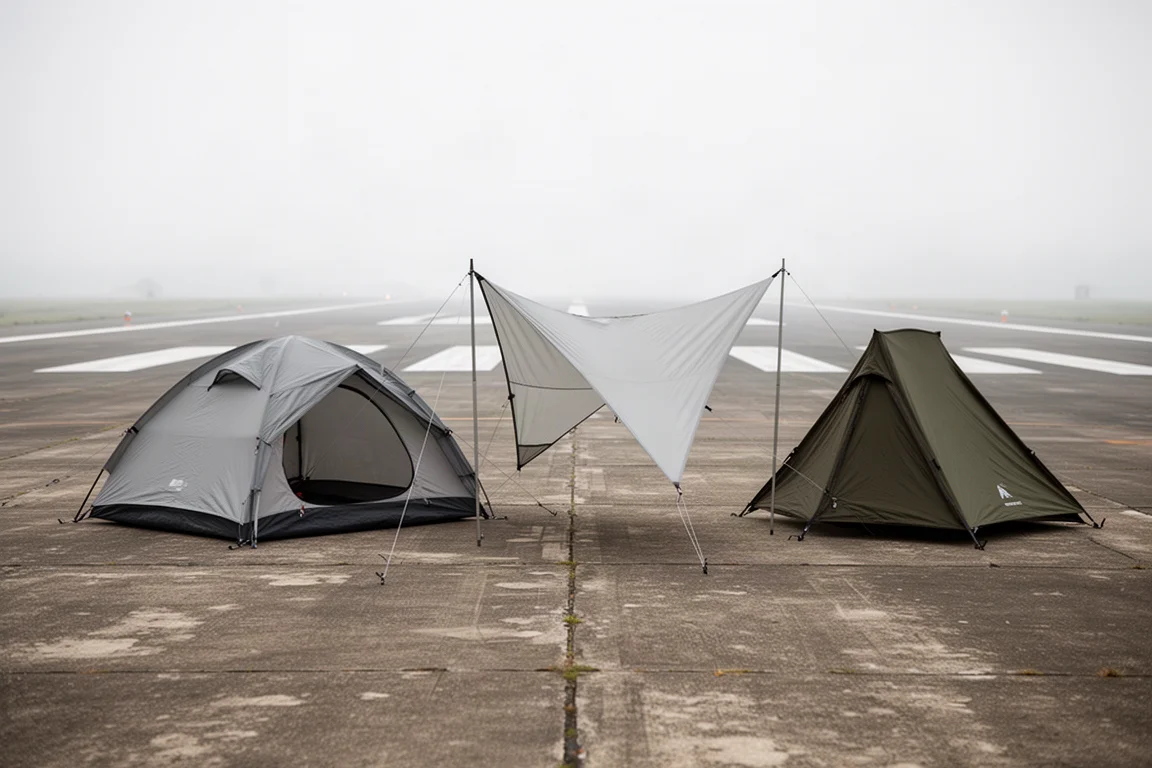
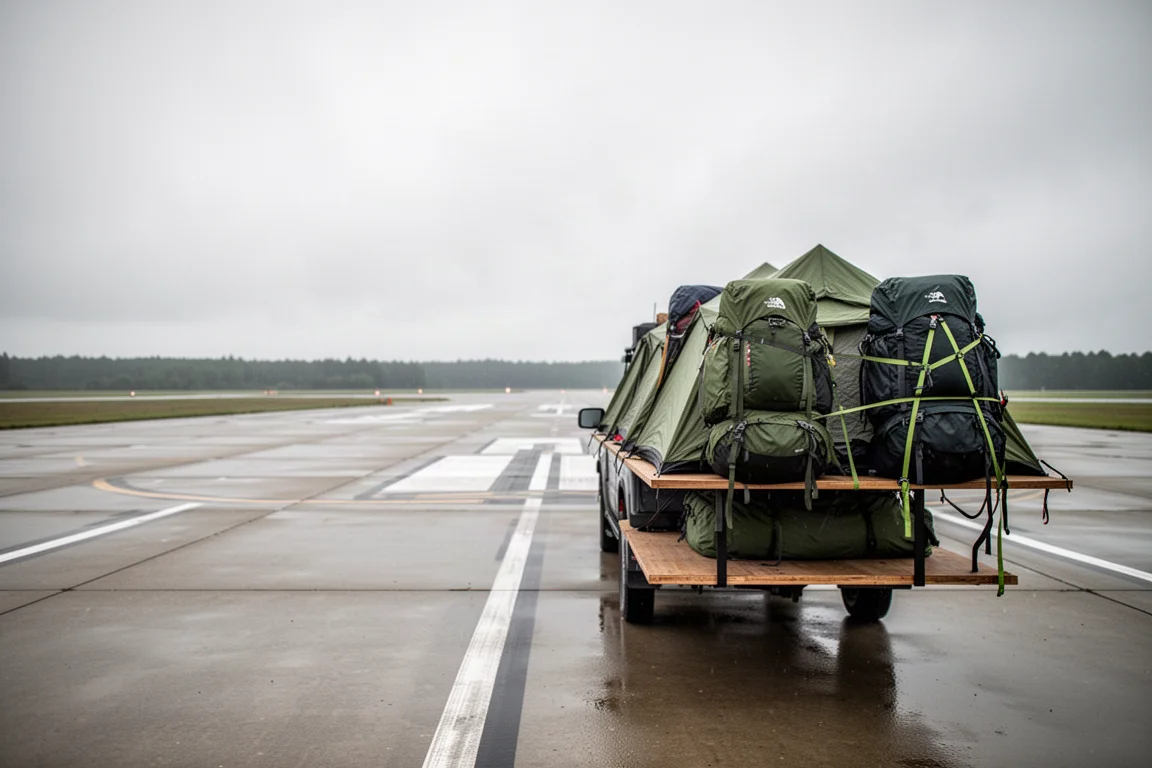
Wind is one of the hardest conditions to plan for, and one of the hardest to test in a repeatable way. Six popular backpacking tents were put through a controlled wind test: each one was strapped to a wooden platform on a vehicle and driven down a private runway at steadily increasing speed, up to 50 mph and beyond, until something gave way.
The lineup covered three trekking pole shelters and three freestanding tents, from premium models to budget options. The results did not follow the expected pattern, and the cheapest tent in the group turned out to be one of the most stubborn.
How the Wind Test Was Conducted
Because the tents were mounted on a wooden platform rather than pitched on soil, digital force meters were fitted where the stakes would normally sit. The same meters were then used to measure how much force it takes to pull a stake out of the ground, which made it possible to compare wind load at each attachment point against real stake holding power.
Every tent was run at gradually increasing speed up to 50 mph. Any tent that survived 50 mph was pushed further to find its actual failure point.
The stake work produced a useful side result. Across every run, no force meter ever recorded more than 30 lb of pull, which sits well below the holding power of the better stakes in the comparison.
MSR Hubba Hubba: The Tent That Reached 50 mph
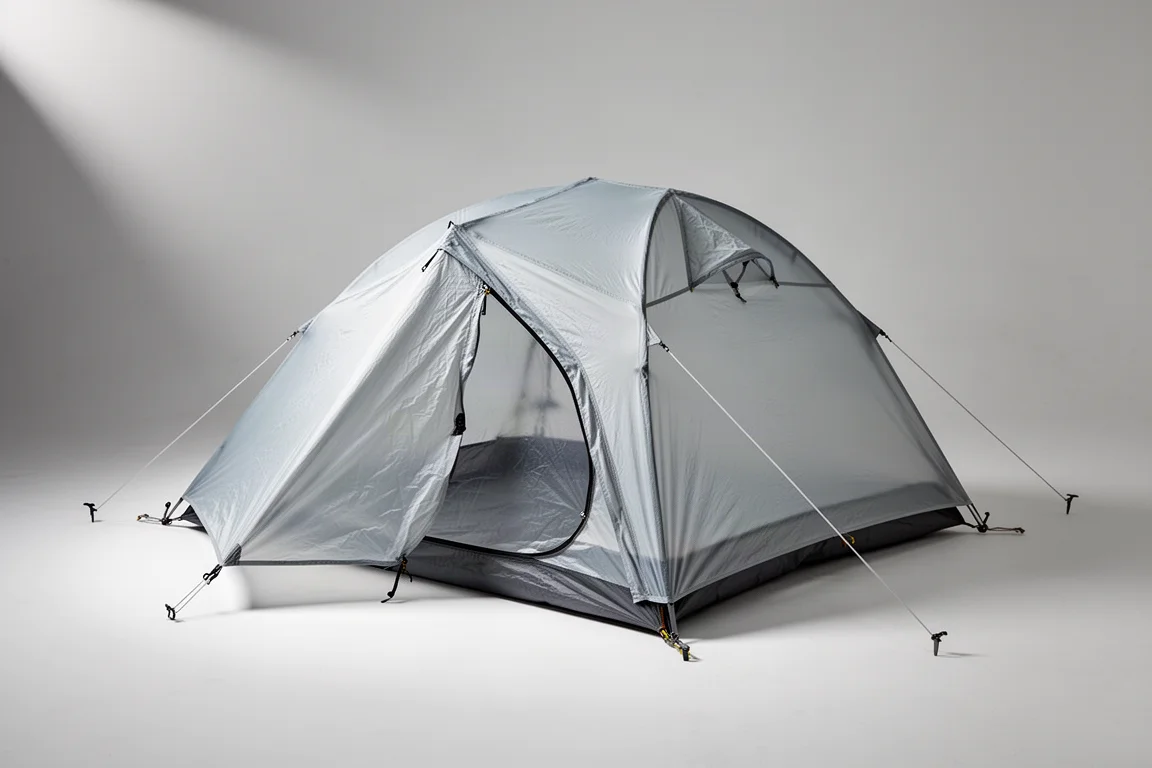
The Hubba Hubba was the only tent in the group to pass 30 mph, pass 40 mph and reach 50 mph. Its composite poles are not aluminium and sit closer to carbon fibre in character, and they flexed under load instead of resisting it.
At 50 mph the poles collapsed, but they did not snap, and nothing on the tent ripped. The shelter could be stood back up and used again. A collapse at night in a storm would not be a pleasant experience, and water could end up on a sleeping bag, but the tent itself survives the event and remains usable the next day.
Big Agnes Copper Spur: A Pole Snapped at 40 mph
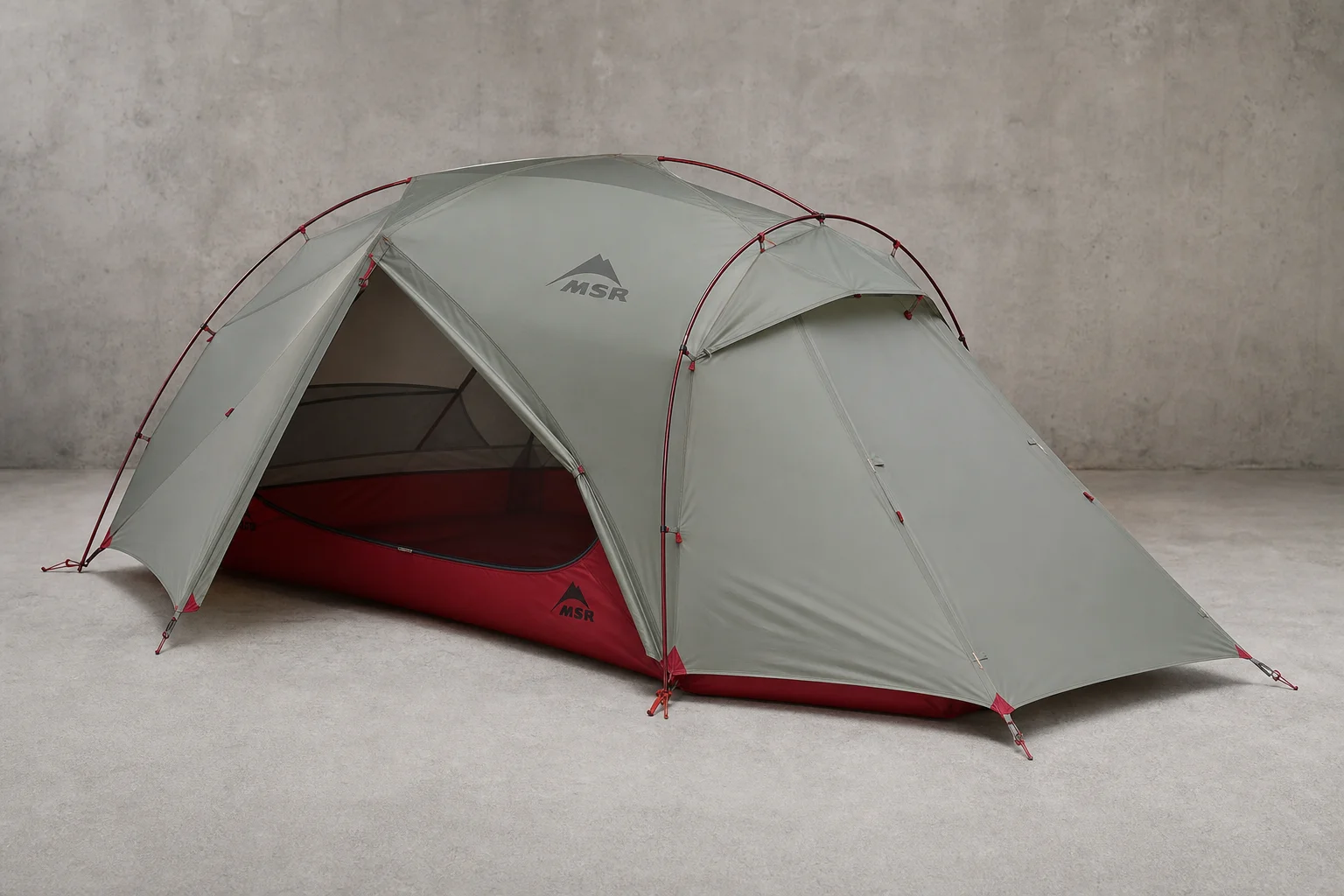
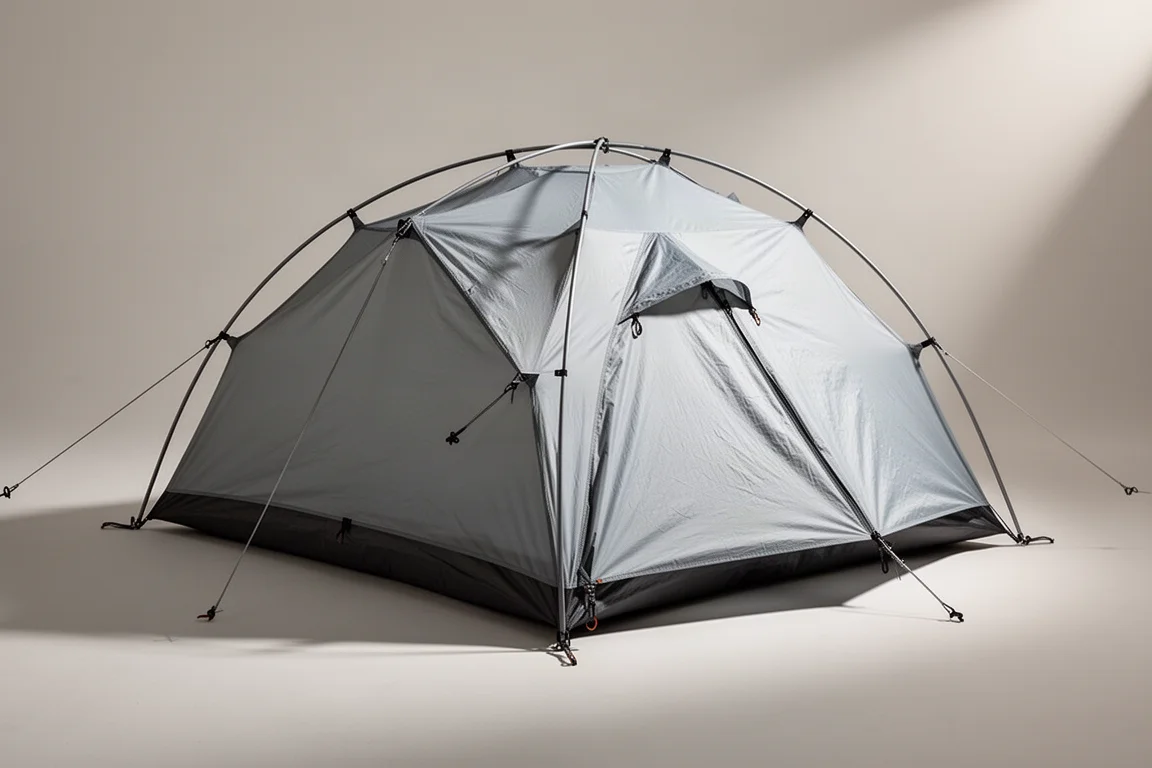
The Copper Spur cleared 30 mph with no problems at all. At 40 mph it snapped a pole, and the failure happened even with two extra guy lines rigged on the front of the tent. Where the composite poles of the Hubba Hubba bent and recovered, the aluminium poles here broke outright.
Zpacks Duplex Zip: Failure at 30 mph
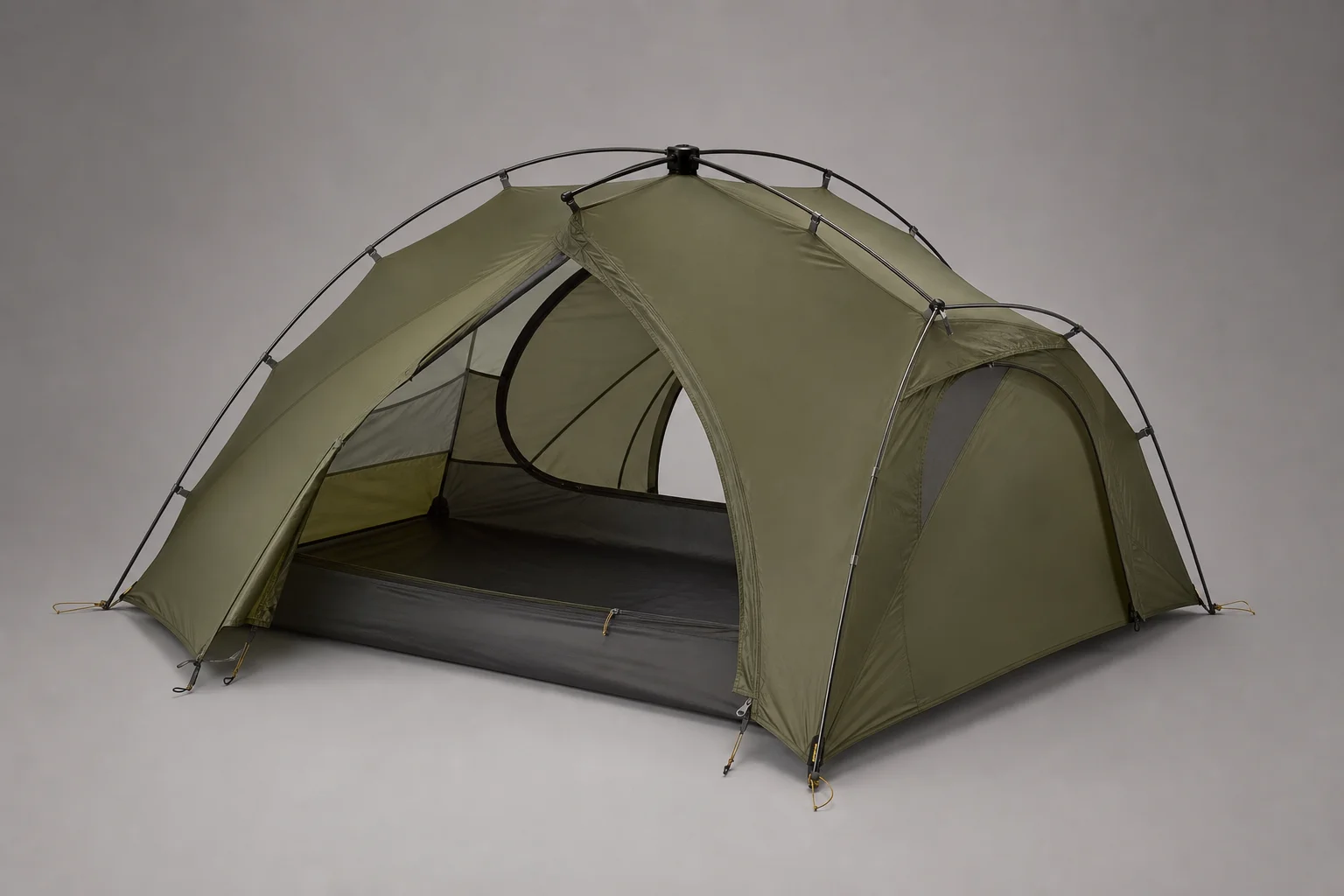
The Duplex Zip was the first tent to go, failing on the opening run at 30 mph. The small strap that connects the back corner to the guy line snapped completely, and the tent was not usable again afterwards. The manufacturer states that across six decades and thousands of tents, this strap failure has been seen only three times, so the outcome is difficult to generalise from a single run.
Durston X-Mid 2 Pro: Fast Until a Rear Corner Ripped
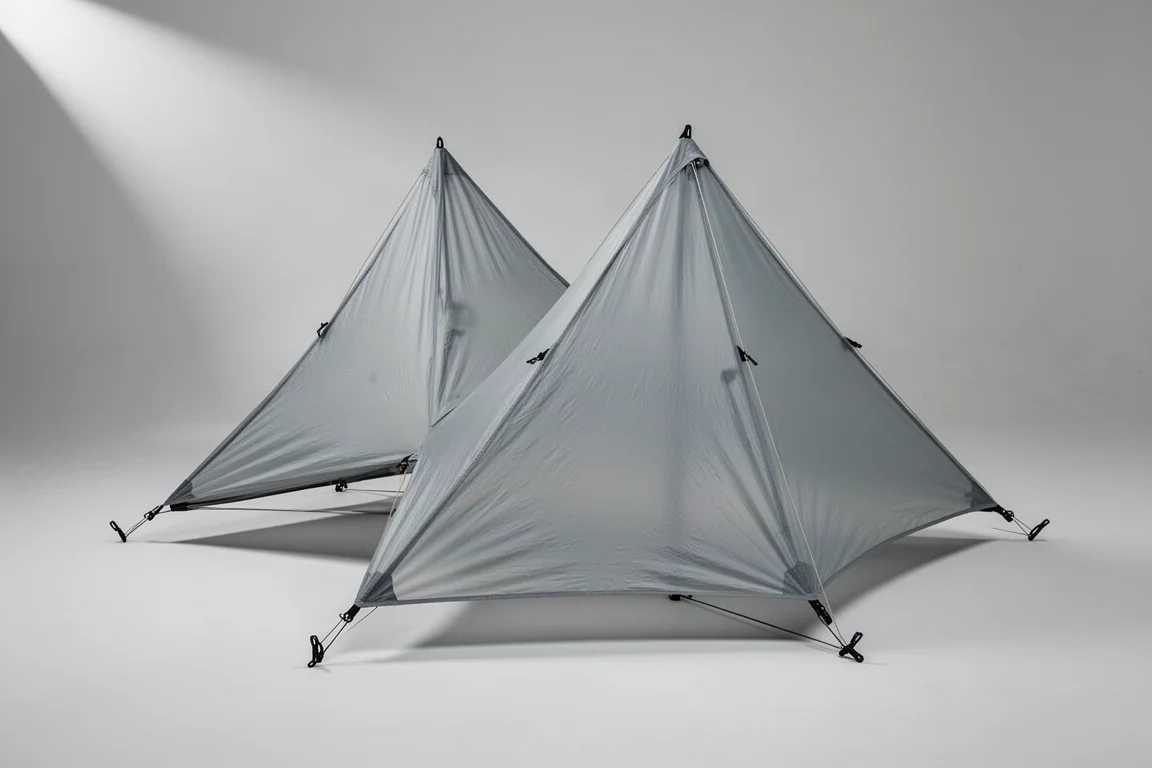
With the narrow end facing the wind, the X-Mid 2 Pro leaves no broad face for the wind to load, and it passed 30 mph with hardly a ripple. The geometry sheds wind cleanly. At 40 mph, a back corner ripped through its stitching.
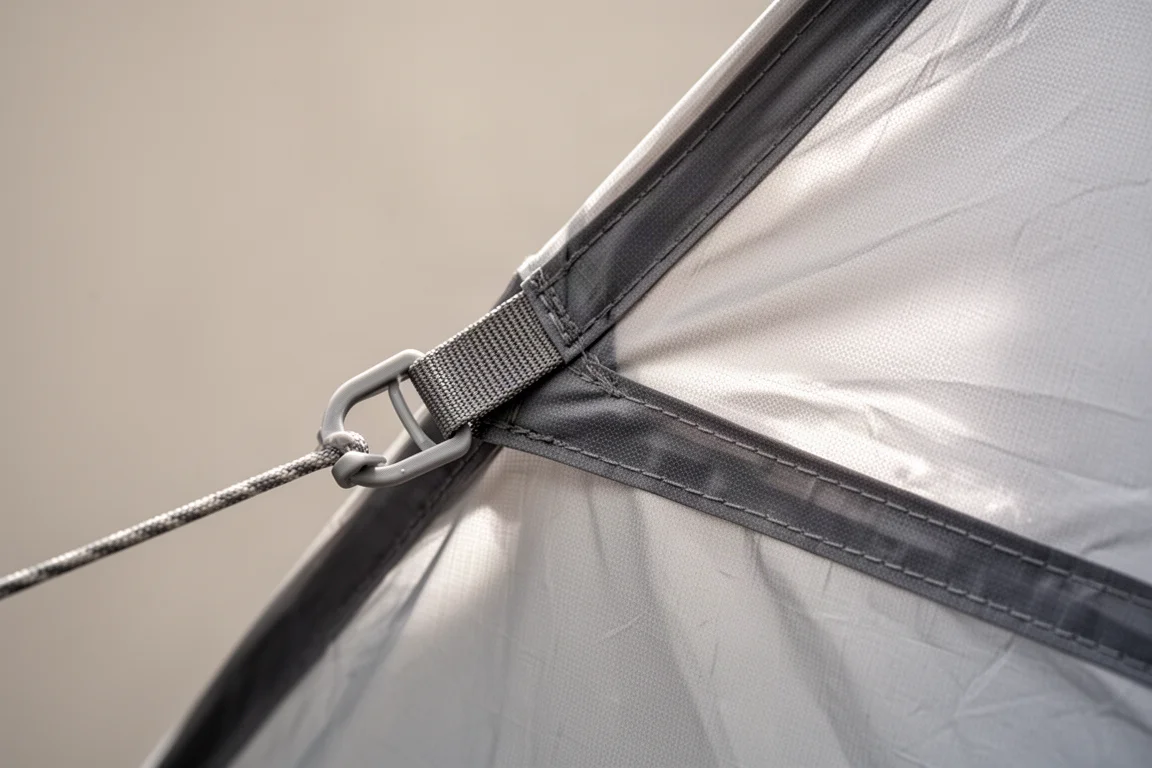
The manufacturer describes this as a known issue on early production tents. Two corners received only one set of stitches where three sets were intended, and the webbing loop stops short of the additional bar tacks. The build was improved so that all three bar tacks hold those corners, but only on tents purchased after June 2023. Even with the corner failure, 40 mph of sustained wind is a respectable ceiling.
For anyone considering this model, the practical takeaway is to confirm the production date rather than to write off the design, which handled the first two speed steps cleanly.
Featherstone Backbone 2: A Budget Tent With an Asterisk
The Backbone reached 40 mph. It failed where the vestibule clips to the guy line, with the plastic clip giving way rather than the fabric or the poles. The tent does ship with peak guy lines, and those were not deployed during the run. Rigging them may have relieved stress on that clip and prevented the failure, so the 40 mph result likely understates what this budget tent can do when it is pitched to its full specification.
Naturehike Cloud Up 2: The Budget Tent That Kept Going
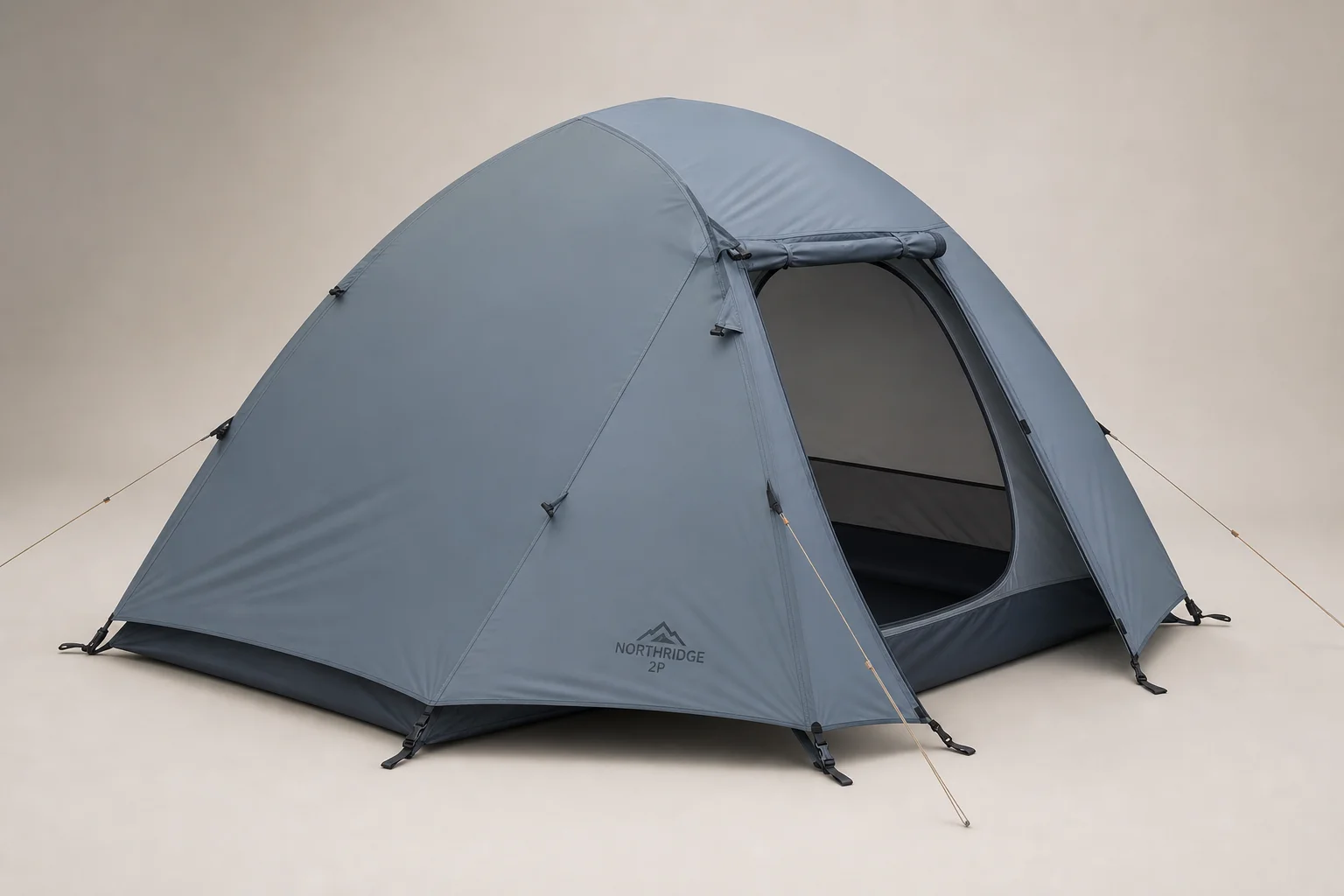
At the time of testing, the Cloud Up 2 was priced at around $135. It passed 30 mph and 40 mph and collapsed at 50 mph, but it did not break. The pole bent and stayed functional.
Because the tent was still usable, it was pushed to 60 mph and then 70 mph. It collapsed both times and came back without damage, which suggests the test could have continued. Two things appear to help: a narrow profile with a single front entrance, which presents far less surface to the wind than the side vestibules on the other tents, and aluminium poles that are a little stronger than the price suggests. The trade-offs are real, since a single entrance is less convenient and the tent gives up weight and features to reach its price.
For backpackers on a tight budget, this is the standout result of the whole comparison: the least expensive tent in the lineup was also one of the toughest.
Stake Testing: What Actually Holds a Tent Down
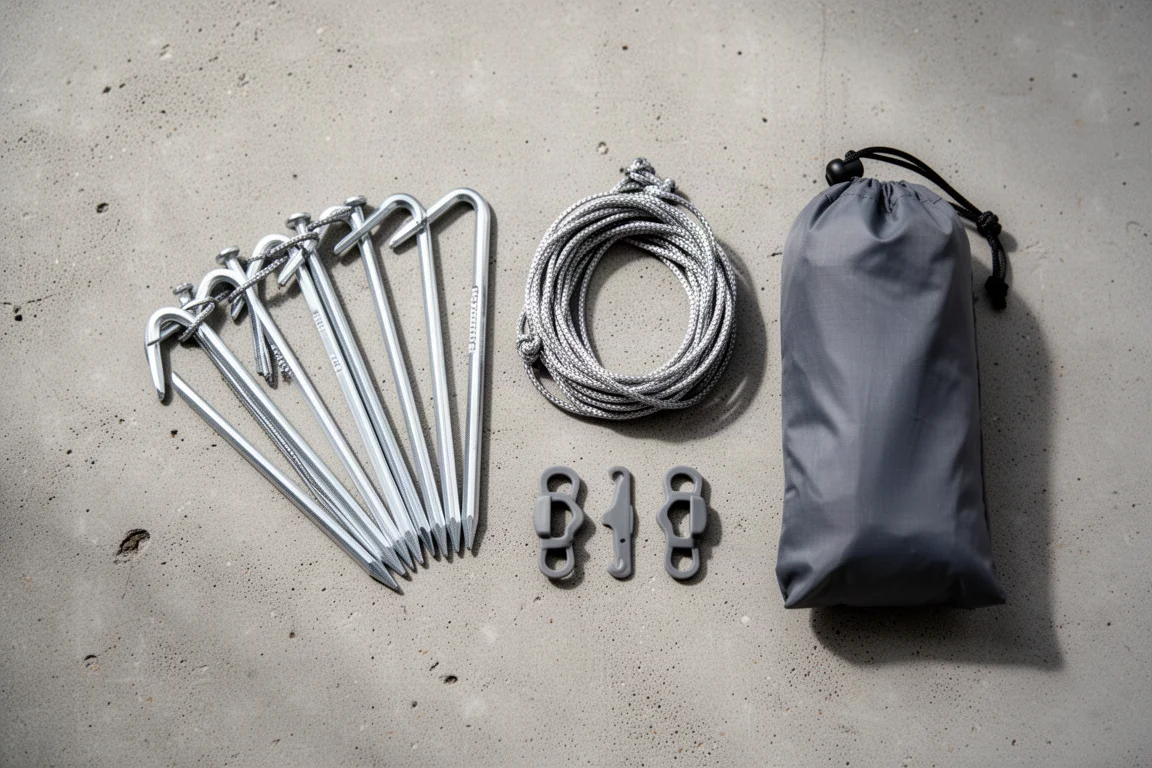
Stakes matter more than they look, because a trekking pole shelter depends on them to stand at all, and removing even one stake can severely compromise stability. The force meter measurements produced a clear ranking of how much pull each stake style resists before it releases from the ground.
MSR Groundhog Stakes
The Groundhog stakes required an average of 45.3 lb of force to pull out of the ground across multiple pulls, which placed them second overall. That is comfortably above the maximum 30 lb of load any stake saw during the tent runs.
Easton 8-Inch Aluminum Nail Stakes
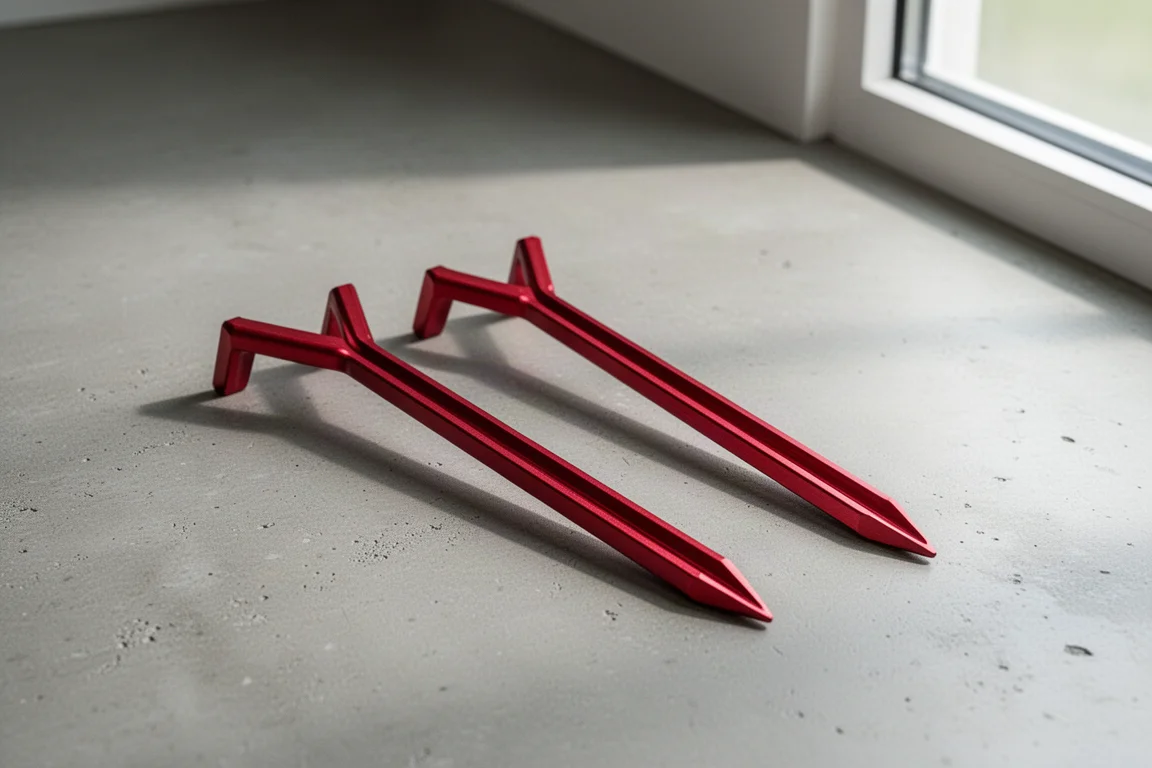
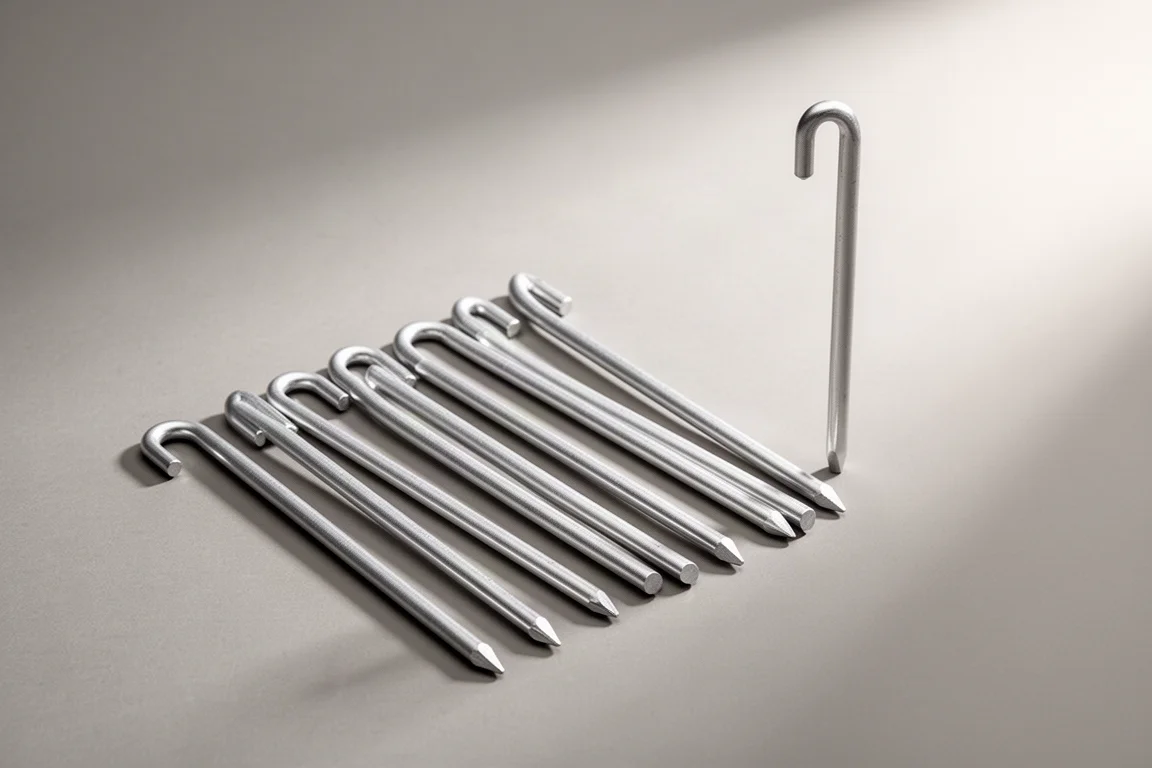
The eight-inch aluminium nail stakes were the best performers measured, needing an average of 55.8 lb of force to come out of the ground. The weakest stakes in the comparison, a V-shaped design, released at just 23.14 lb.
What the Results Suggest About Tent Design
Freestanding tents outperformed trekking pole tents in this test, which is the opposite of what pole strength alone would predict. The rigidity of trekking poles left no room for movement, so the stitching, webbing and plastic components absorbed the load and became the failure points. The freestanding pole sets flexed with the wind, which put less stress on the seams and the fabric.
Stake choice, by contrast, turned out not to be the limiting factor. As long as a tent was anchored with Groundhog or Easton stakes, or an equivalent, holding power was never the weak link in the system.
Buying Advice
Match the tent to the conditions you actually camp in. If wind exposure is a real possibility and you want the most forgiving behaviour, a freestanding tent with poles that flex rather than snap is the safer bet, and the Hubba Hubba delivered exactly that by staying intact after its collapse.
If budget is the priority, the Cloud Up 2 shows that a cheap tent does not have to be a fragile one, as long as you accept a single entrance and fewer features. Trekking pole shelters remain light and packable, but it is worth checking the production date on the X-Mid 2 Pro and thinking honestly about how much wind a Duplex Zip is likely to see in your own camping.
Stakes deserve a place in any purchase decision. A set of Groundhogs or Easton aluminium nails costs little and comfortably exceeds the loads measured here, so replacing the stakes supplied with a tent is an inexpensive way to remove one obvious variable.
Conclusion
Six tents, six different outcomes. The Hubba Hubba flexed and survived, the Cloud Up 2 bent and kept going, the Copper Spur snapped a pole, and both trekking pole shelters failed at their corners. Wind performance comes down to how a design distributes load, not to how strong the poles look on paper.
Further reading
Related Reviews
Backpacking Tents
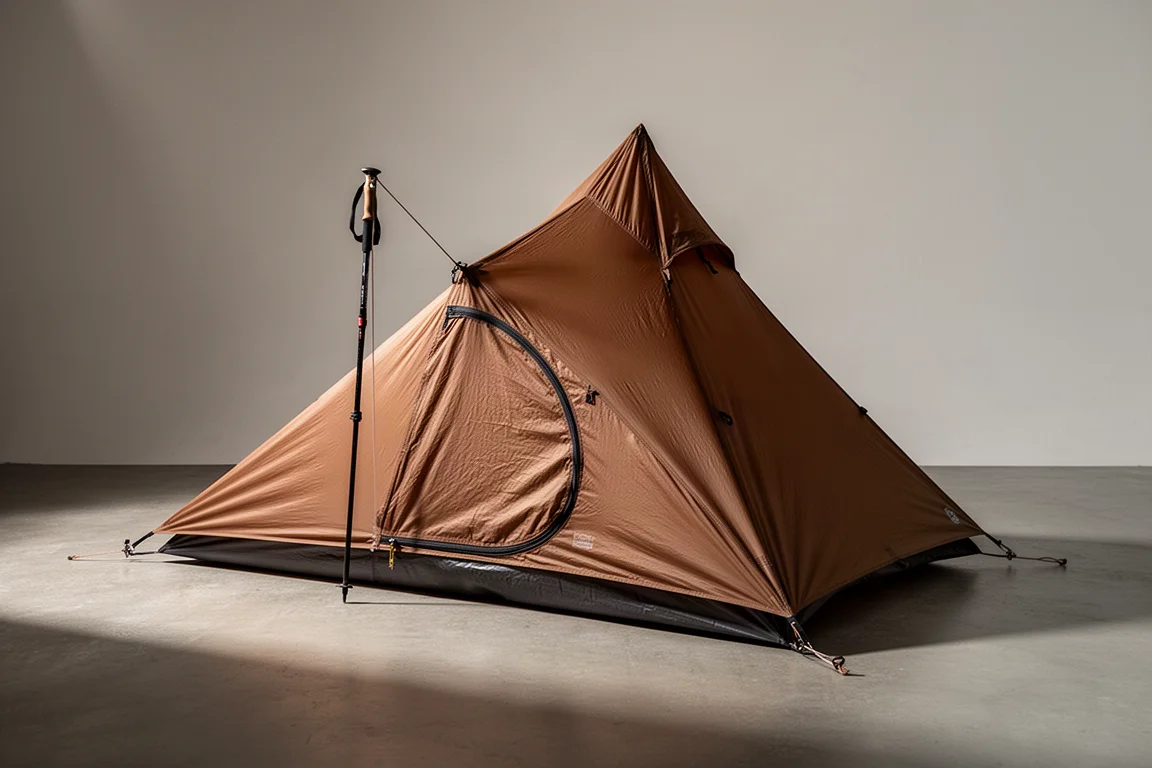
3F UL Lanchan Pro 1 Review: A 1 lb 8 oz Single-Wall Trekking Pole Tent
A practical look at the 3F UL Lanchan Pro 1, a single-wall trekking pole shelter with a 1 lb 8 oz weight, 20D silnylon fabrics, and a roomy 90 x 31 x 49 inch interior.
Backpacking Tents
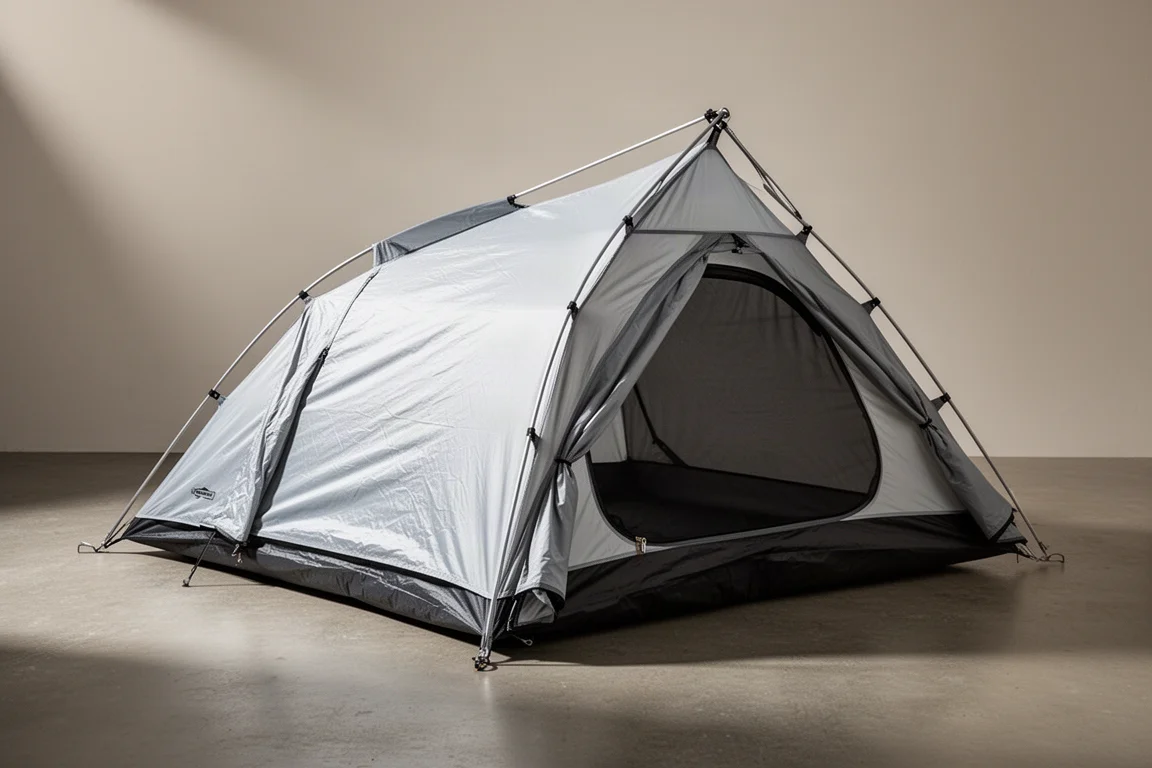
3F UL Taiji 2-Person Tent: A Convertible Backpacking Shelter Worth a Closer Look
A practical look at the 3F UL Taiji two-person tent, covering its materials, true two-person interior, fly-first pitching, and the seasonal inner swap that lets one shelter cover more of the year.
Backpacking Tents
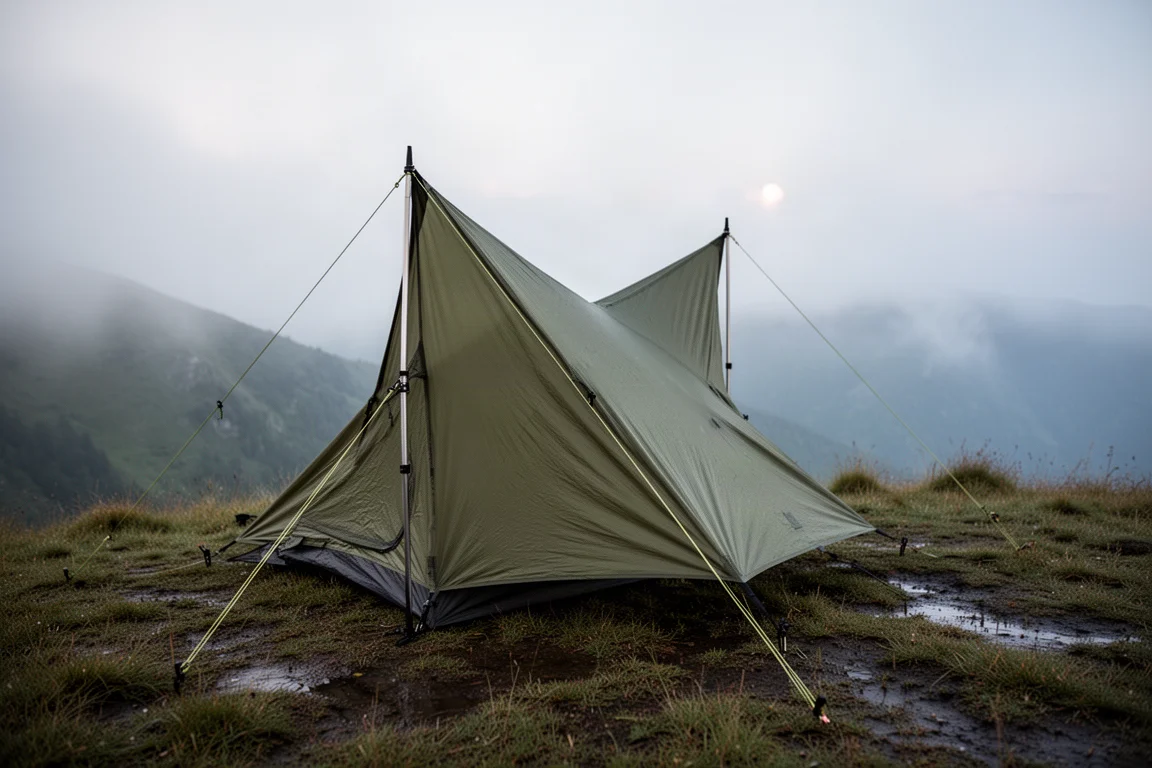
3FUL Lanshan Twoerson Pro Review: A Light Trekking Pole Shelter That Struggled in Rain
A two-person trekking pole shelter with a 2026 redesign, pitched with sticks and put through a night of steady rain. Here is what worked, what did not, and what to check before buying.