Photography Gear
Wildlife Camera Gear Kit 2026: The Equipment Behind Better Birding Footage
A practical look at the camera, lens, tripod, storage, and carry gear that make a wildlife and birding kit work in the field.
Introduction
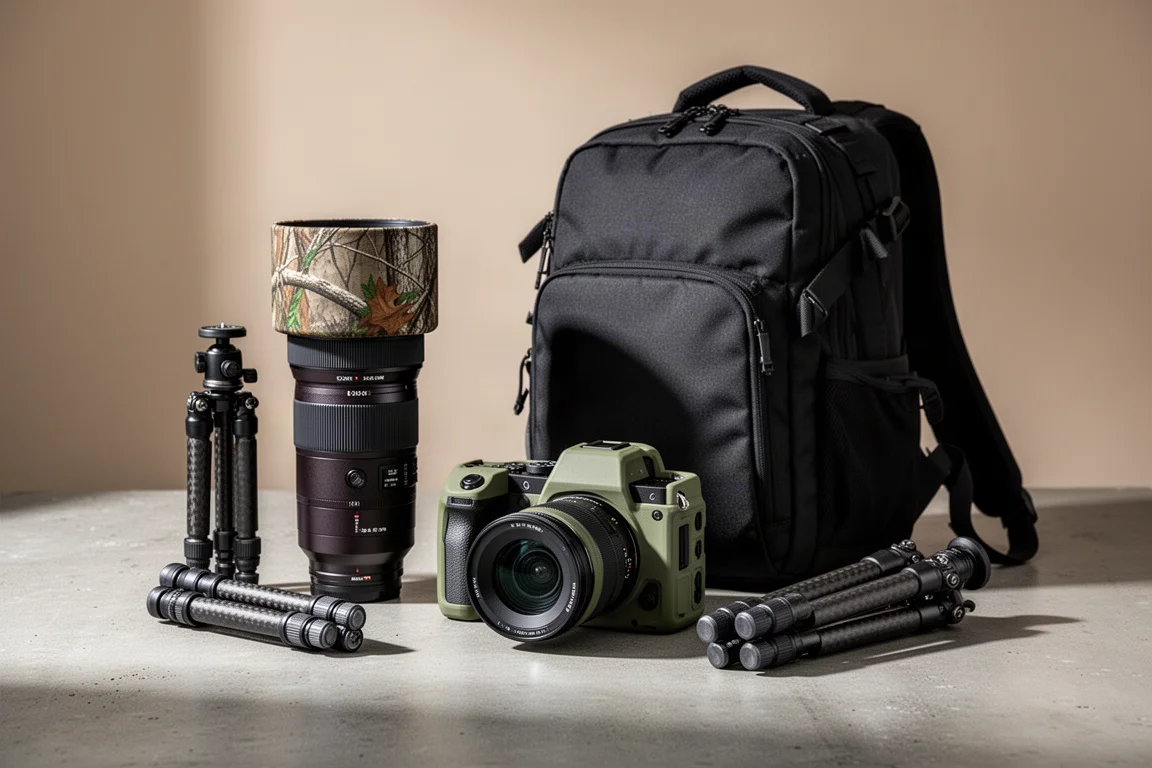
Building a wildlife and birding kit is about balancing reach, image quality, weight, and protection. This listicle walks through the gear that earns its place in the bag for extended field trips, from the big-ticket camera and lens down to the small cleaning tools that keep everything working. Each item has a clear role, and together they form a setup that handles long filming days without unnecessary frustration.
The Lens: Nikon 180-600mm
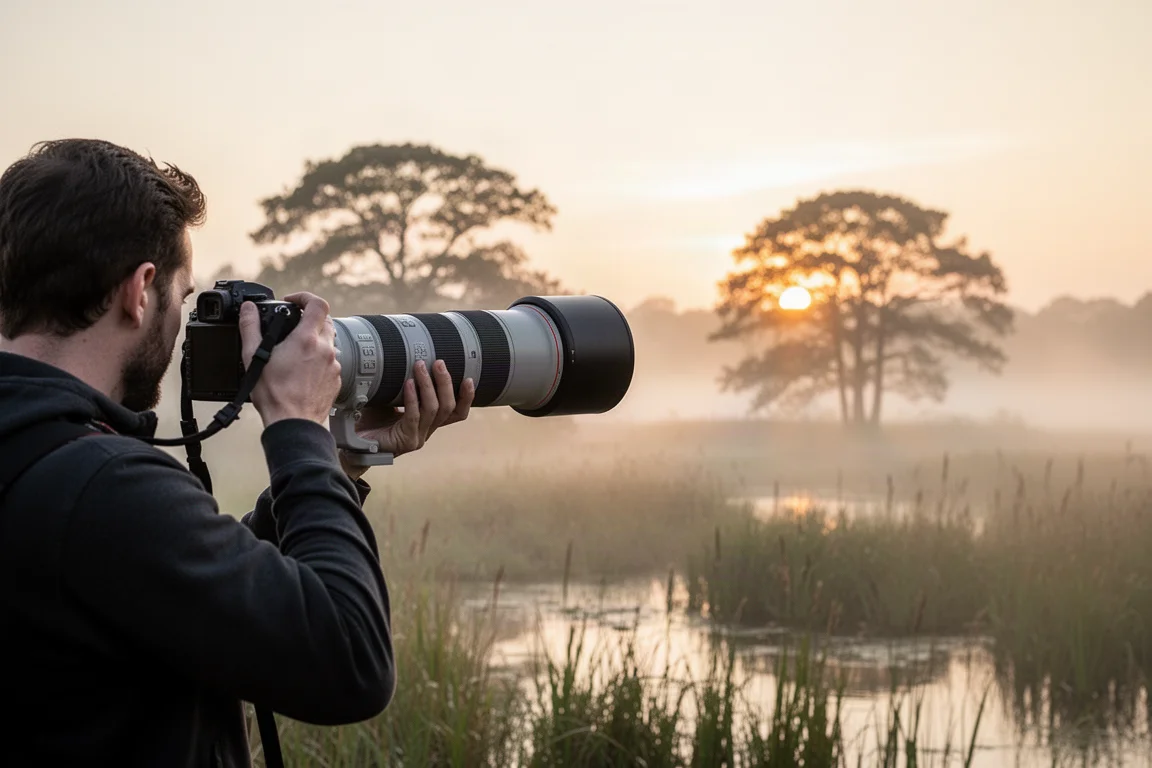
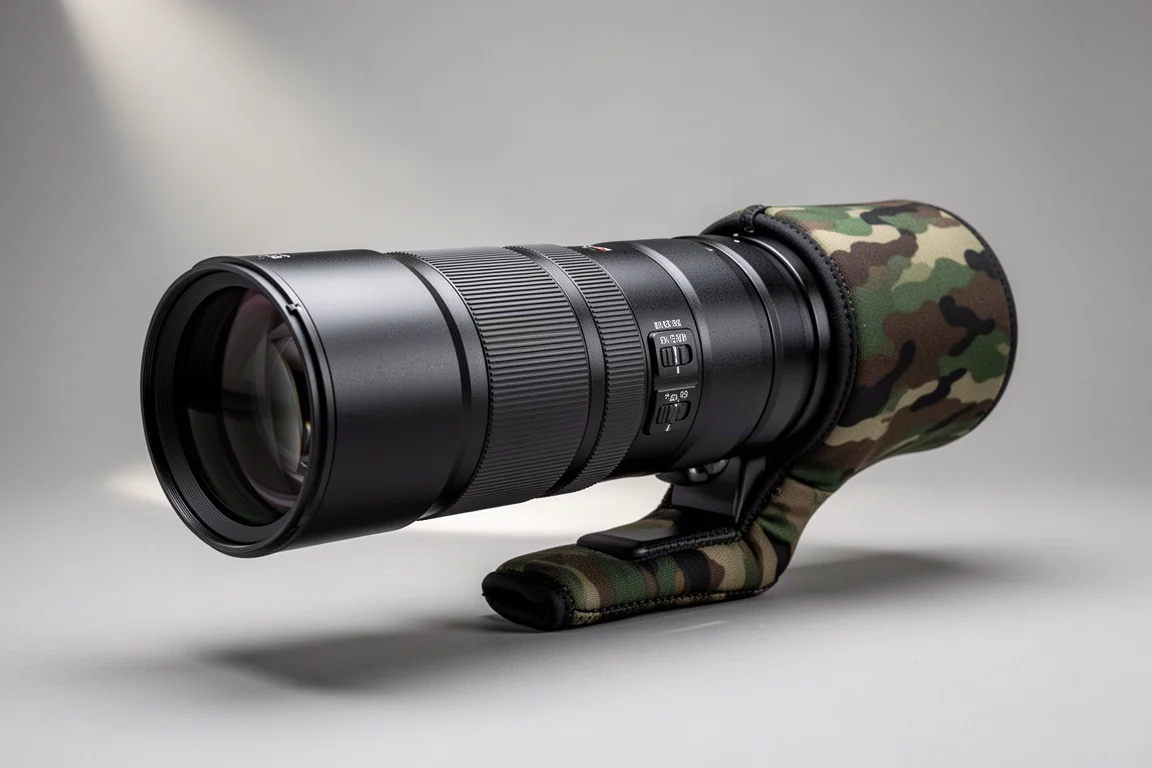
The Nikon 180-600mm is the centerpiece of the kit and the biggest upgrade over the bridge camera used previously. It is a little on the heavy side, but it packs a punch and does excellent work for wildlife photography. Reach never feels lacking at 600mm, because you can crop in during photo editing or crop during video, and the quality holds up far better than a bridge camera ever managed.
Protection matters with a lens this size. A camo-pattern lens sleeve adds a layer of defense against scratches, dings, and chips if the lens bumps into anything, and comparable sleeves from third-party makers tend to cost less than some competitor options while holding up well in the field.
The Camera Body: Nikon Z6 III
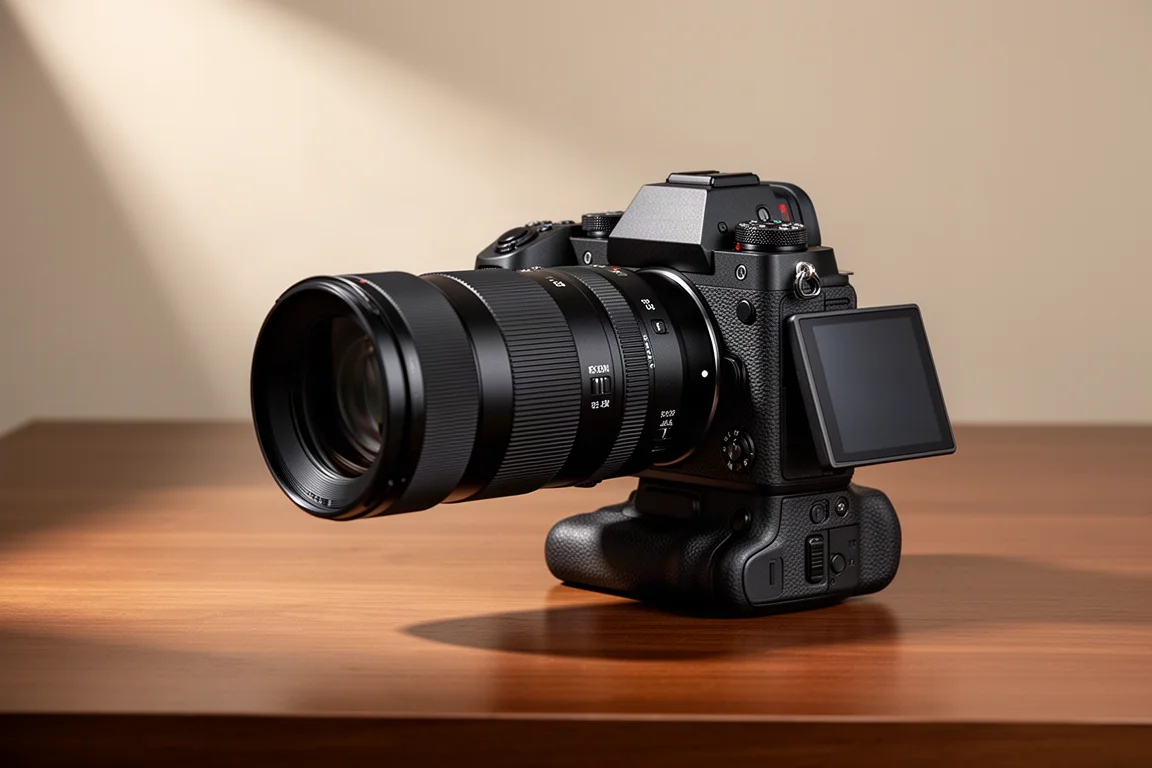
The Nikon Z6 III sits a step below the Z8 and Z9, but for most people it is the more affordable path into that system, even though it is still quite expensive. Video quality is incredible with no real gripes, and it also takes excellent stills, which matters when you want to post photos alongside your video work.
The body is notably light, especially since the heaviest part of the setup is the lens. A removable sticker-style cover in military green protects the body from scratches, blends nicely with the lens, and is genuinely easy to take off. A simple neoprene camera sleeve for storage is another cheap layer that goes a long way toward preserving the body between shoots.
Travel Tripod: SmallRig AP10
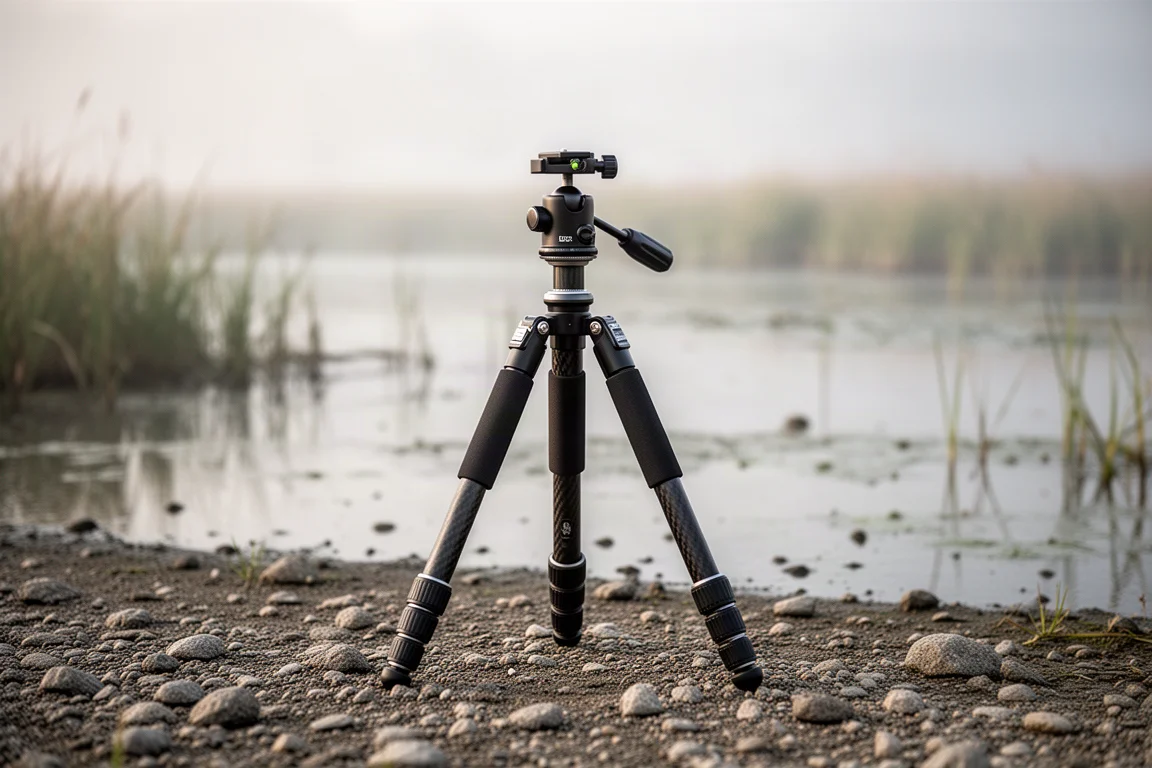
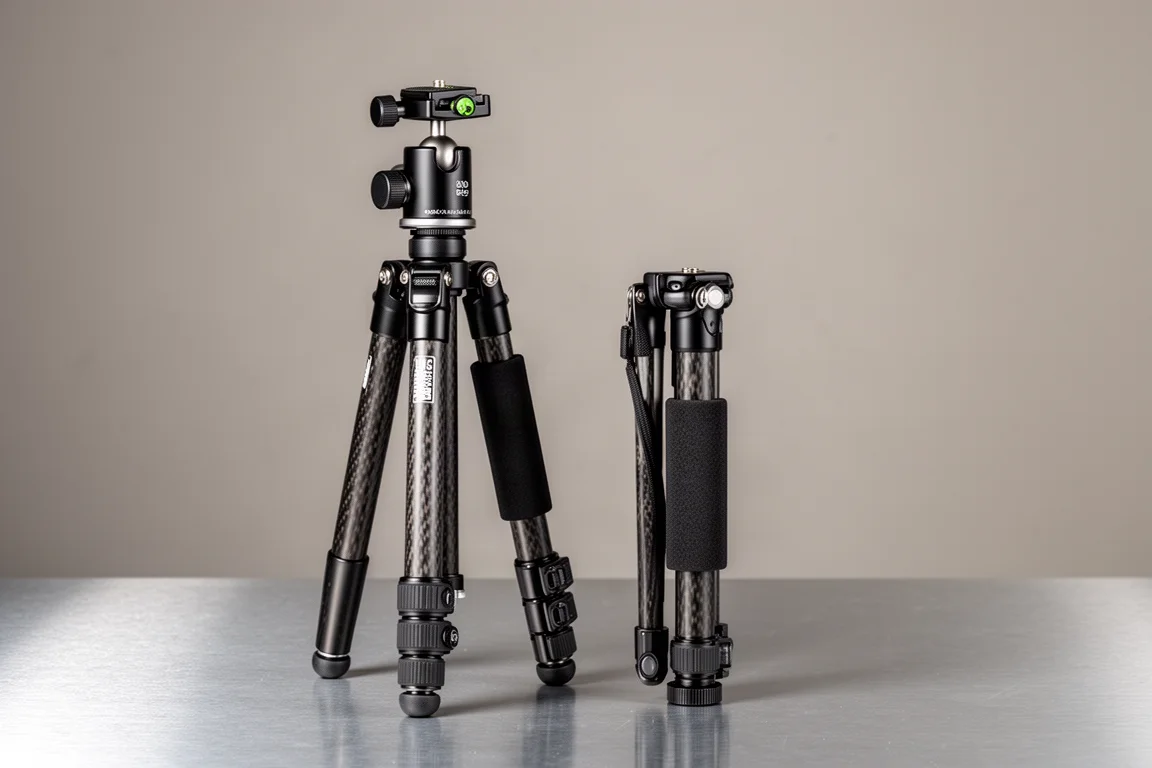
The SmallRig AP10 is the newest addition to the kit and the current main tripod. It is carbon fiber, so it is very light, coming in just above 2 lb, and it extends really far while remaining solid. It holds up a large wildlife lens with relatively no shake, and the ball head design is genuinely nice to use.
A standout feature is that one leg removes and extends into a monopod with a comfortable grip, which adds flexibility when you want to move quickly. It also collapses down and fits perfectly in the bag’s side holder.
Storage and Workflow
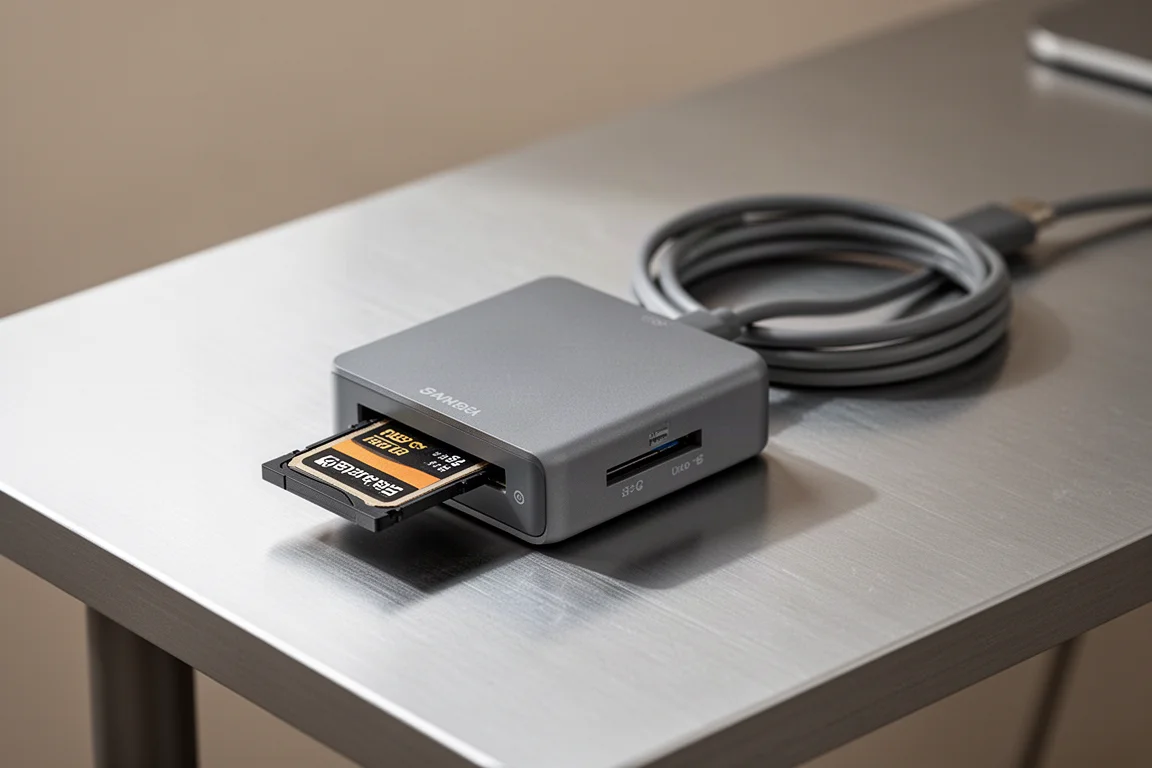
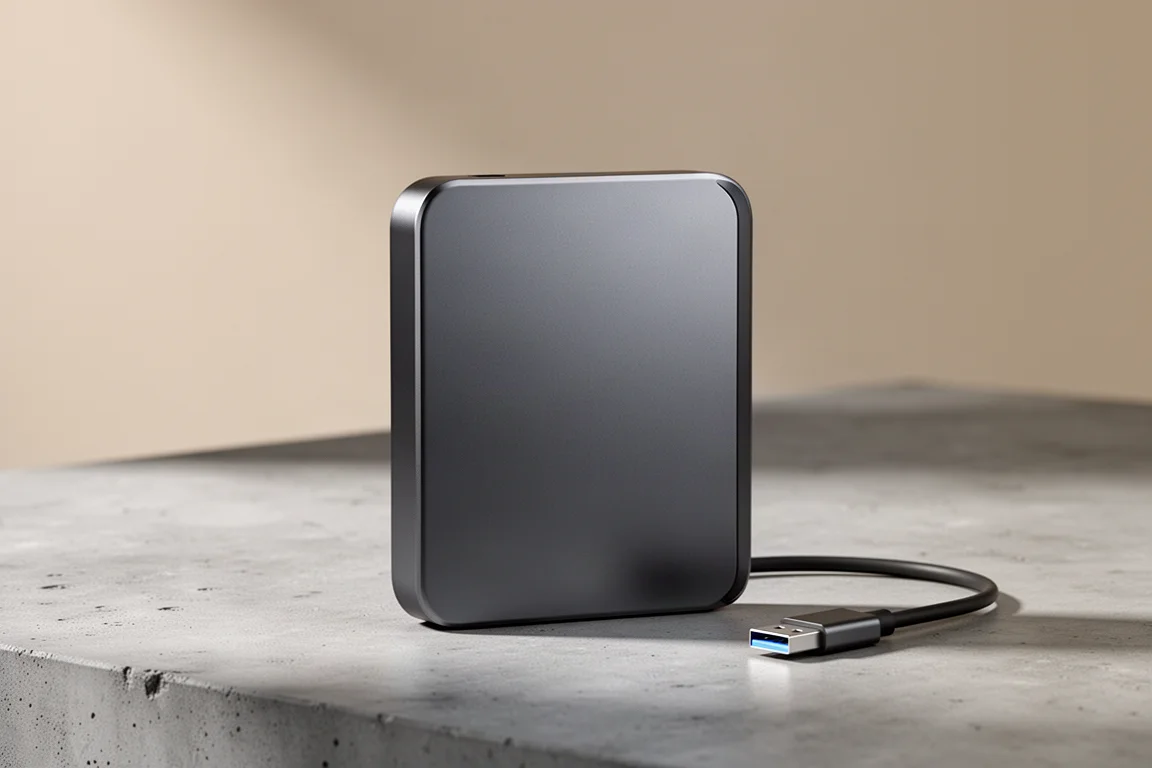
Fast storage is essential when filming in 4K 120 for slow motion. The setup pairs a ProGrade CFexpress card reader with ProGrade cards, and the card in rotation is a 512 GB CFexpress with a 3,400 MB/s read speed. That is honestly probably overkill for many creators, but it makes high-bitrate workflows painless. Footage gets backed up onto a Samsung T7 SSD, a 2 TB external drive that is all you really need to back up footage. For a seven-day trip filming all day, footage lives in two places: on the T7 and on the card, which is a comfortable two-backup setup before the card gets formatted to keep it functioning correctly.
Lens Cleaning Essentials
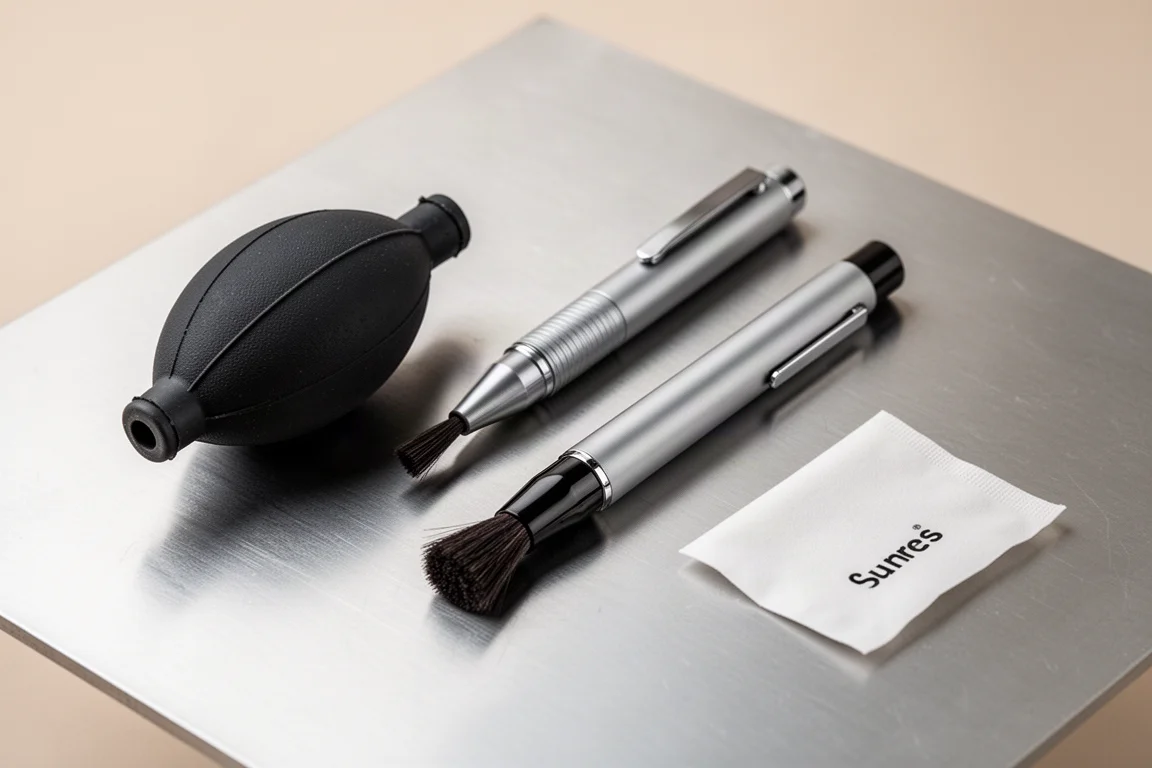
A rocket blower is the first step in any cleaning routine and costs only a few dollars. Blowing dust off the lens before wiping is critical, since wiping a lens with particles on it risks scratching the glass. The same trick works for binoculars too.
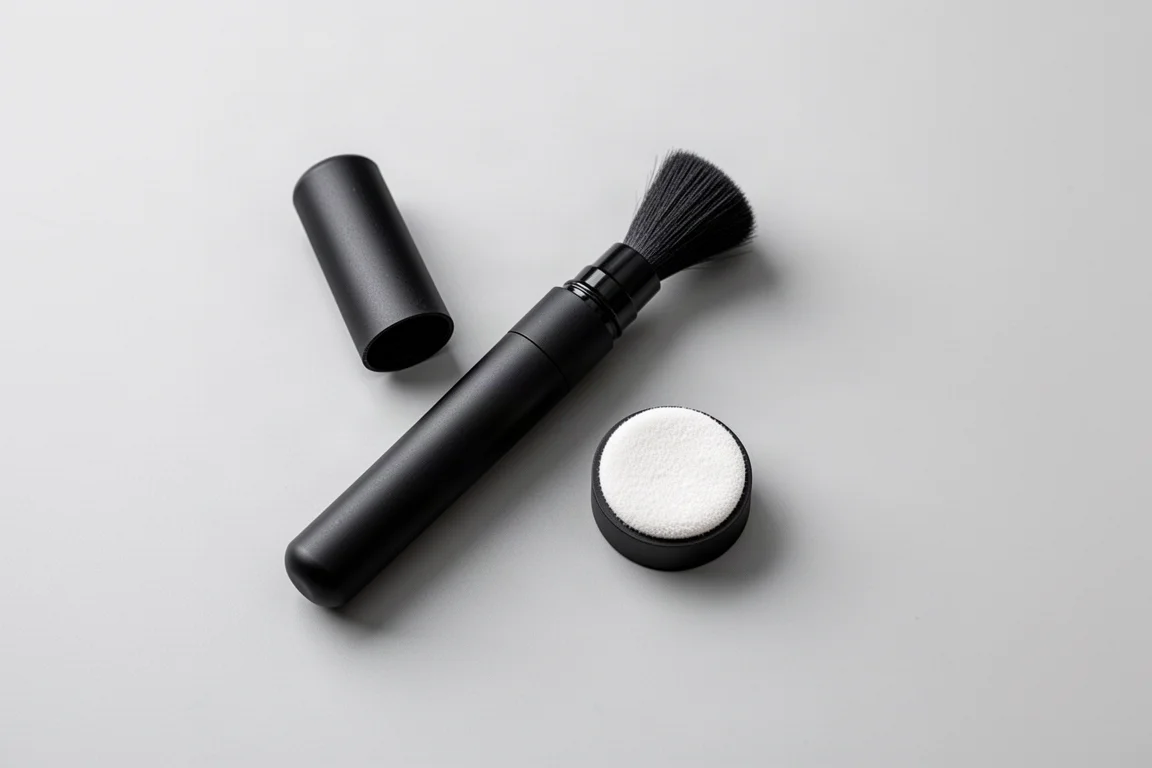
When smudges need actual wiping, a Nikon lens pen is compact, fits perfectly in the bag, and has a pop-out brush plus a screw-off lid with a solid end for smudges. Zeiss lens wipes round out the kit; a pack of 200 runs about $10, and they perform better than microfiber cloths in practice, though they are admittedly not the most sustainable option.
The Camera Bag: Lowepro ProTactic BP 350 AW II
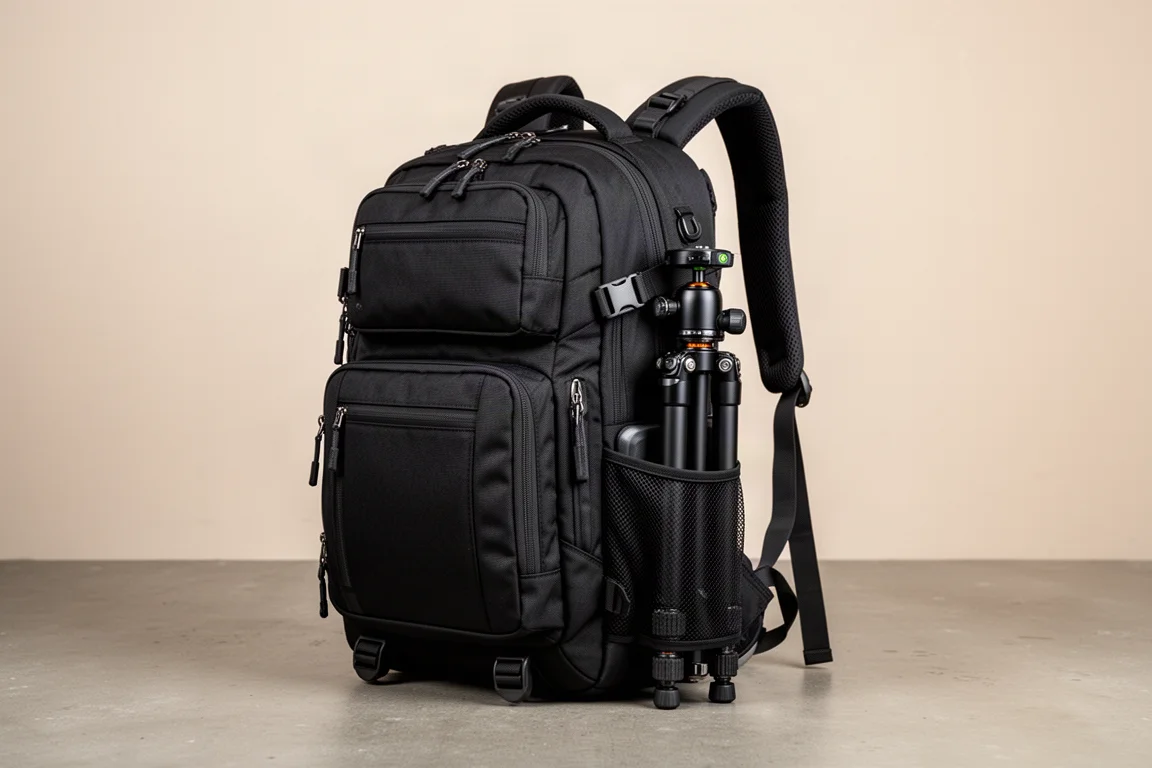
The Lowepro ProTactic BP 350 AW II has a lot of usable space with plenty of slots, including some left unused even when fully packed. The dividers are highly customizable, and there is a dedicated laptop slot. The best feature is the exterior: side pockets hold a water bottle, the tripod fits nicely in a leg holder, and a zippable pocket protects the binoculars.
Underneath, a waterproof rain cover protects everything when weather turns, which matters a lot on a trip to a rainy destination. When fully loaded the bag is heavy, so it is not for long walks, but a quarter-mile hike proved comfortable with good padding that keeps pressure points in check, all at an affordable price.
Binoculars: Adornd 12x42
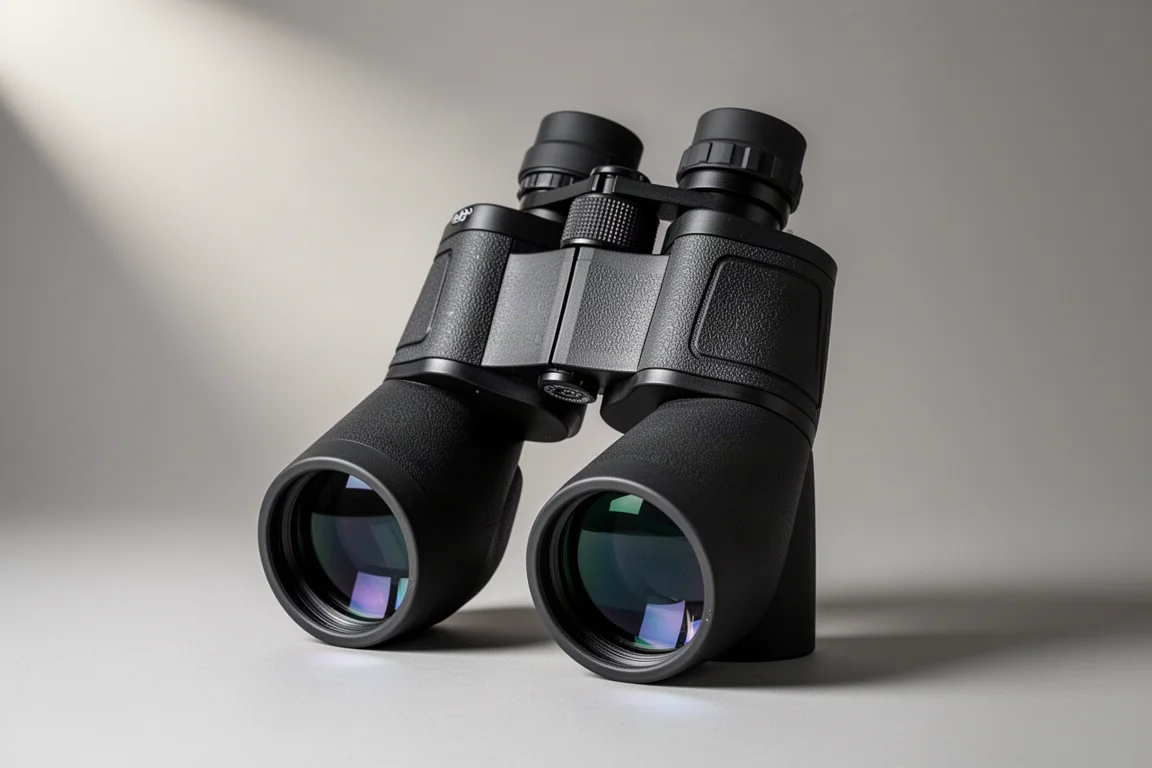
The Adornd 12x42 binoculars have been in use for three years as a very affordable, no-drama pair. Many birders prefer 8x42 or 10x42, but the honest truth is that what matters most is getting used to the pair you own. The 12x magnification gives more zoom, and with practice, finding birds through them became really easy.
For the price, they do exactly what a backup observation tool should do, and they slot neatly into the bag’s zippable pocket.
Carry Systems: Cotton Carrier G3
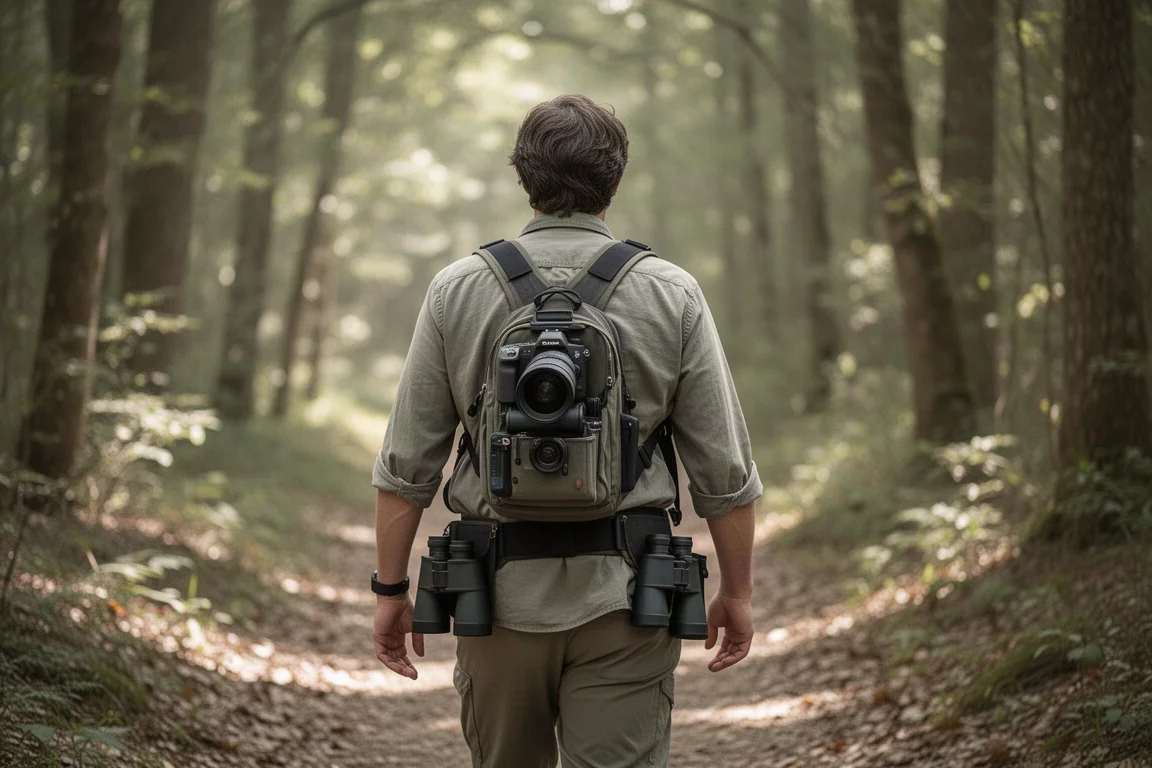
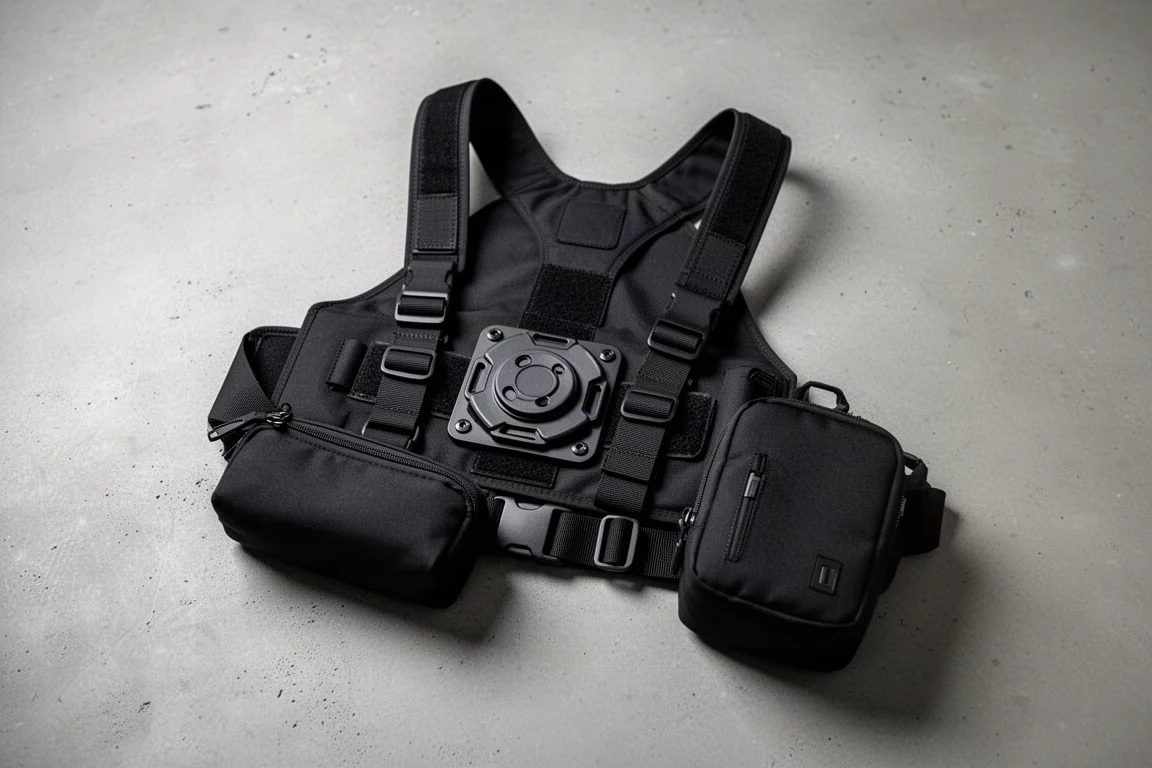
Cotton carriers solve a real problem for anyone hiking and walking while birding. The locking mechanism secures the camera sideways so it cannot release unless you rotate it intentionally, which keeps the camera and lens safe. The smaller carrier sits comfortably on the chest and includes an Arca plate adapter for tripod compatibility, making it ideal for car birding and quick park walks.
The G3 is the full-support option, best described as looking a bit like a bulletproof vest. It locks the camera at the center of the chest with a secondary hip lock for binoculars, so the main camera rides at the chest and the binoculars sit at the hip. It is the recommended choice for larger wildlife lenses, and the small pockets even take an Allen wrench or two.
Audio: DJI Mic 2
The DJI Mic 2 makes a clear difference in audio quality. Earlier recordings without it picked up any wind instantly, so these mics are relied on heavily for clean, clear narration. Wind guards come included, and the two-transmitter setup means you get a spare ready to go.
Conclusion
Every item in this kit earns its spot by solving a specific field problem: reach and image quality from the 180-600mm and Z6 III, stability from the AP10, fast storage with a reliable backup path, protection through the Lowepro bag and sleeves, hands-free carry from the Cotton Carrier G3, and clean audio from the DJI Mic 2. Match each piece to your own shooting style and budget, and you will end up with a kit that works as hard as you do in the field.
Further reading
Related Reviews
Photography Gear
Beginner Photography Gear Guide 2025: Building a Budget Setup Without Compromise
Start photography affordably in 2025 with the right camera body, versatile lenses, and essential accessories. A practical guide to building a capable beginner kit.
Photography Gear
Building a Street Photography Camera: Six Elements That Work Together
A custom-built street photography setup using the Sony A7CR, 40mm lens, and five carefully chosen accessories that rival premium fixed-lens cameras at a fraction of the cost.

Backpacking Gear
Building a 10 lb Base Weight: An Ultralight Backpacking Gear List
A practical walkthrough of the ultralight pieces behind a 10 lb base weight, from a 765 g pack and a roomy one-person tent to a full camp chair and a dependable water filter.