Backpacking Tents
Wildlands Ultralight 2-Person Tent Review: What a Full Wet-Weather Test Night Revealed
A field-tested look at the Wildlands Ultralight 2-Person Tent: simple setup, strong rain performance, an included ground sheet and gear loft, plus the quality details to inspect before you buy.
Introduction
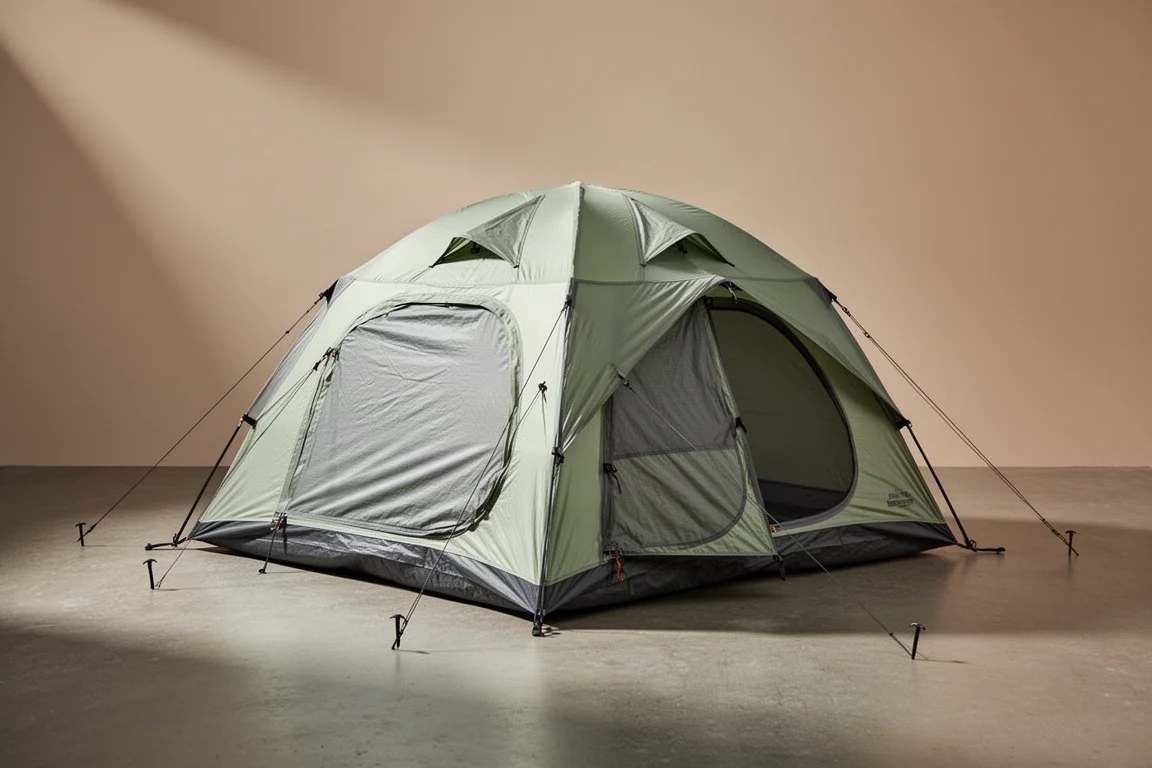
Two things make the Wildlands Ultralight 2-Person Tent worth a closer look. It is light enough for backpacking, and it arrives with a ground sheet and a gear loft included in the price. Most brands treat those as separate purchases, and they are rarely cheap on their own.
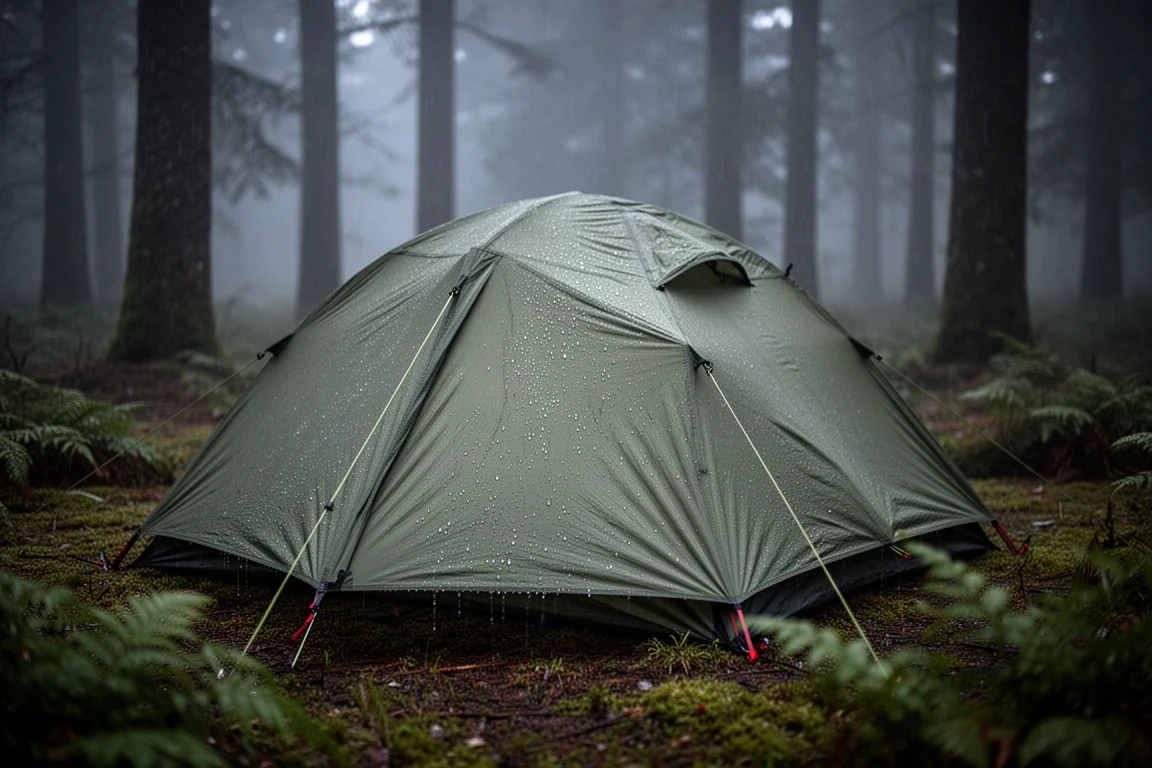
That bundle only matters if the tent itself performs, so the real questions are how it handles a night of heavy rain, how the airflow behaves once you are inside, and whether the build quality lives up to the design. A full wet-weather test night answered most of that, and it also surfaced a few details worth checking the moment your tent arrives.
Who this product is for
This tent is aimed at backpackers and campers who want a genuinely spacious two-person shelter without carrying much weight. The interior is roomy enough to sit up in, and there is enough floor space for two people, though they will be close, which is normal at this size.
It also makes sense for anyone who camps regularly in wet conditions. The bathtub floor is built to catch splashback, and the venting can be adjusted from inside the tent, which matters when the weather turns and you would rather not step outside to make an adjustment.
Finally, it suits buyers who prefer a single purchase over a shopping list. Because the ground sheet and gear loft are included rather than sold separately, there is less to source before a first trip, and less chance of discovering on arrival that something essential is missing.
Main strengths
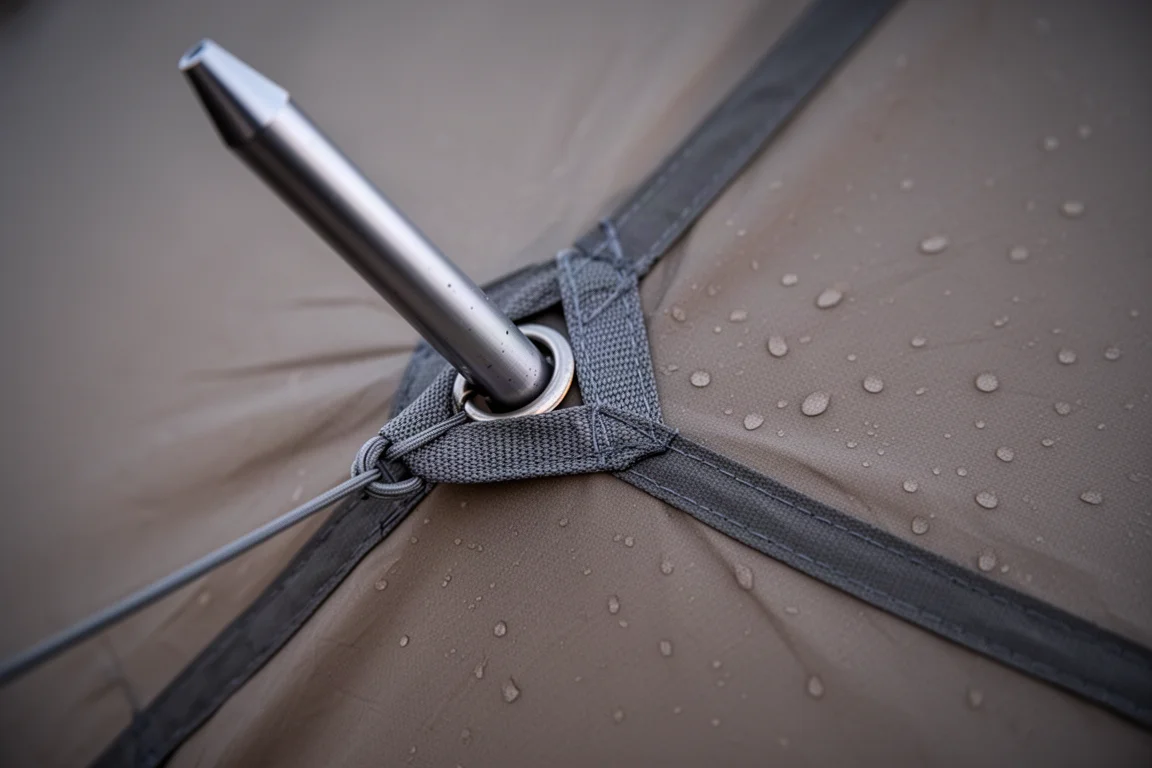
Setup is the standout. The poles slot into the grommets at the sides, the fly goes on, the ground sheet connects, and the whole shelter stakes out without any confusing steps. The sequence is logical enough to be done in the dark or in poor weather, which is exactly when a complicated tent becomes a problem.
The design is unusually thoughtful for the category. There are two doors, two vestibules, and two vents, and the vents have their own zips so they can be opened and closed from inside the tent. That is a rare feature, and it hands you control over airflow without leaving your sleeping bag.
Storage and living space round out the package. The bathtub floor, gear caddy, and generous pocket count keep small items off the floor and within reach, and the interior is tall enough to sit upright in. For a two-person tent of this size, the weight stays impressively low, which is the balance most backpackers are actually shopping for.
Setup, doors, and ventilation
The setup process follows a familiar pattern: feed the poles, seat them into the side grommets, attach the fly, connect the ground sheet, and stake everything out. One practical note that applies to almost any tent of this style is that the body tends to shift while you are inserting the poles, so kneeling on the fabric to hold it in place makes the job quicker. With this tent, each step made sense on the first attempt.
The door and vent layout is where the design earns its keep. Two doors and two vestibules give each occupant their own entry and their own place to stash a pack, and the two vents can be cracked or sealed from inside using dedicated vent zips. That combination gives you crossflow in warm, humid conditions and the ability to close things down when the wind picks up.
Weatherproofing performance over a full test night
The tent was left pitched through a serious stretch of weather. Roughly an inch of rain fell in about 40 minutes, then steady, heavy rain continued for around six hours, with another couple of hours of lighter rain overnight.
Through all of it, the tent did not leak. There was no water inside, no drips hanging on the mesh, and no sign of moisture pushing through the fly. The bathtub floor did exactly what it is designed to do, catching the splashback that heavy rain throws up rather than letting it creep toward the sleeping area.
Condensation did form on the doors and walls, which is expected in damp, cool conditions and is not a fault of the design. Airflow through the tent held up well overnight, and the interior stayed comfortable rather than clammy. Balancing weather protection against ventilation is the hardest part of building a lightweight tent, and this one gets it right.
Things to consider before buying
The test unit had a hole in the mesh on the second door. Mesh is difficult to repair in any reliable way, so a defect like that means a return rather than a fix, no matter what the tent cost. Inspect both door panels closely as soon as your tent arrives.
There were also loose threads throughout the interior. They were not attached to anything structural, so they read as a manufacturing artifact rather than a failing seam, but they are a fair reminder that the overall quality here is good rather than great.
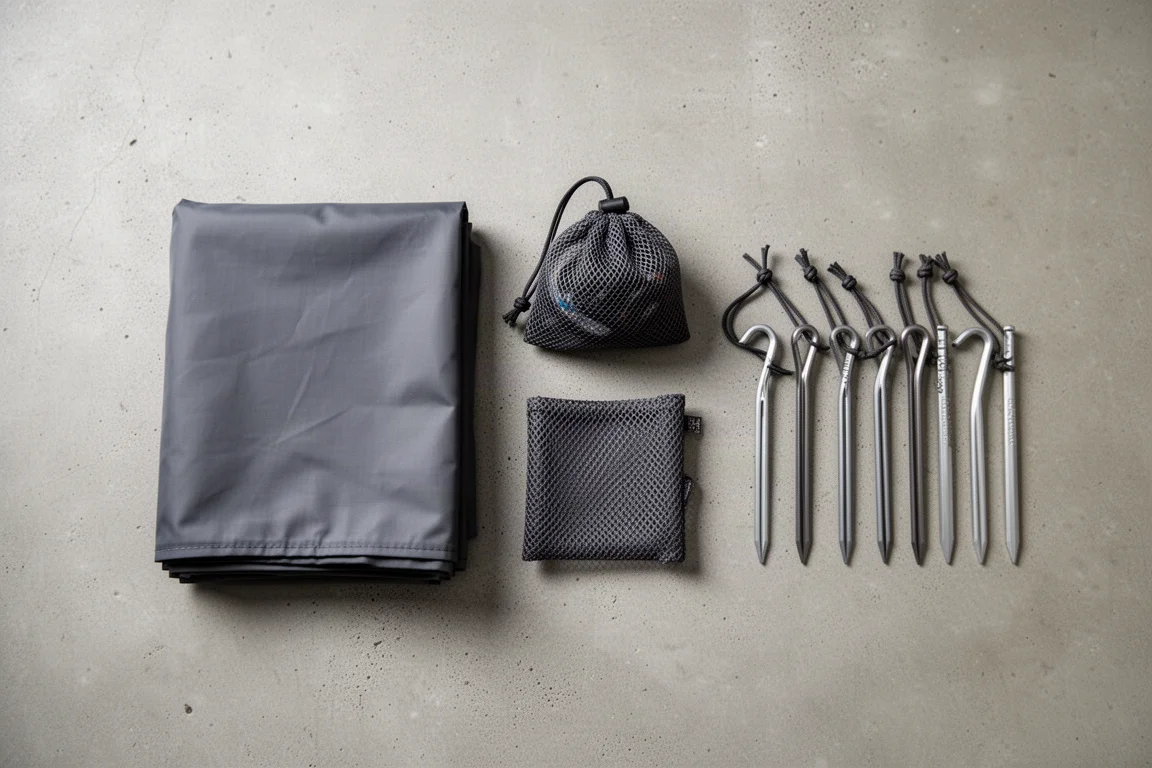
The stakes deserve attention as well. They are among the smallest and thinnest stakes you are likely to handle, which keeps pack weight down but also makes them more prone to bending or snapping. The pull cords on the stakes came untied, and the cordage used does not hold knots particularly well. Plenty of buyers will want to replace them with a set they trust.
Buying advice
If you want a light two-person shelter that goes up quickly and keeps you dry, this tent covers the fundamentals well. The included ground sheet and gear loft add genuine value, and the two-door, two-vestibule layout gives two people a workable amount of space and storage for the weight.
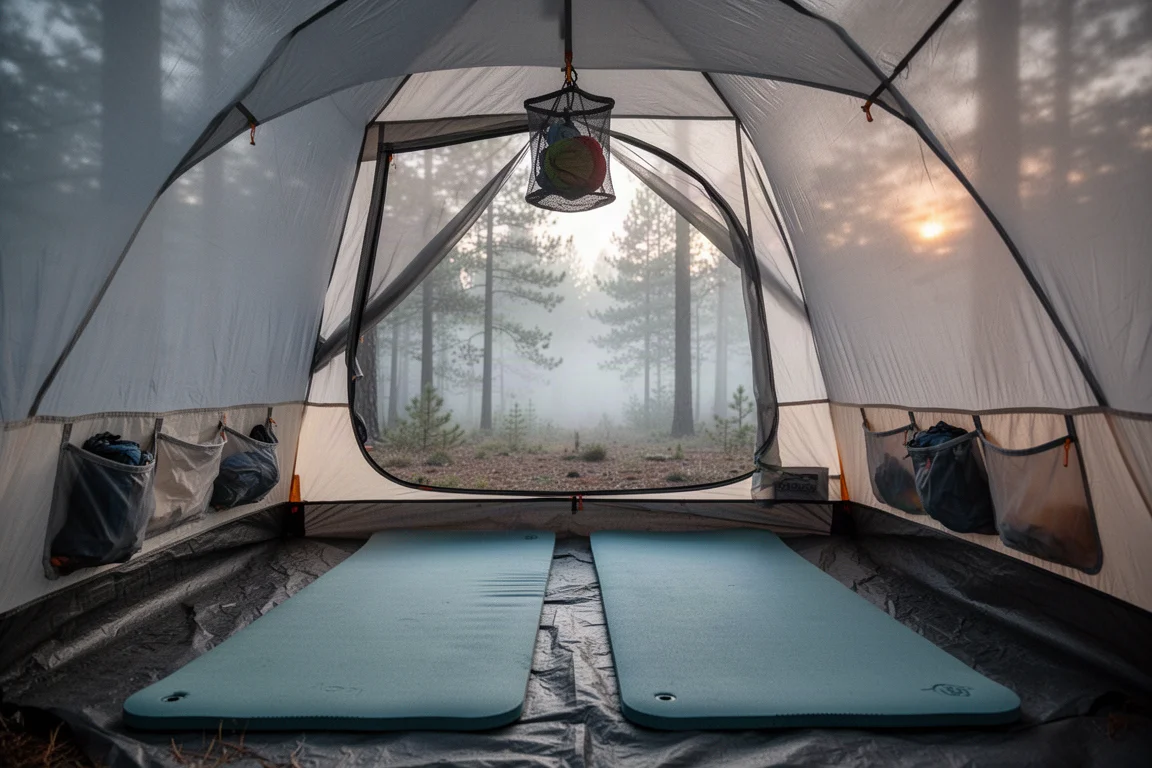
Before your first trip, pitch the tent at home and check both mesh doors, the seams, and the interior threads. Give the stakes a look as well, and consider swapping them for something sturdier if you expect hard or exposed ground.
Because quality control is the main variable with this model, buying from a seller with a straightforward return policy is a sensible precaution. The design itself is sound, and a careful inspection on arrival is what turns a good tent into a dependable one.
Conclusion
The Wildlands Ultralight 2-Person Tent gets the important things right. Setup is simple enough to manage in the dark or in the rain, the waterproofing held up through hours of heavy weather, and the two doors, two vestibules, and internally adjustable vents make it a genuinely livable shelter for its weight. The included ground sheet and gear loft add real value on top.
The caveats are worth taking seriously. The mesh defect on the test unit and the loose interior threads point to inconsistent quality control, and the thin stakes with unreliable pull cords are a weak point on an otherwise thoughtful package. Buy with an inspection routine in mind, and this tent is a strong option for backpackers who camp in wet weather and want a roomy, light shelter without buying the extras separately.
Product link
View more details for Wildlands Ultralight 2-Person Tent
This product is mentioned in the review. Check the specifications, options, and compatibility before buying.
View more details for Wildlands Ultralight 2-Person TentFurther reading
Related Reviews
Backpacking Tents
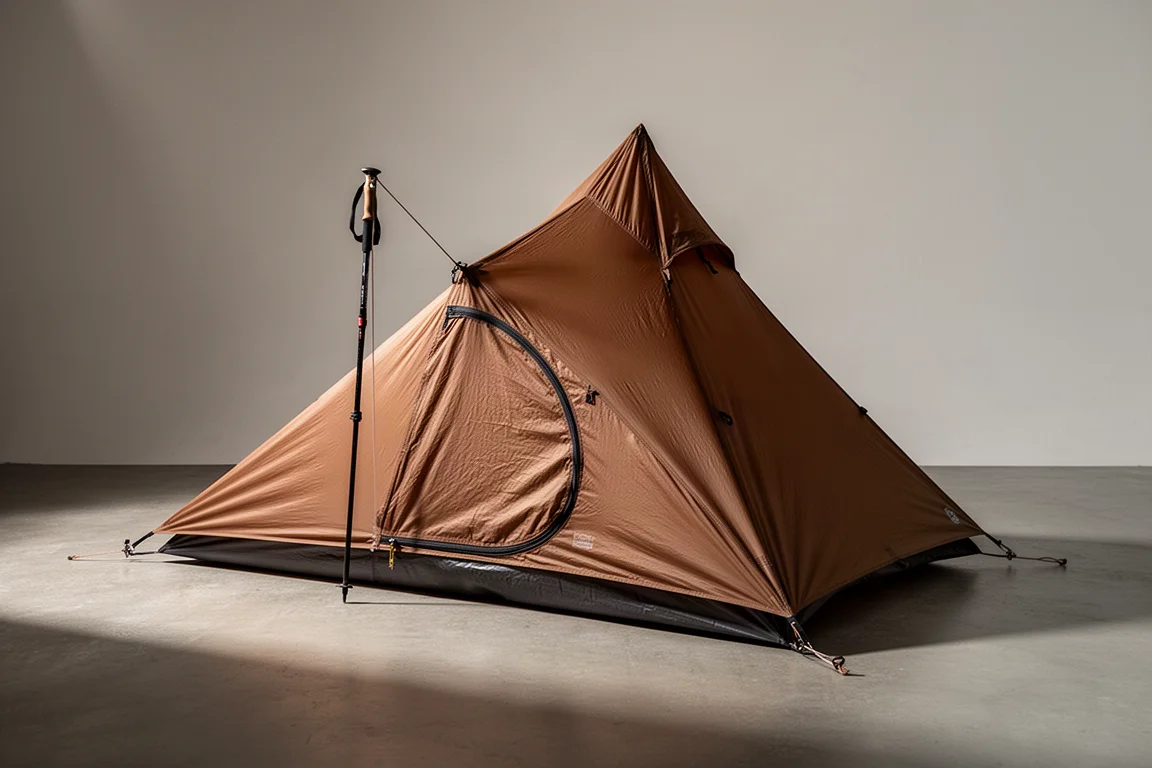
3F UL Lanchan Pro 1 Review: A 1 lb 8 oz Single-Wall Trekking Pole Tent
A practical look at the 3F UL Lanchan Pro 1, a single-wall trekking pole shelter with a 1 lb 8 oz weight, 20D silnylon fabrics, and a roomy 90 x 31 x 49 inch interior.
Backpacking Tents
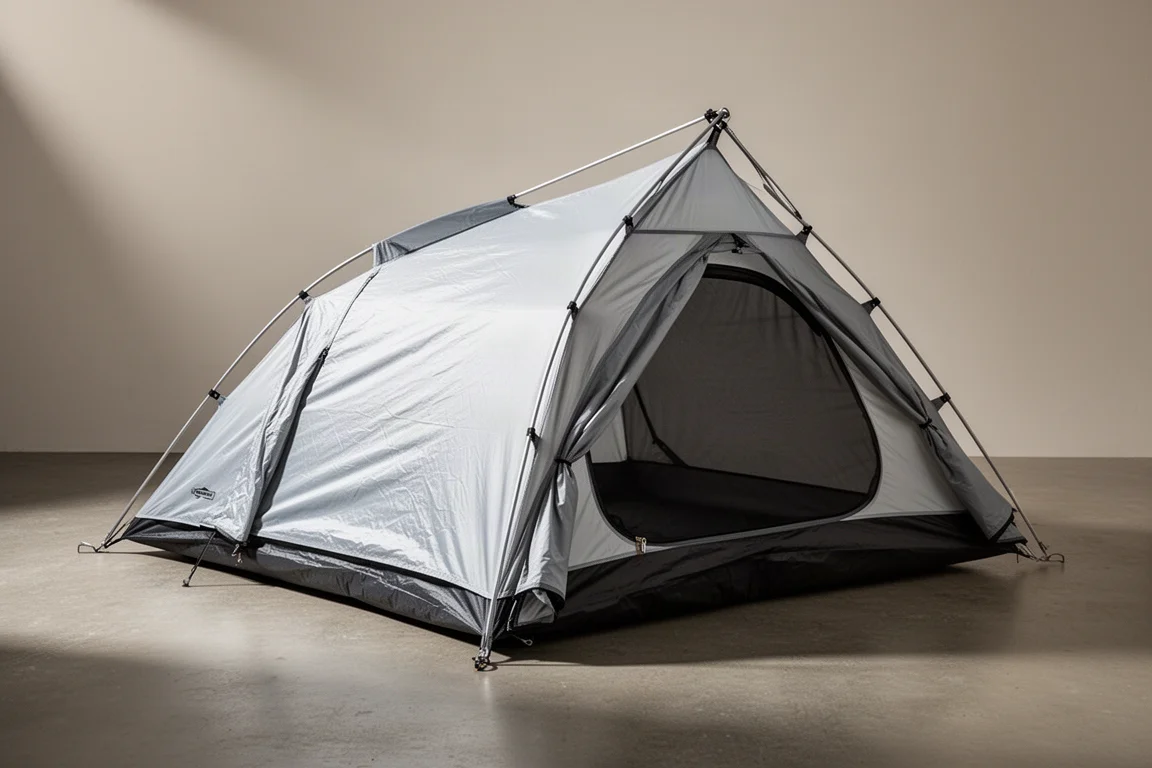
3F UL Taiji 2-Person Tent: A Convertible Backpacking Shelter Worth a Closer Look
A practical look at the 3F UL Taiji two-person tent, covering its materials, true two-person interior, fly-first pitching, and the seasonal inner swap that lets one shelter cover more of the year.
Backpacking Tents
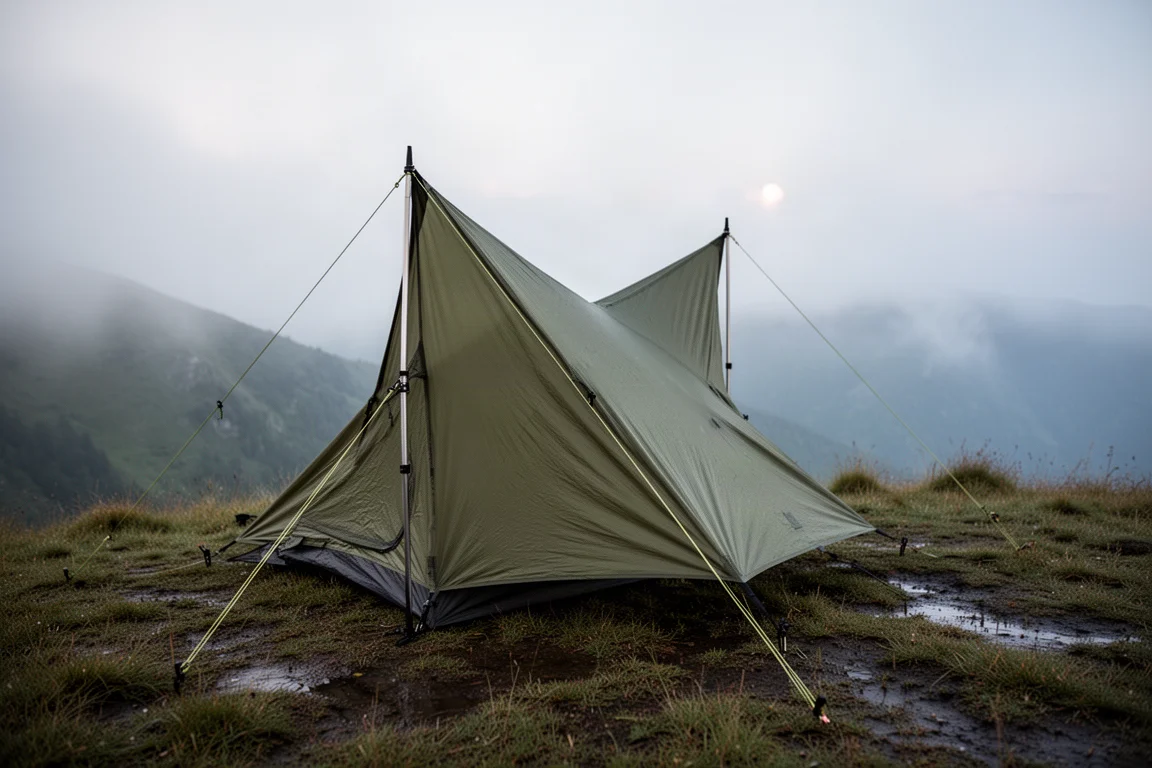
3FUL Lanshan Twoerson Pro Review: A Light Trekking Pole Shelter That Struggled in Rain
A two-person trekking pole shelter with a 2026 redesign, pitched with sticks and put through a night of steady rain. Here is what worked, what did not, and what to check before buying.