Backpacking Tents
Wild Country Huli 2 Review: A Spacious Three-Season Tunnel Tent for Two
A two-person tunnel tent with a genuinely roomy inner, a large porch, and a 2.45 kg packed weight that can be split between two people.
Introduction
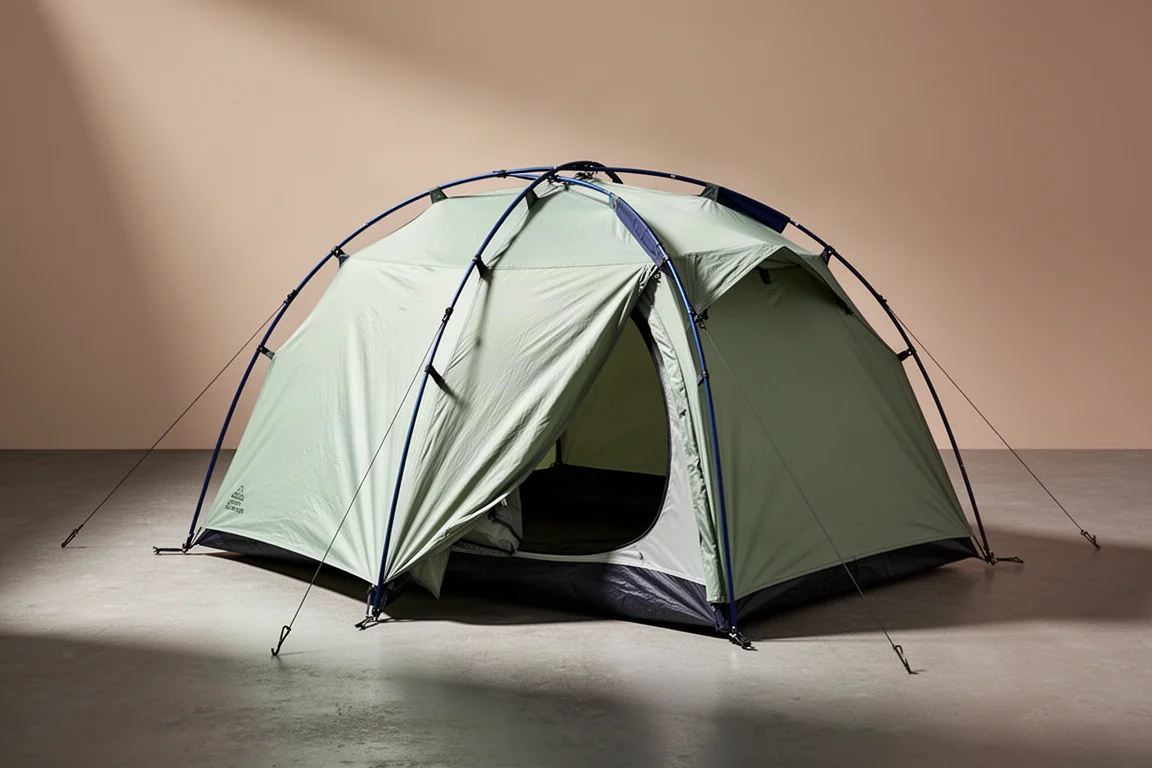
The Wild Country Huli 2 is a two-person tunnel tent built for backpacking and three-season camping, with a retail price of around £220 and a stated packed weight of 2.45 kg. Those two numbers frame the whole proposition. This is not the lightest shelter in its class, and it does not pretend to be. It is a tent designed around interior space, a usable porch, and a pitching process that stays simple in poor conditions.
Wild Country is well known for trekking-pole shelters and backpacking tents, and the Huli 2 follows a straightforward brief: two alloy poles, a classic tunnel shape, an inner and fly that pitch together, and a fly that can also be pitched on its own. It suits spring through autumn use, and the three-person version exists for anyone who wants the same layout with more room.
Who the Wild Country Huli 2 Is For
The Huli 2 makes most sense for two people who share the load. At 2.45 kg, the packed weight is entirely manageable when one person carries the fly and inner while the other takes the poles and pegs. Solo backpackers who count every gram will find it heavy, and anyone heading into serious winter conditions should look elsewhere, since this is a three-season design.
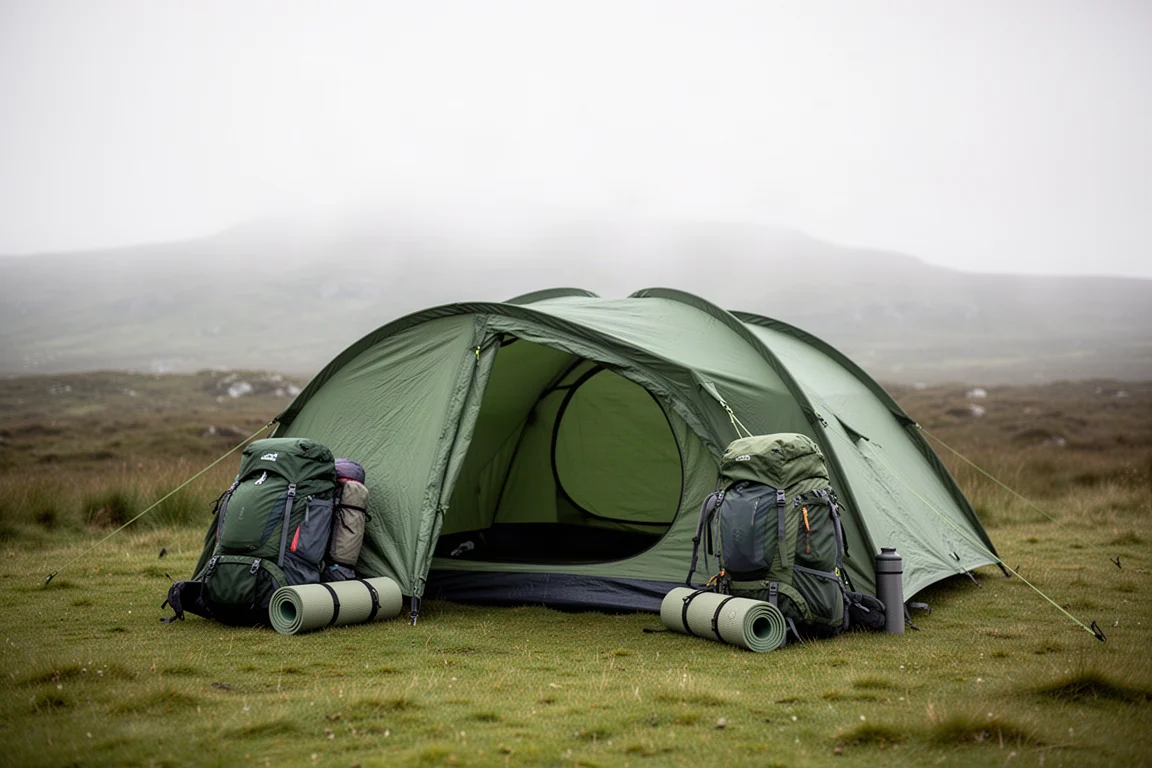
Where it fits best is with campers who care more about living space than minimum weight. The tunnel shape gives a long, uninterrupted interior, the porch is large enough for packs, boots, and cooking gear, and the whole package stays quick to pitch. It is a sensible choice for multi-day backpacking trips, organised expedition-style use, and anyone stepping up from a first tent into something roomier.
For buyers who want a shelter they can sit inside on a wet evening rather than lie in and wait for the weather to pass, the priorities here line up well.
Main Strengths
Roomy Interior and a Large Protective Porch
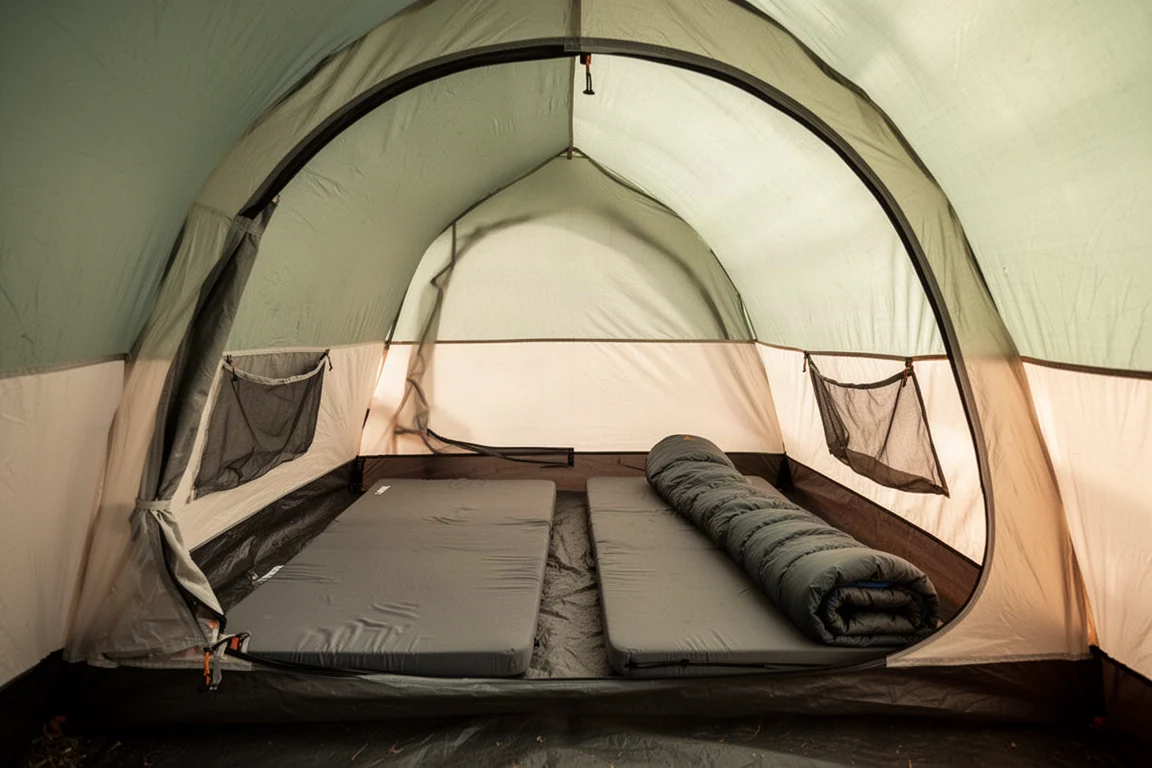
Space is the headline feature. Two sleeping mats fit side by side with room left between them, plus usable head and foot room at either end. Occupants around 6 ft 1 in can sit up without pressing against the flysheet, and there is enough clearance to move around without feeling confined.
Each side has a generously sized mesh pocket that holds far more than a phone and a head torch. The inner door is a large oval with a mesh panel at the top, and it ties back out of the way with small toggles, so you can leave it open and look out. The porch itself is the real luxury: rucksacks on one side, cooking kit on the other, and enough floor area to sit in and prepare a meal while the weather does its worst outside. A footprint is available separately if you want an extra layer under the groundsheet.
Quick Pitching and a Taut Fly
Pitching is refreshingly simple. Both poles are the same length, so it does not matter which sleeve each one goes through. Push them through, peg out the two ends, pull the tent taut, then work around the guy lines. There are ten guy line tie-off points plus two pegging points at each end, giving fourteen anchoring options in total, though you can get a solid pitch with far fewer in calm conditions.
The inner attaches to the fly with a ring of plastic clips that are easy to handle in gloves, and each clip can be tensioned, which keeps the fabric tight around the front and back instead of sagging. At the pole ends there are alternative attachment points, so the poles can be doubled up at the inner position for extra rigidity when the wind picks up. A short pole sleeve is included for reinforcing or threading a pole if one bends or cracks. The fly can also be pitched on its own, which is useful for a quick shelter or for drying the inner separately.
Fabric, Pegs, and Packed Size
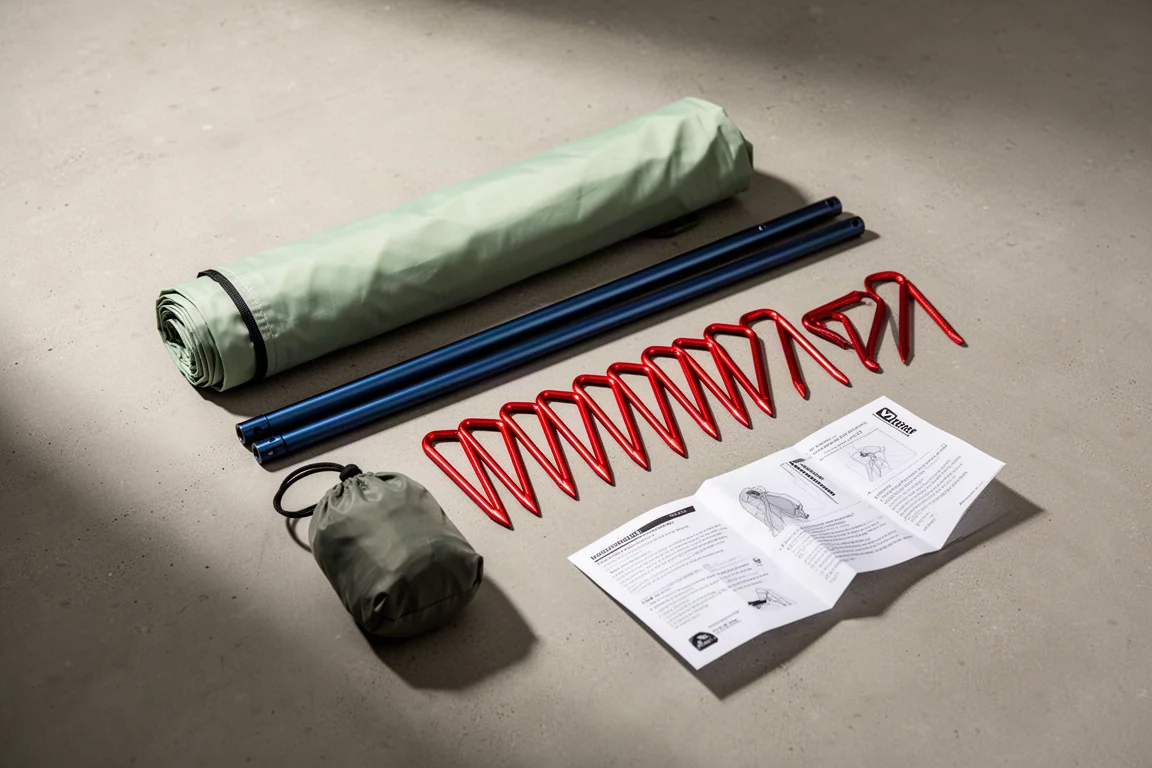
The flysheet uses Storm XP 4000 fabric and the groundsheet uses Storm XP 5000, a pairing intended to handle sustained three-season rain. The tent ships with fifteen alloy pegs in a V shape, which bite well and resist bending, and the peg bag is roomy enough that packing them away is never a fight.
The stuff sack is one of the more thoughtful parts of the package. It has a carry handle that doubles as a compression strap, a second handle on the side, a toggle closure, and a separate compartment that can hold the poles. The trade-off is bulk: the packed size is noticeably larger than a lightweight backpacking tent, which is the price of the interior volume. A small owner’s manual with pitching advice, zip care, and spare parts information is included, but there is no repair kit or spare fabric in the box.
Things to Consider Before Buying
The 2.45 kg packed weight is the first thing to weigh up. It is fine when split between two people and noticeable when carried alone, and the bulky pack size takes up meaningful room in a rucksack. Rolling the tent rather than stuffing it makes it easier to get back into the sack.
The guy line adjusters are a traditional design rather than a quick-release type. They work, but they are fiddly to tension with cold or gloved hands, and moving the peg further out is often the faster fix. That is a small annoyance rather than a dealbreaker, and it does not add weight either way.
Ventilation is the other limitation. There is a vent at the rear, another under the flysheet at the back, and a mesh panel at the top of the door, and the side fabric does not reach all the way to the ground, so some air moves through. Even so, there are no additional zip openings at the rear of the tent, so the door remains the main ventilation point. In still, humid conditions condensation is likely, and the sensible approach is to leave the upper door section open and accept the trade-off against insect protection.
Buying Advice
The Huli 2 is a straightforward buy for two people who want a durable three-season tunnel tent with real living space, and who are happy to divide the weight. Its strengths are practical rather than technical: a taut pitch, a big porch, a roomy inner, and a setup that does not demand practice to get right. If your trips involve long days on the hill followed by wet evenings in camp, that combination is worth more than a lighter spec sheet.
Buyers who should look elsewhere are solo backpackers cutting grams, anyone planning winter or severe-exposure trips, and campers who need maximum ventilation in warm, humid conditions. For everyone else, the decision usually comes down to one question: is the extra interior room worth carrying a little more weight? For two-person trips where comfort matters, the answer is often yes.
Conclusion
The Wild Country Huli 2 gets the fundamentals right. It pitches quickly, holds its shape well thanks to the clip-and-tension system, and offers the kind of interior and porch space that makes a rainy evening genuinely comfortable. The materials are chosen for three-season weather rather than featherweight numbers.
The compromises are clear and predictable: a 2.45 kg packed weight, a bulky stuff sack, basic guy line adjusters, limited ventilation, and no repair kit in the box. None of these undermine the tent’s purpose. They simply define who it suits, which is two people sharing the load on spring-to-autumn backpacking trips where space and simplicity matter more than the lightest possible pack.
Product link
View more details for Wild Country Huli 2
This product is mentioned in the review. Check the specifications, options, and compatibility before buying.
View more details for Wild Country Huli 2Further reading
Related Reviews
Backpacking Tents
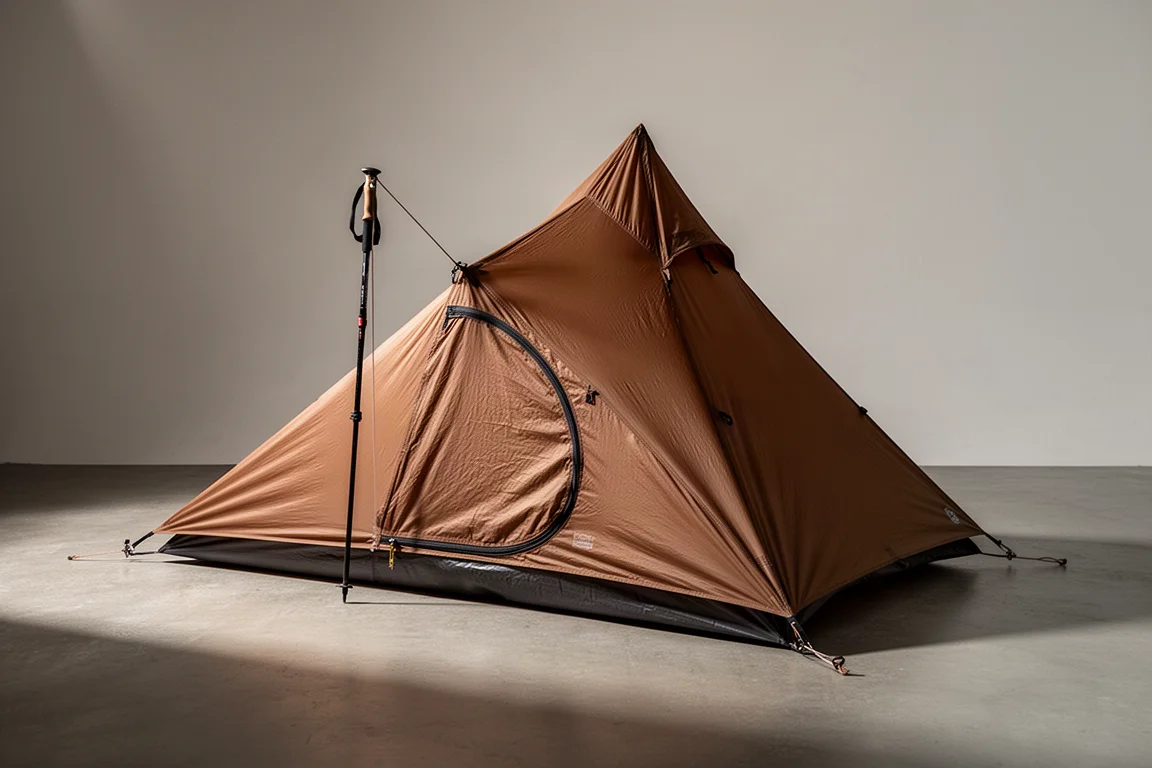
3F UL Lanchan Pro 1 Review: A 1 lb 8 oz Single-Wall Trekking Pole Tent
A practical look at the 3F UL Lanchan Pro 1, a single-wall trekking pole shelter with a 1 lb 8 oz weight, 20D silnylon fabrics, and a roomy 90 x 31 x 49 inch interior.
Backpacking Tents
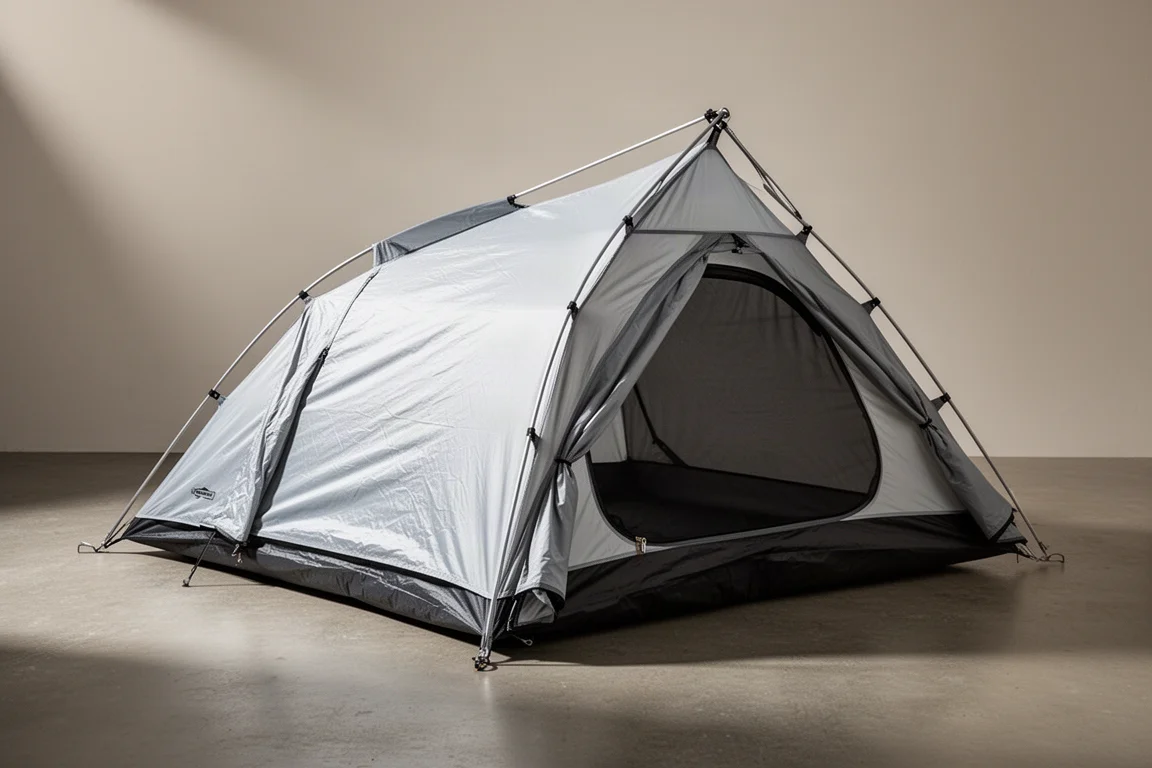
3F UL Taiji 2-Person Tent: A Convertible Backpacking Shelter Worth a Closer Look
A practical look at the 3F UL Taiji two-person tent, covering its materials, true two-person interior, fly-first pitching, and the seasonal inner swap that lets one shelter cover more of the year.
Backpacking Tents
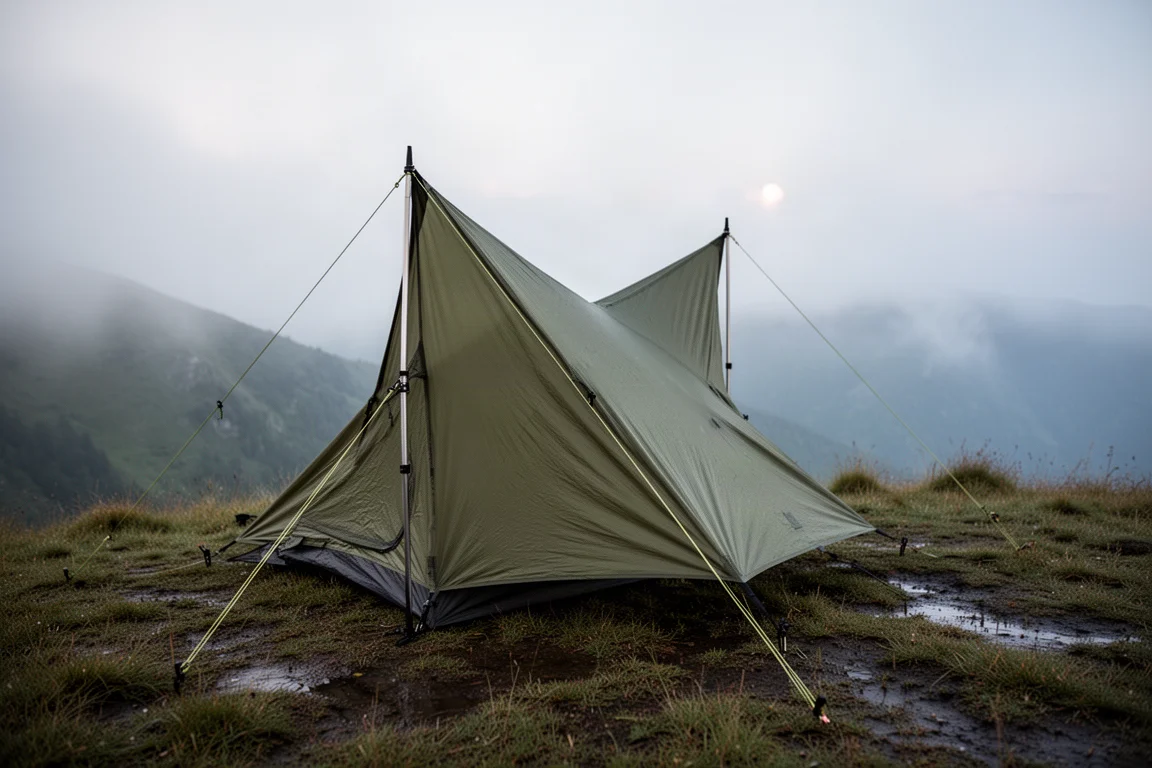
3FUL Lanshan Twoerson Pro Review: A Light Trekking Pole Shelter That Struggled in Rain
A two-person trekking pole shelter with a 2026 redesign, pitched with sticks and put through a night of steady rain. Here is what worked, what did not, and what to check before buying.