Camping Gear
Wild Camping Gear: 6 Buying Mistakes to Avoid
Six common wild camping gear mistakes explained, with specific picks for sleeping bags, tents, stoves, backpacks and socks.
Introduction
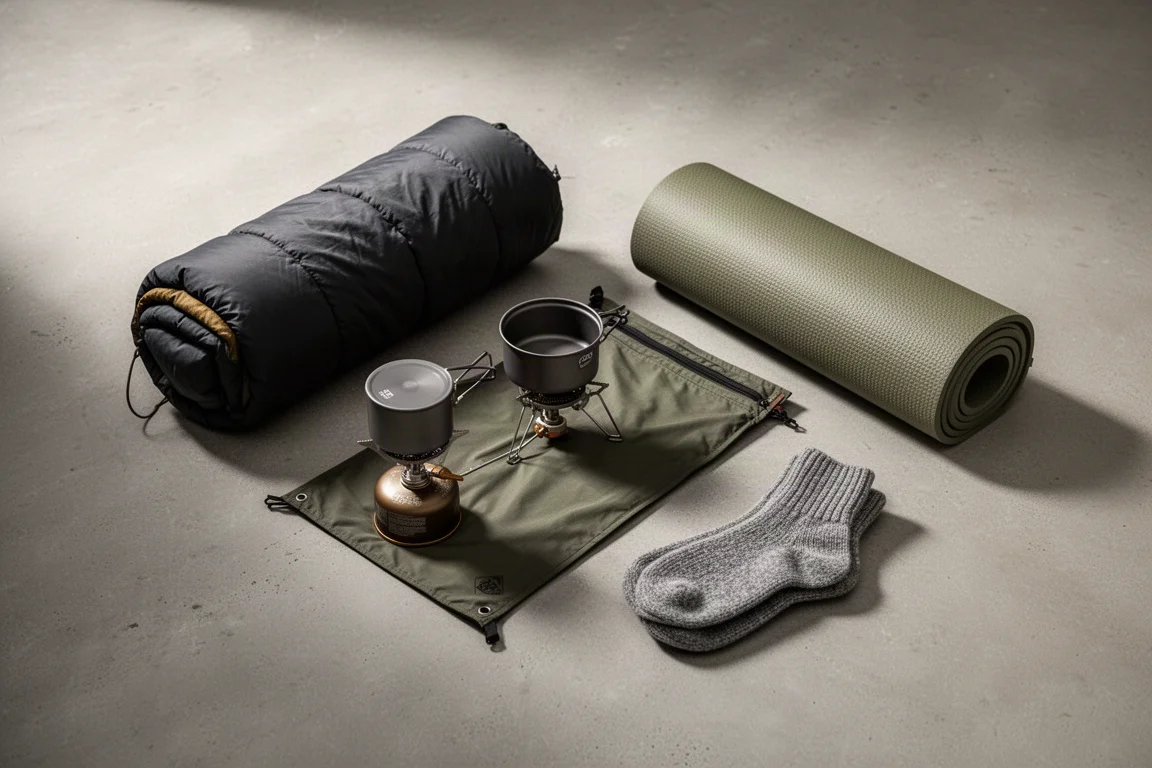
Wild camping gear is harder to buy well than it looks. Comfort ratings, weight figures and season labels are quoted differently by every brand, and the gap between what a specification promises and how a night on a cold hillside actually feels can be considerable. This guide covers six areas where buyers most often end up disappointed, and names a specific product in each category that handles the fundamentals well.
What to Decide Before You Buy
Decide first what you are optimising for: light weight, comfort, durability or budget. Those goals pull against one another. Comfort generally costs weight and bulk, so a comfort-focused setup usually means a larger pack with more padding and a genuinely good fit. Settling this question before you shop prevents the familiar pattern of buying light gear, finding it uncomfortable, and replacing it at a loss.
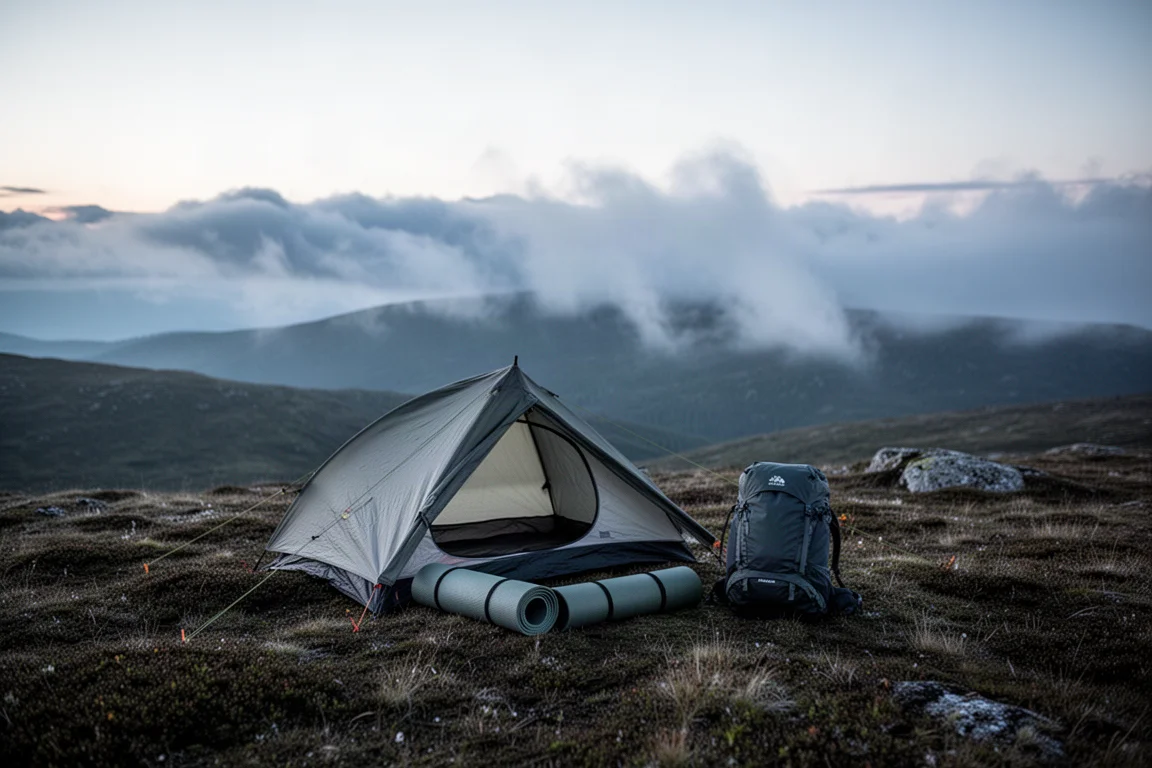
Treat every specification as a starting point rather than a guarantee. Comfort ratings, weight figures and season labels are not measured the same way across brands, and the all-in figure is often the one that decides whether a piece of gear works for you.
Sleeping Bags: Treat Comfort Ratings With Caution
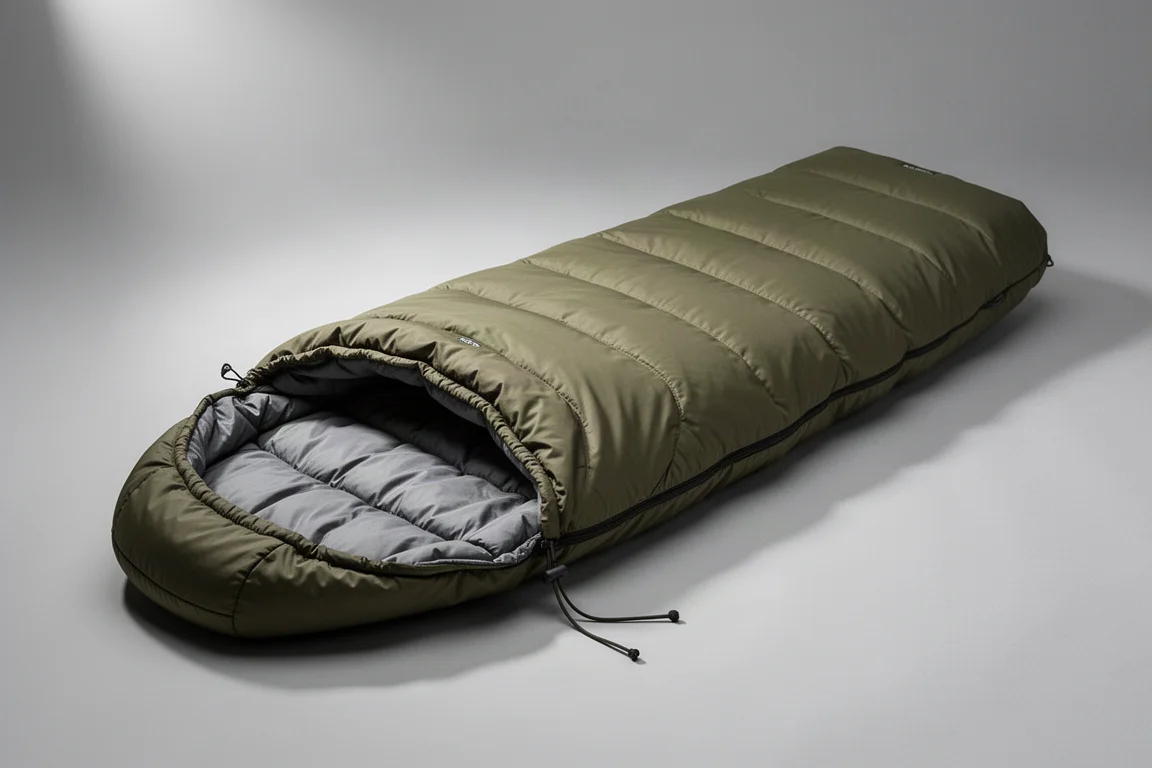
Comfort ratings are the single biggest source of frustration. A bag quoted at seven degrees comfort was used through a week of nights that fell to seven degrees, and the result was genuinely cold. A practical rule of thumb is to assume at least three degrees of headroom on a quoted comfort figure, and in many cases as much as five. When in doubt, go one level warmer than the rating suggests you need.
Pack size deserves the same care. A very small packed bag is often a cold bag, because the compression usually comes from using less insulation. Synthetic and down bags with similar temperature ratings can also differ less in packed size than buyers expect, so if you plan to camp in slightly colder conditions, a down bag is worth considering.
Sleeping mats matter just as much. A bag works by trapping warm air in its loft, and body weight compresses that loft underneath you. An insulated mat compensates for the flattened insulation beneath your body, while a thin mat with a very low or unrated value will not. Insulated mats weigh a little more and pack a little larger, and they are usually worth both penalties. Pillows follow the same logic in miniature: a tiny inflatable packs to nothing but offers little padding, while a larger pillow with some foam weighs more and can noticeably improve how well you sleep.
Tents: Weigh the All-In Figure, Not the Headline
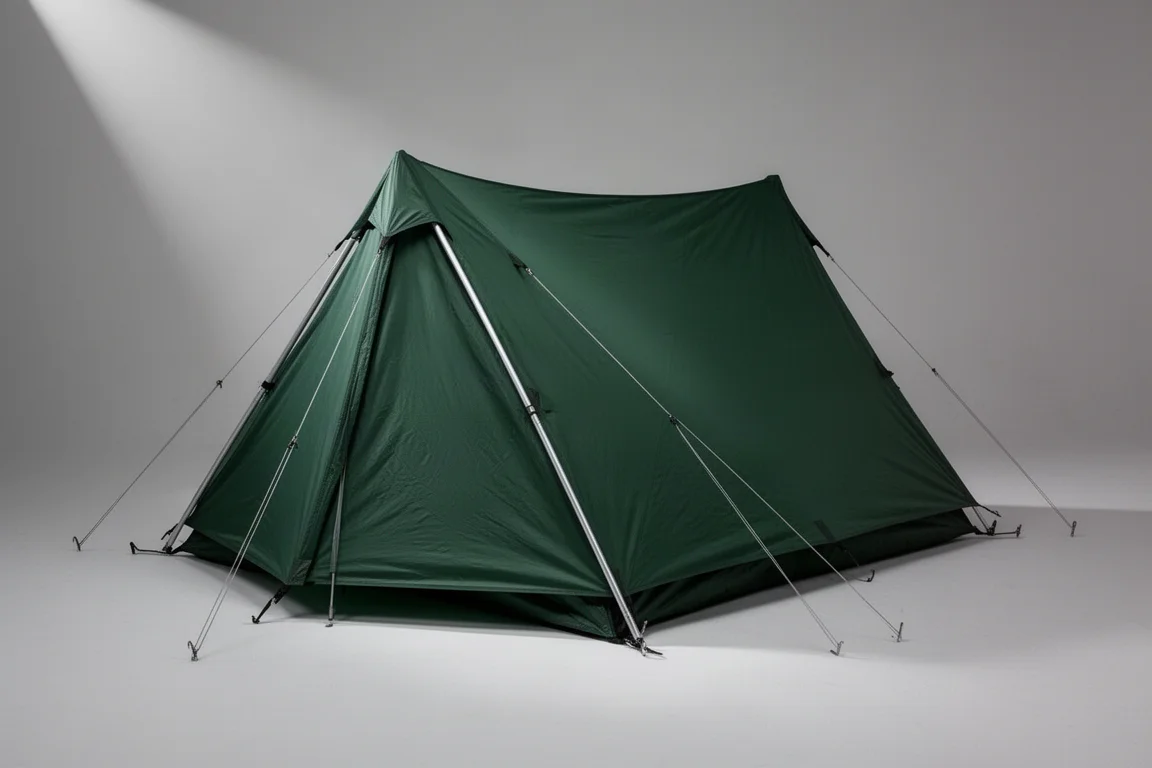
A one-person tent is not automatically smaller or lighter than a two-person model. A well-designed two-person tent can be shorter and lighter than a one-person tent from another brand, so compare the measurements and the weights rather than the person count. The Hilleberg Soulo illustrates the point well: it is a one-person tent, and it is not the smallest or lightest option once a two-person alternative is placed beside it.
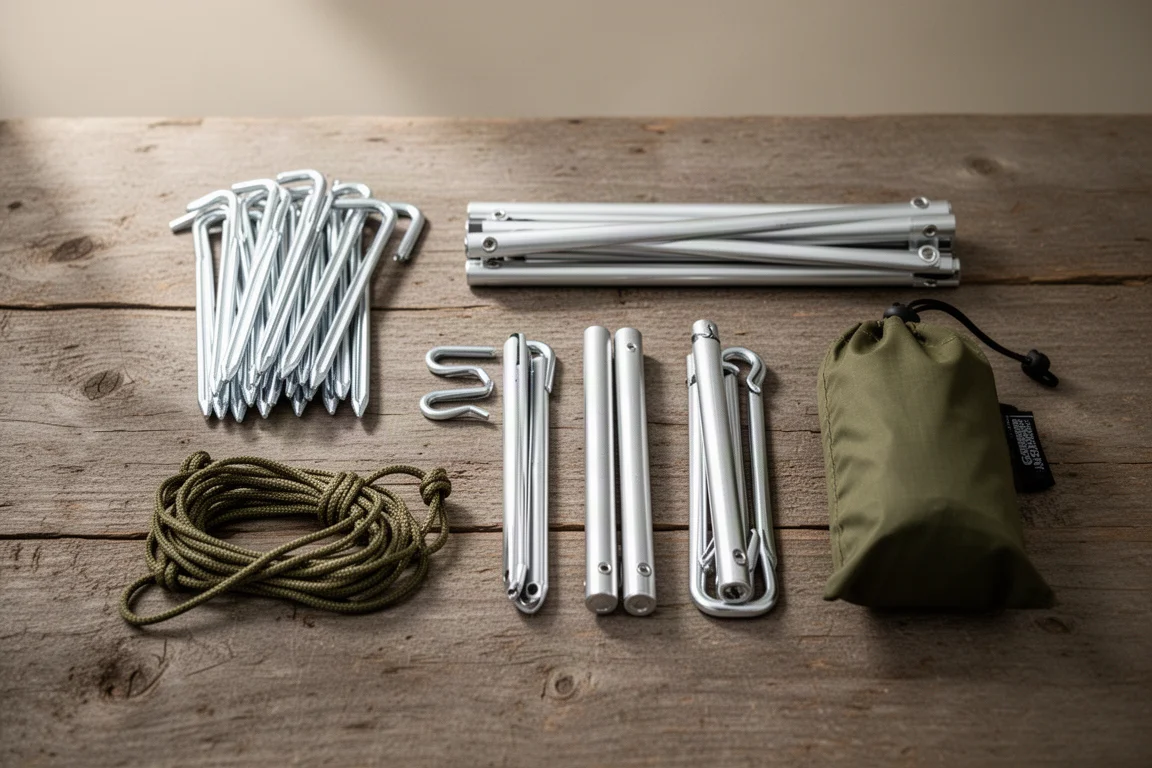
Weight claims need checking too. Not every manufacturer quotes an all-in weight, and a tent listed at around 2.2 kg can come out closer to 2.7 kg once poles, pegs, guy lines and stuff sacks are included. That is roughly half a kilogram more, which is significant on a multi-day trip. Before comparing two tents, confirm what the quoted figure actually covers.
Four-season claims are worth inspecting closely as well. Rugged four-season designs tend to use thicker fabrics, more solid mesh panelling, and a flysheet that reaches the ground. If a tent is marketed as four-season but shows none of those features, treat the claim with caution.
Build quality varies enormously. Some ultralight tents use very thin fabrics, small fastenings and minimal ribbon, and may arrive without stakes and guy lines. That is a reasonable trade for experienced users who know what they are buying, but it is not the same thing as the durability of a heavier, more robust build, and some cheaper tents can comfortably outlast them.
Camping Stoves: Spend or Save
A camping stove has one core job: boil water and heat food. Because the function is simple, there is no need to agonise over the choice. Decide how much convenience you want to pay for, then buy to that.
Jetboil MiniMo: The All-in-One Option
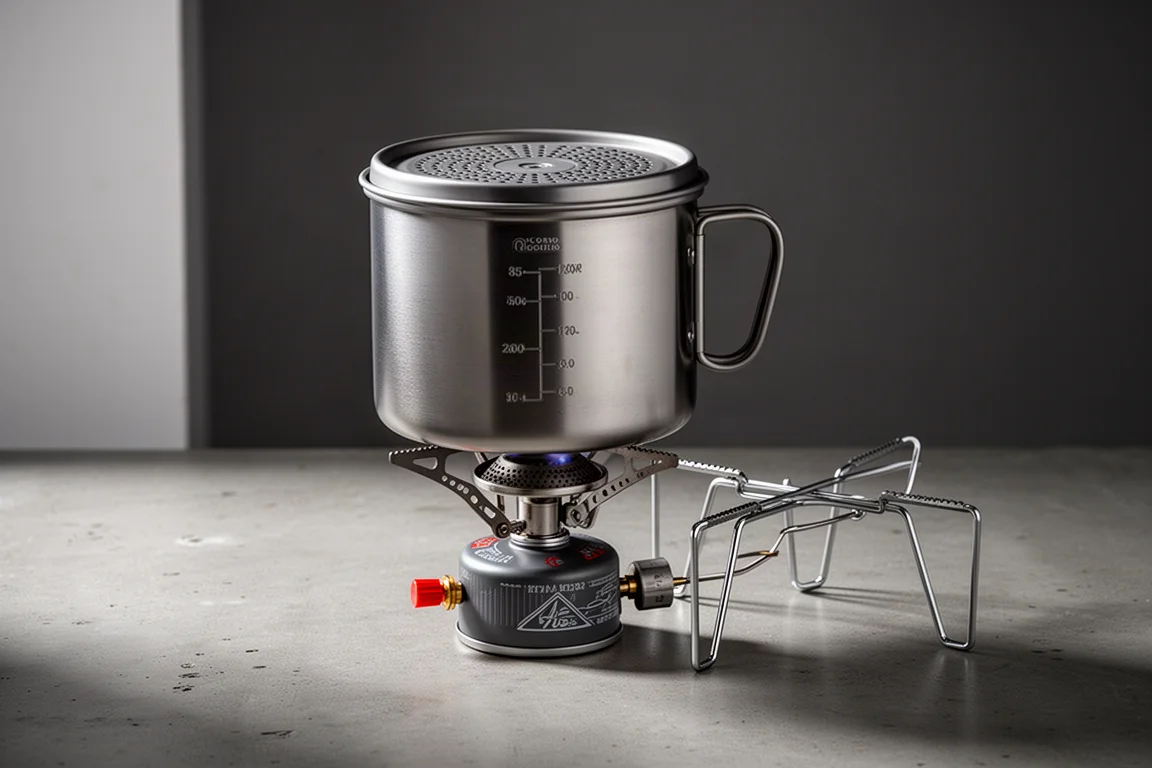
An all-in-one system that integrates the burner and the pot into a single unit, which makes it quick and tidy to use and easy to live with on a trip. It sits at around £150, a serious outlay for a stove, but the convenience is real and the package is well executed.
MSR PocketRocket: The Lightweight Budget Option
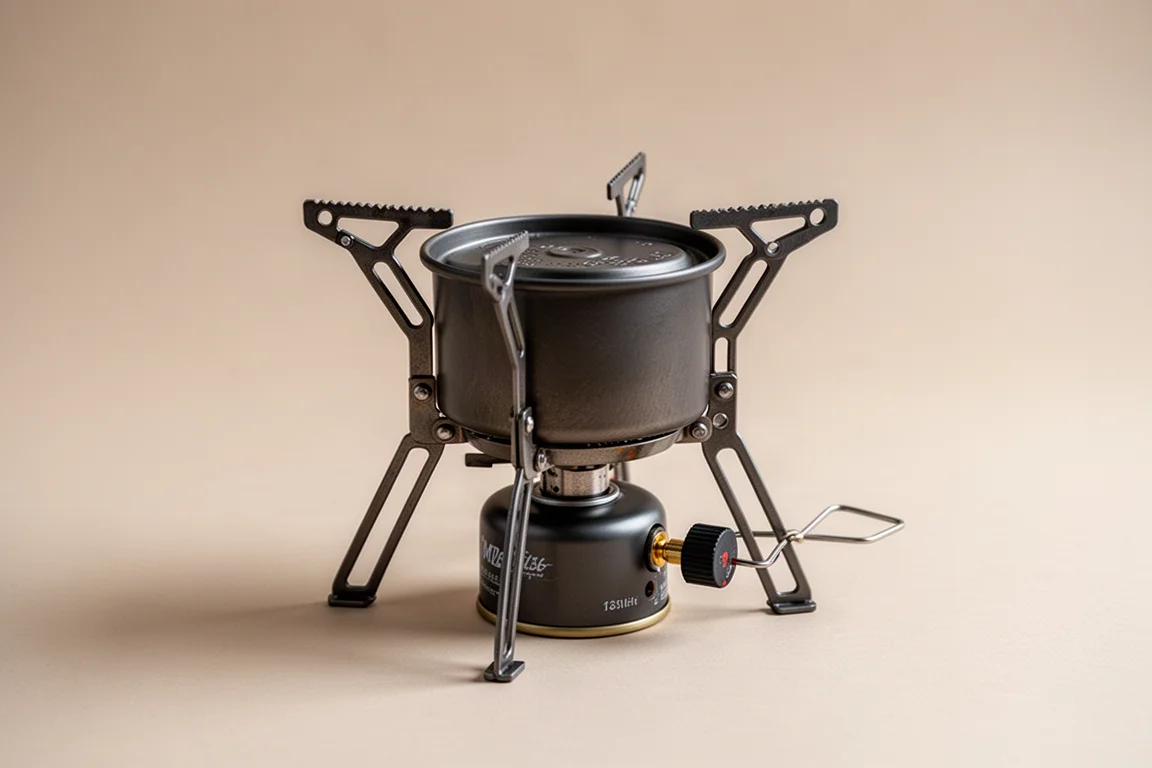
A tiny stove at around £26 that does the same essential job without the integrated pot. Simpler stoves can be found for around £10 and they will still boil water. If the budget is tight, there is no reason to feel that a premium stove is mandatory.
Backpacks: Fit Matters More Than Weight
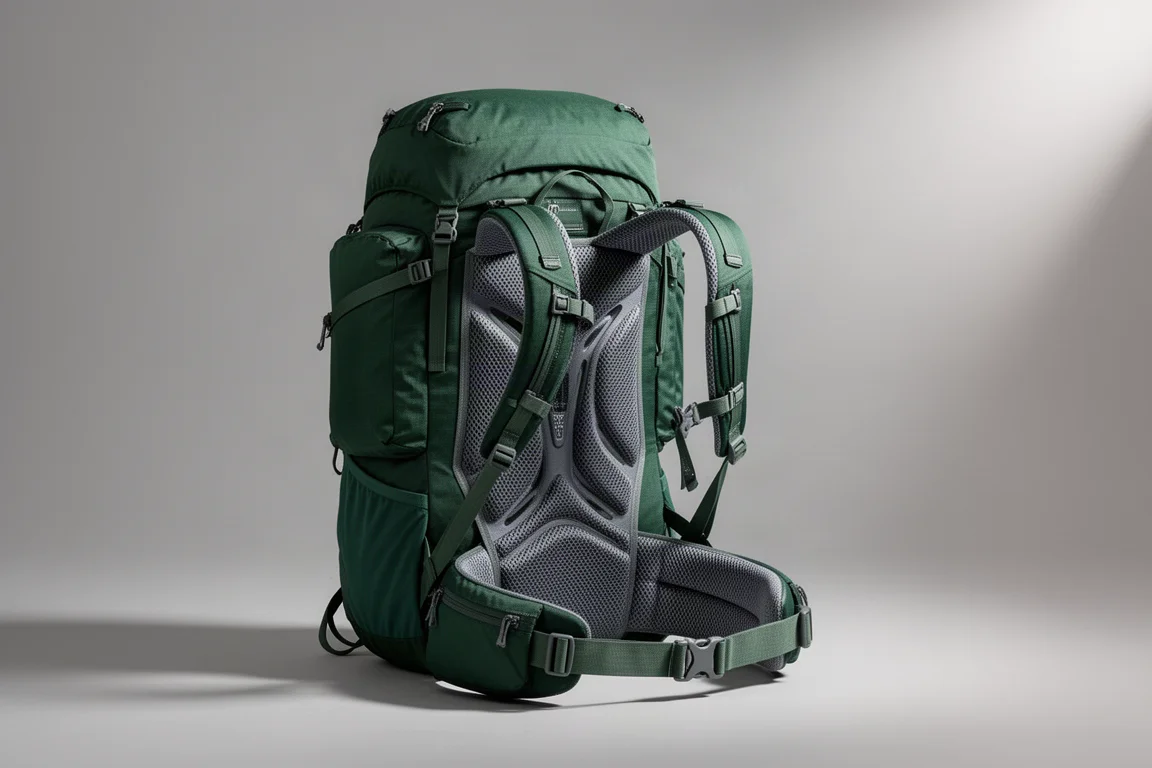
Saving weight on a backpack does not automatically make it more comfortable. A pack that weighs less than half as much as a fully featured model can be noticeably less comfortable once it is properly loaded. Heavier packs usually carry more padding, stronger shoulder straps and a hip belt designed to transfer load onto the hips, and that is what makes the difference over a long day.
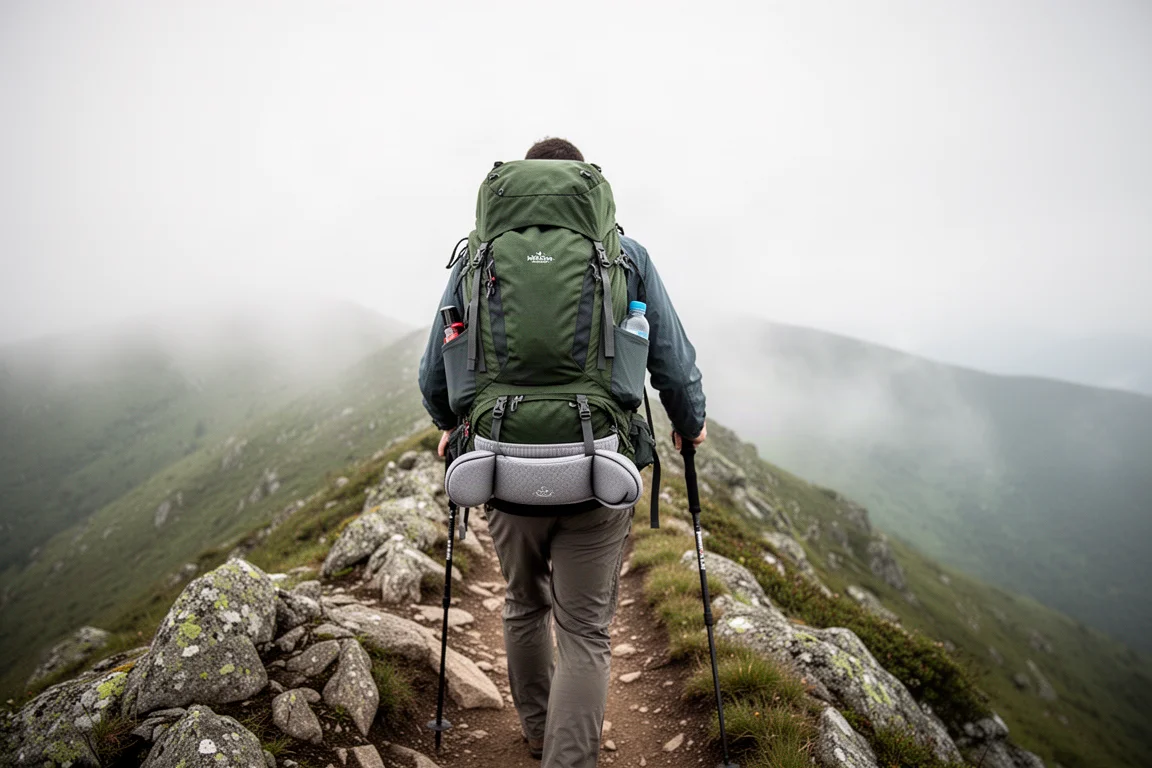
Fit is the other half of the equation. A pack can feel perfect in a shop with nothing in it and then sit badly once it is full. The test that matters is a fully weighted pack: if it sags and the weight hangs on your shoulders instead of your hips, you either need more adjustment or a different size. Highly adjustable designs are not immune to this, and the wrong size can turn a comfortable pack into an uncomfortable one. If you cannot load a pack before buying, picture it fully weighted and check whether there is enough adjustment left to make it sit properly.
Socks: The Layer Most People Ignore
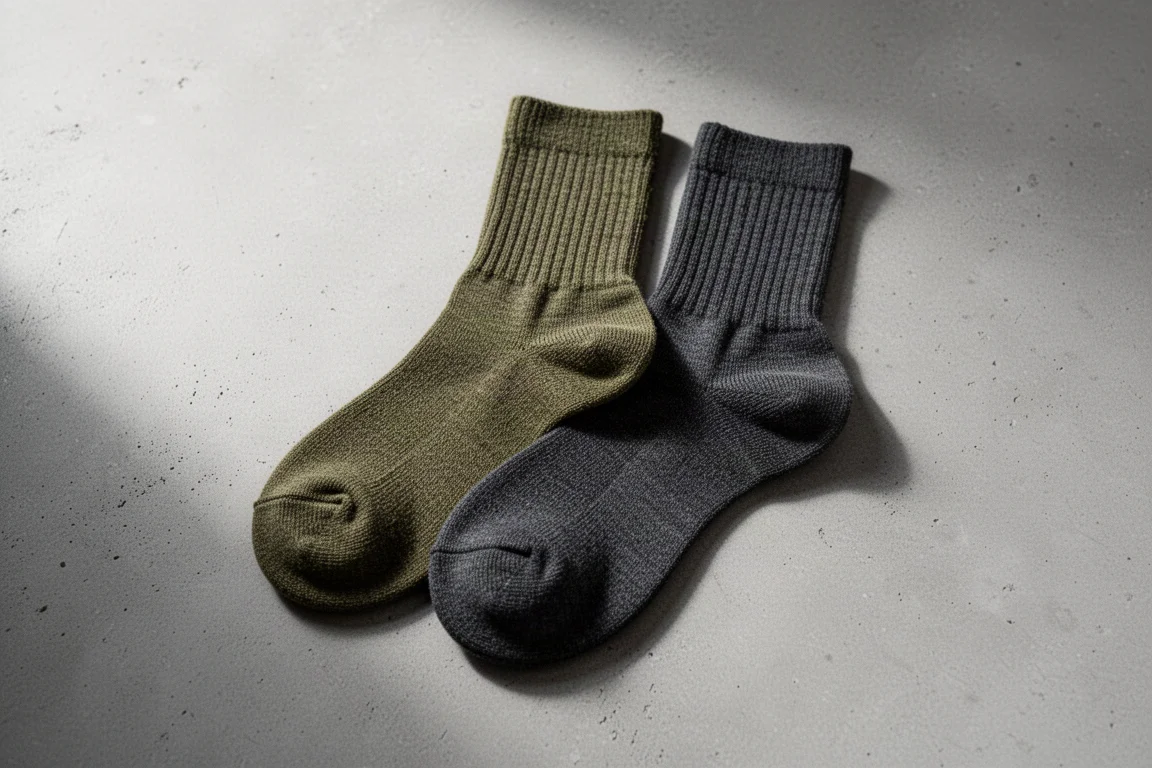
It is common to spend heavily on hiking boots and then wear everyday socks or a random pair from a drawer. Socks are the interface between your foot and the boot, and the wrong ones cause blisters and cold feet no matter how good the boot is. Merino wool socks are the practical answer: they handle moisture and temperature well and have proven reliable across a range of different boots. Thicker socks add warmth and cushioning, but if you intend to wear them, size your boots accordingly, because a boot that fits with thin socks can be too tight with thick ones.
Waterproof Layers: Breathability Beats a Basic Shell
A basic waterproof jacket keeps rain out, and many people reasonably assume that is all a shell needs to do. On a hike you generate a great deal of heat and moisture, and a jacket that does not breathe leaves you wet from the inside regardless. A breathable membrane moves that moisture out while keeping rain out, so you stay dry inside even when the outside of the jacket is soaked. Breathable waterproof jackets and trousers are available beyond the best-known membrane names, so it is worth comparing options rather than assuming there is only one route.
Overall Buying Advice
Start by deciding what you are buying for: light weight, comfort, durability or budget. Most backpackers end up favouring comfort, and comfort usually brings extra weight and bulk with it. That means choosing a larger backpack with generous padding and a fit that has been checked with the pack fully loaded, plus a sleeping setup that is warmer than the headline rating suggests.
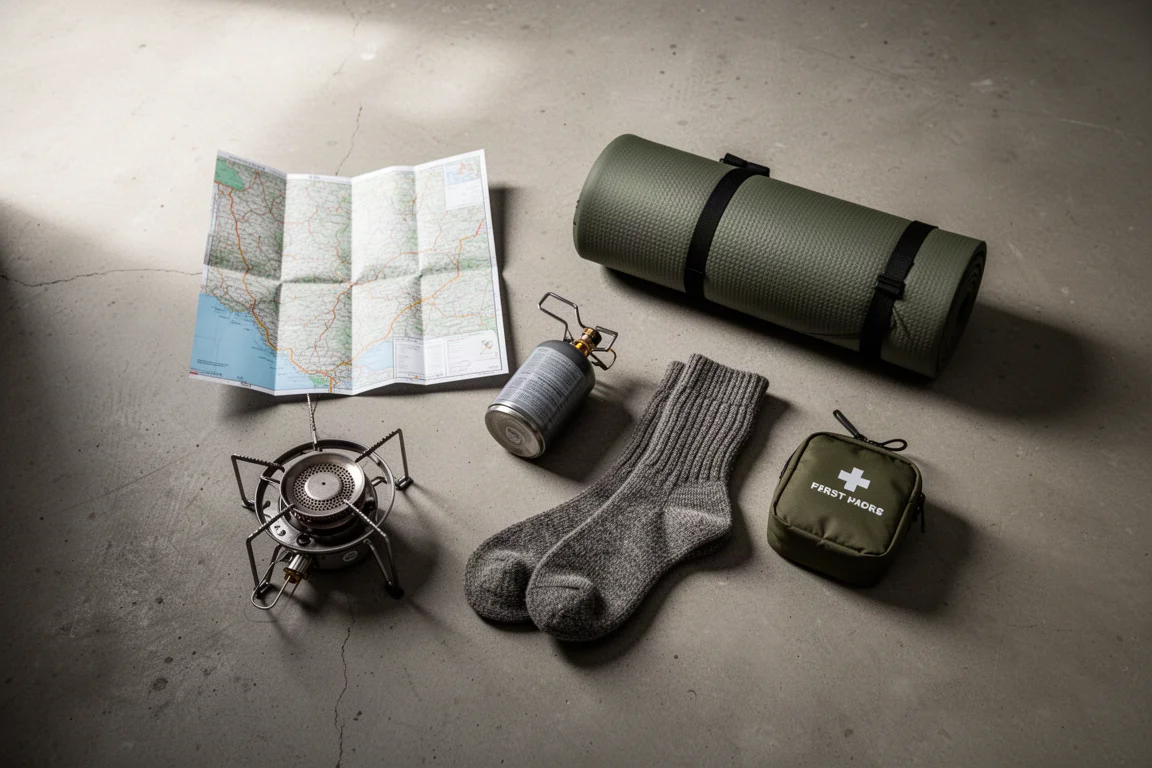
Matching each item to the way you actually camp matters more than chasing the lowest weight or the lowest price. A tent that suits the seasons you camp in, a mat that insulates, a stove that matches your budget and socks that fit your boots will all do more for a good night out than a lighter specification sheet.
Conclusion
The mistakes worth avoiding are mostly about expectations. Add headroom to comfort ratings, check what a tent weight actually includes, treat four-season labels with caution, buy a pack that fits when it is loaded, and do not neglect socks or breathable waterproofs. Get those basics right and you are far more likely to buy the right gear once, rather than buying, replacing and selling it secondhand.
Further reading
Related Reviews
Camping Gear
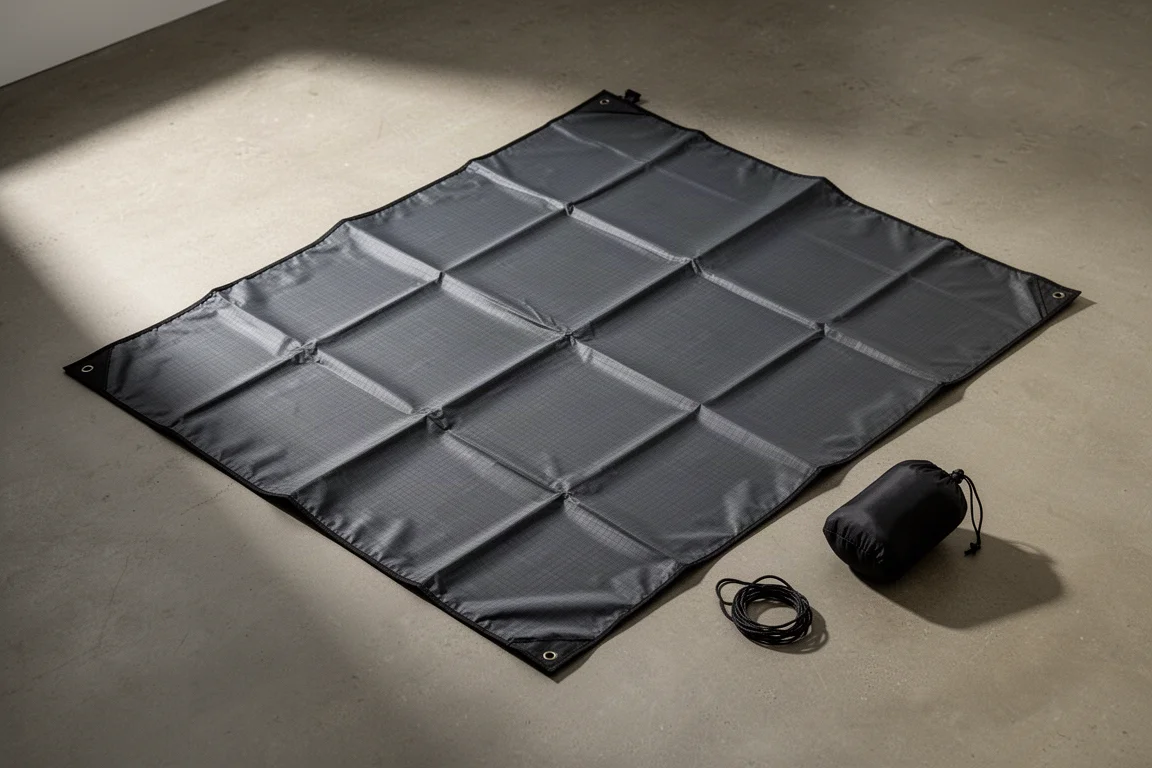
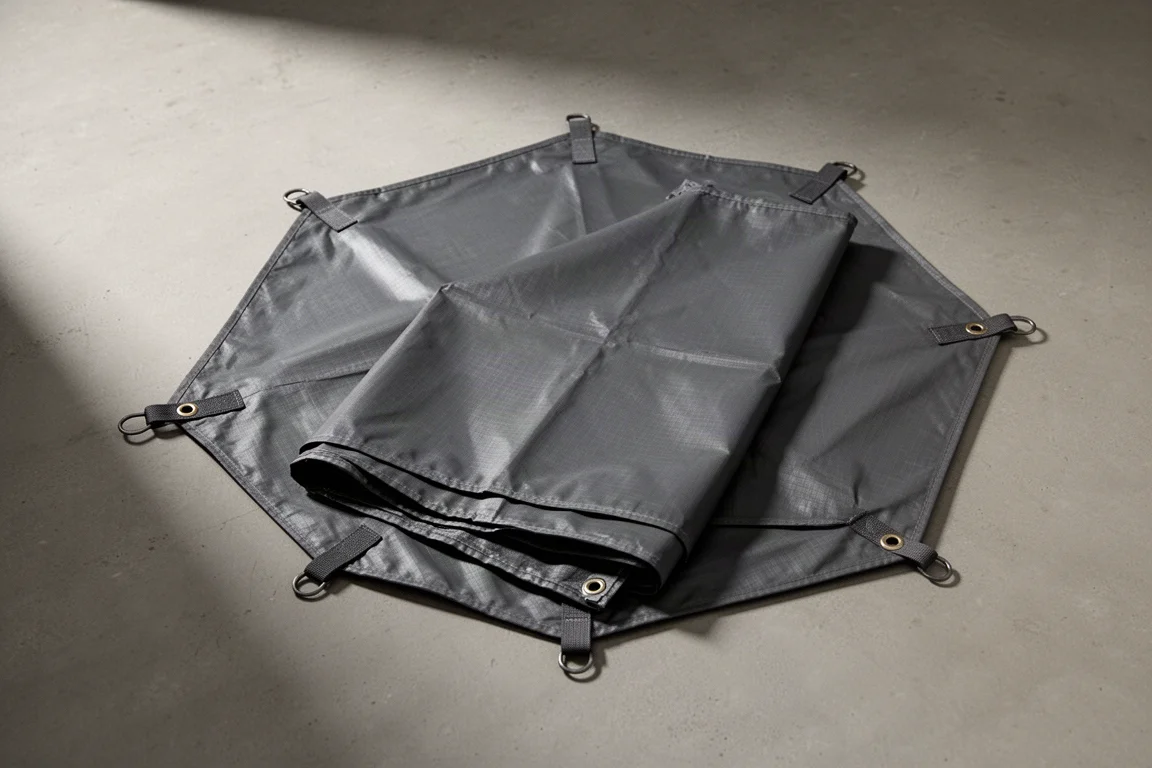
3FUL Ultralight Ground Sheet Review: A Two-Person Footprint Worth Packing
A 6.7 oz two-person ground sheet in ripstop silnylon, priced around $30. Here is what it protects, what it does not do, and who should pack it.
Camping Gear
Backcountry Light Dual-Function Tarp and Floor Review: A Footprint First
A dual-purpose tent floor and tarp that keeps falling rain off you, but cannot block wind. Here is where it works and where it does not.
Camping Gear
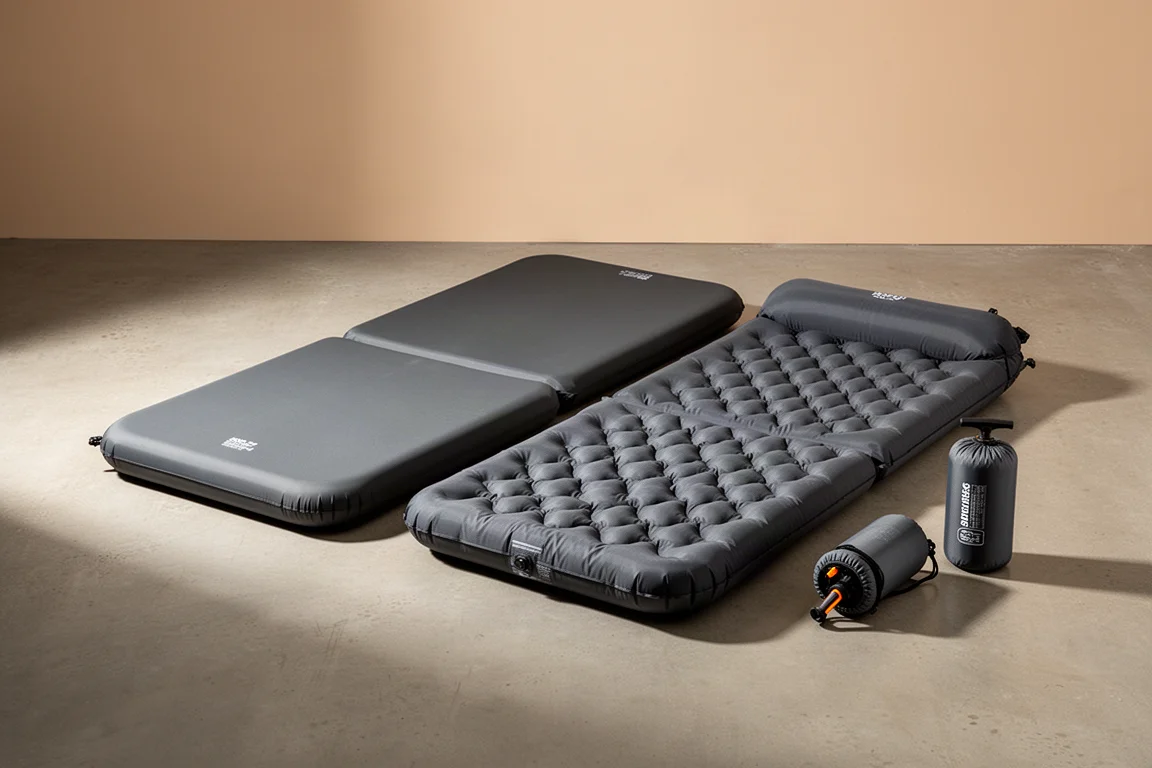
Best 2-Person Camping Mattresses for Couples: 10 Options Compared
A practical comparison of ten two-person camping mattresses, covering self-inflating pads, air pads and air mattresses for couples.