Tools
Wiha 11-in-1 SoftFinish vs Klein 11-in-1: Which Multi-Driver Belongs in Your Bag
Two very similar 11-in-1 multi-drivers with different bit retention, different Torx sizes, and a clear favorite after hands-on use.
Introduction
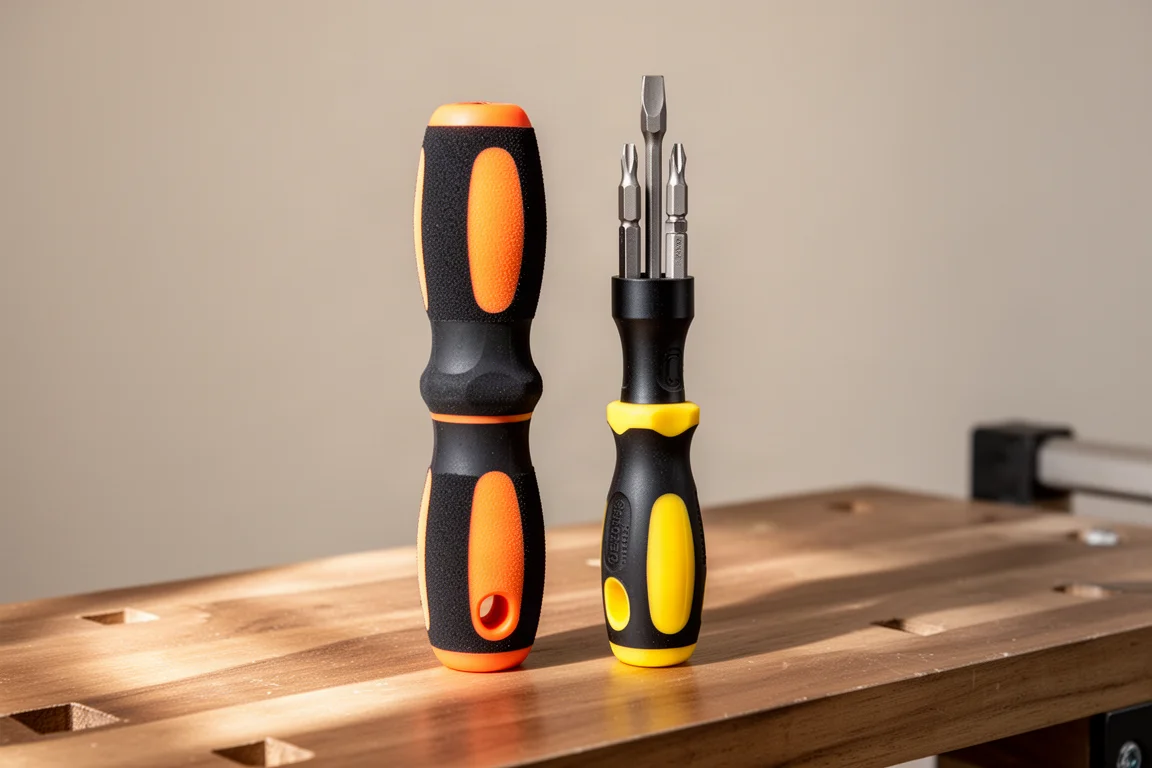
The 11-in-1 multi-driver is one of those tools that earns its place in the bag through sheer convenience: one handle, a hollow shaft, and a set of double-sided bits that cover most residential fastening work. Two options dominate this space, the Wiha 11-in-1 SoftFinish multi-driver and the long-standing Klein 11-in-1. They look like near twins on paper, but a closer look reveals meaningful differences in bit retention, Torx sizing, and origin that are worth understanding before you pick one.
The Wiha is the newer arrival, sold at Lowe’s for roughly $14.50, while the Klein has been around long enough that it was picked up at Home Depot years ago for around $20 and now lists closer to $17. Both are worth owning. Only one of them, though, feels like the better tool in hand.
What an 11-in-1 Actually Gives You
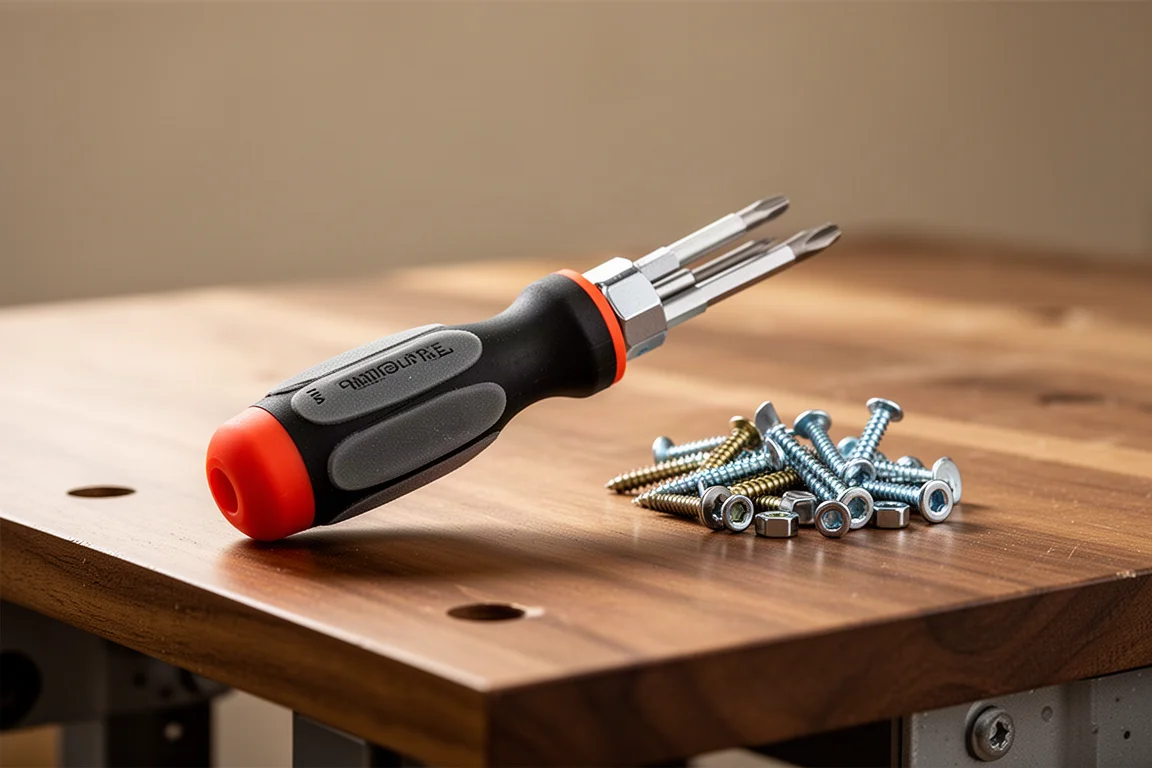
Both drivers follow the same formula: two nut driver sizes built into the shaft ends, plus a set of double-sided quarter-inch bits covering Phillips, square, and Torx patterns. In the Wiha’s case, that works out to nut drivers in 1/4, 5/16, and 3/8, with the remaining positions filled by reversible quarter-inch bits.
Because every bit is a standard quarter-inch shank, nothing here is truly proprietary. Bits swap between the two drivers freely, which is genuinely useful if you already own spare reversible bits and want to customize the loadout.
How the Bit Retention Differs
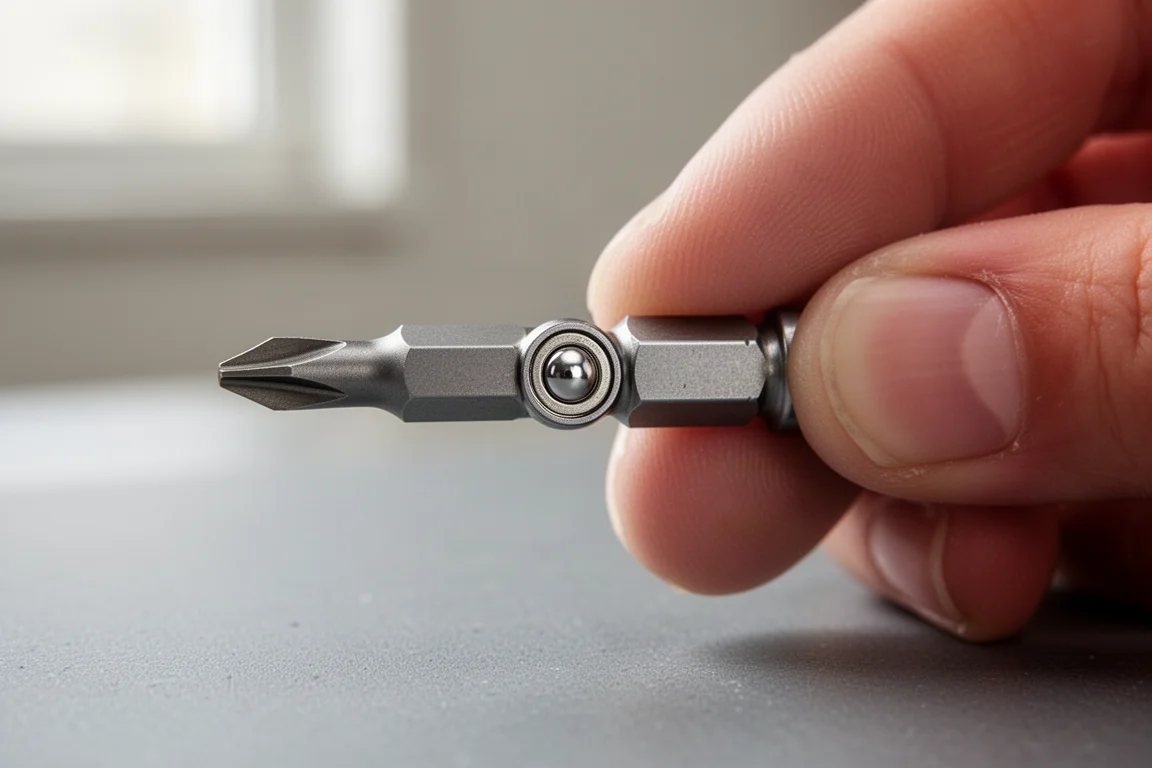
This is where the two tools part ways. The Wiha uses a ball bearing in each bit shank for active retention: the bit clicks in and stays put. The Klein relies on friction inside the shaft, and a magnet is often used in standard versions of this style of driver, with a magnetic Klein variant also available.
The ball bearing system has a known weak point. Some users have reported the bearing popping out, which ruins the bit and means replacing it. On the plus side, the bearing-retained bits also work in other quarter-inch retainers, so a damaged bit is a small problem rather than a dead tool.
Torx Sizes and Interchangeability
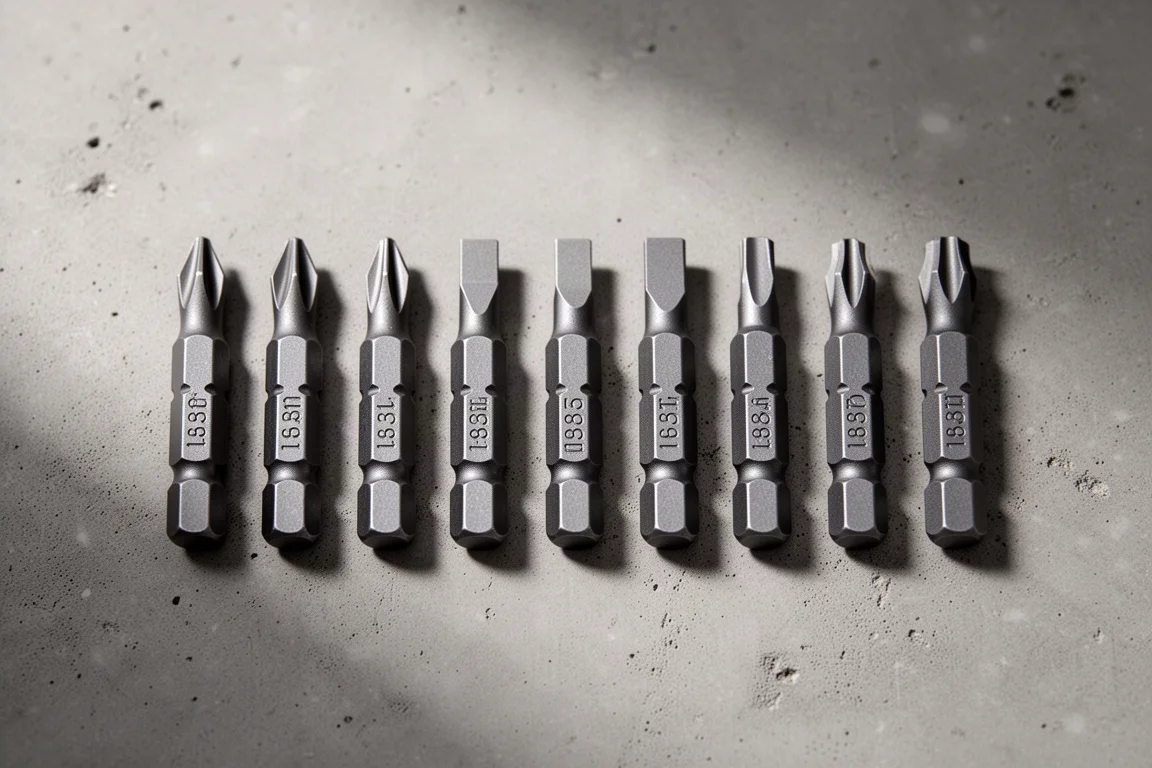
One subtle but practical difference sits in the Torx bits. The Wiha ships with T20 and T25, while the Klein comes with T10 and T15. There is no overlap at all between the two sets, so check which sizes you actually encounter in your work before deciding which driver fits better.
Another thought worth considering: the bits sit in shafts of two different wall thicknesses. A number 2 Phillips in the thicker-walled, larger-diameter shaft should be stronger under torque, with the thinner shaft reserved for when you need clearance. It is a small thing, but it affects how you plan your daily driver setup.
Performance in Real Use
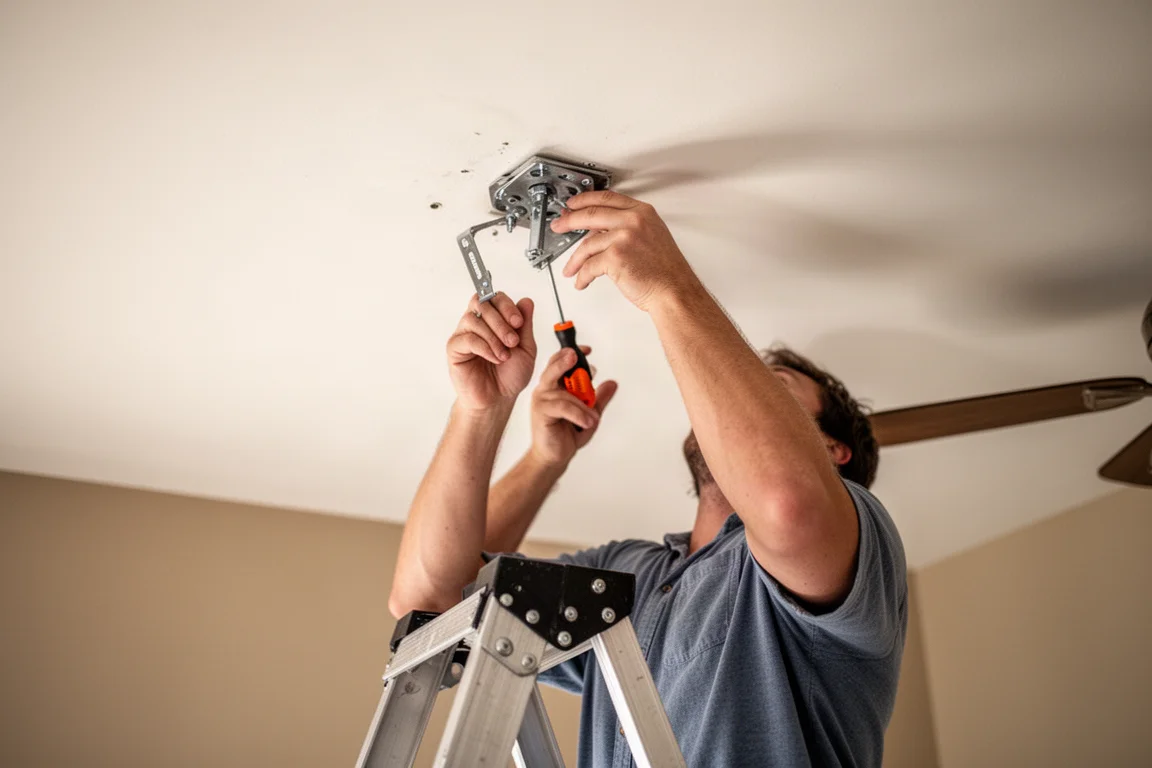
The Wiha was put to work installing a ceiling fan, with most screws driven by a drill and the finish work done by hand to feel the tightness of each fastener. On a ladder, balancing with one hand, the tool felt solid with a bit of welcome heft, and the handle shape reads as something close to a premium-brand feel.
That said, it is worth knowing that a different, more expensive Wiha model with a pop-open cap proved irritating in exactly that scenario: the cap kept flying open mid-turn while working one-handed on a ladder. This fixed-end SoftFinish version avoids that mechanism entirely, which is part of why it is the preferred pick here.
Build Quality and Origin
The Klein handle is well regarded, and there is a visible difference in handle design between the two. On the downside, the Klein bits carry no size markings, while the Wiha bits are clearly labeled, which makes identifying the right end at a glance much easier.
Origin is murky on both. The Wiha packaging states made in USA with global components. The Klein packaging reportedly says assembled in USA on some versions, though packages vary, and the magnetic version is believed to be imported. Neither is fully domestic manufacturing, so if that matters to you, read the package carefully.
Which One Should You Buy
If you want the nicer in-hand feel, marked bits, ball bearing retention, and larger Torx sizes, the Wiha SoftFinish is the pick, especially at its lower price. If you rely on T10 and T15, or you prefer friction or magnetic retention without worrying about a bearing failing, the Klein remains a dependable, well-established choice.
Conclusion
Both of these 11-in-1 drivers do the same job and cost roughly the same, but the Wiha SoftFinish edges ahead with better bit markings, stronger Torx coverage, and a more comfortable handle at a lower price. The Klein still makes sense for its Torx sizes and proven track record. Whichever you choose, you are getting a legitimately useful tool that replaces a small pile of individual drivers.
Product link
View more details for Wiha 11-in-1 SoftFinish Multi-Driver
This product is mentioned in the review. Check the specifications, options, and compatibility before buying.
View more details for Wiha 11-in-1 SoftFinish Multi-DriverFurther reading
Related Reviews

Tools
Best Contractor Grade Tape Measures 2026: Eight Models Tested Head to Head
We tested eight contractor grade tape measures from Milwaukee, DeWalt, Crescent Lufkin, Tajima, Stanley, Irwin, Gelan, and Craftsman to find the best value and performance.

Tools
Best Precision Screwdriver Sets 2026: Manual and Electric Options Compared
We compare 19 precision screwdriver sets, from budget manual kits to electric drivers, to find the strongest bits and best value.

Tools
Best Stud Finders 2026: Five Popular Models Put to the Test
We tested five popular stud finders on drywall, firewall, and lath and plaster surfaces to see which ones really find studs and avoid false readings.