Tools
Wiha Go Box Bit Kits: Three Compact Sets Compared
Three Wiha Go Box bit kits, from the ESD 39-piece flagship to the budget 36-piece kit and the reversible ratchet set, compared for electronics and repair work.
Introduction
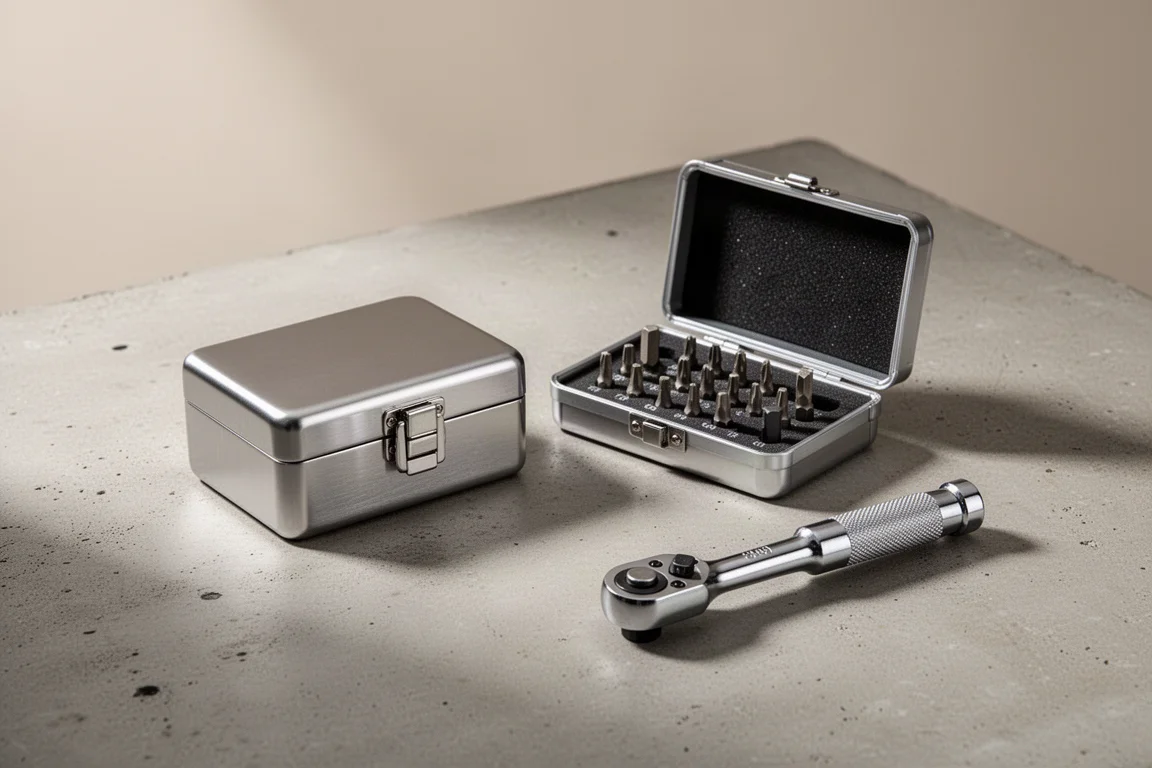
Wiha makes a line of compact bit kits called Go Boxes, and they have quietly become a favorite among people who work on electronics and small hardware. Each one is a small metal box packed with quarter-inch bits, and each is designed in Germany with Taiwanese manufacturing behind the quality. After spending real time with all three, the differences come down to handle type, bit selection, and how you like to work.
The ESD 39-Piece Kit: The Premium Pick
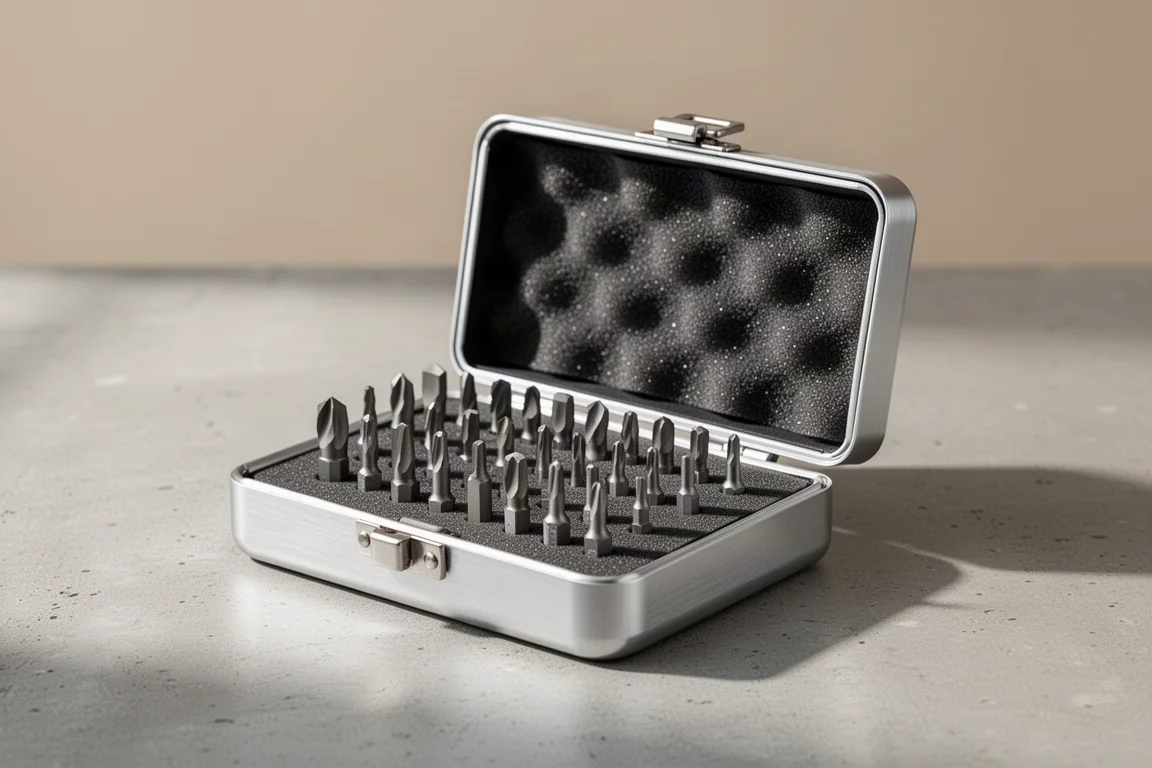
The flagship of the lineup is the ESD kit, a 39-piece set that is effectively 37 bits plus an ESD-safe handle and extension. The design is genuinely well thought out, and it is the kind of tool that gets picked up constantly once it lands on the bench. The tray uses a rubberized foam that grips the bits well, and the layout makes it easy to see what is available at a glance.
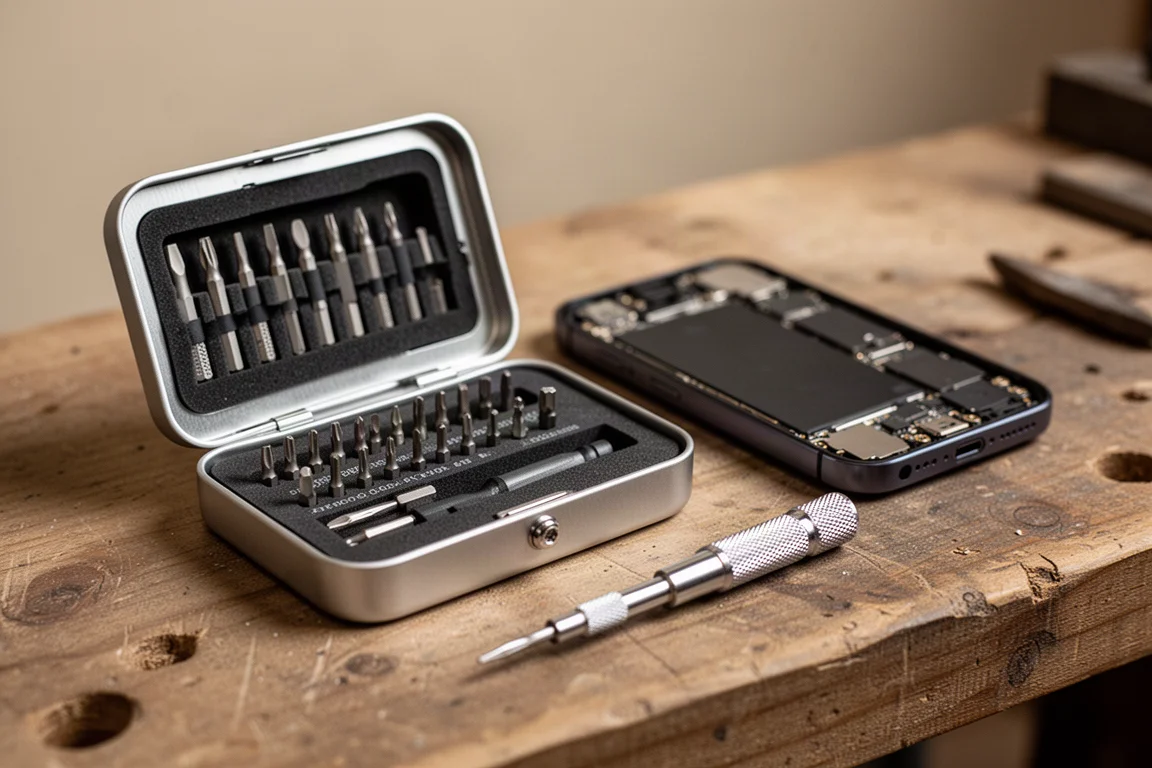
The main catch is price. This kit ran about $50 when purchased, which is steep for a bit set, though the build quality justifies it for anyone doing regular electronics work. The bit selection covers most of what you need for modern electronics, and the ESD handle is a sensible addition for sensitive components.
The 36-Piece Kit: The Value Option
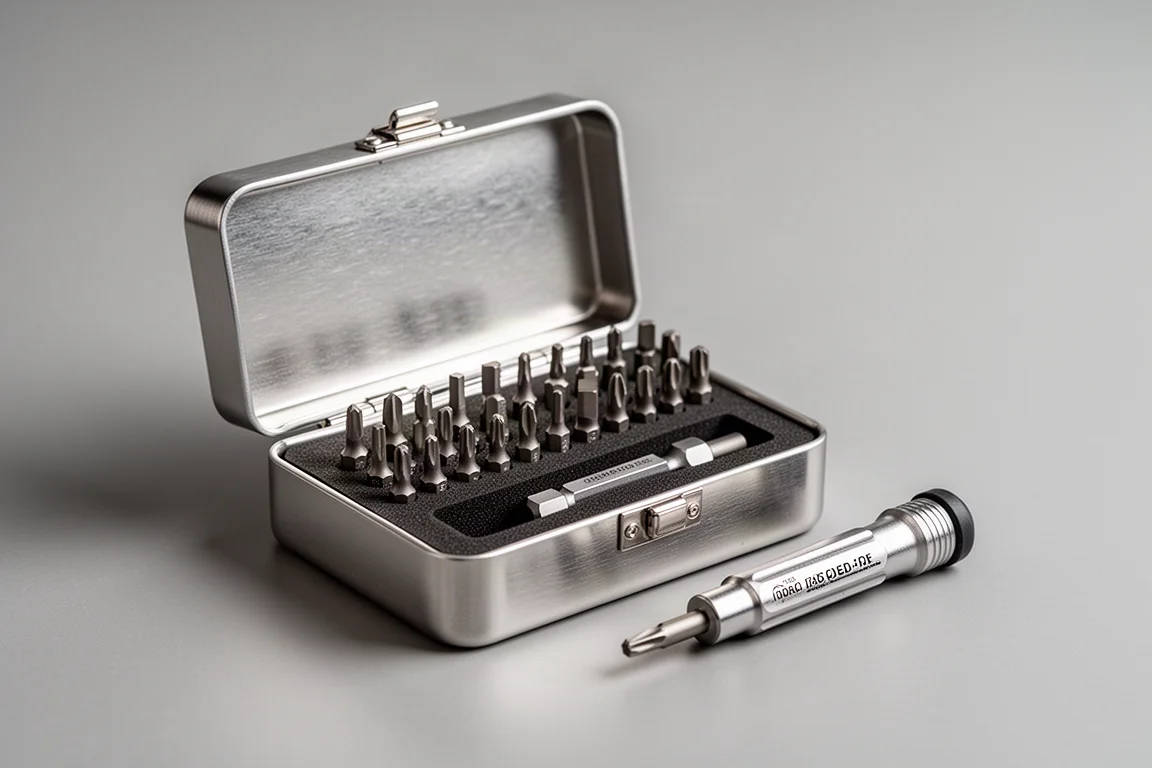
The standard 36-piece Go Box trims a couple of bits and drops the ESD handle, but keeps the same extension and the same general layout. It currently sells for about $29 on Amazon, which is a strong deal for this level of quality. The tray insert uses a softer, squishier foam than the ESD kit’s rubberized version, but the bits pull out easily and stay put in the box.
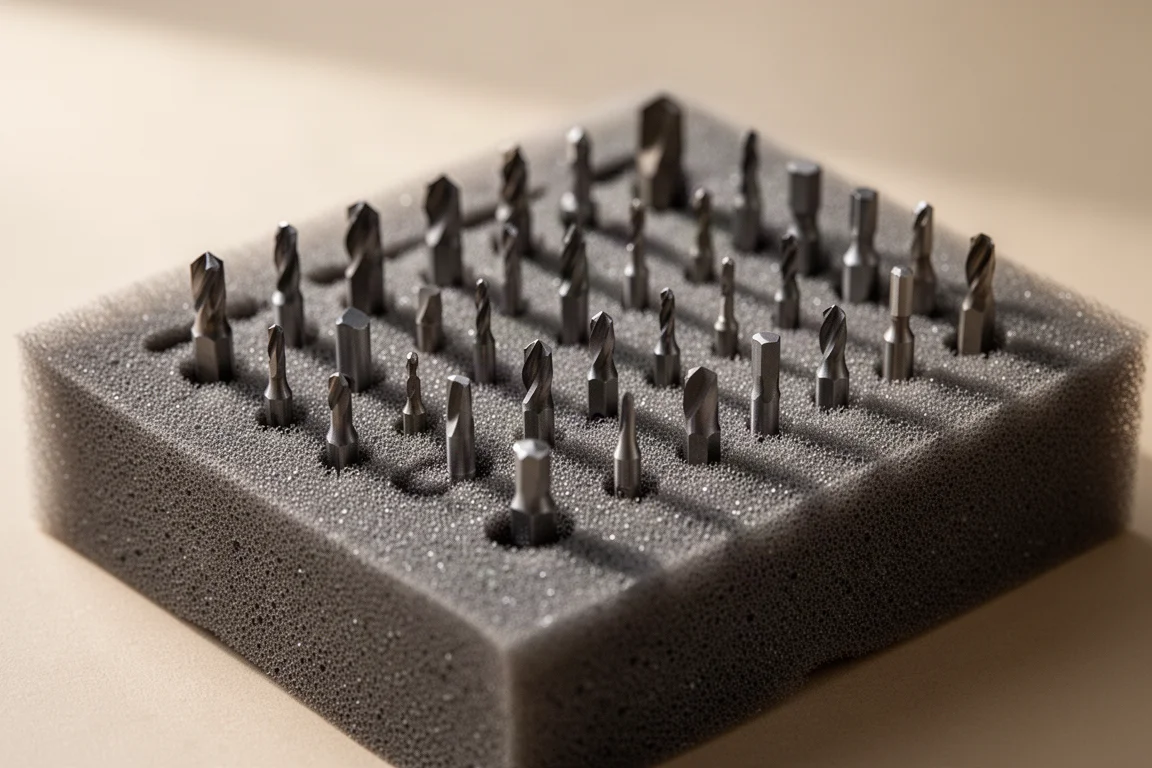
For most people, the missing ESD handle is not a meaningful difference. The bit coverage still handles most modern electronics, and the savings are substantial compared to the flagship kit.
The 1/4-Inch Drive Ratchet Kit
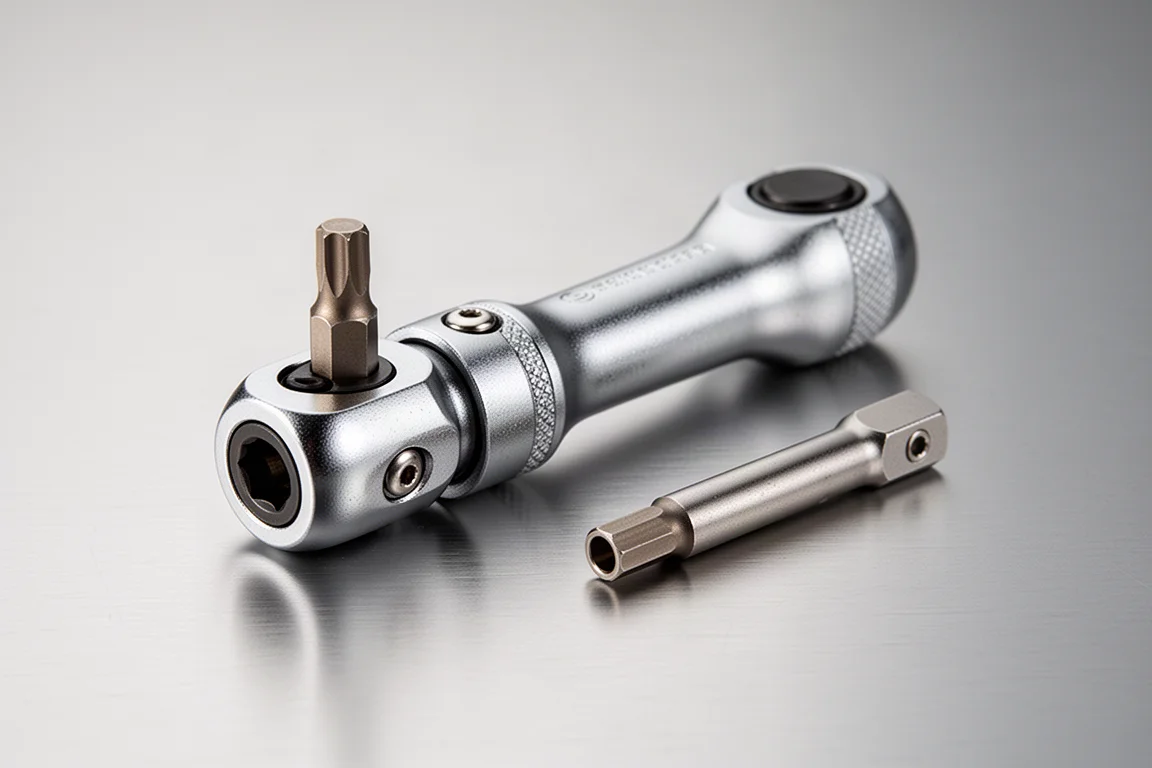
The third option swaps the simple handle for a reversible 1/4-inch drive ratchet. It is a fairly heavy metal ratchet with a flip lever for direction changes and a built-in spinner cap. The magnetic holder grips bits quite solidly for a small magnetic design, though the grip is not as organically ergonomic as it could be, and fingers can slide around on the metal body.
The standout detail is the bit retention collar. Drop a bit in and it locks in tight; pull the collar down and the bit pops up for removal. That means you can work one-handed without the bit falling out, which is genuinely useful in tight repairs. The included extension also works in a drill, and the kit includes a quarter-inch socket driver so you can drive small sockets with it too.
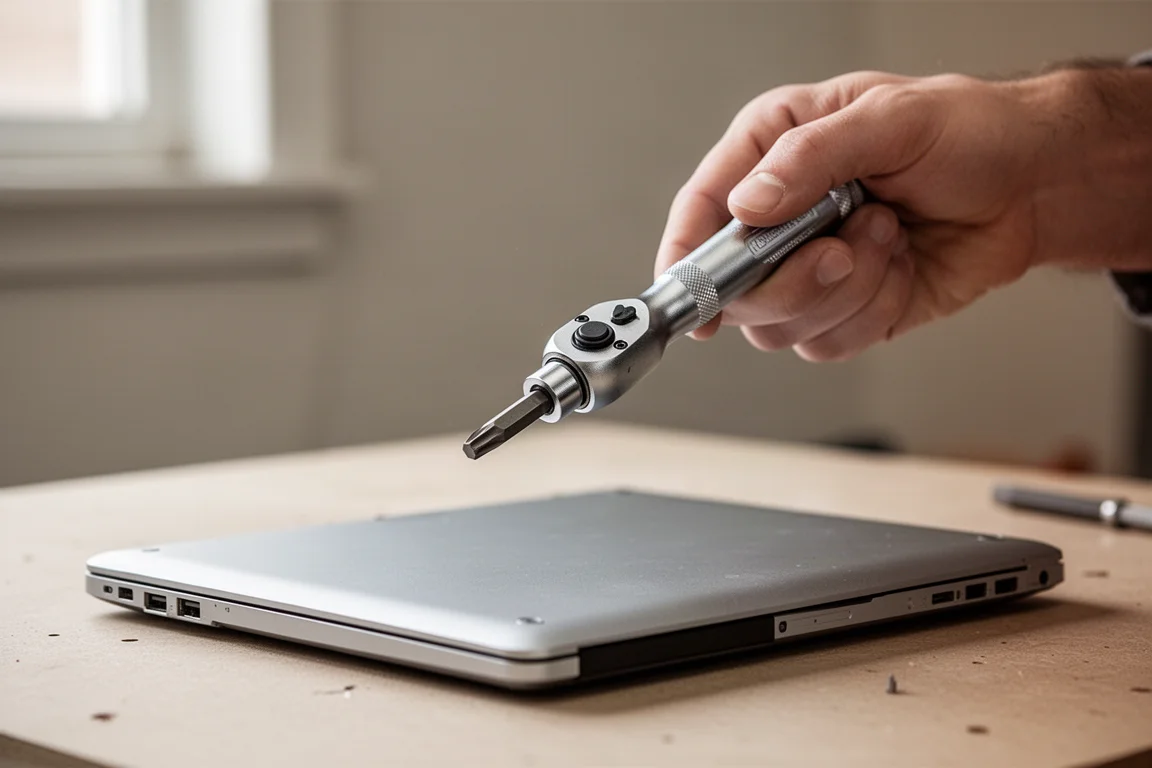
This one runs about $32 to $33, and given the build quality, that is hard to beat. It is another solid choice, just with a slightly less refined grip.
Which Go Box Should You Buy?
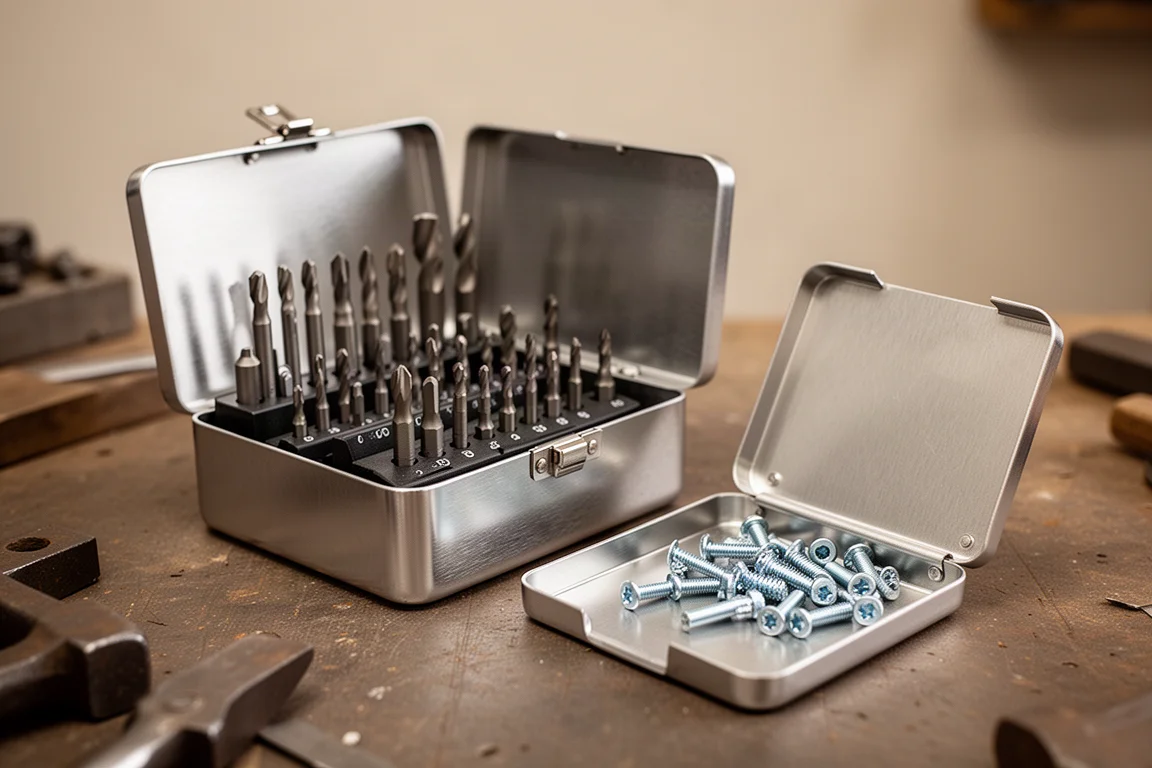
All three kits share the same core strengths: solid Taiwanese-made quality, German design, and a metal box construction with a piano hinge. The metal boxes are sturdy enough that one owner even embedded a neodymium magnet inside, turning the open lid into a parts tray for screws and small parts. That trick works really well and speaks to how these boxes invite modification.
If you do frequent electronics work and want the ESD-safe handle, the 39-piece kit is worth the premium. If you want the same core experience for less, the 36-piece kit at around $29 is the smart buy. And if you prefer a ratchet for one-handed driving, the ratchet kit delivers surprising capability for its price.
Conclusion
The Wiha Go Box line is a rare case where a budget option does not feel like a compromise. Whether you spend $29 or $50, you get a well-designed, durable bit kit that covers most modern electronics work, and the ratchet version adds genuine one-handed convenience for a modest bump in price.
Further reading
Related Reviews

Tools
Best Contractor Grade Tape Measures 2026: Eight Models Tested Head to Head
We tested eight contractor grade tape measures from Milwaukee, DeWalt, Crescent Lufkin, Tajima, Stanley, Irwin, Gelan, and Craftsman to find the best value and performance.

Tools
Best Precision Screwdriver Sets 2026: Manual and Electric Options Compared
We compare 19 precision screwdriver sets, from budget manual kits to electric drivers, to find the strongest bits and best value.

Tools
Best Stud Finders 2026: Five Popular Models Put to the Test
We tested five popular stud finders on drywall, firewall, and lath and plaster surfaces to see which ones really find studs and avoid false readings.