Camping Gear
Weird Camping and Backpacking Gear: Four Unusual Picks Worth Knowing
A practical look at four unusual camping and backpacking products, from a wearable sleeping bag to a backpack trailer, with the trade-offs that matter before you buy.
Introduction
Not every piece of outdoor gear follows a conventional design brief. Some products exist because a specific annoyance bothered someone enough to build a solution, and others exist because a joke got out of hand. The four items below sit somewhere in that space. Each one does something genuinely different from the standard kit most hikers and campers carry, and each one comes with a trade-off worth understanding before you spend money. This guide covers what each product does, where it makes sense, and where it does not.
How We Evaluated This Gear
The criteria here are deliberately practical: does the product solve a real problem, how much does it weigh or complicate your setup, how long does it take to use, and does the cost match the benefit. Novelty has value, but a product still has to earn its place in a pack. Gear that only works in a narrow set of conditions is worth knowing about, as long as the limitations are clear up front.
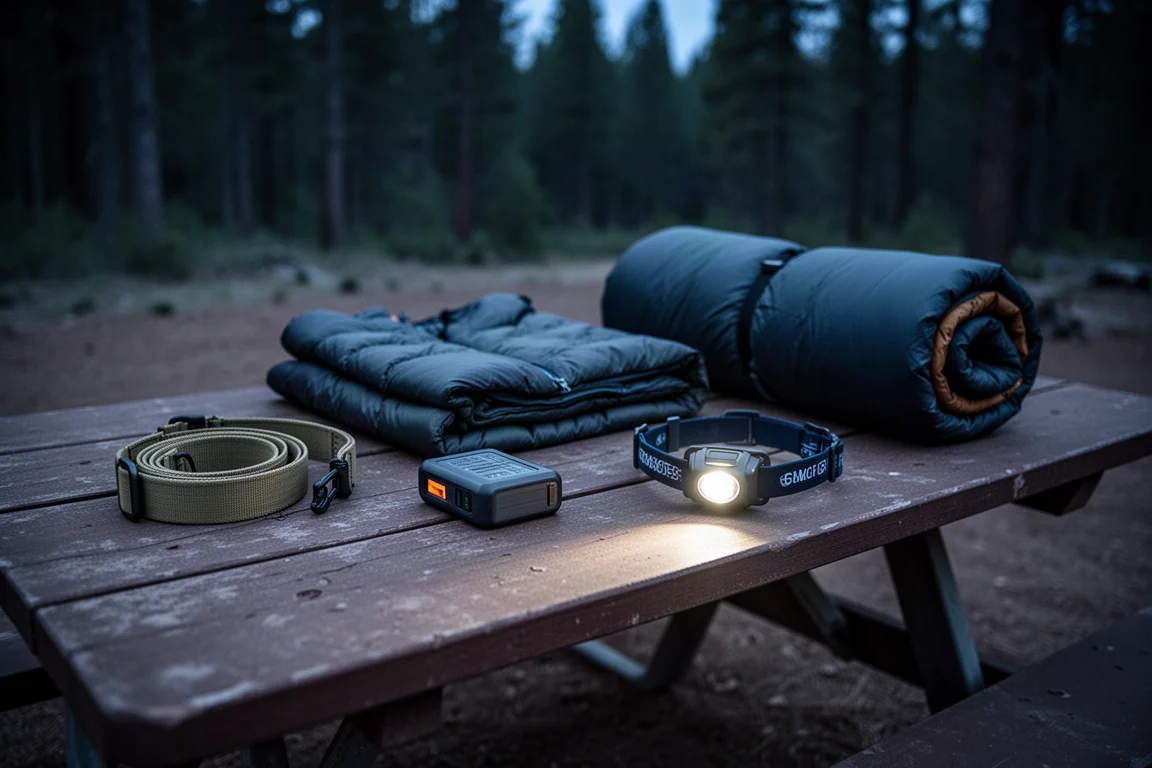
Weight and setup time matter more than headline features in this category. A product that saves effort on the trail but takes several minutes to assemble can still be a net win, while one that adds bulk without a clear payoff rarely makes it out of the garage twice.
Suck Bag: A Sleeping Bag You Can Wear
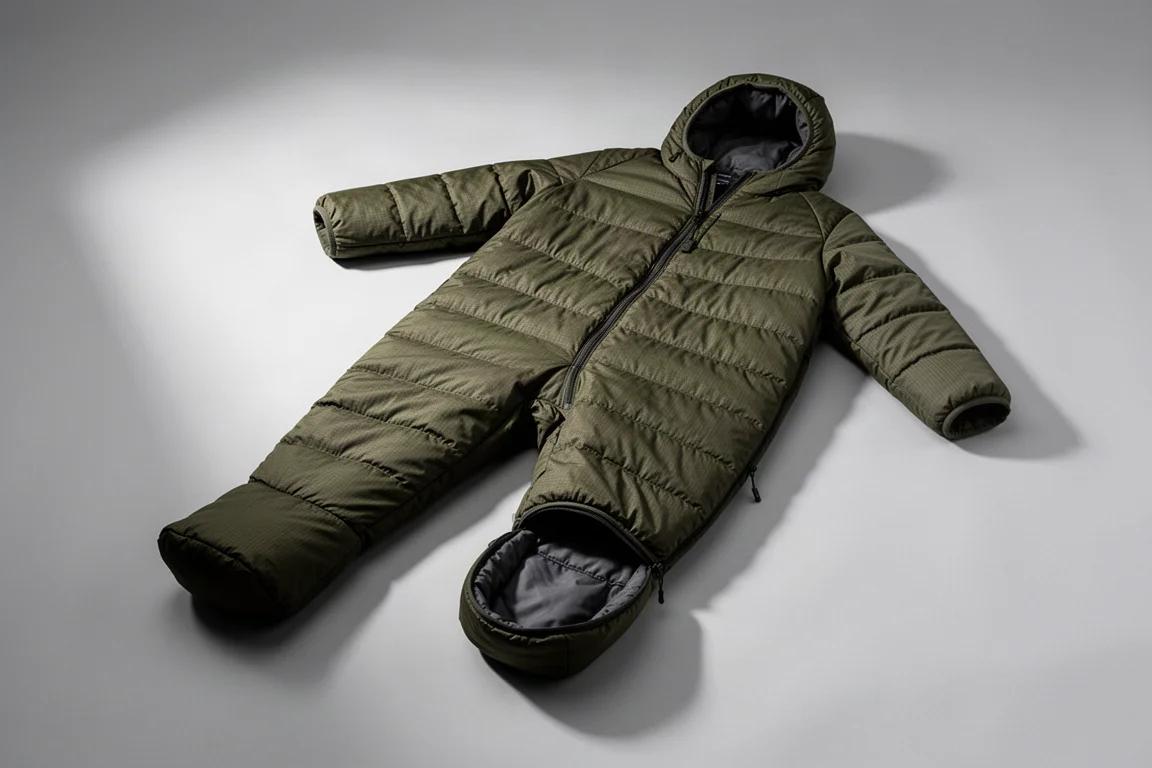
The Suck Bag takes the sleeping bag and turns it into something closer to a suit. You get into it and wear it while you sleep, and the design keeps you mobile enough to walk around camp without climbing out of your insulation. The standout detail is the zip-off foot section: leave it closed for warmth through the night, or open it so you can wear your regular shoes while the bag is still on.
The comfort rating reaches down to 44 degrees Fahrenheit, which sets the realistic range. It weighs over 4 lb, so this is not a backpacking item. Where it makes sense is car camping, particularly for people who dislike choosing between staying warm at the fire and going to bed.
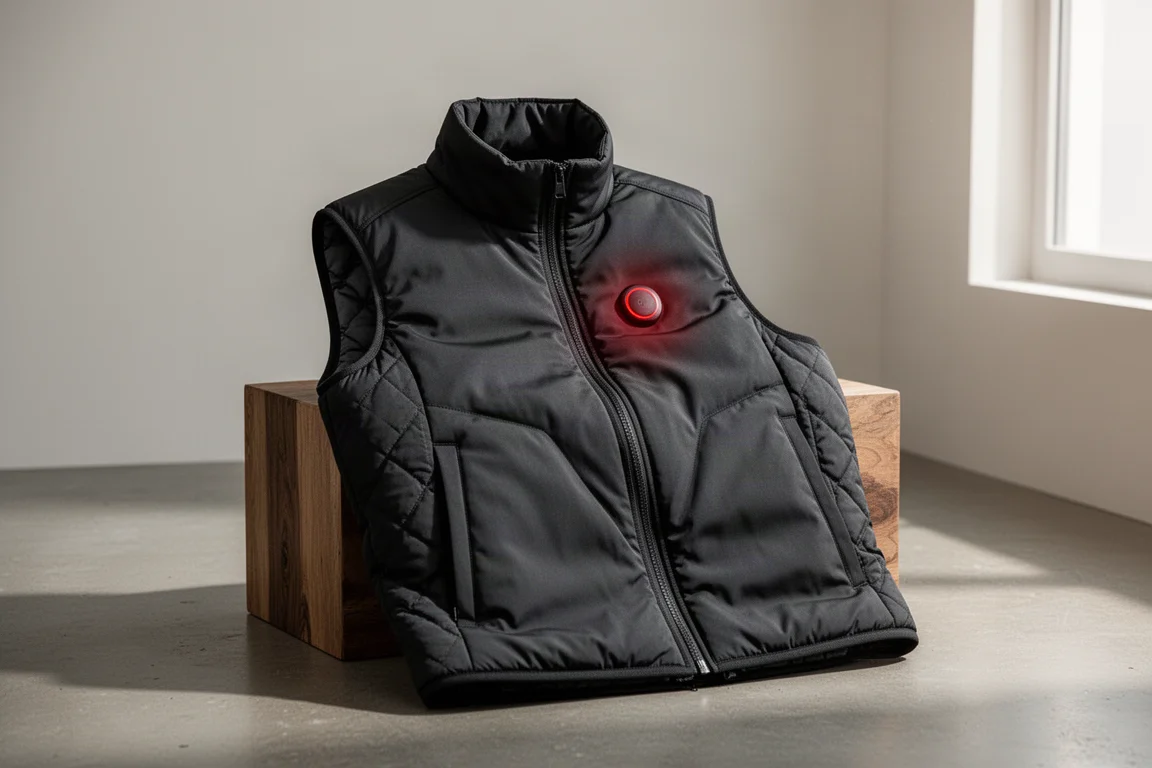
Oro Oro Heated Vest: Battery Warmth and Its Limits
A heated vest uses batteries to power heating elements built into the garment. The appeal is obvious: targeted warmth without adding a bulky layer. The catch becomes obvious once you think about it. The heat lasts only as long as the charge does, and when the battery runs out, what remains is the synthetic insulation and nothing else.
That makes a heated vest a good match for short bursts in cold conditions, such as time around camp or brief stops, where reduced bulk is the priority. For long exposure in serious cold, traditional down insulation keeps working long after any battery would be flat. The red glow from the control element is a nice touch, but the decision should rest on how long you actually plan to be outside.
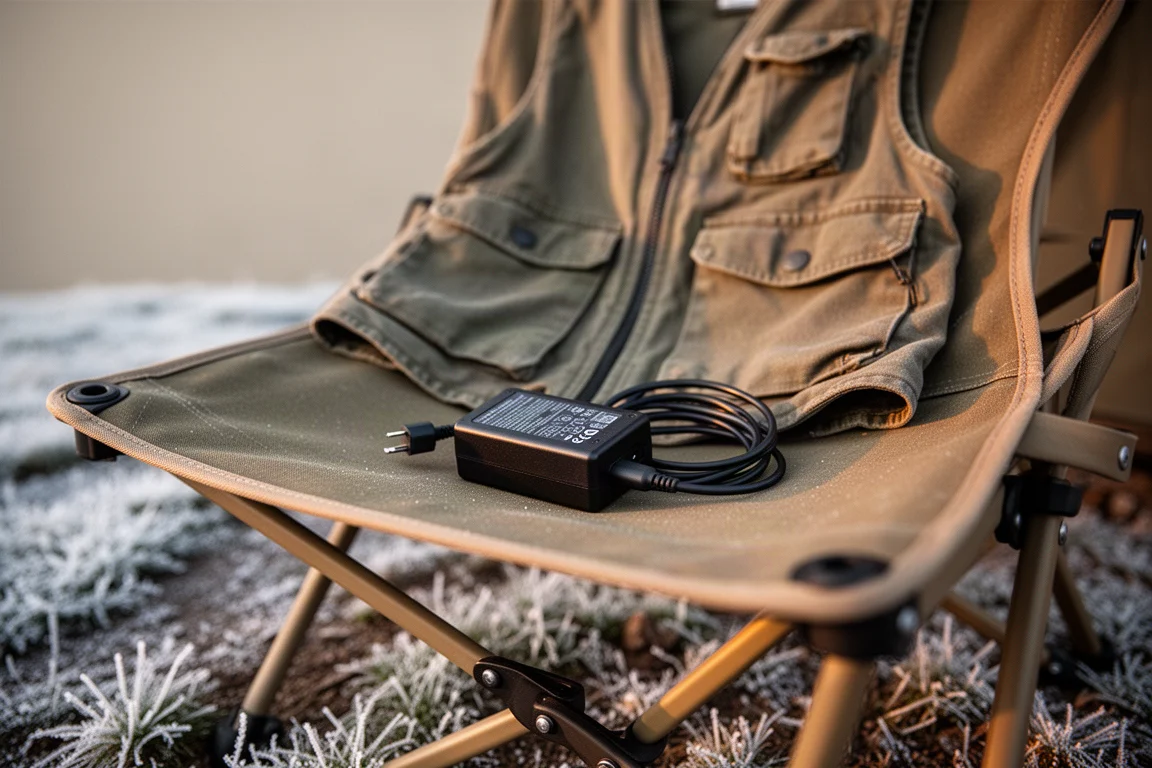
Battery capacity, not heating power, is the limiting factor to plan around. Carrying a spare power source extends the window, but it also adds weight that a down layer would not require.
Crap Strap: A Squat Support Strap for the Outdoors
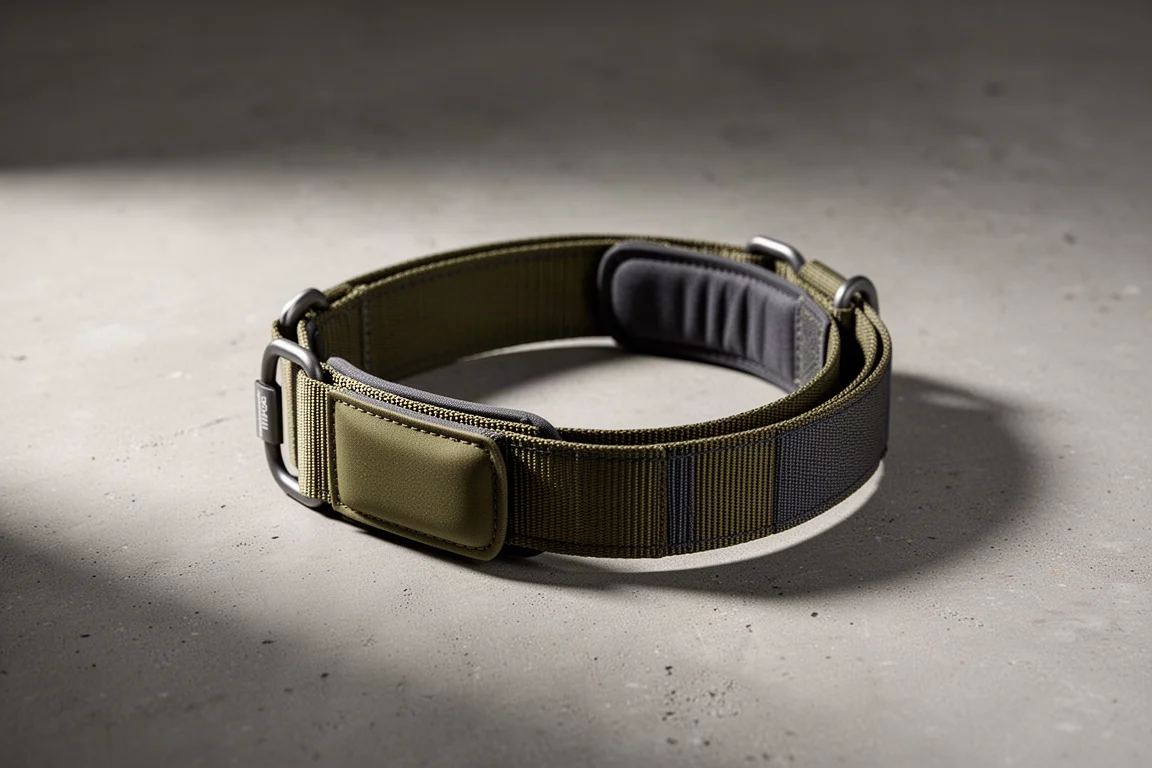
The Crap Strap is built around a simple idea: support a squat position when there is no toilet available. In practice, that means holding a deep squat for the duration, and that is a genuine leg workout. A short session can leave the legs noticeably sore, which says more about the physical demand than about the build quality.
Used as intended, it does provide something to hold onto and a reference point for balance. It is also, by any honest reading, a novelty purchase at 50 dollars, and much of its appeal is as a gag gift for hiking or hunting friends.
Trekkers Friend Hiking Trailer: A Backpack You Can Pull
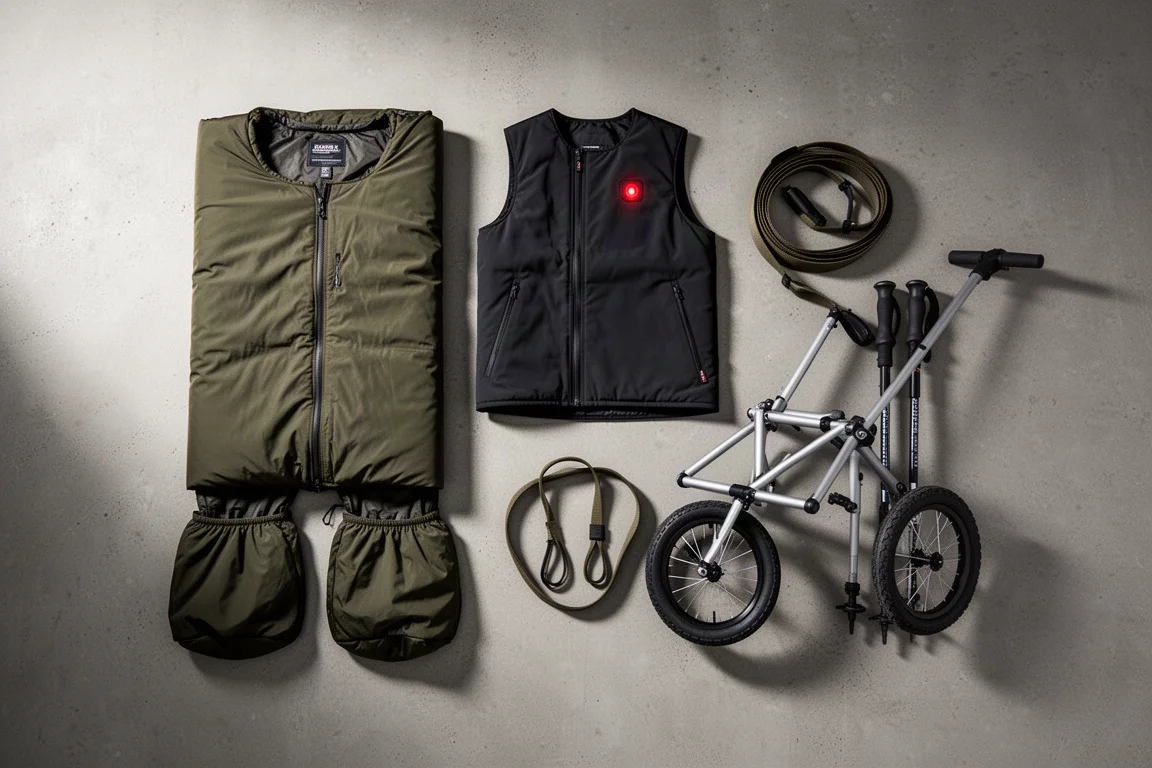
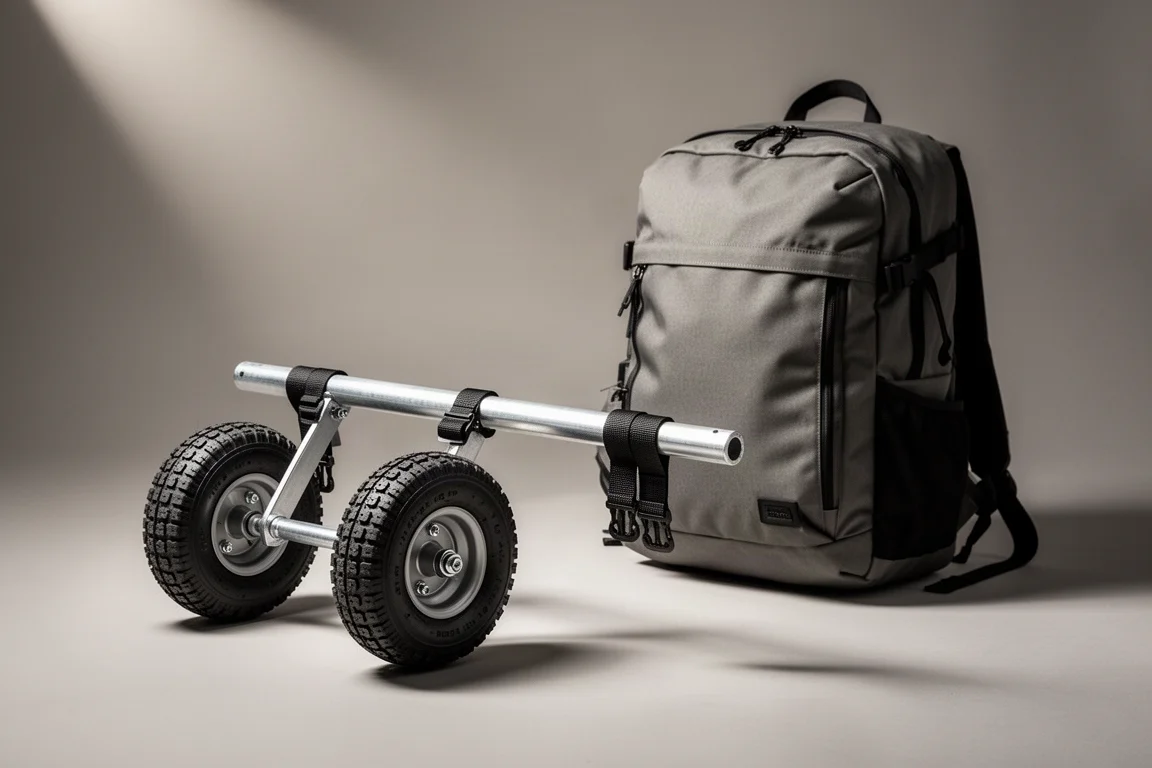
This is the most interesting item of the four. The Hiking Trailer converts a backpack you already own into a wheeled trailer by attaching a frame and a pair of wheels, with trekking poles serving as the tow arm. On trail, it rolled over rocks and tree roots and handled uphill and downhill sections without much trouble, with only occasional tip-overs on rougher ground.
The weight transfer is the headline number: with close to 40 lb in the pack, only about 8 lb of that load sat on the hips. Converting the pack back and forth is the weak point. The rigging is a set of metal bars and multiple straps, it takes several minutes to set up, and once assembled it is awkward to get in and out of the pack or to turn around on the trail. There is also a real caution about anything rubbing the wheels, since the wheels can wear through fabric quickly. Beyond that, wheeled gear is restricted in designated wilderness areas, and at around 200 dollars the trailer is a serious purchase for a setup that many backcountry routes will not allow.
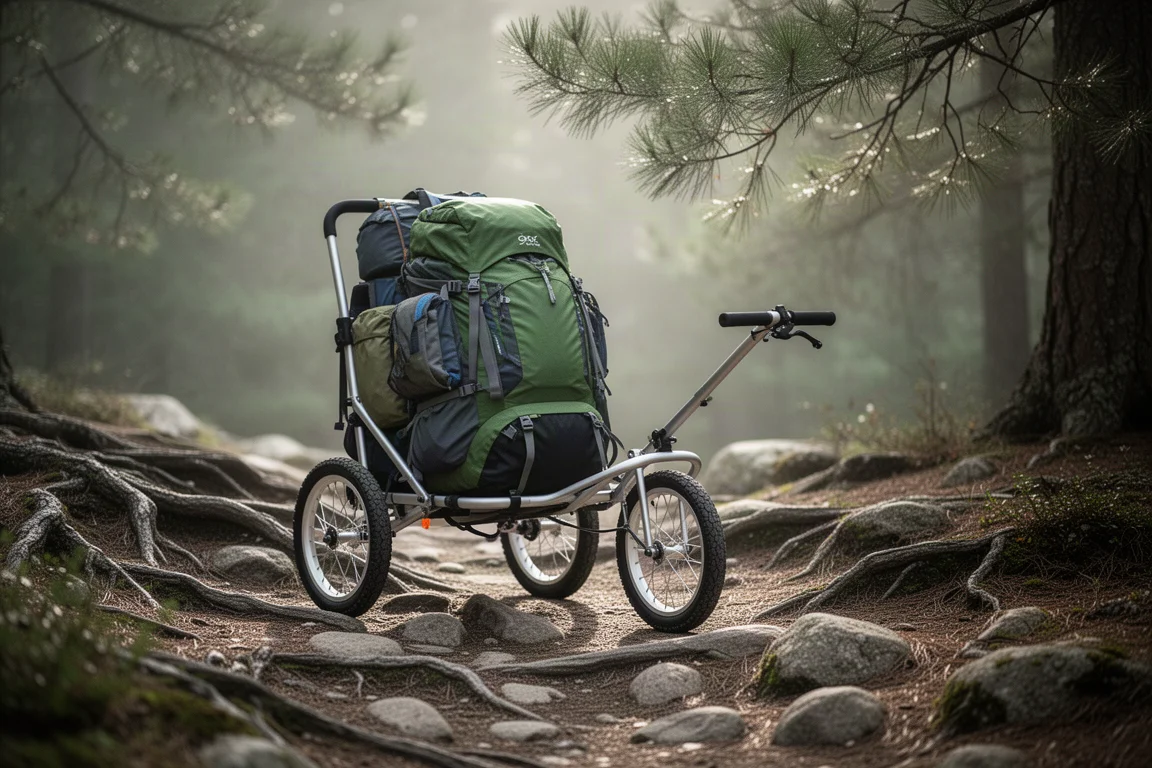
The trailer performs best on established trails where wheels are permitted and where you can stop to check that side pockets and straps are clear of the wheel path.
Who Each Product Suits Best
The Suck Bag is for car campers who want warmth and mobility at the same time. The Oro Oro heated vest is for short cold-weather outings where saving bulk matters more than long-term warmth. The Crap Strap is for hikers who want squat support and for anyone shopping for a gag gift. The Trekkers Friend Hiking Trailer is for hikers carrying heavy loads on trails where wheeled gear is allowed.
Final Buying Advice
Match the product to the conditions you actually camp in. If you sleep in a tent beside a vehicle, a wearable bag solves a real annoyance. If you spend hours in the cold, insulation still beats batteries. If you want a laugh for a friend, the strap delivers. If you carry heavy loads on permitted trails, the trailer genuinely reduces what your hips feel.
Price is the last filter. Two of these items sit at the novelty end, where the money buys an experience more than a capability, and the other two are functional purchases that need to fit your specific terrain and habits.
Conclusion
None of these four products replaces standard gear for everyone, but each one is honest about what it does. The strongest case is the Hiking Trailer on permitted trails with a heavy load, and the weakest case is a heated vest for long, cold days. Choose based on where you actually go, and the unusual option can turn out to be the right one.
Further reading
Related Reviews
Camping Gear
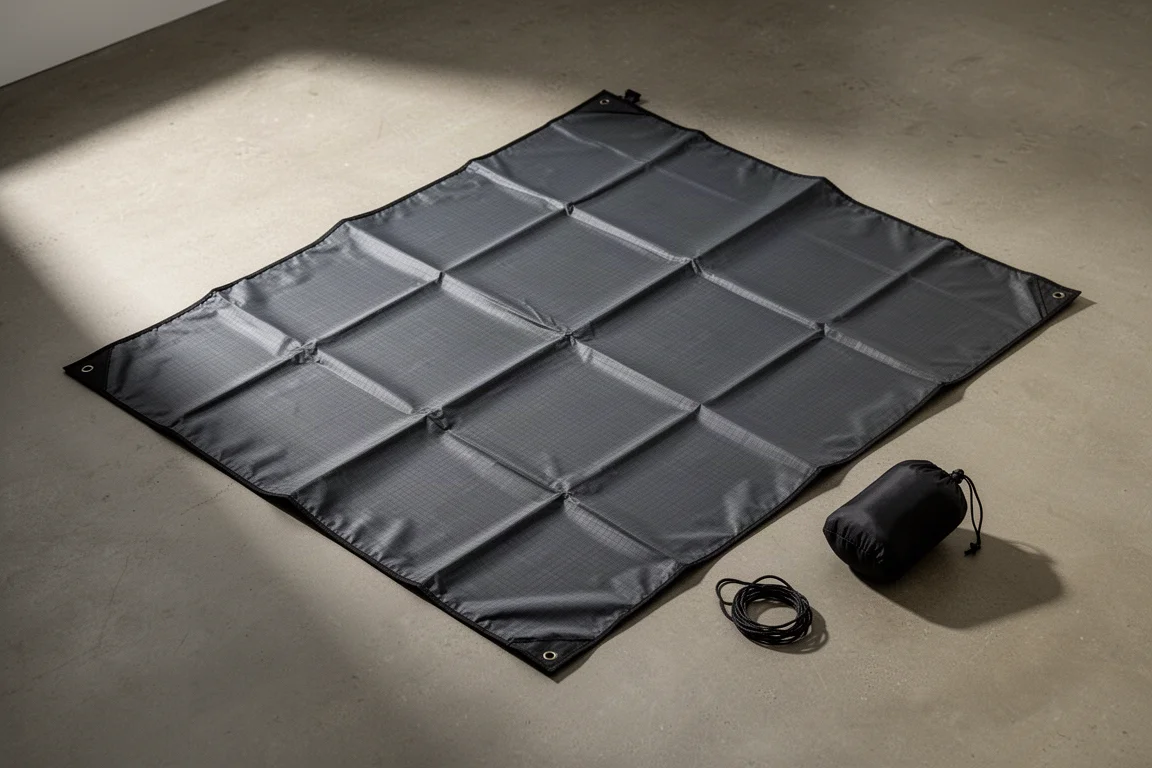
3FUL Ultralight Ground Sheet Review: A Two-Person Footprint Worth Packing
A 6.7 oz two-person ground sheet in ripstop silnylon, priced around $30. Here is what it protects, what it does not do, and who should pack it.
Camping Gear
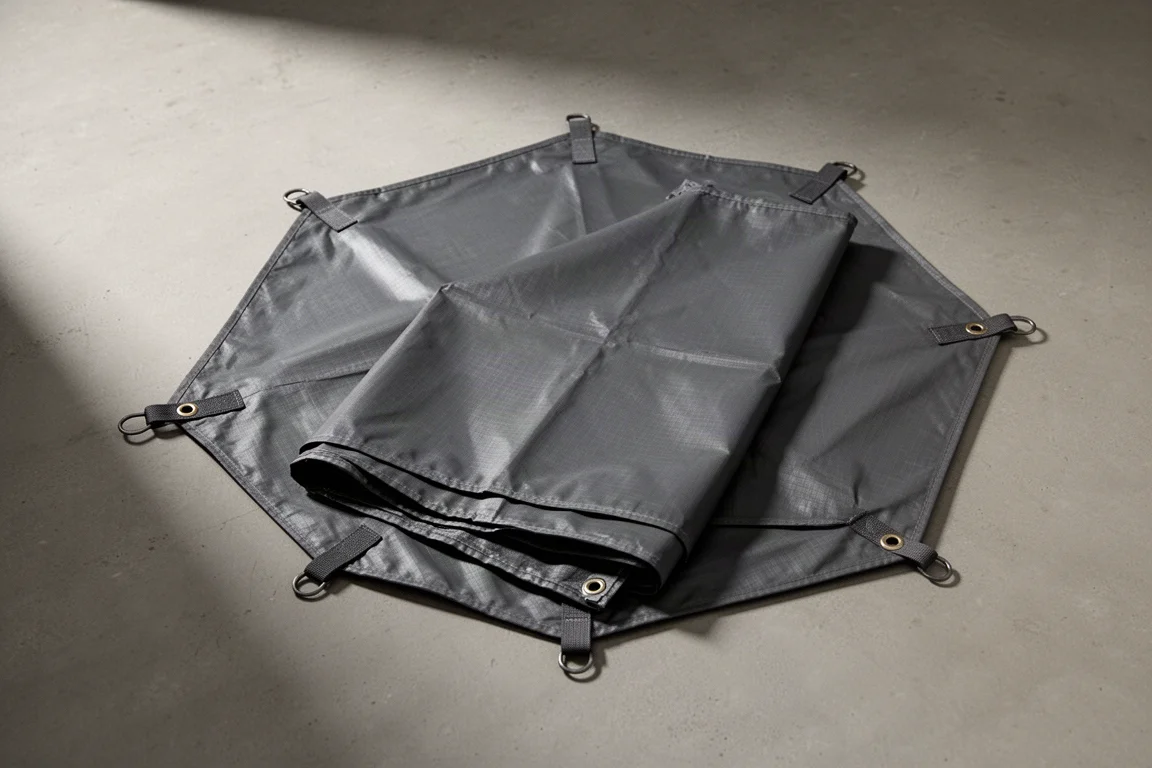
Backcountry Light Dual-Function Tarp and Floor Review: A Footprint First
A dual-purpose tent floor and tarp that keeps falling rain off you, but cannot block wind. Here is where it works and where it does not.
Camping Gear
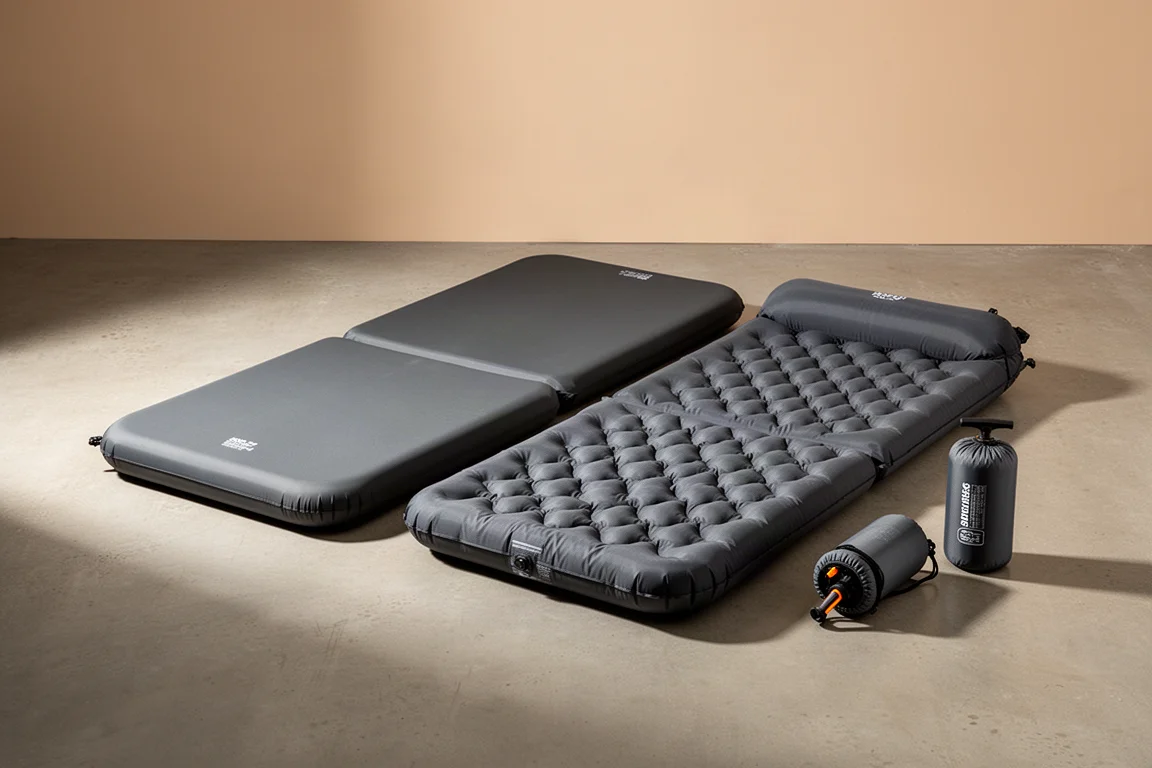
Best 2-Person Camping Mattresses for Couples: 10 Options Compared
A practical comparison of ten two-person camping mattresses, covering self-inflating pads, air pads and air mattresses for couples.