Camping Gear
Weird Camping and Backpacking Gear: Four Unusual Ideas for Camp and Trail
A wearable sleeping bag, a battery-heated vest, a squat support strap and a backpack that turns into a trailer. Here is what each one does well and where it falls short.
Introduction
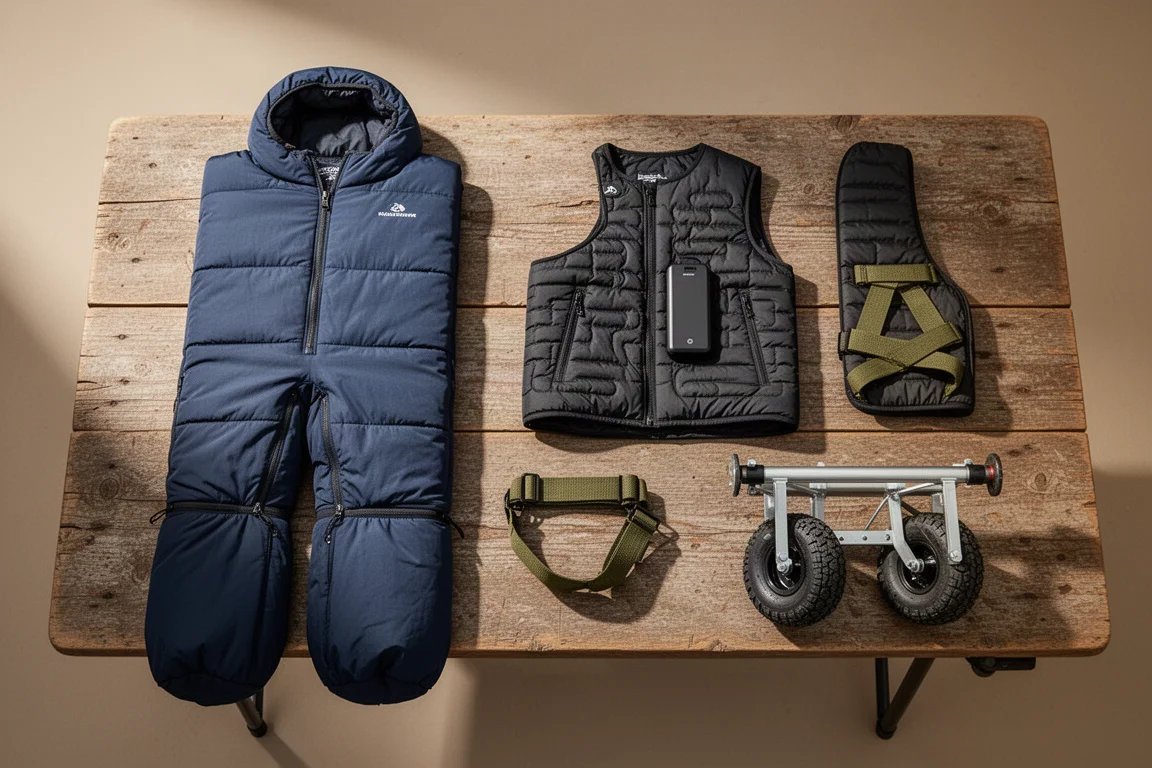
Most camping gear follows a familiar pattern: tents, pads, stoves and packs that look more or less the same year after year. Every so often something turns up that makes you stop and look twice, and the four products below sit firmly in that category. One is a sleeping bag you wear like a suit, one uses batteries to generate warmth, one exists purely to help you squat in the backcountry, and one turns an ordinary backpack into a wheeled trailer.
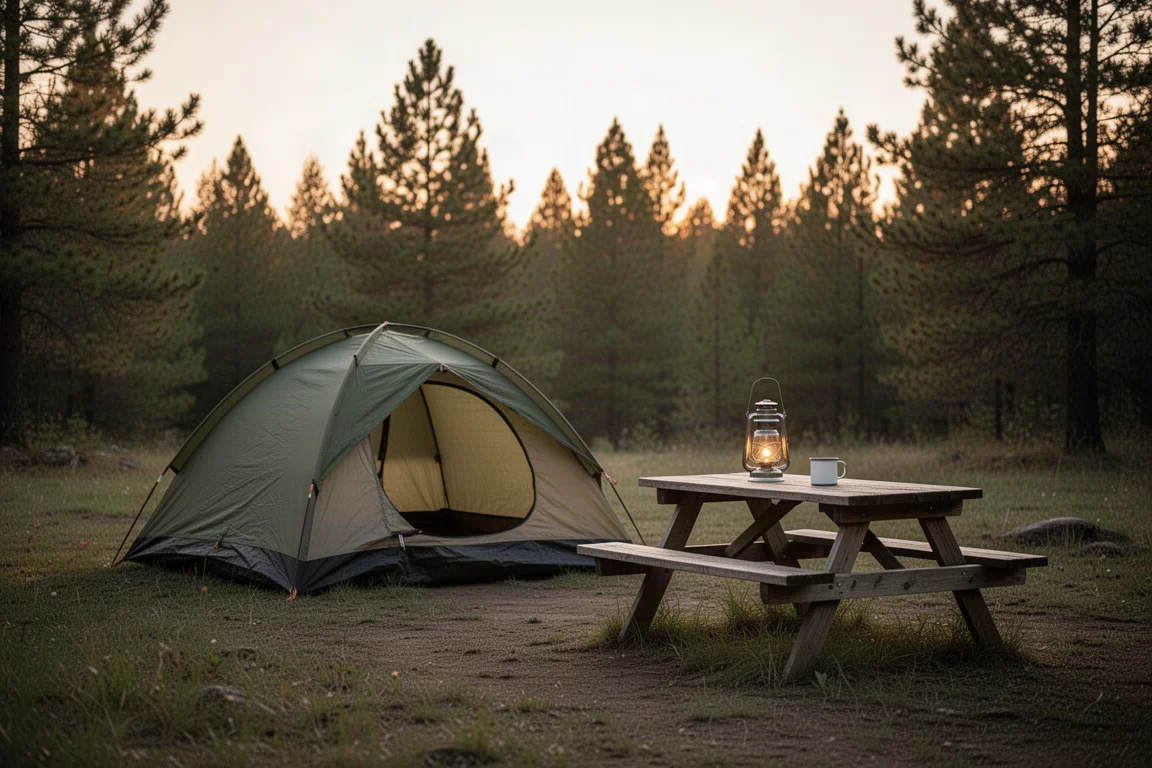
What makes this group interesting is that none of the ideas are lazy. Each one addresses a real problem in a genuinely creative way, and the question is simply whether the trade-offs suit the way you camp and hike. The sections below cover what each product does well, what it asks of you in return, and who is most likely to get real value from it.
What Counts as Unusual Gear
These products were selected for being strange rather than for being the best in their class, so the evaluation looks at a few practical questions. Does the product solve a problem that actually shows up on a trip? What does it cost you in weight, money, setup time or effort? And does it still make sense once the novelty wears off and you are standing in the rain on day three?
A product can be unusual and still be useful. It can also be unusual and mostly entertaining. Both outcomes are worth understanding before you spend money, which is why the strengths and the drawbacks get equal weight here.
Selk’bag: A Sleeping Bag You Can Wear
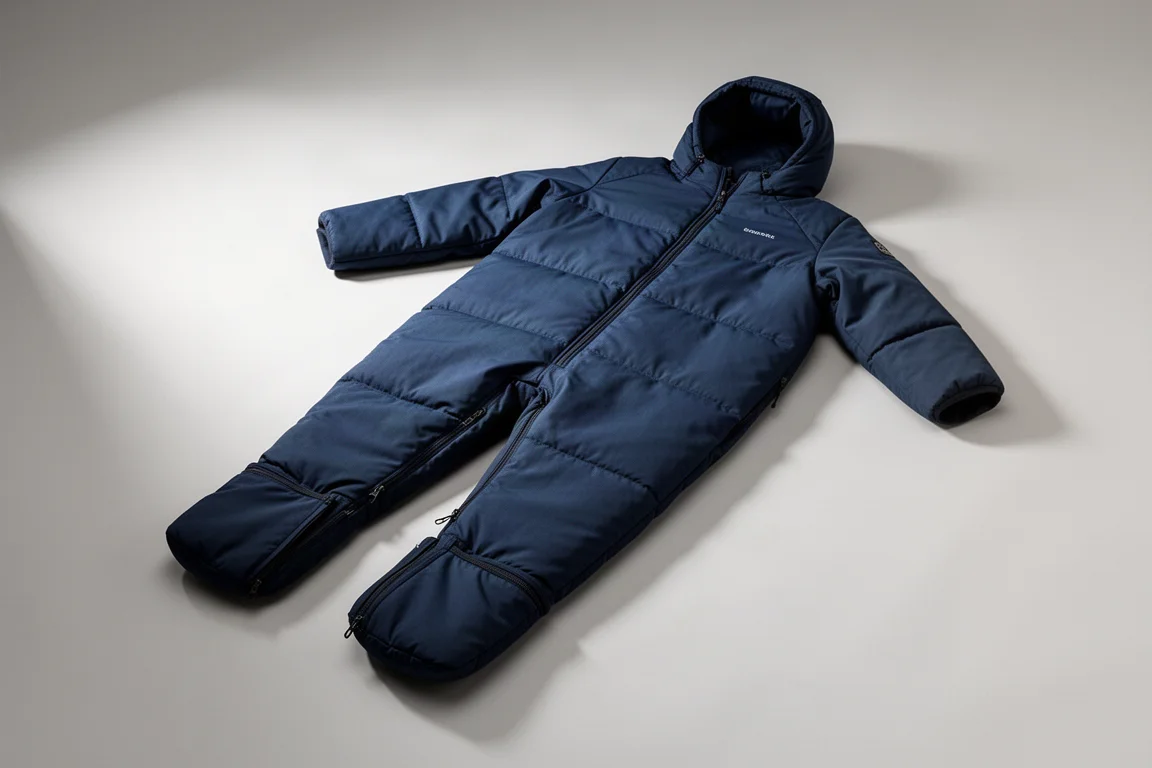
Selk’bag is a sleeping bag built as a wearable suit. You climb into it and wear it while you sleep, or while you sit around camp doing whatever you would normally do inside a sleeping bag. The zip-off feet are the detail that makes the design work: leave them open to walk around in your regular shoes, or close them up to stay warm through the night.
The comfort rating sits at 44°F, which is a sensible ceiling for this shape. More insulation would turn the wearer into something resembling a bulky cartoon robot. The trade-off is weight, because Selk’bag comes in at over 4 lb, so it is not a serious backpacking option.
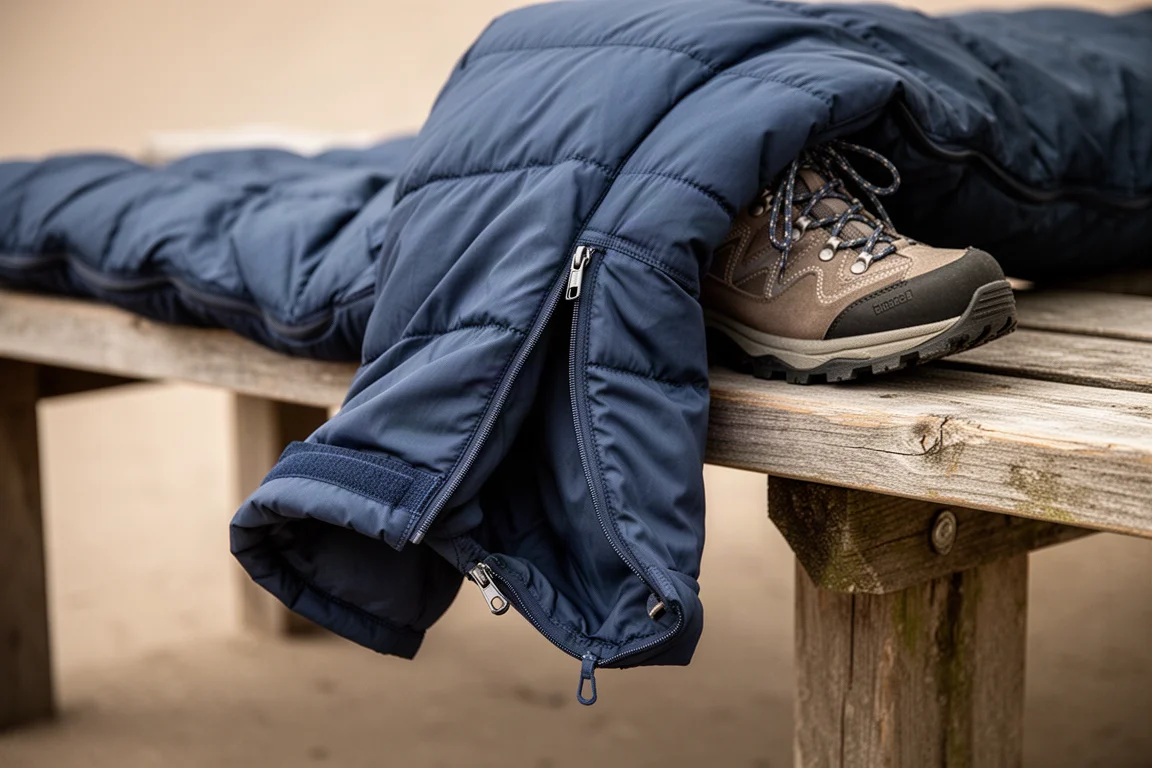
That weight is much easier to accept in a car camping context. The real appeal is not having to choose between staying warm and staying out by the fire. Instead of crawling into a sleeping bag at the edge of the group, you can wear the bag, keep talking, keep eating, and still be warm when you finally lie down.
ORORO Heated Vest: Battery Warmth With Limits
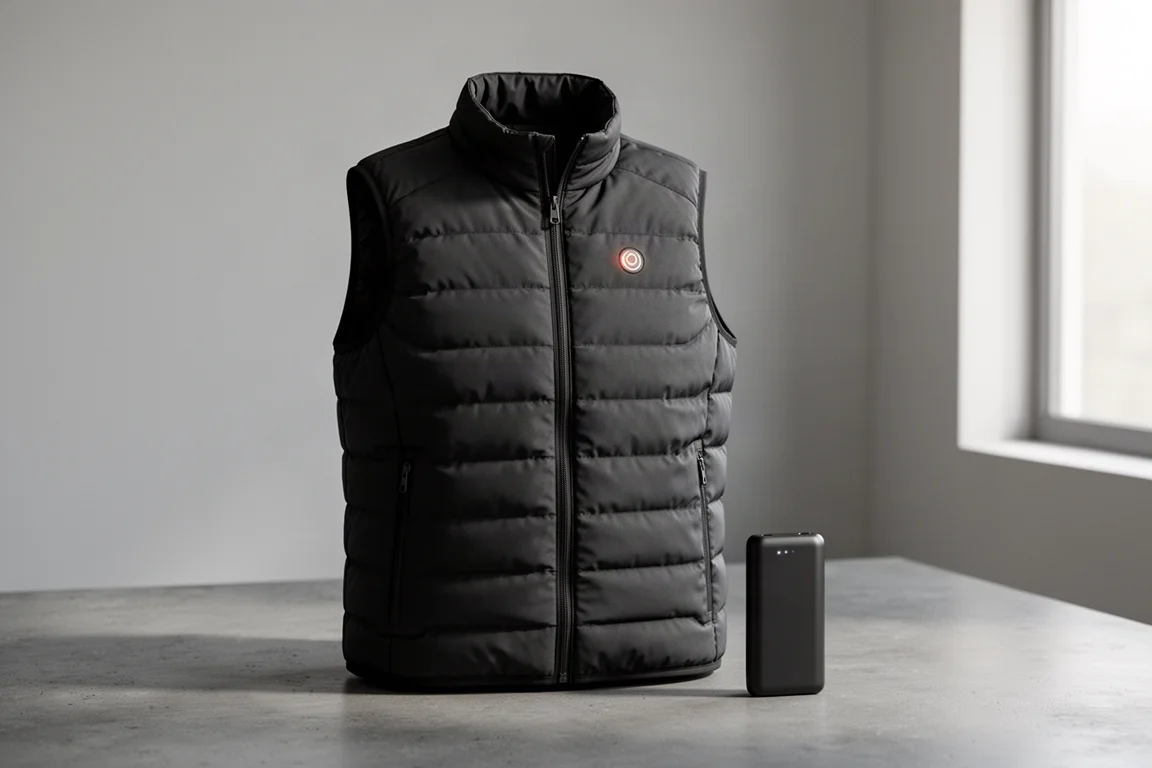
ORORO builds heated clothing that uses batteries to power heating elements inside a vest. The pitch is straightforward: add warmth on demand so you can wear less bulky insulation. For short bursts in cold weather, that works.
The limitation is the same one every battery-powered product runs into. The charge only lasts so long. Once it is gone, all that remains is the synthetic insulation, and over a long day out that is a meaningful difference. Down insulation keeps working long after a battery would have died, which is why the coldest expeditions in places such as Antarctica and on Everest rely on it rather than on powered heat.
That does not make the vest useless. It makes it a tool with a specific window of use, and the small glowing logo on the chest is a nice detail while the battery is still running.
Crap Strap: Squat Support With a Catch
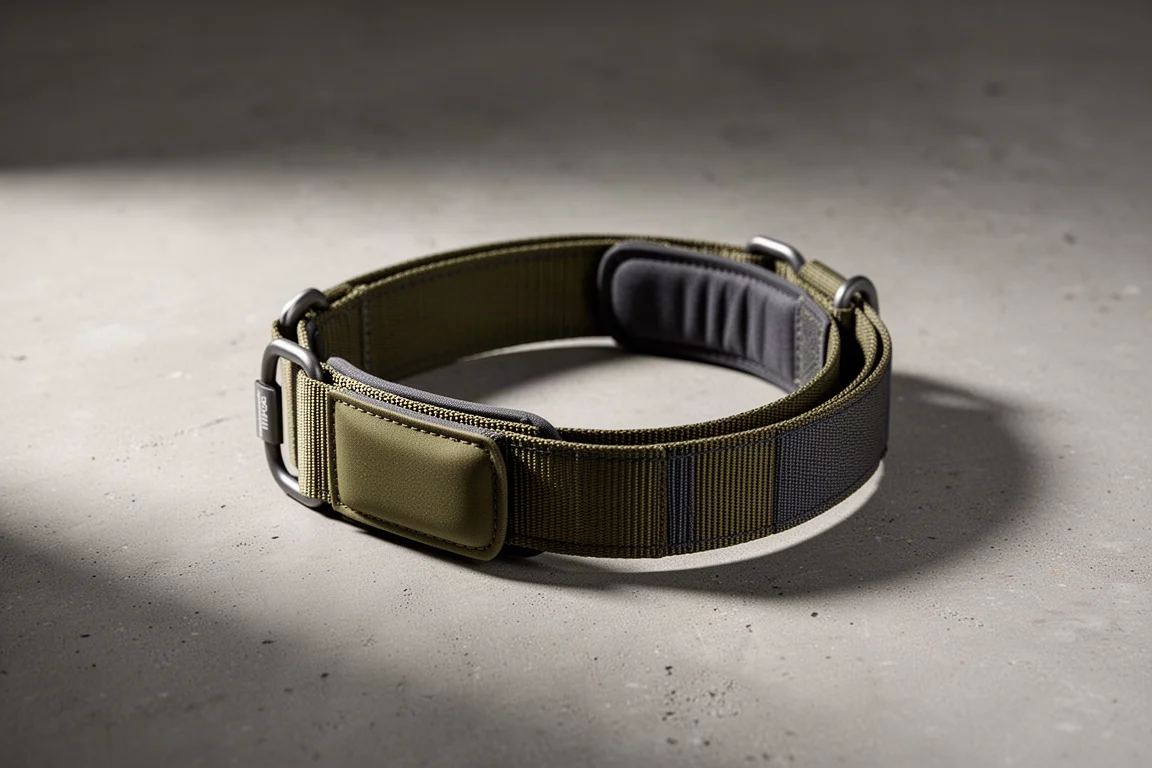
Crap Strap describes itself as the number one necessity for going number two outdoors. In practice, the product asks you to hold a deep squat, and holding a deep squat is a genuine leg workout. After a handful of uses, the legs can end up sore for days.
You can straighten your legs, which is far more comfortable, but the position no longer feels like it would allow you to relieve yourself. The design is at its best as a conversation piece.
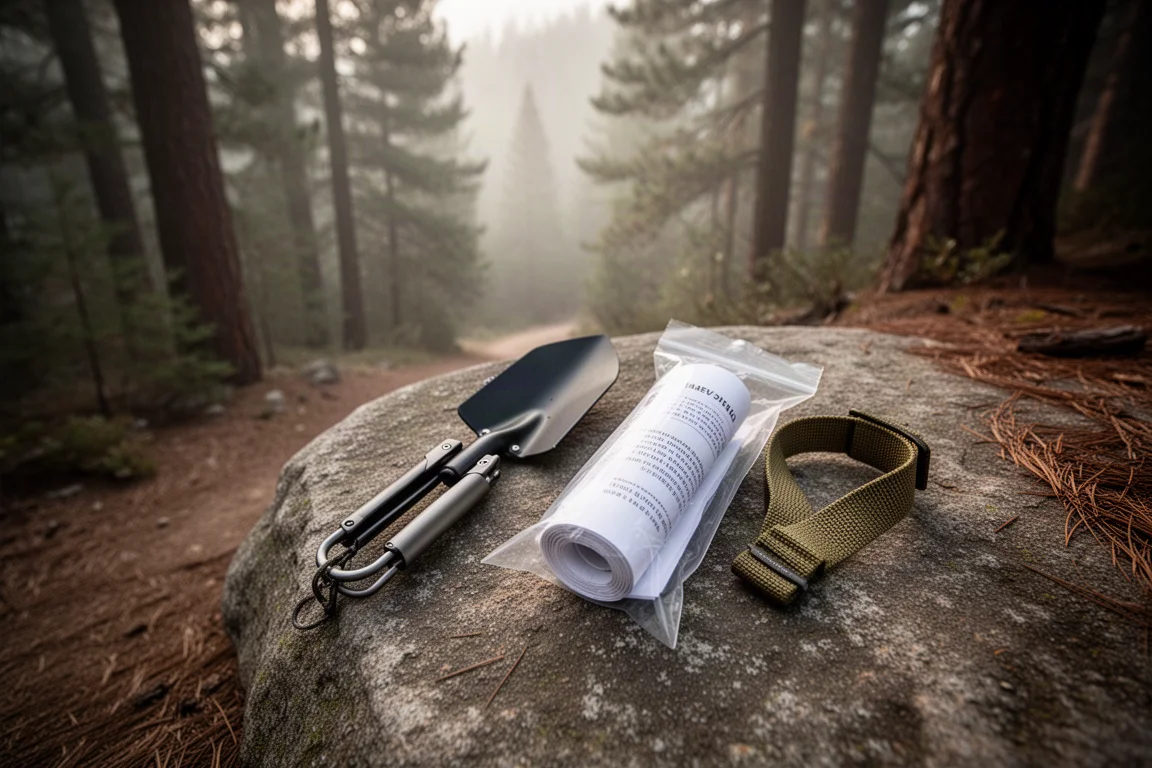
At around $50, the main reason it sells appears to be humor. It makes a memorable gag gift for a hiking or hunting friend, and that is a legitimate thing to buy. For anyone shopping for a practical backcountry bathroom solution, the money is better kept in your pocket.
Trekker’s Friend Hiking Trailer: A Backpack on Wheels
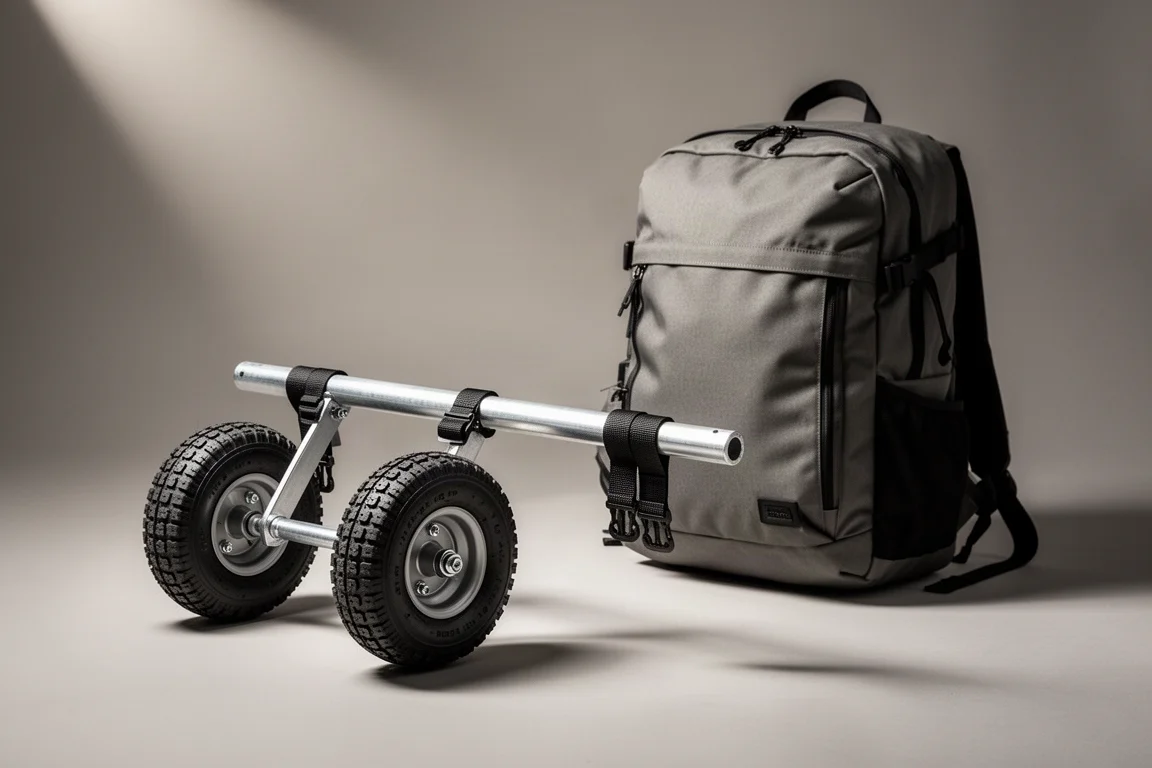
Trekker’s Friend takes a different approach to carrying weight. Rather than building a cart, it attaches wheels and an upper frame to a backpack you already own, and your trekking poles become the tongue of the trailer. When you are finished, it comes apart and the pack carries like a normal backpack, wheels and all.
On the trail it performed better than expected. It rolled up and over rocks and tree roots, handled uphill and downhill grades, and only flipped over a couple of times on rougher terrain. The weight transfer is the headline: with roughly 40 lb loaded in the pack, only about 8 lb of that rested on the back and hips.
The practicality problem is in the rigging. The frame is a couple of metal bars held in place with multiple straps, and converting a pack into trailer mode takes several minutes. Once set up, getting in and out of the pack is awkward and turning around on the trail is difficult. Gear can also rub against the wheels, and contact with a spinning wheel can wear through fabric quickly. On top of that, anything with wheels is forbidden in wilderness areas, and the kit runs around $200. It is clever and genuinely fun, but it is hard to recommend for real backpacking trips.
Overall Buying Advice
The right choice here depends entirely on the kind of trip you take. For car camping, Selk’bag solves a real problem, namely staying warm without retreating from the group, and the weight stops mattering when the car is parked nearby. For short cold outings, an ORORO heated vest can reduce bulk, but treat it as a supplement to insulation rather than a replacement, and plan around the battery life.
Crap Strap is a gift rather than a solution, and at around $50 it is priced like one. Trekker’s Friend is the most technically interesting of the four and the one with the narrowest set of conditions: moderate terrain, wheel-friendly trails, and a willingness to spend several minutes on setup at each end of the day. If those conditions do not describe your trips, the $200 is better spent elsewhere.
Conclusion
Unusual gear is worth paying attention to because the ideas behind it often point at real frustrations, even when the execution does not suit every trip. Selk’bag and the ORORO heated vest both address cold-weather comfort in ways that fit specific kinds of outings. Trekker’s Friend shows how much load a simple wheel kit can take off your back, provided you are hiking somewhere wheels are allowed. And Crap Strap is best enjoyed as the joke it largely is.
Match the product to the trip, and any of the first three can earn its place in your kit.
Further reading
Related Reviews
Camping Gear
3FUL Ultralight Ground Sheet Review: A Two-Person Footprint Worth Packing
A 6.7 oz two-person ground sheet in ripstop silnylon, priced around $30. Here is what it protects, what it does not do, and who should pack it.
Camping Gear
Backcountry Light Dual-Function Tarp and Floor Review: A Footprint First
A dual-purpose tent floor and tarp that keeps falling rain off you, but cannot block wind. Here is where it works and where it does not.
Camping Gear
Best 2-Person Camping Mattresses for Couples: 10 Options Compared
A practical comparison of ten two-person camping mattresses, covering self-inflating pads, air pads and air mattresses for couples.