Tools
Weighted Impact Sockets Put to the Test: Ingersoll Rand vs Lisle
Two weighted sockets promise to boost impact wrench torque on stubborn bolts like Honda crank bolts. We compare how they performed on a test rig.
Introduction
Weighted sockets occupy a strange corner of the tool world. The idea is simple enough: add mass to the anvil end of an impact wrench and, in theory, boost the torque delivered to stubborn fasteners. The most common use case is the notorious Honda crank bolt, a fastener famous for refusing to budge, though these sockets can be used on plenty of other stuck hardware too.
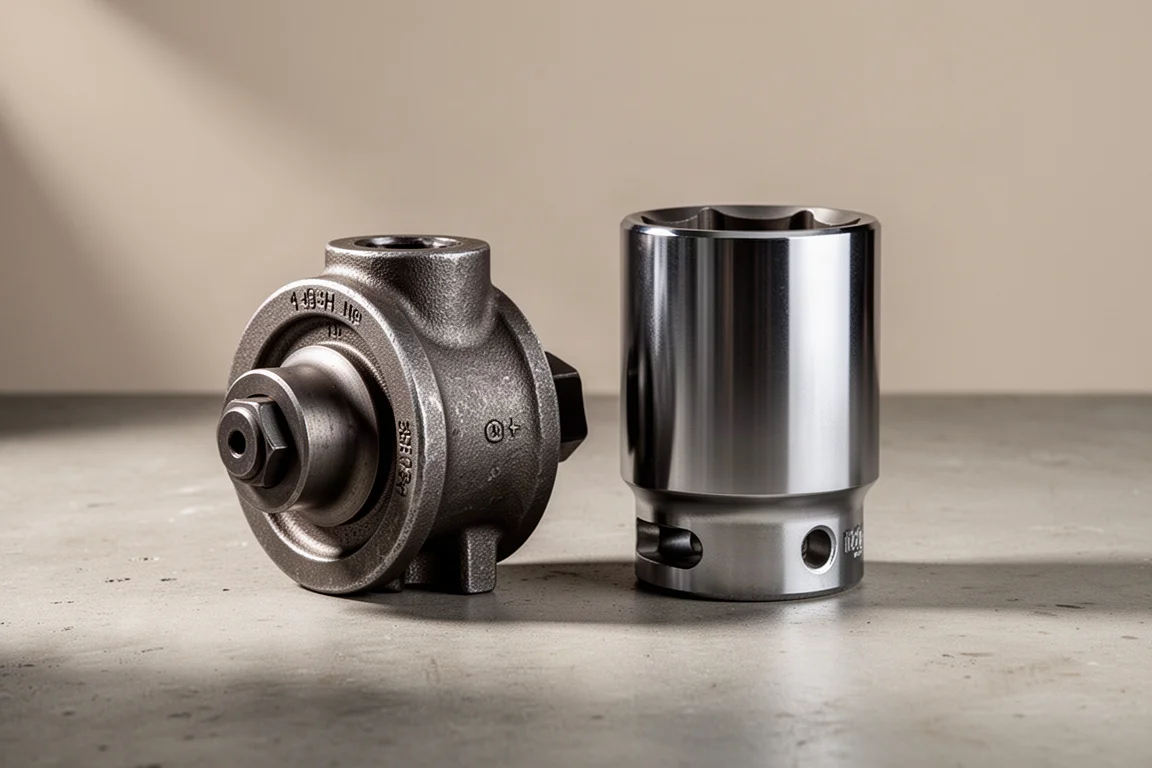
Two retail options dominate the category: the Ingersoll Rand 19mm weighted power socket and the far more affordable Lisle weighted impact socket. Both aim to put your impact wrench “on steroids,” but they take very different engineering paths to get there. We put both through comparison testing on a torque rig to see whether the premium option earns its price.
Who These Sockets Are For
Weighted sockets exist for one reason: extra leverage on bolts that a standard impact cannot crack. If you work on engines, particularly Honda harmonic balancer and crank bolts, this category was practically built for you. They can also help with other rusted or overtightened fasteners where every foot-pound counts.
One important caveat: these are niche tools. If your impact wrench already handles your fasteners comfortably, a weighted socket adds cost and weight without much practical benefit. They also require a powerful impact to begin with, which matters more than many buyers expect.
How the Two Designs Differ
The Ingersoll Rand power socket takes a flywheel-style approach. Its mass is situated on a flywheel far out from its axis, a forged one-piece design that is engineered to theoretically amplify the impact blow. That complexity shows up in its price, which sits at around $72.
The Lisle version takes the opposite route. Instead of a flywheel, it is simply a super-thick, super-heavy-walled socket that relies on mass alone. It uses hardened chromoly material throughout, and its simplicity is reflected in a price of around $32. Despite the completely different engineering philosophies, the two performed remarkably similarly in testing.
What the Dyno Testing Showed
On a reverse-torque test rig using an air impact wrench for consistency, both retail sockets delivered dramatic gains over a standard deep socket. A baseline deep socket scored around 587, while the Ingersoll Rand power socket pushed the score up to 801. The Lisle followed almost immediately behind at 802.
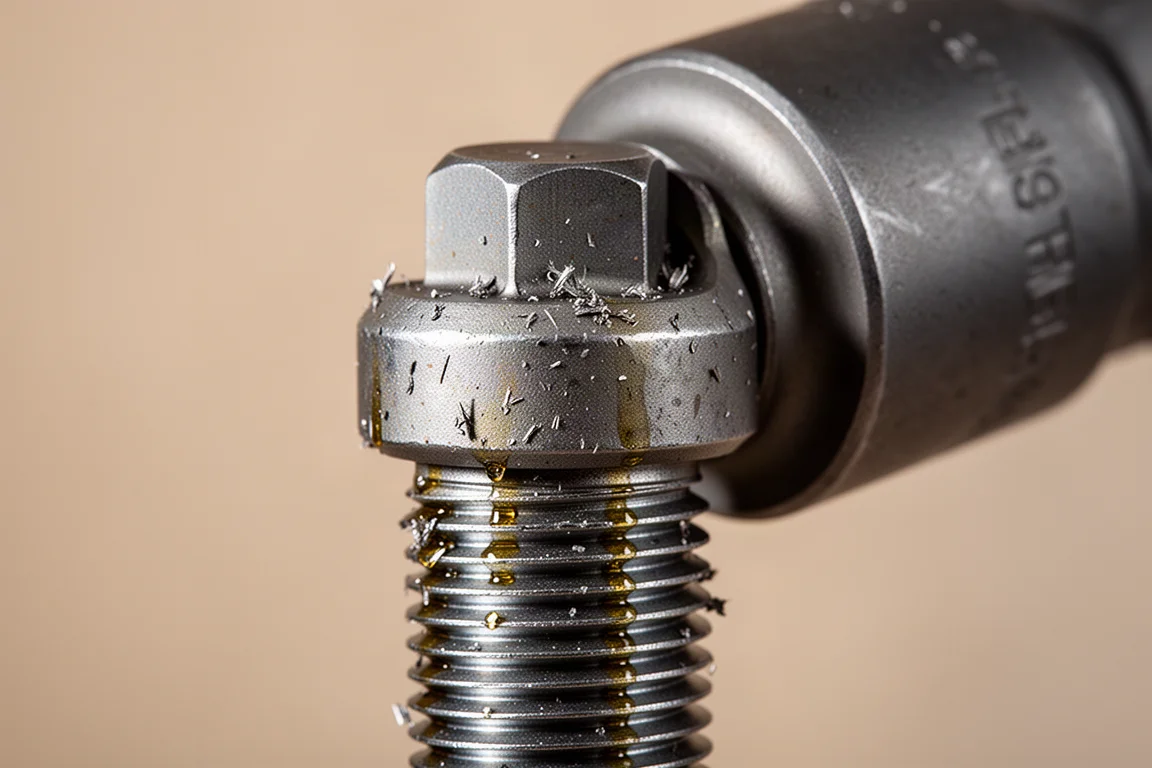
That near-identical result is the headline finding. Two very different designs, one a forged flywheel and one a plain heavy wall, landed within a single point of each other. For buyers, that makes the choice largely about price rather than performance.
The testing also surfaced some interesting limits. Adding mass is not automatically better: a DIY socket heavier than either retail option scored notably worse, and an extremely heavy lead-filled experimental socket underperformed. A lightweight hollow pipe socket, counterintuitively, beat everything. A physics consultant’s explanation: heavier sockets must overcome their own inertia with each blow, while thicker and especially hollow-walled sockets transmit impact force more efficiently because a rigid body passes force along far better. Hollow shafts are also structurally stronger than solid ones. Heavier is not automatically better; rigidity is what counts.
The gains also shrink on less powerful tools. On cordless impacts the effect appeared roughly 10 to 15 percent less dramatic, likely because each blow of a cordless tool delivers less energy, and on a low-power impact the weighted socket made no difference or even hurt performance slightly. The more powerful your impact wrench, the more a weighted socket bumps things up.
How They Compare on Value
At $32, the Lisle is less than half the price of the Ingersoll Rand and matched its torque output in testing. Unless you specifically want the flywheel design, the cheaper socket is hard to argue against.
The Ingersoll Rand does have one practical edge worth noting: its thick-wall flywheel construction can sometimes work on lug nuts, where the Lisle’s extra-girth design may not fit. If lug nut use matters to you, that is a genuine reason to consider the premium option.
Buying Advice
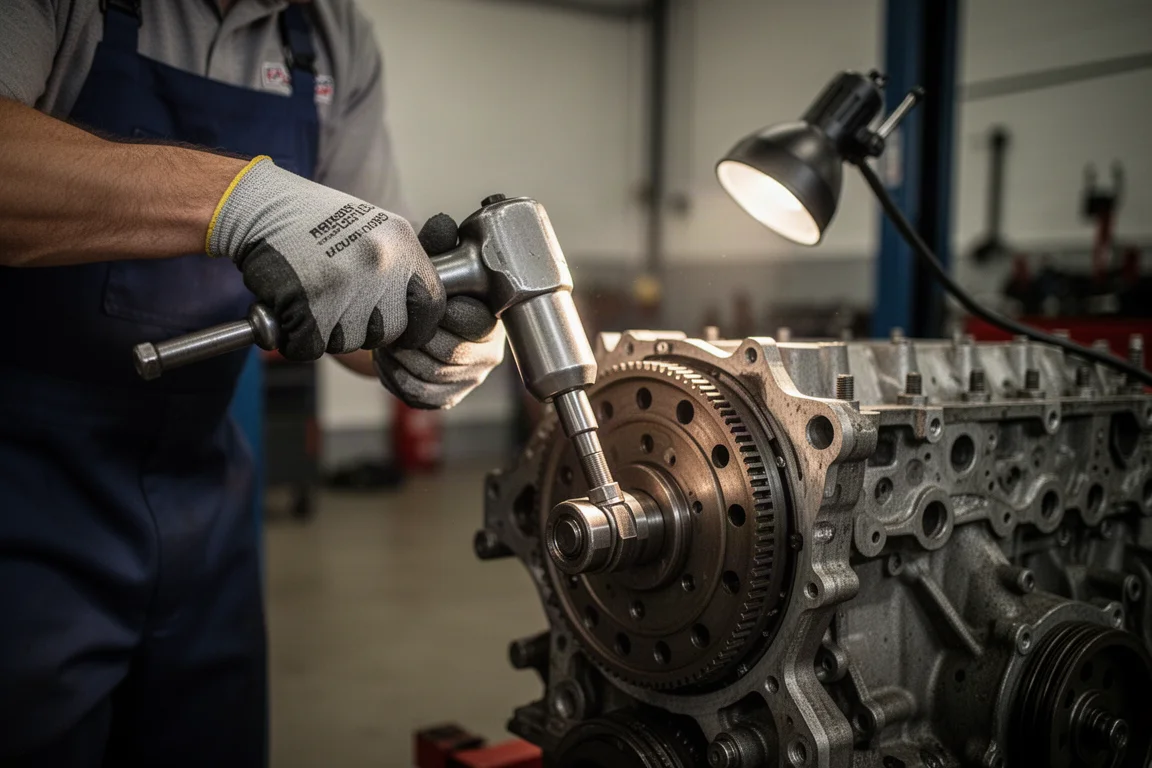
For most buyers, the Lisle weighted impact socket is the sensible pick. It matched the far more expensive Ingersoll Rand blow for blow in testing, and the money saved stays in your pocket. Choose the Ingersoll Rand if you want the forged flywheel design or need something that can also fit over lug nuts.
Two prerequisites before buying either: make sure your impact wrench is genuinely powerful, since weak tools see little to no benefit, and confirm the 19mm hex size actually fits your target fastener, because a couple of test dimensions turned out to be a few millimeters too large for a Honda harmonic balancer hex. Measure first, buy second.
Conclusion
Weighted sockets are not snake oil. Both the Ingersoll Rand power socket and the Lisle delivered large, repeatable torque gains over a standard socket, and they did it with near-identical results despite radically different designs. For the money, the Lisle is the standout value, while the Ingersoll Rand earns its keep only in specific cases like lug nut compatibility. Match the socket to a powerful impact wrench and a genuinely stubborn bolt, and either one will put real extra torque on the job.
Product link
View more details for Ingersoll Rand 19mm Weighted Power Socket
This product is mentioned in the review. Check the specifications, options, and compatibility before buying.
View more details for Ingersoll Rand 19mm Weighted Power SocketFurther reading
Related Reviews

Tools
Best Contractor Grade Tape Measures 2026: Eight Models Tested Head to Head
We tested eight contractor grade tape measures from Milwaukee, DeWalt, Crescent Lufkin, Tajima, Stanley, Irwin, Gelan, and Craftsman to find the best value and performance.

Tools
Best Precision Screwdriver Sets 2026: Manual and Electric Options Compared
We compare 19 precision screwdriver sets, from budget manual kits to electric drivers, to find the strongest bits and best value.

Tools
Best Stud Finders 2026: Five Popular Models Put to the Test
We tested five popular stud finders on drywall, firewall, and lath and plaster surfaces to see which ones really find studs and avoid false readings.