Coffee Equipment
Weber Key Grinder Review: Premium Conical Burr Performance at $2,000
A detailed look at Weber Workshops' latest grinder, testing its claims about low retention, the magic tumbler declumping system, and variable RPM performance.
Introduction
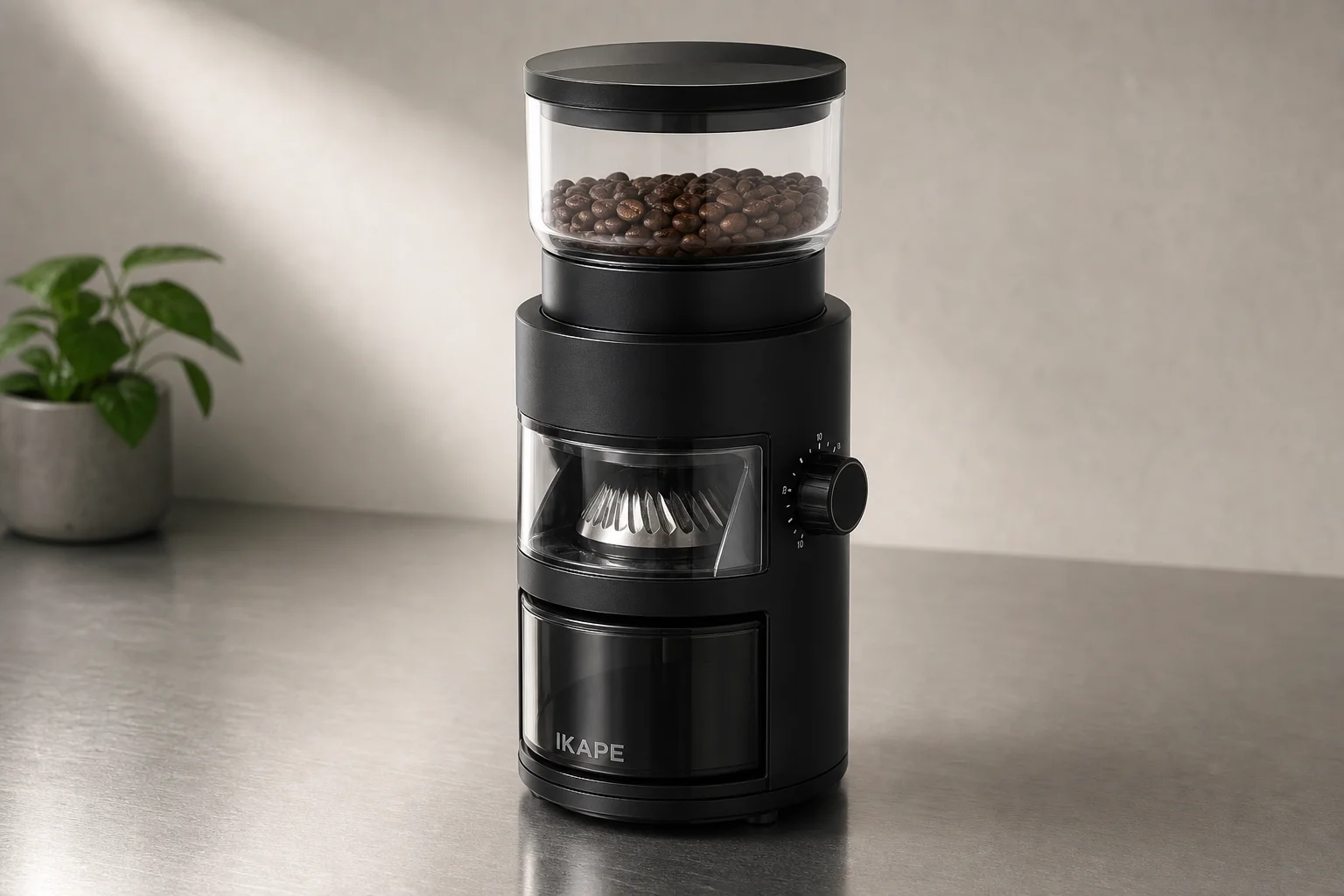
The Weber Key grinder arrived as the subject of considerable discussion in the specialty coffee community. Launched on Indiegogo with over 2,500 backers at a discounted price of $1,650, it now retails for $2,000. This review examines whether the grinder’s claimed innovations deliver on their promises and whether the price aligns with real-world performance.
Design and Build Quality
At the heart of the Key sits an 83-millimetre conical burr set sourced from Manza. Weber notes these burrs arrive partially seasoned, as new burrs do not cut efficiently until they have processed some coffee. The burrs feature a protective coating intended to extend their lifespan, though most home users will never approach the wear limits of a well-made burr set.
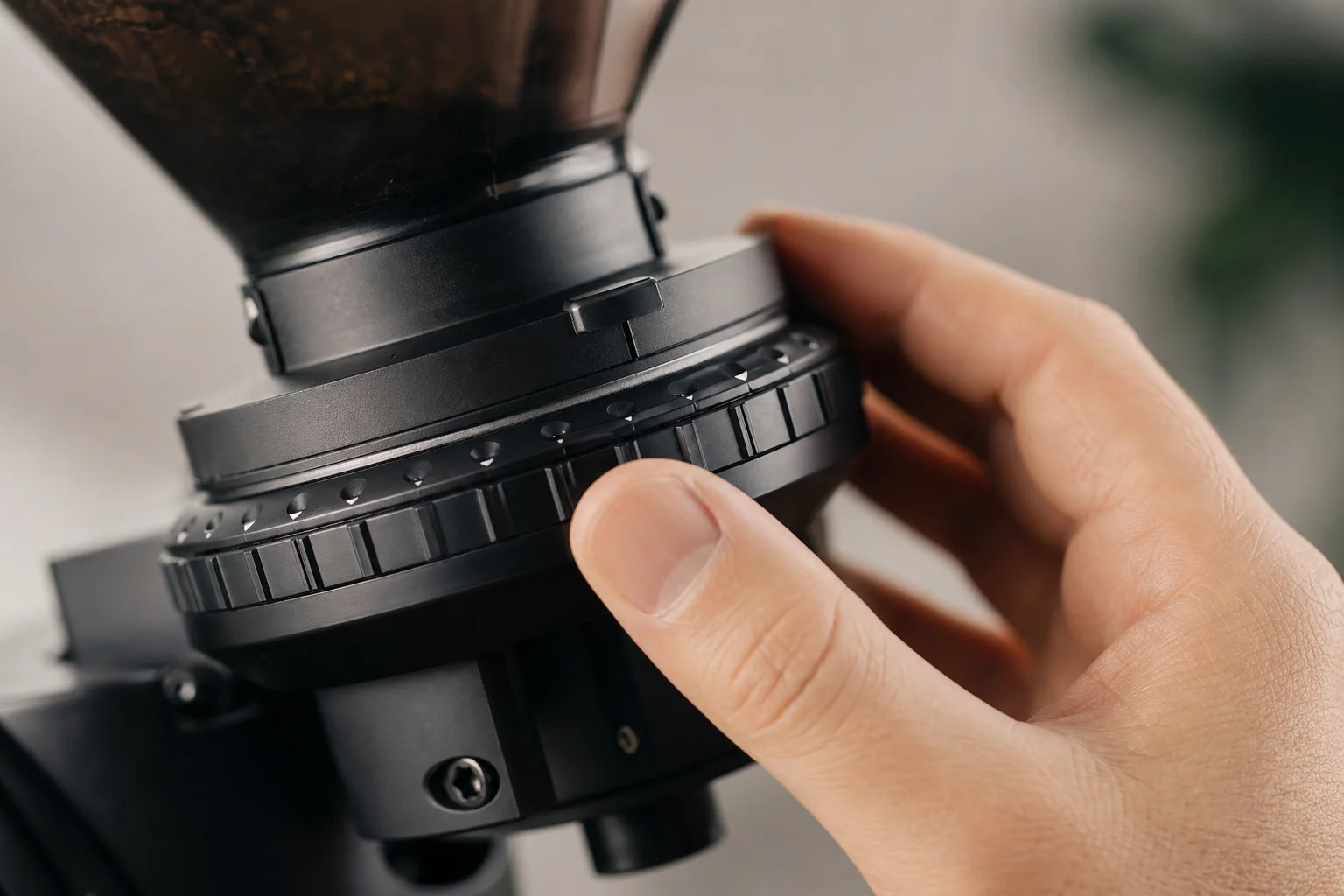
The grinder’s motor runs from 30 RPM to 150 RPM, a notably low range that presents both benefits and challenges. A stepped grind adjustment mechanism offers approximately 5-micron increments, which proves adequate for dialling in without hunting between steps. However, the adjustment collar design feels clunky: it lifts off and must be awkwardly repositioned, and if not locked properly before grinding, the burr rotation can drag the mechanism progressively finer, risking burr seizure.
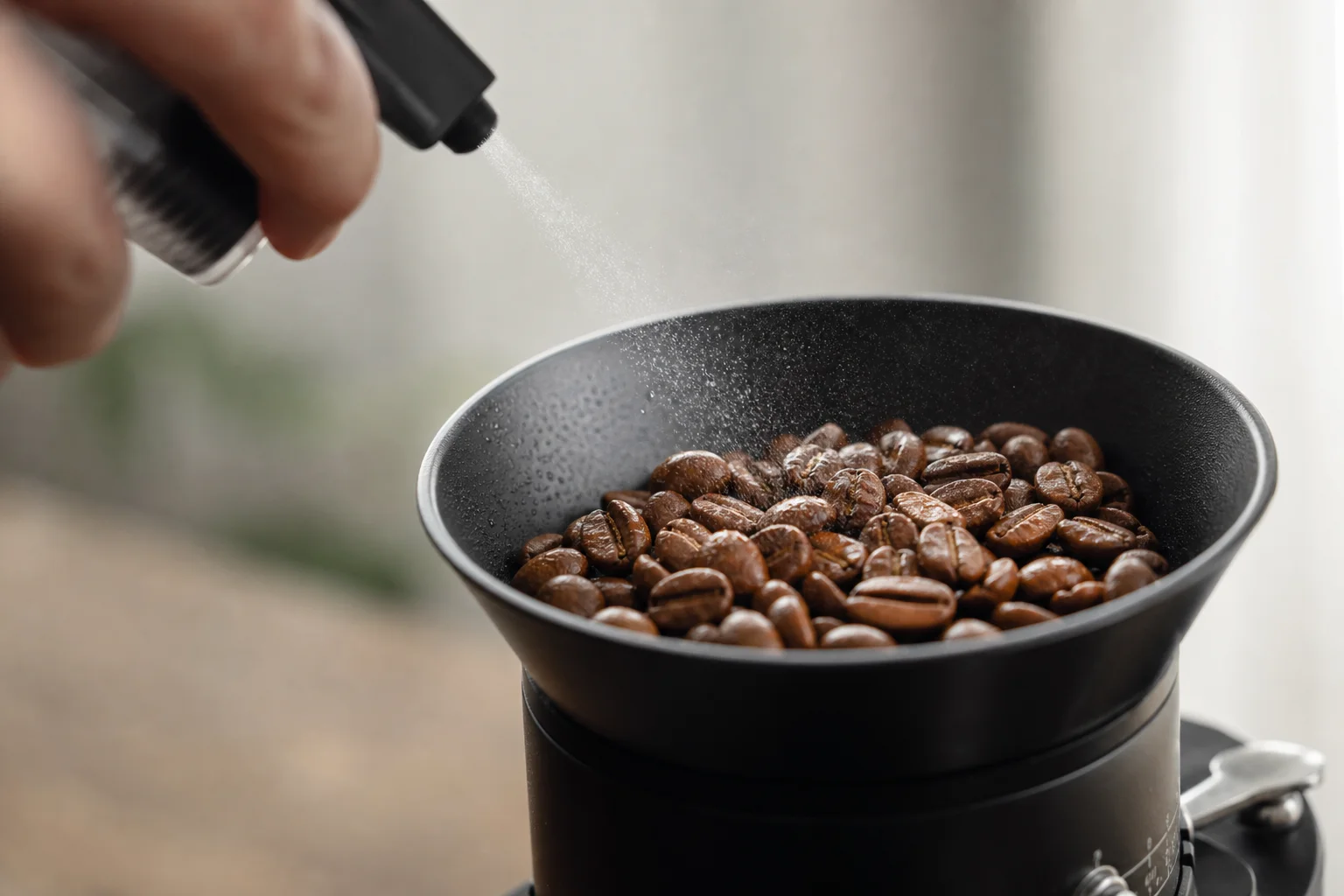
The included dosing cup feels thin and cheap compared to the rest of the build quality. The grinder also ships with a spray bottle for the RDT (Ross Droplet Technique), which is genuinely useful with this particular design. The magic tumbler, a small wire mechanism that stirs and declumps grounds during grinding, is magnetically attached and satisfying to use. An alternative funnel and catch cup are available as additional purchases, though they are not essential unless you have a specific workflow need.
One controversial design choice is mounting the moving bar at the end of a long, unstabilized drive shaft. In theory, any misalignment could significantly impact burr spacing. While this unit has shown no alignment issues, some users have reported problems, making it a point worth monitoring over time.
Retention and Low-Retention Claims
Weber markets the Key as a low or zero-retention grinder. Testing confirms this is largely true, provided you use the RDT to mist beans before grinding. Across approximately 50 tests measuring input and output, the grinder consistently returned what was put in, with only minor variance. The low retention holds up well in daily use.
The Magic Tumbler and Declumping Performance
To test the magic tumbler’s effectiveness, a matrix of four shots was prepared: standard tumbler with no additional distribution, standard tumbler with needle distribution, magic tumbler with no additional distribution, and magic tumbler with needle distribution.
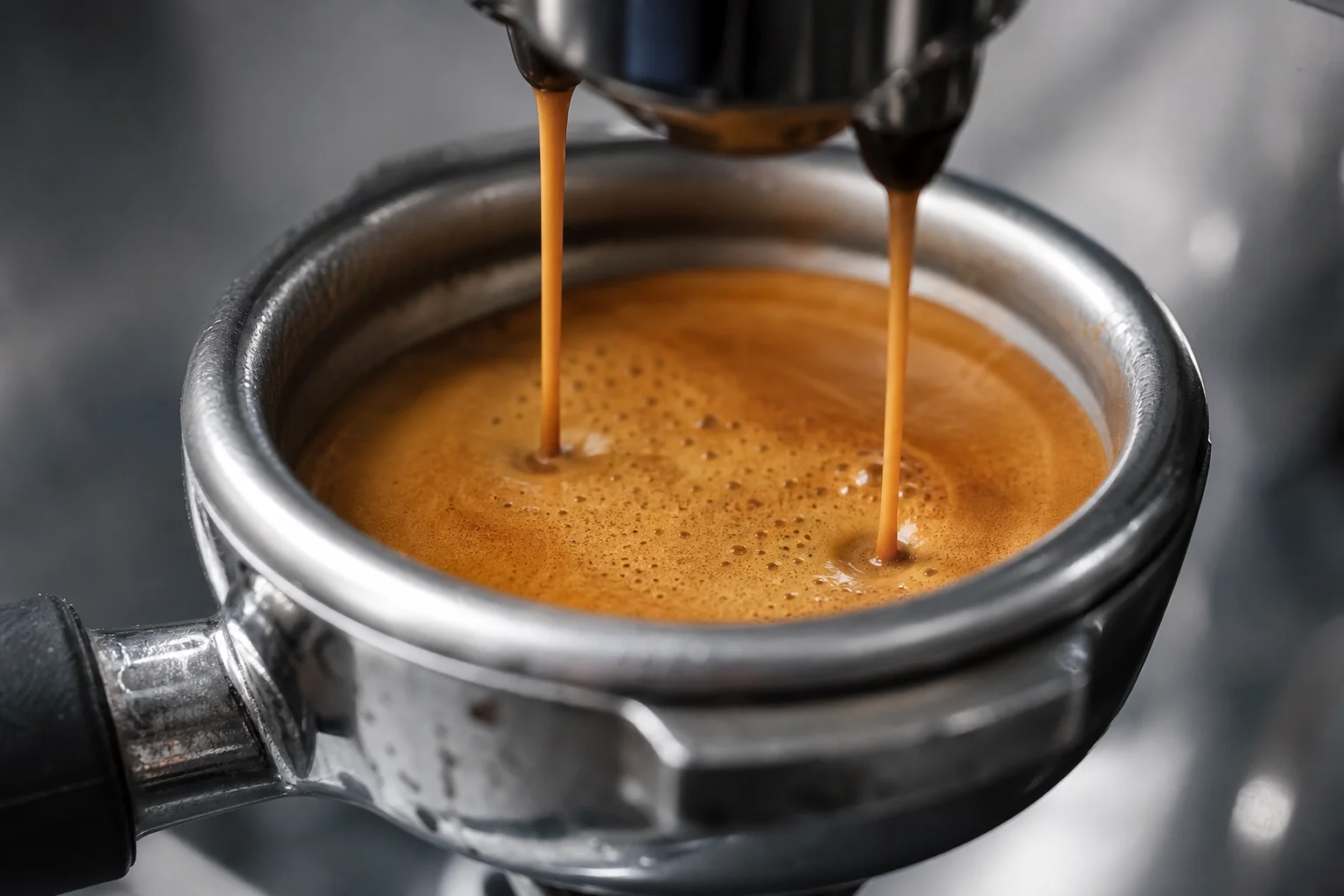
The magic tumbler demonstrably works and outperforms no distribution. It nearly matches the result of manual needle distribution alone. When comparing the magic tumbler against the magic tumbler plus additional needle distribution, a small improvement emerged: slightly increased sweetness and reduced variance in the cup. For absolute best results, adding a manual stirring stage after the magic tumbler provides a marginal but noticeable gain in consistency. For users who prefer not to add extra tools, the magic tumbler alone takes you a long way toward good puck preparation.
Variable RPM and Motor Performance
The low RPM range (30-150) creates a challenge with dense, light-roasted coffees at fine espresso settings. Testing with a single-origin Rwandan coffee revealed motor stalling when grinding very finely at higher RPMs, particularly above 90 RPM. The stalling appeared linked to heat buildup triggering a thermal safety mechanism rather than the grind setting alone.
Interestingly, testing at varying RPMs with the same grind setting produced unexpected results. Contrary to some expectations, higher RPMs produced faster flow rates, not slower. In terms of flavour, shots at higher RPMs exhibited more texture and body but less clarity, while very low RPM shots showed greater clarity and linearity. This suggests something beyond fines production is shifting with RPM changes, though without particle size analysis, the exact mechanism remains unclear. Variable RPM is an interesting feature, but the execution here is not without limitations.
Workflow and Daily Use
Daily use reveals both strengths and frustrations. The lid helps prevent bean popcorning but creates a problem: you cannot see the dosing funnel to confirm beans have fallen through. When beans are misted with water, they become sticky and may not drop properly without finger assistance, negating the lid’s purpose. Most testing abandoned the lid and dosing cup in favour of a hot-start workflow where the burrs run before loading coffee.
The permanently fixed dosing funnel is another workflow frustration. A magnetic split design would have allowed removal for easier cleaning and bean loading, but the current design traps it in place. The narrow footprint, while compact, makes angled bean feeding difficult, and third-party solutions are nearly impossible to attach due to the design constraints.
The magic tumbler’s 360-degree rotation means you must pay attention when reassembling to ensure it sits correctly. This is not a major issue but adds a small cognitive load to an otherwise straightforward process.
Once past the dosing stage, workflow improves. The grinder produces very tasty espresso across different styles, from texture-forward to clarity-focused, depending on RPM choice. Filter coffee requires rotating the dial approximately one full turn from espresso settings, which is repeatable and reliable.
Comparison with the Niche Zero
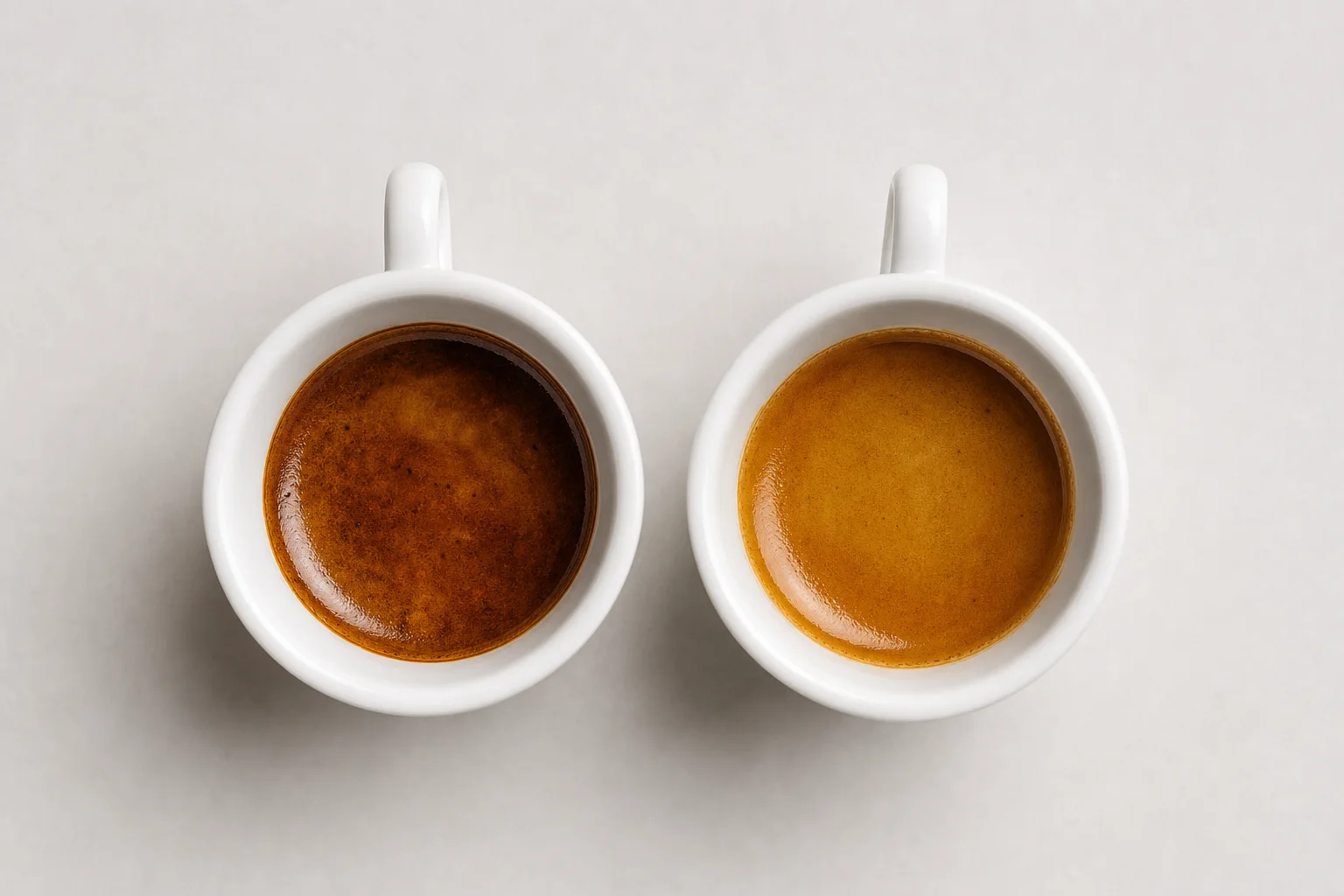
Pulling the same recipe with the same coffee on the Niche Zero revealed a notably different espresso profile. The Key produces a heavier, more textured shot with slightly less clarity and brightness compared to the Niche. This is not a flaw but a stylistic difference: the Key leans toward body and texture, while the Niche emphasises clarity. For filter coffee, the Key arguably performs better, producing the clarity and sweetness that many filter enthusiasts prefer.
Build Quality and Scaling Challenges
The build quality on this unit is excellent with no manufacturing flaws. However, Weber’s transition from small-batch production to larger-scale manufacturing has not been seamless. Some users have reported issues, which is typical during this growth phase. The combination of premium brand reputation and the $2,000 price point creates high expectations for perfection in every detail, which is difficult to maintain during industrial scaling.
Summary and Recommendations
The Key is a capable, well-made grinder that delivers on most of its claims. It produces excellent espresso and filter coffee, offers genuine low retention with the RDT, and the magic tumbler meaningfully improves puck preparation. However, workflow frustrations around the fixed dosing funnel, the lid design, and the adjustment mechanism are real drawbacks.
Whether the Key represents good value depends entirely on your priorities. If compact footprint, beautiful materials, and the ability to dial in different flavour profiles matter most, it is appealing. If you prioritise seamless workflow and absolute reliability, the Lagom P64 is a worthy alternative at a lower price point. The Key is not perfect, but it is a very capable grinder that will satisfy users who align with its strengths and can accept its workflow quirks.
Conclusion
The Weber Key grinder is a premium tool for serious coffee enthusiasts willing to navigate its workflow peculiarities in exchange for excellent coffee quality and thoughtful design. It is not the right choice for everyone, but for those whose needs match its capabilities, it delivers a compelling experience.
Product link
View more details for Weber Key Grinder
This product is mentioned in the review. Check the specifications, options, and compatibility before buying.
View more details for Weber Key GrinderFurther reading
Related Reviews
Coffee Equipment
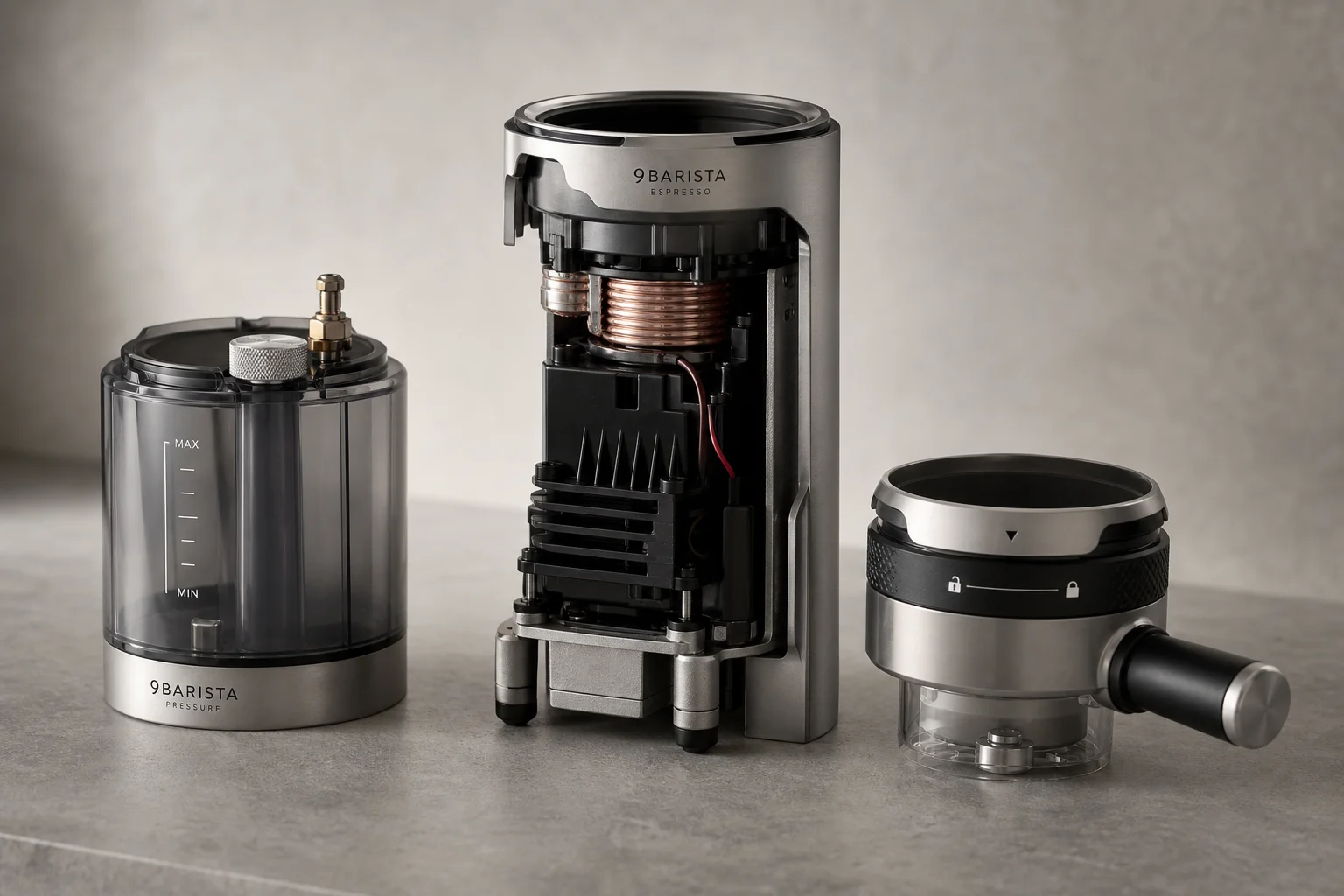
9Barista Espresso Machine Review: Stovetop Espresso for Single-Cup Enthusiasts
A cleverly engineered stovetop espresso maker that generates nine bars of pressure without electricity. Excellent coffee quality, but requires patience and suits solo drinkers only.
Coffee Equipment
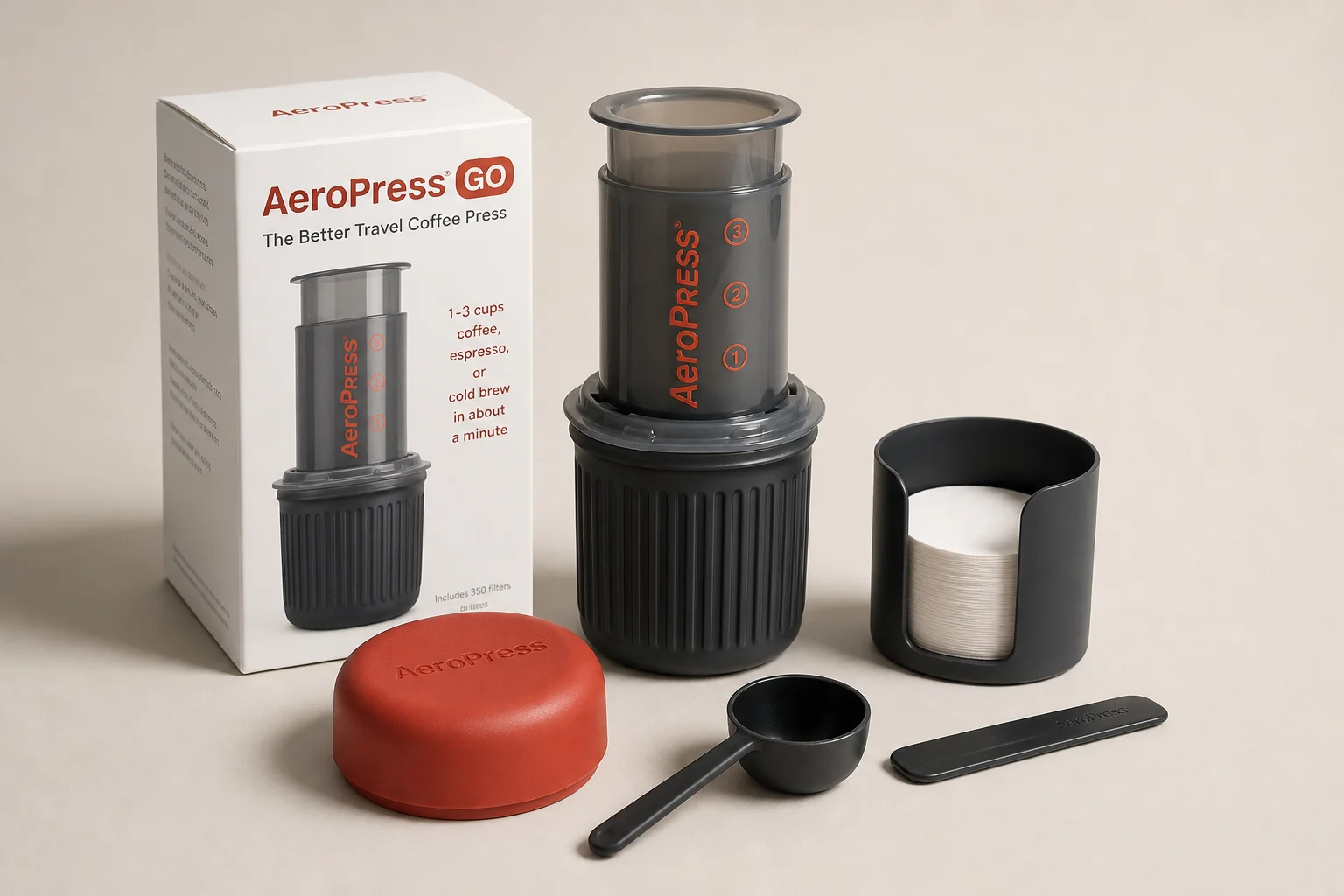
Aeropress Go Review: A Compact Travel Brewer That Solves One Specific Problem
The Aeropress Go shrinks the original design and adds an integrated cup, but it may not address the travel challenges most coffee enthusiasts actually face.
Coffee Equipment
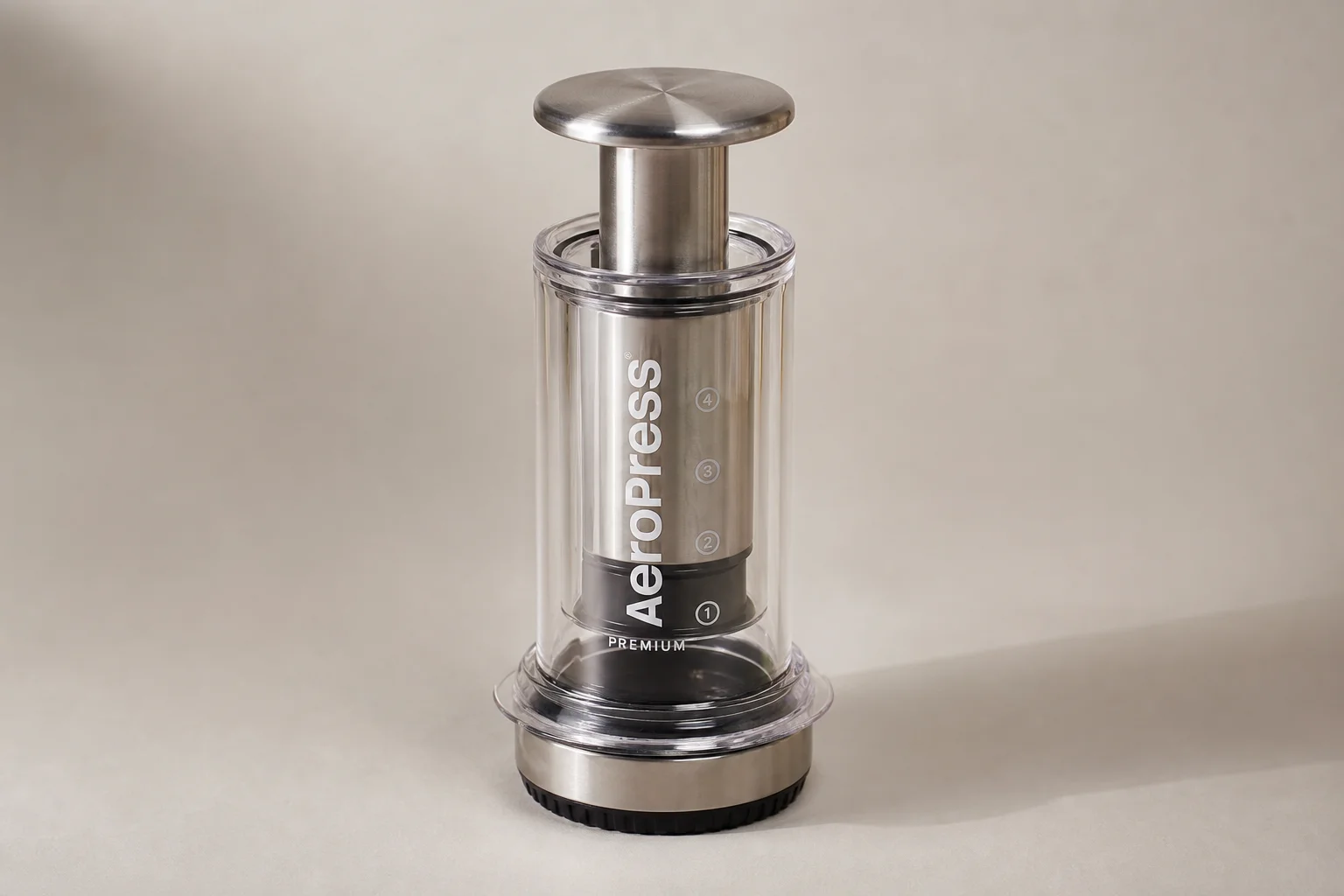
AeroPress Premium Review: Premium Materials, Practical Trade-offs
The AeroPress Premium brings glass and metal construction to a beloved brewer, but trades portability and durability for a more refined feel. Here's what changes in the cup and what matters before you buy.