Backpacks
Decathlon Trek 100 70L Backpack Review: Serious Value for Backpacking
A 70-litre backpacking pack with a torso system you can adjust while wearing it, a rigid frame, and a 10-year warranty for $120.
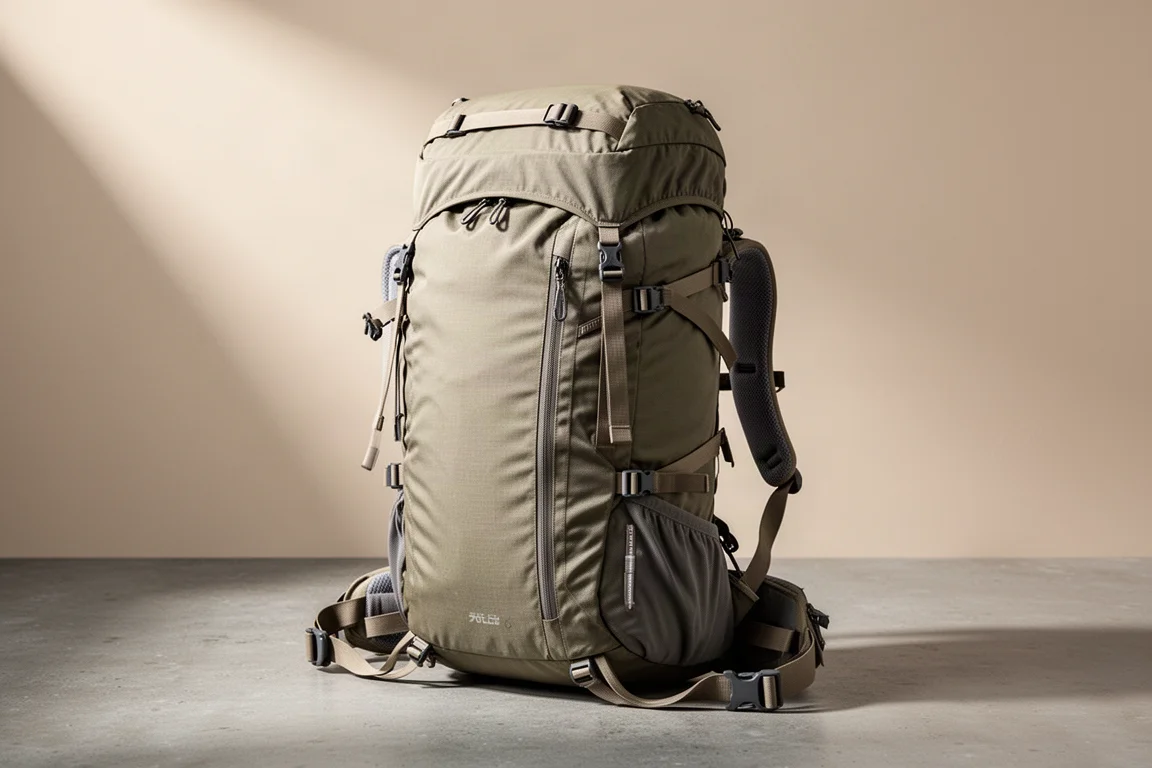
Introduction
Gear earns a permanent place in a kit list for different reasons. Sometimes it is because a piece of equipment is exceptionally light, sometimes because it solves a problem in a clever way, and sometimes because it simply refuses to wear out. The Decathlon Trek 100 70L backpack earns its place for a combination that is rare at its price: a carry system you can tune while the pack is on your back, a complete feature set, and durability that has already been proven over years of regular use. It costs $120, and that number is central to the story. Comparable 70-litre packs from well-known outdoor brands often sell for several times as much.
Who this product is for
This pack suits the backpacker who wants one dependable option for most trips rather than a specialist pack for every scenario. Three-season weekends, winter overnights with bulky insulation, and multi-day summer routes all fall inside its range. It also fits the household or group that shares gear, because the torso length can be changed in seconds, so one pack can be reset between different people without tools and without a trip to a shop.
The 70-litre capacity sits in a practical middle ground. It is large enough to swallow cold-weather clothing and several days of food, yet the compression straps can cinch the load down when you are carrying closer to 55 litres on a summer trip. That range is what makes a single pack viable across seasons instead of forcing a choice between a weekend pack and an expedition pack.
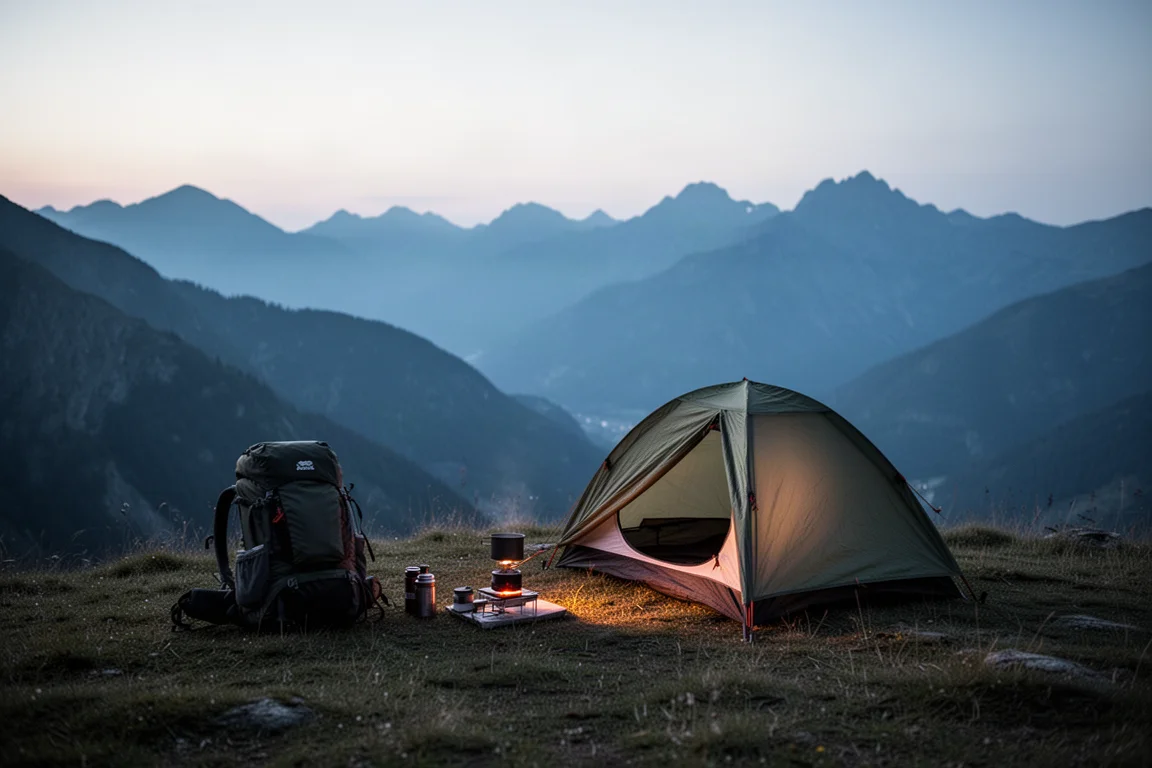
That flexibility is the main reason this pack appeals to hikers who would rather own one good pack than three average ones. It is also a sensible step up for anyone moving on from a basic daypack who wants the features of a proper backpacking system without paying premium-brand money.
Main strengths
Four things stand out in use: the fit system, the durability, the way the capacity is organised, and the value package of warranty and included accessories.
Adjustability that works while you wear it
Most backpacking packs allow the torso length to be adjusted, but the adjustment usually has to be made before the pack goes on your back. This one works differently. Loosen the harness and the torso panel can be repositioned while the pack is still on your shoulders. Tighten the straps and the load settles into place, then the load lifters fine-tune the angle of the shoulder straps.
In practice the whole sequence takes seconds. That matters on the trail, where a pack that is slightly out of adjustment becomes uncomfortable over long distances, and it matters at home, where the same pack can be handed between family members and reset for each of them immediately. Only a handful of companies offer torso systems that can be adjusted this way, and very few of them do it at this price.
Durability that has held up over three years
This pack has been in regular use for roughly three years and has covered hundreds of trips in that time. It has seen summer heat, winter snow and ice, and long soakings in rain. The fabric shows scratches and dirt, which is expected, but the structure has held: stitching is intact, webbing and buckles are sound, and the harness padding is still comfortable. A close inspection turned up a single loose thread near the product identifier on the lid, and nothing else.
That record is the strongest argument for the pack. A low price is only meaningful if the product survives the use it was bought for, and this one has.
Capacity and organization
At 70 litres the main body offers plenty of room, and the sleeping bag compartment at the base is unusually generous. A zero-degree down bag plus a blanket will fit with space left over, which makes the pack well suited to cold-weather trips where bulk is the main problem rather than weight.
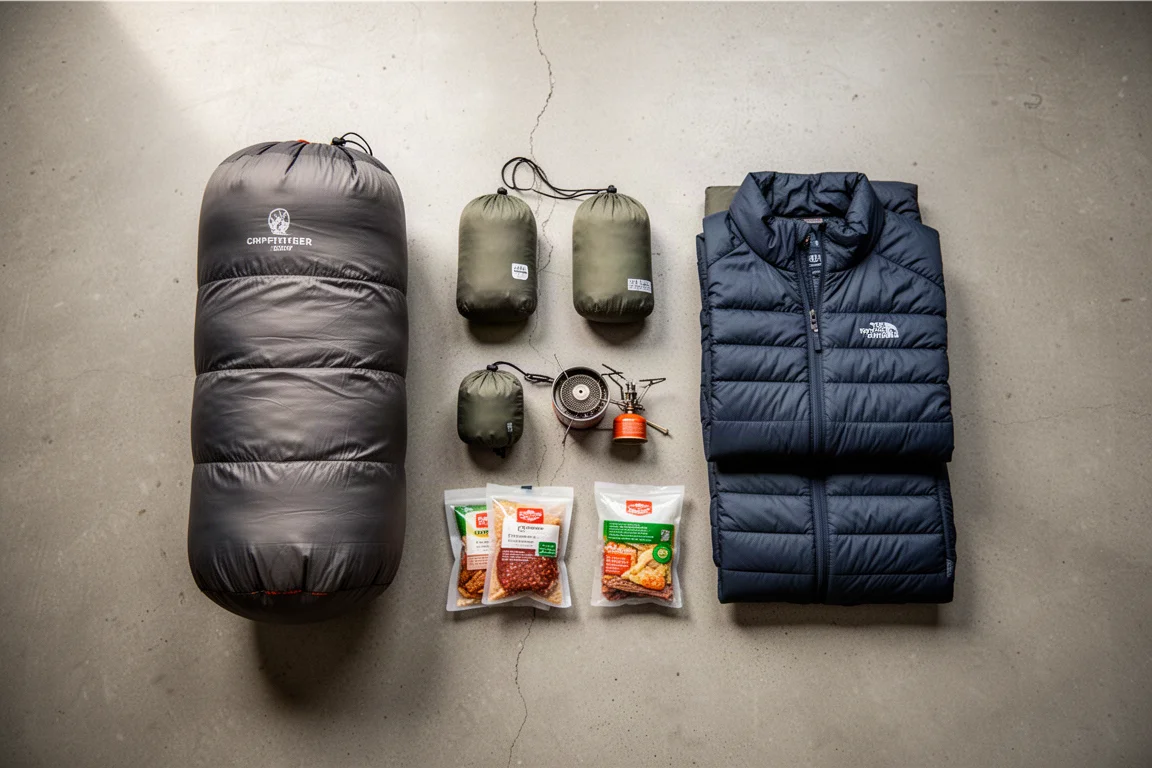
Organization is deliberately simple. Most of the volume is a single internal cavity, with a handful of pockets rather than a maze of compartments. If you pack in stuff sacks and stack them in a known order, you always know where everything is. A full-length front access zipper lets you open the pack like a suitcase to load and unload, while the top lid offers a second entry point. Around the body there are compression straps, side pockets, a hydration sleeve, a sleeping bag divider, usable waist belt pockets, and slanted water bottle pockets that can be reached and replaced without stopping.
Carry comfort and load handling
The frame is rigid and transfers weight well, which is what allows a pack of this size to stay stable when it is loaded heavily. The padding is adequate rather than plush, but it holds up over long days, and twenty-mile days are realistic without discomfort becoming the limiting factor. More comfortable packs certainly exist, but they generally cost two or three times as much.
Value, warranty, and included extras
The materials are honest for the money. The main fabric is 600 denier polyester, treated with a polyurethane coating on the inside to help it resist water, and the zippers come from YKK. A rain cover is included at no extra cost, which is not a given at this price. The pack also carries a 10-year warranty, so a failed seam or a torn panel is covered rather than simply written off.
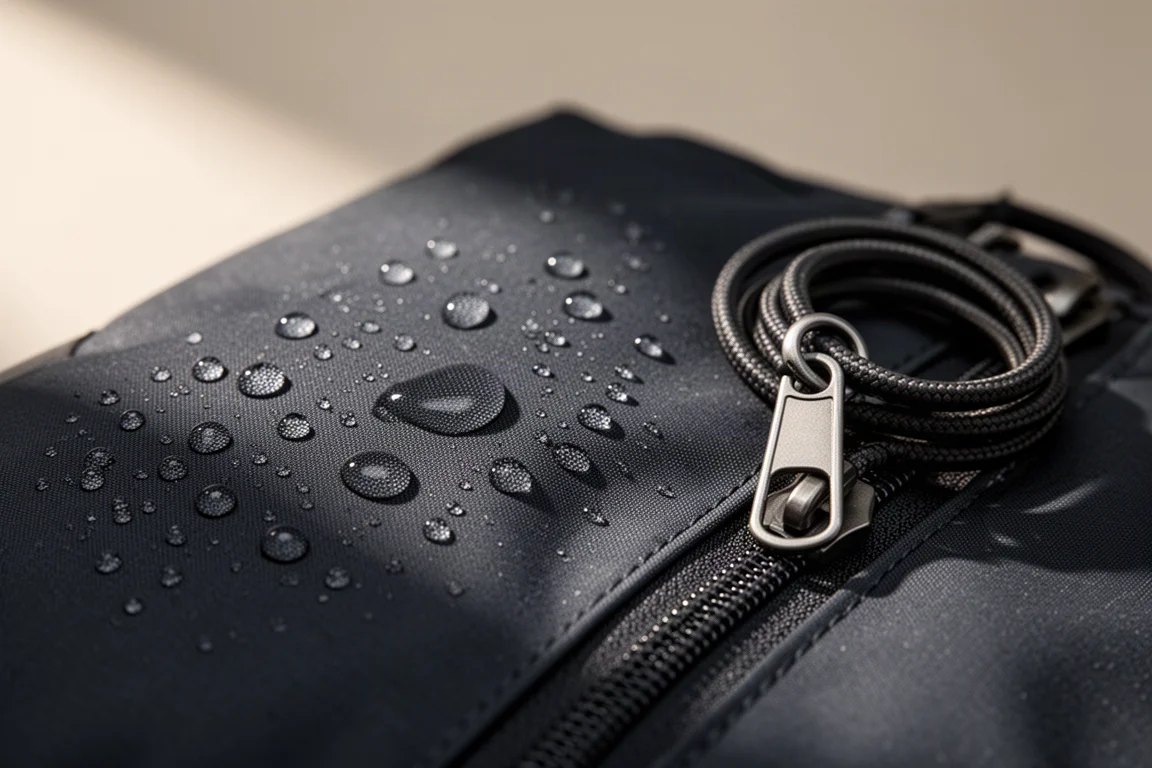
Add a weight of 4.2 pounds for a 70-litre pack, and the package is difficult to argue with. Few packs at this price combine an adjustable harness, a rigid frame, YKK hardware, a rain cover, and a decade of warranty coverage.
Things to consider before buying
The Trek 100 is not a specialist ultralight pack, and it does not pretend to be. If your goal is a thru-hike where every gram is counted, a much lighter pack costing several hundred dollars will serve you better. This one is built for general backpacking and camping trips, where comfort, capacity, and durability matter more than the last few hundred grams.
The polyester shell is inexpensive and durable, but it is not the lightest or most technical fabric available, so expect the pack itself to contribute meaningfully to base weight. The simple internal layout is a plus for some hikers and a compromise for others: if you prefer many dedicated pockets and dividers, this design will feel sparse. Availability has also fluctuated in the past, so it is worth confirming stock before planning a trip around a purchase.
Buying advice
For the majority of backpacking trips, this pack removes the usual trade-off between price and capability. Check that the torso range suits you, confirm current stock, and consider that the adjustable harness makes a single pack far more versatile than its price suggests, which is useful for households and groups sharing gear.
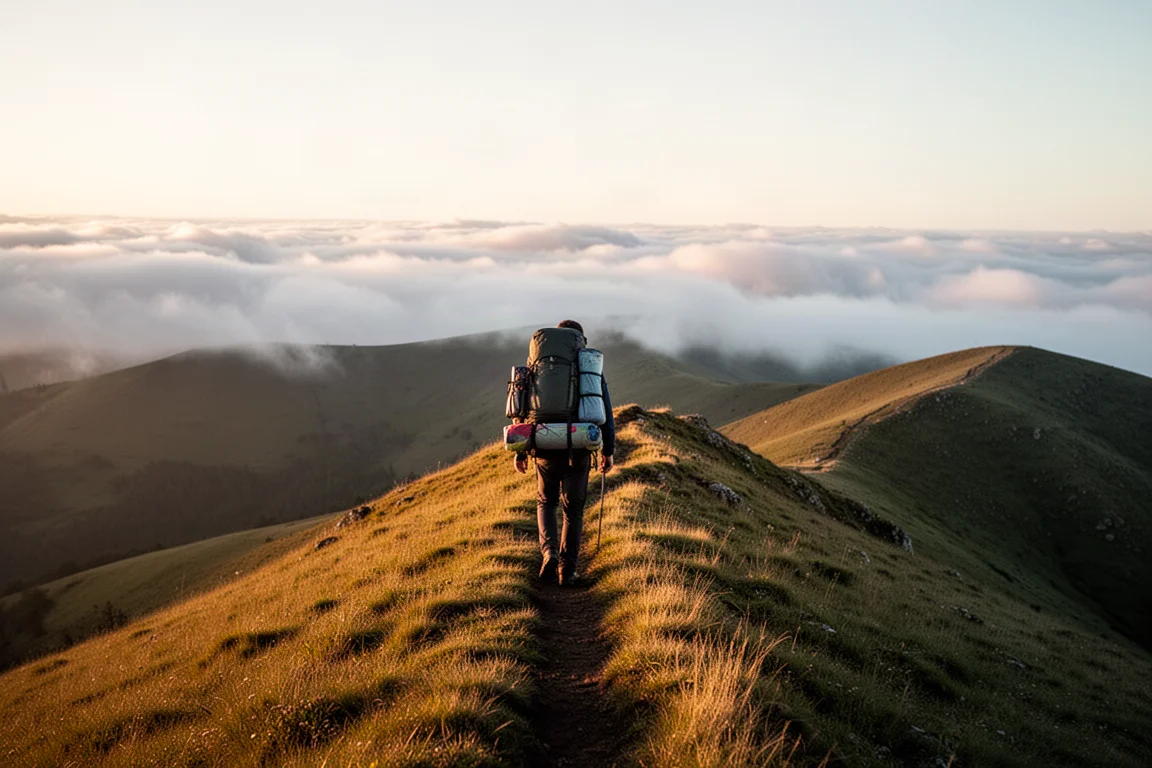
Buy it if you want a well-equipped, comfortable, durable 70-litre pack without spending premium money. Skip it if your priority is minimum weight for a long-distance thru-hike, where a lighter and more expensive design is the better tool.
Conclusion
The Decathlon Trek 100 70L backpack is a rare example of a budget product that behaves like a much more expensive one. The fit system can be adjusted while you are wearing it, the build has survived three years of hard use, the capacity handles winter loads, and the warranty and included rain cover round out the value. At $120, it is one of the easiest recommendations in backpacking gear.
Product link
View more details for Decathlon Trek 100 70L Backpack
This product is mentioned in the review. Check the specifications, options, and compatibility before buying.
View more details for Decathlon Trek 100 70L BackpackFurther reading
Related Reviews

Backpacks
Best Backpacks 2026: Laptop Protection, Durability, and Comfort Compared
We tested 12 backpacks from $18 to $350 for laptop protection, durability, back padding, comfort, zipper smoothness, and water resistance.
Backpacks
Best Backpacks Under ₹500 in India: Five Practical Options Compared
Five backpacks tested side by side, from budget-friendly to premium Indian brands. Real strengths, trade-offs, and honest buying advice for daily use.
Backpacks
Durston Gear Kakwa 40 Review: An Ultralight Pack That Holds Its Shape
A 1 lb 13 oz ultralight backpack with a crossbeam frame and frame-anchored load lifters, plus the volume and availability caveats worth checking first.