Backpacks
Waymark Mile 28L Daypack Review: A 16-Ounce Pack for Day Hikes and Light Overnights
A detailed look at the Waymark Mile 28L, a roughly 16-ounce roll-top pack built from recycled EcoPak fabrics, including its storage layout, comfort ceiling, and the trade-offs to weigh before buying.
Introduction
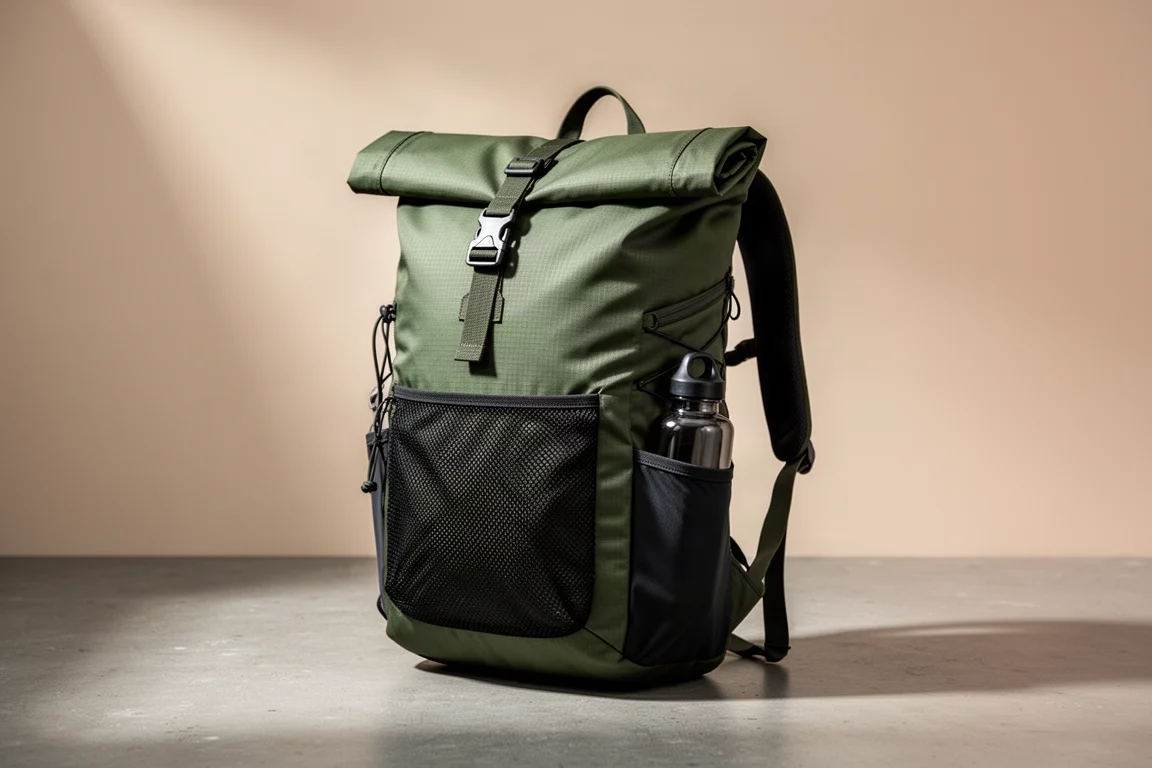
The Waymark Mile is a 28-liter roll-top pack designed to cover a lot of ground in one frame: day hikes, single overnights, and even two or three day trips for hikers who travel light. It weighs just about 16 ounces before any accessories are added, which puts it firmly in ultralight territory for its size.

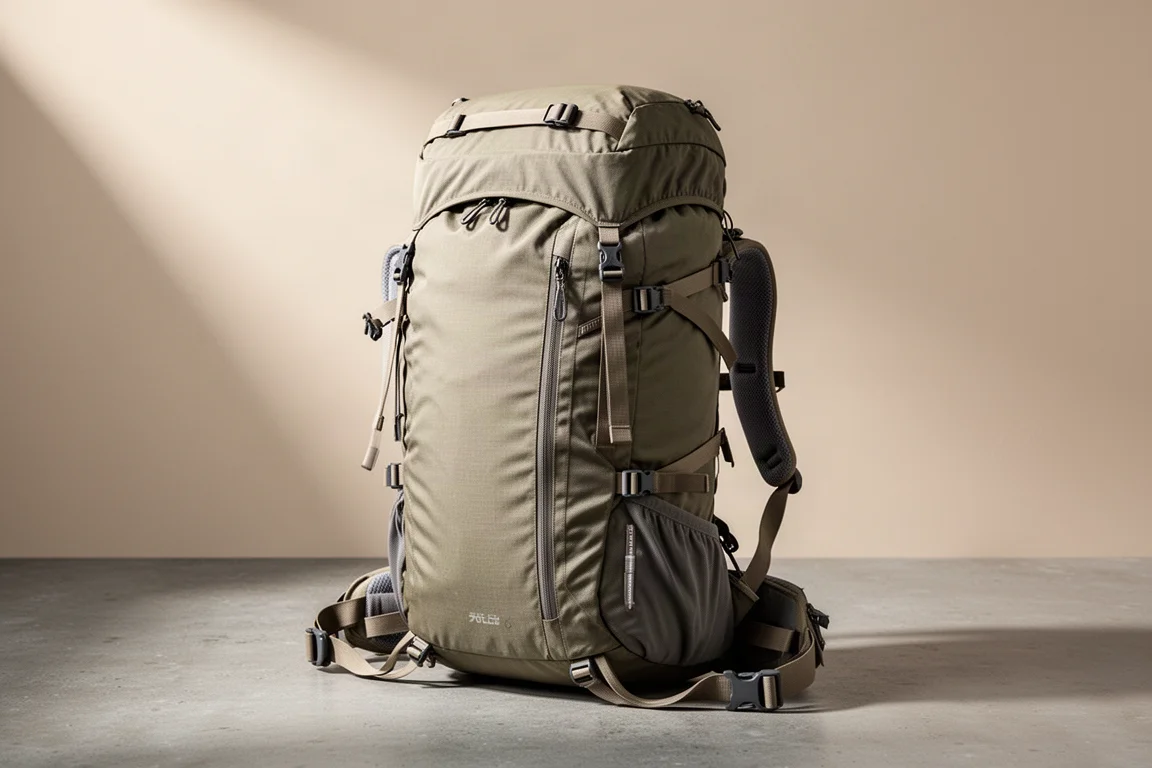
That low weight does not come at the cost of a stripped-down feature set. The Mile carries large side pockets, a stretch front pocket, a dedicated organizer pocket, trekking pole attachment, and a full set of strap and hip belt options. The result is a pack that works as a simple day pack but can be built out when a trip demands more.
Who This Pack Is For
This pack suits hikers who want a single lightweight option that can handle both a long day out and a night or two on trail. The 28-liter capacity is large enough for a compact overnight kit and small enough that it stays close to the body when it is only partly filled.
It is also a good fit for hikers who care about carrying weight efficiently. With a comfortable ceiling of around 20 pounds, the Mile rewards a considered packing list rather than a heavy load. Anyone who regularly carries more than that, or who wants a framed pack for bulky loads, should look at a different category of pack.
The shoulder strap geometry was designed with articulation in multiple directions, up and down as well as side to side, so the pack can sit well on a range of body types rather than only on one build.
Main Strengths
Storage is where the Mile earns its place. The side pockets are sized to hold a full Nalgene bottle securely, so a bottle stays put rather than working its way out on rough ground. A lightweight compression cord runs along the side, which lets you cinch the pack down when it is not full and also holds taller items such as a fishing rod or a tall bottle.
The front stretch lycra pocket is generous and intended for gear you want within reach without stopping, from a first aid kit to a dog leash. It is a stretch pocket, so it works best when it is not overloaded. A separate front access organizer pocket adds a YKK AquaGuard zipper that runs the full length of the opening. That zipper is water resistant rather than waterproof, and a small triangular flap covers the zipper pull to keep water out and protect the zip. Inside, the organizer has two smaller pockets plus a larger one, which covers keys, a wallet, and snacks without everything ending up in one heap.
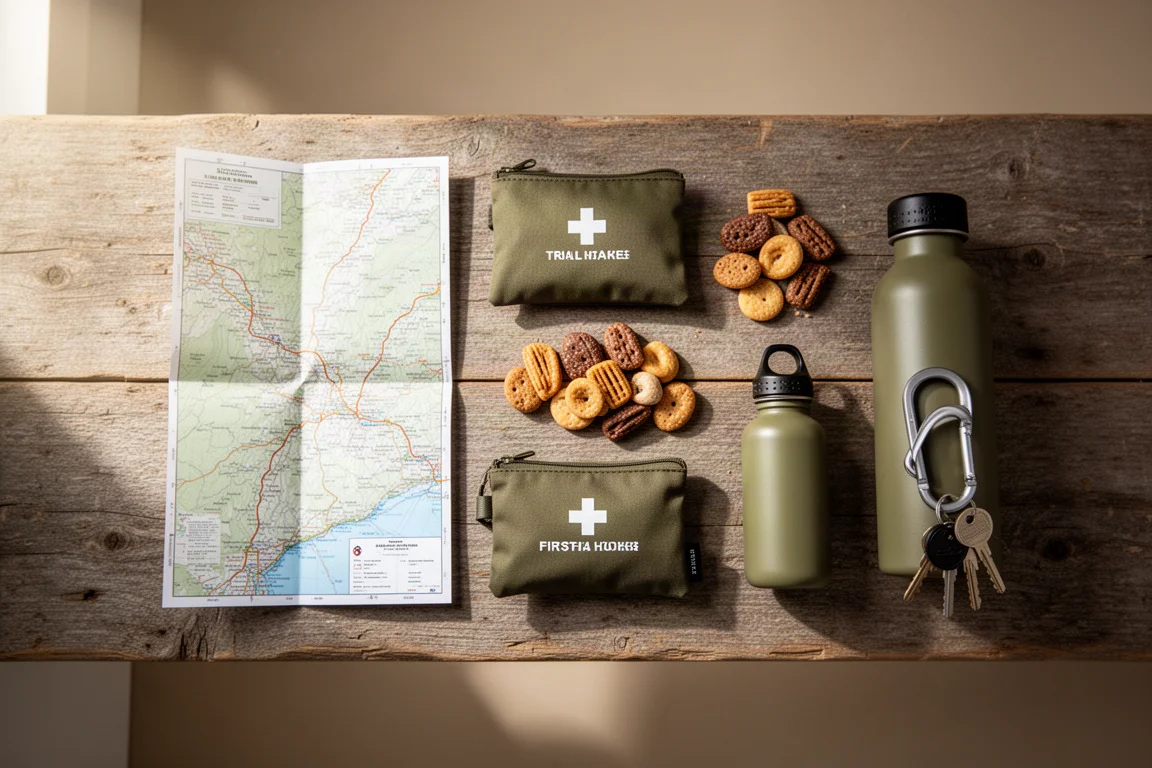
Attachment points round out the feature set. The shoulder straps carry a daisy chain system, which accepts an optional stretch shoulder pocket that clips at the top and wraps an elastic around the strap, giving you a place for a bottle, snacks, or a phone. The sternum strap includes a whistle buckle. On the lower left of the pack there are trekking pole loops with a bungee to secure the poles.
Fabric and Weather Resistance
The Mile is built from recycled EcoPak fabrics. Most of the pack, roughly 90 percent, uses recycled material, with the lycra, webbing, bungee, and some shoulder strap material as the exceptions.
Two fabric weights are used. The black areas are EPX 70, a laminated multi-layer fabric with a 70 denier face and a 70 denier ripstop liner, with a recycled polyester thread running through it for added strength and to resist stretch bias. The other colorways, including ranger green, use EPX 200, which pairs a 200 denier face fabric with the same 70 denier ripstop polyester liner.
The fabric itself is waterproof and finished with an eco-friendly DWR treatment that avoids harmful chemicals. The seams, however, are not sealed or taped, so the pack is not fully waterproof. In sustained wet weather, a pack liner is still the right call.
Carry Comfort and Suspension
An eighth-inch foam panel sits inside the back panel and is one of the more quietly useful parts of the design. It is not removable, but it does two jobs. It cushions the back from whatever is packed against it, and it gives the pack structure so that a partly loaded Mile does not collapse on itself. That matters most on overnight and multi-day trips, where the pack is rarely full to the brim.
The shoulder straps are well padded with a soft three-dimensional mesh against the body, and their shape is intended to work across different hiker body types. Combined with the low base weight, the carry is comfortable up to around 20 pounds.
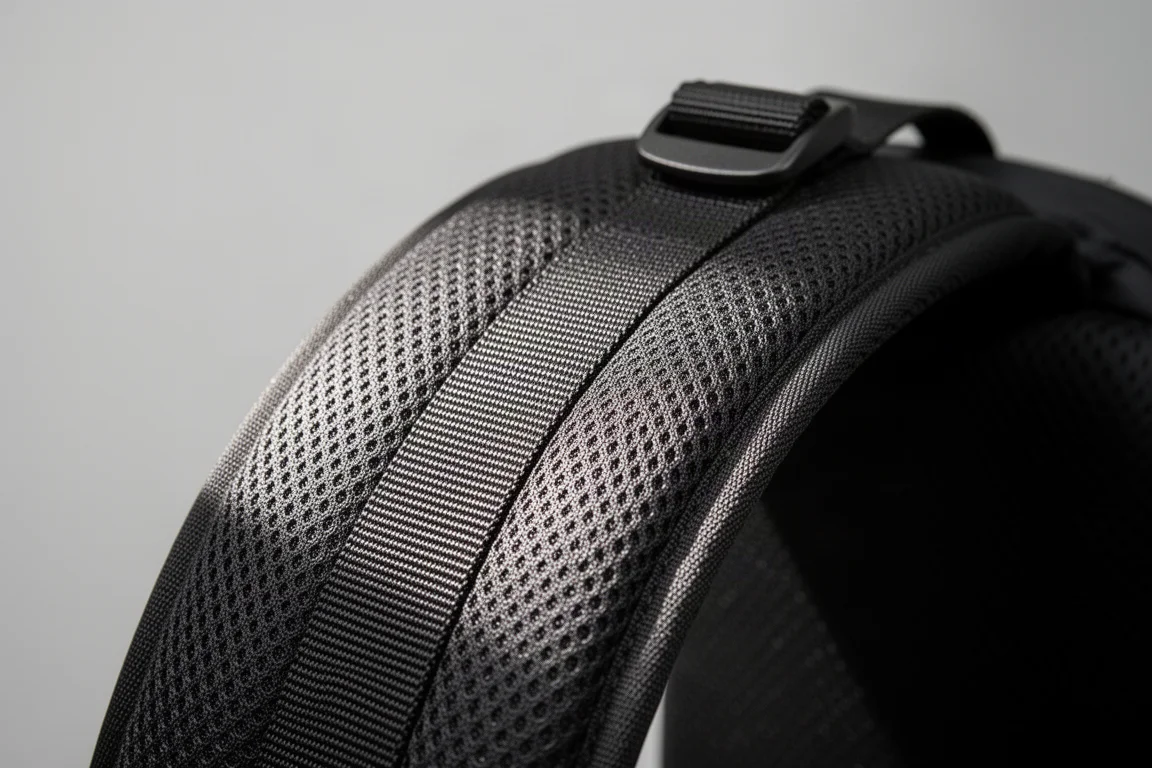
A removable one-inch webbing hip belt is available as an add-on rather than as standard equipment. It attaches at the bottom of the pack and improves stability and load transfer when the pack is carrying more.
Things to Consider Before Buying
A few details are worth thinking through before committing. The hip belt and the stretch shoulder pocket are both accessories that add cost, so the total price of a fully configured pack is higher than the base pack alone.
The roll-top closure keeps the design light and simple, but it does mean top access only, unless you go through the front organizer zip or the stretch front pocket. Hikers who like a lid with a map pocket or quick top access may find the layout less familiar at first.
Because the seams are not taped, the pack needs a liner in genuinely wet conditions. The lycra front pocket is a stretch pocket and should not be packed to bursting. And the back panel foam is fixed in place, so there is no option to strip the pack down further for the absolute lightest configuration.
Buying Advice
The Mile makes the most sense for hikers who want one light pack for day hikes and short overnights, and who are comfortable keeping total load around 20 pounds or less. If that describes your trips, the combination of low weight, a well-organized front pocket, and a structured back panel is genuinely useful rather than decorative.
For day hikes, the base pack is enough. For overnights and anything where the pack will be loaded closer to its ceiling, adding the removable hip belt is the upgrade that changes the carry most, and the shoulder pocket is a nice extra if you like having a bottle or phone on your chest rather than in a side pocket. Pair the pack with a liner if your trips regularly involve rain.

Sizing and fit matter more than any single feature here, so check the pack against your torso length and typical load before you buy, and be honest about how much you usually carry.
Conclusion
The Waymark Mile 28L is a focused ultralight pack that handles more situations than its weight suggests. Its roughly 16-ounce build, recycled EcoPak fabrics, generous side and front pockets, and structured back panel make it a strong option for day hikes, single overnights, and light multi-day trips. The trade-offs are clear and predictable: unsealed seams, an accessory-based hip belt, and a firm comfort ceiling around 20 pounds. For hikers who pack light and want one pack to cover most of their trips, those are reasonable compromises.
Product link
View more details for Waymark Mile 28L Daypack
This product is mentioned in the review. Check the specifications, options, and compatibility before buying.
View more details for Waymark Mile 28L DaypackFurther reading
Related Reviews

Backpacks
Best Backpacks 2026: Laptop Protection, Durability, and Comfort Compared
We tested 12 backpacks from $18 to $350 for laptop protection, durability, back padding, comfort, zipper smoothness, and water resistance.
Backpacks
Best Backpacks Under ₹500 in India: Five Practical Options Compared
Five backpacks tested side by side, from budget-friendly to premium Indian brands. Real strengths, trade-offs, and honest buying advice for daily use.
Backpacks
Decathlon Trek 100 70L Backpack Review: Serious Value for Backpacking
A 70-litre backpacking pack with a torso system you can adjust while wearing it, a rigid frame, and a 10-year warranty for $120.