Fountain Pens
Waterman Edson Review: A Sapphire Grail Fountain Pen Worth Hunting For
The Waterman Edson pairs an inlaid gold nib with a leak-resistant feed system and jewel-like design, making it one of the most underappreciated flagships in fountain pens.
Introduction
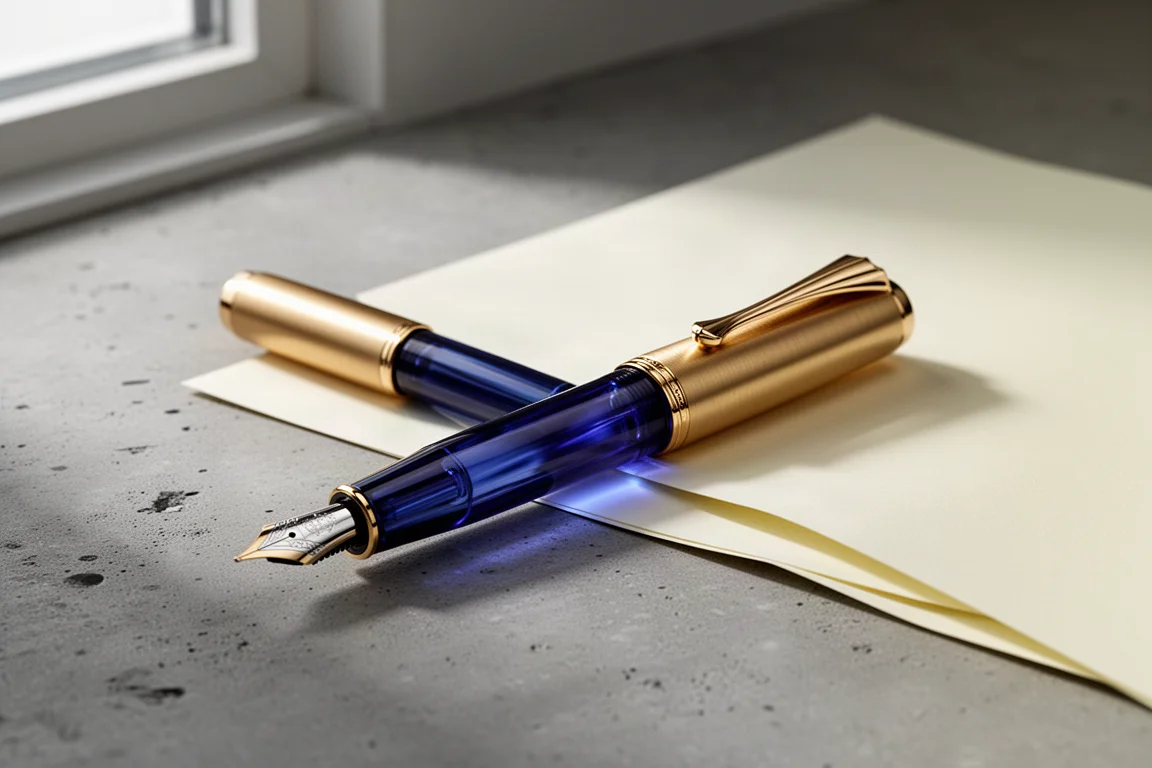
There are fountain pens, there are beautiful fountain pens, there are grail fountain pens, and then there is the Waterman Edson. Named after the company’s founder, Lewis Edson Waterman, this late-1990s flagship is one of the most striking and technically interesting pens Waterman has ever produced, and it remains a grail for many collectors.
A Brief History of Waterman
The Waterman Pen Company was not always the epitome of French elegance. It was established in New York City in 1884 by Lewis Edson Waterman, an American inventor obsessed with writing instruments who held many patents, including his own feed design for the fountain pen. Under his nephew Frank D. Waterman, the company expanded with an emphasis on consistent quality, reliability, and innovation, and pens from that era are still working perfectly today, decades past their expected usable lives.
After the Great Depression and World War II, that string of innovation slowed. The company struggled through the early 1950s, fell victim to the ballpoint pen crisis, and lost ground to more popular pens of the era like the Parker 51. It was eventually acquired by French companies and has retained its Paris headquarters to this day.
Waterman still produces great pens, and in many ways it is the most underappreciated fountain pen brand on the market. Its pens are smooth-writing, high-quality instruments with reliable gold nibs at surprisingly affordable prices, especially for pens produced in France. In the 1990s the company rejuvenated itself with models like the art deco Phileas, the sleek Carène with its hull-shaped inlaid 18k gold nib, and, above them all, the Edson.
Design: Gold, Sapphire, and Hidden Engineering
The Edson is a pen of heft and presence. The luxurious gold cap has a sculptural art deco clip, curved and carved in one beautiful form, with a brushed satin finish that is textured, less reflective, and less prone to fingerprints. The cap snaps on and off for quick note-taking, held in place by three discreet docking squares that feel more refined than similar designs on the market.
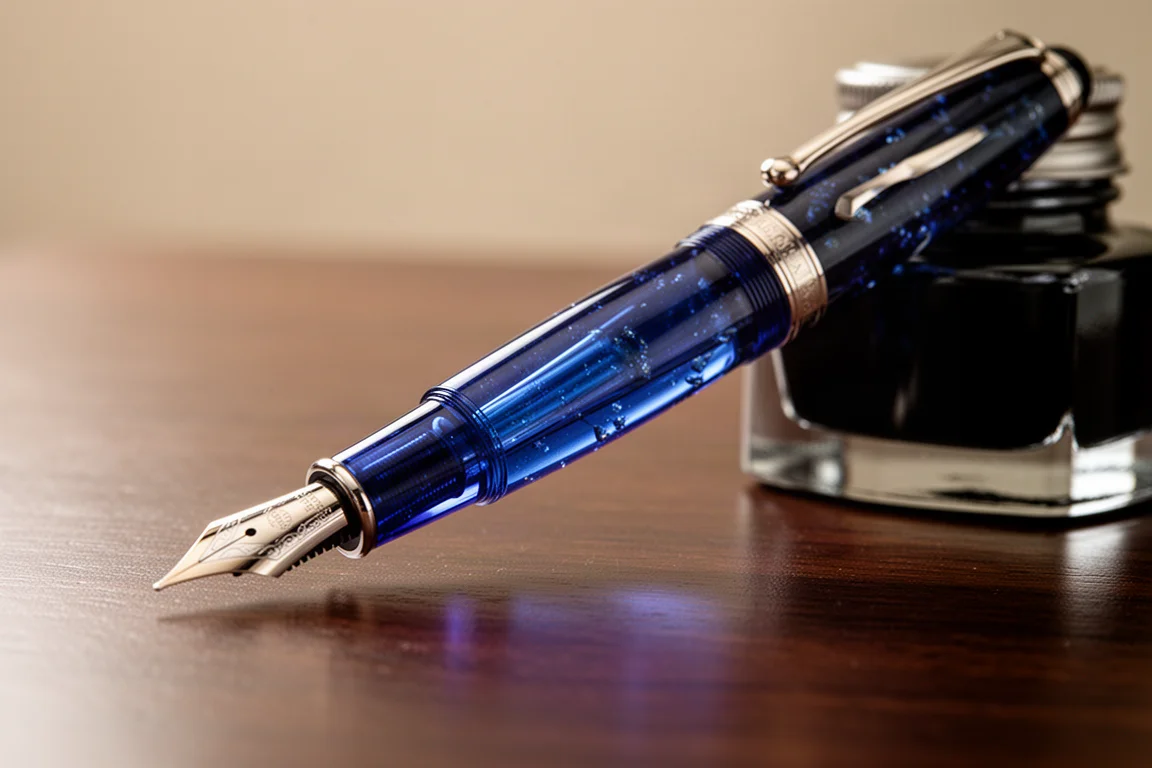
That clip hides a genuinely clever secret. The gold-plated clip is mounted on a durable stainless steel axle that turns on a bronze bearing, so it responds smoothly and adapts to whatever you clip it to.
The deep sapphire barrel tapers perfectly and seems to radiate its own light. It is built as a double barrel system: the interior barrel is the structural part housing the converter, while the outer barrel acts like a glazing, a jewel-like pool of color that reflects and holds light, giving the pen real depth. The converter itself is even tinted the same sapphire hue as the body, so the ink chamber glows along with the rest of the pen.
Specifications and Filling
The Edson is a large pen at 150 mm capped and 132 mm in hand, with a capped weight of 46 grams that drops to around 26 grams uncapped, a balance many writers will find perfect unposted. Posting is possible, but the barrel’s jewel-like polish is easy to mar, and posted the pen may feel too long and back-balanced.
It is a cartridge/converter pen, which is one fair criticism; a piston filler might have elevated it further. The real technical story is the feed system. The Edson uses a special compensator that absorbs excess ink when pressure builds inside the pen from heat or altitude, making it said to be virtually leak-proof. Waterman engineers tested each pen to hold up under extreme heat and altitude, and the same system delivers an even, free-flowing supply of ink on demand.
Writing Performance
The most prominent feature is that gorgeous inlaid nib, with its sweeping curve, powerful point, and long decorative art deco line leading to it. The Edson dispenses a smooth, slick cushion of ink, pillowing the polished gold nib across the page in a graceful, fast glide.
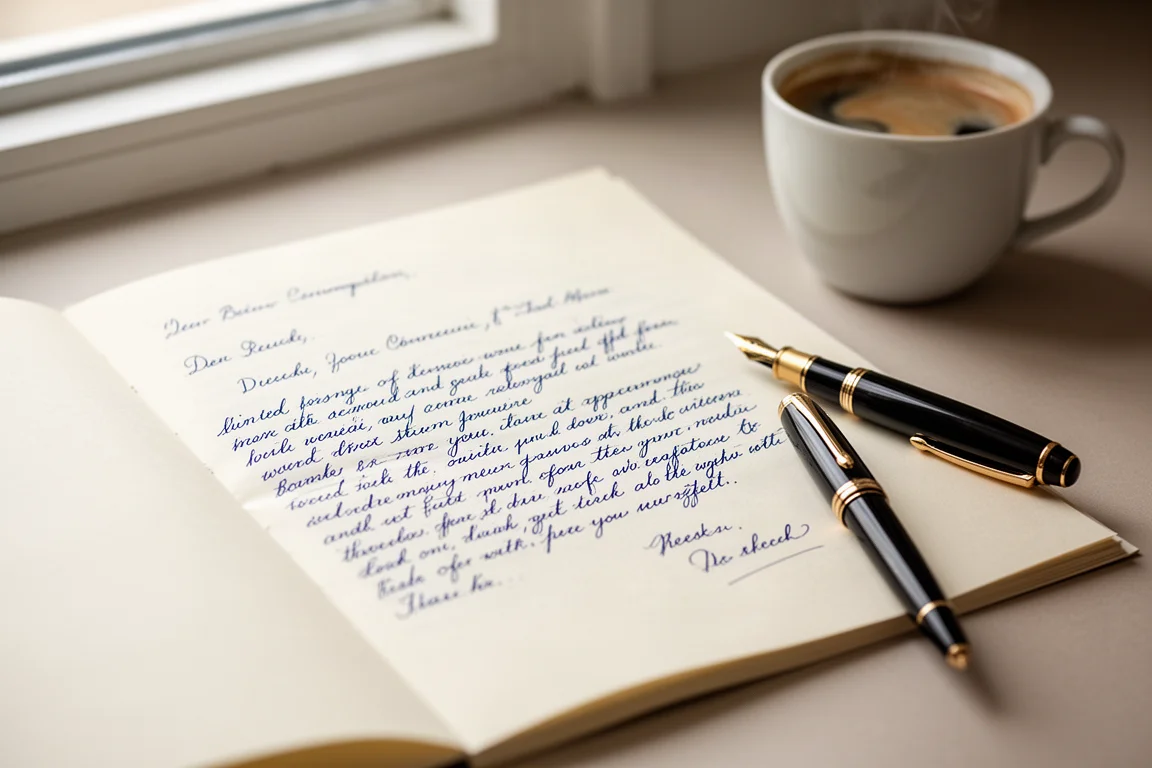
The speed and precision are a joy: letters form with precision and beauty, and thoughts carry along at remarkable pace. The nib is slightly hard yet exceptionally smooth, which is exactly what earned the pen its legendary status.
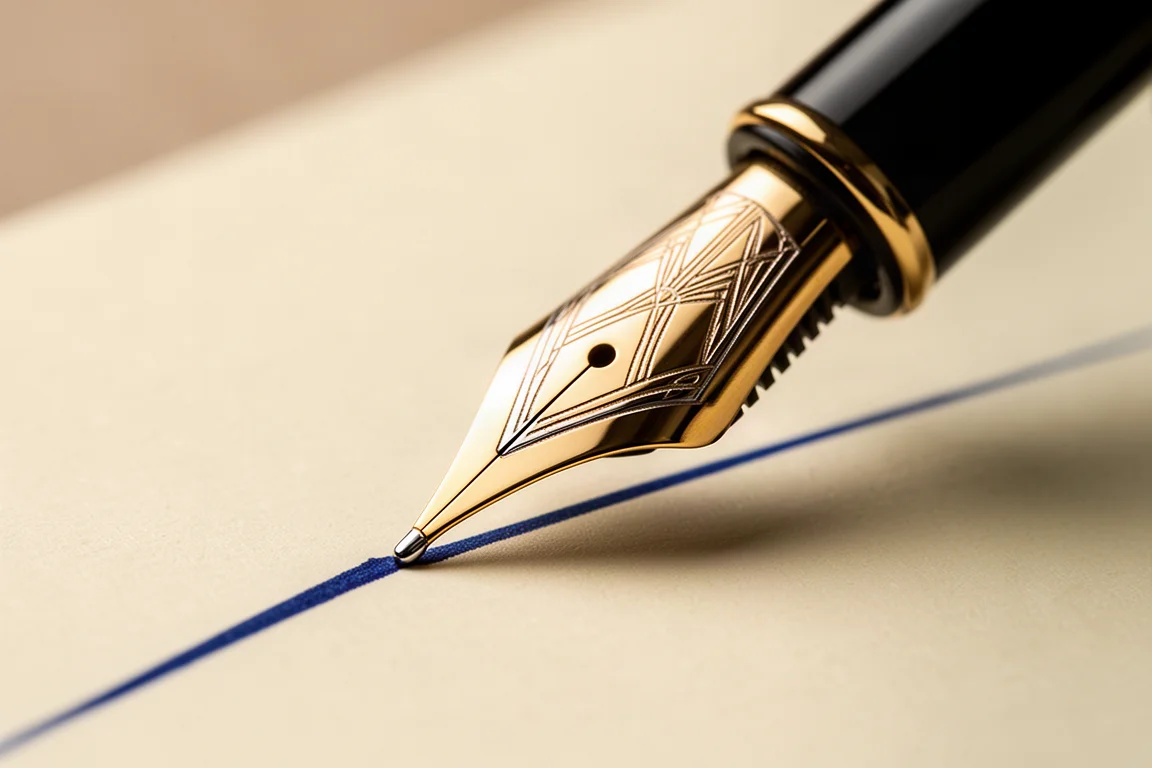
For ink, Waterman Serenity Blue is a natural in-family pairing: a gentle, business-appropriate blue that suits signatures and correspondence alike and is easy on pens.
Things to Consider Before Buying
The Edson is not perfect for everyone. The cartridge/converter filling system may disappoint writers who prefer piston fillers. The substantial uncapped weight, while comfortable for many, will not suit writers who prefer lightweight pens. And because the design is so distinctive, it is a statement piece rather than a quiet everyday pen.
Buying Advice
The Edson occupies a rare place in the market. It is a French-made flagship with genuine innovation, an inlaid gold nib, and design that references a midcentury ideal, yet it is frequently overlooked compared with more hyped brands. For many collectors it is a rare grail, and examples are becoming increasingly hard to find.
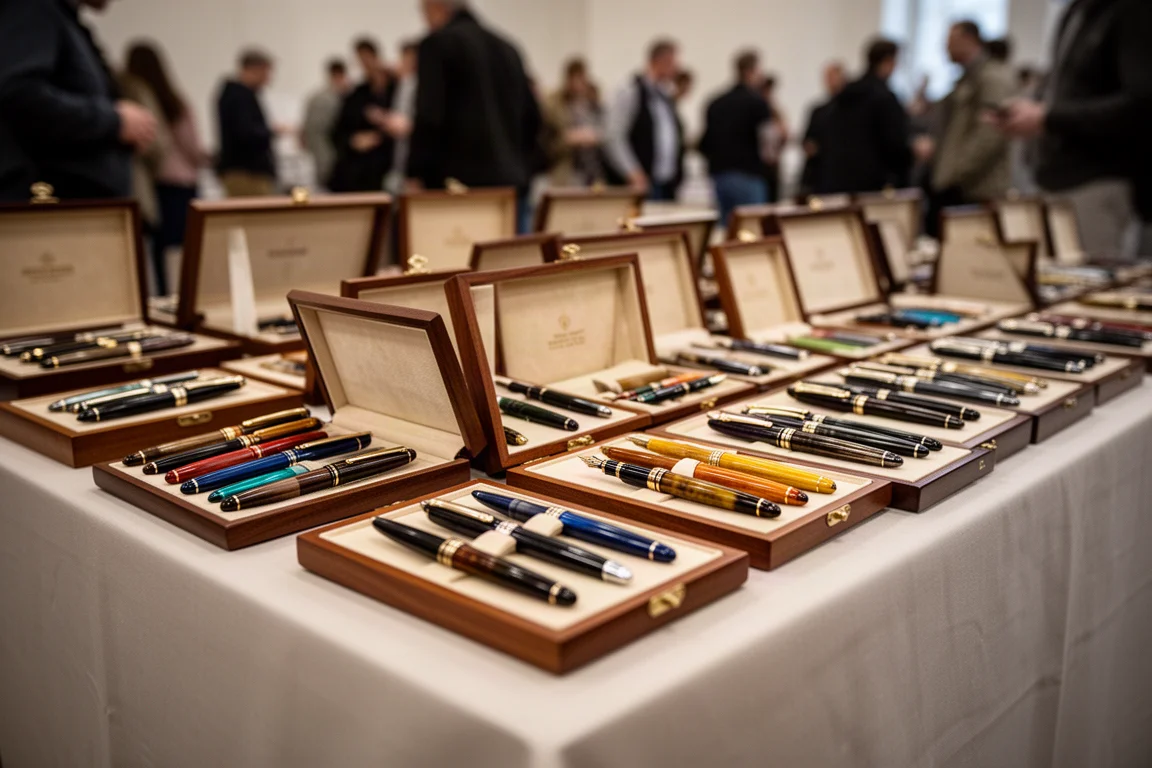
If you want an extraordinary fountain pen with heritage, beauty, and one of the smoothest nibs available, and you are patient enough to hunt one down, the Edson delivers an experience that earns its legendary reputation.
Conclusion
The Waterman Edson is proof that Waterman’s 1990s revival produced true flagships: a virtually leak-proof feed system, a double-barrel sapphire body, a bearing-mounted clip, and an inlaid gold nib that glides across the page. It is unassuming yet stylish, a pen for people who signal their own taste and sophistication rather than a brand logo. For anyone drawn to heritage, art deco design, and a genuinely superb writing experience, the Edson remains a grail worth pursuing.
Product link
View more details for Waterman Edson
This product is mentioned in the review. Check the specifications, options, and compatibility before buying.
View more details for Waterman EdsonFurther reading
Related Reviews
Fountain Pens
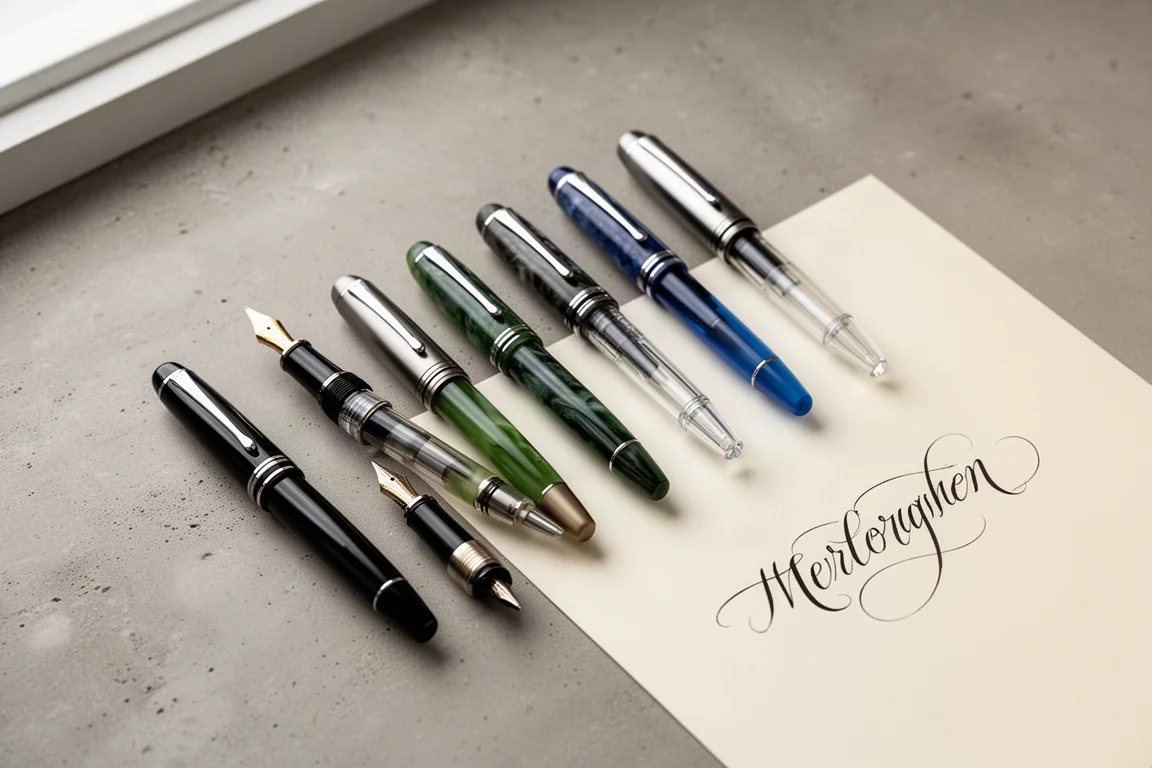
Best Budget Fountain Pens Tested: 9 Pens, One Clear Winner
A hands-on comparison of nine affordable fountain pens for everyday writing, calligraphy, and sketching, with a clear standout for flexible nib fans.
Fountain Pens
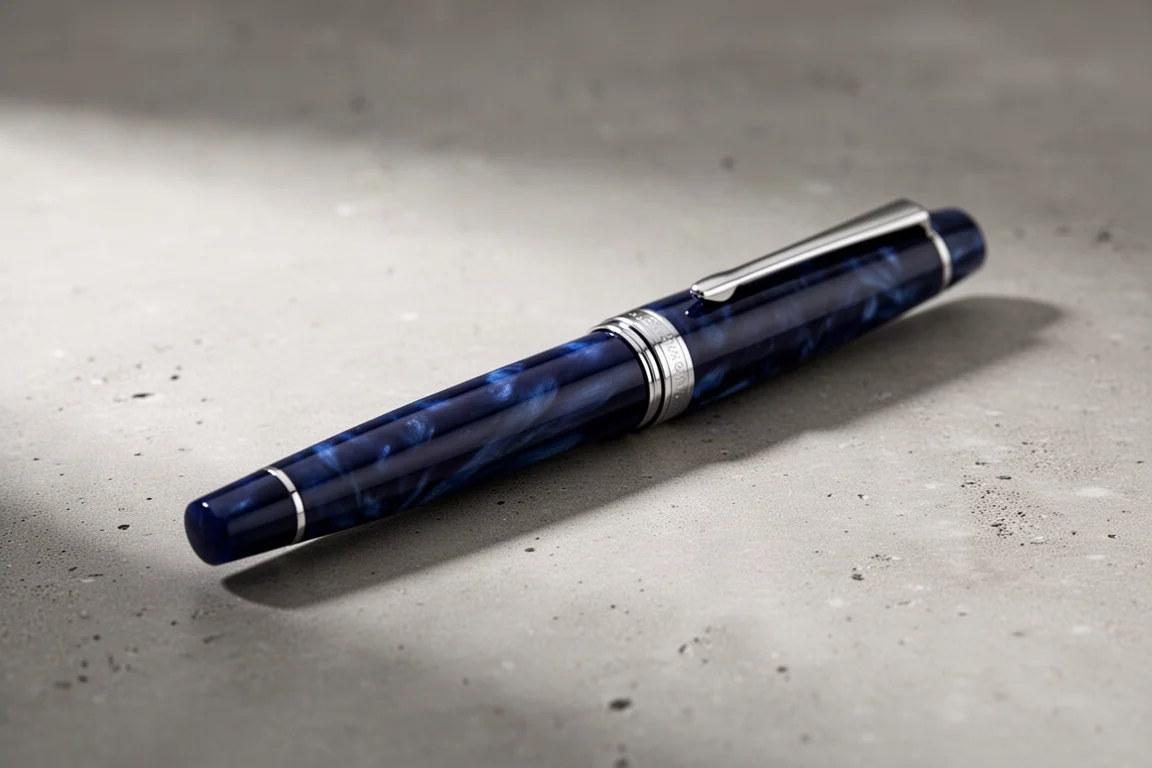
Aurora Optima Review: An Italian Piston Filler That Punches Above Its Price
A 14k gold nib, ebonite feed, and a beautifully deep oraloid body make the Aurora Optima one of the most rewarding piston fillers around.
Fountain Pens
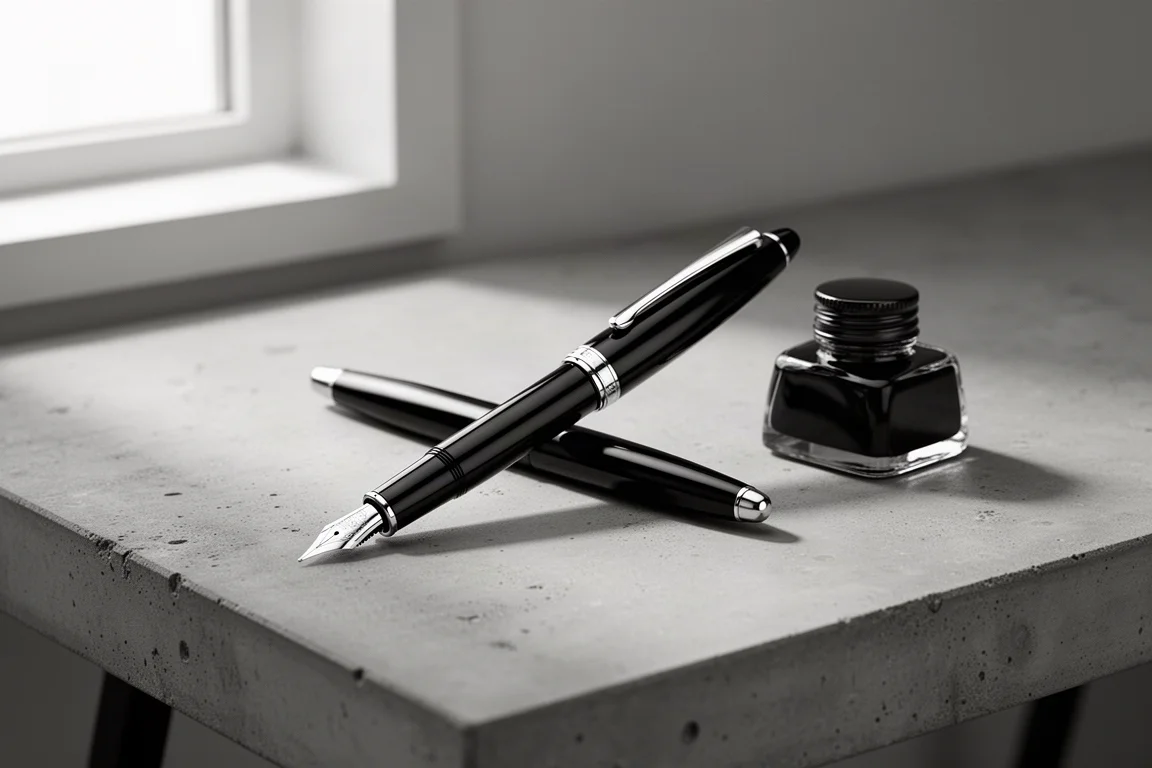
Cross Bailey Light Review: The Entry-Level Fountain Pen Worth Keeping at the Office
A plastic-bodied Cross with a metal clip, snap cap, and famously smooth extra fine steel nib. Around $15, available almost everywhere, and easy to recommend.