Fountain Pens
Cross Bailey Light Review: The Entry-Level Fountain Pen Worth Keeping at the Office
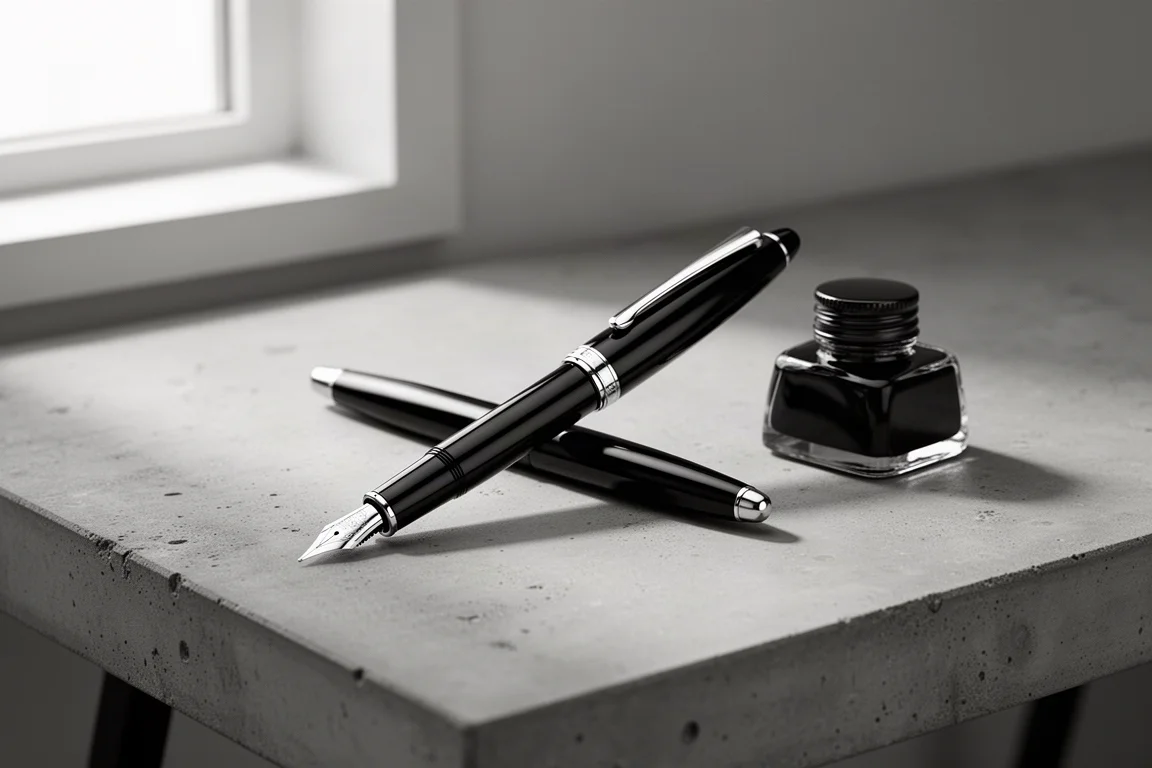
A plastic-bodied Cross with a metal clip, snap cap, and famously smooth extra fine steel nib. Around $15, available almost everywhere, and easy to recommend.
Introduction
Some fountain pens get all the attention, and some quietly earn a permanent spot in a shirt pocket. The Cross Bailey Light belongs firmly in the second group. It is the plastic-bodied sibling of the all-metal Cross Bailey, with a metal clip and trim, positioned as one of Cross’s entry-level pens. It runs about $15 online, closer to $20 at big-box office supply stores, and it has a strong case for being the best first fountain pen for most people.
Who This Product Is For
The Bailey Light suits three groups especially well. First, absolute beginners: it ships with two Cross ink cartridges, and refills are stocked at nearly every major office supply retailer, so there is no hunting involved. Second, office users who want a reliable daily writer they are not afraid of losing from a pen cup. Third, gift buyers, since pairing the pen with a cartridge pack and a journal makes a genuinely good introduction to fountain pens. It is a beater pen by design, meant to be tossed in a bag and used without ceremony.
Design and Everyday Handling
The body is plastic, but the details feel considered: a firm metal clip that has not stretched out even after heavy pocket carry, a metal finial, silver trim, and an unbranded center band. The snap cap is the practical highlight, quick to uncap for a fast note, with an inner plastic sleeve that keeps the nib wet. In long-term use, it has never dried out, hard-started, or skipped.
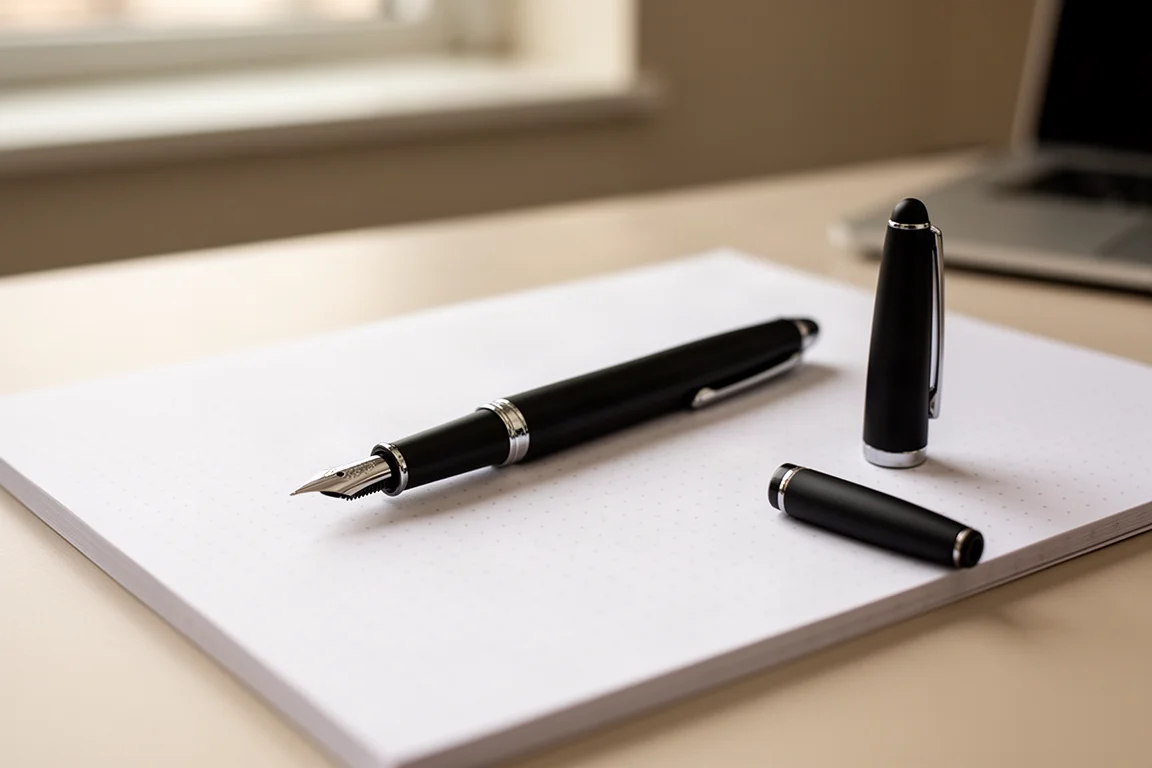
Comfort is another quiet strength. There is no step between the barrel and the section, just a smooth transition broken only by a thin metal ring, so most grips should feel natural. It is a slimmer, lighter pen than its all-metal sibling, meant to disappear in the hand during long note-taking sessions, and it writes comfortably unposted.
Nib and Writing Experience
The stainless steel nib is an extra fine, though a European extra fine that runs a touch broader than the marking suggests. The tip angles downward slightly, almost like a posting-style nib, which gives the writing experience a distinctive character. That geometry also introduces a small amount of bounce under light pressure, enough for a hint of line variation even though the nib is not designed for it.
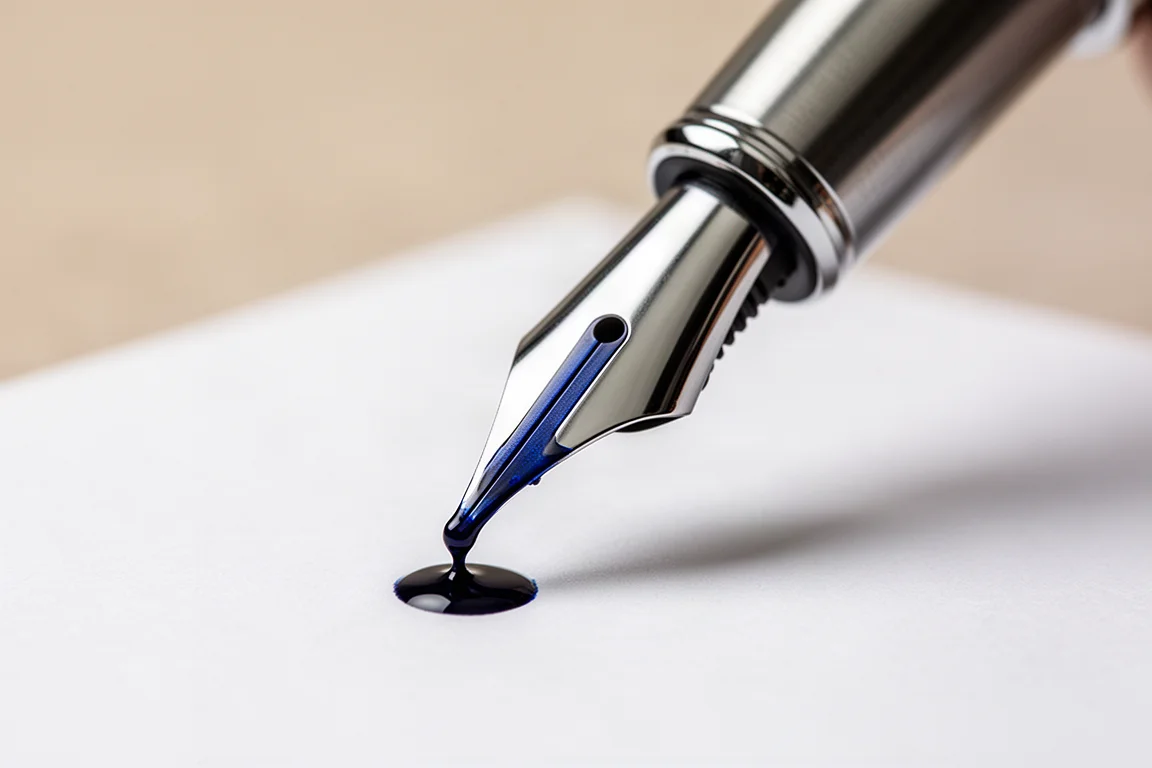
Smoothness is the headline. The nib glides with only a little audible feedback, without rough edges, and it writes consistently in every direction, including upstrokes where many pens struggle. The feed is a simple plastic piece, but it keeps up easily with fast writing and long sessions alike.
Writing Performance and Ink Behavior
This pen typically runs on the dry side, which is genuinely useful in an office environment where copy paper is the norm: less bleeding and feathering than a wetter writer would produce. Pair it with a saturated, well-behaved ink and the combination shines, delivering good flow, clean lines, and even visible sheen on decent paper despite the extra fine point.
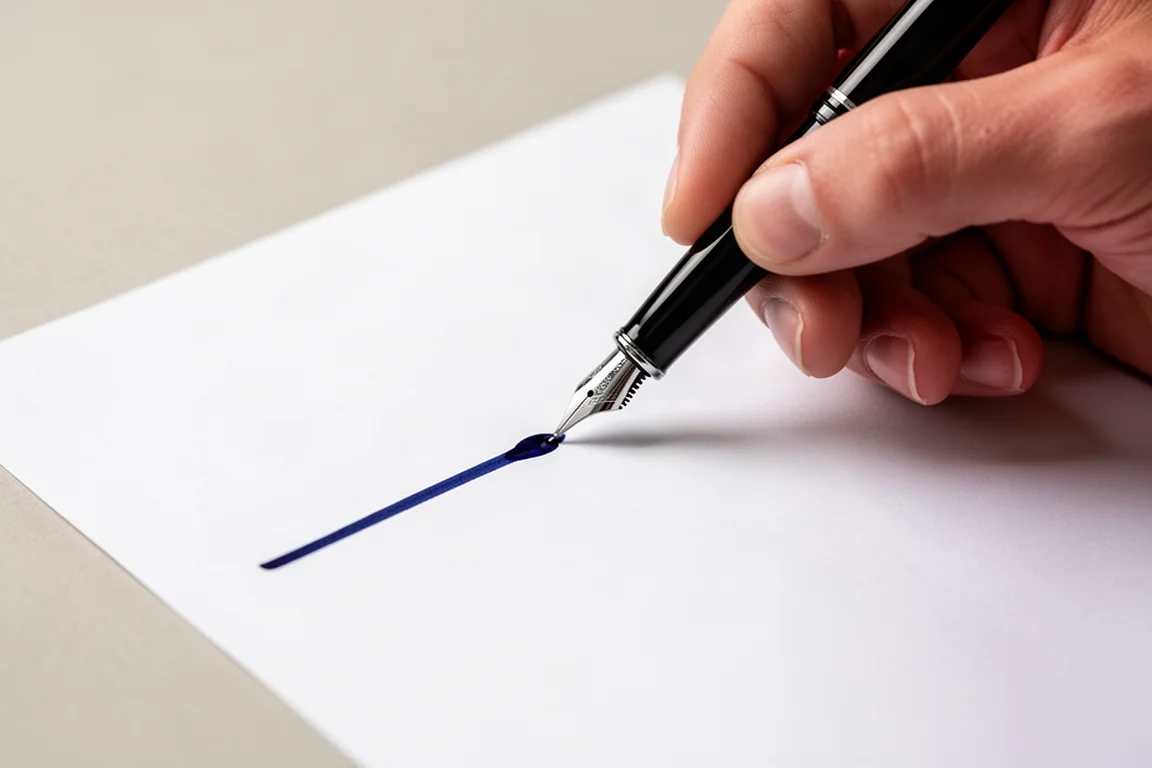
It has handled a wide range of inks without complaint, from dry to wet formulations, always starting right away and never skipping. The one annoyance worth knowing about concerns refilling: the pen does not include a converter, and it takes Cross’s push-in converter rather than the more common screw-in type. The push-in converter works smoothly and cleanly but has a little play in it, so it can rattle if the pen is shaken in the wrong direction. That converter costs between $12 and $19, which nearly doubles the pen’s price, so cartridges remain the economical path.
Things to Consider Before Buying
The plastic threads meeting metal threads are the clearest compromise, though no problems have surfaced even after a year and a half of daily use. The pen is thinner than many modern entry-level pens, which suits note-taking but may feel narrow for larger hands. And the missing converter, plus the slightly awkward wiggle of the optional push-in converter, is the main detractor. None of these are dealbreakers for a pen intended as an unpretentious everyday writer.
Buying Advice
At around $15, the Bailey Light is one of the few fountain pens you can pick up off the shelf at a mainstream office supply store, and that accessibility has real value. Compared with other popular entry-level options, it wins on availability and on nib quality out of the box, which is exactly why it replaced a more famous aluminum-bodied competitor as a daily driver. Only more expensive entry-level alternatives around the $30 mark arguably edge past it, and even then the comparison is close.
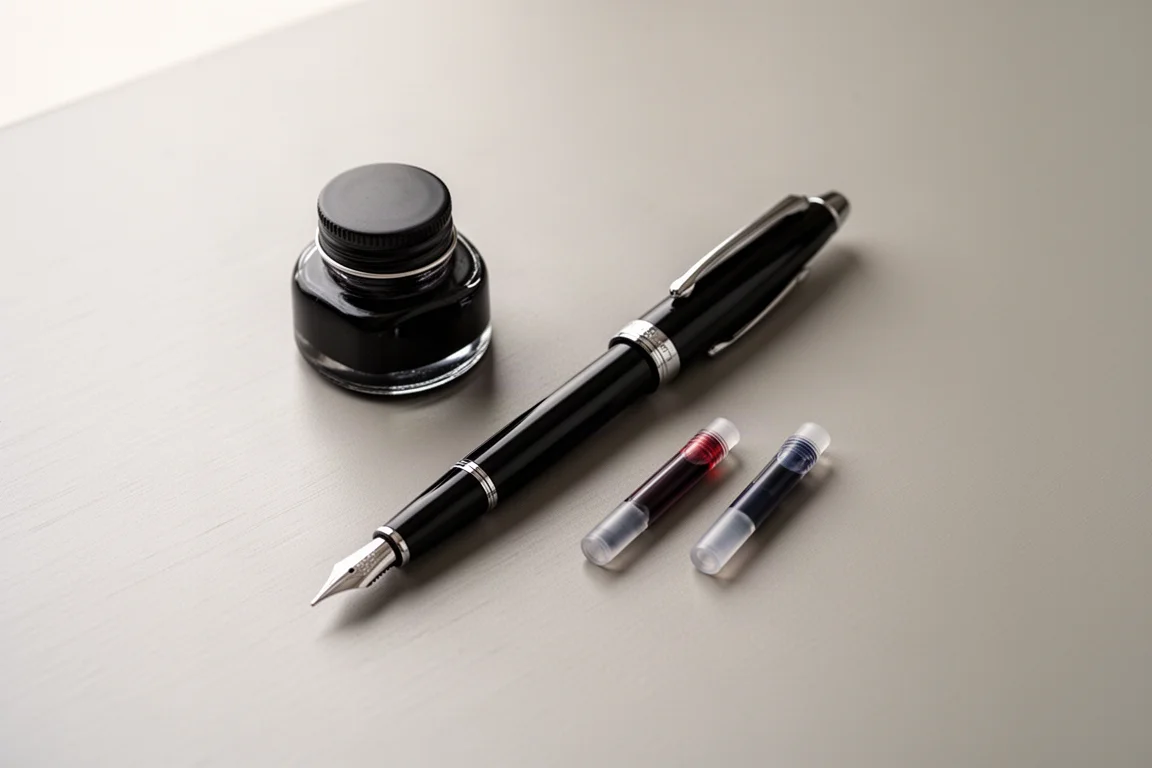
For a first fountain pen, an office spare, or a gift for someone curious about fountain pens, it is hard to argue against. Buy the cartridges, enjoy them, and add the push-in converter later if you decide you want bottled ink.
Conclusion
The Cross Bailey Light does everything an entry-level fountain pen should: it writes smoothly, starts reliably, survives being treated like a tool, and costs about the same as dinner out. After a year and a half of near-daily use, it still belongs in rotation. If you need an approachable, available, genuinely pleasant fountain pen, this one deserves a spot at the top of your shortlist.
Product link
View more details for Cross Bailey Light
This product is mentioned in the review. Check the specifications, options, and compatibility before buying.
View more details for Cross Bailey LightFurther reading
Related Reviews
Fountain Pens
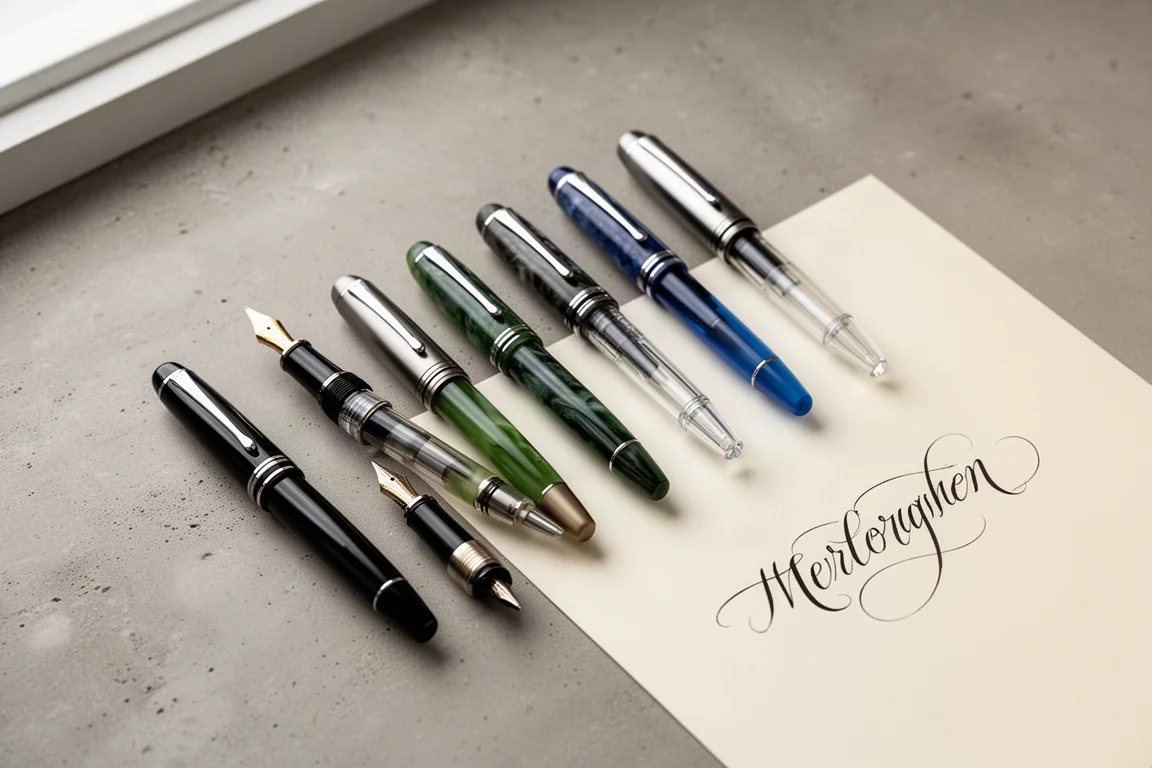
Best Budget Fountain Pens Tested: 9 Pens, One Clear Winner
A hands-on comparison of nine affordable fountain pens for everyday writing, calligraphy, and sketching, with a clear standout for flexible nib fans.
Fountain Pens
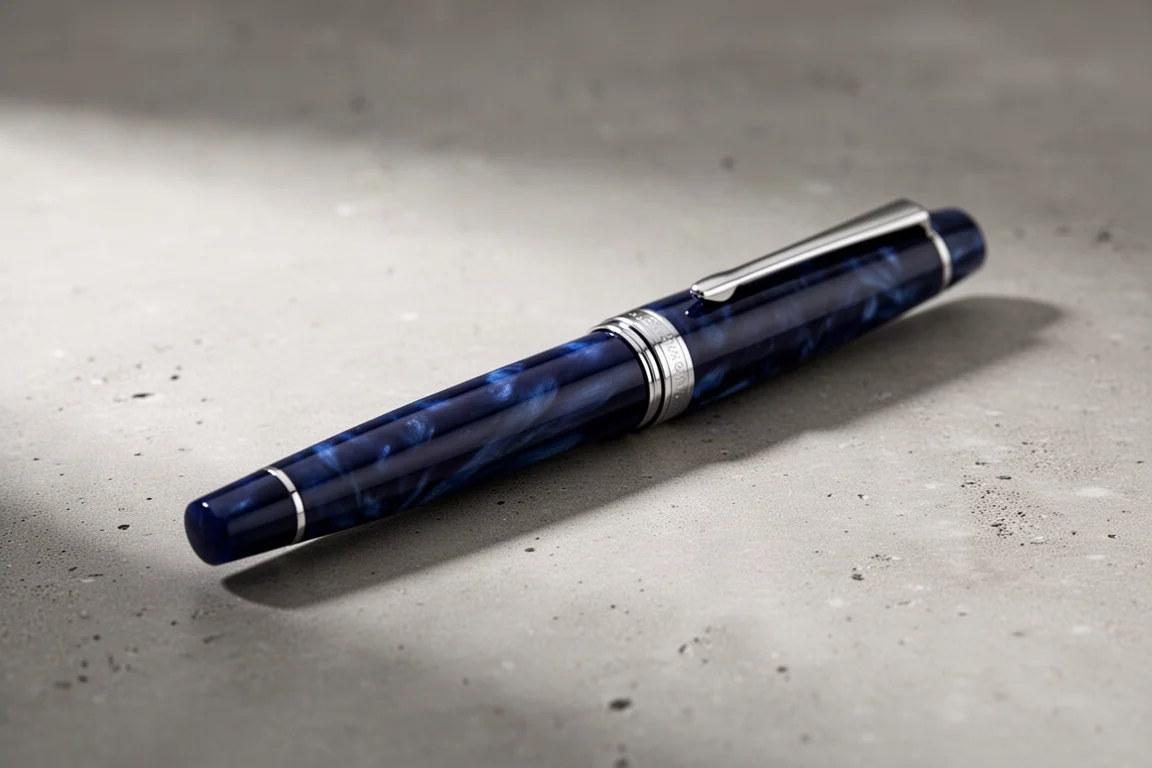
Aurora Optima Review: An Italian Piston Filler That Punches Above Its Price
A 14k gold nib, ebonite feed, and a beautifully deep oraloid body make the Aurora Optima one of the most rewarding piston fillers around.
Fountain Pens
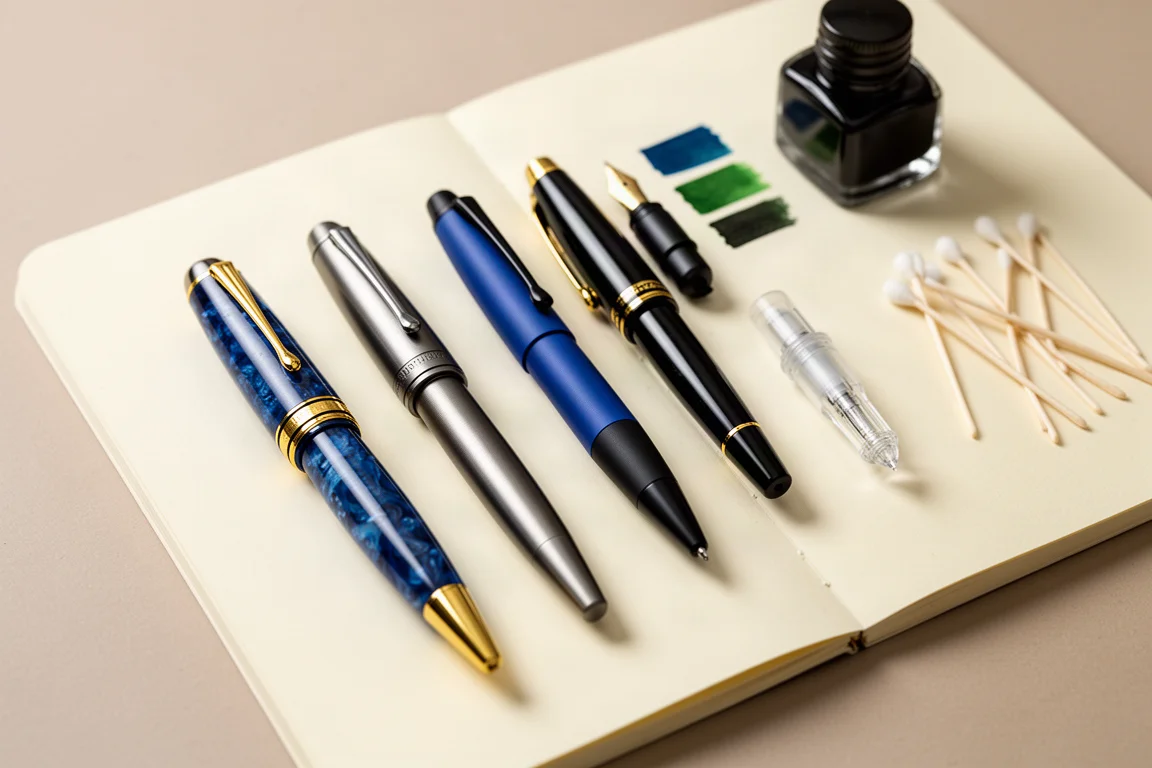
Currently Inked: Five Fountain Pen and Ink Pairings Worth Copying
Five pens in rotation with five well-chosen inks, from a wet extra fine Aurora to a sacrificial Preppy running permanent Noodler's Bay State Blue.