Home & Tools
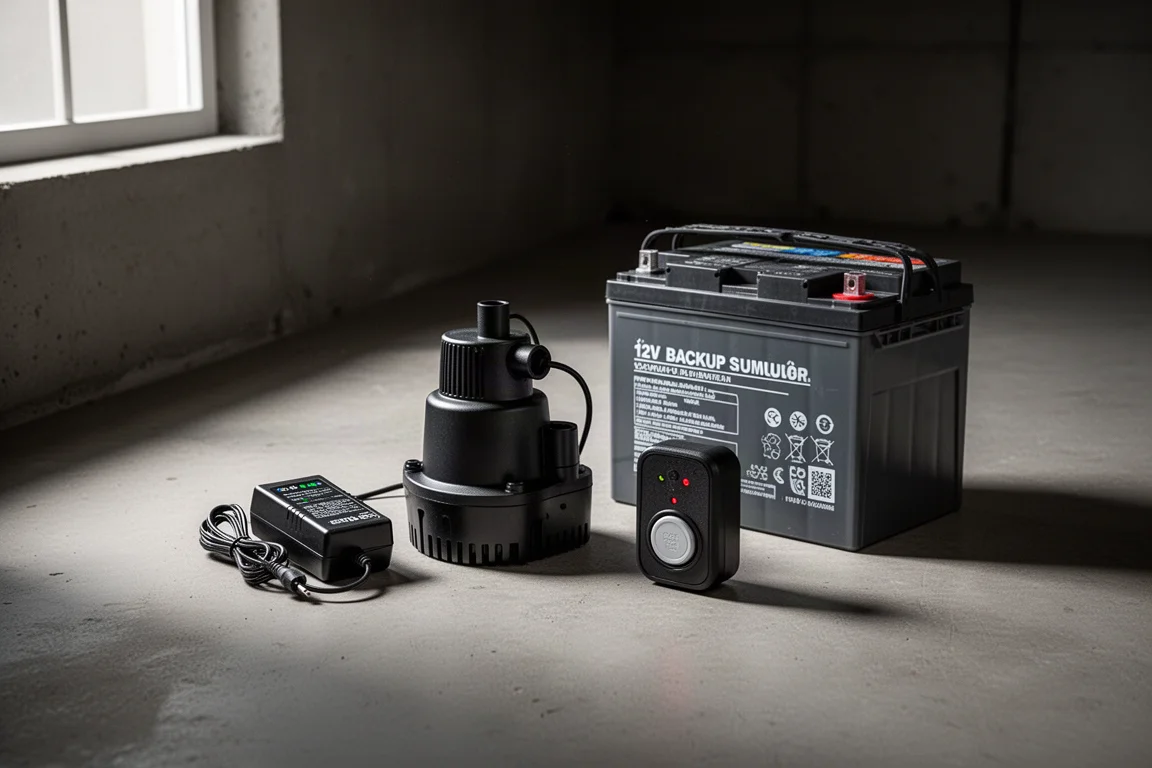
Watchdog 12V Battery Backup Sump Pump: A Reliable Basements Lifesaver and a LiFePO4 Upgrade Path
Why a 12V battery backup sump pump earns its place in any basement, plus a practical battery upgrade that can stretch a Watchdog system's lifespan to roughly a decade.
Introduction
Sump pumps are one of those home systems you never think about until the exact moment they fail. And they tend to fail at the worst possible times, like the day before a holiday trip when the basement needs to fend for itself. That is precisely the scenario where a battery backup sump pump stops being an optional extra and starts looking like cheap insurance.
This article covers two products worth knowing about: the Watchdog 12V battery backup sump pump system, and the Ridgid sump pump that many homeowners pair with it as their primary pump. Together they form a layered setup that keeps a basement dry even when the main pump dies mid-trip.
The Backup That Saved the Basement
One homeowner’s experience shows how well this layered approach works. When a Ridgid sump pump died the day before a Fourth of July trip, the Watchdog 12V battery backup system took over and kept the basement dry for about three hours. That little 12V pump ran continuously until the situation was under control, and there was no flooding.
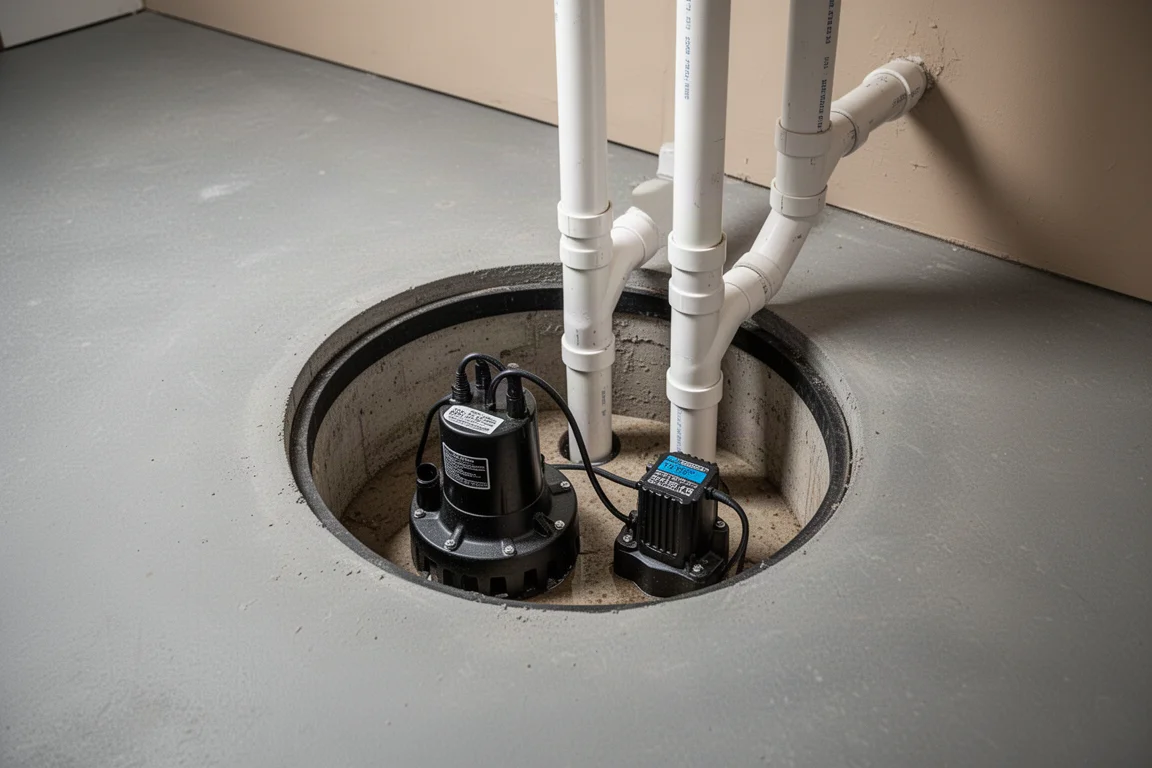
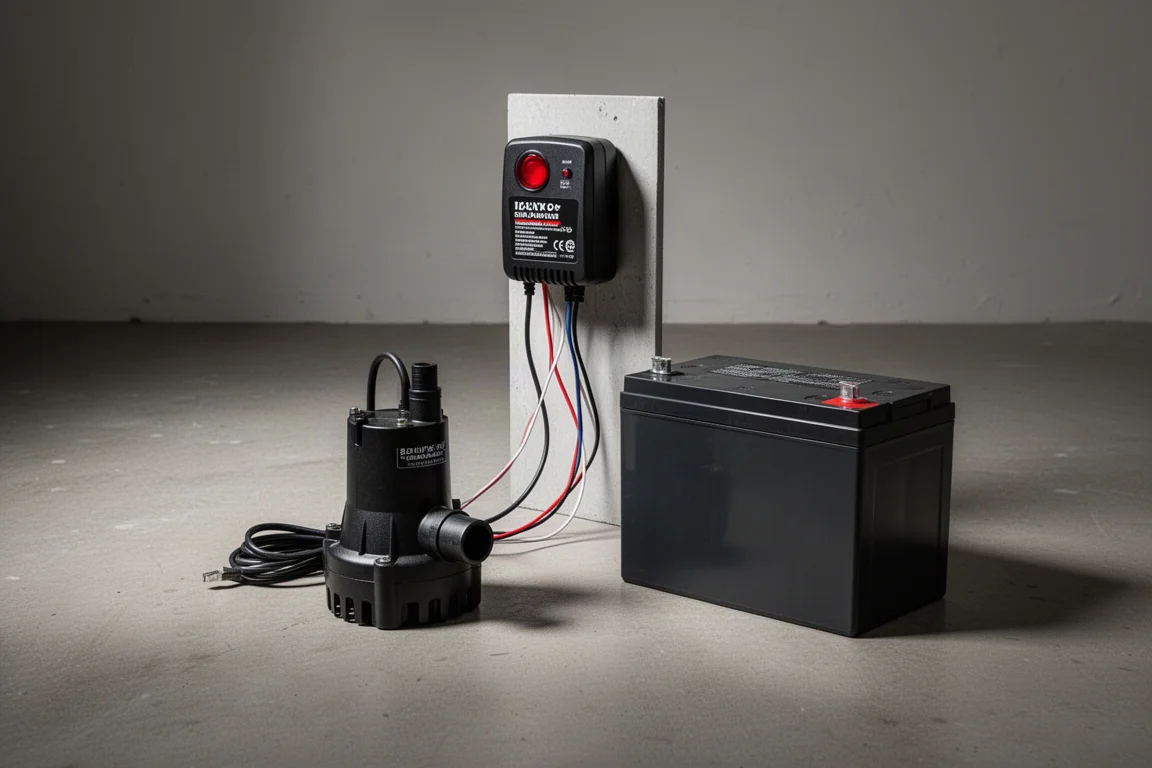
The Watchdog system is more than just a pump. It is a package that includes a battery, a charger, an alarm module, and the pump itself. Once the backup is triggered, it runs on a timer for about 30 seconds per cycle. A subtle but genuinely useful detail: the 12V pump makes a distinctive gurgling noise when it runs, audible from upstairs, which acts as an audible alert that the primary pump has failed and something needs fixing.
The Primary Pump: Ridgid Sump Pump
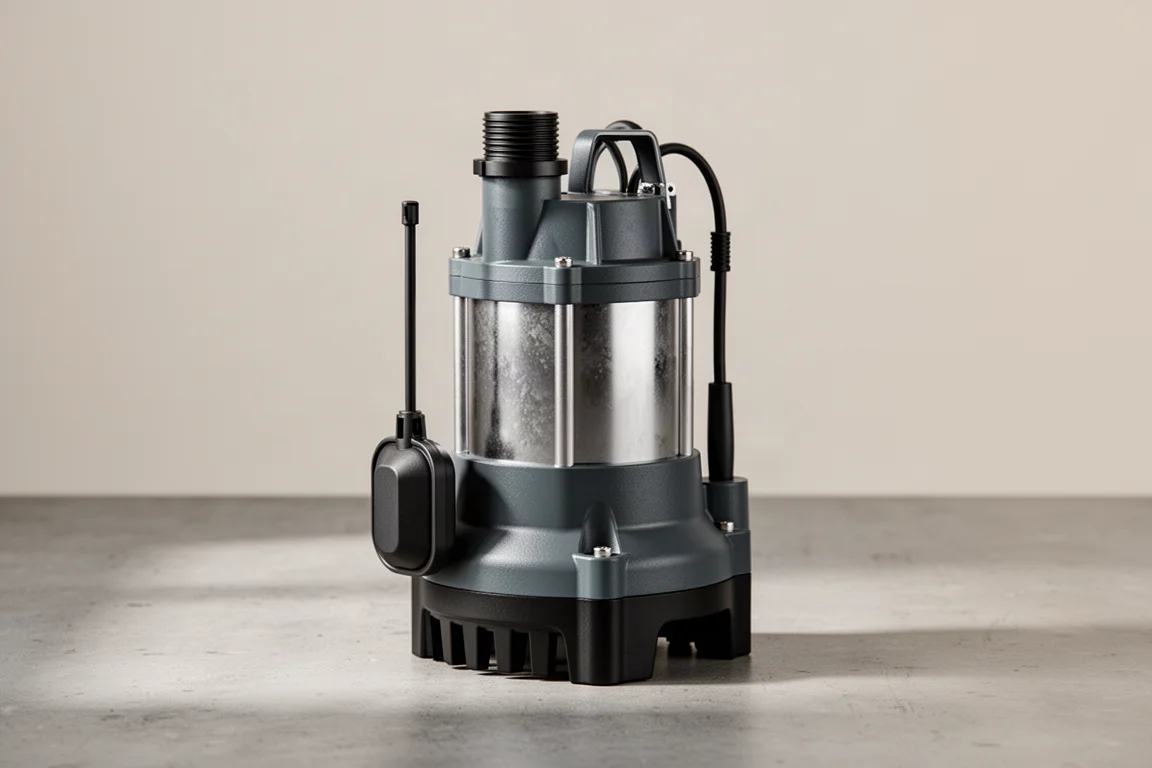
The Ridgid sump pump in this setup was an affordable primary pump, around $80, and it did its job for years before failing. Its replacement journey highlighted an interesting retail shift: the local Home Depot no longer carries Ridgid sump pumps and has switched to selling DeWalt pumps instead. Availability may vary by location, so it is worth checking your own store before counting on a specific brand.
For buyers, the takeaway is simple: a modest primary pump paired with a solid backup system is a resilient combination. The primary pump handles day-to-day duty, and the backup covers the failures you cannot predict.
Why Lead Acid Batteries Get Expensive
The hidden cost of a battery backup system is the battery itself. In this case, the owner went through three lead acid batteries in four years, at roughly $180 each. That adds up fast, and it is the part of the ownership experience most people never budget for.
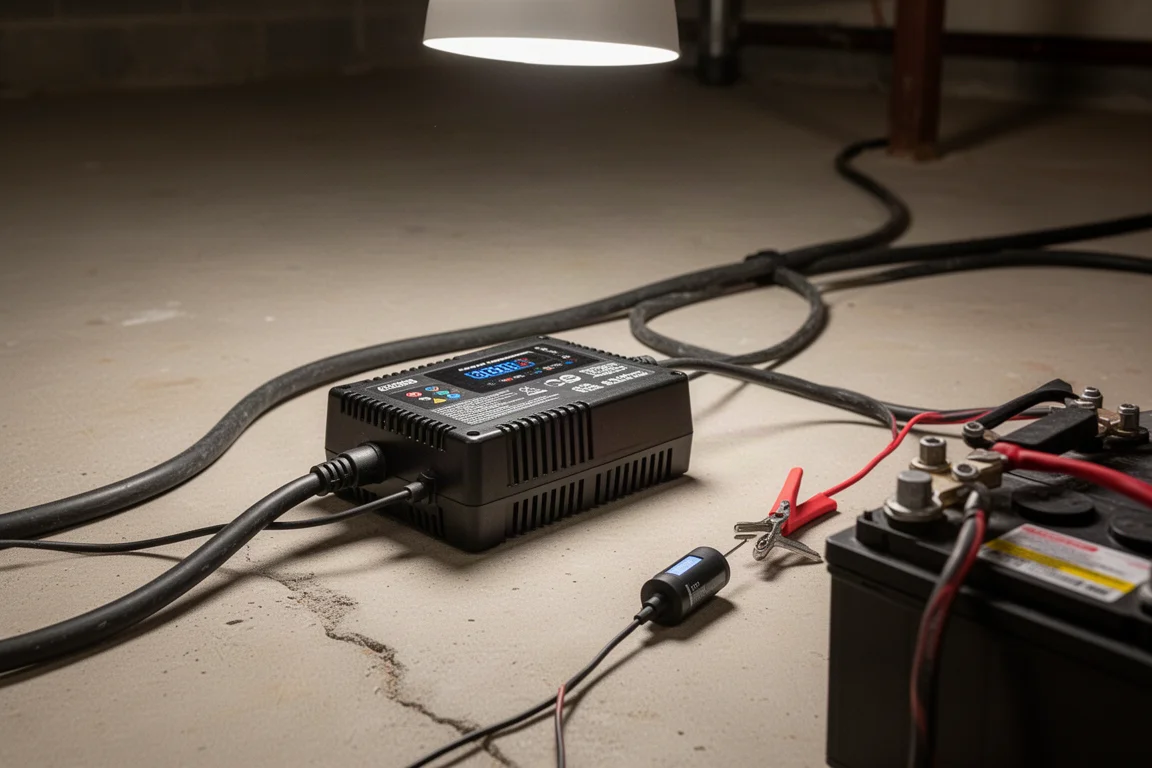
Current pricing tells a similar story: a Watchdog-brand AGM battery runs about $189, while the standard lead acid option is about $139. Replacing either every year or two is the real expense.
Making the Switch: Modifications Needed
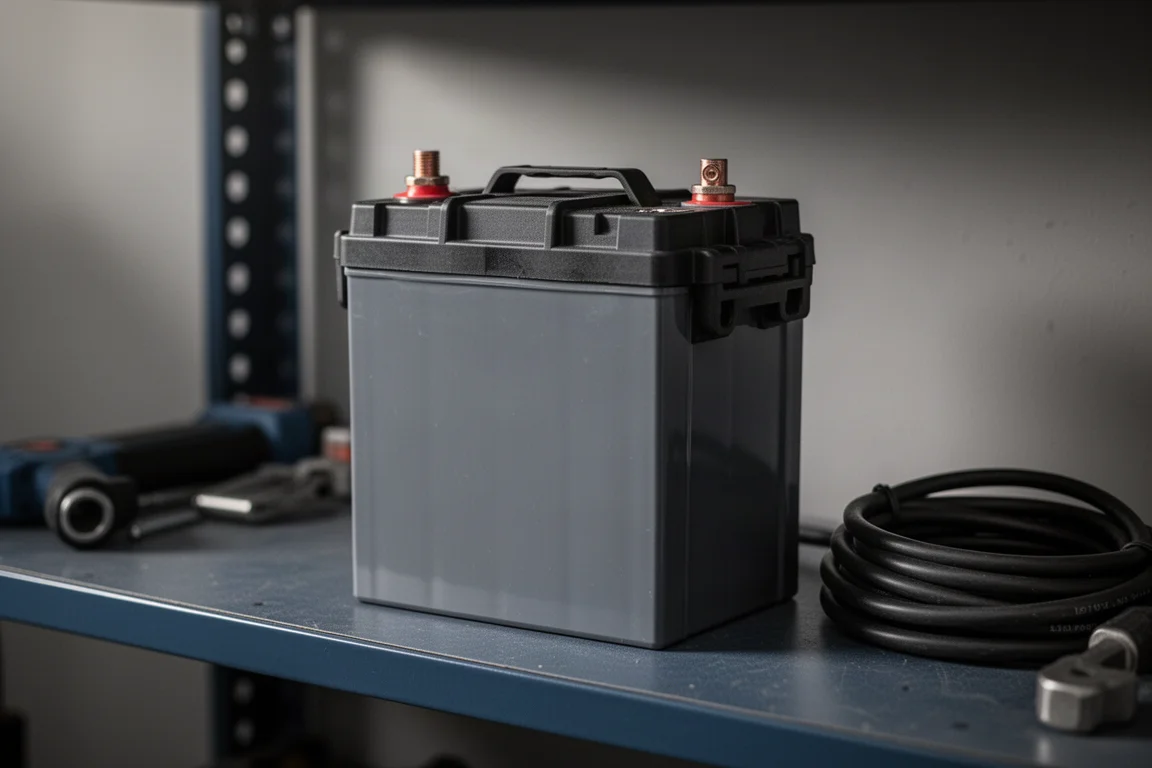
A compelling alternative is a lithium iron phosphate (LiFePO4) battery. These sealed batteries have internal BMS protection, can be wired in series or parallel, and are commonly used to power trolling motors, RVs, and campers. They are deep-cycle, slow-drain batteries rather than starting batteries, which suits a sump pump backup perfectly.
Because they are sealed, they avoid the off-gassing concerns that come with charging lead acid batteries. Two modifications are needed for the Watchdog system: the water-level probe that monitors battery fluid must be connected to the positive side so the low-water alarm does not trigger falsely, and the built-in lead acid charger should be replaced with a lithium iron phosphate charger.
The cost works out to roughly the price of two years’ worth of lead acid batteries, but the payoff is longevity. A LiFePO4 battery can be charged and discharged daily for about ten years and still retain around 80% of its capacity, making this a ten-year purchase rather than an annual or biennial one.
Buying Advice
If you already run a Watchdog system, upgrading to a LiFePO4 battery with a compatible charger is a straightforward project with minimal installation effort, and it should meaningfully extend the system’s service life. If you are starting from scratch, a budget-friendly primary pump plus the Watchdog backup is a proven combination that has already proven itself in a real failure scenario.
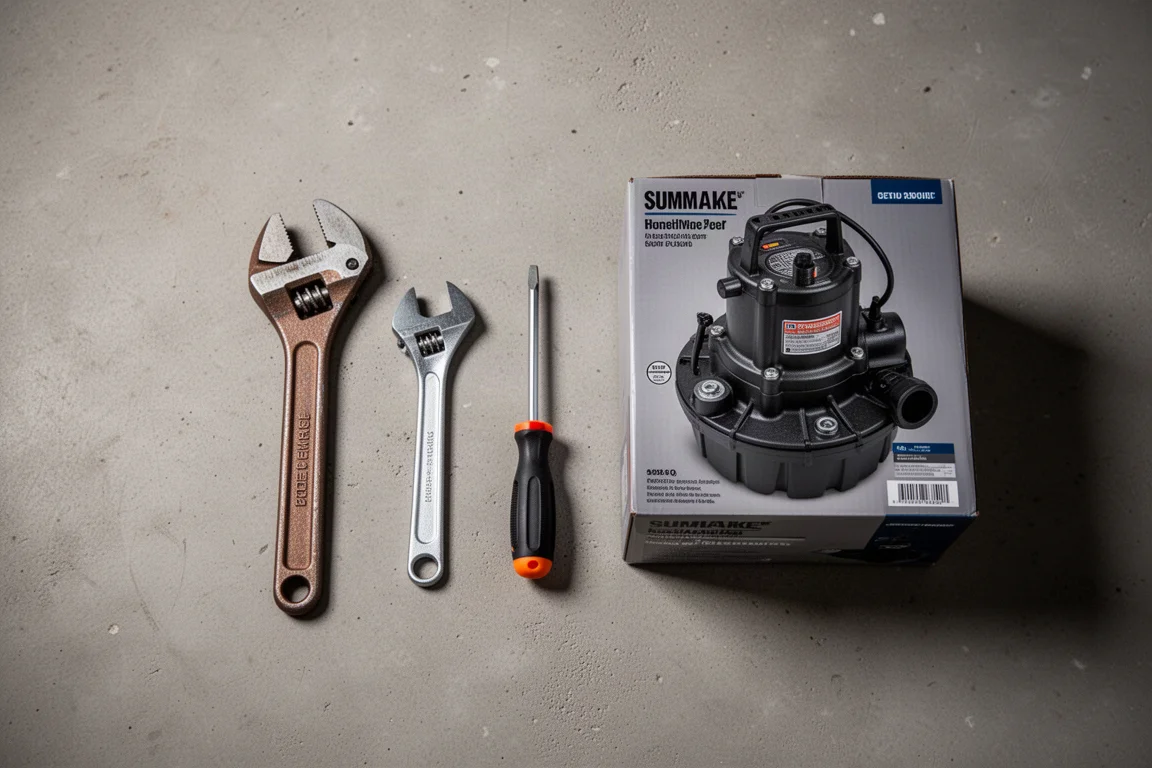
Before buying, confirm what your local retailer currently stocks, since primary pump brand availability at big-box stores appears to be shifting.
Conclusion
A battery backup sump pump is the kind of purchase you hope to never rely on, but when the primary pump dies the day before a trip, it pays for itself instantly. Pairing an affordable primary pump with the Watchdog 12V backup system is a sensible, layered setup, and swapping in a lithium iron phosphate battery turns the ongoing battery replacement cost into a one-time, decade-long investment.
Further reading
Related Reviews
Home & Tools
The Labor Day Home and Tool Deals Actually Worth Your Money
A curated look at the standout Labor Day sale picks for the yard, workshop, garage, and kitchen, with honest notes on who each one is really for.
Home & Tools
Garvey 50T Powered Drain Cleaner Review: A Consumer-Friendly Step Up From Handheld Drain Tools
A foot-pedal controlled drum-style drain cleaner with a 50-foot cable, multiple cutter heads, and enough power to clear stubborn household clogs quickly.
Home Improvement
Garage Door Upgrade Guide: Quieter Operation and Better Energy Efficiency
Two simple garage door upgrades that reduce noise, improve sealing, and make daily operation smoother.