Multi-Tools
Walther GMT 150 Review: A Lightweight Plier-Based Multi-Tool With Real Potential
A compact 67g multi-tool built around a surprisingly strong blunt-nose plier, with an injection-molded plastic over steel frame and a mixed bag of outer implements.
Introduction
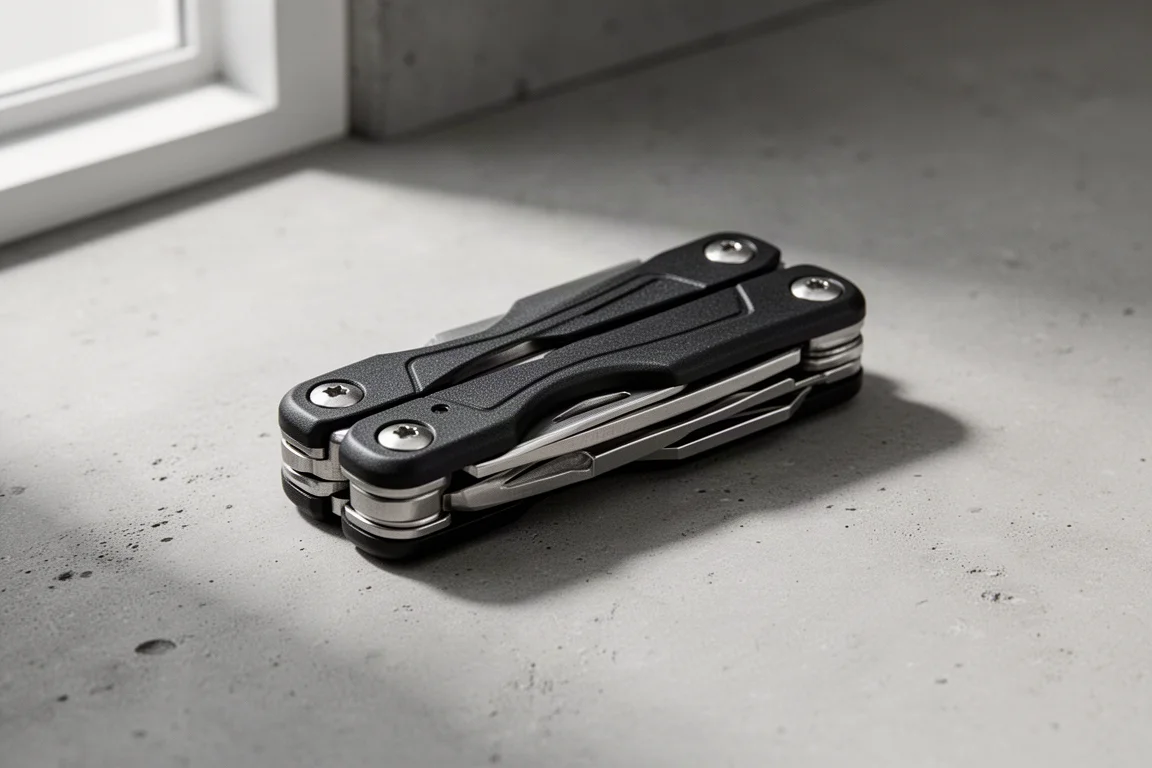
Every so often a multi-tool shows up that earns a spot in a collection of more than a hundred tools simply because it does something distinct. The Walther GMT 150 is one of those. It is a compact, plier-based multi-tool measuring 3 and 3/4 inches long and about half an inch wide, and it weighs roughly 67 grams. For a tool this small, that weight figure is notable, and the reason behind it is one of the more interesting design choices we have seen in this category.
Who This Product Is For
The GMT 150 is aimed at people who want a genuinely small, light plier tool for the pocket or keychain rather than a full-size multi-tool. If your daily carry leans toward independent components like a dedicated compact plier, or if you want a step down between a keychain tool and something larger, this form factor fits that gap well. It is also a compelling option for anyone who likes a lightweight tool that still offers real gripping strength.
Main Strengths
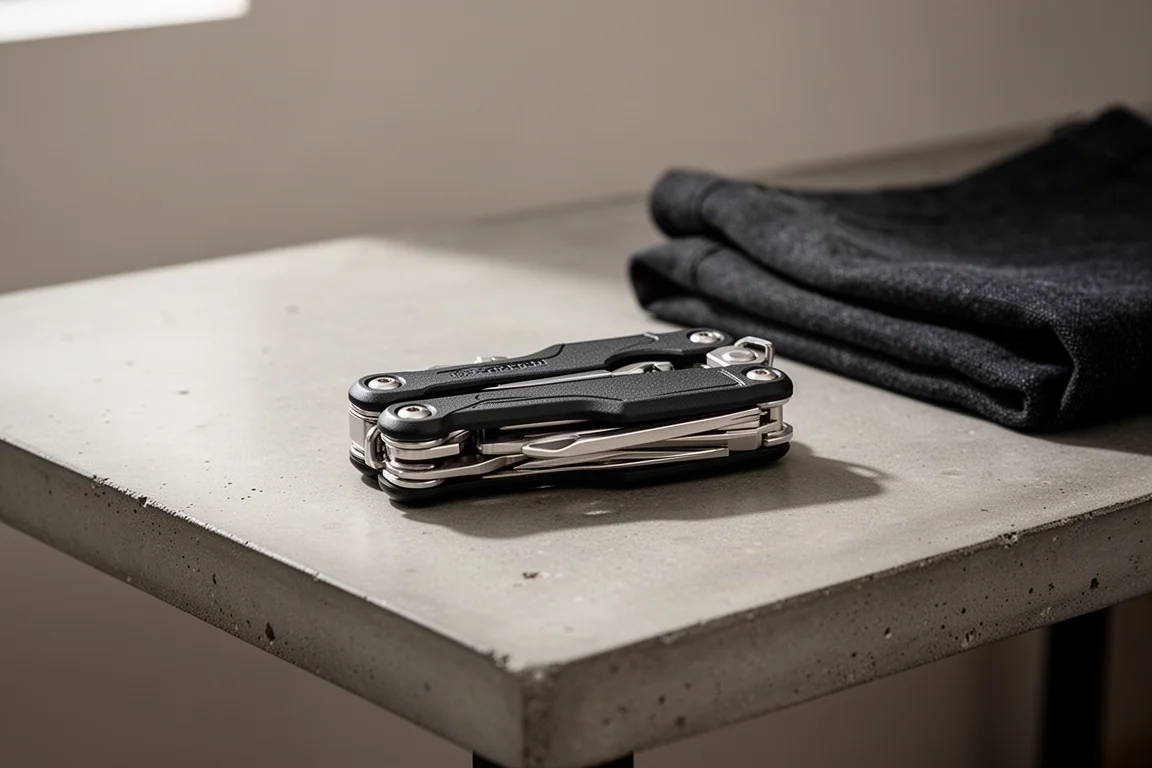
The plier is the headline. This is a blunt-nose plier with a proper diagonal cutter that actually comes together cleanly, which not all tools in this size class manage. The plier head is notably wide for a tool this compact, and that width translates directly into strength. It is a stronger plier than many smaller competitors, and while it is not a replacement for a dedicated tool like the Knipex Cobra, it is a genuinely capable combination plier in a small, light package.
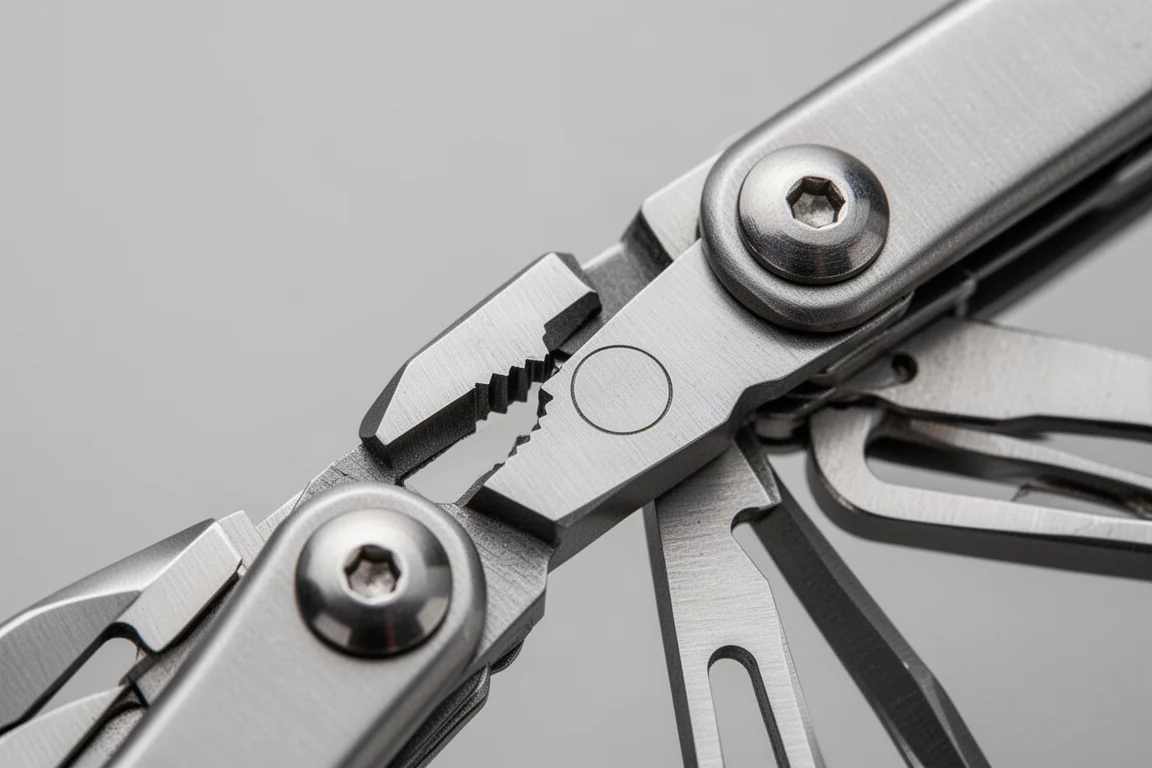
The construction approach deserves attention. Walther uses injection-molded plastic over a steel frame, giving you the strength of steel with the ergonomics of plastic. It may look inexpensive at first glance, but it is a very effective way to keep a tool both light and affordable without giving up structure. At around 67 grams, it undercuts several comparable small tools while offering a plier platform with more substance.
Things to Consider Before Buying
The outer implements are where things fall down. The crosscut file is not particularly sharp and will not perform well, and the nail file struggles even on ordinary nails. The fully serrated blade sits alongside a somewhat awkward hook mechanism and a strap cutter, while the other side carries a gauge, a straight blade in 440C, and a flathead. The 440C straight blade and the flathead are the keepers here; the blades arrived somewhat dull, and everything outside of the blade and flathead feels like filler rather than thoughtful implementation.
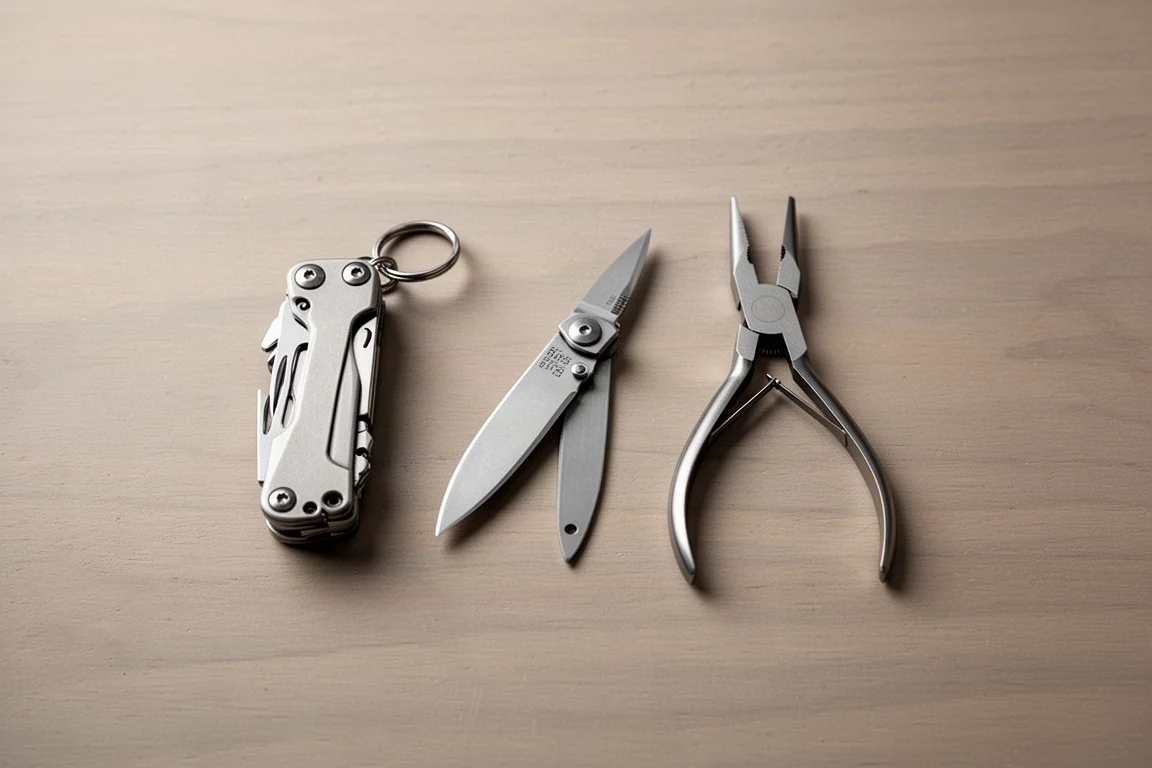
There are two smaller annoyances. Because there is no guard for the pliers, closing the tool can push the implements out slightly. And availability is inconsistent: the GMT 150 is not easy to locate, which suggests it may either be winding down or just getting started in the market. Our view on implement selection is simple: a compact tool really needs only a blade, a flathead, and a Phillips head beyond the pliers. Anything added at the cost of a solid, three-dimensional Phillips or flathead is a poor trade.
Buying Advice
If you value the plier platform, the GMT 150 is easy to recommend despite the weak outer implements. It is arguably best understood as an excellent base for modification: the pivot screws are large and accessible, making it realistic to disassemble, adjust, and potentially swap in custom implements. As a stock tool, treat it as a plier-first carry where the blade and flathead are the only attachments you will actually use.
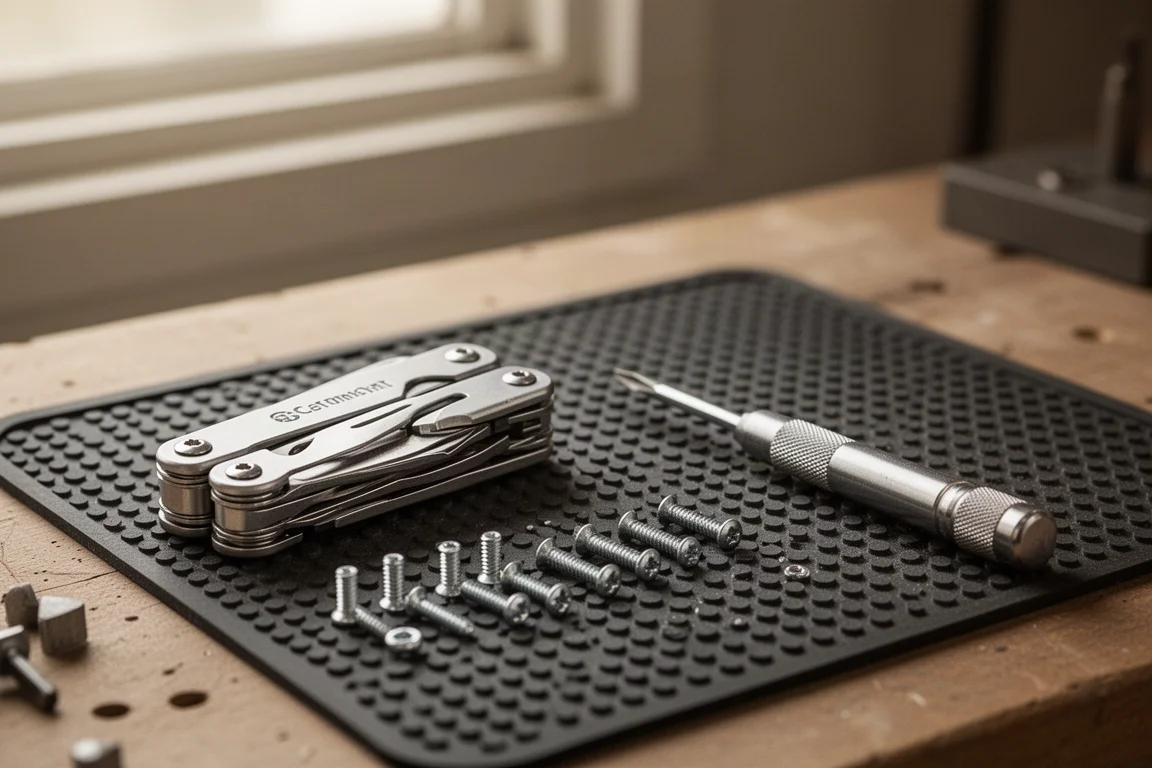
Compare it with what else you carry. If you already have a dedicated compact plier, the GMT 150 still makes sense as an all-in-one fallback. If you are choosing between this and a slightly larger small tool with a more complete implement set, weigh how much you actually use files and strap cutters. For most people, the answer will be not much, which makes this tool’s focused strengths easier to accept.
Conclusion
The Walther GMT 150 is a cool oddity in the best sense: a narrow, light, and surprisingly strong plier-based multi-tool with a smart steel-and-plastic frame construction. Its outer implements do not match the quality of its core design, but the plier platform alone is enough to make it worth a look, especially for tinkerers. It proves there is still room in the multi-tool world for new ideas. It just takes the right implementation.
Product link
View more details for Walther GMT 150
This product is mentioned in the review. Check the specifications, options, and compatibility before buying.
View more details for Walther GMT 150Further reading
Related Reviews
Multi-Tools
Leatherman Wave Plus Review: A Pliers-First Multitool for Bike Trips
Why a pliers-first multitool earns permanent space in a touring kit, and what to weigh before paying for the Leatherman Wave Plus.
Multi-Tools
Best Budget Multi-Tools Under $50: Four Picks Worth Considering
A compact SOG original and three value-focused clones, with honest notes on which ones deliver real value and where to draw the price line.
Multi-Tools
Best Multitools for Hard Wire Cutting: Which Pliers Actually Survive the Test
We put a lineup of classic and modern multitools up against a simple challenge: cutting coat hanger wire cleanly without damaging the cutters.