Multi-Tools
Best Multitools for Hard Wire Cutting: Which Pliers Actually Survive the Test
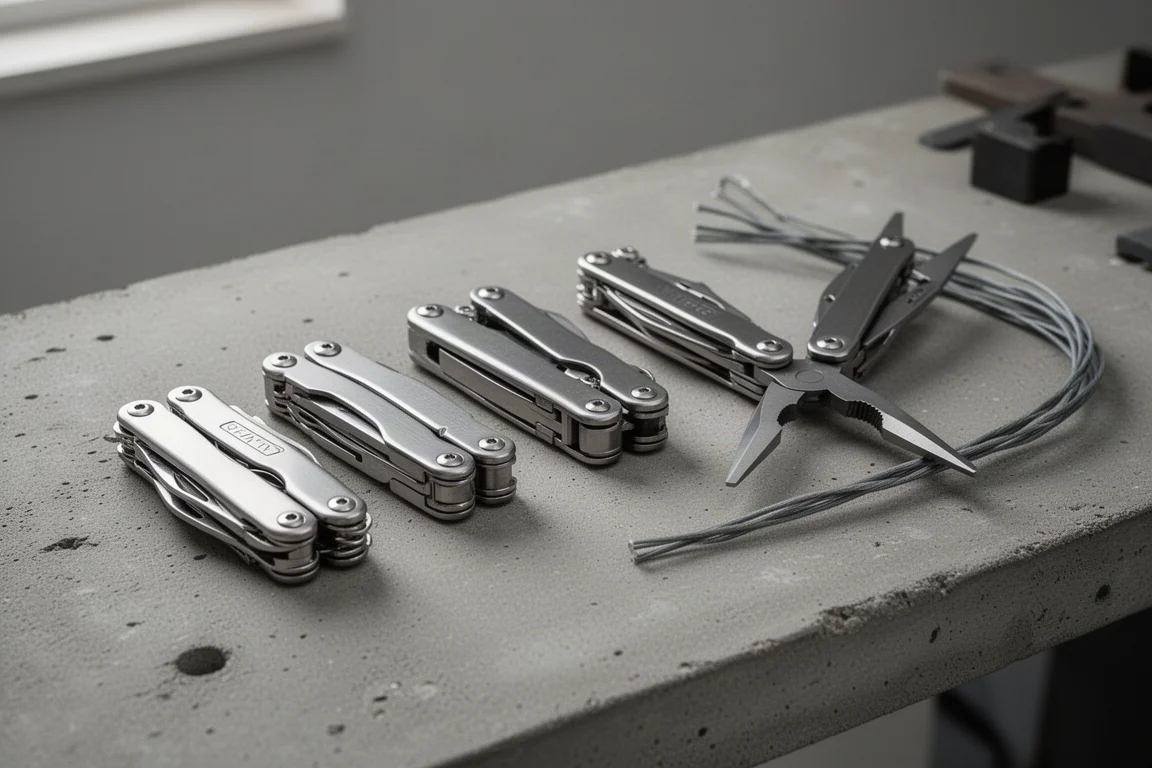
We put a lineup of classic and modern multitools up against a simple challenge: cutting coat hanger wire cleanly without damaging the cutters.
Introduction
Hard wire cutting is one of those quiet benchmarks that separates a serious multitool from a pocket novelty. Coat hanger wire is a good stand-in: it is softer than a nail, but tough enough to expose weak cutters, poor heat treatment, or awkward jaw geometry. A lineup of plier-based multitools, from decades-old classics to current production models, went through the same five-cut test to answer one question: will it cut?
The results tell an interesting story about where the category stands right now, and why some long-standing assumptions about which brand cuts best may need revisiting.
The Test: One Question, One Wire
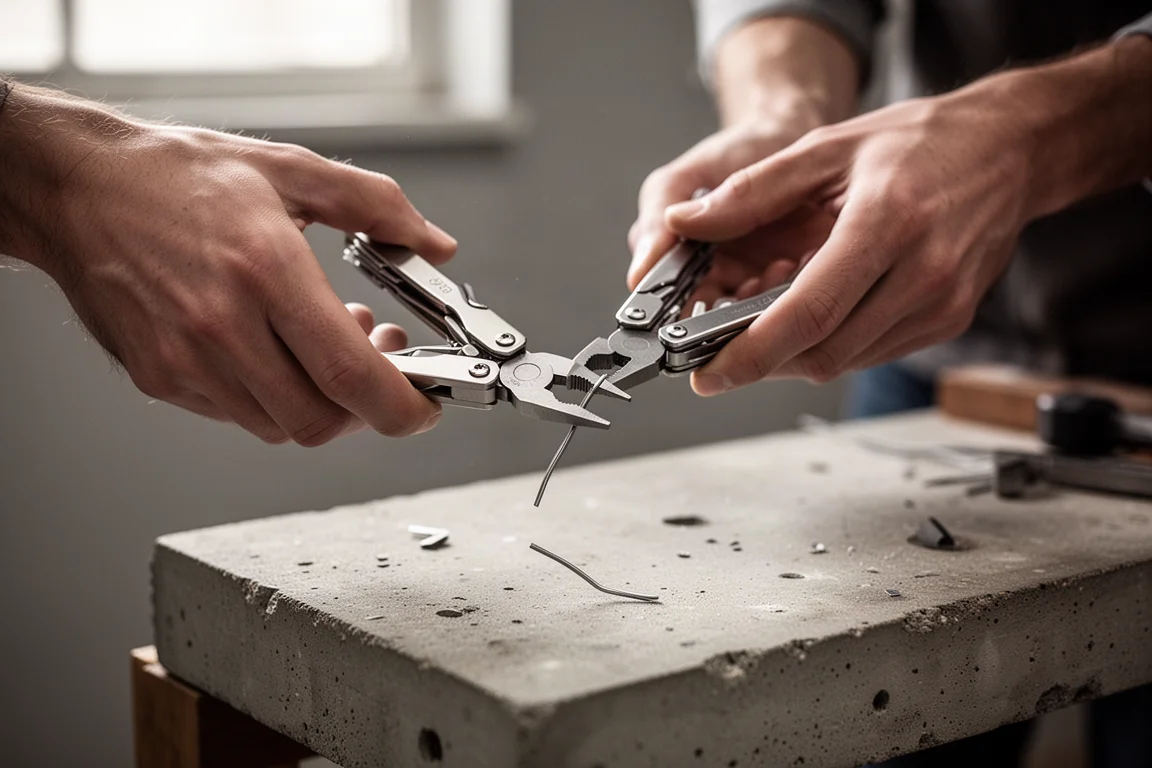
Every tool got the same treatment: five clean cuts through standard coat hanger wire, using the hard wire cutter section the way a real person would use it, quickly, without carefully lining the wire up in a precise spot. That last part matters. Nobody in the field takes time to position wire perfectly; they slot it in and squeeze.
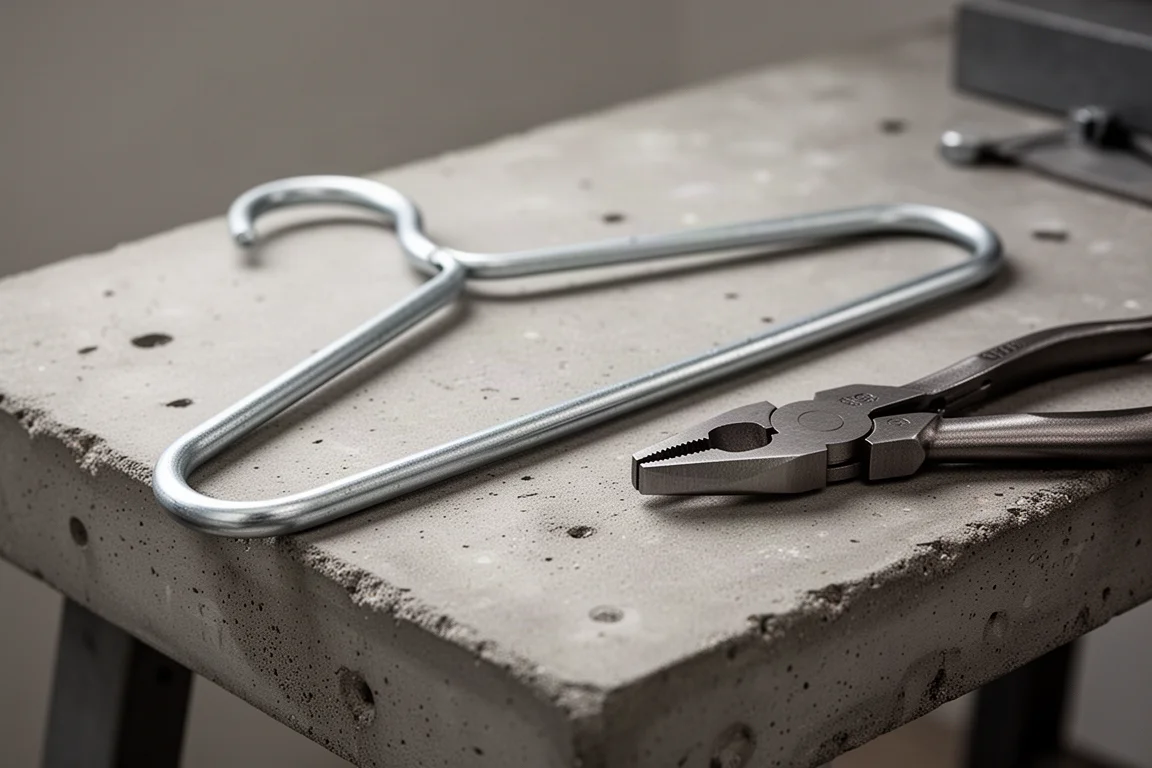
A tool that only cuts well when the wire is deliberately placed in an exact notch is not a tool that cuts well. The pass criteria were simple: complete the cuts, leave no chipping, cracking, or marring on the cutters, and produce a clean cut without excessive struggle.
Leatherman PST: The Original Benchmark
The PST is where this whole category essentially began, and a well-preserved example with a high-polish finish handled all five cuts without any marring or issues whatsoever. That is a tool more than two decades old outperforming expectations, which says a lot about how good the original one-piece cutter design really was.
Leatherman Super Tool: Still a Favorite
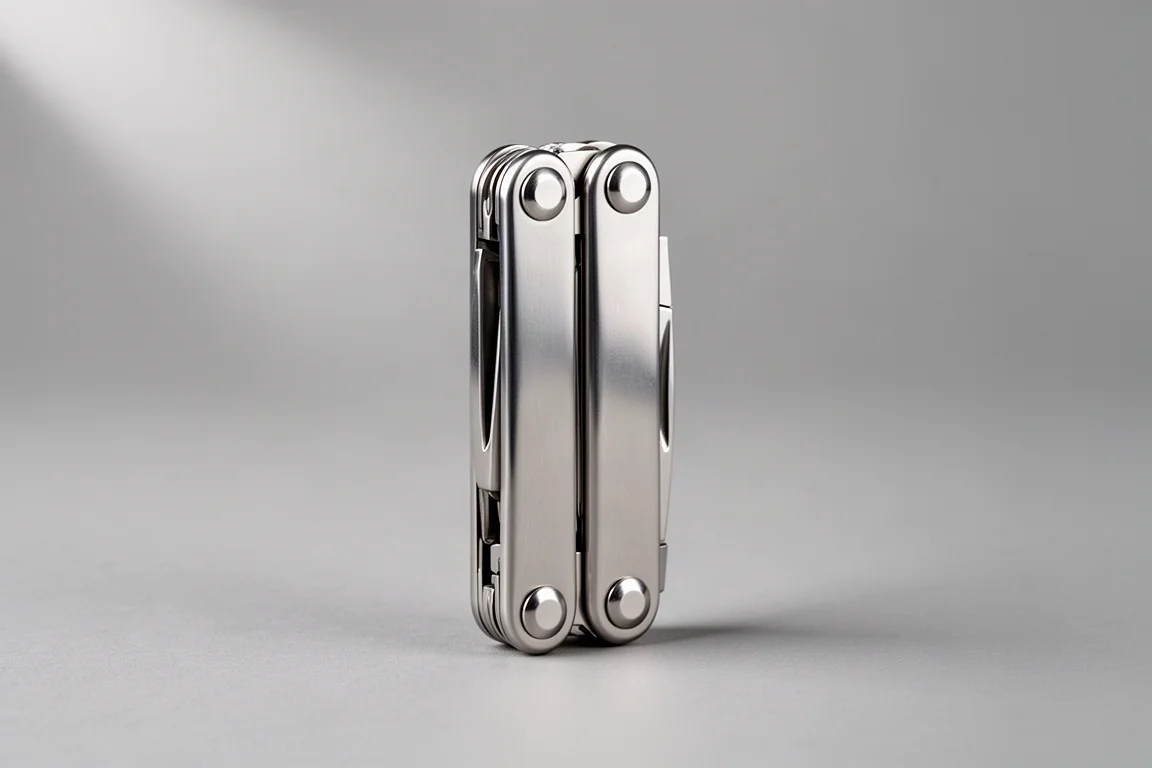
The original Super Tool, the third tool the company ever released, shares the same plier head as the updated PST and delivers essentially the same performance. Five cuts, no problems, no damage. For many longtime users it remains one of the best multitool designs ever made, and this test did nothing to change that.
Leatherman Wave: The Decade-Long Companion
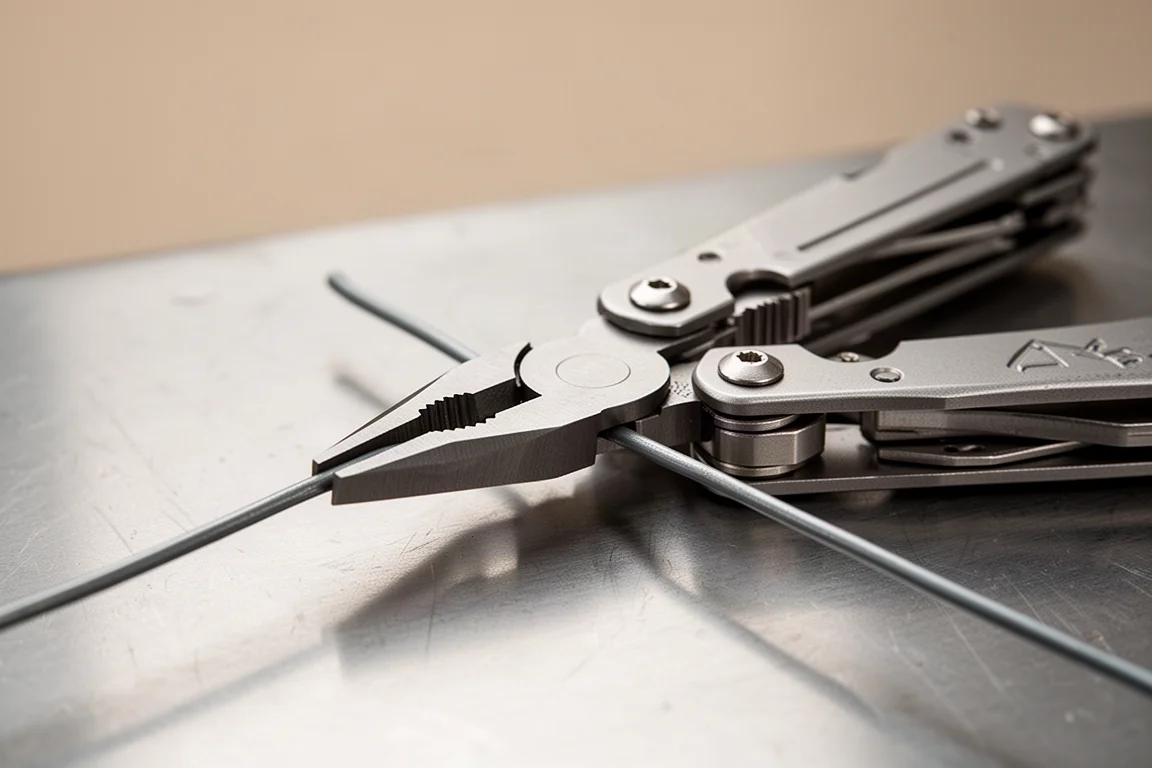
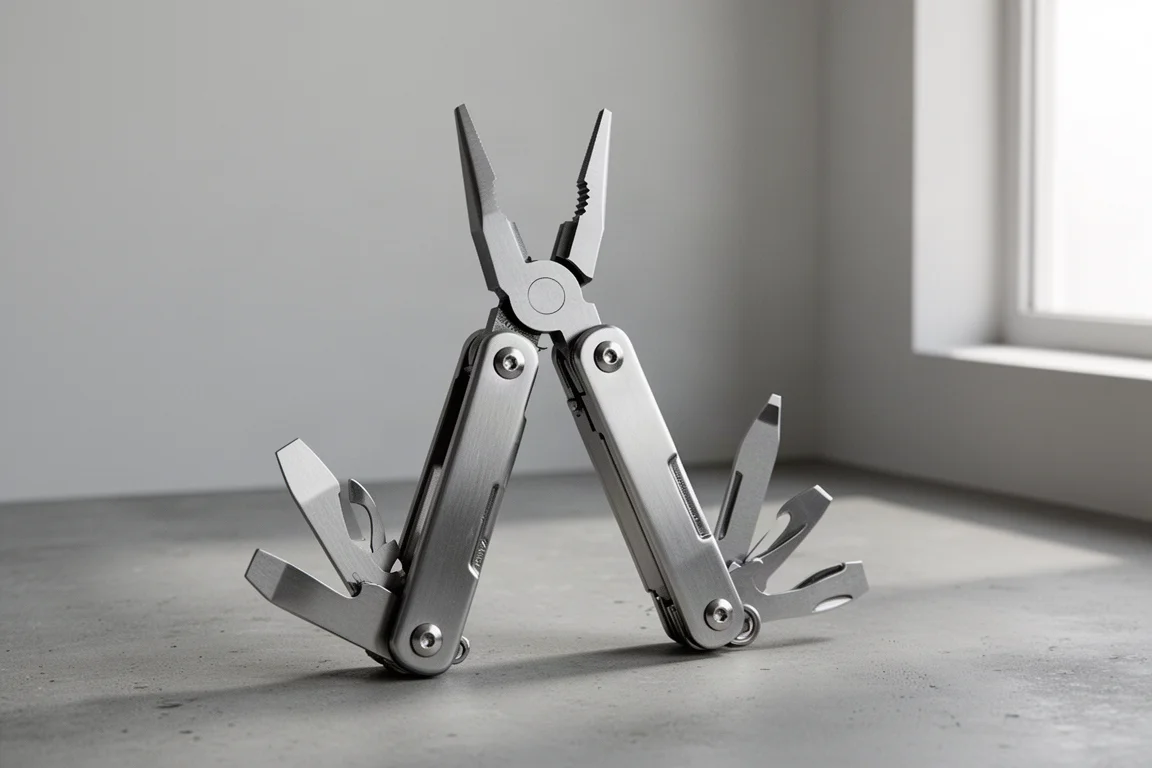
The Wave earned its reputation as the everyday carry multitool of choice for well over a decade of continuous use, including far more demanding jobs than coat hanger wire. The original Wave’s cutters were trusted for nails, fencing, and years of hard use, which makes the current discussion around newer cutter designs all the more striking.
Leatherman Bond: The Sensible Current Choice
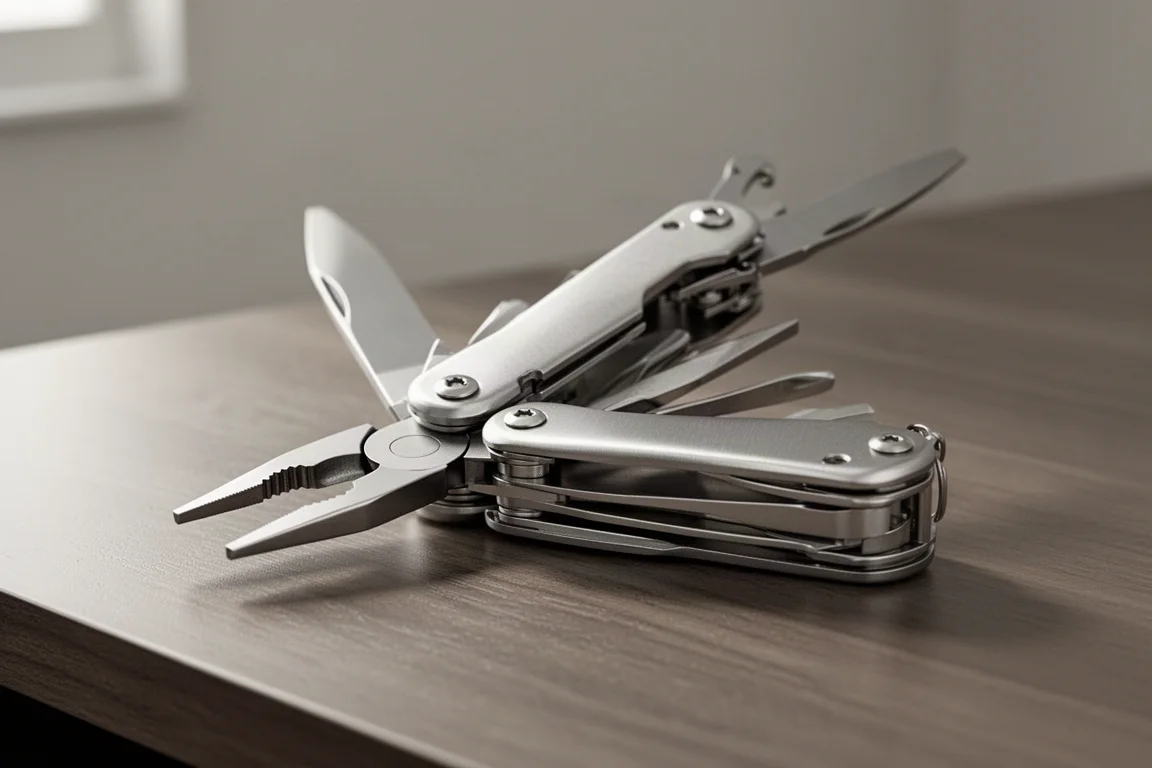
The Bond uses a one-piece plier head without replaceable cutters, and that turns out to be an advantage right now. It cut the test wire without any issues, and the design reasoning is straightforward: with no cutout in the jaw, there is more metal, more strength, and no gap to fight with. Currently available, it represents the simplest way to buy into the brand without worrying about the newer replaceable cutter design.
Victorinox Swiss Tool: Impressive Build, Mixed Cut Quality
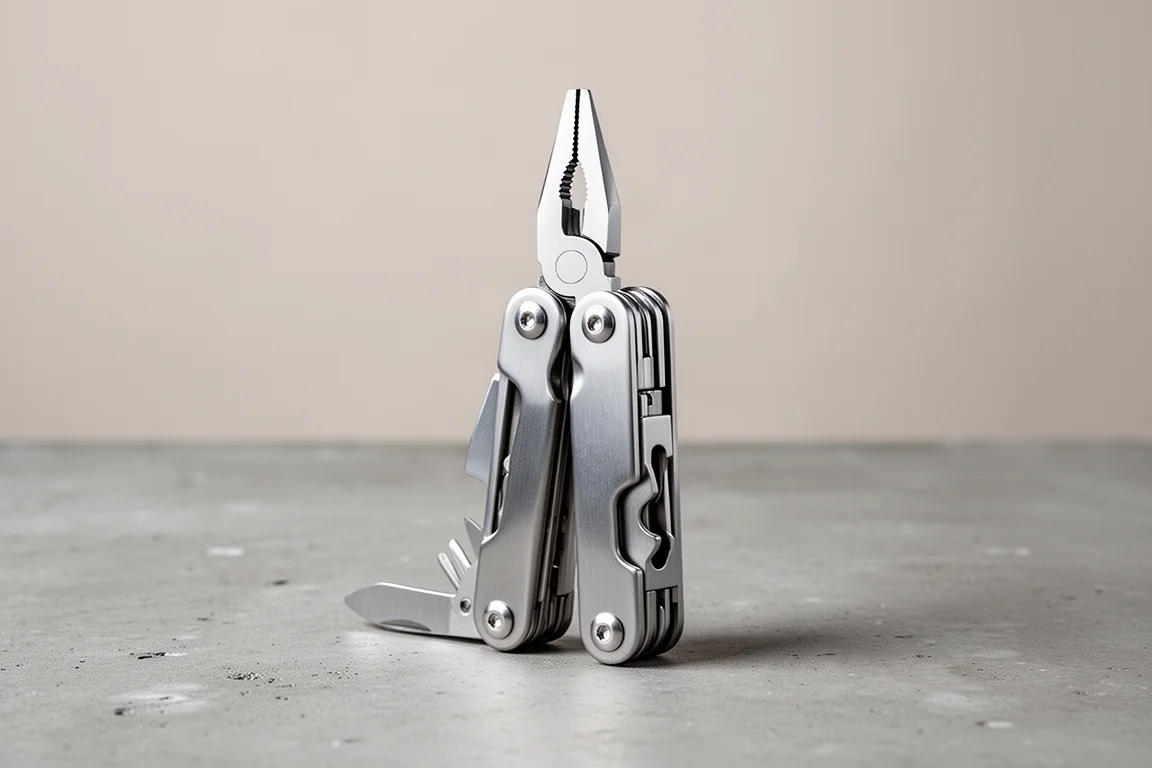
The Swiss Tool is beautifully built and absolutely handles hard wire without breaking a sweat. The caveat is cut quality: the multi-section cutter design cuts soft wire poorly and leaves less clean finishes than the Leatherman equivalent. It will never crack on you, but it does not cut as cleanly either.
Gerber NXT: Budget Performance With Caveats
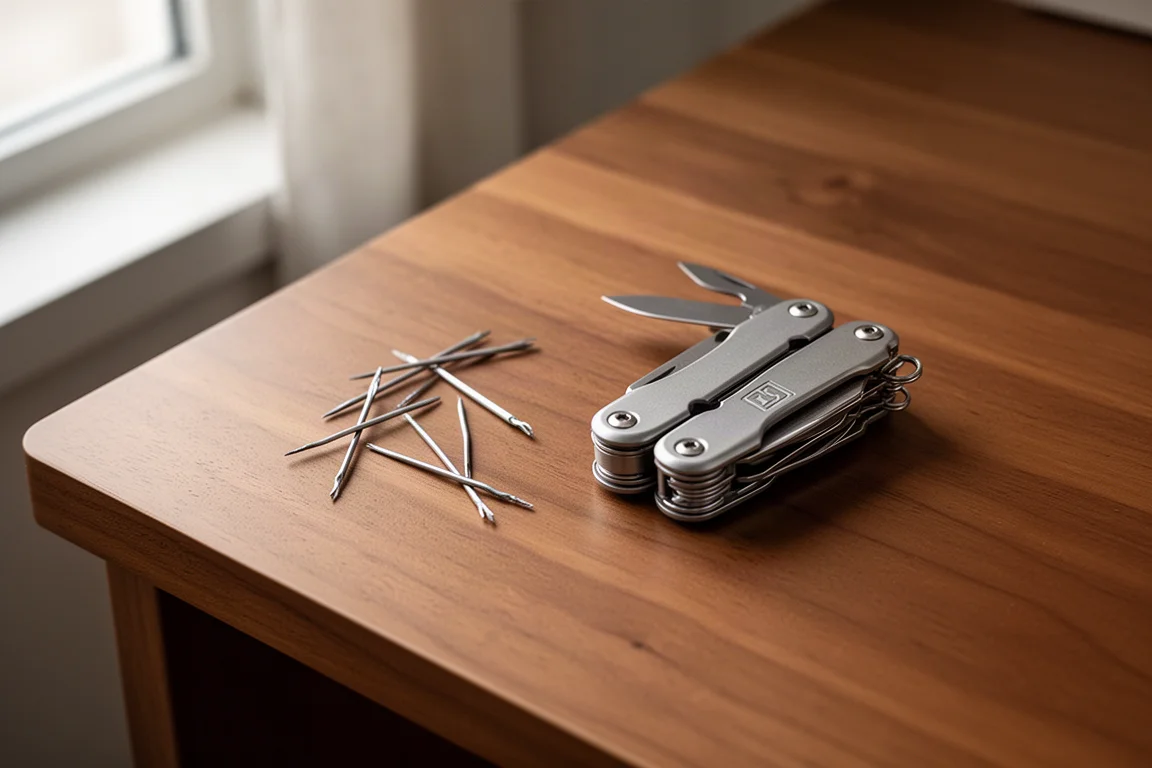
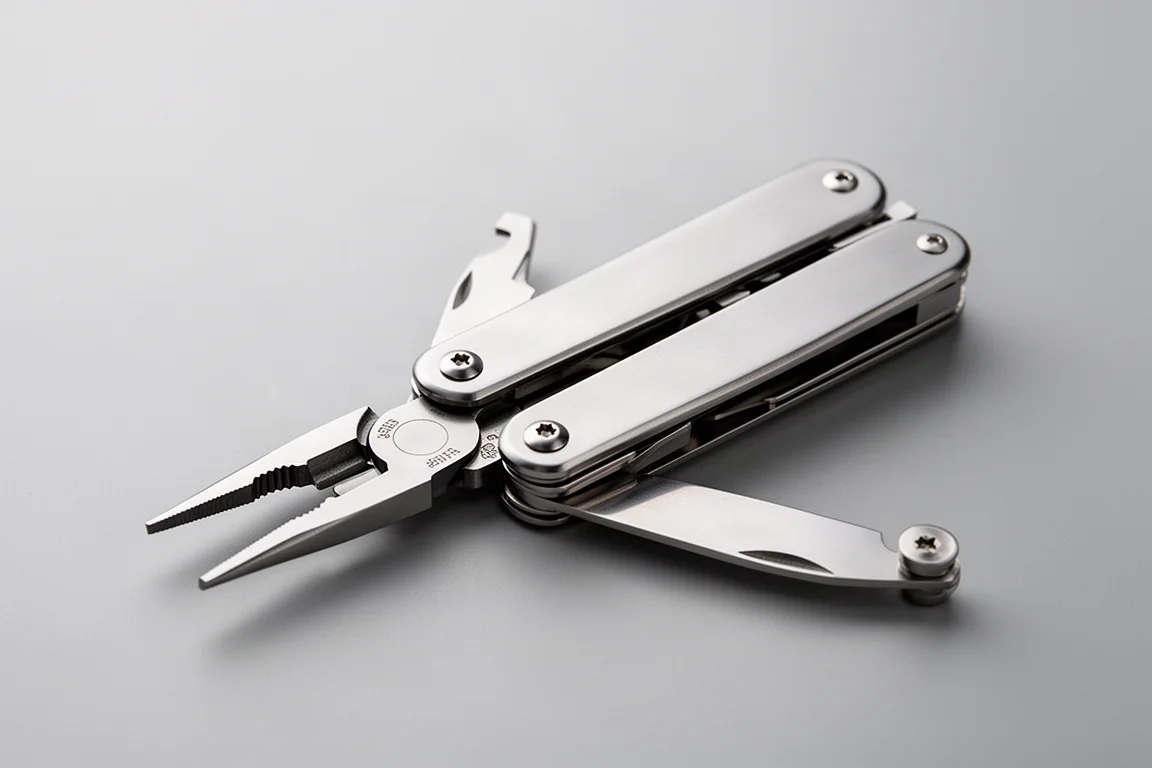
At a budget price point, the Gerber NXT gets through the test. It does not close fully, leaving a slight gap in the jaws, and the hard wire cutter placement means you have to locate the right spot on the jaw. It works, but it is not the most refined execution of the hard wire cutter idea. Even so, in the current market it performs better than the problematic newer cutter design found on some higher-priced competitors.
Buying Advice: What to Pick Right Now
Here is the practical takeaway. If you carry a plier-based multitool, the hard wire cutter is a core reason to have it at all, and right now the one-piece, non-replaceable cutter designs are the ones to trust. They are stronger because there is no cutout, and they cut hard wire the way you actually use a multitool: quickly, without precision placement.
Newer replaceable cutter designs offer a real benefit, the ability to swap out damaged cutters, but they give up strength in the process. If the cutting quality is not there to begin with, that trade stops making sense. Meanwhile, tools with a dedicated hard wire notch and proper heat treatment handle this test without damage, proving the material itself is not the problem. Until the newer cutter design is fixed, the older-style plier heads and the non-replaceable current models are the smarter purchases.
Conclusion
The classics still cut: the PST, Super Tool, and Wave all passed with room to spare, and the Bond carries that same one-piece strength into the current lineup. The Victorinox Swiss Tool handles hard wire reliably if not cleanly, and the budget Gerber NXT gets the job done with some compromises. The lesson for buyers is simple: judge a multitool by how it cuts wire the way you would actually use it, and favor proven one-piece cutter designs until the newer designs prove themselves.
Further reading
Related Reviews
Multi-Tools
Leatherman Wave Plus Review: A Pliers-First Multitool for Bike Trips
Why a pliers-first multitool earns permanent space in a touring kit, and what to weigh before paying for the Leatherman Wave Plus.
Multi-Tools
Best Budget Multi-Tools Under $50: Four Picks Worth Considering
A compact SOG original and three value-focused clones, with honest notes on which ones deliver real value and where to draw the price line.
Multi-Tools
Best Multi-Tool to Buy First: Leatherman Bond vs the Rest of the Lineup
The Leatherman Bond tops our list as the single best purchase in the lineup, with the Curl and Wave close behind. Here is how the whole range stacks up.