Treadmills
Wahoo KICKR Run Treadmill Review: A Premium Running Machine With Genuinely New Ideas
A first run on the Wahoo KICKR Run, the ambitious treadmill with a RunFree mode, huge top speed, and hardware that mostly justifies its $5,000 price tag.
Introduction
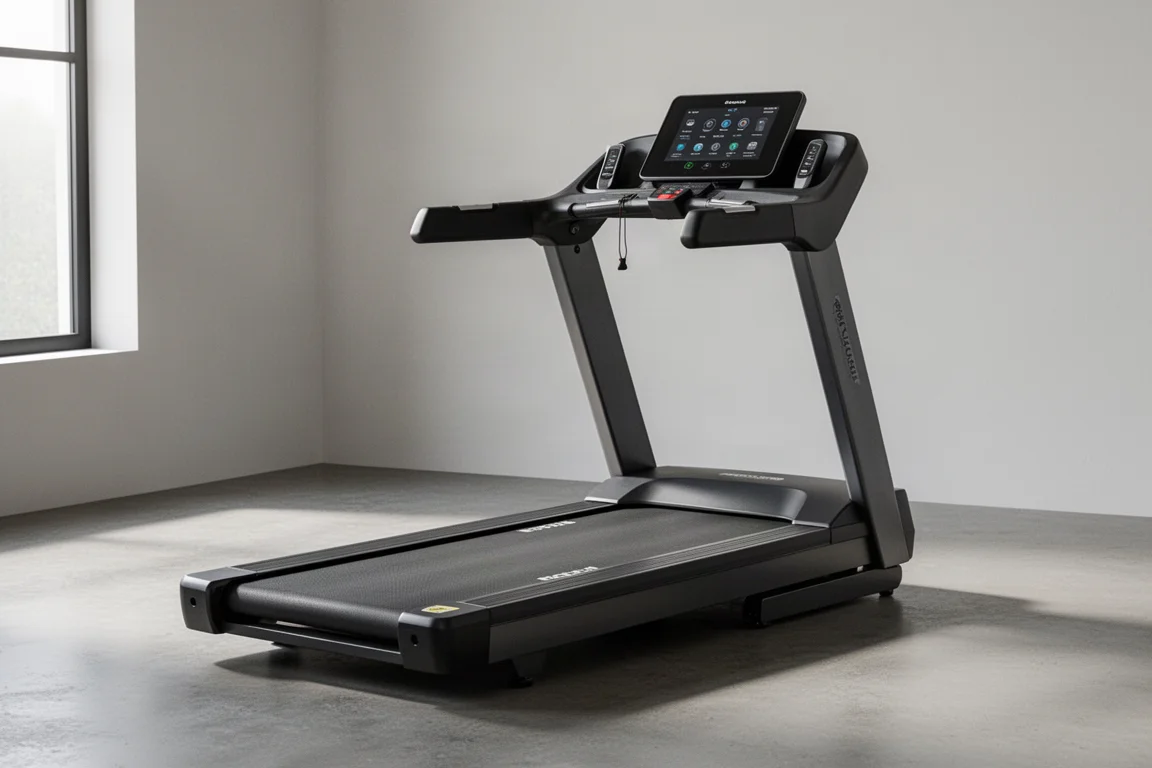
Most treadmills feel like variations on the same recipe: a belt, a console, and a set speed you dial in and mentally switch off from. The Wahoo KICKR Run is Wahoo’s attempt to change that, and after a 60-minute easy run on the machine, it largely succeeds. It is available in the US now, with the UK and other countries expected late next year.
The headline feature is RunFree mode, which lets you change speed simply by shifting your position on the belt rather than pressing buttons. Combined with a huge running surface, a very high top speed, and a belt designed to mimic firm trail ground, it is one of the more genuinely interesting treadmills to appear in years. It is also expensive at $5,000 plus $300 for delivery, and it takes up serious space, so it is worth understanding exactly what you are getting before committing.
Who This Product Is For
The KICKR Run is aimed at runners who train seriously and want a treadmill that feels closer to running outdoors. If you follow structured plans, use connected training apps, or do interval sessions where rapid pace changes matter, there is a lot here for you. It is equally appealing to runners who find traditional treadmills repetitive, since the RunFree mode keeps you actively engaged in holding your pace rather than just clocking out mentally.
It is less suitable if you simply want a basic machine for casual jogging. You can get a perfectly capable high-speed treadmill for under $2,000, and the KICKR Run’s premium only makes sense if its unique features genuinely appeal to you.
Key Specs and Space Requirements
This is a big machine, and Wahoo is upfront about it. You need clearance to the sides and behind the treadmill, plus overhead clearance of 24 inches greater than the height of the tallest user, because the deck sits a long way off the floor. The running belt measures 69 by 22 inches, which feels genuinely spacious when running.
The performance numbers are impressive. Top speed is 4 minutes per mile (229 per kilometer), maximum incline is 15%, and maximum decline is 3%, so you can run downhill simulations too. The machine also has near-automatic self-leveling, which is handy on uneven garage floors or when a mat underneath creates an uneven base.
Main Strengths
RunFree Mode Actually Works
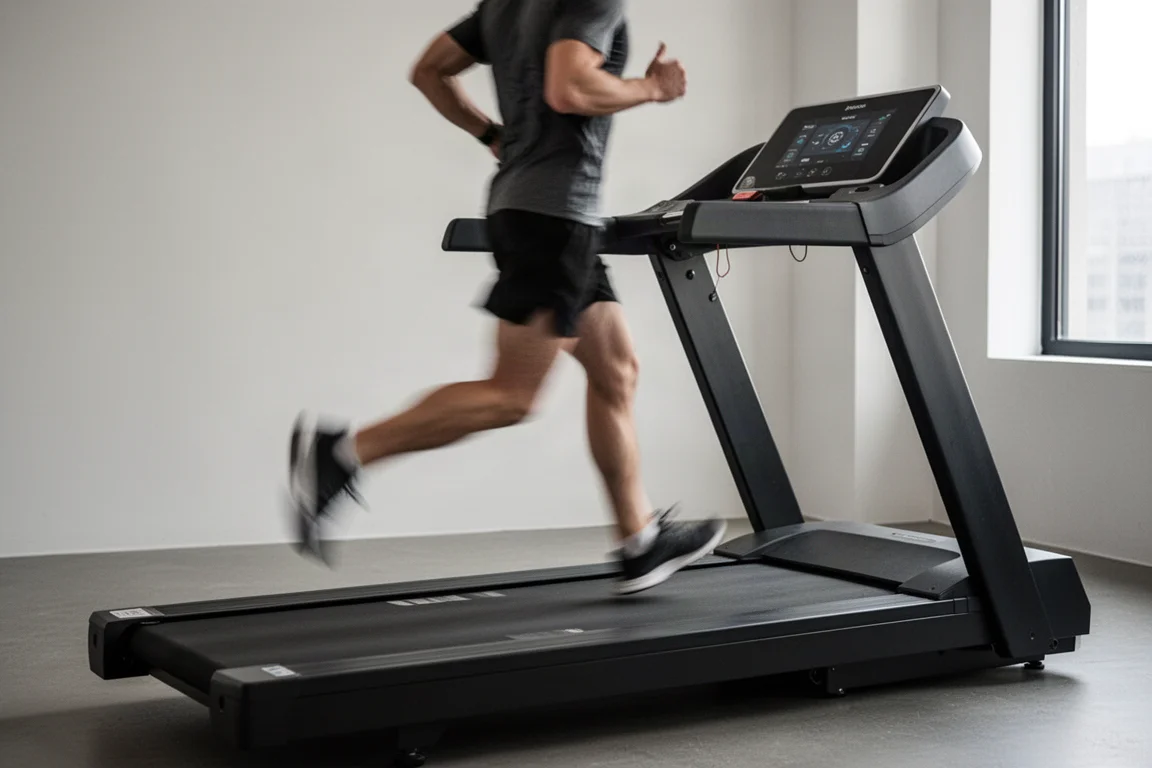
RunFree mode was the feature I was most curious about, and it exceeded expectations. To speed up, you lean forward slightly and start landing a little further forward on the belt, and the machine responds. Ease back and it slows down. Crucially, it does not jerk around: running normally at a steady pace locks the belt to that pace, and holding a target pace like marathon pace felt natural rather than wobbly.
The interesting side effect is engagement. Because you are actively leaning into the pace rather than setting it and switching off, running at a target speed feels more involving than on a conventional treadmill. You can also warm up in RunFree mode, drift up to your pace naturally, then exit RunFree so the machine locks at that exact speed and leaves you alone.
Fast, Precise Pace Changes
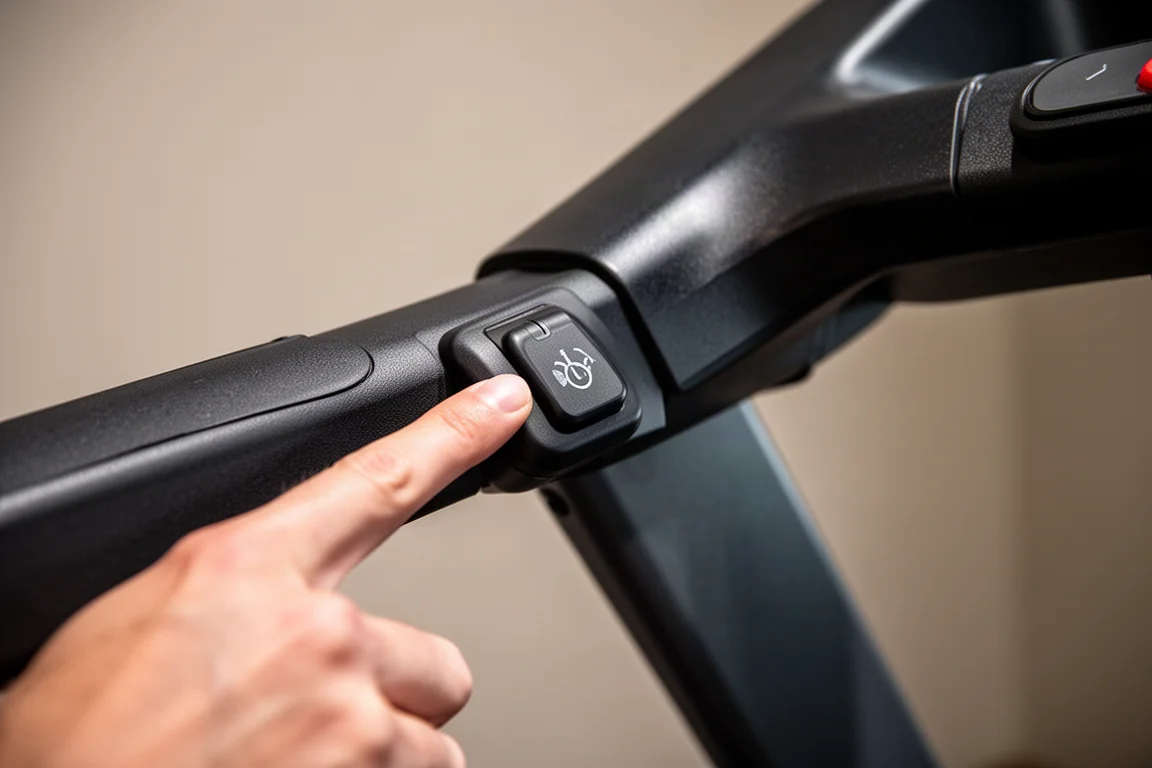
Whether you use the paddles or not, the belt accelerates and decelerates very quickly, which makes it excellent for intervals. At slower speeds, paddle presses jump the pace in bigger increments to get you up to speed faster, and you can fine-tune pace down to the second. The console shows pace in minutes per kilometer or mile rather than the classic speed units most treadmills use, which is a welcome touch for runners.
Excellent Core Hardware
Strip away the novel features and this is still a very good treadmill. The belt is comfortable underfoot, the open front makes running feel relaxing and natural, and the machine is solid and stable even at top speed, with no rumbling or jerking. It is not silent, but for a machine capable of these speeds it is not especially loud either.
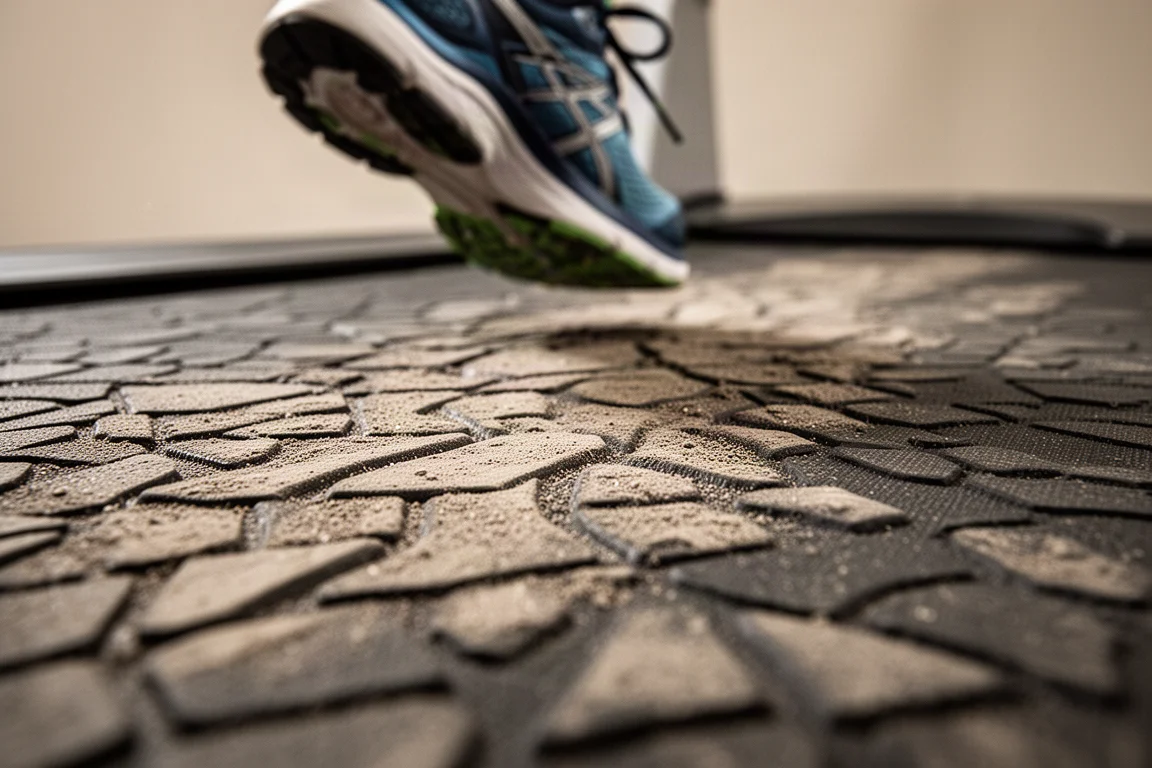
The belt itself is designed to simulate firm trail-like ground, and there is a lateral tilt mechanism that shifts about half a degree from side to side, so you are not landing in exactly the same spot on a perfectly flat surface every stride. That mimics outdoor running more closely and could matter to runners with nagging niggles who worry about repetitive flat-belt landings.
Connected Training Focus
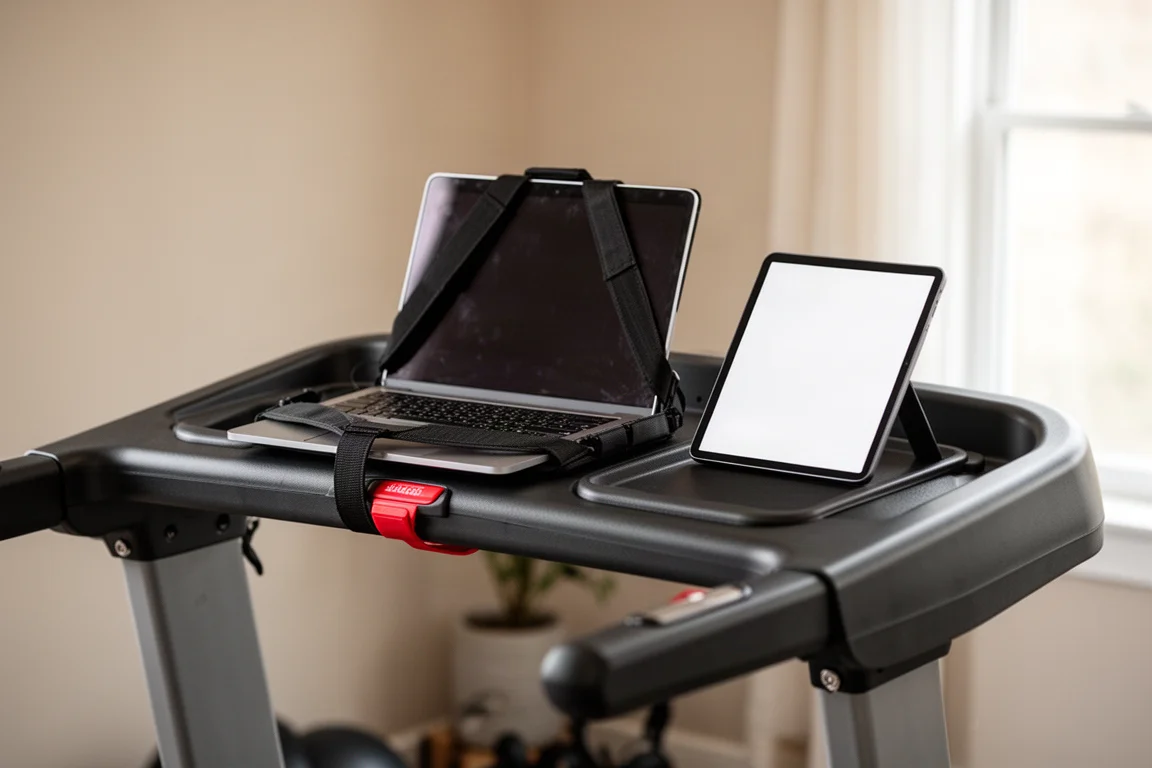
The KICKR Run is designed to be used with apps over Bluetooth, and it linked up well for both controlled and non-controlled sessions. In controlled mode, an app can drive the incline and decline automatically, including downhill sections. The large front tray is built for this, with a strap to hold a laptop securely in place alongside a tablet or phone.
Things to Consider Before Buying
There are a few drawbacks worth weighing up. The console shows pace and incline but no total time or distance, because the treadmill does not really record those figures itself. That is fine when a connected app is doing the logging, but if you jump between apps during a session, you have no idea how far you have run. A simple time and distance readout would be a welcome addition.
Unlike some top-spec machines, there is no built-in screen, so you rely on your own devices on the tray. Some runners will prefer the integrated display of a Peloton or a Technogym Run, while others will appreciate using hardware they already own. I also noticed a little static when using the paddles, though that may have come down to the shoes I was wearing.
Buying Advice
At $5,000 plus $300 delivery, the KICKR Run is undeniably expensive, but not outlandishly so for what it offers. Comparable premium machines, such as the Technogym Run at around $12,000, cost significantly more, and Wahoo is essentially setting its own price for features nobody else has implemented this well. If you only want high top speed and a conventional treadmill experience, spend less. If the RunFree mode, rapid pace changes, decline running, and app-first design excite you, the machine delivers on those promises in practice, and it would shine most in interval sessions.
Measure your space carefully before ordering. This is a large machine with significant clearance requirements on all sides and above, so it needs a dedicated area in a home gym or garage.
Conclusion
The Wahoo KICKR Run is an ambitious treadmill that mostly delivers on its promises. RunFree mode works as well as you would hope, the core hardware is genuinely excellent, and the pace handling is the best I have used for structured training. The lack of time and distance on the console and the absence of a built-in screen are minor frustrations rather than dealbreakers. For runners excited by what this machine offers on paper, the real-world experience matches up, and it seems likely to shake up the treadmill market.
Product link
View more details for Wahoo KICKR Run Treadmill
This product is mentioned in the review. Check the specifications, options, and compatibility before buying.
View more details for Wahoo KICKR Run TreadmillFurther reading
Related Reviews
Treadmills
TrueForm Trainer Treadmill Review: A Self-Propelled Way to Run Naturally Indoors
A motor-free, runner-driven curved treadmill that rewards focus and honest effort, with a few practical things to check before it arrives at your door.
Fitness Equipment
Best Adjustable Dumbbells 2026: Seven Categories to Find Your Perfect Match
A comprehensive guide to adjustable dumbbells across seven categories, from beginner-friendly options to premium heavy hitters, helping you choose based on your priorities.
Bike Computers
Best Bike Computers 2026: Wahoo ELEMNT ACE, Garmin Edge 1050 and Two Value Alternatives
A practical comparison of the Wahoo ELEMNT ACE and Garmin Edge 1050, plus two cheaper computers that cover the essentials for far less.