Optics
Vortex Diamondback HD Binoculars: A Practical First Serious Pair for Birding
A closer look at the Vortex Diamondback HD, including what to look for in any birding binocular, from prism design and glass quality to eye relief and warranties.
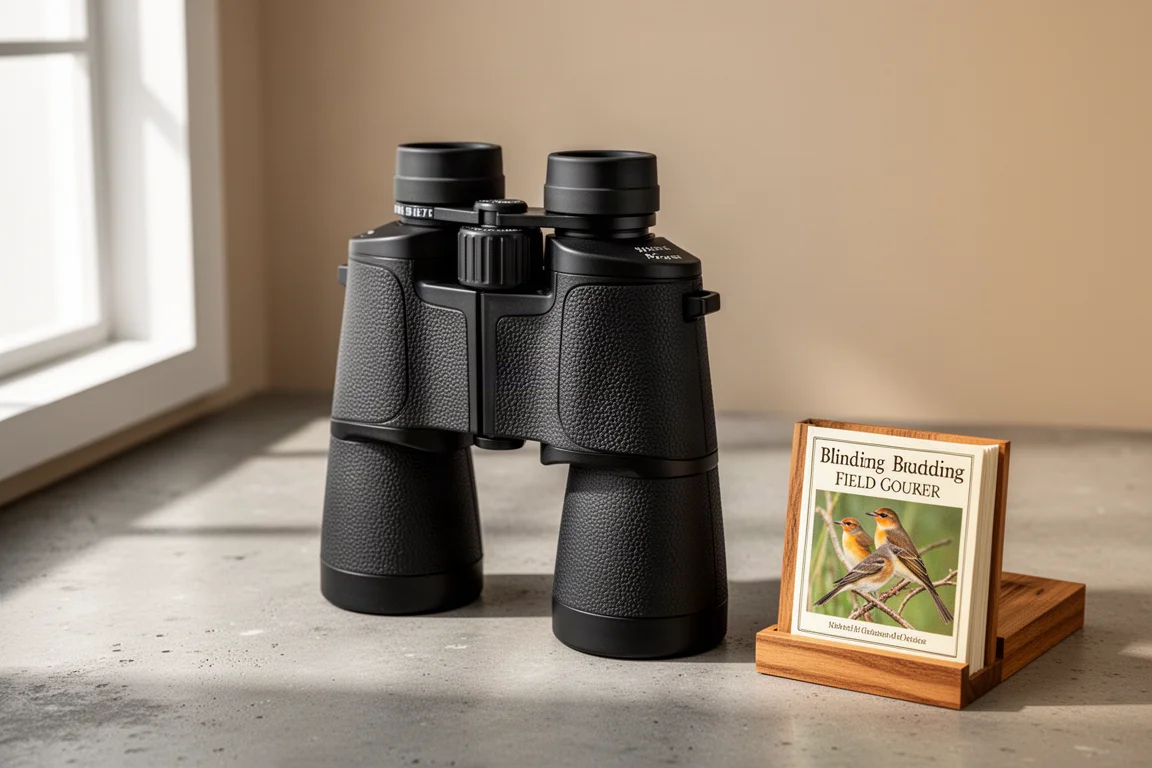
Introduction
When most people get into birding, the first piece of advice they hear is simple: get a pair of binoculars. What is less often explained is how to choose the right pair, because binoculars differ widely in design, price, and image quality. The Vortex Diamondback HD is one of the options that keeps coming up for birders who want a genuine step up from a cheap starter pair without paying flagship prices.
Who This Pair Is For
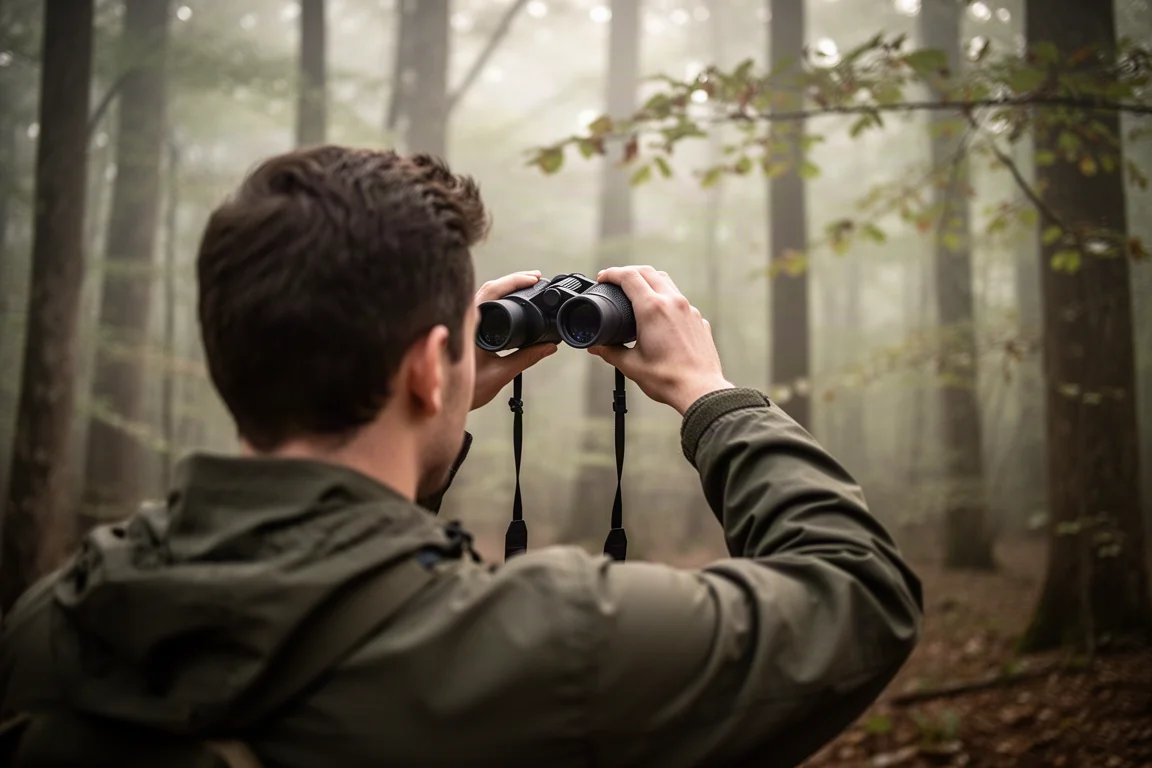
If you are just starting out, you honestly do not need anything expensive. A basic pair that gets you a little closer to the birds is enough to begin, and even an affordable 10x50 model in the low price range on Amazon can do the job. But once birding becomes a regular habit, upgrading makes sense. That is where the Diamondback HD sits: a mid-priced pair, available for around 200 dollars, that delivers the quality features serious birders look for.
Understanding Binocular Design: Porro vs Roof Prism
Most binoculars fall into one of two design families. Porro prism binoculars are the traditional, bulkier shape with a zigzag light path between two internal prisms. They are usually cheaper to produce, often offer a wider field of view, and their larger shape can be comfortable for beginners to hold onto. The downsides are bulk and fragility: if a Porro prism pair is dropped, the focusing system can knock out of alignment and refuse to focus properly.
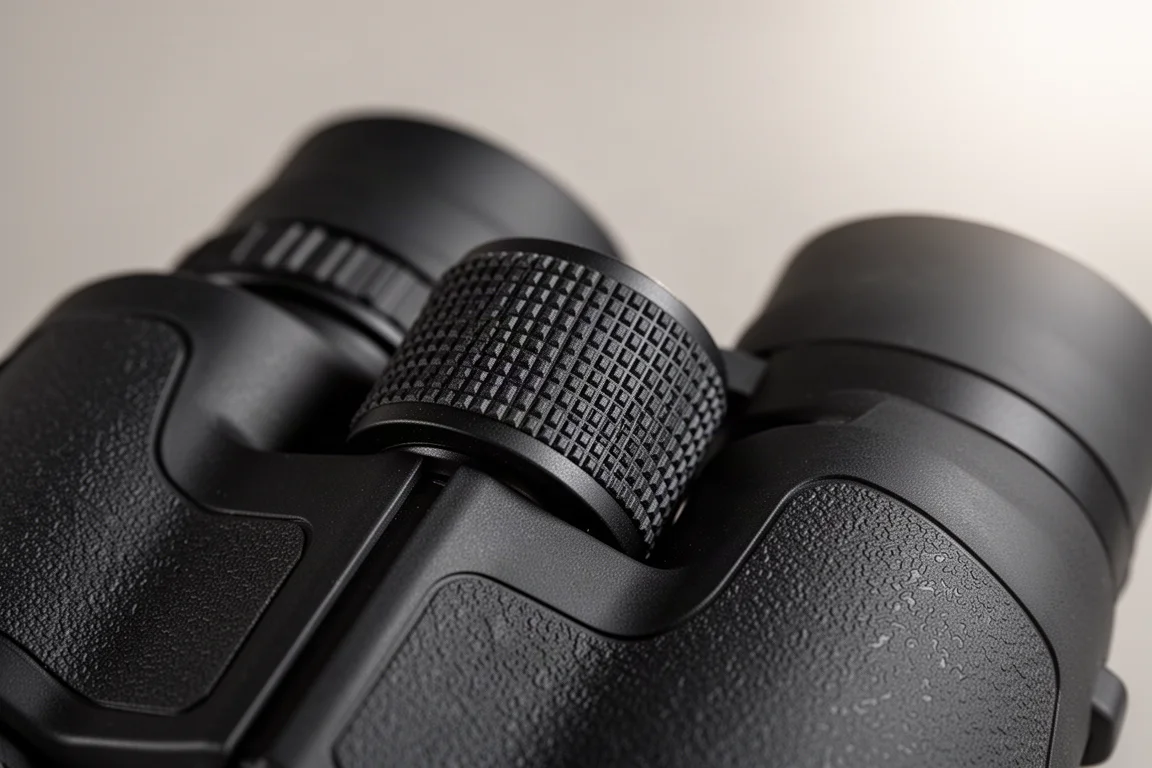
Roof prism binoculars look straight and streamlined, with the prism system running directly through the body. They generally offer a bit more clarity, but a high-quality roof prism pair normally costs more than an equivalent Porro prism pair. The Diamondback HD is a roof prism design, which is part of why it feels like a more refined instrument.
Understanding the Numbers: Magnification and Objective Lens
Binoculars are labeled with two numbers, such as 8x42. The first number is magnification, and the second is the diameter of the objective lens in millimeters. A bigger objective lens lets in more light. The 8x42 configuration is pretty much the standard for birding: enough magnification with a wider field of view, which makes it easier to find a specific bird in the first place. Higher magnification pairs like 10x50 narrow the field of view and can make locating birds genuinely harder, so wider views are worth considering.
Using binoculars also takes some adjustment. You are not zooming in and out; you raise them and land directly on the bird, then focus. That takes a little practice, but it improves quickly. Many pairs also include a diopter on one eye so you can tune each barrel separately for differences in vision, and some offer a tripod attachment, though most birders find that more awkward than useful in the field.
What Makes a Binocular Good: Glass, Coatings, and Eye Relief
A few specifications separate a great pair from a mediocre one. ED glass, short for extra low dispersion, lets in as much light as possible and produces a really clear picture. Be careful with the term “HD glass”: it can mean different things depending on the company, sometimes high density or just a marketing label, so read the fine print. If a brand says ED, that is a very good sign.
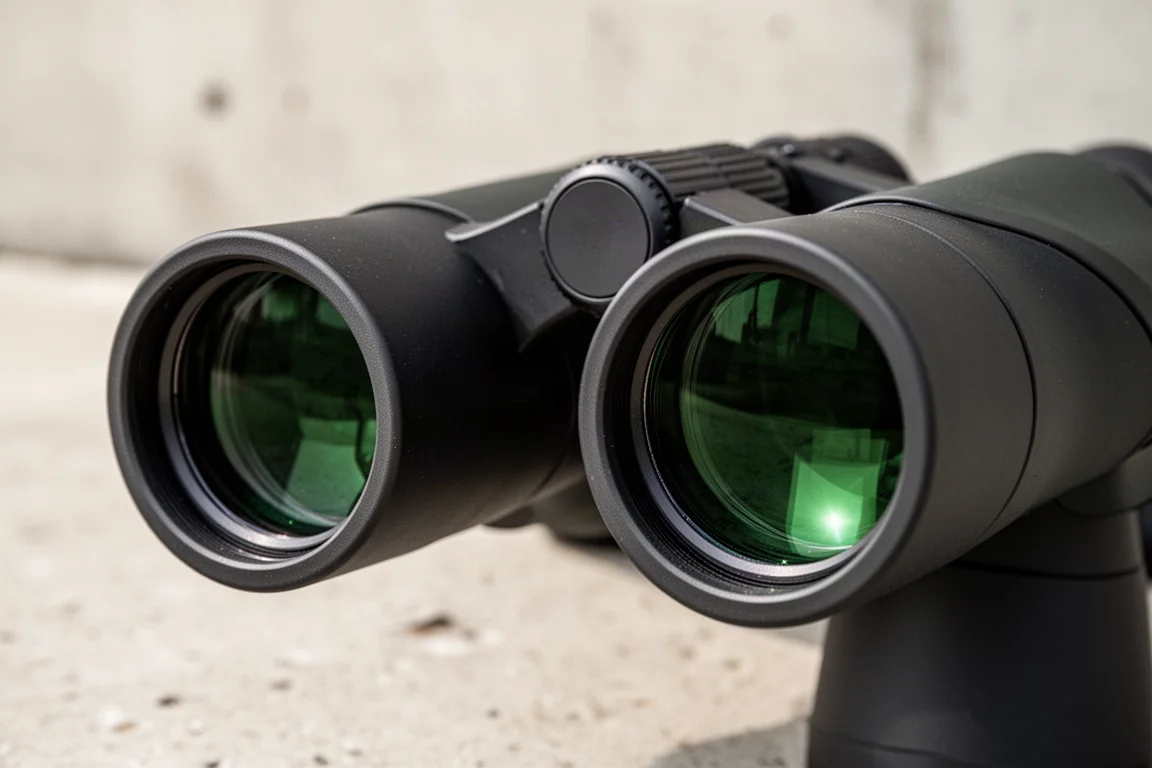
Optical coatings matter too. Look for fully multi-coated optics on the glass and prisms; more coating layers generally mean better picture quality, more light transmission, and reduced chromatic aberration, which is the purple or blue tinge you can see on distant subjects with lower-quality glass. Even top-tier optics show some chromatic aberration in specific conditions, but a good pair keeps it minimal.
Also check eye relief, meaning adjustable eyecups that twist or fold in and out. This matters especially if you wear glasses, because it changes how close your eyes sit to the lens. Weight is worth a glance as well, since you will carry the binoculars all day in the field, and waterproofing is genuinely important. Water getting into a non-waterproof pair and fogging up the lenses in the rain is a real and frustrating problem.
Why the Diamondback HD Stands Out
The Diamondback HD ticks the boxes above at a price of around 200 dollars, and it carries one of the strongest value arguments in optics: Vortex Optics offers a lifetime warranty. If anything happens to the binoculars, you can send them back and Vortex will send you a new pair or fix them for you. When you buy a pair you will use constantly, that kind of backing makes the purchase feel like an investment rather than a gamble.
If your budget stretches further, brands like Leica, Zeiss, and Swarovski sit at the high end and are excellent, but they are usually out of the price range of most birders. For a first serious pair, the Diamondback HD hits the sweet spot.
Care and Storage
Once you own a pair, keep it in good condition. Store the binoculars in a plastic bag with a desiccant pouch inside to absorb moisture, and avoid high-humidity or dusty environments. Do not leave them in a hot or very cold car. Keeping moisture away is the single best thing you can do to protect the optics long term.
Conclusion
You do not need expensive optics to start birding, but if you are ready to invest in a pair you will use all the time, the Vortex Diamondback HD combines ED glass, a practical 8x42-class format, waterproofing, and a lifetime warranty at around 200 dollars. For most birders building their kit, that is a very confident choice.
Product link
View more details for Vortex Diamondback HD
This product is mentioned in the review. Check the specifications, options, and compatibility before buying.
View more details for Vortex Diamondback HDFurther reading
Related Reviews
Optics
Best Spotting Scopes 2026: Four Models Compared Side by Side
A practical comparison of four spotting scopes across different price points, with honest notes on optical quality, contrast, and value.
Optics
Choosing a Rifle Scope: Three Maven Models for Different Hunting Needs
A practical guide to selecting a rifle scope based on price, size, and features, with three Maven models that cover close-cover, all-around, and precision shooting.
Optics
SVBONY SV202 8x32 Binoculars Review: A Compact All-Rounder for Birding
ED glass, IPX7 waterproofing, and a pocketable build make the SV202 8x32 an easy pick for birders who want a lightweight pair under $200.