Optics
Choosing a Rifle Scope: Three Maven Models for Different Hunting Needs
A practical guide to selecting a rifle scope based on price, size, and features, with three Maven models that cover close-cover, all-around, and precision shooting.
Introduction
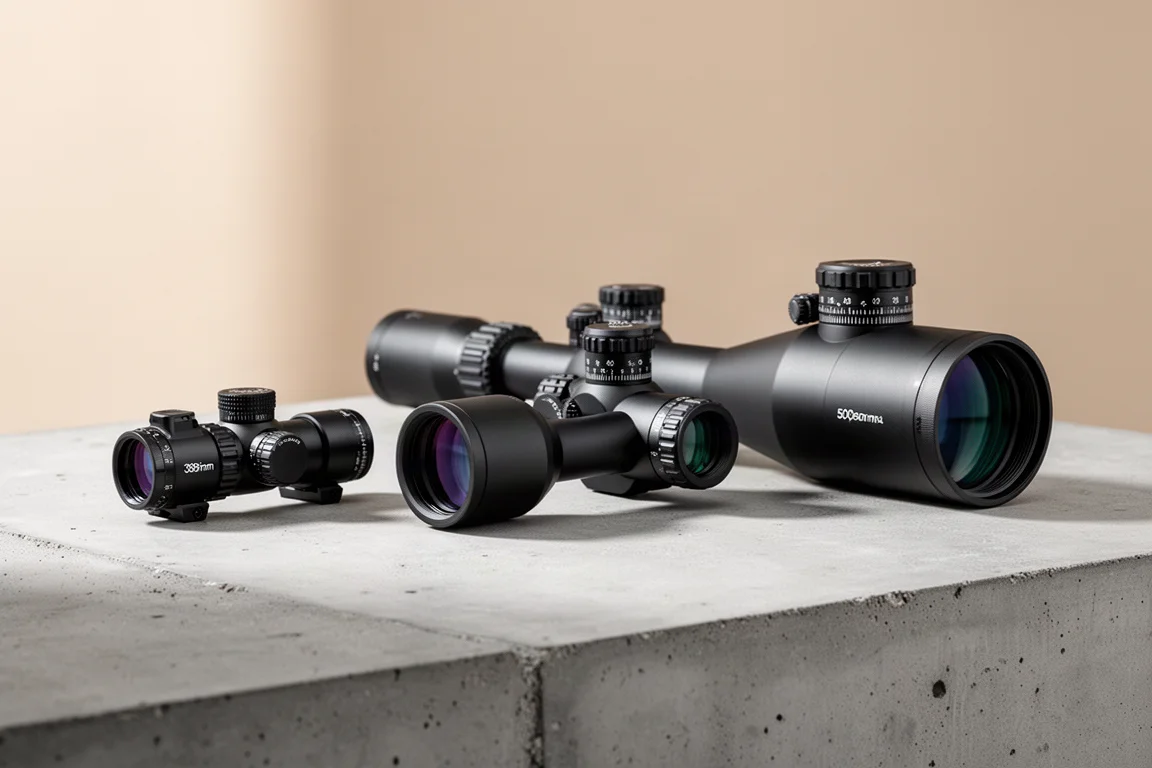
Selecting a rifle scope can feel overwhelming. There are so many sizes, weights, magnifications, and feature sets that it is easy to get lost in the details. The good news is that the decision comes down to three simple steps: consider price, consider size and weight, and consider features. Three Maven scopes demonstrate how these steps play out across different hunting styles, from close-cover woods hunting to long-range precision work.
How to Choose a Rifle Scope
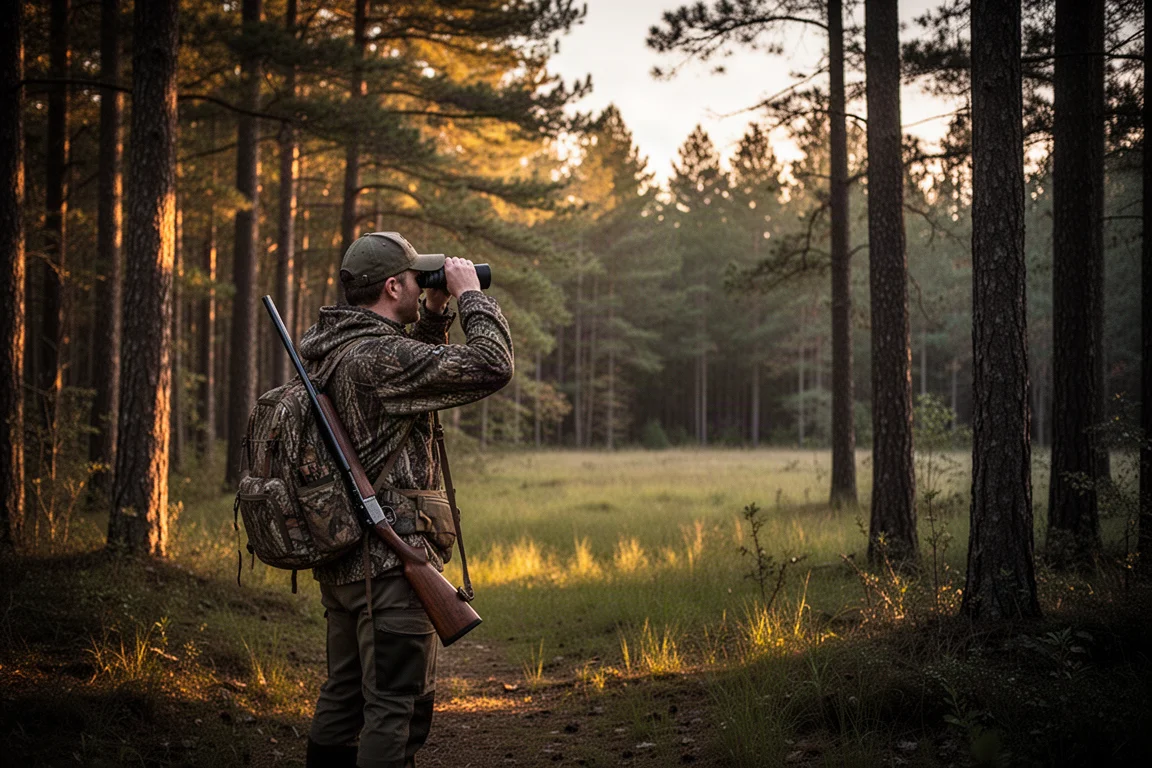
The first step is to set a realistic price range. A common rule of thumb is to spend as much on the scope as you did on the rifle, because even an accurate rifle is useless if the optic cannot hold zero or deliver a clear image. That said, newer brands have driven prices down while maintaining surprising quality. Scopes can be found at very low prices that still function reliably, but spending a bit more generally buys better materials and better glass.
The second step is to match the scope size to your hunting. A big scope is not automatically better. In close cover, a low-power scope that dials from 2x to 7x, 8x, or 10x covers most situations. In wide-open country, higher magnification helps, but it comes with a narrower field of view and more weight. The right size depends on the terrain, the game, and how far you typically shoot.
The third step is to choose features you will actually use. Reticle style, focal plane, turret type, and parallax adjustment all matter, but only if they fit how you shoot. There is no point paying for a complicated dialing system if you prefer to hold over with a simple duplex reticle.
Price: The Non-Negotiables
When it comes to price, three things should be non-negotiable. First, multi-coated lenses. Microscopic anti-reflection coatings on all air-to-glass surfaces maximize brightness and reduce flaring glare. This matters most in low light, such as when a deer appears in the shadows at sunset and an uncoated scope would show only orange haze.
Second, durability. A scope needs to hold zero through falls, temperature changes, and heavy recoil. Lighter and simpler scopes tend to be more durable because there are fewer parts to break. A manufacturer that stands behind its product with a strong guarantee is a good sign.
Third, repeatability. The scope must return to zero every time, shot after shot. This is where materials and build quality matter most. Good glass, solid internal components, and reliable adjustments are what you are paying for.
Size: Matching the Scope to the Hunt
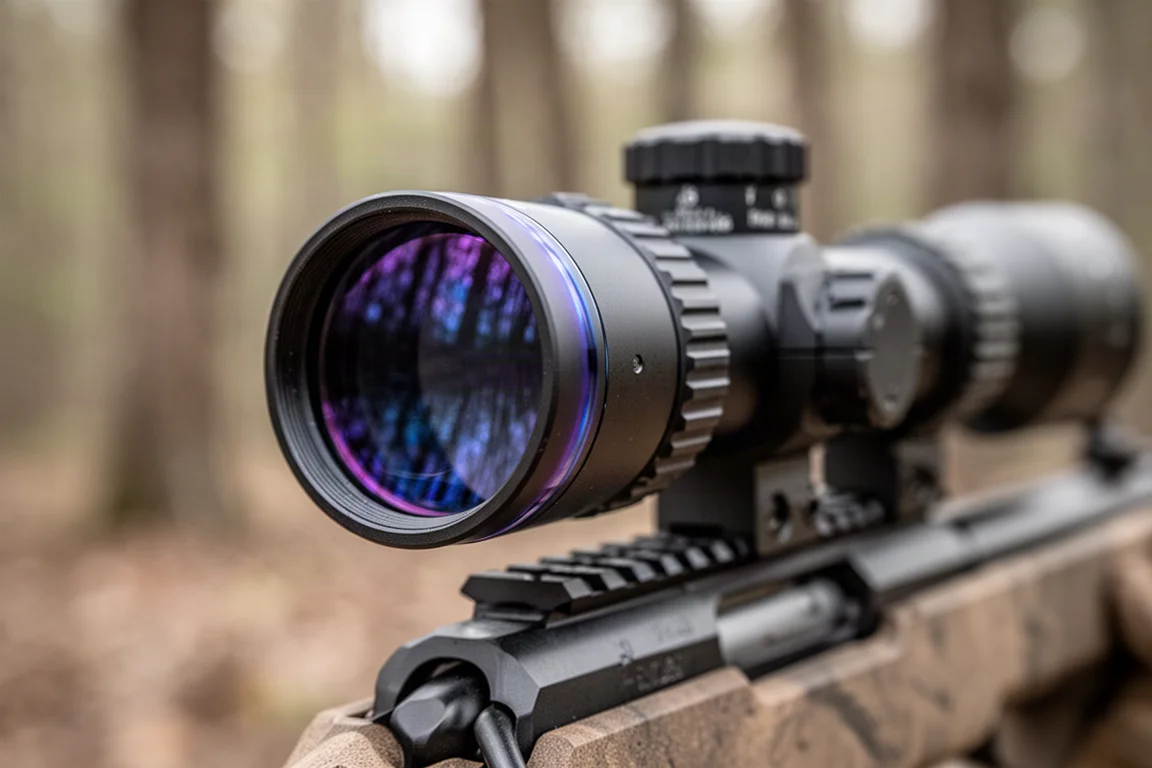
Magnification is a common stumbling block. Many hunters want the biggest and most powerful scope available, but bigger is not always better. A 24x scope is rarely useful for deer hunting in the woods, where shots are close and targets appear suddenly in heavy cover. High magnification also narrows the field of view, making it harder to find your target again after recoil.
For an all-around scope, something that dials from 3x to 12x with a 40mm objective is plenty bright for most situations. It offers enough power for reaching out across meadows or plains, yet dials down for close work. It is not overly heavy, making it a versatile choice for mixed terrain.
Objective lens size and main tube diameter get a lot of attention, but they do not automatically mean a brighter image. A larger objective brings more light into the scope, but magnification determines how much light reaches your eye through the exit pupil. At low power, the exit pupil is large; at high power, it shrinks. A 4 to 5mm exit pupil handles most shooting needs down to about 45 minutes after sunset, provided the lenses have good anti-reflection coatings.
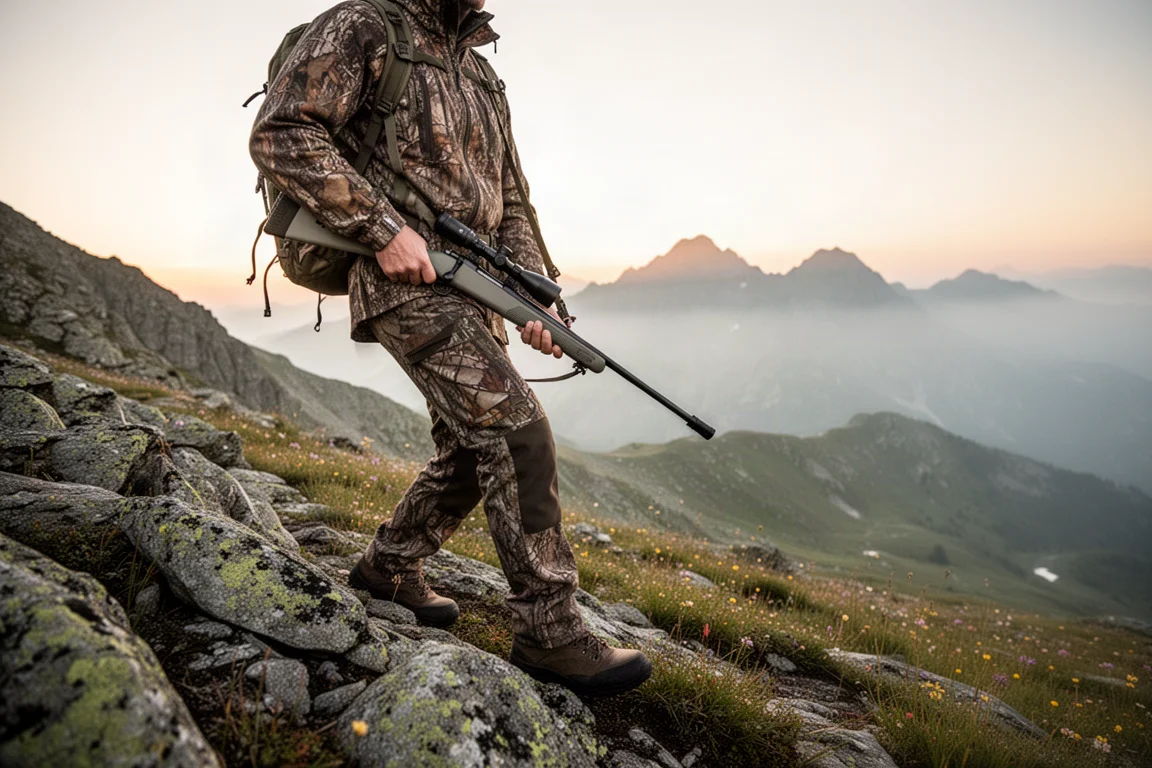
For wilderness hunting in mountainous country, weight matters. A lightweight rifle paired with a compact scope balances well and keeps you hunting longer. Many hunters have successfully taken game out to 400 yards with small, light scopes. A heavy scope can wear you out and keep you from being in the field when the game appears.
Features: Reticles, Turrets, and Parallax
Reticle choice depends on how you plan to shoot. A simple duplex reticle is fast and easy, with a thin center that fattens toward the edges to draw your eye to the middle. It works well for holding over at known distances. A Christmas tree style reticle adds a series of lines down the vertical axis, letting you select a specific line for a given distance. Some reticles even come with numbers printed on the lines.
Focal plane affects how the reticle behaves as you change magnification. With a first focal plane reticle, the reticle scales with the image, so the relationship between the lines and the target stays constant at any power. The downside is that the reticle becomes very small at low magnification, which is why an illuminated center dot can help. With a second focal plane reticle, the reticle stays the same size while the target grows and shrinks, so the lines are only accurate at one specific power setting, usually the top magnification.
Dialing systems are popular for long-range work. Exposed turrets allow quick adjustments, but they can be bumped accidentally, throwing off your zero. Capped turrets protect the settings and are a good option if you rarely need to dial. Some scopes offer zero stop features that let you return to your zero quickly and reliably.
Parallax occurs when your eye, the reticle, and the target are not on the same focal plane. A parallax adjustment dial focuses the scope for a specific distance, eliminating the apparent movement of the reticle relative to the target when you shift your head. Parallax is a minor issue at close range, but it becomes significant past 300 yards, especially for precision shooting at small targets.
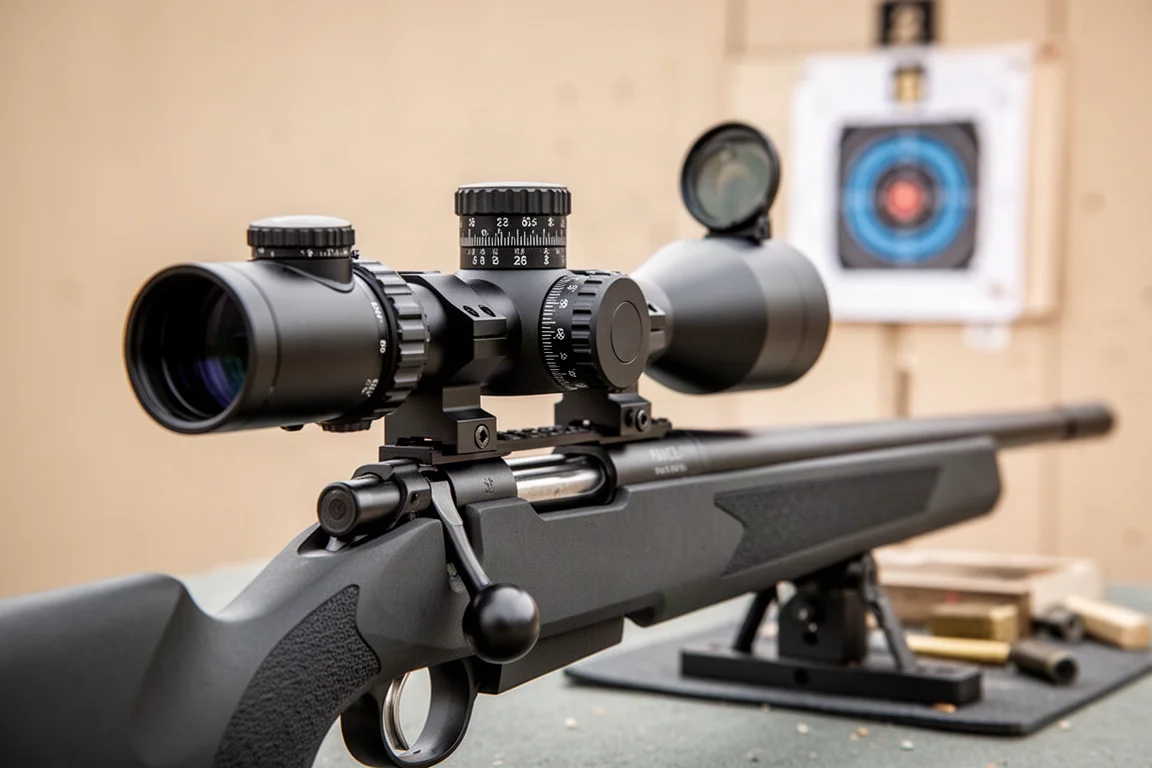
Maven RS.2 2-10x38: Close-Cover and Woods Hunting
The Maven RS.2 2-10x38 is a great example of a low-power scope for hunting out to about 250 to 300 yards. This category includes a lot of close-cover hunting, such as Eastern whitetails or elk in heavy mountain woods. A 2x low end that dials up to 10x keeps the size and weight down while remaining versatile.
Do not worry about the 38mm objective lens. At lower magnifications, it still delivers a large, bright exit pupil. If you need more brightness, simply turn the power down. In most daylight shooting, even at 10x, the image stays crisp and sharp with the reticle superimposed clearly. This scope has been used to take game out to 450 yards.
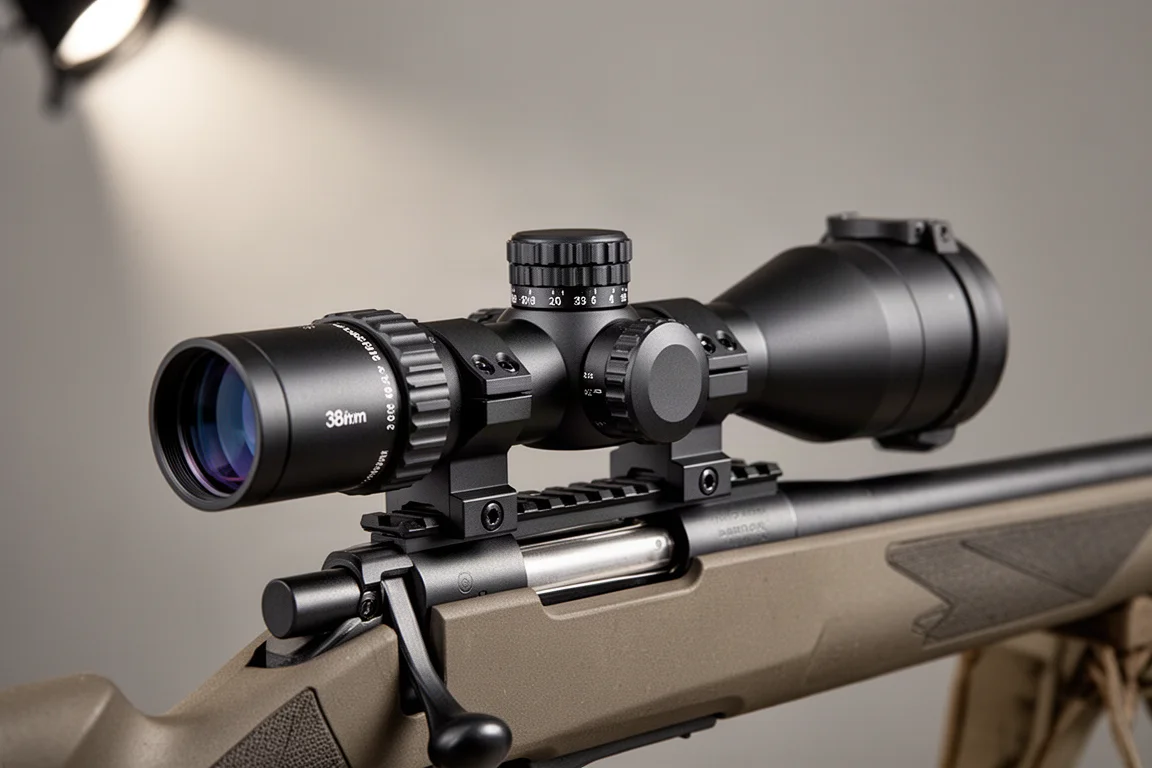
Maven CRS.1 3-12x40: The All-Around Universal Scope
The Maven CRS.1 3-12x40 is the ideal universal scope for hunters who mix it up between woods and open country. It is available with a 1-inch main tube, which is more than adequate and saves a little weight, or a 30mm tube for more dialing room. The capped turrets keep the system simple, but they can be removed if you need to dial.
The 40mm objective is a bit brighter than the 38mm version, and the top-end magnification of 12x lets you reach across pronghorn flats in Wyoming and take game out to 400 or 450 yards. It is bright, light, and versatile. Pair it with a reticle that has ballistic lines, and you are good out to 500 yards.
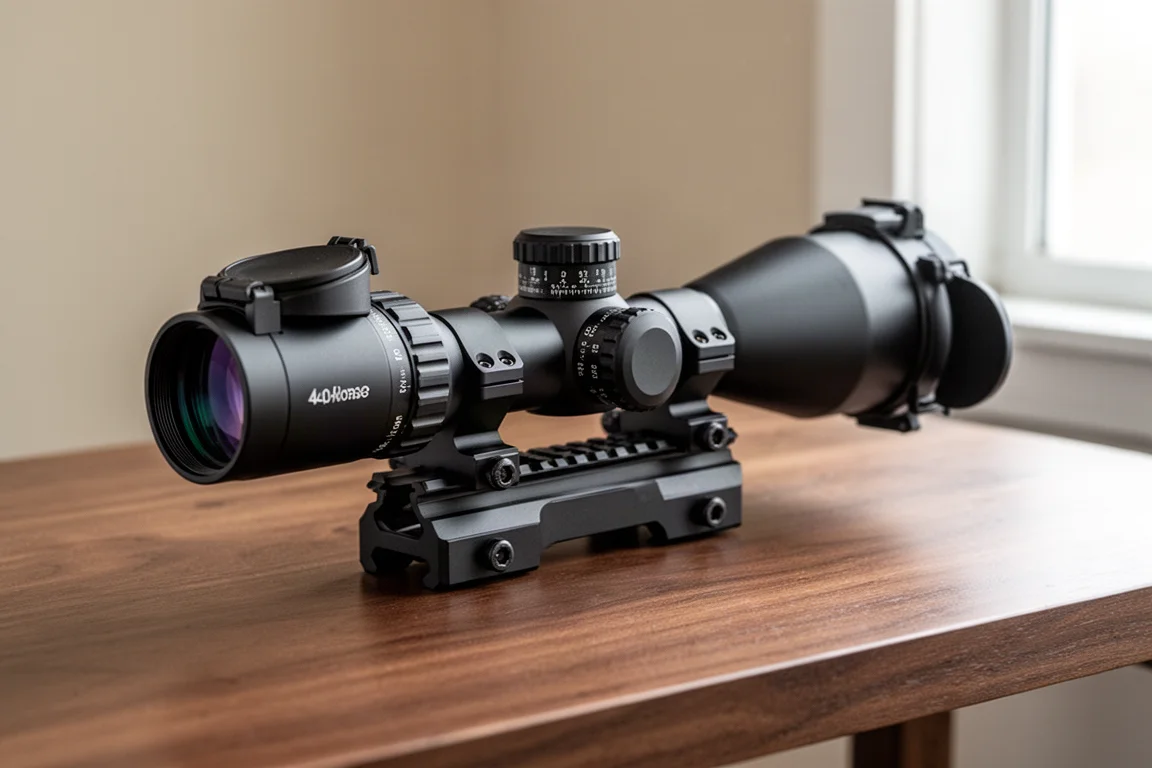
Maven RS.5 4-24x50: Precision and Long-Range Target Work
The Maven RS.5 4-24x50 is a precision-target size scope. It can handle some longer-range hunting, but it really shines for steel plate shooting and target work. The 50mm objective keeps a good-size exit pupil even at high magnification, so you can reach out with confidence.
This scope includes dialing turrets, parallax adjustment for precision, and an illuminated reticle that is excellent in low light. It is bigger, bulkier, and heavier than the other two, so it may not be ideal if you are doing a lot of walking, climbing, and long-range hunting rather than shooting from a fixed position.
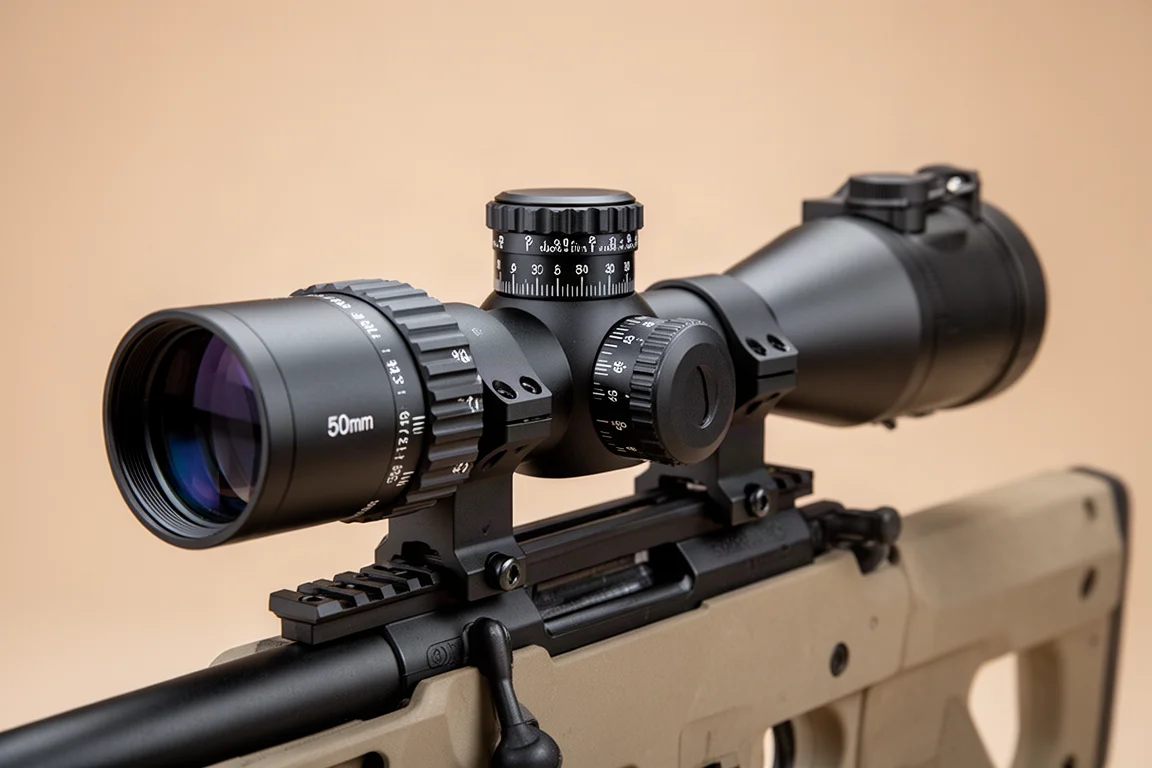
Overall Buying Advice
Match the scope to your style of hunting, the habitat, the terrain, and your rifle and cartridge capabilities. Do not overwhelm your rifle with too much scope, but do not undersell it with too little. A scope is a tool to help you become a more effective hunter, not an end in itself.
Keep it simple if that suits you. Fewer moving parts mean fewer things to break and a longer-lasting scope. Be willing to try newer brands that you may not have heard of before. Ask around, do some research, and you may be surprised by the quality available at reasonable prices.
Conclusion
Choosing a rifle scope comes down to knowing yourself, knowing your rifle, and knowing the kind of hunting you want to do. Set a price, match the size to the hunt, and pick features you will actually use. The Maven RS.2 2-10x38 covers close-cover hunting, the CRS.1 3-12x40 handles all-around versatility, and the RS.5 4-24x50 suits precision target work. Any of them can be the right choice, depending on your needs.
Further reading
Related Reviews
Optics
Best Spotting Scopes 2026: Four Models Compared Side by Side
A practical comparison of four spotting scopes across different price points, with honest notes on optical quality, contrast, and value.
Pickleball Paddles
2025 Paddle Awards: The Best Pickleball Paddles of the Year
A category-by-category breakdown of the best pickleball paddles of 2025, covering value, control, all-court, power, and paddle of the year.
Rifle Cartridges
300 WSM vs 6.8 Western: A Field Comparison of Two Short Action Magnums
Two capable short action magnum rifles face off in real hunting conditions. Here is how the 300 WSM and 6.8 Western compare for elk and other big game.