Ski Gear
Völkl Yumi 80 Review: An Approachable All-Mountain Ski for Confident Progression
A detailed look at the Völkl Yumi 80, a lightweight women's all-mountain ski built around a multi-layer wood core, full sidewall, and 3D Radius sidecut.
Introduction
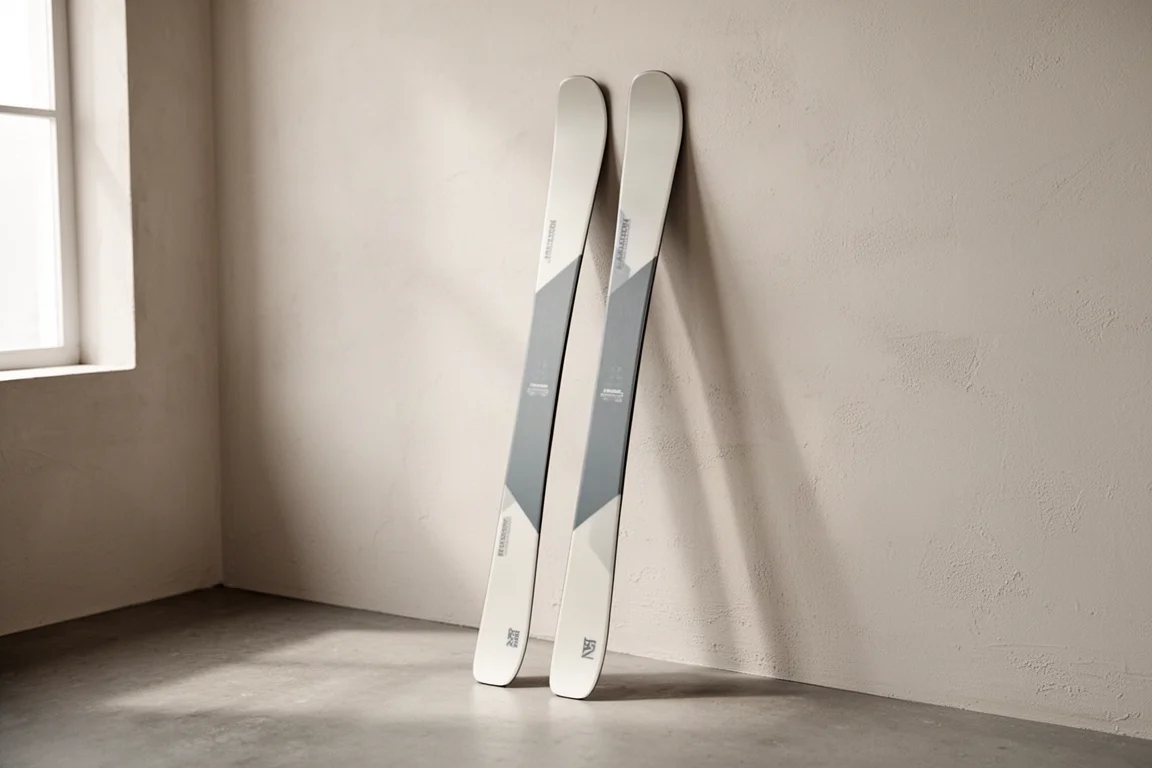
The Völkl Yumi 80 sits at the narrower end of the Yumi range, with a wider 84 mm underfoot option available for anyone who wants more surface area beneath them. At 80 mm underfoot, this model leans toward the sort of ski that feels at home on groomed runs while still keeping enough shape to stay useful when the surface softens.
What stands out is the intent behind the design. This is not a demanding ski built for aggression. It is a ski built for approachability, with easy turn initiation and reliable performance as the guiding ideas, and the construction choices follow that logic from tip to tail.
That positioning matters because plenty of skiers want a ski that helps them improve rather than one that asks them to fight it. The Yumi 80 reads as a deliberate answer to that brief, and the rest of this review looks at how its components support it.
Who This Ski Is For
The clearest audience for the Yumi 80 is beginner to intermediate skiers. It is described as approachable, less aggressive, and less demanding than a high-performance charger, which makes it a sensible fit for someone building confidence across a range of terrain and conditions.
It also suits skiers who value versatility over specialization. Camber underfoot paired with tip and tail rocker gives it a dual character: solid and predictable on groomers, with some soft snow focus built in. Rather than owning three pairs of skis for three different days, a skier in this bracket can lean on one pair that handles a broader slice of the mountain.
If you are an advanced or expert skier chasing maximum stability at speed and a very powerful, damp feel, this is likely not the ski you are shopping for. The frame here is deliberately softer and more forgiving.
Main Strengths
Lightweight Construction That Stays Easy to Control
At the center of the Yumi 80 is a multi-layer wood core. It is lightweight, agile, and easy to control, and it delivers strong maneuverability, which is exactly what makes turn initiation feel simple rather than effortful. For a progressing skier, that responsiveness is the difference between a ski that encourages experimentation and one that punishes it.
Around that core sits a fiberglass frame. Völkl is straightforward about the trade-off: a fiberglass frame is less stable and less powerful than a Titanal frame, but it still provides reliable reinforcement to a lightweight core. The result is a softer flex and a less demanding ride that remains stable underfoot.
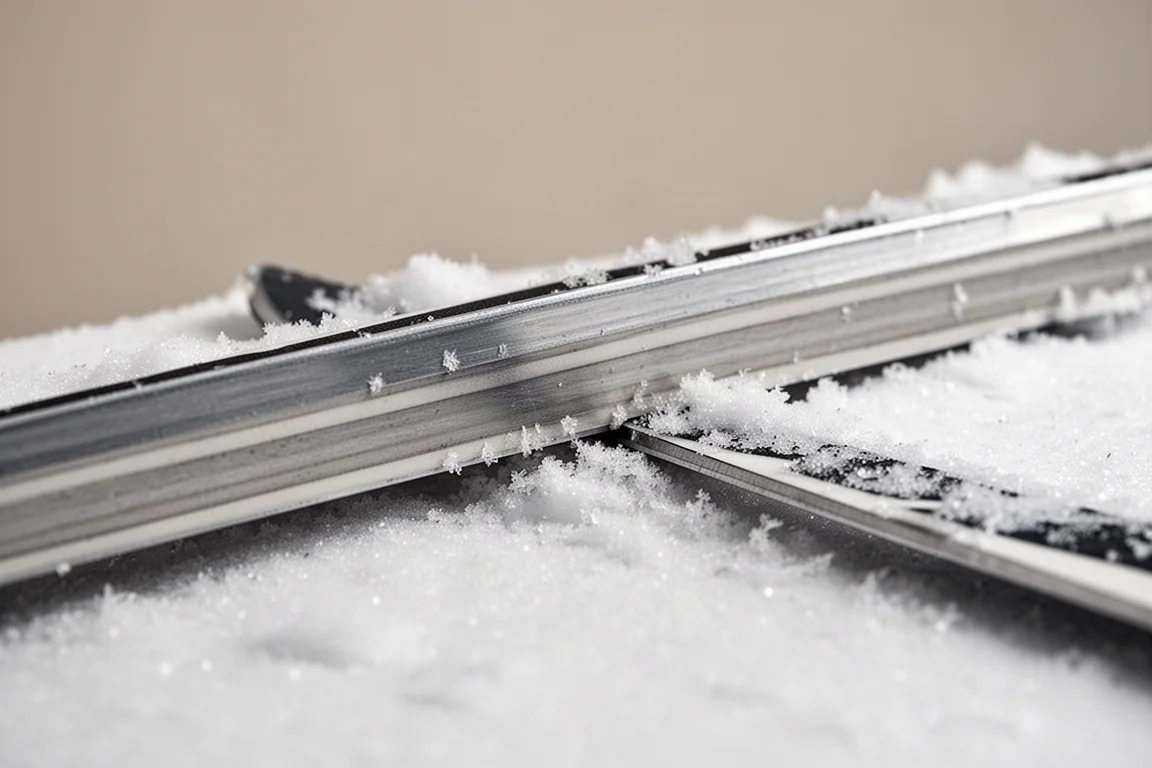
A full sidewall rounds out the build, and it is easy to see when you look at the ski. Combined with the wood core and fiberglass frame, it reinforces edge grip and torsional rigidity, so the ski holds an edge more convincingly than its friendly flex might suggest.
Camber, Rocker, and Full Sidewall
The profile is camber underfoot with rocker in the tip and tail. That combination is a large part of why this ski behaves as a versatile all-rounder. Camber underfoot keeps the ski engaged and grippy on hardpack, while the rockered tip and tail add a soft snow focus and help the ski stay manageable when the surface gets less predictable.
For a skier who splits time between groomed runs and the softer pockets at the edges of the trail, this is a practical arrangement. You get groomer performance without giving up the float and forgiveness that rocker contributes.
The full sidewall ties into this as well. Edge grip and torsional rigidity are the qualities that let a ski translate a skier’s input into the snow cleanly, and they are what keep a lightweight, softer-flexing ski feeling planted rather than vague.
3D Radius Sidecut and Turn Versatility
The most interesting piece of engineering here is the 3D Radius sidecut. The radius in the tip and tail is longer, while the radius in the center of the ski is shorter, and the effect is maximum versatility in turn shapes.
On the 161 cm length, the tip radius measures 19 meters, the center radius 14 meters, and the tail radius 17 meters. The longer tip and tail radii support wider, longer turns, while the shorter center radius lets the ski tighten up underfoot when you want a quicker turn shape. Switching between the two feels natural because the ski is effectively doing part of the work for you.
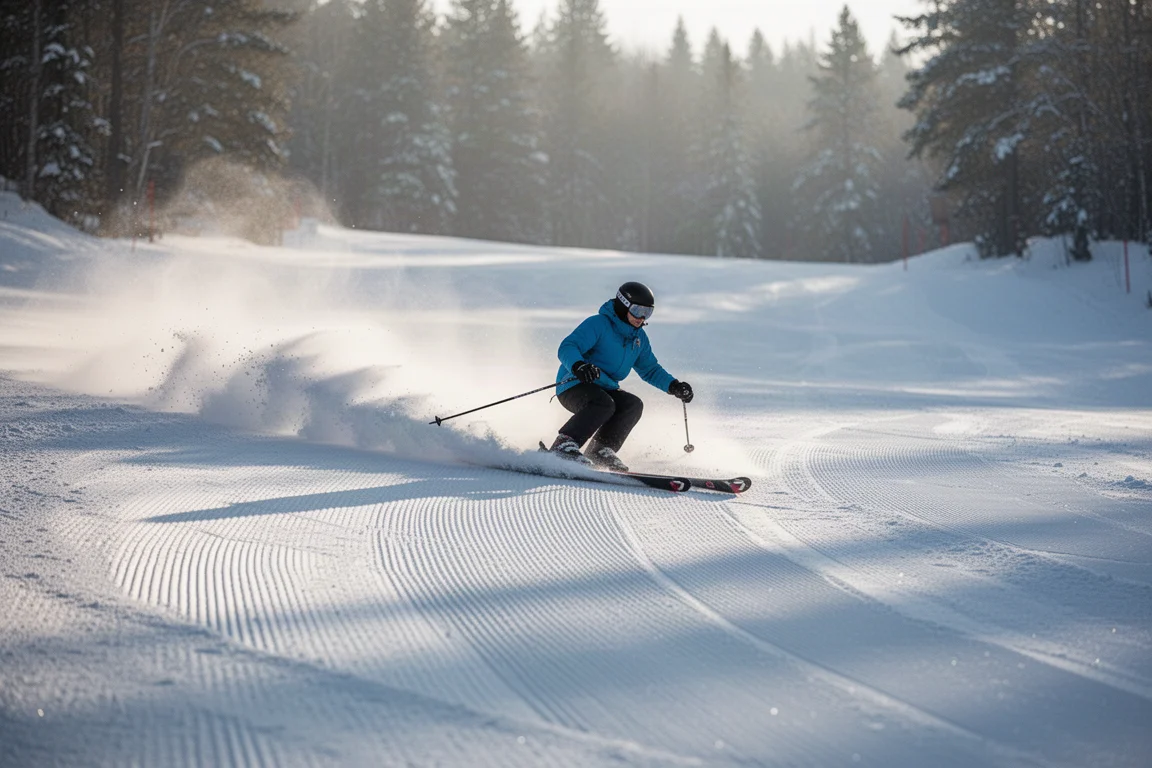
That geometry is what makes the Yumi 80 feel broader in ability than its 80 mm waist suggests. A single ski can cover lazy, sweeping arcs in the morning and tighter, more deliberate turns later in the day without the skier having to change technique dramatically.
Things to Consider Before Buying
The main consideration is honestly stated in the construction: a fiberglass frame is less stable and less powerful than a Titanal frame. Skiers who want a heavy, damp, high-speed platform will find the Yumi 80 softer than they prefer, and that is by design rather than an oversight.
The second consideration is skill ceiling. Because this ski is positioned for beginner to intermediate skiers and leans toward a friendly, less demanding demeanor, aggressive experts may outgrow its flex profile quickly. It rewards finesse and progressive learning rather than brute force.
Finally, decide on width. The Yumi 80 is the narrower of the two Yumi options, and an 84 mm underfoot version also exists. If you expect to spend most of your time on groomed terrain, the narrower ski makes sense. If you want more surface area for softer conditions, the wider option is worth a look before you commit.
Buying Advice
Match the ski to the days you actually ski. If your typical day is groomed runs with occasional soft snow, the Yumi 80’s camber-underfoot profile and full sidewall give you the edge grip you need, while the rockered tip and tail keep it forgiving when conditions shift.
If you are a beginner or intermediate skier who wants one dependable ski to grow with, the combination of a lightweight multi-layer wood core, a softer fiberglass frame, and the 3D Radius sidecut is a coherent package. It is built to make turning easy and to stay stable underfoot, which is precisely what a progressing skier needs.
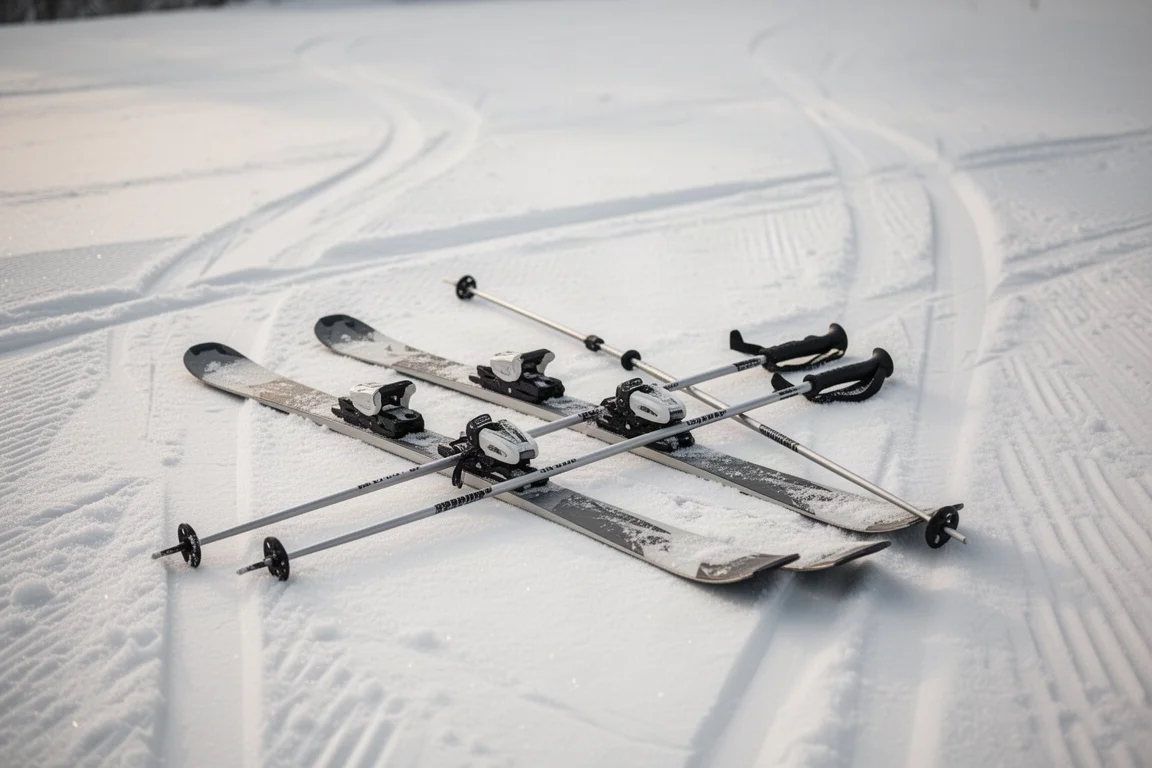
Choose your length thoughtfully. The 161 cm option is the reference point here, with its 19 meter tip radius, 14 meter center radius, and 17 meter tail radius. A skier who wants quicker turns will appreciate the shorter center radius, while anyone who prefers longer, more relaxed arcs will benefit from the longer tip and tail geometry.
Conclusion
The Völkl Yumi 80 is a well-reasoned ski for women who want an approachable, less aggressive ride without sacrificing versatility. The multi-layer wood core keeps it light and maneuverable, the fiberglass frame keeps it forgiving and stable underfoot, the full sidewall reinforces edge grip and torsional rigidity, and the camber with tip and tail rocker profile makes it useful across groomed and softer snow alike.
The 3D Radius sidecut is the detail that pulls it together, letting one ski cover a wide range of turn shapes. For beginner to intermediate skiers looking for reliable performance with a friendly demeanor, this is a sensible place to start.
Product link
View more details for Völkl Yumi 80
This product is mentioned in the review. Check the specifications, options, and compatibility before buying.
View more details for Völkl Yumi 80Further reading
Related Reviews

Ski Gear
2023 Blizzard Hustle vs Rustler: Six Freeride Skis Compared
Blizzard's 2023 Hustle collection rebuilds the Rustler shape with a lighter core and no metal. Here is how all six skis differ, and which one suits your riding.

Ski Gear
2023 Skis of the Year: Atomic Maverick 88 TI, Salomon QST 106, and Look SPX 12 Pro
Three standout ski picks for all-mountain carving, powder days, and reliable binding performance, with practical buying notes for 2023 models.

Ski Gear
2025 Nordica Enforcer 104 Review: A Directional Charger Replaces the 104 Free
The 2025 Nordica Enforcer 104 drops the Free name and the twin-tip personality, gaining weight, stiffness and composure in rough snow. Here is what changed and who it suits.