Ski Gear
Volkl Revolt 114 and Revolt 101: Two Stiff Big-Mountain Skis Compared
A close look at the Volkl Revolt 114 and Revolt 101, two thick-cored skis built for speed, stability, and heavier skiers who need support underfoot.
Introduction
Two skis from the same family, built around the same idea: a thick wood core, a firm flex, and enough stability to hold together when you point them downhill and let them run.
The Volkl Revolt 114 is the outlier of the Revolt line. The rest of the family leans toward park and freestyle riding, while the 114 is a big-mountain tool for skiers who want to ski fast through whatever the mountain offers. The Volkl Revolt 101 is the newer, narrower ski in the line, and it shares much of the 114’s character.
This article covers what the two skis have in common, where they sit in the line, and which type of skier each one suits.
What the Volkl Revolt 114 and Revolt 101 Have in Common
Both skis use a deliberately simple build: a multi-layer wood core wrapped in fiberglass and epoxy, with a sandwich construction and vertical sidewalls. Nothing exotic goes into the layup, and that is part of the appeal. The performance comes from the core.
Core thickness is the number that matters. A wood core around a centimeter thick is very stiff, while a core of half that thickness feels noticeably softer. Both the Revolt 114 and the newer Revolt 101 use the same core thickness, and that is where their power and support come from. The result is a strong flex pattern with a little extra give in the tips and tails rather than a uniformly rigid feel.
That combination of simple materials and a thick core gives both skis a similar personality: stable, supportive, and aimed at skiers who want to push.
The shared construction also means the same general advice applies to both models. They reward confident skiing, and they suit heavier skiers who need a stiff platform underfoot.
Volkl Revolt 114: Built for Speed
The Revolt 114 is a big-mountain weapon. It is designed for skiing very fast in any snow condition, whether that is powder, firm frozen snow, choppy terrain, or spring snow. Speed is the point, and the ski supports it well.
It is not a light ski. A 184 cm Revolt 114 weighs 2350 g, which is a lot of material underfoot. That weight shows up as stability rather than agility. The ski is not quick and snappy; it is strong and planted, and it prefers to charge down the mountain.
The shape keeps it manageable. There is a decent amount of tip rocker, and the tail rocker is long, with modest splay. That lets you release the tail, dump speed, and slide the ski sideways when you need to. The tail is also pointy and aggressively tapered, which stops the ski from locking into a turn. Without that taper, the ski would feel far more trapped in its arc.
The trade-off is that the 114 can be a handful if you do not want to ski the way it wants to be skied. It is also more ski than smaller mountains require, because its strength is speed and open space. It makes the most sense where you can let it run, and it is a strong option for heavier skiers who need something stiff and supportive with enough width for soft snow.
Volkl Revolt 101: Shared Character in a Narrower Ski
The Revolt 101 is the newer addition to the line, and it shares many of the same characteristics as the 114. It uses the same core thickness, so it carries the same stiff, supportive personality rather than a softer, more forgiving one.
That matters if you are a heavier or stronger skier looking for a ski that will not fold under pressure. In that respect, the 101 fits the same broad use case as the 114: a stiff, supportive platform for skiers who need one.
Because the two models are so closely related, the choice between them comes down to which one suits the terrain and snow you ride most often rather than to any major difference in construction or intent.
If you want the power and stability of the 114’s design in a different package within the same family, the 101 is the more direct alternative. It keeps the thick core and the supportive feel that define the line’s big-mountain models.
How Weight and Flex Shape the Ride
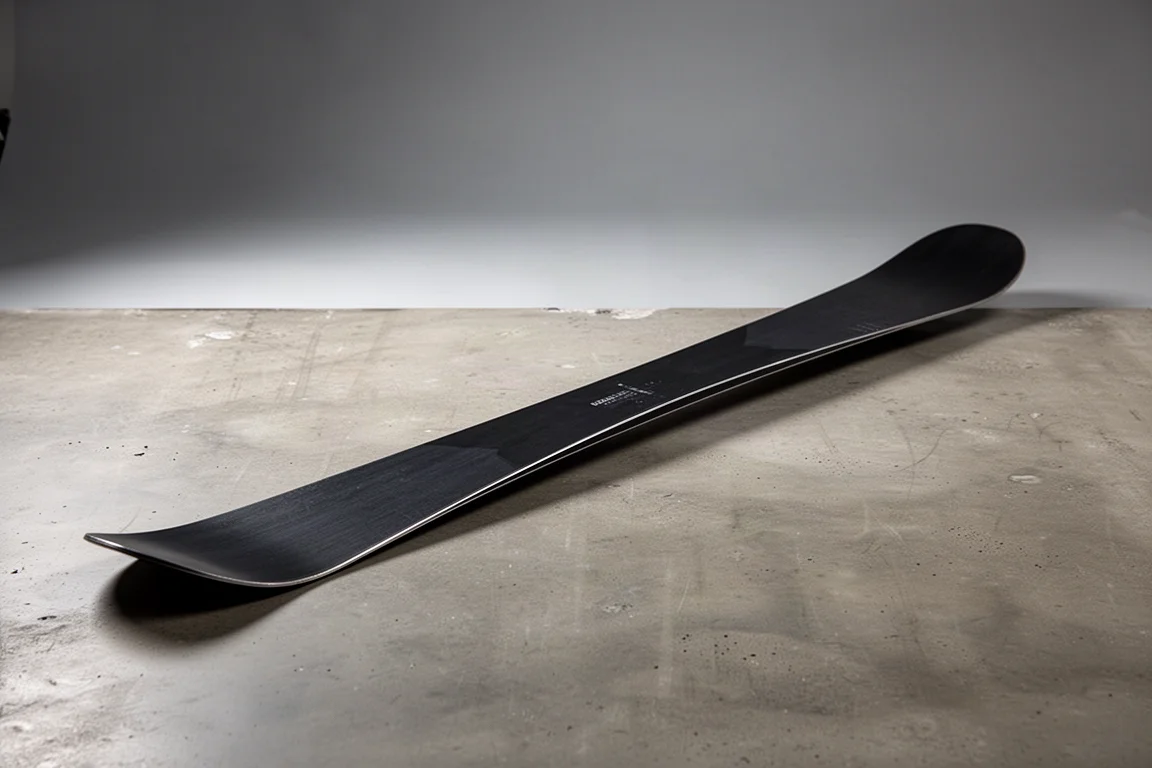
Weight is the most obvious point of comparison with lighter skis. At 2350 g in a 184 cm length, the Revolt 114 is a substantial ski. That mass is what makes it feel calm and planted at speed, and it is also why it will not feel quick and snappy in tight terrain.
Flex follows the same logic. Both skis use a thick wood core, which produces a strong flex pattern. There is a little extra flex at the extremities in the tips and tails, which softens the very ends without changing the overall burly feel.
That combination has practical consequences. You get a ski that supports you when you are moving fast, and you give up some of the ease of a lighter, more flexible design. If your days involve tight trees, short pitches, and frequent stops, the demands are higher than on open, fast terrain.
Terrain and Conditions Where These Skis Shine
These skis are built for variety at speed. Powder, firm frozen snow, chop, and spring snow are all within their range, provided you want to ski them fast. The construction and the rocker profile are set up to keep the ski stable and predictable as conditions change underfoot.
Open, big-mountain terrain is where they make the most sense. Long, fast lines and room to run let the ski do what it was designed to do, and that is the environment where the weight and stiffness pay off instead of getting in the way.
Smaller mountains and tighter terrain are a different story. In narrow eastern terrain, where you often need to maneuver through tight trees or shut things down right after a landing, a ski this stiff and heavy can feel like more than the mountain asks for. That does not make it unusable, but it is worth being honest about where you ride most.
Who Should Buy Which
The Revolt 114 is the choice for the athletic big-mountain skier who wants to ski as fast as possible from point A to point B. It is also a good fit for heavier skiers who need something stiff and supportive and want width for skiing soft snow.
The Revolt 101 suits skiers who want that same stiff, supportive character from the same core thickness. Both models are aimed at riders who value stability and power over light, nimble handling.
If you want a ski that feels quick and snappy, turns easily at low speed, or stays manageable in very tight terrain, neither of these is the obvious answer. If you want a platform that holds up when you push it, both are worth a close look.
Buying Advice
Start with where you ski and how you ski it. If your home mountain offers long, open runs and you like to let a ski run, the design logic behind these two models makes sense. If most of your days involve tight terrain and frequent speed control, the same stiffness and weight can work against you.
Your own size and strength matter as well. Both skis use a thick core, and that construction suits heavier or stronger skiers who need support underfoot. Lighter skiers may find them to be more ski than they need.
It is also worth noting how simple the build is. There is no exotic material list here, just a multi-layer wood core, fiberglass, epoxy, and a sandwich construction with vertical sidewalls. The performance comes from how much wood sits in the core, which makes the choice between the two models more about matching the ski to your terrain than about chasing a specific technology.
Try to be clear about the one thing you want most from a new ski. Speed and stability point toward these models. Lightness and quickness point elsewhere.
Conclusion
The Volkl Revolt 114 and Revolt 101 share a straightforward, thick-cored construction and a stiff, supportive ride. The 114 is the big-mountain charger for fast skiing across powder, firm snow, chop, and spring conditions, with a weight and flex that reward commitment. The 101 brings much of the same character into a narrower, newer option in the line. Either one makes sense if you want power and stability underfoot, and a lighter, more agile ski makes more sense if you do not.
Further reading
Related Reviews

Ski Gear
2023 Blizzard Hustle vs Rustler: Six Freeride Skis Compared
Blizzard's 2023 Hustle collection rebuilds the Rustler shape with a lighter core and no metal. Here is how all six skis differ, and which one suits your riding.

Ski Gear
2023 Skis of the Year: Atomic Maverick 88 TI, Salomon QST 106, and Look SPX 12 Pro
Three standout ski picks for all-mountain carving, powder days, and reliable binding performance, with practical buying notes for 2023 models.

Ski Gear
2025 Nordica Enforcer 104 Review: A Directional Charger Replaces the 104 Free
The 2025 Nordica Enforcer 104 drops the Free name and the twin-tip personality, gaining weight, stiffness and composure in rough snow. Here is what changed and who it suits.