All-Mountain Skis
Völkl M6 Mantra Review: A Precise All-Mountain Ski for Technical Skiers
The Völkl M6 Mantra pairs race-like carving precision with genuine crud-cutting ability. Here is who it suits, where it asks more of you, and how to decide.
Introduction
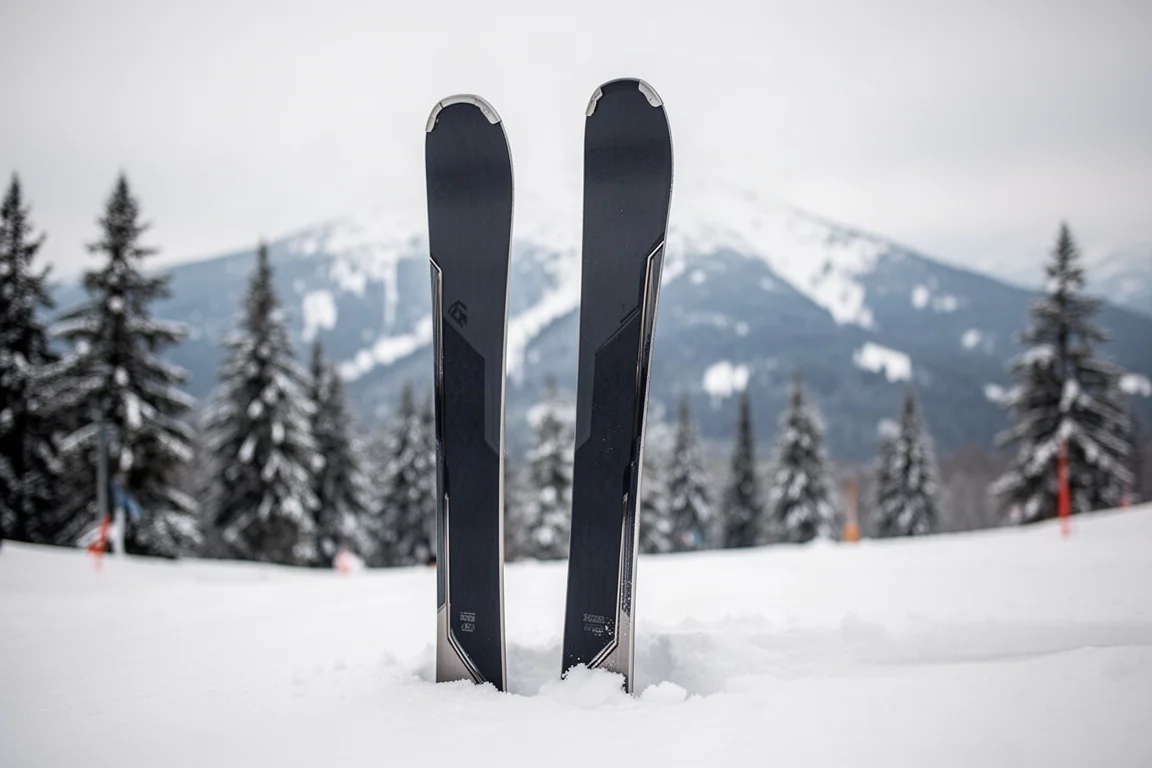
The Völkl M6 Mantra is a directional all-mountain ski built around a tailored titanal frame and tailored carbon tips, and the construction returns unchanged this season. The 184 cm length weighs in at around 2,170 g, which places it firmly in the heavy, damp, hard-charging end of the category.
The appeal is range. This is a ski that carves with the precision of a race-inspired design and still cuts through wet, heavy, late-season snow without losing momentum. It is not the easiest ski in soft snow, and it rewards a particular turn style, but for the right skier those traits are features rather than flaws.
Who the Völkl M6 Mantra Is For
The M6 Mantra fits expert skiers who like to build a stable platform and then create edge angle with hip movement. If you have a racing background, or you grew up on stiff GS-style skis and enjoy the feeling of a ski that holds everything you give it, this sits very much in that mold.
It also suits skiers who have felt that their current ski is not stiff enough, that they are flexing it to the maximum without getting enough back. The M6 Mantra is built for that kind of input.
Regionally, it makes the most sense where snow gets heavy: the Pacific Northwest, the East Coast, and anywhere that sees wet, dense or cement-like conditions through the season.
Carving Feel and Precision on Firm Snow
The defining trait is where the ski bites. Engagement sits underfoot, close to the middle of the ski, and you can feel it just above the toes rather than out at the tip. Once the ski is fully on edge, that is where it grabs.
Because the shape does not have a dramatic hourglass profile, the M6 Mantra does not snap into short-radius turns. You extend your turns, and if you want a high edge angle, you get there with hip displacement rather than by loading the tip and letting the sidecut do the work.
The three-radius profile supports that approach: a longer cut through the middle of the turn, then a sharper, rounder finish that kicks in at the end.

Skis that initiate from the tip, such as the Atomic Maverick, feel very different. Others release their energy toward the tail. The M6 Mantra sits in the middle, which makes it a stable, precise platform, provided you are willing to move your hips to build the angle.
Crud, Wet Snow, and Variable Conditions
This is where the ski earns its reputation. Rather than floating and carving on the top layer of the snow, it wants to sink into the base and grab. In heavy, wet, mashed-potato conditions that is an advantage: the edge finds hardpack underneath and holds, so you keep a clean turn instead of getting hung up.
Late-season sticky snow is handled particularly well. Where snow bakes in the sun and turns grabby, the M6 Mantra keeps cutting without the sudden loss of momentum that lighter skis can suffer on a cat track.
The trade-off is weight. The ski is chunky and beefy in the hand and on the foot, and that mass is part of what makes it feel so planted.
Off-Trail Performance and Flotation
Off-trail, the M6 Mantra is more comfortable than its dimensions and weight might suggest. It offers a useful amount of flotation to stay above the murkier snow, yet it does not get slowed down by bad snow, which makes for clean, linkable turns between trees when the length and turn radius suit the terrain.
It is not the easiest ski in soft snow. It tends to want to sink and grab rather than surf, so deep days call for more effort than a lighter, more buoyant design would. Each generation has become a touch easier to manage here, and the current build is the most approachable yet, but the character remains directional and grounded.
There is a decent amount of rocker in the profile, though not a great deal, and the tail stays fairly quiet. Everything about the shape points to a hard-charging ski that works best under an expert.
Things to Consider Before Buying
The main consideration is technique. If you prefer to initiate turns with gradual boot pressure, building pressure from the front of the ski, the M6 Mantra can feel like a lot of extra movement. Skiers who load the ski and re-initiate with more dynamic hip work tend to notice this far less.
Weight is the second consideration. It is not a light ski, and if you are coming from something more playful or more tip-focused, it takes mileage to tune into how it wants to be skied. It is not as demanding as a full race ski, but it does ask for commitment.
Condition-specific limits are worth knowing too. On a deep powder day, a lighter ski with better flotation will be more enjoyable. On a genuinely icy groomer day, a narrower carving ski will hold an edge more easily.
Finally, this ski is usually cross-shopped against the Blizzard Bonafide and the Nordica Enforcer 94. The differences are about character rather than capability: the Bonafide feels a touch stronger in pure stability and power, the Enforcer is the more versatile of the three, and the M6 Mantra is the most precise.
Buying Advice
If you want one ski that handles most of what the mountain offers and you are willing to ski it actively, the M6 Mantra is a strong, confident choice. It is at its best for advanced and expert skiers who value precision and edge hold over easy float, and who ski where the snow gets wet and heavy rather than consistently light and dry.
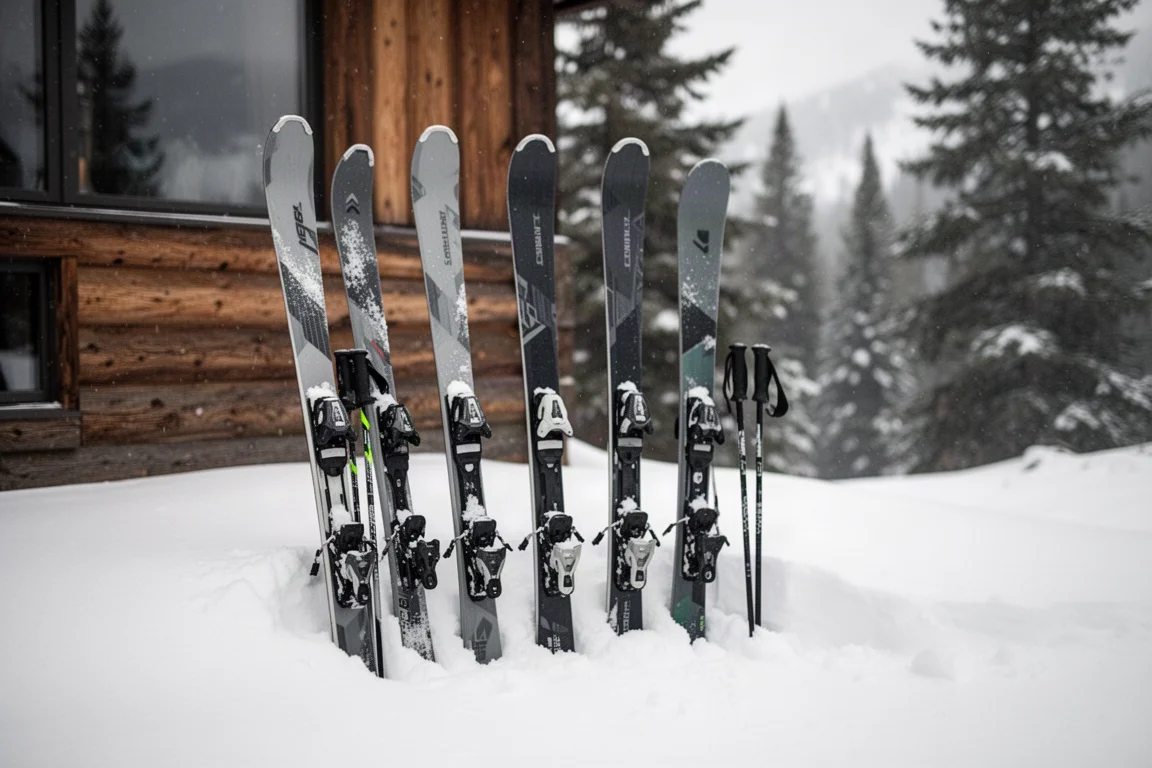
Buy it if you like a centered, hip-driven turn and you want a ski that holds up under hard input on firm snow while still cutting through crud. Look elsewhere if you want a forgiving, low-effort ski for soft snow, or if your priority is short, snappy turns at moderate speeds.
The 184 cm length used in this build weighs around 2,170 g, so sizing up brings additional mass to manage. Match the length to your terrain and to how much ski you want to move.
Conclusion
The Völkl M6 Mantra covers an unusual amount of ground for a directional, metal-layered ski. It carves with real precision, it stays composed in wet and heavy snow, and it holds up off-trail better than its weight suggests. It asks for a specific technique and rewards it, which is exactly why it has such a loyal following among technical skiers.
Product link
View more details for Völkl M6 Mantra
This product is mentioned in the review. Check the specifications, options, and compatibility before buying.
View more details for Völkl M6 MantraFurther reading
Related Reviews
All-Mountain Skis
100mm All-Mountain Skis Compared: 23 Versatile Models Worth Knowing
A practical walkthrough of 23 all-mountain skis around 100mm underfoot, covering weight, rocker, metal construction, and the rider each model suits best.
All-Mountain Skis
2026 Black Crows Camox Review: A More Stable, More Versatile All-Mountain Twin Tip
The 2026 Black Crows Camox adds an ash layer underfoot, wider tips and tails, and a revised rocker profile. Here is what those changes mean on snow.
All-Mountain Skis
Armada Antimatter 88 Review: A Light, Lively All-Mountain Ski That Rewards Any Style
The Antimatter 88 pairs a poplar core with carbon stringers for a surprisingly energetic ride that suits intermediates and experts alike.