Ski Gear
Völkl Kendo 88 vs Peak 88: Which All-Mountain Ski Fits How You Ride?
A practical comparison of the Völkl Kendo 88 and the Peak 88, covering power, stability at speed, low-speed accessibility, and bump-friendly balance.
Introduction
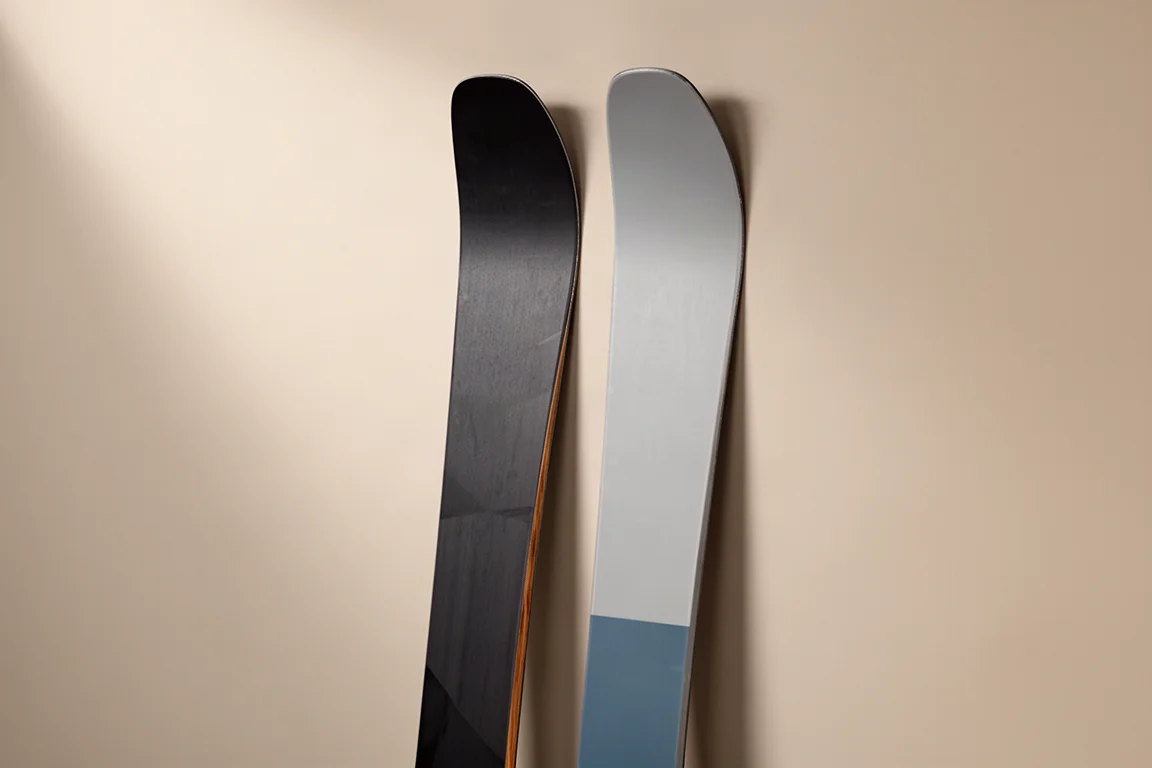
Choosing between two all-mountain skis in the same waist class usually comes down to one question: do you want a ski that rewards aggression, or one that makes every turn feel easy? The Völkl Kendo 88 and the Peak 88 sit close to each other in shape and intent, yet they behave quite differently once you are actually sliding on snow.
The short version is that the Kendo 88 is the more powerful and more planted of the two, while the Peak 88 is the more accessible and easier-pivoting option. This comparison walks through where each ski stands out, what each one asks of the rider, and which type of skier is likely to be happier on it.
How These Two Skis Compare
Both skis land in the same all-mountain category, which is what makes the comparison genuinely useful for anyone shopping in this space. The meaningful differences are not in shape or intent so much as in how much input each ski asks for and how it responds when you push it.
One ski is built around power, grip, and stability at speed. The other is built around accessibility, balance, and easy turn initiation. Neither approach is better on its own terms. The right answer depends on the terrain you ride most often and the way you like to ski it.
Völkl Kendo 88: Power and Confidence at Speed
The Kendo 88 is clearly the more powerful ski of the pair. It handles high speeds with composure, feels gripped and locked in through the turn, and gives you the confidence to stand on it and drive hard. If the words you use to describe your skiing include carving, charging, and skiing fast, this is the ski that answers.
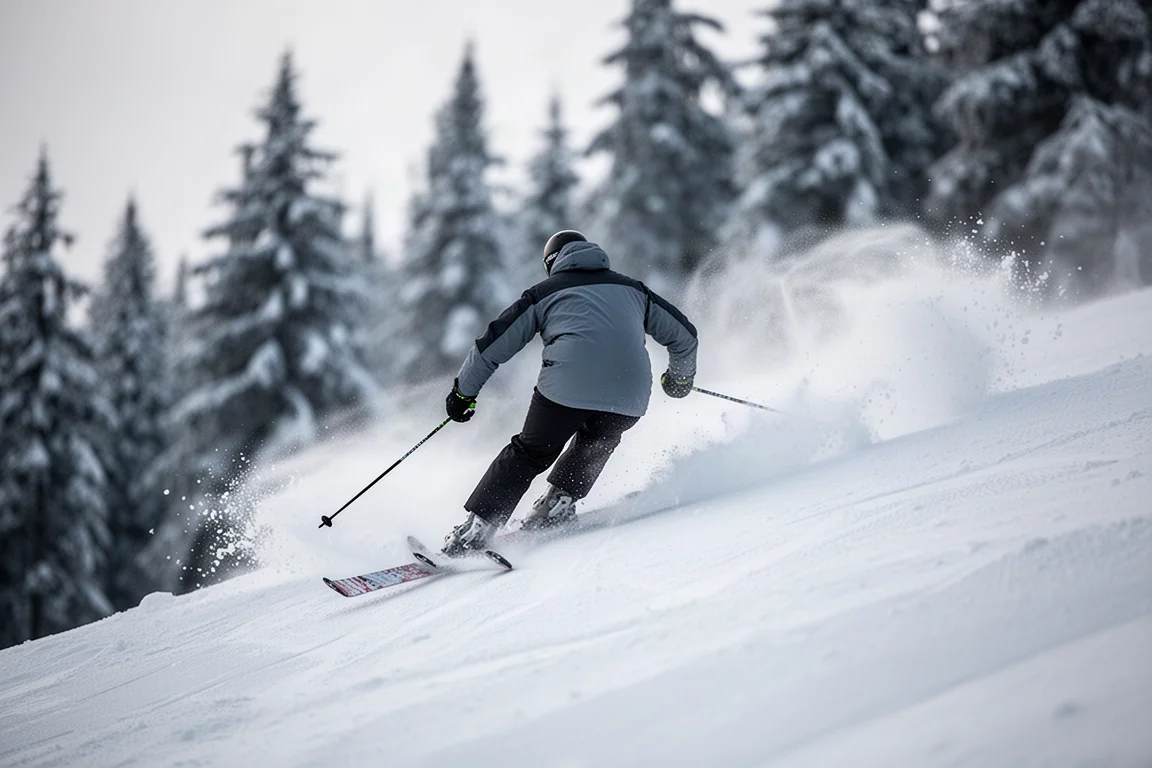
That character comes with expectations attached. The Kendo 88 rewards a rider who is willing to work the ski and trust it at speed, and it is not the most forgiving platform when you are moving slowly or learning how to move through bumps.
The Core Trade-Off: Power Versus Forgiveness
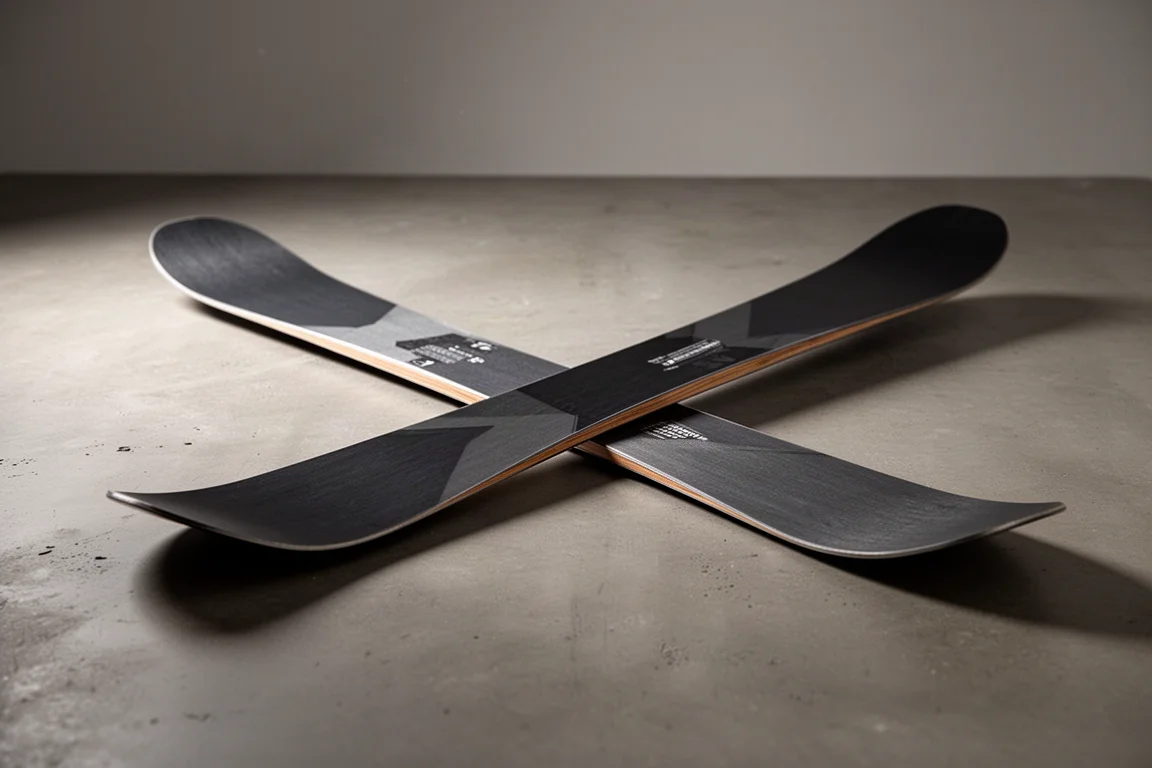
Read the two skis side by side and the split becomes straightforward. Power and high-speed stability come from a ski that wants input and holds an edge under pressure. Accessibility and easy pivoting come from a ski that stays balanced and starts a turn without much effort at all.
That is the decision most buyers are actually making. A more powerful ski can feel like a lot of ski on gentler terrain, while a more forgiving ski can feel like it runs out of support the moment you really step on it. Knowing which of those sensations you dislike more is the fastest way to choose.
Peak 88: Accessible Balance and Easy Pivots
Built by Elan, the Peak 88 takes the opposite approach. It is noticeably more accessible at low speeds, initiates turns easily even on gentle terrain, and pivots more readily, which makes it a friendly choice for anyone learning to ski bumps and moguls. It stays easy to balance on, which is exactly what you want while you are still working out rhythm and timing in a mogul field.
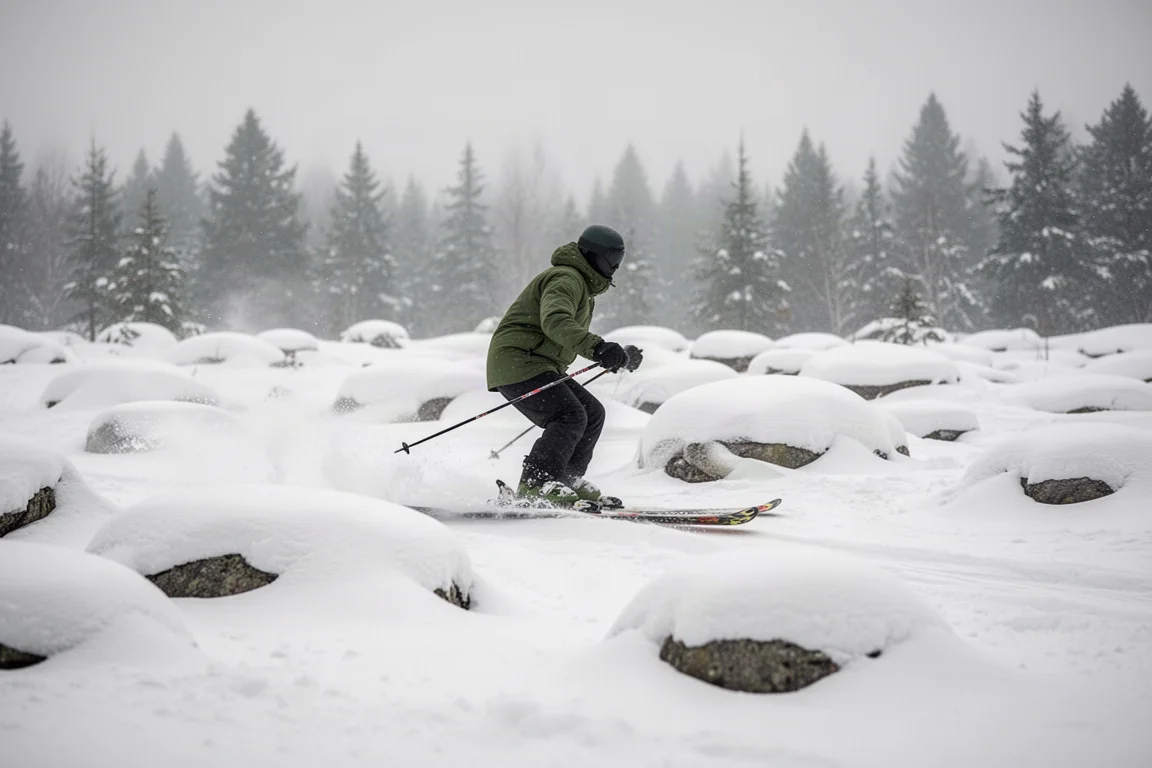
What it gives up is outright power. Next to the Kendo 88, the Peak 88 does not deliver the same authority at speed and does not feel like a ski you can simply stand on and drive as hard. In character, it sits closer to an accessible all-mountain ski such as the Stöckli Stormrider than to a demanding, high-energy carver.
Buying Advice: Matching the Ski to Your Riding
If you want a ski you can trust at speed, carve hard on, and push with confidence, the Kendo 88 is the more natural fit. Its grip and stability suit riders who already have solid technique and enjoy letting a ski run.
If you want a ski that starts a turn easily, stays forgiving at low speeds, and pivots simply through bumps, the Peak 88 is the better match. It is the friendlier of the two for building confidence and for terrain that rewards balance over brute force.
Either way, the deciding factor is how you actually ski rather than which ski is theoretically stronger. Match the ski to the way you spend most of your time on the mountain and you will get far more out of it.
Conclusion
The Völkl Kendo 88 wins on power, high-speed stability, and edge grip. The Peak 88 wins on accessibility, low-speed turn initiation, and easy pivoting in bumps. Choose the Kendo 88 if you ski fast and want to carve with confidence, and choose the Peak 88 if you want an approachable ski that stays balanced and forgiving from the first turn.
Further reading
Related Reviews

Ski Gear
2023 Blizzard Hustle vs Rustler: Six Freeride Skis Compared
Blizzard's 2023 Hustle collection rebuilds the Rustler shape with a lighter core and no metal. Here is how all six skis differ, and which one suits your riding.

Ski Gear
2023 Skis of the Year: Atomic Maverick 88 TI, Salomon QST 106, and Look SPX 12 Pro
Three standout ski picks for all-mountain carving, powder days, and reliable binding performance, with practical buying notes for 2023 models.

Ski Gear
2025 Nordica Enforcer 104 Review: A Directional Charger Replaces the 104 Free
The 2025 Nordica Enforcer 104 drops the Free name and the twin-tip personality, gaining weight, stiffness and composure in rough snow. Here is what changed and who it suits.