All-Mountain Skis
Völkl Kendo 88 Review: Quicker, Lighter, Still Precise
The updated Völkl Kendo 88 keeps its edge grip and adds quicker turn entry, a more even flex, and lower swing weight. Here is who it suits and what to weigh before buying.
Introduction
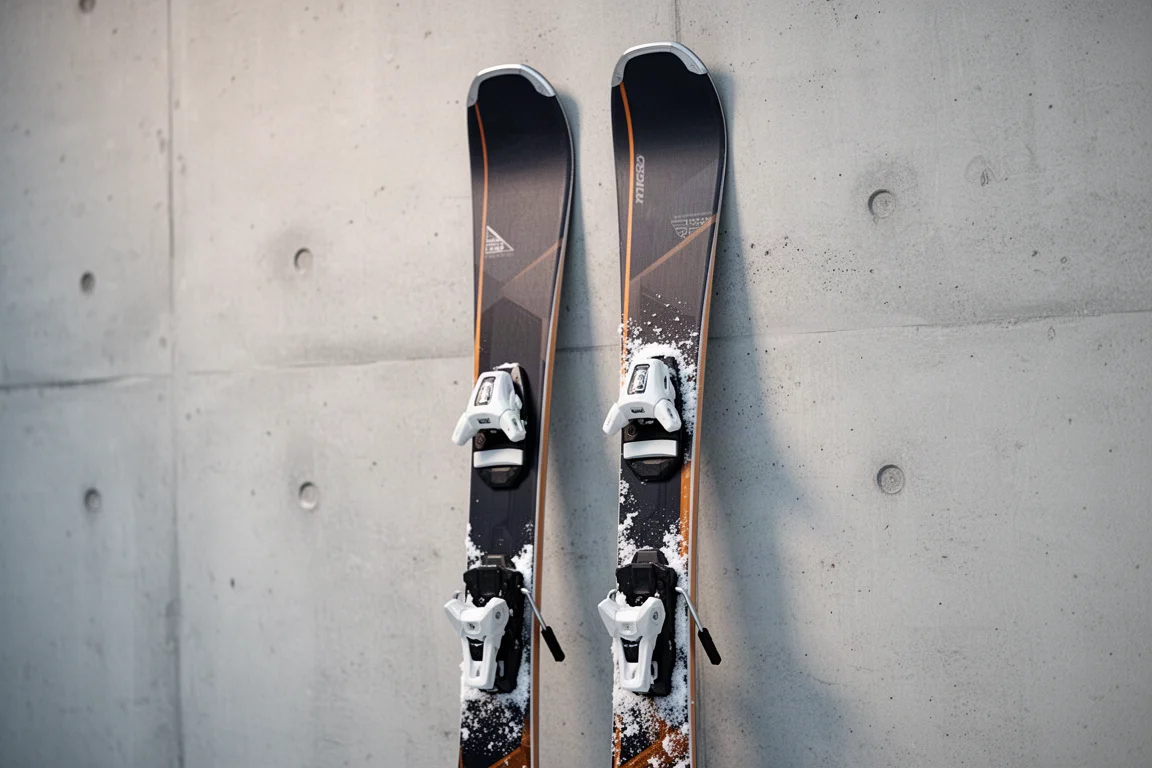
The Völkl Kendo 88 has been one of the reference points in the 88mm all-mountain class for years, and the updated version is a careful refinement rather than a rebuild. It keeps the metal-laminate construction and the precise, planted feel the name is known for, then changes where the mass sits so the ski engages earlier and asks less of the rider.
Three updates drive the difference: a tailored Titanal frame, a carbon grid in the tip, and a revised 3D radius with a shorter measurement underfoot. Together they make the Kendo 88 quicker into the turn, easier to flex through the arc, and noticeably lighter in the air and in tight terrain, without giving up much at the top end.
Who This Product Is For
This is a ski for the confident intermediate through expert who spends most of the day on groomed terrain but wants one pair that still works when the snow turns soft.
It is not the easiest option in its width class off-piste. The tail is not built to smear, and a rider caught in the back seat in steep, tight trees will feel it. Strong technique is rewarded, and sloppy technique is exposed.
It also suits a lighter or less aggressive skier better than the previous generation did. The flex is more even and more willing, so the ski can be cruised at moderate speeds without feeling dead underneath you.
Main Strengths
The most obvious change is quickness. Turn entry is smooth and easy, the tip hooks up almost immediately, and the ski crosses the fall line with noticeably less effort than the outgoing version. It is a clear step forward in responsiveness rather than a subtle tweak.
Edge hold is where the Kendo 88 has always earned its reputation, and the update does not give that up. The ski holds through the turn without feeling shaky, and the carbon grid in the tip keeps the front end precise even though metal has been removed from that area. Grip is strong, and the finish of the turn has authority.
The flex is the other meaningful improvement. The previous generation could feel planky, particularly in soft or chopped snow, where it tended to push through rather than engage. This version flexes more evenly along its length, so the whole platform takes part in the turn. That produces more energy out of the arc and a more rewarding feel, especially on packed powder groomers.
Top-end performance has not been sacrificed to get there. Pushed hard at speed on firm groomers, the Kendo 88 stays composed and does not run out of support, and it is genuinely difficult to find its limit. The refinement is that the ski now also works well below that limit, which matters for anyone who does not ski at race pace all day.
Things to Consider Before Buying
Off-piste, the Kendo 88 is capable but not forgiving. There is little smear or slarve in the tail, so a rider who gets behind the ski in steep, tight trees will feel it immediately. Good technique is repaid, while a defensive stance is punished.
The update does reduce swing weight, and that shows up most in moguls and tight trees, where the ski has to move quickly from edge to edge. It is less fatiguing than the previous version in that setting, though the change registers in feel more than on a scale.
It is worth being clear that this is not the easiest ski in its width class in bumps and trees. Lighter or less aggressive skiers may find longer lengths demanding in that terrain.
On firm, groomed snow it is close to the best in its category. In soft snow it manages well for an 88mm ski, but it is not a powder tool.
Turn Shape, Terrain, and Versatility
The Kendo 88 uses a 3D radius profile, with a longer radius in the tip and tail and a shorter one underfoot. On the 184cm length that works out to 31m at the tip, 17m underfoot, and 26m at the tail. The underfoot measurement is one meter shorter than the previous generation, and the 177cm now comes in at 16m.
In practice, that makes the ski genuinely versatile in turn shape. You can move from a short slalom-style turn to a longer GS-style arc within a couple of turns, and mix shapes as the snow changes from smooth to chopped.
The 3D radius also keeps the tips and tails from feeling catchy. The Kendo 88 is not a loose, surfy shape, but it does not hook up unexpectedly either, which matters most in trees and moguls.
How It Compares Within the Lineup
The same technology package carries across to the women’s Kenja and to the wider Mantra 102. If you want more float and a bigger platform for soft snow, the Mantra 102 is the natural step up: it is a heavier, more powerful ski that shares the accessibility improvements of this generation.
Within the 88mm metal-laminate category, the Kendo 88 sits at the precise and powerful end of the spectrum. Compared with heavier alternatives of the same width, it feels lighter and more energetic underfoot. Compared with shorter-radius designs, the gap has narrowed, because the new underfoot radius means this ski can now make the shorter turns that were once the reason to choose something else.
Buying Advice
If you want one ski that handles firm groomers with precision and still gives you a fair shot when the snow turns soft, the Kendo 88 is a strong choice. It is at its best for a skier who likes to drive the front of the boot and vary turn shape rather than park in one arc.
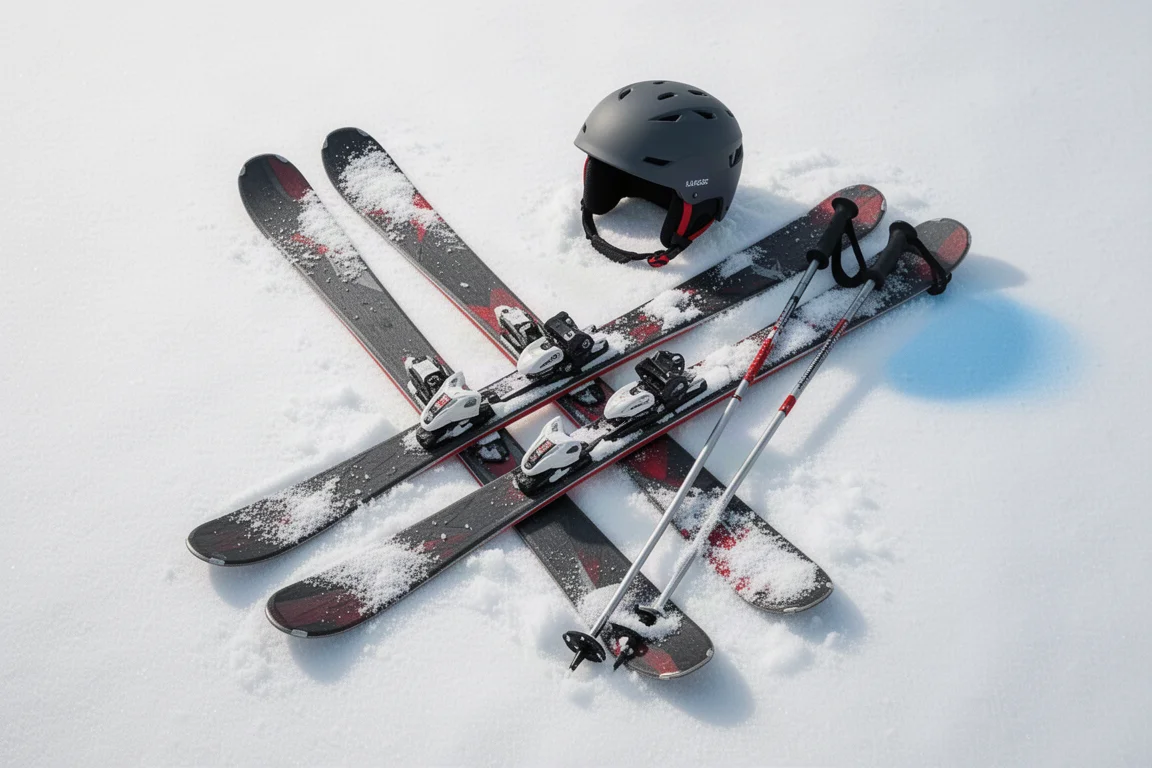
Length choice matters here because the tailored metal frame scales with size. The thicker section of metal stays proportionate to each length, so the ski is built to feel right at 170cm, 177cm, and 184cm rather than simply stretched. As a rough guide, shorter lengths suit lighter or less aggressive skiers, while the 184cm adds float and stability for bigger or faster skiers.
Buy it if you value edge grip and precision on firm snow and are willing to stay engaged over the ski. Look elsewhere if you want a forgiving, surfy feel in deep snow, or if you spend most of your time in tight trees and want maximum ease.
Conclusion
The Kendo 88 update does something difficult: it makes a precise, powerful ski more accessible without blunting it. Quicker turn entry, a more even flex, and lower swing weight make it more fun at moderate speeds, while edge hold and high-speed composure remain intact. For skiers who spend most of their day on groomers and want a single pair that can handle a soft-snow day, it is one of the strongest options in its class.
Product link
View more details for Volkl Kendo 88
This product is mentioned in the review. Check the specifications, options, and compatibility before buying.
View more details for Volkl Kendo 88Further reading
Related Reviews
All-Mountain Skis
100mm All-Mountain Skis Compared: 23 Versatile Models Worth Knowing
A practical walkthrough of 23 all-mountain skis around 100mm underfoot, covering weight, rocker, metal construction, and the rider each model suits best.
All-Mountain Skis
2026 Black Crows Camox Review: A More Stable, More Versatile All-Mountain Twin Tip
The 2026 Black Crows Camox adds an ash layer underfoot, wider tips and tails, and a revised rocker profile. Here is what those changes mean on snow.
All-Mountain Skis
Armada Antimatter 88 Review: A Light, Lively All-Mountain Ski That Rewards Any Style
The Antimatter 88 pairs a poplar core with carbon stringers for a surprisingly energetic ride that suits intermediates and experts alike.