Ski Gear
Völkl Deacon 76 Master Review: A Race-Bred Frontside Carver
A close look at the Völkl Deacon 76 Master, a stiff race-inspired frontside ski built for expert skiers who spend their days on groomed terrain and firm snow.
Introduction
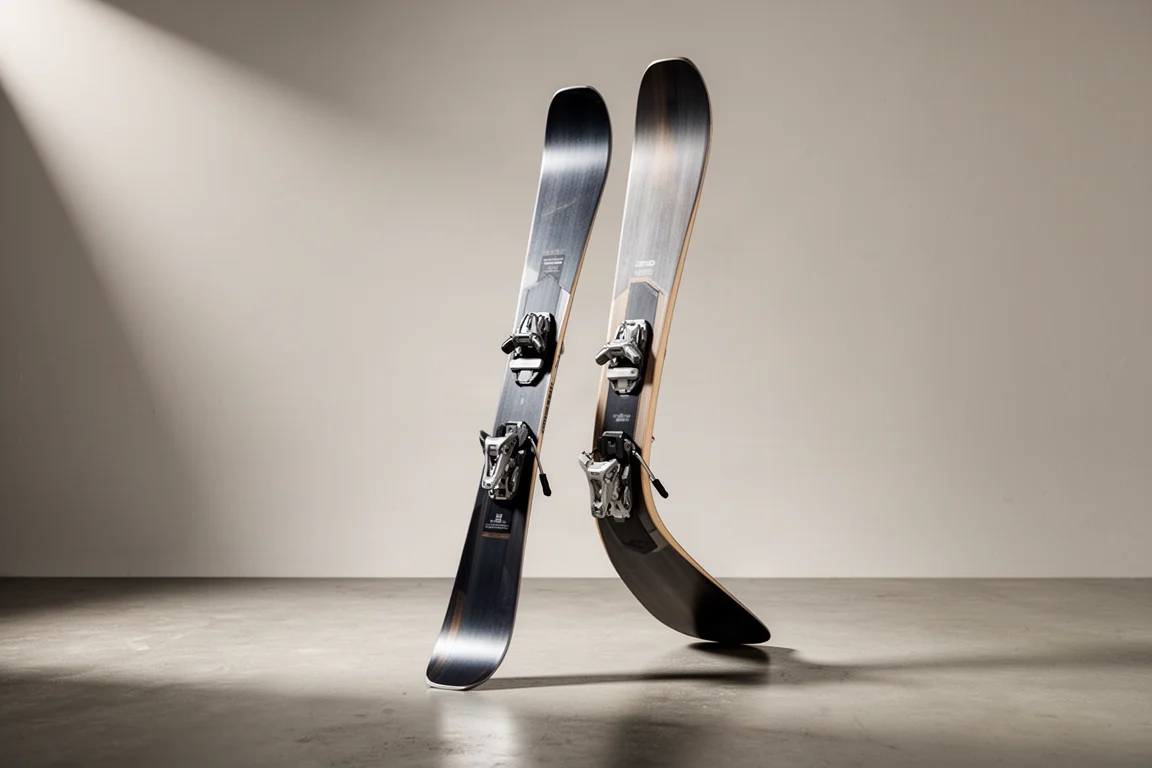
The Völkl Deacon 76 Master is a frontside carving ski that borrows heavily from race-level construction and then widens the footprint just enough to make it more manageable for strong skiers who are not on a World Cup start list. It is a stiff, powerful tool aimed at expert skiers and former racers who want maximum grip on groomed terrain and firm snow.
The ski carries over from the previous season with a graphics refresh rather than a construction change, which means the personality that made it appealing in the first place is unchanged. It still rewards a confident, active pilot and asks for real technique in return.
Who This Ski Is For
This is a ski for the skier who already knows how to load an edge and stand on it. Former racers and high-level experts are the natural audience, particularly anyone who spends most of the day on groomed runs and firm, chalky or icy surfaces. The wider body compared with a true race width gives a more stable platform to balance on, which makes it a little less demanding than a narrow race ski without softening the underlying character.
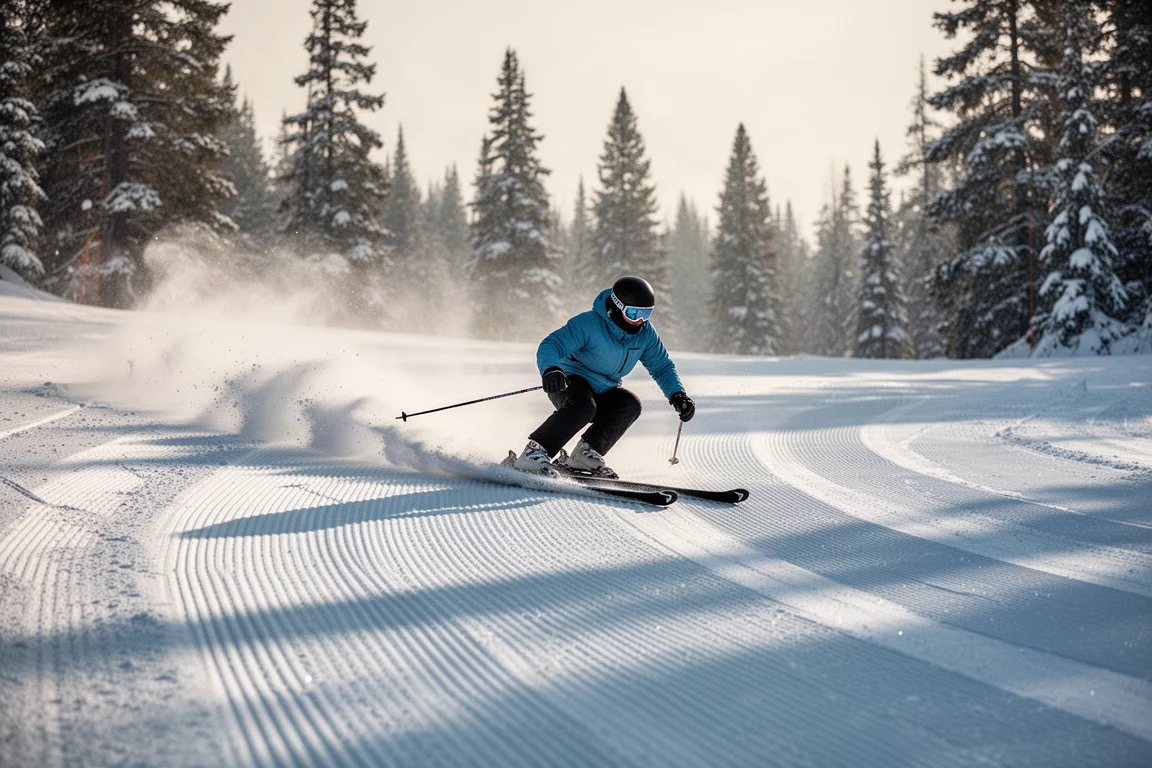
It is also a sensible choice for skiers who still run gates occasionally and want something that will hold up under that kind of pressure. The shape attributes built into the ski make it a touch more accessible than the very top tier of alpine race equipment, so a strong recreational skier with solid fundamentals can grow into it.
Construction and Ride Character
Under the topsheet, the Deacon 76 Master uses a full ash wood core paired with two sheets of metal, a combination that sits close to race-level build. Völkl adds carbon tips to the construction, which increases torsional stiffness at the very front of the ski before transitioning into more vertical stringers that add longitudinal stiffness. Even without the carbon layer this would be a stiff ski, and the carbon takes precision, responsiveness and agility up another step.
There is also 3D glass in the build, a fiberglass laminate that curves over the sidewall down to the edge. Placing fiberglass in a three-dimensional format stiffens the structure and amplifies the capabilities of the material, which shows up as quick edge grip that starts right at the front of the ski and hooks up evenly through turn transitions.
A Marker piston plate sits on the ski, and bindings are not included. Anyone going this route needs a Marker-specific binding that matches the same race hole pattern, at which point the setup is effectively a full alpine race configuration in a wider-bodied footprint.
Main Strengths
The headline strength is edge grip on firm snow and ice. The ski carves into hardpack with authority and holds a clean line when the surface gets slick, which is exactly what a race-derived frontside ski should do. The carbon tips sharpen the response at the front of the ski, so turn initiation feels immediate and the ski hooks up evenly rather than snapping unpredictably.
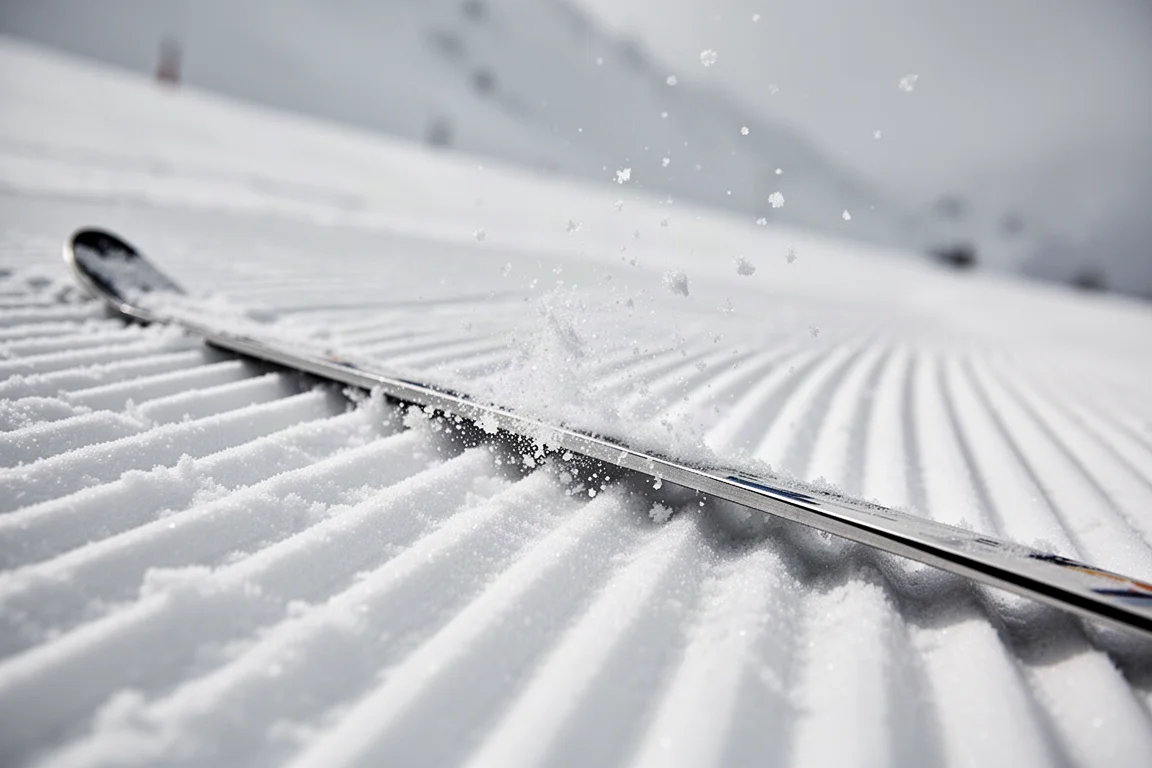
Stability and power are the other pillars. The ash core and twin metal sheets give the ski a planted, damp feel under a strong skier, and the wider footprint relative to a narrow race width makes that power easier to manage and balance on. The slight tip and tail rocker, measured in just a millimeter or two, softens the entry and exit of each turn so the ski stays friendly in transition without giving up its grip. The result is a ski that feels precise and quick edge to edge while still rewarding an aggressive, technical approach.
Shape, Turn Radius, and Snow Conditions
The 176 cm length comes in at 76 mm underfoot with a 17.6 m turn radius. That is a longer turn shape than the narrower 72 mm version, though it stops well short of a long FIS GS turn shape, placing the ski in a useful mid-radius territory for a frontside carver. The extra width over a pure race ski translates into a better platform underfoot and slightly more versatility when the snow is not perfectly firm, but it would be a stretch to call this an all-mountain ski.
The tip rocker is minimal, only a millimeter or two, which balances well with the carbon tips and gives a little extra room to work with during initiation. It will not hook up the way a fully cambered ski does from tip to tail, and that slight friendliness helps with transitions in and out of turns. The tail is nearly flat with just a slight bend, which keeps turns cleaner and rounder with less effort. Firm groomers and icy slopes remain the home ground.
Things to Consider Before Buying
The main consideration is stiffness. This is a demanding ski that expects a skilled, physically engaged skier. Lighter or less experienced skiers will likely find it unforgiving, and it is not a shape that flatters a relaxed, low-energy style. It also wants to be driven rather than drifted, so anyone hoping for a casual cruiser should look elsewhere.
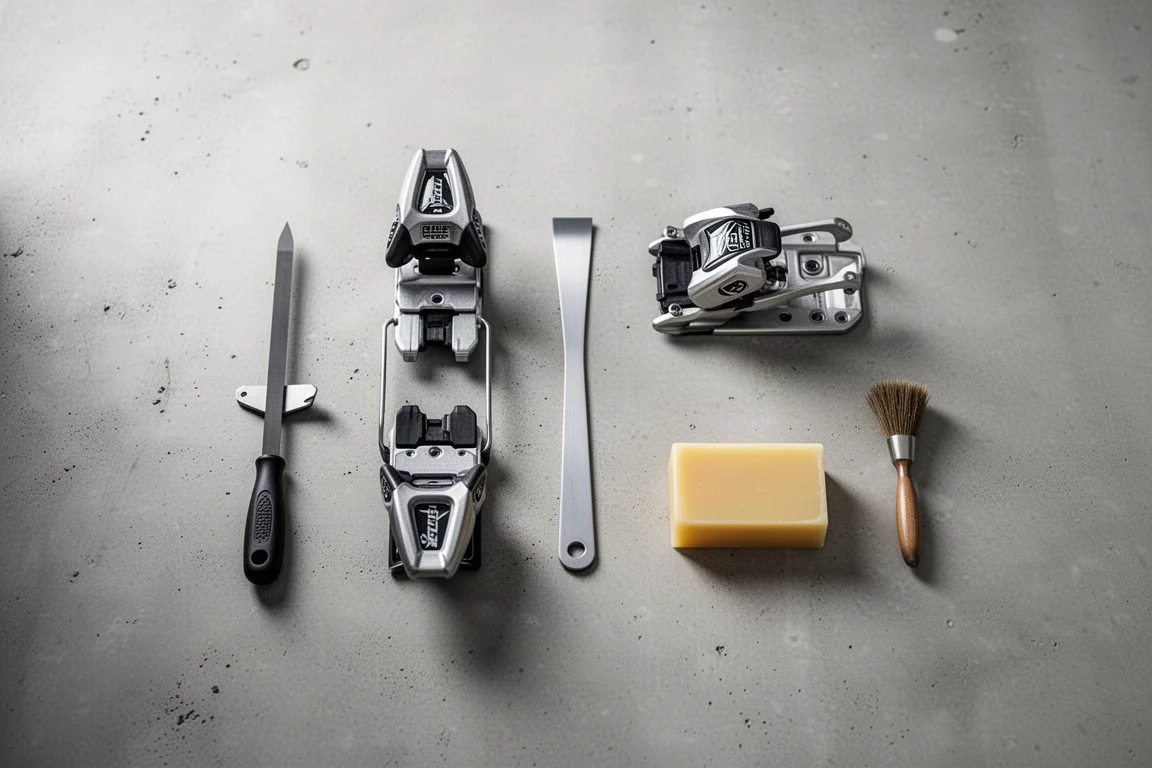
Bindings are not included, which adds cost and requires a specific Marker binding with the matching race hole pattern. Availability and pricing can vary by market and by season, so it is worth confirming what is included with the ski before committing.
Snow conditions matter as well. The ski is built for firm groomed terrain and ice, and its float in deeper snow is limited by the 76 mm waist and minimal rocker. Treat it as a frontside specialist rather than a one-ski quiver, and the trade-offs become much easier to accept.
Buying Advice
Buy the Deacon 76 Master if your days revolve around groomed runs, firm snow and the occasional gate session, and if you want race-bred grip without stepping all the way down to a narrow race width. It suits a frontside quiver slot perfectly, either as a primary carving ski or as a firm-snow companion to something wider for softer days.
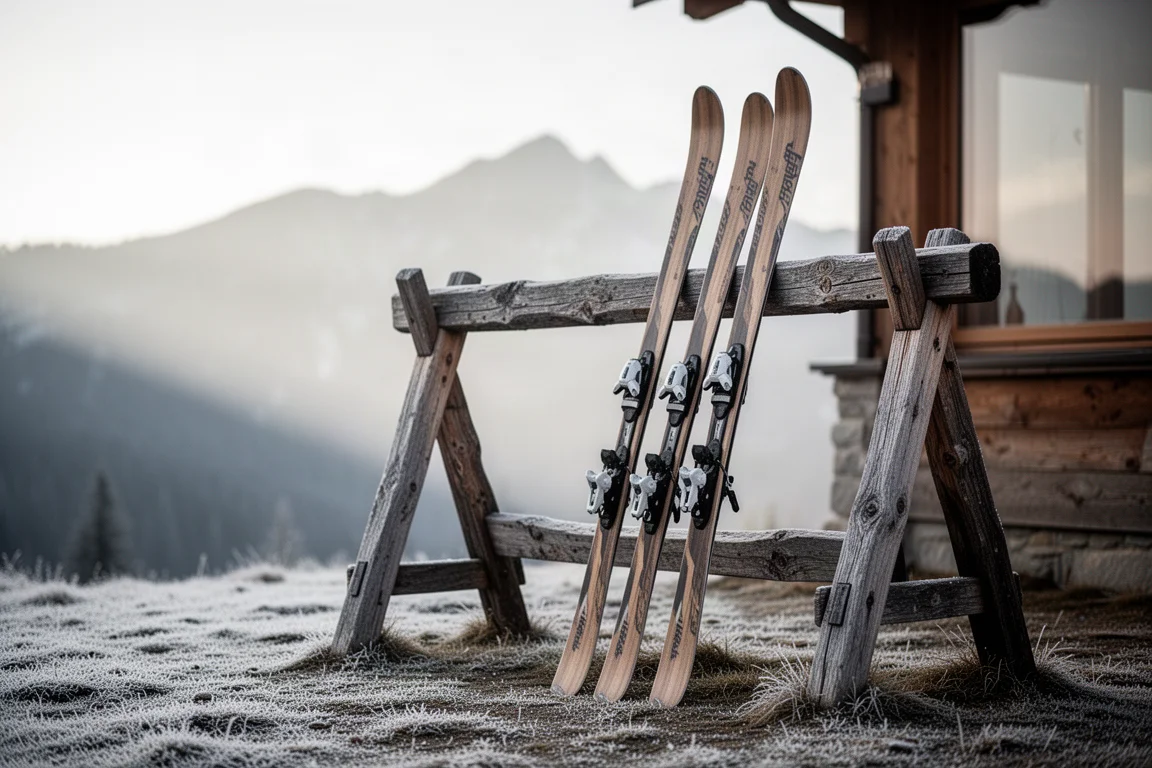
Before you buy, budget for a compatible Marker binding and confirm the hole pattern matches the piston plate on the ski. If you are coming from a softer all-mountain ski, be honest about your technique and your typical terrain, because this ski gives back exactly what you put into it and very little more. Skiers who fit that profile will find it a precise, confidence-inspiring carver that holds up season after season.
Conclusion
The Völkl Deacon 76 Master is a specialist with a clear brief: deliver race-level grip, stability and power on firm groomed terrain, with a slightly wider footprint and a touch of rocker to keep it manageable for expert skiers who are not full-time racers. Its ash core, twin metal sheets, carbon tips and 3D glass construction make it a serious, stiff frontside tool, and its 76 mm waist and 17.6 m radius put it in a versatile mid-radius zone for carving.
It is not an all-mountain ski, it does not include bindings, and it rewards strength and skill over convenience. For the right skier, that is precisely the appeal.
Product link
View more details for Völkl Deacon 76 Master
This product is mentioned in the review. Check the specifications, options, and compatibility before buying.
View more details for Völkl Deacon 76 MasterFurther reading
Related Reviews

Ski Gear
2023 Blizzard Hustle vs Rustler: Six Freeride Skis Compared
Blizzard's 2023 Hustle collection rebuilds the Rustler shape with a lighter core and no metal. Here is how all six skis differ, and which one suits your riding.

Ski Gear
2023 Skis of the Year: Atomic Maverick 88 TI, Salomon QST 106, and Look SPX 12 Pro
Three standout ski picks for all-mountain carving, powder days, and reliable binding performance, with practical buying notes for 2023 models.

Ski Gear
2025 Nordica Enforcer 104 Review: A Directional Charger Replaces the 104 Free
The 2025 Nordica Enforcer 104 drops the Free name and the twin-tip personality, gaining weight, stiffness and composure in rough snow. Here is what changed and who it suits.