Ski Gear
Völkl Deacon 7.2 Review: An Affordable Frontside Ski for Building Confidence
A narrow, approachable frontside ski with a wood core, generous tip rocker, and a short turn radius, built for casual skiers who stay on groomed trails.
Introduction
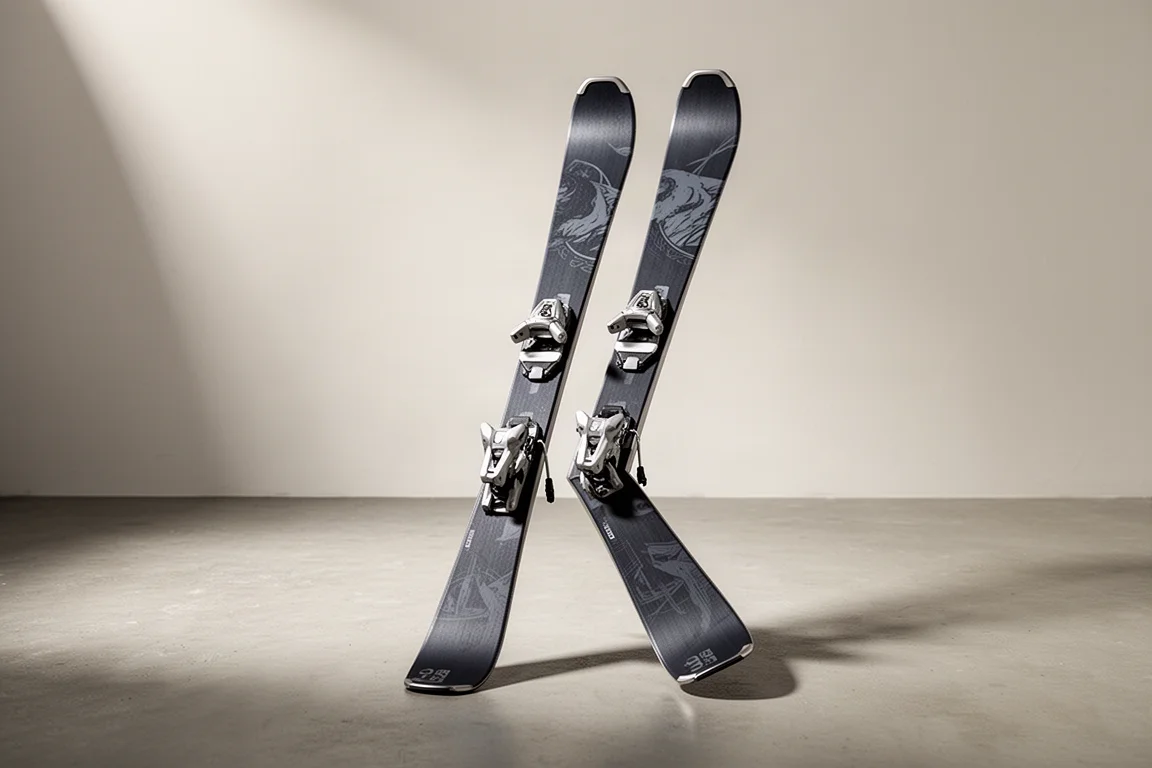
The Völkl Deacon 7.2 is aimed at a specific kind of skier: someone who skis casually, spends most of their time on groomed trails, and wants a ski that makes good technique easier to find rather than harder. At 72 mm underfoot, it uses a narrow frontside shape, and that narrow waist is exactly what makes it feel quick from edge to edge and precise when it rolls onto a new edge.
It also carves well. Skiers working on their turns rather than chasing outright speed will find the ski responds without demanding a lot of input.
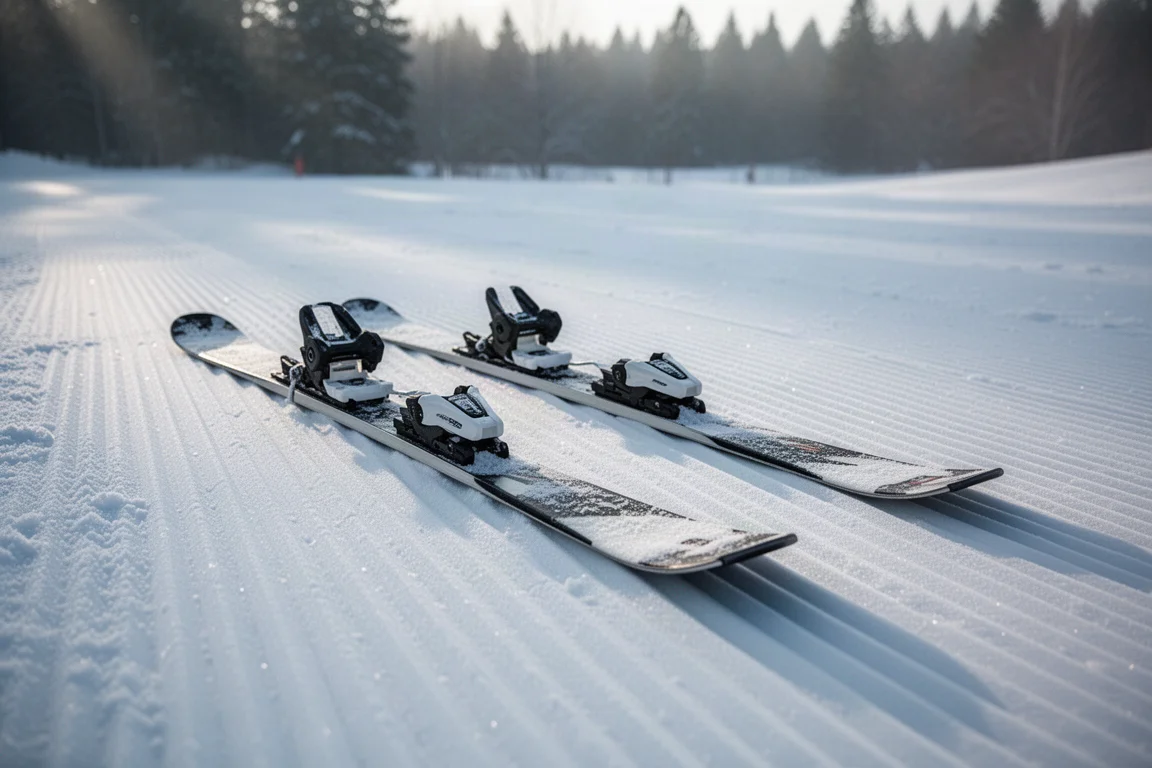
The appeal here is not exotic materials or a long list of features. It is a straightforward, affordable ski that handles the fundamentals competently, and for a large group of skiers that is the whole point.
Who the Völkl Deacon 7.2 Is For
This ski is best understood as a tool for progression. It suits beginners and intermediates, and it suits less aggressive skiers who are comfortable at moderate speeds and prefer to stay on prepared runs. If your typical day involves groomed slopes, working on your technique, and keeping things relaxed, the Deacon 7.2 is built around that pattern.
It is not a ski aimed at deep snow or off-piste exploration. The narrow waist that makes it so responsive on hardpack is the same characteristic that limits it elsewhere, and that trade-off is deliberate.
Main Strengths: Construction and Ride Feel
The construction is deliberately simple, and that simplicity is one of the more impressive things about it at this price point. Völkl fits a full sensor wood core into the Deacon 7.2, essentially the same style of wood core used in the brand’s considerably more expensive skis. Around that core sits a fiberglass and epoxy layup with no metal laminates and no extra frills.
That restraint makes sense. A ski in this category does not need added complexity to do its job well, and a wood core gives it a livelier, more consistent flex than a purely synthetic build would.
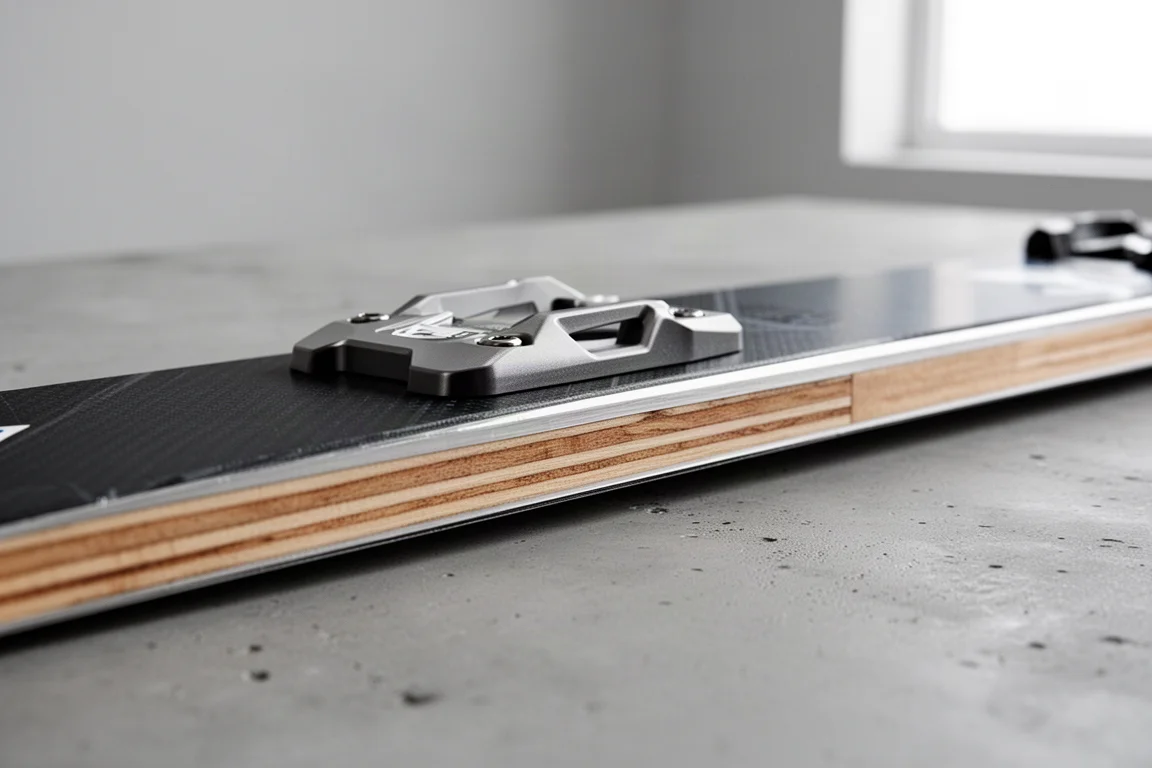
The profile is mostly camber underfoot, with a moderate rather than high camber height. What stands out for a ski of this width is the considerable amount of tip rocker Völkl builds in. That tip rocker helps pull the ski into a turn, which is a real benefit for beginner, intermediate, and less aggressive skiers. Whether you are working on shorter skidded turns or developing a carved turn, the tip shape supports both and helps you feel more confident the moment you tip the ski on edge.
Main Strengths: Turn Shape and Control
The sidecut produces a 12.7 meter turn radius, which is short for this class of ski. In practice, a short radius means the ski comes across the fall line more easily, so controlling speed takes less effort and the ski feels more responsive to whatever input you give it.
The two traits work together rather than competing. Tip rocker smooths the entry into the turn, while the short radius delivers a quick, responsive exit. For a skier whose main goal is to feel composed and in control on groomed terrain, that combination is more useful than raw top-end performance.
Bindings and Package Options
The Deacon 7.2 is paired with the Marker Motion 10.0 binding. Marker is a well-established binding manufacturer, and the Motion 10.0 has a long track record of proven performance. It is a capable binding rather than a lightweight compromise, and it remains supportive for a full-grown adult skier.
Because the binding sits on an adjustable track, it can accommodate a wide range of boot sole lengths, and it can be repositioned later. That matters if you decide to upgrade your boots somewhere down the line: you can keep the ski and simply adjust the binding to fit the new boots.
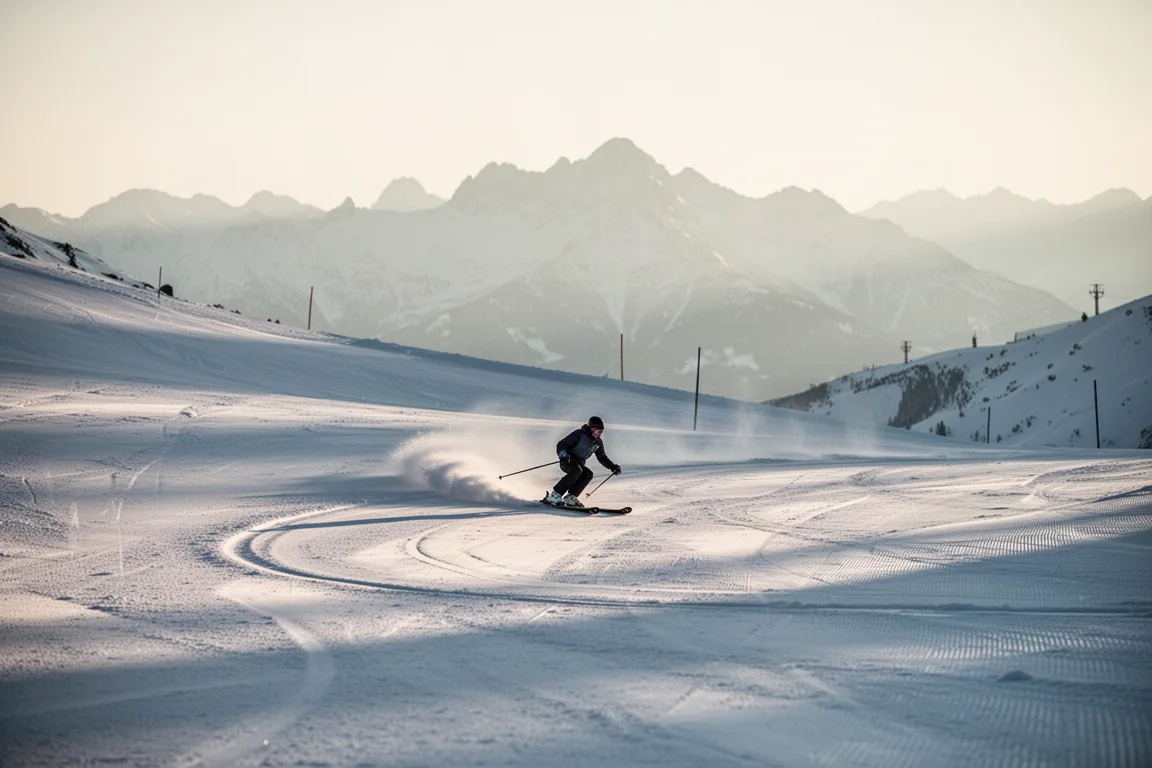
The ski is available in several configurations. You can buy it as a ski and binding setup on its own, or as a complete package that adds boots and poles. The boot options bundled into those packages are comfort oriented, with a wider forefoot so your foot is not jammed into a narrow shell. If you want more performance from your boots, a dedicated boot fitting session is the better route, and the adjustable binding means the ski can stay with you through that change.
Things to Consider Before Buying
The 72 mm waist is the defining specification here, and it is worth being honest about what it means. On groomed trails it is a genuine advantage, delivering fast edge-to-edge transitions and precise carving. In soft or deeper snow it offers limited float, so this is not the ski to choose if you plan to spend meaningful time off the prepared runs.
The build is also intentionally basic. A wood core with fiberglass and epoxy, no metal, and a mostly camber profile is a proven recipe for a forgiving frontside ski, but it is not a construction designed to deliver high-speed stability for aggressive, expert-level skiing.
Finally, if you buy a full package, treat the included boots as a comfort-first starting point rather than a performance fit. Riders with specific fit needs or higher performance goals should plan to visit a boot shop, either now or later.
Buying Advice
The clearest way to save money is to buy everything as a package rather than sourcing each item separately. If you need skis, bindings, boots, and poles at once, the bundled option typically costs less than assembling the same setup piece by piece.
If you already own boots that fit well, the ski and binding configuration is the simpler purchase. Check that your boot sole length falls within the adjustable range of the Motion 10.0 track, and if you are unsure whether the binding will suit your size and skiing style, it is worth confirming before you commit.
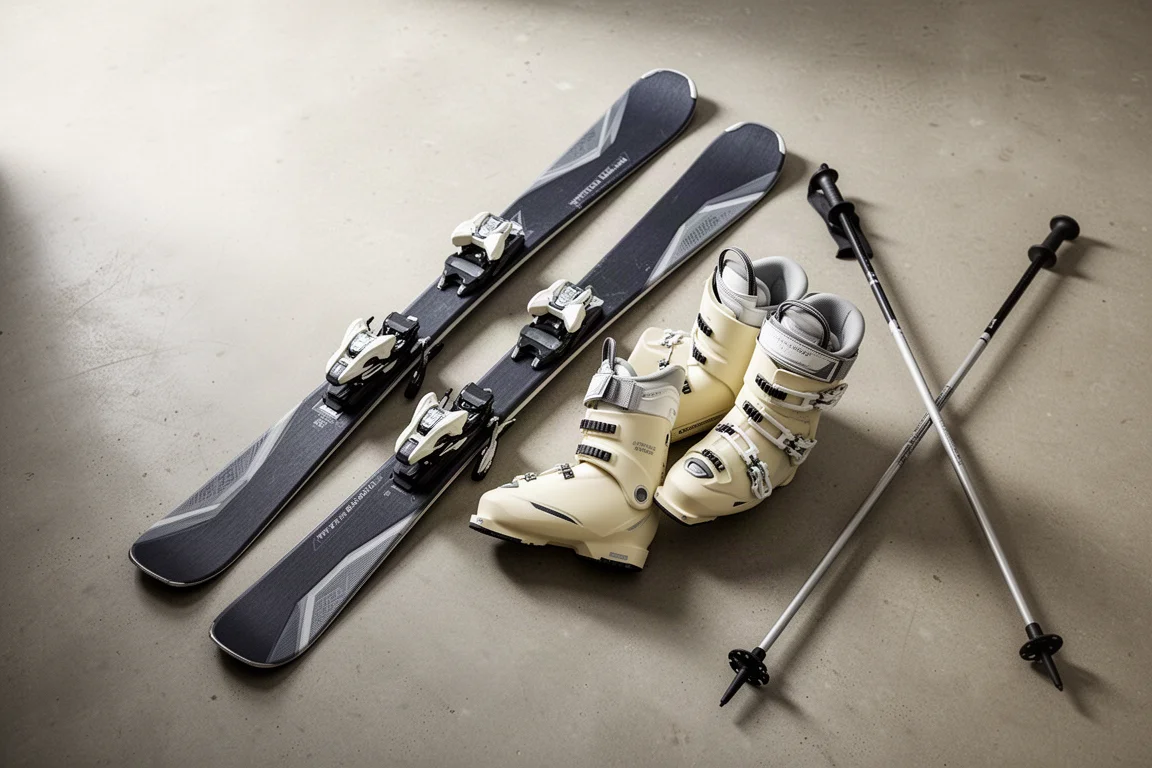
There is also a longer-term argument for the package route even if the included boots are not your final pair. The adjustable binding track means the ski does not become obsolete when your boots change, so the money you spend on the ski itself keeps its value across more than one boot purchase.
Conclusion
The Völkl Deacon 7.2 makes a clear, honest case for itself. It puts a wood core into an affordable frontside ski, adds generous tip rocker and a short 12.7 meter turn radius to make turning easier, and pairs it all with a proven, adjustable binding. For a casual skier who wants to spend most of their time on groomed trails, work on technique, and enjoy the day without spending a fortune, that combination is exactly what the ski was designed to deliver. The main thing to weigh is how much time you realistically spend on prepared runs, because that is where this ski is at its best.
Product link
View more details for Völkl Deacon 7.2
This product is mentioned in the review. Check the specifications, options, and compatibility before buying.
View more details for Völkl Deacon 7.2Further reading
Related Reviews

Ski Gear
2023 Blizzard Hustle vs Rustler: Six Freeride Skis Compared
Blizzard's 2023 Hustle collection rebuilds the Rustler shape with a lighter core and no metal. Here is how all six skis differ, and which one suits your riding.

Ski Gear
2023 Skis of the Year: Atomic Maverick 88 TI, Salomon QST 106, and Look SPX 12 Pro
Three standout ski picks for all-mountain carving, powder days, and reliable binding performance, with practical buying notes for 2023 models.

Ski Gear
2025 Nordica Enforcer 104 Review: A Directional Charger Replaces the 104 Free
The 2025 Nordica Enforcer 104 drops the Free name and the twin-tip personality, gaining weight, stiffness and composure in rough snow. Here is what changed and who it suits.