Ski Gear
Volkl Blaze 94 and Blaze 104 (2025): What Changed and Which One to Choose
Volkl's 2025 Blaze 94 and Blaze 104 keep the line's quick, lightweight character while adding a stiffer flex, more damping, and a new four radius sidecut. Here is what changed and how to pick between them.
Introduction
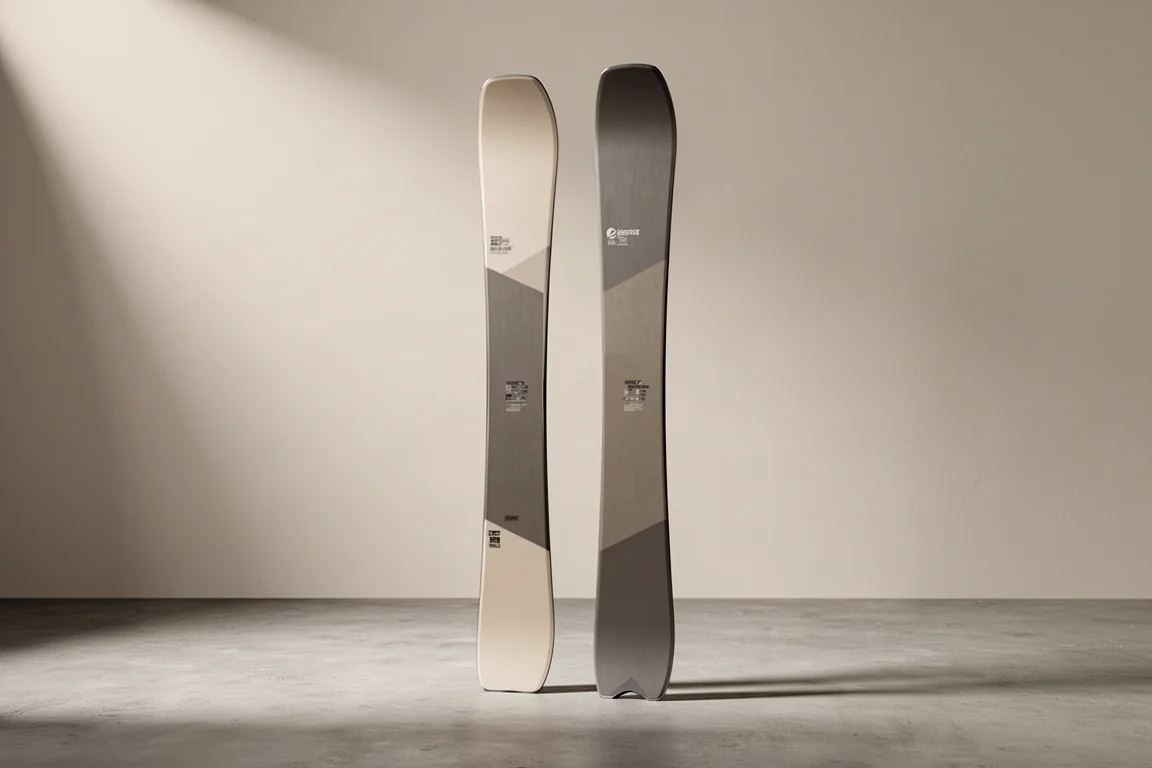
The 2025 Volkl Blaze collection updates two models in the line: the Blaze 94 and the Blaze 104. The narrower Blaze models carry over unchanged, as does the wider Blaze 114, so the meaningful changes this season sit in the two middle widths.
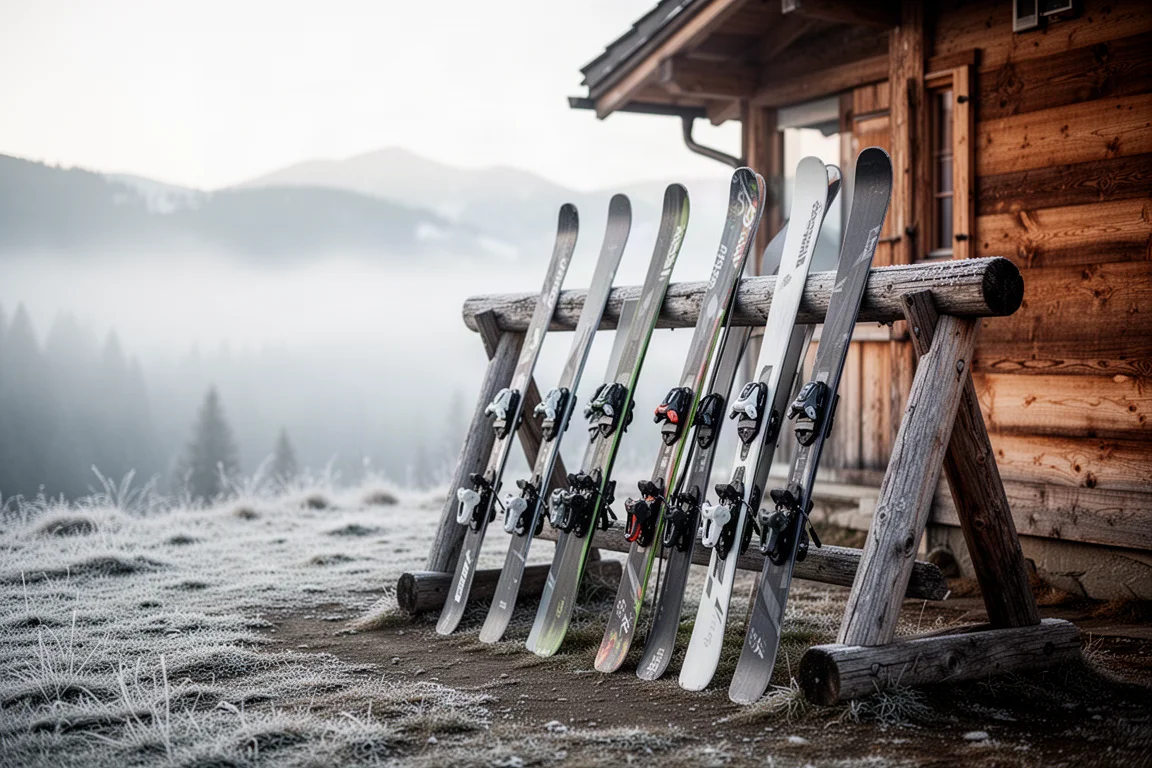
The Blaze family was designed as a lightweight freeride and all-mountain ski that skiers could tour on, mount with an alpine binding, or simply use as a daily driver. Both updated models stay inside that brief. The changes add stability, dampness, and a rounder turn shape without giving up the quickness that made the line popular.
This guide covers what changed in the construction, what each width does well, and how to decide between them.
What Changed in the 2025 Blaze Construction
Both updated models share the same construction direction, so the changes are easiest to read as a group.
The core is a multi-layer wood build combining poplar and beech, with a central strip made from recycled PET, essentially ground-up plastic bottles formed into a solid strip. Vertical plastic strips are not unusual in ski cores, and this material is stiff in hand, which lets the design tune density and flex through the middle of the ski.
Beech content increases along the sidewalls and underfoot, moving the ski toward a slightly more rugged, more stable feel. The metal underfoot widens as well. Previous Blaze models used a full-width metal plate with indents in the middle to preserve flex, while the new plate runs as a solid metal section through the binding mount zone, which adds edge grip and dampness.
Fiberglass gets a 3D treatment, curved vertically across and down over the sidewalls to stiffen the flex. Suspension tips and tails carry over, with rubberized material in the tip and tail that helps the ski hold its intended path and reduces vibration.
The combined result is a noticeably stiffer flex than the previous generation and a modest weight increase. The new Blaze 94 sits at roughly 1,700 g in a 179 cm length, and the Blaze 104 adds about 100 g, landing near 1,800 g. Both remain lightweight for their class.
The sidecut changes too. Volkl moves from a three-radius design to four radius drive: 20 m through the shovel, 40 m through the next section, 17 m underfoot, and 22 m in the tail. The previous Blaze 106 used a 36 m tip, 17 m underfoot, and a 28 m tail. The tighter shovel and tail are the most noticeable part of the new shape.
Rocker is essentially unchanged, keeping the long, low rise at both ends that the line is known for. The Blaze 104 carries a little more rocker than the Blaze 94, matching its softer snow focus.
Volkl Blaze 94: Quick, Technical, and Versatile
The Blaze 94 keeps the character that made the previous version a favorite. It is quick, agile, and energetic, and it remains one of the strongest mogul options at this width. Short turns, tight trees, and technical line choices are where it feels most at home. There is enough tail rocker to release turns easily, so the ski stays directional without locking you in.
What is new is a slight increase in stability and dampness underfoot, along with a stiffer flex through the middle of the ski. The additions are subtle next to the ski’s existing strengths, and most skiers will notice the extra composure more than the small weight gain.
The trade-off is carving. The ski engages more at higher edge angles than it used to, but a dedicated charger looking for maximum speed and a locked-in carve will find more of what they want in the Mantra family, which sits a step above in that department. For a skier who values quickness, mobility, and versatility, and who spends most of their time in short turns, bumps, and tighter terrain rather than laying the ski over at speed, the Blaze 94 is a very natural fit.
Volkl Blaze 104: The More Rounded Freeride Option
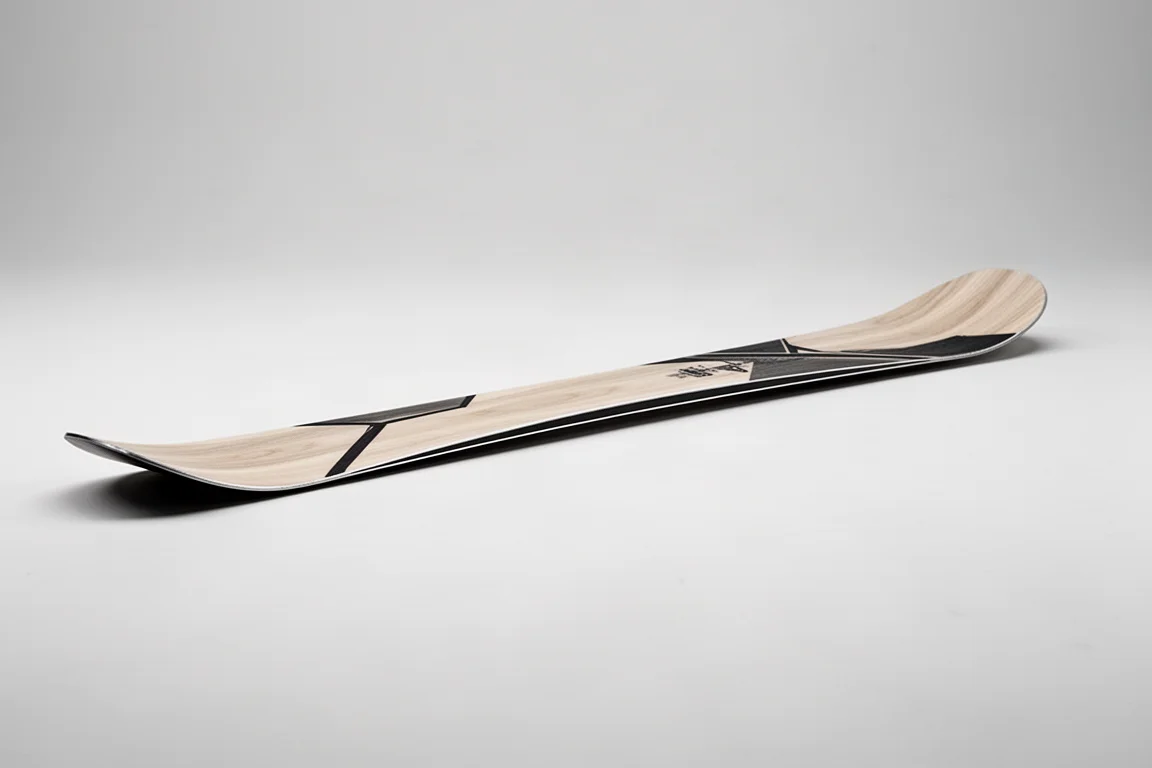
The Blaze 104 does everything the Blaze 106 did and adds a dimension the older ski lacked. Turn release is still extremely easy, pivoting the ski takes almost no effort, and it remains a strong tool for tight technical lines and trees.
Where it moves ahead is in damping and roundness. It feels more confident through soft, bumpy snow, engages better at higher edge angles, and finishes turns with more shape. Variable conditions, crud, chop, wind-affected snow, and spring snow are all handled better than before.
It is not an endless-stability charger. Letting it run in deep, soft snow still asks for some care, and vibration damping is improved rather than eliminated. Skiers who want a Blaze specifically for powder will find more float in the wider Blaze 114, and the previous Blaze 106 remains the stronger floater of the two middle widths.
How the Blaze 94 and Blaze 104 Compare
The two skis share a construction story and a rocker profile, but they behave differently underfoot.
The Blaze 94 is the quicker of the two. It is the better choice for moguls, short-radius turns, and tight technical terrain, and it rewards a skier who likes to stay on top of the ski and move it around.
The Blaze 104 is the more rounded freeride ski. It carries more dampness, stronger high-edge-angle engagement, and more composure in variable snow, while keeping the pivot-friendly feel of the line. The gap between the two is bigger than the 10 mm waist difference suggests, and most of it comes from the new shape and construction rather than the width alone.
Compared with softer-flexing freeride skis in the same width range, the Blaze models generate their maneuverability from shape, specifically the long, low rocker, rather than from a soft flex pattern. That gives them more feedback and responsiveness, and it means they reward clean technique. Skiers whose habits they would rather not have amplified may find a Blaze less forgiving than a softer alternative.
Both are still lightweight skis for the category, and both remain suitable for a hybrid setup with a touring-capable binding, or with lighter bindings for skiers who plan to earn their turns.
Sizing, Bindings, and Setup
Both models were assessed in a 179 cm length, and both are light enough for a range of binding choices. A hybrid binding keeps the door open for occasional touring, while a lighter touring binding suits skiers who plan to spend more time climbing.
The Blaze 104 is offered in two colorways, neither of which is tagged as a women’s model, and both are available across the full size range. The Blaze 94 also comes in two colorways, including a neutral gray option. The Blaze 114 comes in a single colorway.
Buying Advice
Choose the Blaze 94 if your skiing leans toward short turns, bumps, and tight trees, and you want the quickest, most agile ski in the line. It is the more technical of the two, and it gives up some carving performance in exchange for maneuverability.
Choose the Blaze 104 if you want more dampness, a rounder turn shape, and better behavior in variable snow, while keeping the easy pivot and quick release that define the line.
If you spend your time chasing speed and high-edge-angle carves on every surface, neither ski is the right tool, and the Mantra family is the more suitable step up.
Before deciding, write down an honest description of how you actually ski: the terrain you spend most of your time in, the turn shapes you naturally make, and the conditions you ski most often. Matching that picture to the ski is more useful than comparing spec sheets.
Conclusion
The 2025 Volkl Blaze 94 and Blaze 104 keep what made the line work and add stability, dampness, and a rounder turn shape without turning them into something else. The Blaze 94 remains the quick, technical option for bumps, trees, and short turns, while the Blaze 104 is the more well-rounded freeride ski that handles variable snow with more composure. Both are still lightweight enough to build as a hybrid setup, and both stay true to the shape-driven feel that defines the Blaze family.
Further reading
Related Reviews

Ski Gear
2023 Blizzard Hustle vs Rustler: Six Freeride Skis Compared
Blizzard's 2023 Hustle collection rebuilds the Rustler shape with a lighter core and no metal. Here is how all six skis differ, and which one suits your riding.

Ski Gear
2023 Skis of the Year: Atomic Maverick 88 TI, Salomon QST 106, and Look SPX 12 Pro
Three standout ski picks for all-mountain carving, powder days, and reliable binding performance, with practical buying notes for 2023 models.

Ski Gear
2025 Nordica Enforcer 104 Review: A Directional Charger Replaces the 104 Free
The 2025 Nordica Enforcer 104 drops the Free name and the twin-tip personality, gaining weight, stiffness and composure in rough snow. Here is what changed and who it suits.