Trail Running Shoes
VJ Max 2 Review: A Light, Fast Trail Shoe with Serious Grip
The VJ Max 2 is a lightweight, cushioned and versatile trail running shoe with the brand's superb Superior Contact rubber outsole. Here is how it performed over 7 miles of mixed terrain, and how it compares with the VJ Ultra 3Es.
Introduction
VJ has quietly built a reputation among trail runners, and after testing the Ultra 3Es I was keen to try the Max 2. This is a shoe my running friends have been raving about for some time, so expectations were high heading out to the woods. Where the Ultra 3Es impressed with its secure fit and all-round feel, the Max 2 promises something slightly different: a lighter, faster, more connected ride over a big mix of terrains.
Who This Shoe Is For
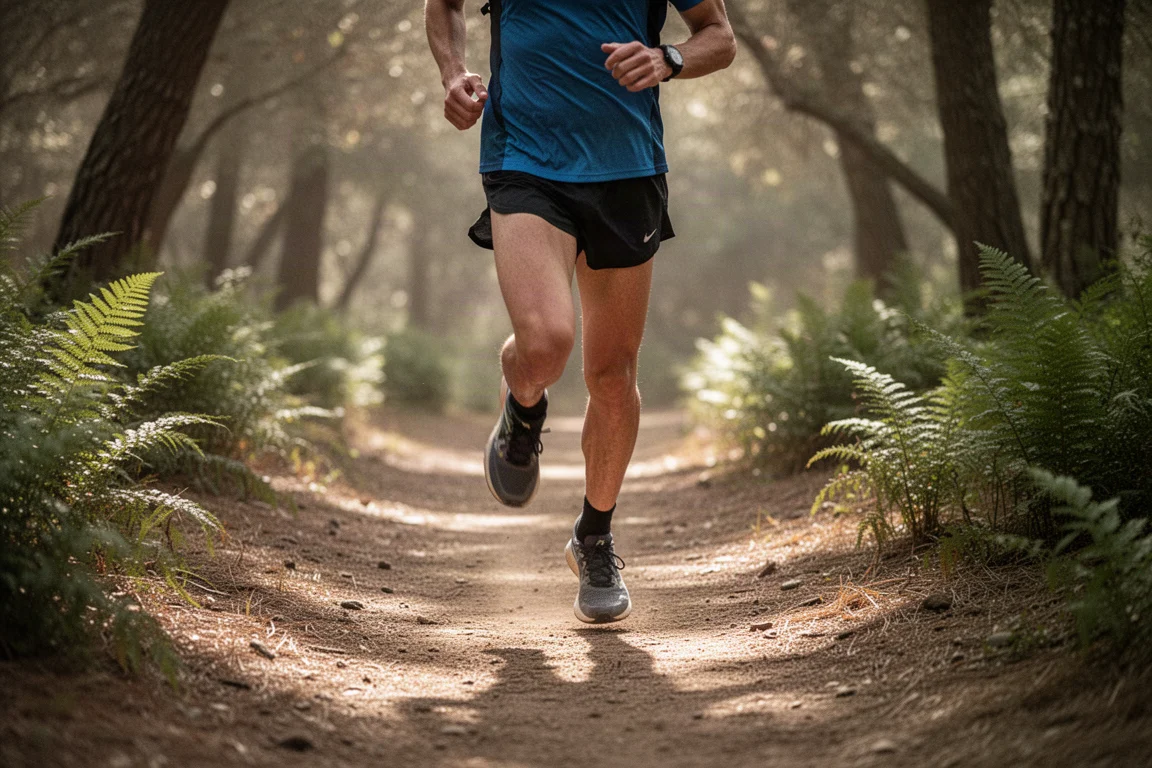
The Max 2 is designed as a nicely cushioned, lightweight and versatile trail running shoe that can handle a wide range of surfaces, from pavement and compacted trails to rocky paths and woodland routes. At £149 in the UK, it sits £10 below the Ultra 3Es, which makes it an appealing entry point into VJ’s trail lineup. If you have a reasonably narrow foot and want a responsive shoe for quicker running over technical and challenging terrain, this is very much a shoe aimed at you.
Construction: Upper, Midsole and Outsole
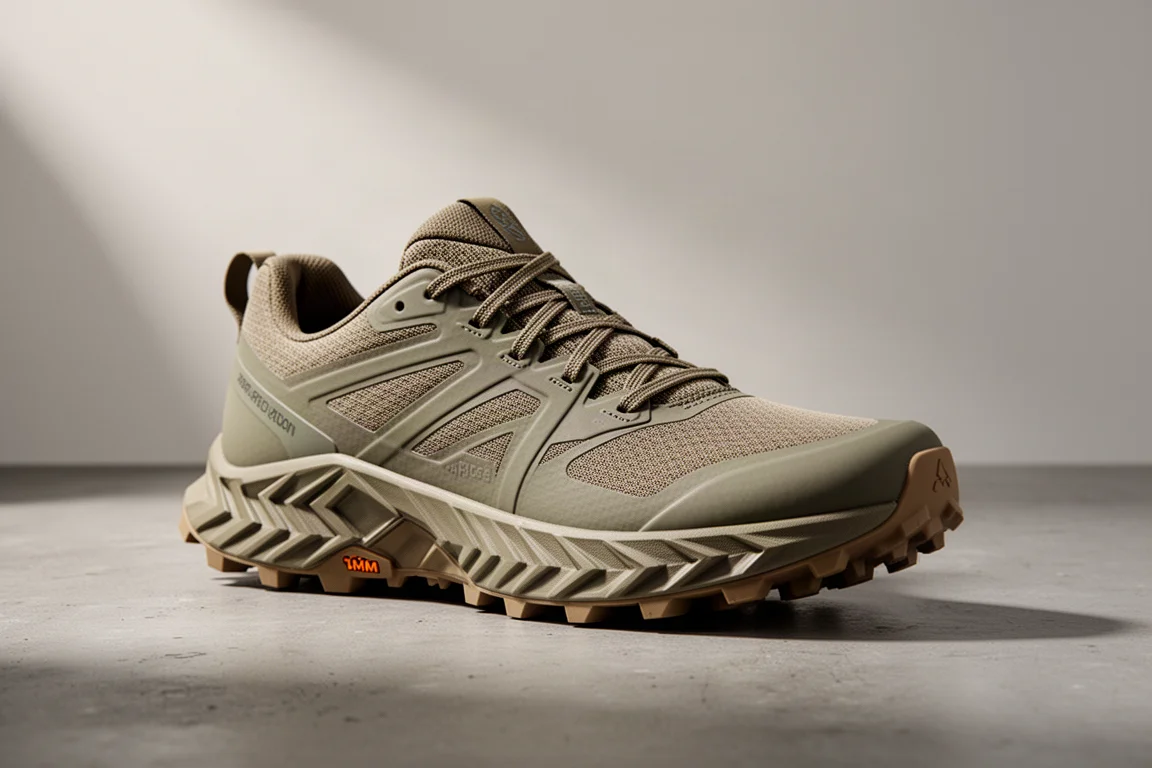
Starting at the top, the Max 2 gets a lightweight, highly breathable and durable one-piece upper built off a foot-shaped last. It does look a little narrower in the toe box and midfoot than the Ultra 3Es, though. A thin gusseted tongue keeps things comfortable across the top of the foot, and VJ’s FitLock technology in the upper delivers a precise, secure lockdown around the midfoot. The ankle collar and heel are fairly stripped back on padding, but a standard lace system with reinforced eyelet overlays keeps the fit dialled in. Overlays run from the heel along the full length of the shoe, wrapping the toe box for extra durability, and a toe bumper up front adds trail protection.
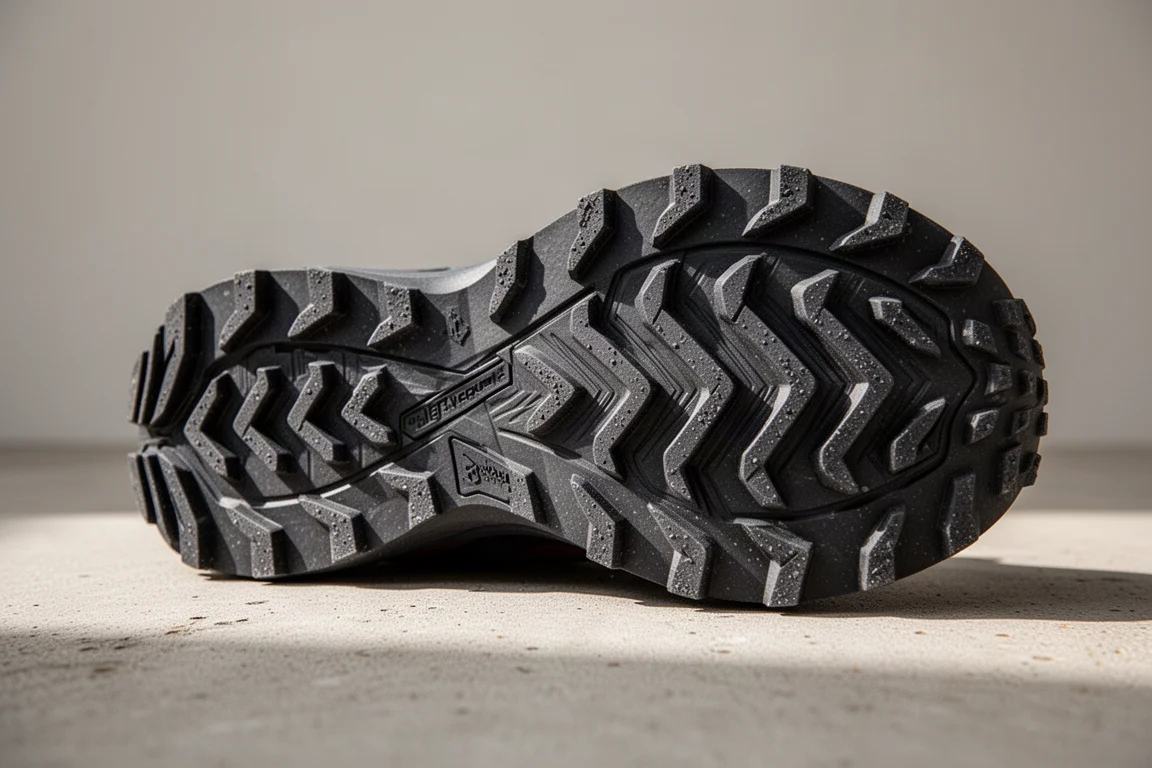
Moving down to the midsole, VJ’s Superformance foam returns: a lightweight, high energy-returning, nitrogen-infused foam designed to be lighter, more comfortable and more responsive than standard EVA. A full-length rock plate is worked into the midsole for underfoot protection on sharp edges and protruding roots. Flip the shoe over and you find the Superior Contact outsole, made from VJ’s own Buttle rubber, with a 4mm multi-directional lug pattern: forward-facing chevrons up front for traction on loose trail and mud, reverse-facing chevrons at the heel to control speed on tricky descents.
How It Runs on the Trail
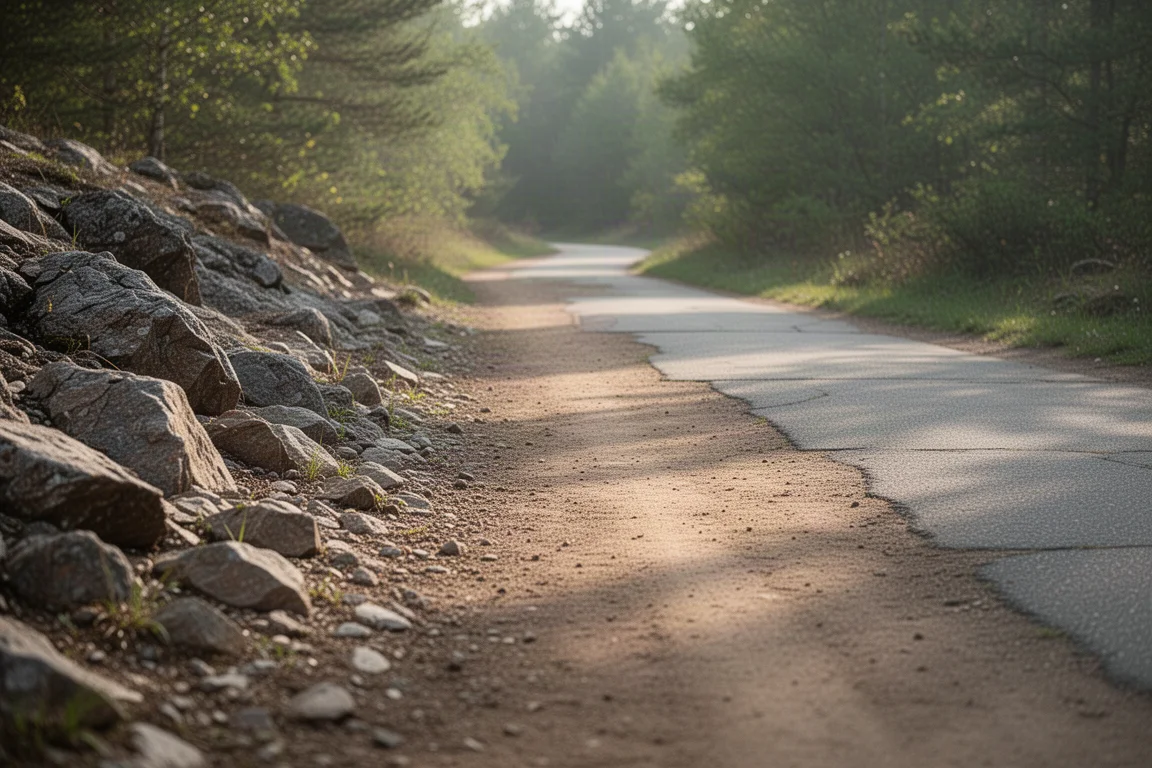
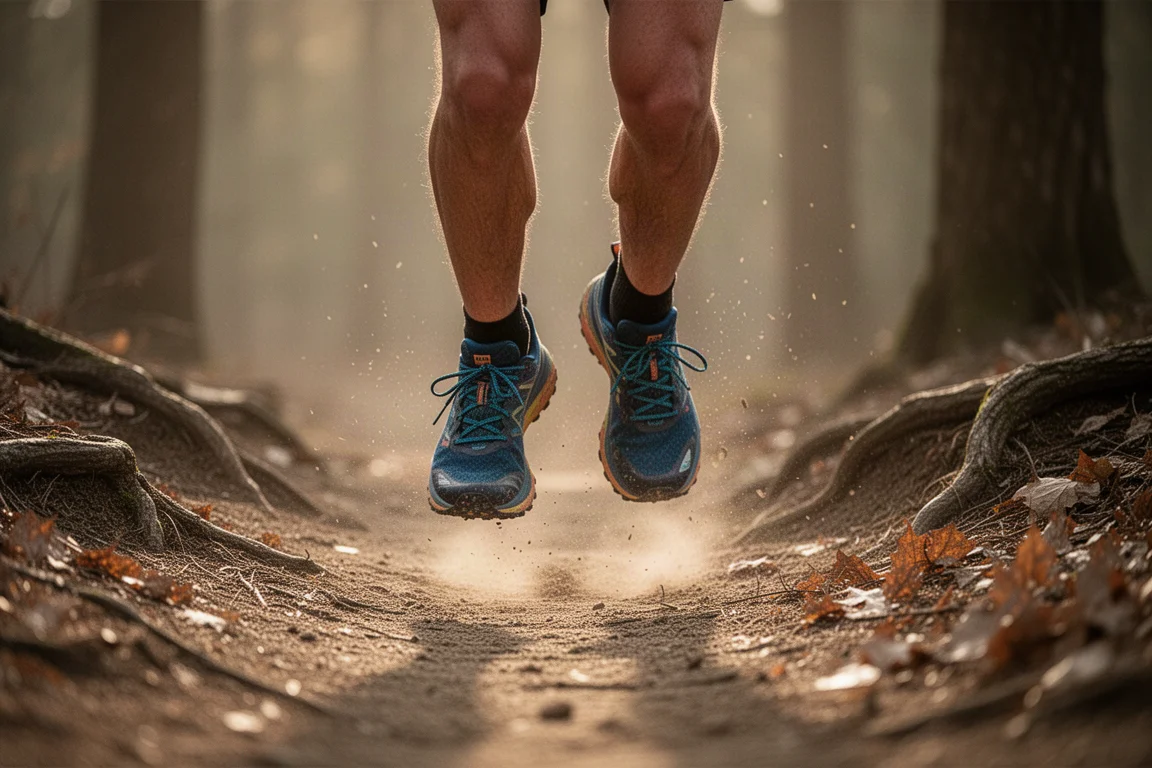
Over 7.38 miles of varied terrain including pavement, rocky trails, woodland paths and compacted trails, the Max 2 handled everything well. The fit is secure but noticeably different from the Ultra 3Es: there is less width and wiggle room in the toe box, so runners who like width should lean towards the Ultra 3Es. For a narrower foot shape, however, the Max 2 works beautifully. The thin tongue still feels comfortable, and the minimal ankle padding wraps the foot nicely.
By around seven miles, the shoe’s character was clear: it feels more responsive and lively than the Ultra 3Es. With roughly 30g of weight saving and a lower stack of cushioning, it feels more connected to the ground, and it is a shoe you want to run quickly in over technical and challenging terrain.
Max 2 vs Ultra 3Es
The two shoes share a lot, but they perform differently. On the midsole, the Max 2 felt comfortable with good underfoot protection, but the Ultra 3Es offers a deeper stack of cushioning and slightly more aggressive rocker geometry, making it a bit more comfortable and efficient, especially for longer training runs or races. The Max 2 gives you more ground feel and connection in technical sections.
On the upper, both shoes deliver an extremely secure midfoot lockdown and a solid heel hold thanks to FitLock technology. The Max 2 is slightly longer and narrower in shape, while the Ultra 3Es has a squarer, wider toe box. Both fit well, but the Ultra 3Es edges it for the tester’s foot shape.
On the outsole, the Max 2 uses a 4mm lug depth compared to 4.5mm on the Ultra 3Es. In very dry conditions it was hard to separate them, but the deeper lug on the Ultra 3Es should give slightly more traction in mud, making it a better all-year-round option in the UK. That said, the Max 2’s chunky lug design should still deliver good traction in mud, especially given how sticky this rubber feels.
Buying Advice
If I had to pick just one, the Ultra 3Es would be my choice: it is a bit more versatile, has more depth of cushioning for longer runs and races, more efficient rocker geometry, and a slightly deeper lug for muddy conditions. But the Max 2 is lighter, more nimble and more responsive on technical trails, and I can completely see why so many runners rave about it. At £149, it is also the more affordable of the two.
Conclusion
The VJ Max 2 is a superb lightweight trail shoe with a secure, foot-hugging fit, a responsive Superformance midsole, full-length rock protection and the brand’s famously sticky Superior Contact rubber outsole. It rewards quicker, more technical running and suits narrower feet. If maximum cushioning and all-round versatility matter most, the Ultra 3Es remains the pick. But for fast, connected trail running, the Max 2 is an excellent choice.
Product link
View more details for VJ Max 2
This product is mentioned in the review. Check the specifications, options, and compatibility before buying.
View more details for VJ Max 2Further reading
Related Reviews
Trail Running Shoes
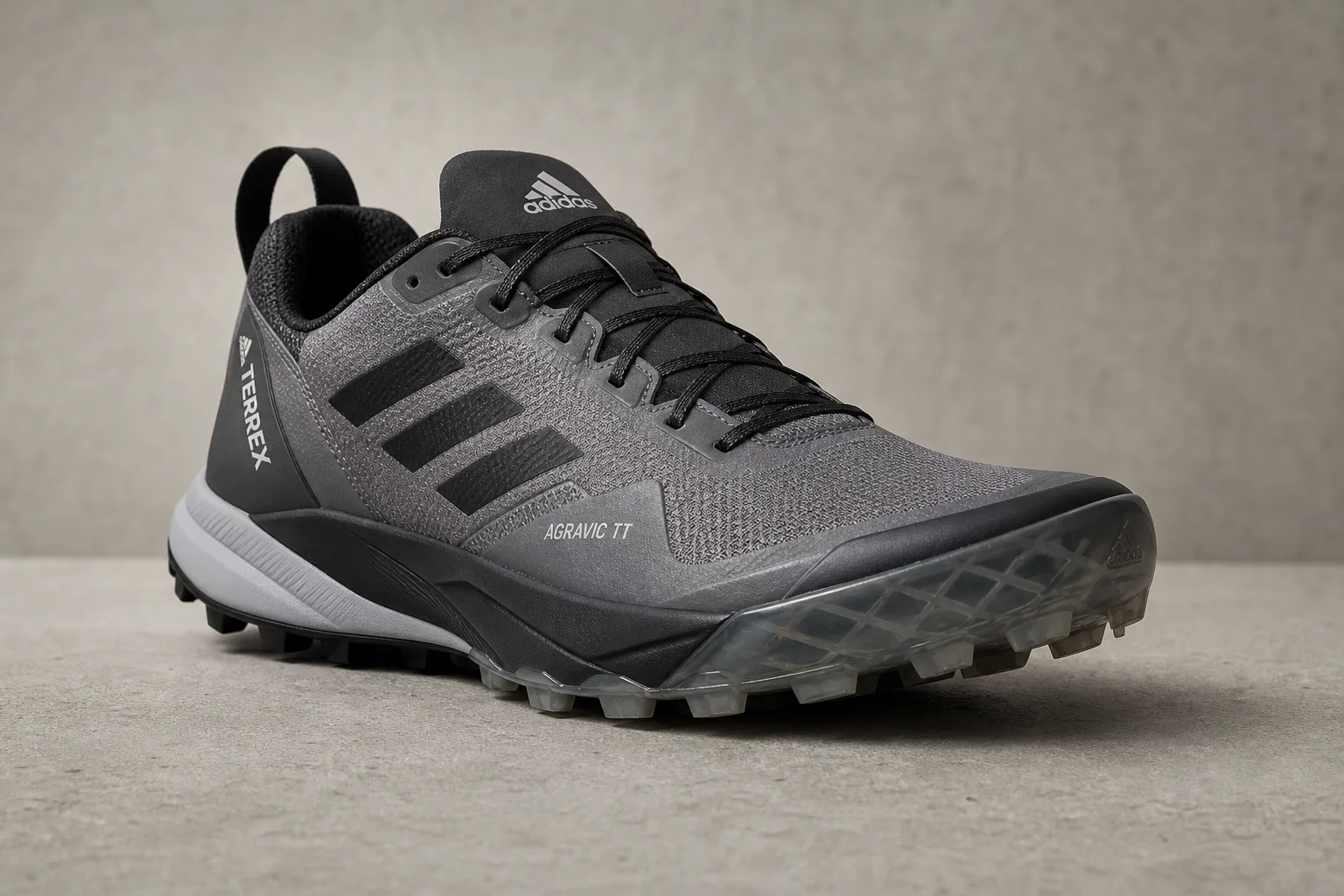
Adidas Terrex Agravic TT Review: A Technical Trail Shoe Built for Rocky Terrain
The Adidas Terrex Agravic TT combines a full-coverage rock plate with a firmer midsole to deliver protection and stability on technical, rocky trails. A capable choice for runners who prioritize underfoot defense over lightweight cushioning.
Trail Running Shoes
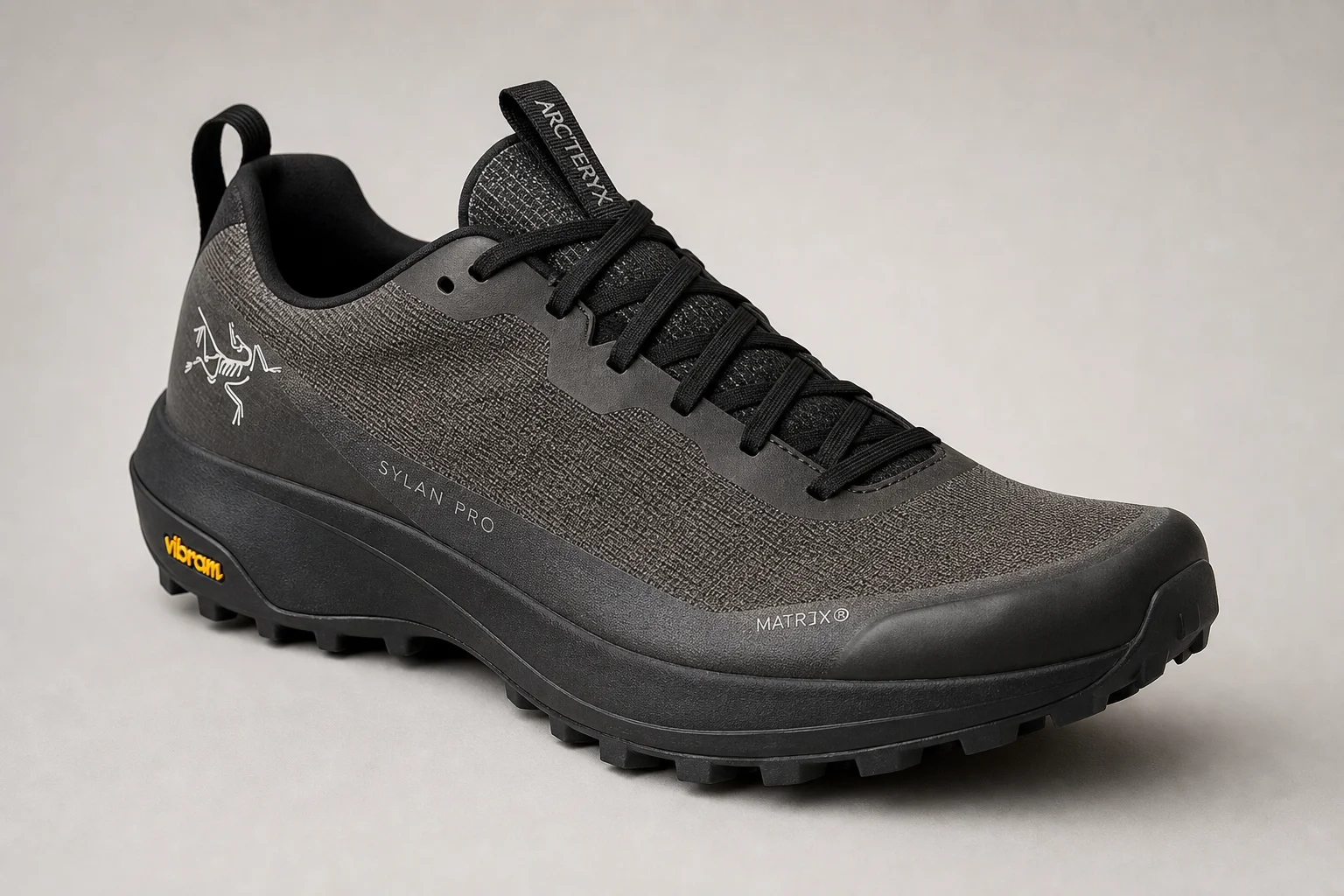
Arc'teryx Sylan Pro Review: A Rocker-Focused Mountain Running Shoe Tested on 20 Miles
The Arc'teryx Sylan Pro brings a pronounced rocker geometry and secure fit to mountain terrain. We tested it on a 20-mile Sawtooth loop to evaluate its climbing efficiency, protection, and handling of technical descents.
Trail Running Shoes
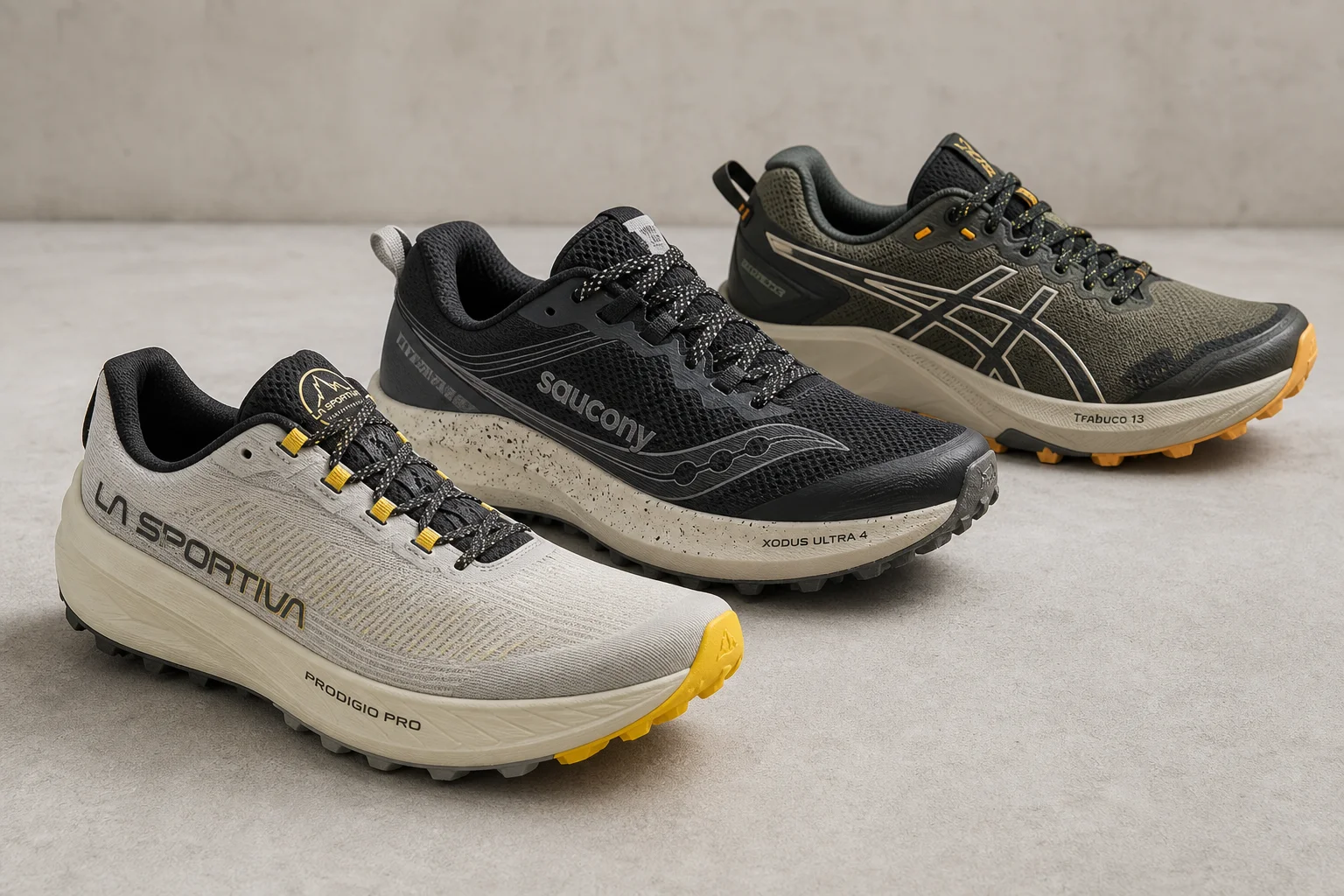
Best All-Mountain Trail Running Shoes: Three Versatile Options for Any Trail
A focused roundup of three all-mountain trail running shoes that handle technical terrain, long distances, and variable conditions with real strengths and practical trade-offs.