Tools
Vintage Craftsman and Sears Tools from the 1980s: Do They Still Hold Up?
A nostalgic deep dive into eight classic Craftsman and Sears tools, tested against their modern equivalents.
Introduction
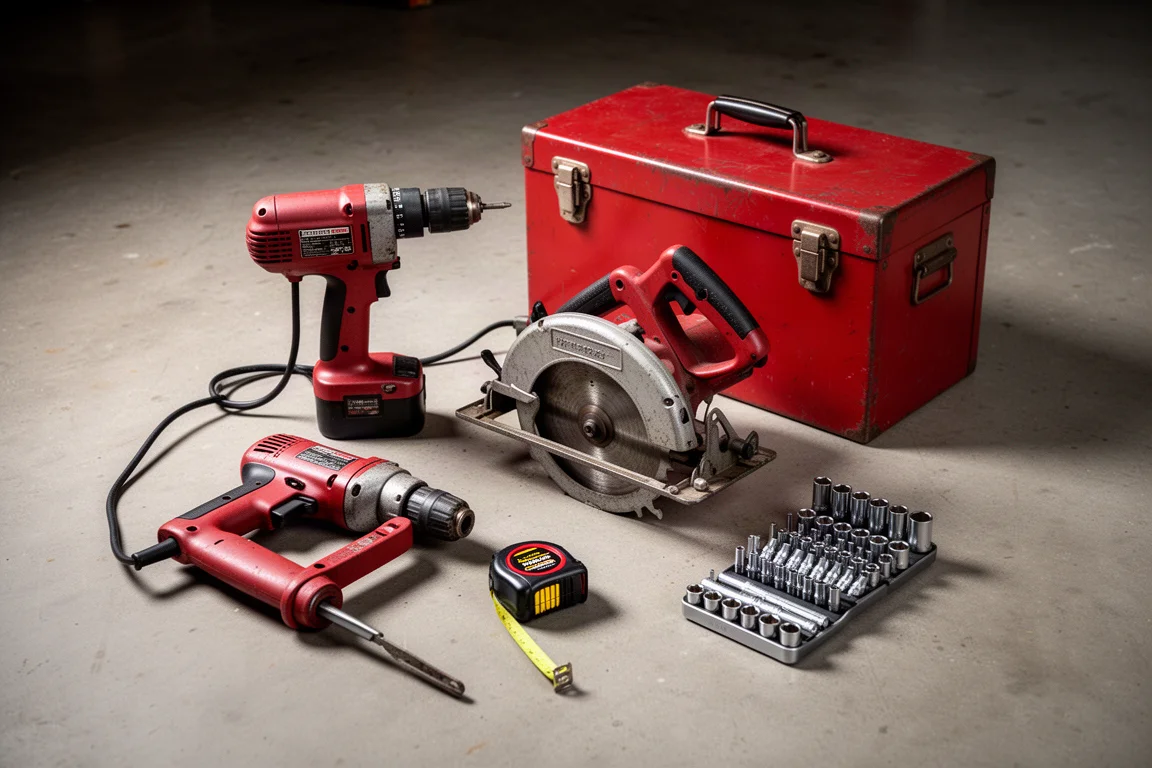
If you grew up in the 1980s, there is a good chance your first exposure to tools happened in a garage lined with red metal boxes from Sears. This roundup revisits eight classic Craftsman and Sears products, including the 3/8-inch electric drill, the 7-1/4-inch circular saw, a pad sander, a compact tape measure, and even an early cordless jigsaw. Each one was handled, tested, and compared against a modern equivalent to see whether the old guard still earns a spot on the bench.
Some of these tools impressed us far more than expected. Others serve better as nostalgia pieces than daily drivers. Below, we break down what still works, what does not, and who each tool makes sense for today.
Craftsman 315.10490 3/8-Inch Electric Drill
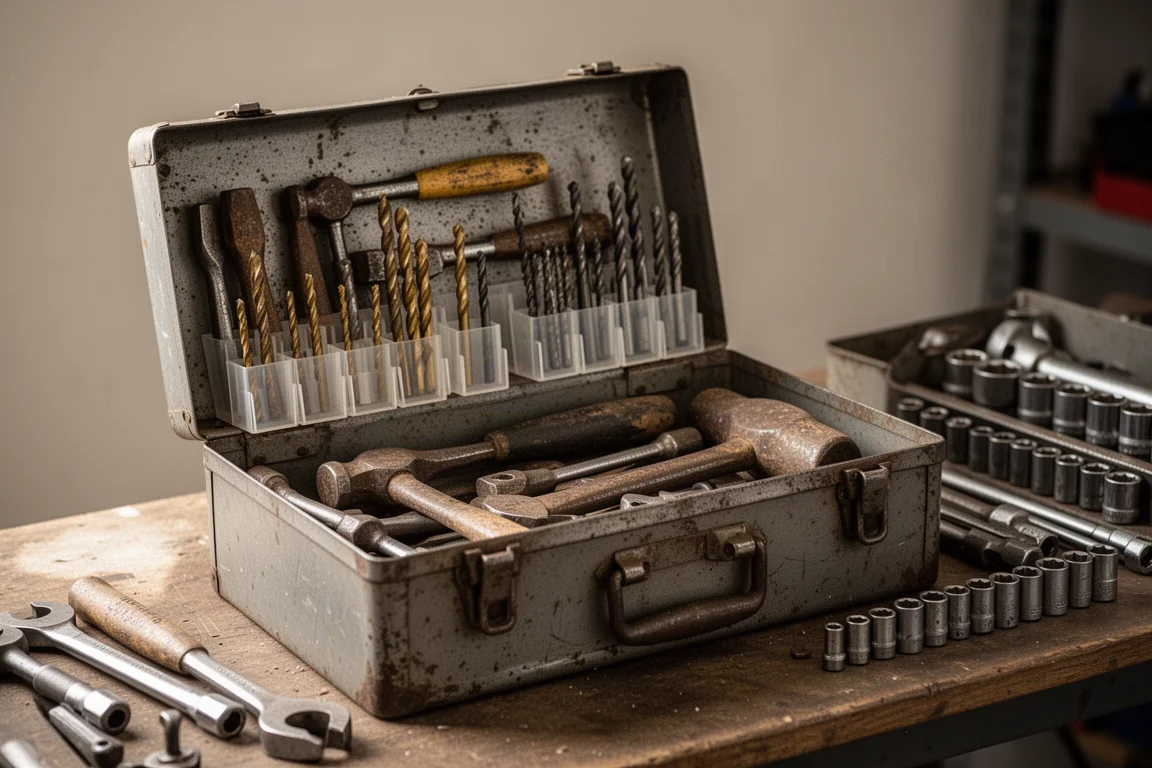
The Craftsman 315.10490 is a double-insulated, reversible, variable speed 3/8-inch electric drill. Vintage catalog listings show it retailed for $29.99 back in the day. It still runs, and the variable speed trigger works as advertised: deeper trigger depression means faster rotation, and the trigger locks in place for continuous work.
The biggest practical downside is the keyed chuck. You have to keep the chuck key with the drill at all times, a chore modern keyless chucks eliminated entirely. Compared side by side with a current plug-in Craftsman drill, the modern version is the same overall length but clearly more powerful, with a larger keyless chuck. The old drill gets the job done, but it is underpowered by today’s standards.
If someone hands you one for free, it might serve for an occasional hole. Otherwise, the modern equivalent is the better purchase.
Craftsman 7-1/4-Inch Circular Saw
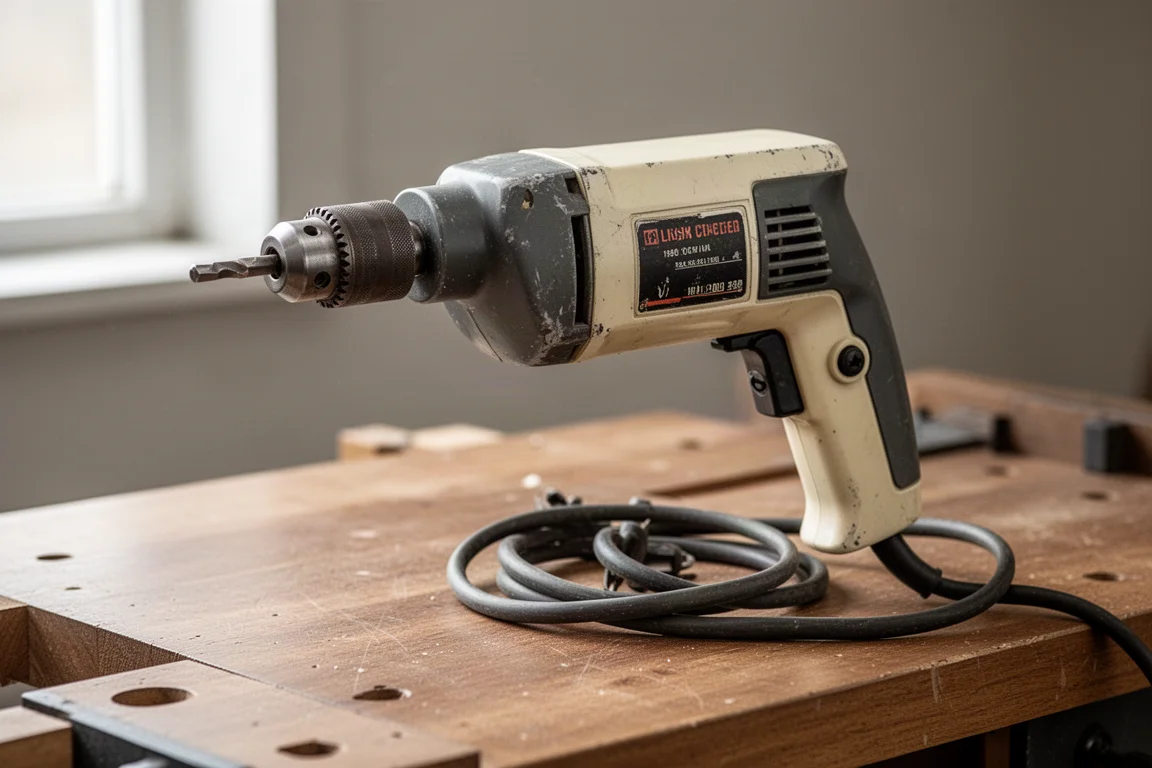
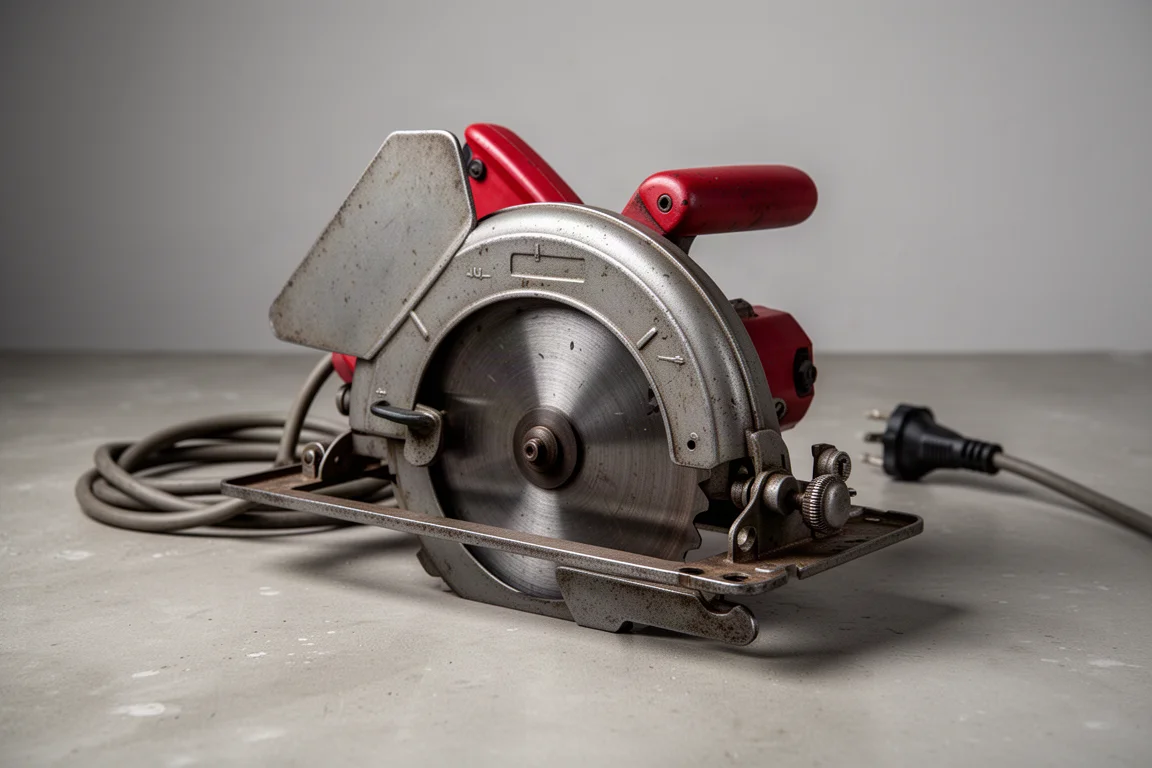
This Sears Craftsman 7-1/4-inch circular saw is a sidewinder design that has barely changed in principle over the decades. It features a 2.5 horsepower motor, 5,000 RPM, a locking plate for depth, a bevel adjustment with a knurled knob, a cam lock, and it even came with an edge guide and blade key. It retailed for $41, was made in the USA, and mostly uses metal construction rather than plastic.
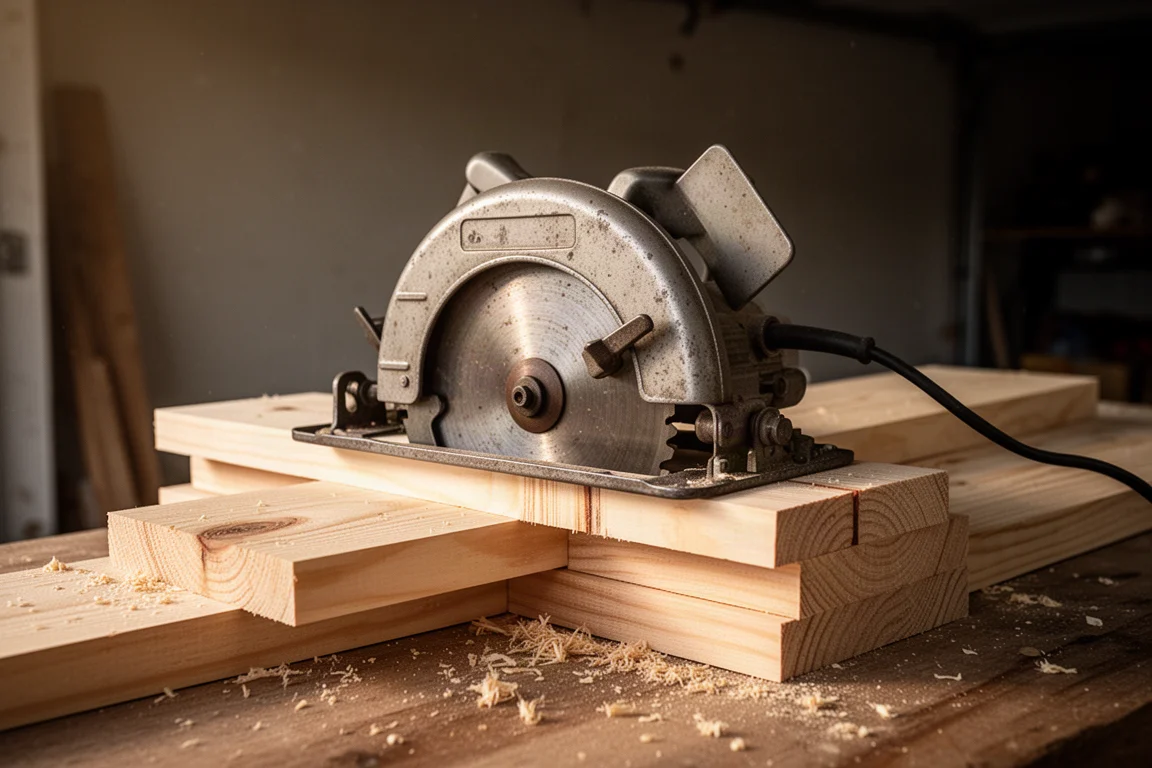
In testing, it cut cleanly and without breaks, though it is loud, running between 104 and 106 decibels. The modern equivalent, at around $80, is far more compact with a smaller motor and more plastic, but it was only 5 to 7 decibels quieter. Surprisingly, the old saw’s depth cam lock felt smoother than the new one. If you find one in good shape, it remains a genuinely usable cutting tool.
Craftsman Pad Sander
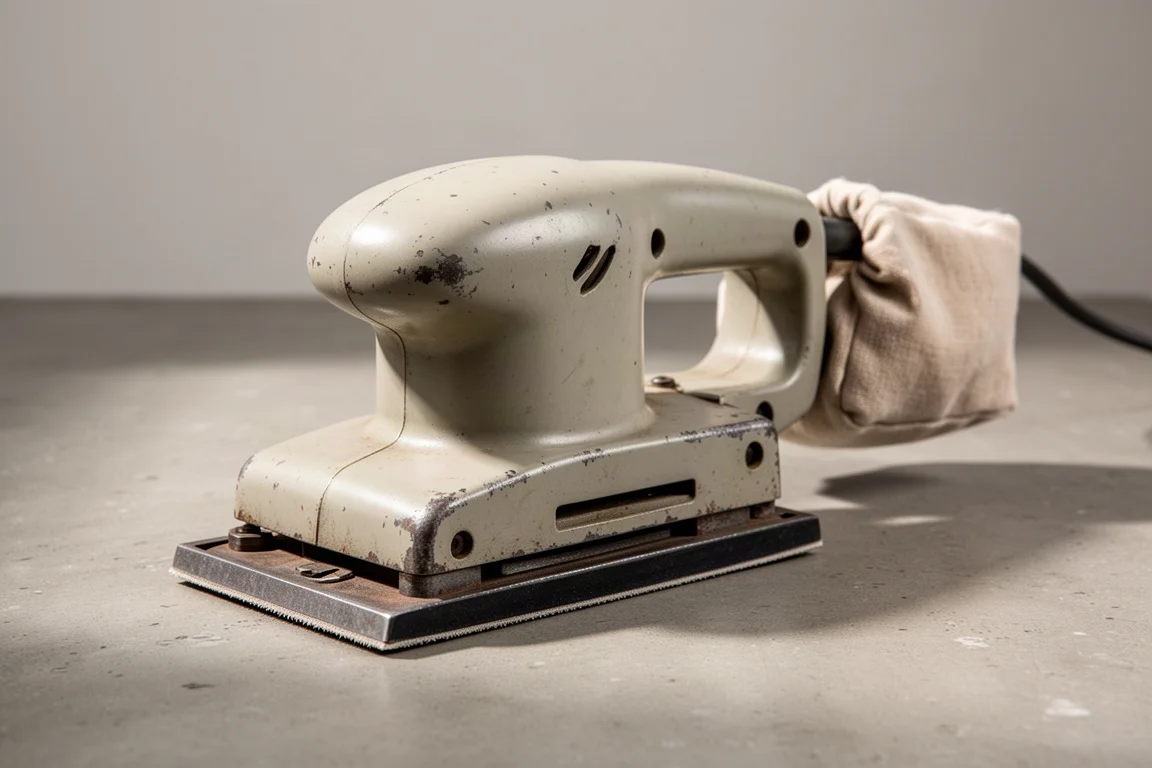
The pad sander, known today as a sheet sander, is an odd-looking machine by modern standards. This example retailed for around $28 in 1990 and came with a cloth dust collection bag you tie on and empty when half full. You make your own sandpaper loops, tuck the paper under clamps and hooks, and choose between a straight-line stroke or random orbit mode via a removable cover.
It vibrates heavily rather than truly sanding like a belt sander, and dust collection is questionable at best. A modern sheet sander at around $50 is far better at actual material removal. This is one tool category that has genuinely evolved, and we recommend the modern route for real projects.
Sears 3/4-Inch x 20-Foot Tape Measure
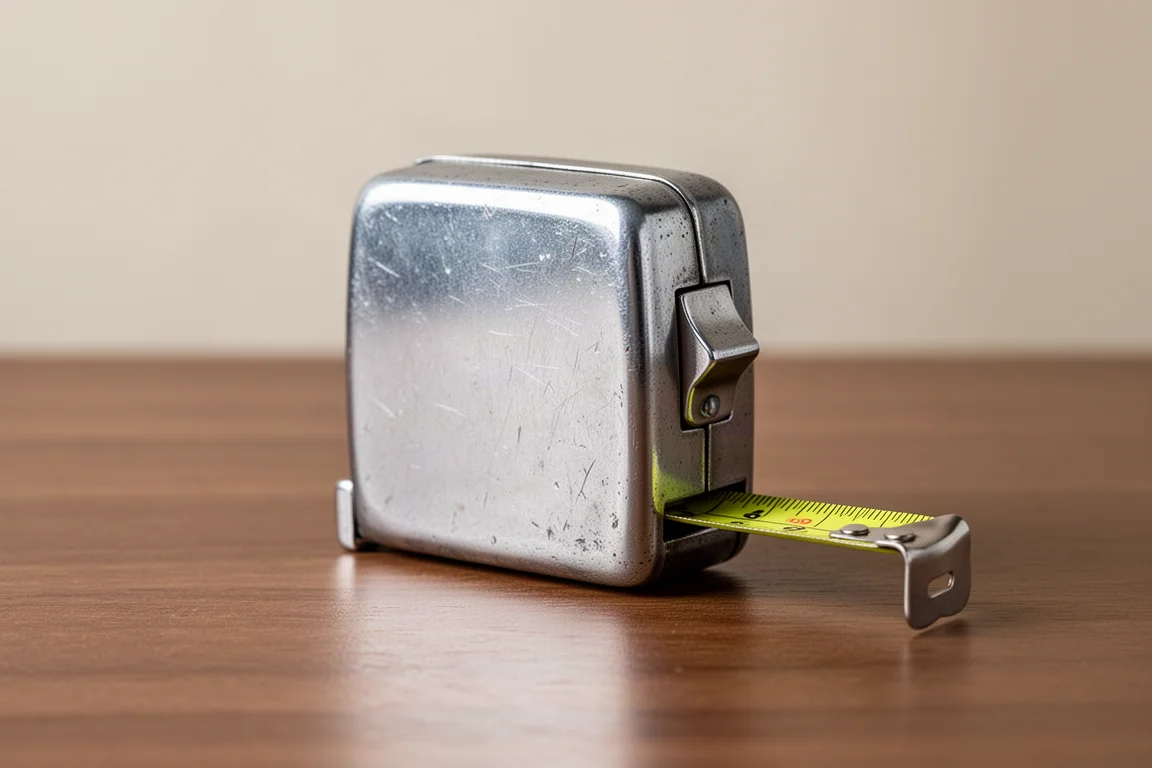
This Sears 3911 tape measure is a 3/4-inch by 20-foot tape with a steel case, an actual locking button, and a made-in-USA label. It weighs just 11.6 ounces. For comparison, a modern 26-foot Stanley weighs 13.8 ounces, and a current 16-foot Craftsman weighs 10.9 ounces while being larger. The old tape has real heft and charm.
In the standout test, where the tape is extended horizontally until it breaks or buckles, this vintage tape managed 10 feet 2 inches, which is respectable for its era. Ergonomically, though, it falls short: it pinches when you hook a finger underneath, and the lock button placement is awkward. Priced at $7.99 in the late 1980s, it is a fun collector piece rather than a daily carry.
Sears Socket Wrench Utility Set
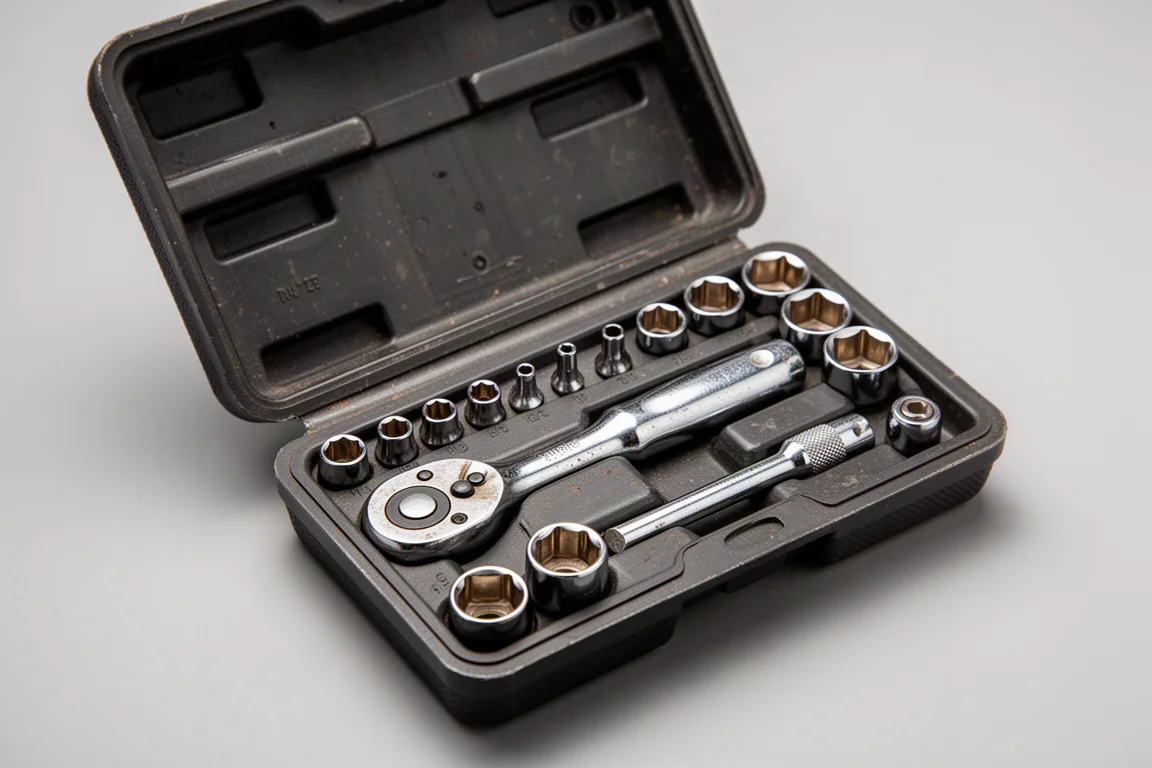
This household socket wrench utility set is one of the more disappointing finds. It includes seven standard 3/8-inch sockets, eight 1/4-inch sockets ranging from 1/4-inch up to 3/8-inch, a pair of channel locks, a screwdriver, and Allen keys still stapled in place. Notably, the sockets are not marked Craftsman, suggesting Sears sold non-Craftsman product under its own branding, all of it made overseas.
A comparable modern set retails for around $15, and the vintage set was likely sold on a claim of 47 tools for $15. The tools in this kit are simply not good quality, and the blow molded case does not help. We would skip this one even for nostalgia purposes.
Sears Quint Hex Socket Set
A much more charming find, this Sears Quint hex socket set is an early mini combo kit with five sockets: 1/4-inch, 5/16-inch, 11/32-inch, 3/8-inch, and 7/16-inch, plus two square sockets for things like oil caps on small engines. It includes a spinner handle, an L handle, and a handy tray, all made in the USA.
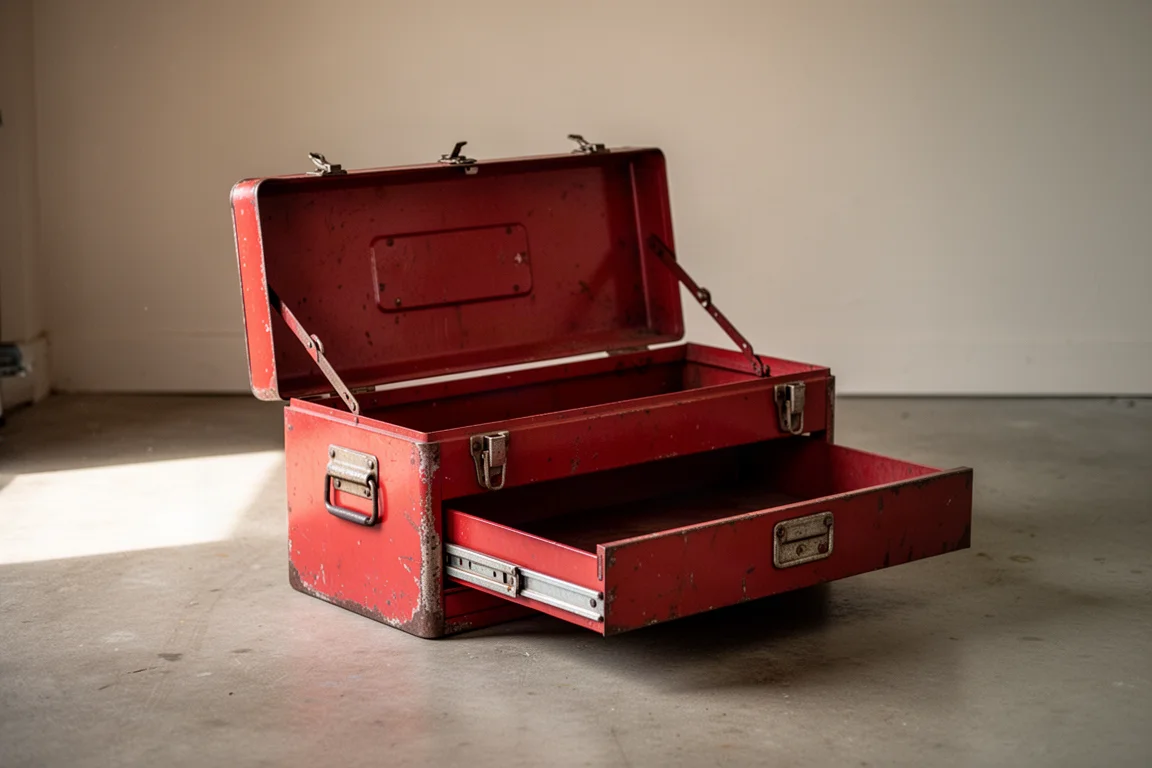
There is also a depression in the handle that lets you slide a socket onto it, which shows surprisingly forward-thinking design for its era. Pricing is unclear, but estimates put it between $2 and $10 in the 1980s. As a compact emergency kit for a glove box or tool drawer, it still makes sense.
Craftsman Red Tool Box
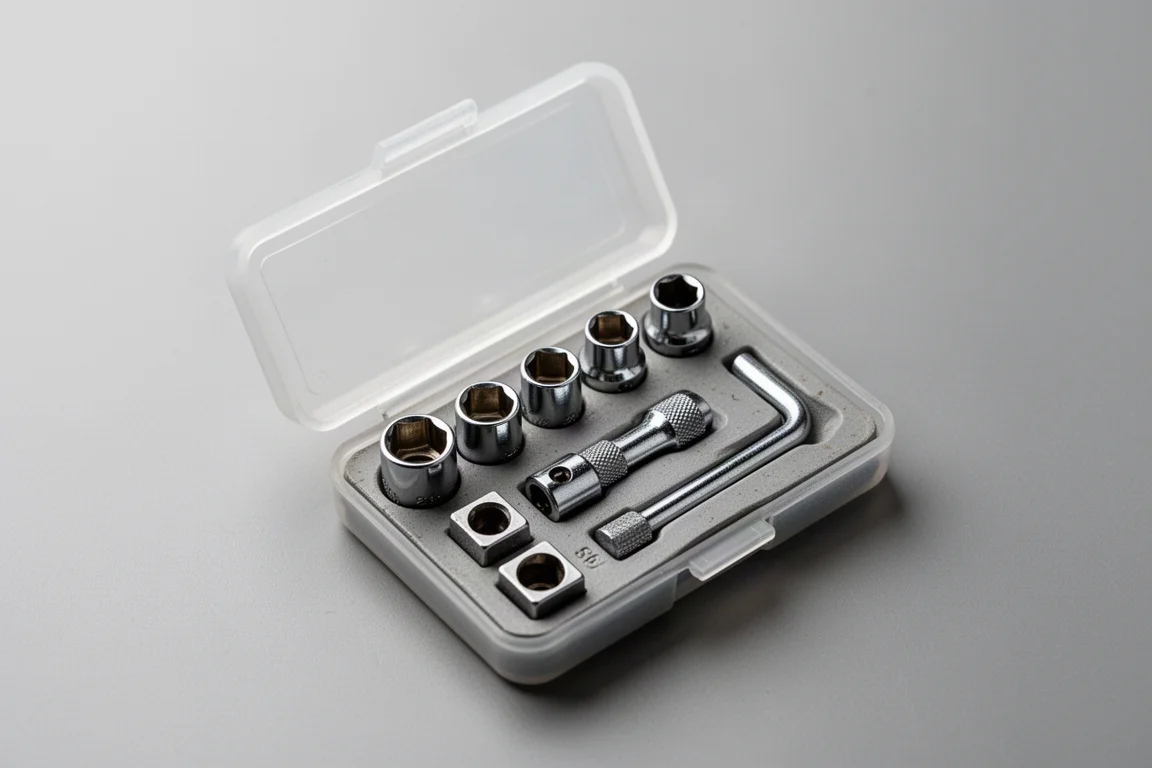
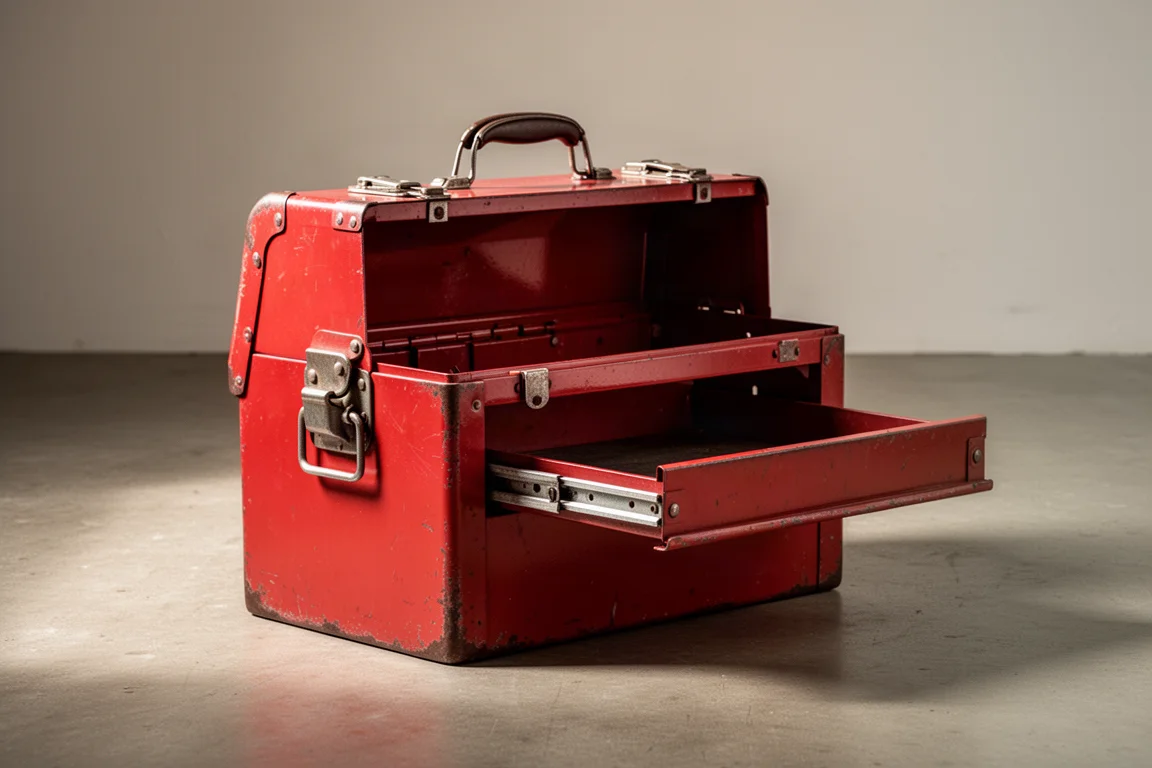
The red Craftsman tool box is possibly the most iconic item in this entire roundup. It sold for between $5 and $20 and is still everywhere at garage sales and online marketplaces. The design is minimal: a steel box with a single removable shelf inside, built to survive being loaded up and tossed in the back of a truck.
In our torture testing, both the vintage steel box and a modern $23 plastic equivalent survived a heavy chain drop and even a 15-foot forklift drop, which surprised us. The modern plastic box adds a top organizer tray and better latches, while the old steel box sounds like a drum and smells like decades of garage air. Either works; the vintage one wins on character.
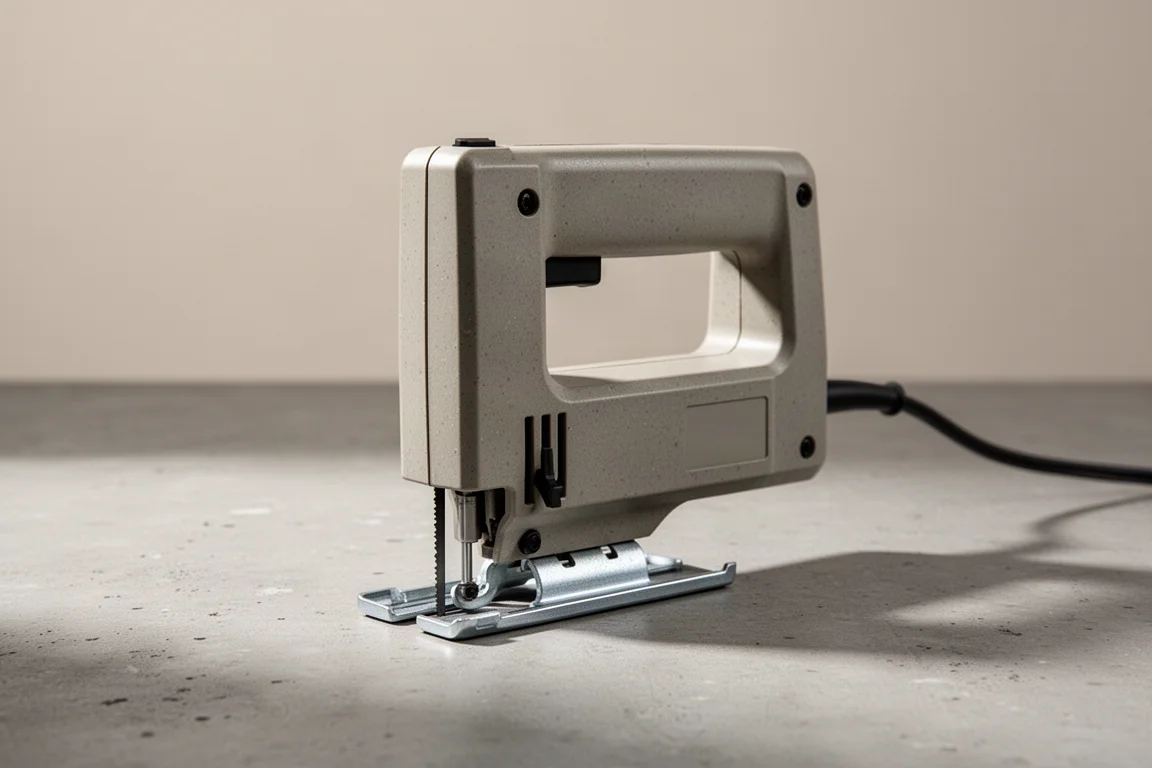
Craftsman Cordless Jigsaw
This may be one of the earliest cordless power tools ever sold. The Craftsman cordless jigsaw hides the battery inside the body, with charging taking hours, as vintage advertising proudly noted a full charge in a mere 4 hours. It sold for around $40 in the 1980s, with some documentation pointing to a release window in the 1970s and 1980s, and a marked-down price of $66 down to $35.
It uses U-shank blades, which require a screwdriver to change, unlike today’s toolless T-shank systems. The bevel plate also needs an Allen key to adjust. It is extremely light and smooth-running, but it cuts slowly, produces significant vibration, and has no blade brake, which is a genuine safety concern. A modern equivalent runs around $90, is larger, has multiple speed settings, a safety switch, toolless blade changes, and much faster cutting.
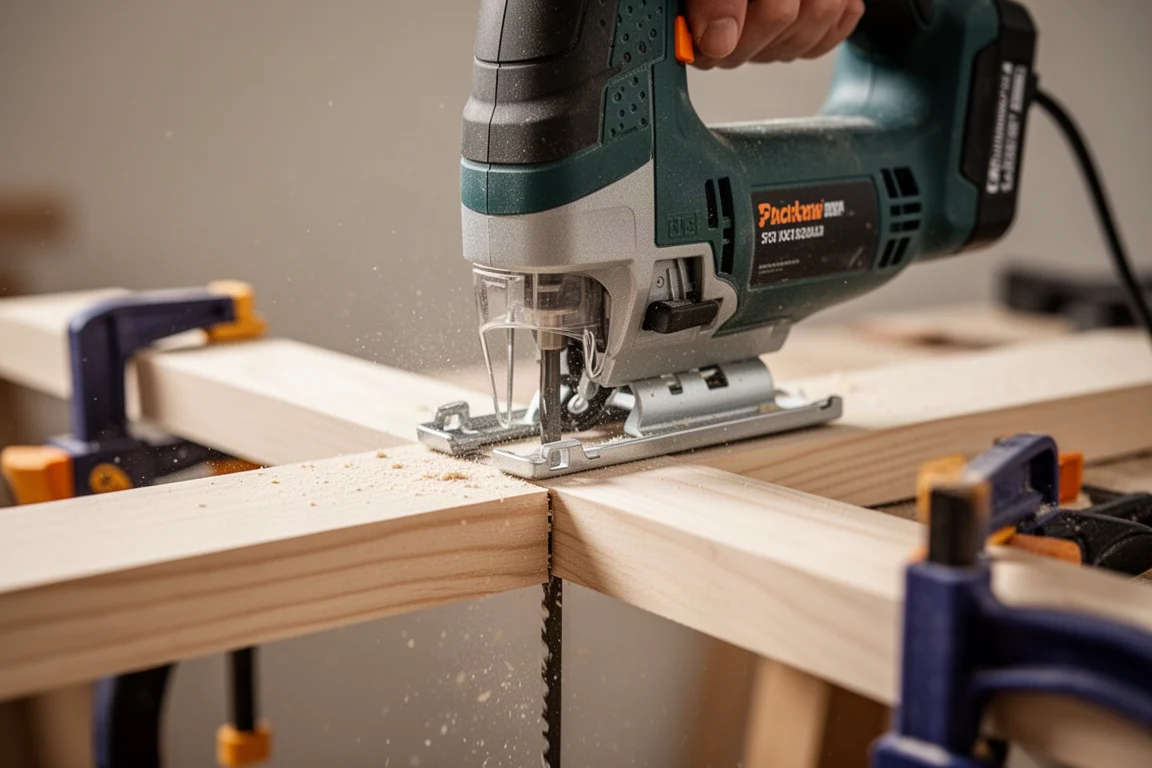
This one is worth owning as a piece of history rather than a working tool. If you do use older tools regularly, keep the lack of a blade brake in mind.
Overall Buying Advice
The pattern across this roundup is clear. Hand tools and storage from this era, like the red tool box and the steel tape measure, hold up remarkably well and remain practical. Power tools tell the opposite story: modern motors, keyless chucks, toolless blade changes, and better ergonomics make vintage corded and cordless tools a nostalgic novelty rather than a smart purchase.
If you spot these at a garage sale, the tool boxes, tape measures, and US-forged hand tools are worth picking up. The power tools are best left to collectors unless they come free.
Conclusion
Craftsman and Sears tools from the 1980s carry real sentimental weight, and a few of them still perform. But for anyone buying today, modern equivalents offer meaningful improvements in safety, power, and convenience at similar or lower real-world prices. The best use for most of these classics is a spot on the shelf, and a story to tell.
Further reading
Related Reviews

Tools
Best Contractor Grade Tape Measures 2026: Eight Models Tested Head to Head
We tested eight contractor grade tape measures from Milwaukee, DeWalt, Crescent Lufkin, Tajima, Stanley, Irwin, Gelan, and Craftsman to find the best value and performance.

Tools
Best Precision Screwdriver Sets 2026: Manual and Electric Options Compared
We compare 19 precision screwdriver sets, from budget manual kits to electric drivers, to find the strongest bits and best value.

Tools
Best Stud Finders 2026: Five Popular Models Put to the Test
We tested five popular stud finders on drywall, firewall, and lath and plaster surfaces to see which ones really find studs and avoid false readings.