Running Shoes
Vimazi Z40 Review: A Pace-Tuned Tempo Trainer That Rewards Faster Running
The Vimazi Z40 is a pace-tuned tempo trainer with a firm, responsive ride, durable outsole rubber, and a fit aimed at faster feet. Here is what to check before buying.
Introduction
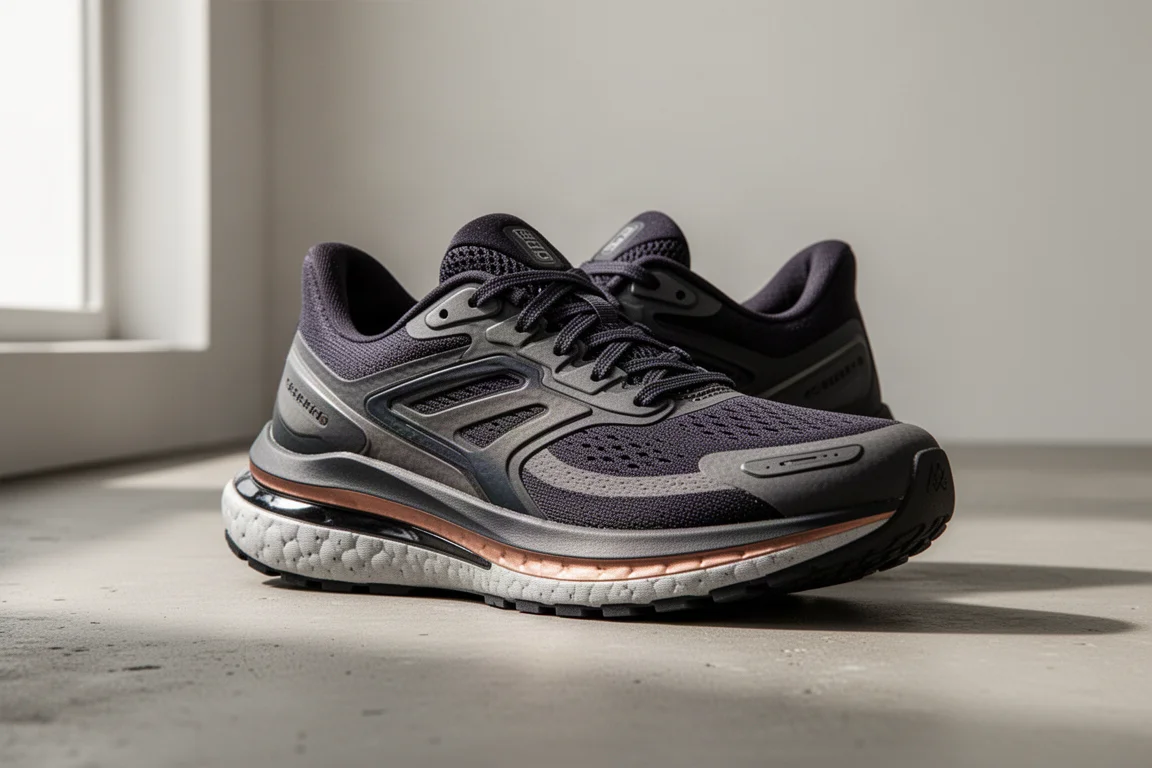
The Vimazi Z40 is the first release from a brand-new running manufacturer, and it takes an unusual approach: the shoe is pace tuned, built specifically for runners moving between 6:15 and 7:45 per mile, roughly the lower four-minutes-per-kilometer range. That tuning means the brand uses different types and amounts of cushioning in the heel and the mid to forefoot, so the ride is calibrated for a specific speed window rather than trying to do everything for everyone.
The version tested here is a UK 11 / US 11.5, coming in at about 308 grams (10.9 ounces), with crude stack height measurements around 38 millimeters in the heel and approximately 33 millimeters in the forefoot, giving about a five millimeter drop. For context, a shore durometer reading puts the midsole foam at 38 and the outsole rubber at 60, which is noticeably firmer rubber than the average of around 28 seen across many shoes. Underfoot, the widest points measure about 11.3 centimeters in the mid to forefoot and 8.6 centimeters in the heel, a profile broadly similar to the Puma DV8 Nitro 2.
One practical note up front: sizing runs slightly snug, and going up a half size from your standard is a sensible move, especially if you plan to use the Z40 for a half or full marathon where a little extra toe box room matters.
Who This Product Is For
The Z40 is unapologetically a tempo and faster-days shoe. It wants to be run at tempo pace or above, hitting its stride from around 7:30 per mile and upwards, where it feels genuinely responsive on reps, intervals, and sprints. It is not the shoe to reach for on slow, easy daily runs.

Runners who enjoy the responsive, traditional ride of shoes like the Adidas Adios 6 or 7, or who find overly squashy trainers unappealing in training, will feel right at home here. There is no plate, no air unit, and no gel anywhere in the shoe, just a firmer, more connected experience that rewards a strong foot strike. It is positioned as a high-tempo trainer rather than a race-day shoe, and that is exactly how it earns its place in a rotation.
Main Strengths
The upper is a striking design with nothing quite like it on the market. It uses an ungusseted, free-floating tongue with extra padding at the top to keep lace pressure off the foot, and the overall fit runs somewhat narrow, closer to the Puma Last from 2022. Numerous overlays creep up around the medial and lateral sides of the forefoot, and combined with a thicker upper, they deliver a genuinely locked-in feel suited to higher-paced running. Reinforced final eyelets with small metal rivets should extend durability, and the heel area uses flared fins rather than a traditional plastic heel counter, a design that still holds the foot securely while echoing the New Balance Beacon and 1080 approach.
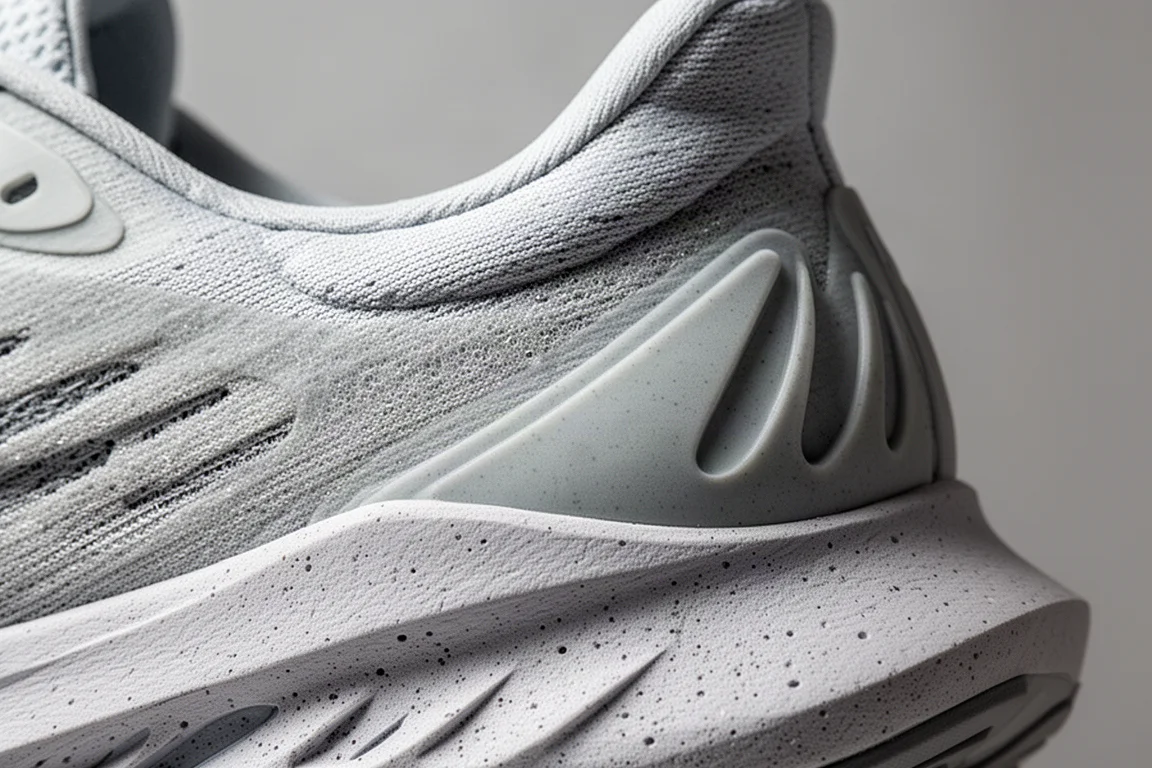
The midsole is the heart of the shoe. The Z Foam is resilient and responsive, and it benefits noticeably from break-in, feeling better the more miles you put in. The ride is firmer than the trend but stable and assured, with rearfoot cushioning that held up well even coming down steep hills. The five millimeter drop feels absolutely fine in practice, and runners who like Hoka or New Balance bounce-style shoes may find themselves comfortable here. Durability looks promising too: this is not a crumbly foam that tears apart quickly, so the shoe should hold up well across a training block.
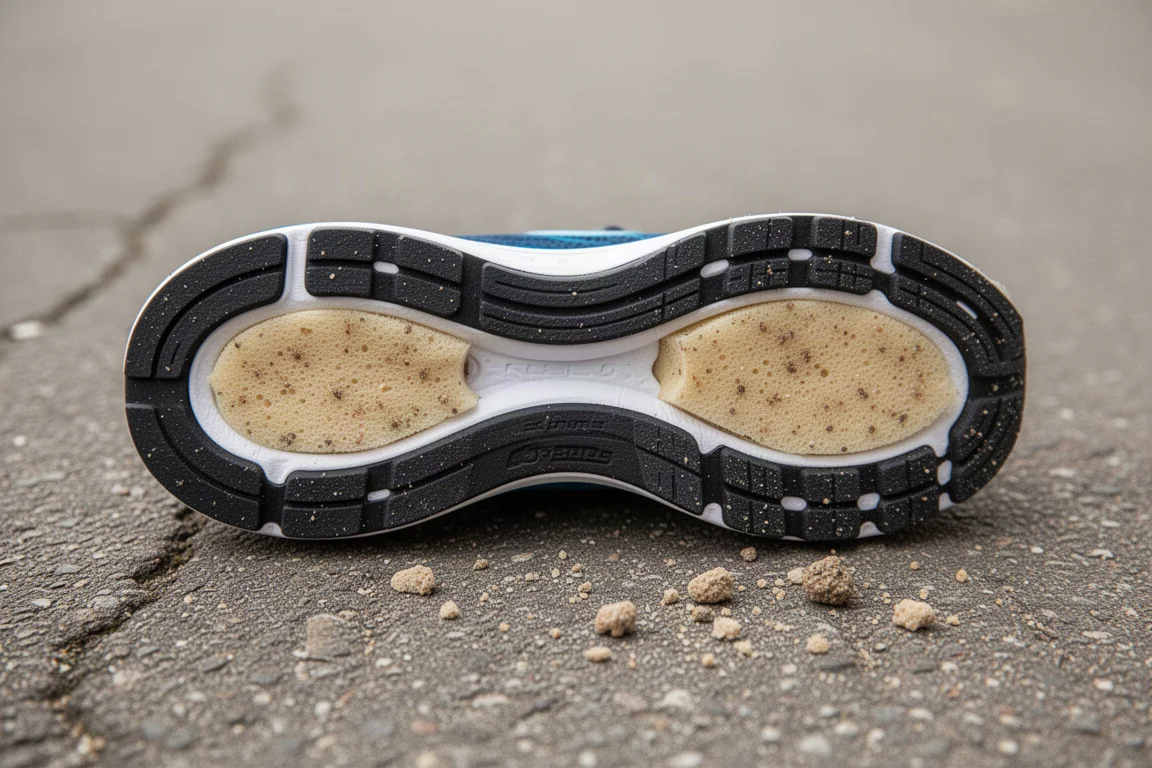
The outsole deserves credit for grip and structure. There is considerable rubber around the edge of the outsole and in the heel, plus a rubberized logo element, and traction was completely assured with no issues whatsoever. The broad surface area also contributes to the shoe’s stability.
Things to Consider Before Buying
The exposed rubberized foam in the midfoot is the main annoyance: it picks up stones and grit easily, and clearing them out is a small, regular chore. The outsole picks up some wear on rough surfaces, though no damage occurred even after running over rocks, and on tarmac or concrete the outsole should not give you much trouble unless you habitually run along the edges of roads where debris collects.
The stock insole is worth a look too. It comes with a noticeable build-up of foam around the arch that some runners may find intrusive. Swapping it for a thinner insole with minimal arch support improved the underfoot feel and even reduced the shoe’s weight to around 294 grams, roughly half an ounce lighter. The insole is not glued in, so this is an easy change.
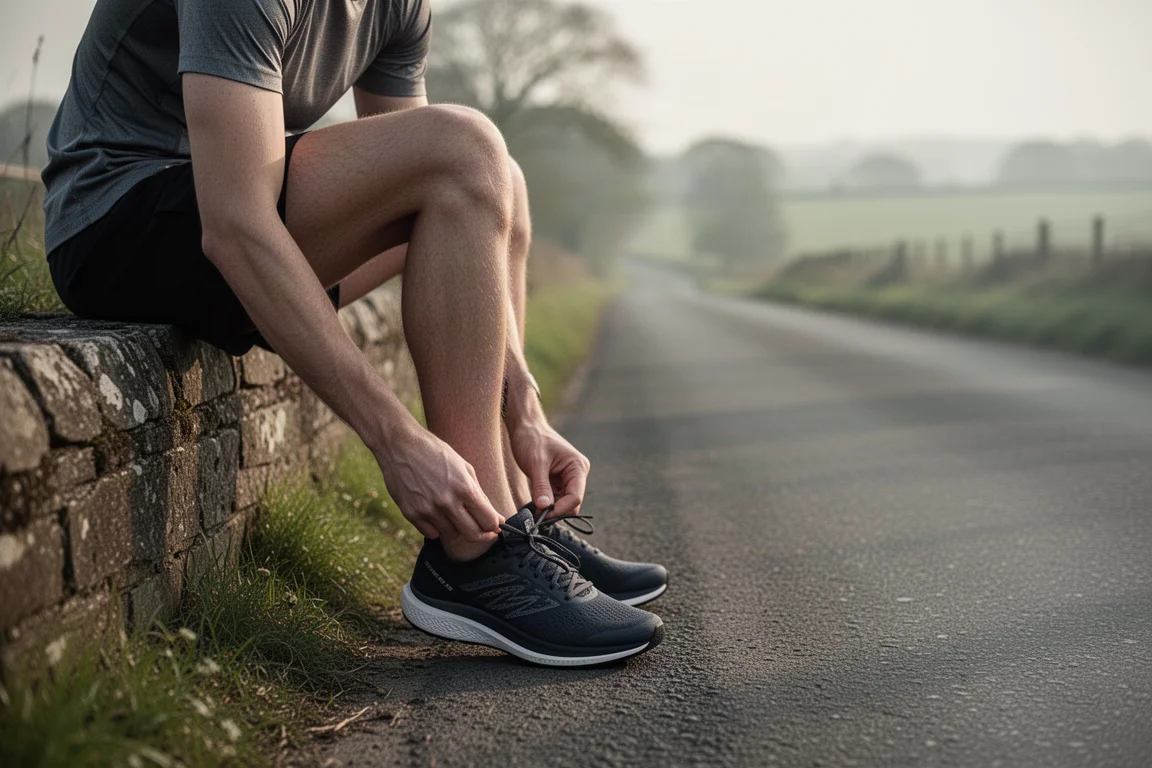
A few smaller fit quirks: the flat, coarse laces stay tied well, but they are not quite long enough for a runner’s knot if that is your preference, and the metal rivets reach back far enough that the tongue does not fully cover the last ones, though no irritation occurred. Switching to over-and-under lacing improved lockdown and reduced pressure around the first few eyelets. The upper also runs on the warm side, worth considering if you run in hot conditions. Finally, the pace-tuned concept is still young, and the roughly $175 (about £140) price may feel high for a first iteration from a new company, though free US shipping is offered.
Buying Advice
If your training revolves around fartlek work, kilometer reps, mile intervals at marathon or half marathon pace, or the occasional quicker 10K, the Z40 slots neatly into a rotation as a dedicated tempo trainer. Pace it toward the upper end of its intended range, around 6:15 per mile or 3:55 per kilometer, and it really moves.
Buy it if you value a responsive, stable, firmer ride over the maximal squash of modern super-cushioned trainers, and if you are happy to swap the insole and tolerate a bit of grit picking. Consider sizing up a half size, and if you prefer over-and-under lacing or a runner’s knot, budget for a longer aftermarket lace. The pace-tuned idea genuinely works here, and future iterations will likely refine the design further, but as a first effort the Z40 already stands out in a crowded market for trying something different rather than following the carbon-plate cookie-cutter trend.
Conclusion
The Vimazi Z40 is a well-crafted, distinctive tempo trainer with a locked-in upper, resilient foam that improves with miles, and assured grip. It is not chasing the bouncy trend, and that is precisely its appeal: a stable, assured, higher-paced shoe for runners who know their tempo pace and want a tool tuned for it. With an overall score of 10.1 out of 12 across upper, midsole, outsole, and value after initial runs, it is a promising debut and an easy recommendation for faster training days.
Product link
View more details for Vimazi Z40
This product is mentioned in the review. Check the specifications, options, and compatibility before buying.
View more details for Vimazi Z40Further reading
Related Reviews

Running Shoes
Best Road-to-Trail Running Shoes: Three Versatile Options for Mixed Terrain
A practical guide to three road-to-trail running shoes that handle both pavement and mild trails, with clear strengths and trade-offs for different runner types.

Running Shoes
Best Running Shoes for Achilles Tendonitis: Three Options Explained
Three running shoes with different heel drops and support features designed to help reduce Achilles tendon pain during walking and running.

Running Shoes
Best Running Shoes for Women: Five Top Choices Ranked
A ranked guide to five women's running shoes, from versatile daily trainers to high-performance racing options, with real strengths and trade-offs for each.