Cookware
Viking PureGlide Pro Review: Non-Stick Performance Without a Coating
A stainless steel pan with a plasma-fused titanium cooking surface, tested for non-stick performance, scratch resistance, corrosion, and heat evenness over four months of daily cooking.
Introduction
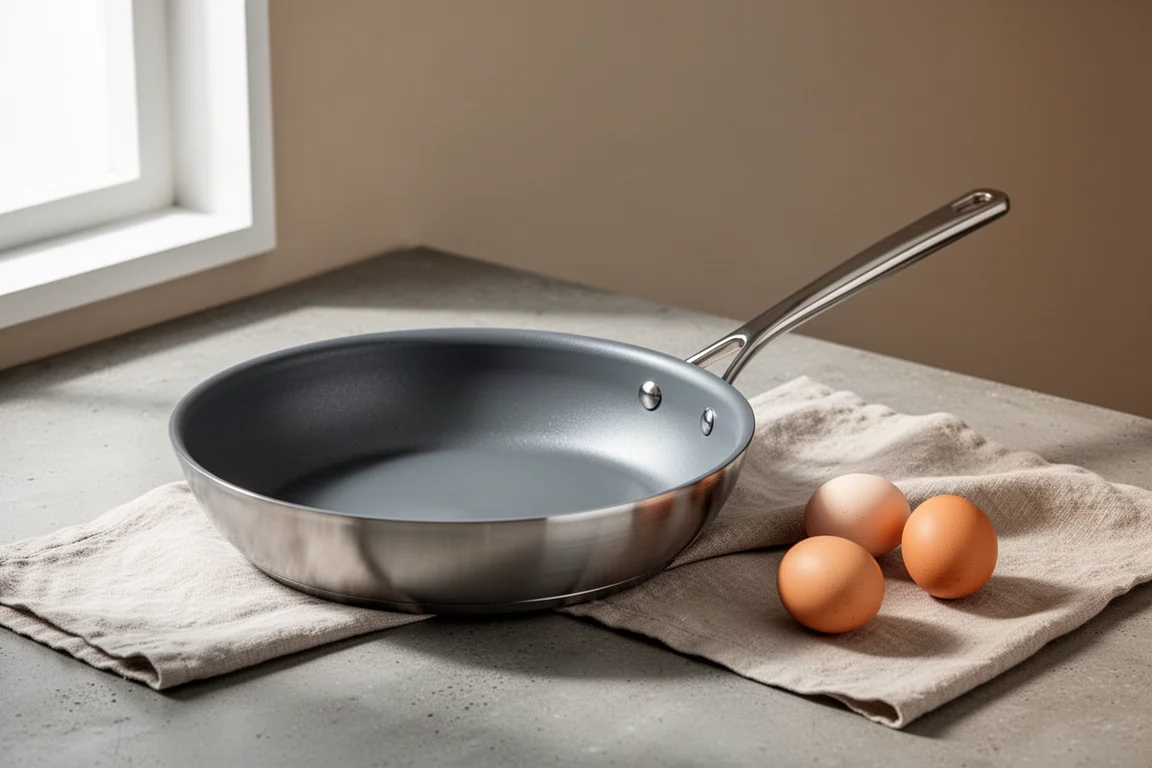
The Viking PureGlide Pro makes a bold promise: non-stick performance with no non-stick coating at all. The pan is stainless steel with an aluminum core, but the interior steel layer is topped with titanium applied through a plasma fusion process, essentially melted titanium sprayed onto the steel. The result is a matte gray surface that, at first glance, looks just like a coated non-stick pan.
To see whether the claims hold up, this pan went through controlled egg and pancake tests with and without fat, aggressive scratch tests with metal utensils and a serrated knife, a harsh salt-based corrosion test, and measured heat distribution checks. It was also used for everyday cooking, nearly every day, for four months. Here is how it performed.
Who This Pan Is For
The PureGlide Pro is aimed at cooks who want the convenience of non-stick without the usual worry about coatings wearing out, scratching, or flaking. If you have ever hesitated to use a metal spatula or whisk in a non-stick pan, this is the type of product built for you. It also suits anyone who cooks sticky foods like eggs regularly and wants predictable release without babying the surface. The trade-off is price: this is not a budget pan, so it makes the most sense for people who cook often and want a surface that should not degrade over time.
Non-Stick Performance Without a Coating
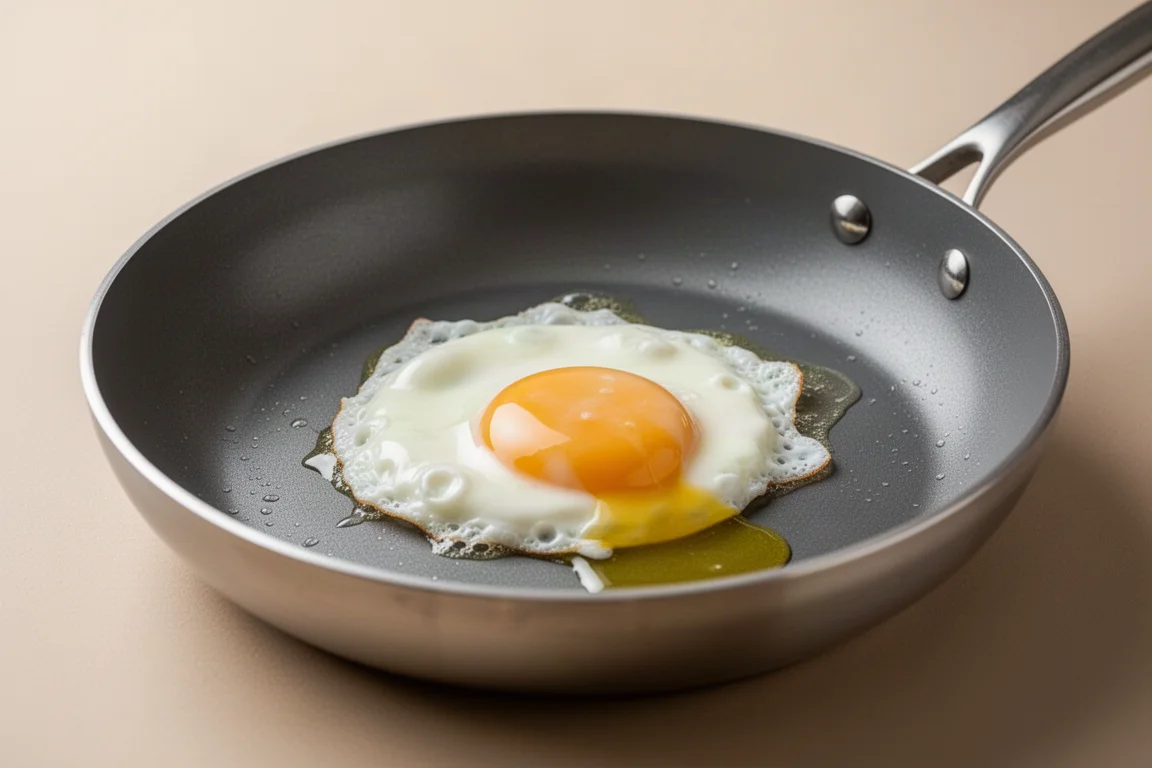
In the controlled egg test, the pan was preheated on medium-low until the cooking surface reached 325 degrees, then given half a teaspoon of oil and 2 grams of butter. The egg slid around with just a shake of the pan, no loosening with a spatula needed. Compared side by side with several other titanium pans and a stainless steel pan, the Viking was the slickest; the others needed a nudge with a spatula.
With no fat at all, the egg stuck a little in a few areas but could still be flipped without ripping, which is genuinely impressive. The comparison pans stuck badly, and the only other pan that passed that test was Our Place. Pancakes told a similar story: with a little butter, every pan passed, but without butter the pancake released cleanly from the Viking while sticking slightly to some of the others.
Four months of near-daily cooking added a useful pattern: butter makes the biggest difference. With butter, or a mix of oil and butter, release was consistently non-stick every time. With oil alone, results were less predictable, partly because oil flows around the pan and can leave parts of the food sitting over bare steel unless spread evenly with a paper towel.
Scratch and Durability Testing
Viking claims the pan is metal utensil safe, three times harder than stainless steel, and able to withstand 5,000 cycles with a pizza cutter. Several scratch tests put those claims under pressure.
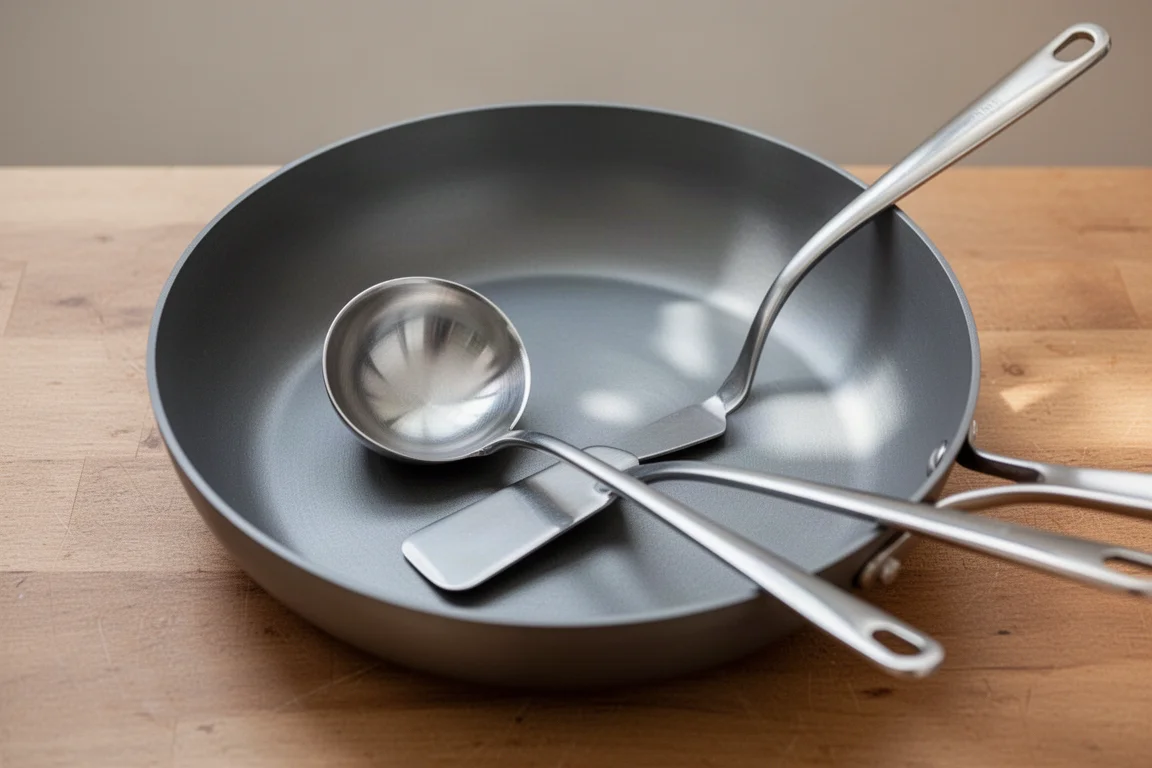
A metal ladle weighted with 5 pounds was scraped across the pan 50 times, then the same was done with a metal spatula. White marks appeared that looked concerning at first, but they turned out to be metal dust transferred from the utensils, and they wiped right off with no permanent damage. Some competing pans came away with visible scratches you could feel with a fingernail.
Next, a serrated steak knife weighted with 130 grams of magnets was rubbed across the surface 15 times. Still no scratches or damage. The same test on a traditional non-stick pan cut right through the coating. A heavy-duty scrub sponge, green side down, under a 5-pound weight and pushed back and forth 20 times also left no damage. Finally, a stand mixer ran a metal whisk in firm contact with the surface for 30 seconds; the white marks were again just whisk dust, leaving only a faint circular mark visible in certain lighting, with no indentation or actual scratch.
After all of that, the egg test was repeated with the same half teaspoon of oil and 2 grams of butter. The egg did not stick at all. The surface had lost nothing.
Corrosion Resistance
Titanium pans are also claimed to resist corrosion better than stainless steel, so the pan faced an aggressive pitting test: 20 grams of non-iodized salt and 20 grams of filtered water left in the pan for an hour, heated on high until the water evaporated, then left another hour before cleaning and inspection. Three full rounds.
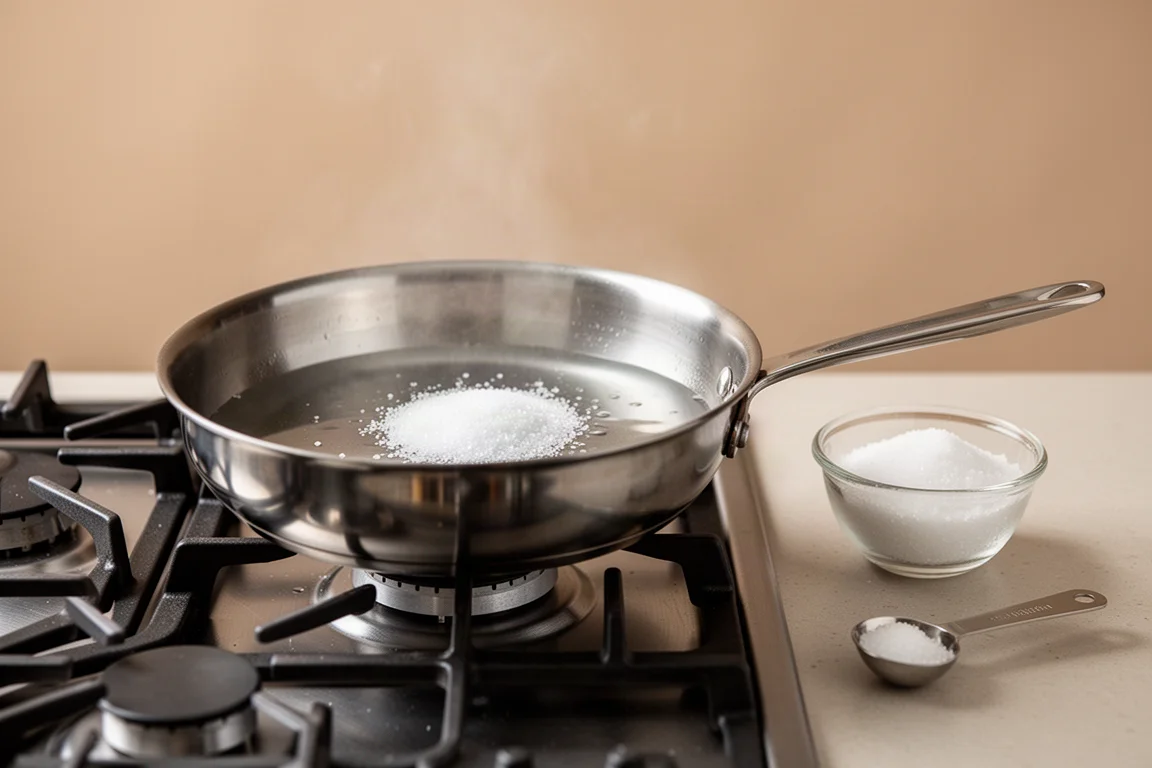
The Viking showed zero signs of pitting or corrosion. A stainless steel pan run through the same test developed dark spots after the first round that could not be removed with vinegar or Barkeeper’s Friend, and by the third round the spots were eating into the steel with indentations you could feel.
To be fair, this is an extreme test. If you add salt after the water boils and never leave salty food sitting in your pans overnight, pitting should not be an issue with ordinary stainless steel. But the Viking handled the worst-case scenario without any damage at all.
Heating and Everyday Cooking
After 2 minutes on medium heat, the center of the pan reached 375 degrees F. That is a little slower than most stainless steel pans, though not a big deal; it simply means giving it an extra minute to preheat. Evenness is where it stands out: after 2 minutes on medium, the gap between the center and the outer edge was only 35 degrees, compared with an average gap of around 80 degrees for pans of this type. Food browns evenly across the whole surface instead of darkening in the center while the edges stay pale.
For heat retention, the pan was heated to 400 degrees and removed from the burner; after 5 minutes the surface had dropped to 125 degrees. It does not hold heat like thick cast iron, but that is not what it is designed for.
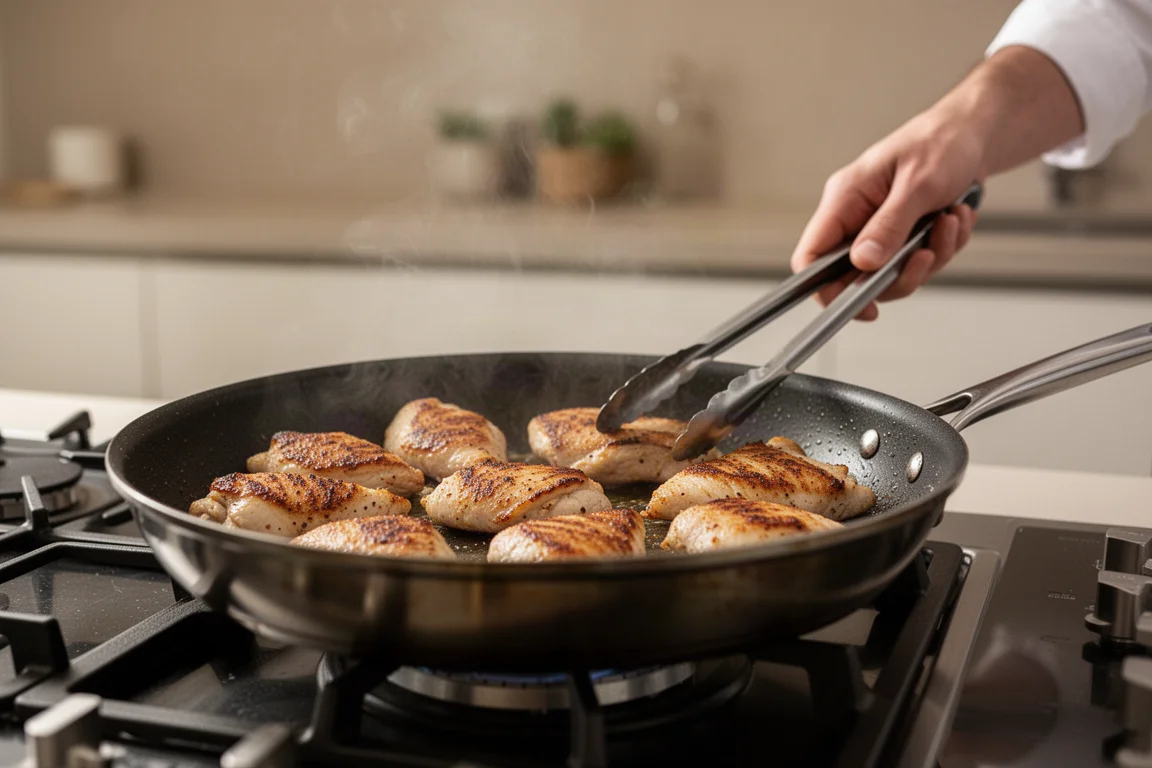
The real-world cooking experience has been excellent. It sears well, cooks evenly edge to edge, and holds a steady temperature. It does not overheat quickly and burn food, and it does not lose heat the moment something cold goes in. The pan is 2.8 mm thick, well balanced with good heft without being too heavy, and the wall height is ideal. The sloped walls make tossing and flipping food easy, and the pan is simply enjoyable to cook with.
Things to Consider Before Buying
There are two minor complaints worth knowing. The pan is not dishwasher safe, so plan on handwashing. And the handle angles up more than some cooks would like, which puts your wrist in an slightly awkward position while handwashing. Neither is a dealbreaker, but both are worth factoring in.
It is also not a cheap pan. The value case rests on longevity: other non-stick alternatives can perform well initially, but residue tends to build up on their surfaces over time and causes sticking if not kept perfectly clean and smooth. The Viking wipes clean with no residue buildup, and after four months of almost daily use it performs exactly the same as it did on day one.
Buying Advice
The short answer is yes, the Viking PureGlide Pro is worth buying if you want non-stick performance without worrying about the surface wearing out. The non-stick performance is excellent, the titanium surface does not scratch under realistic abuse, and it shrugged off a corrosion test that damaged ordinary stainless steel. If you cook eggs and sticky foods often and are tired of replacing coated pans, the long-term durability argument is easy to make. If you are on a tight budget or insist on dishwasher-safe cookware, look elsewhere.
Conclusion
The Viking PureGlide Pro lives up to its claims. It delivers genuine non-stick release with no coating, survived every scratch and corrosion test thrown at it, heats more evenly than typical stainless pans, and still cooked like new after four months of heavy use. The awkward handle angle and lack of dishwasher safety are small annoyances, not flaws that undermine the core promise. For frequent cooks who want non-stick convenience with the lifespan of quality cookware, this pan earns its place on the stovetop.
Product link
View more details for Viking PureGlide Pro
This product is mentioned in the review. Check the specifications, options, and compatibility before buying.
View more details for Viking PureGlide ProFurther reading
Related Reviews
Cookware
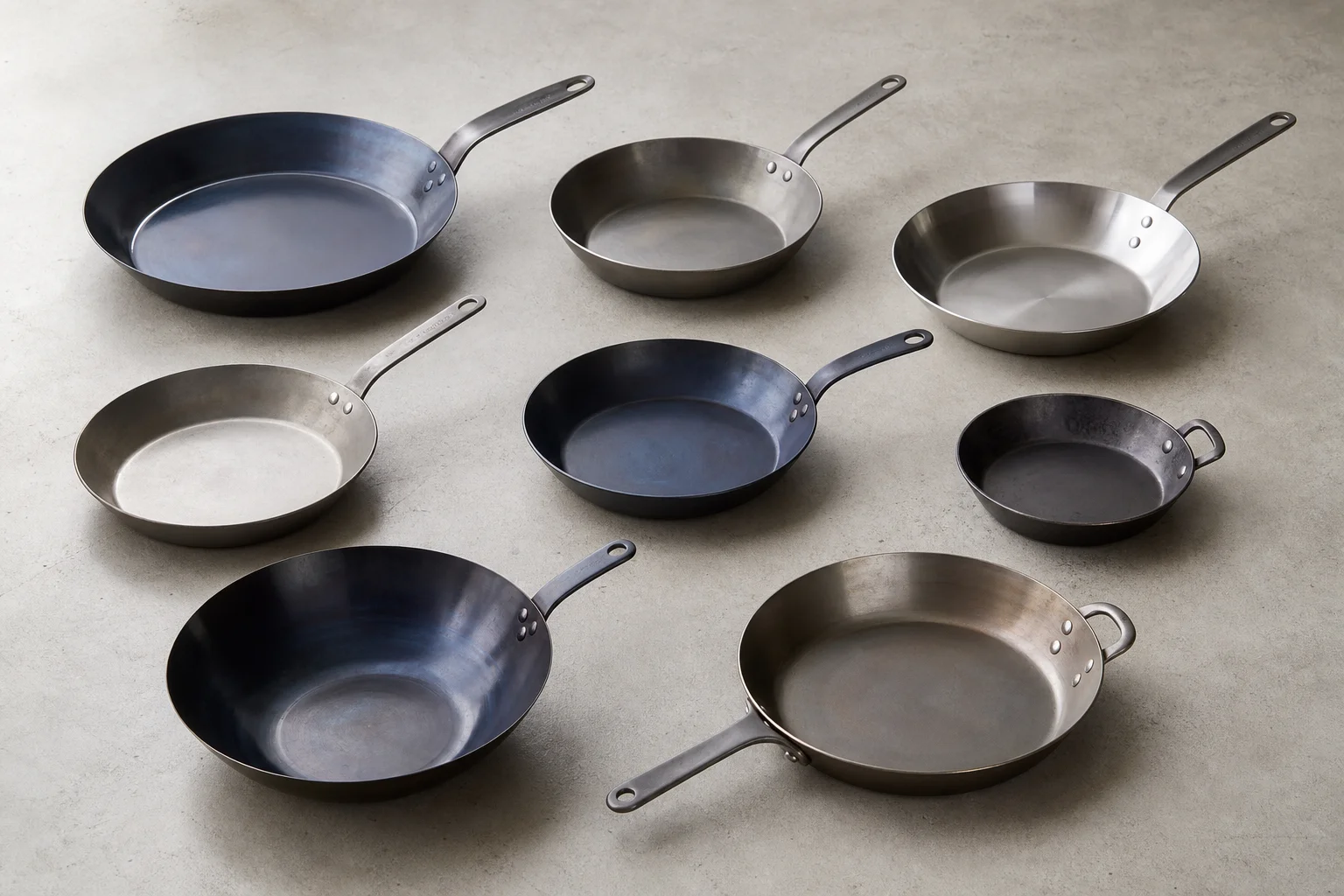
Best Carbon Steel Pans Tested: Which Brands Deliver Real Value
We tested eight popular carbon steel pans with controlled durability, heat, and cooking tests. Here's which ones perform best and which to avoid.
Cookware
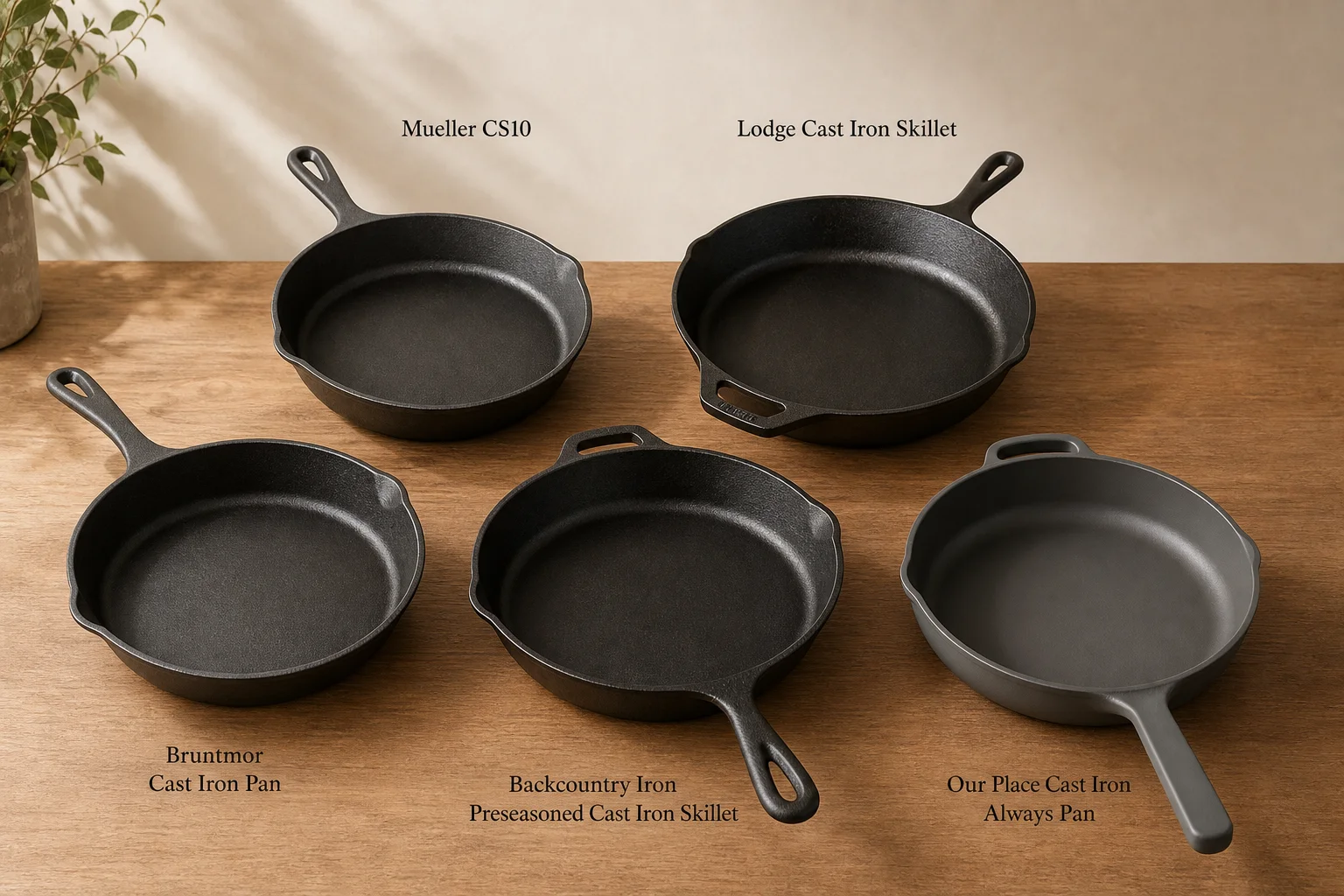
Best Cast Iron Pans 2026: Five Options from Budget to Premium
A practical breakdown of five cast iron skillets, from affordable Mueller to premium Our Place, with clear strengths and trade-offs for different cooking needs.
Cookware
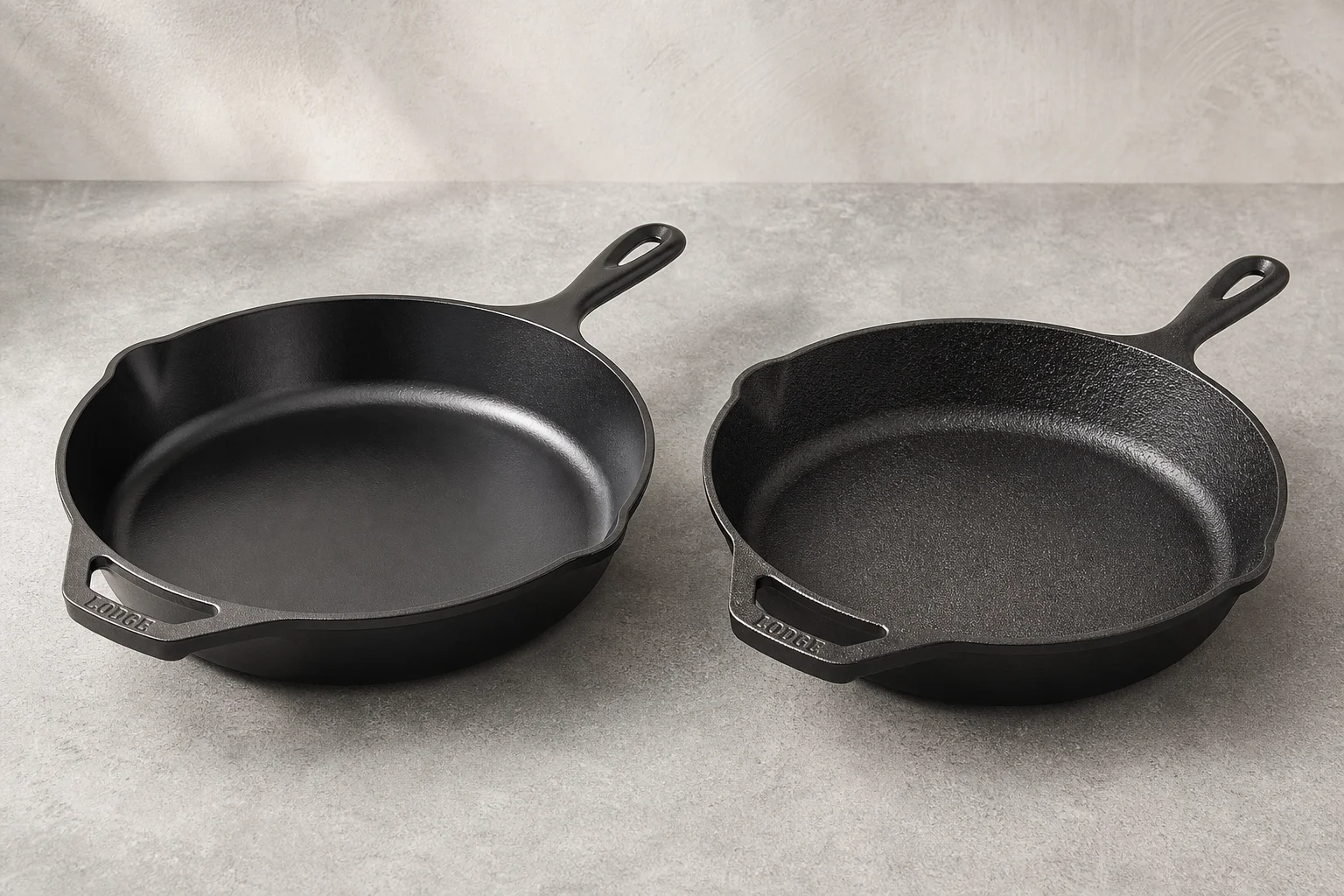
Best 12-Inch Cast Iron Skillets: Premium Craftsmanship vs. Reliable Budget Option
Two standout 12-inch cast iron skillets tested for heat retention, surface finish, and durability. One premium choice and one budget-friendly alternative that both deliver.