Bikes
Vielo V+1 and Vielo A1 Review: Two Carbon Bikes Built Around One-By Thinking
A close look at the Vielo V+1 gravel bike and the Vielo A1 road bike, including the 880g Alto frameset, symmetrical chainstays, and what one-by design actually changes.
Introduction
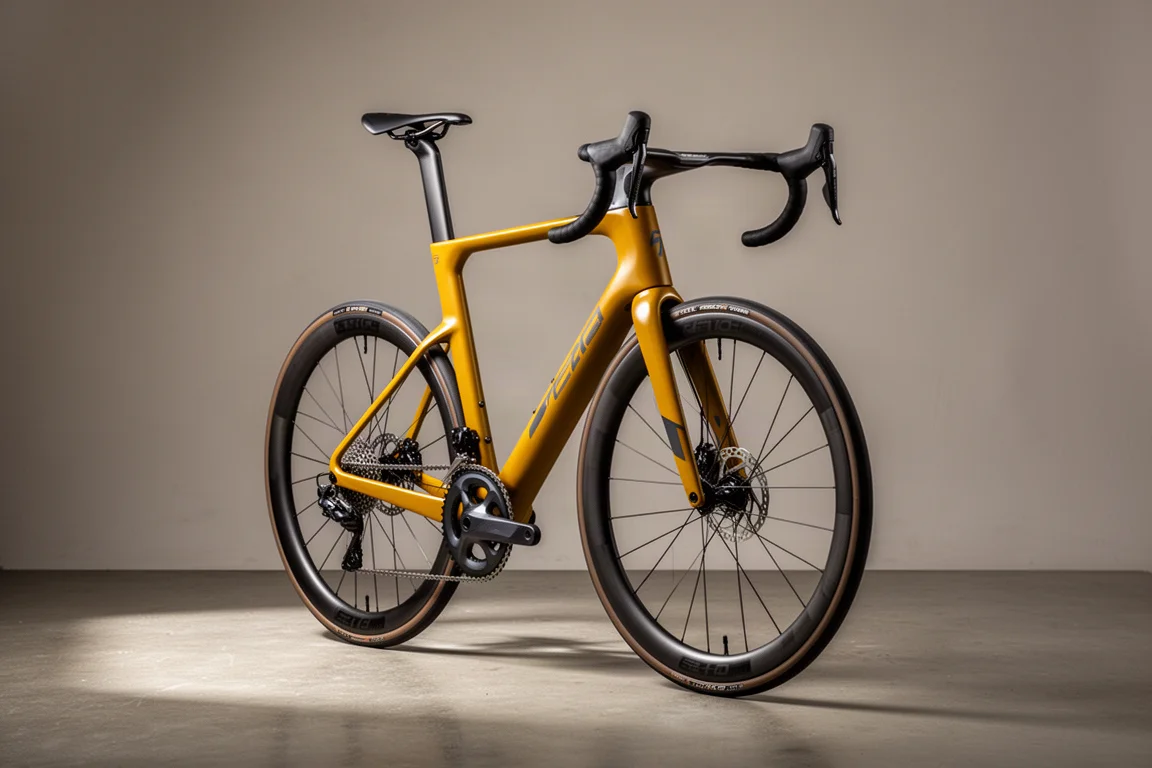
Vielo is a small British brand launched in 2018 by Trevor and his father, after 35 years spent distributing other people’s bikes. The goal was to step away from that corporate approach and build something original. Two models carry that idea today: the V+1, the gravel platform the brand started with, and the A1, a road bike designed from the ground up around a single front chainring.
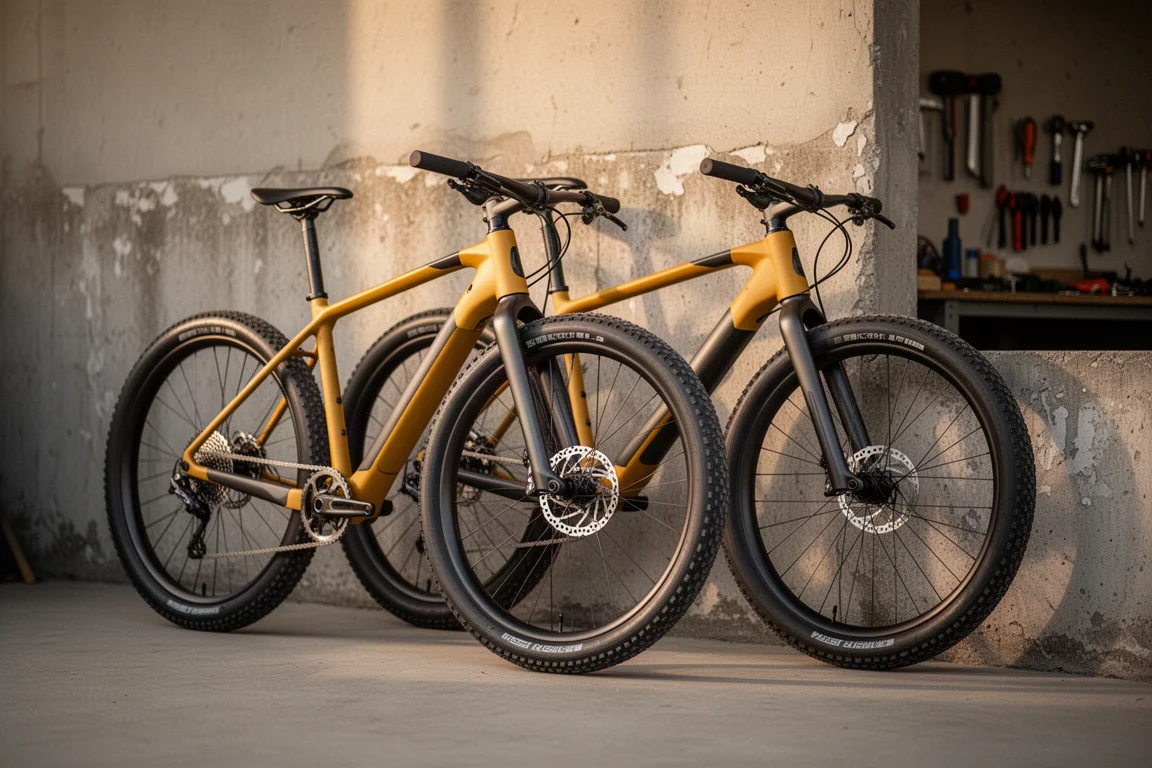
Both are full carbon, both run disc brakes, and both are shaped by one question: what changes if you stop designing a frame around a front derailleur?
How Vielo Approaches Bike Design
Vielo’s stated aim was to avoid building another “me too” product. Rather than buying an open-mould frameset, applying a name to the down tube, and shipping it, the brand draws its own frames and finishes them with its own components. The visual language follows that thinking: no shouty graphics, no invented acronyms on the frame, and the logo placed on the top tube rather than the usual down tube position. It is a design intended to start a conversation rather than shout across a car park.
Colourways stay restrained. One example pairs mustard with anthracite on the inside of the frame, and the same combination can be ordered in reverse. The point is a bike that looks considered rather than loud.
The one-by concept grew out of that search for a genuine point of difference. Weight-chasing framesets had already been done in the early 2000s, aero road bikes demand wind-tunnel budgets that smaller brands rarely have, and endurance comfort was already covered by the V+1. The opening Vielo identified was the shift toward single chainring drivetrains. If a frame is optimised entirely around one chainring at the front, with no front mech to accommodate, what does that free up?
Vielo V+1: The Gravel Platform
The V+1 was the first model in the range, a full carbon gravel bike with disc brakes. Endurance and comfort were already well served by this platform, which is precisely why the brand did not simply build another comfortable road frame when it moved into the road sector.
That gives the V+1 a clear role. It is the bike in the line-up built for rougher surfaces and longer, less competitive days, and it established the design habits that carry through to the road model: in-house component design, hidden hardware, and a finish that keeps branding minimal.

For riders who split their time between tarmac and loose surfaces, the V+1 represents the more versatile half of the pairing, and it is the model that introduced the brand’s approach to frame design in the first place.
Vielo A1: The One-By Road Bike
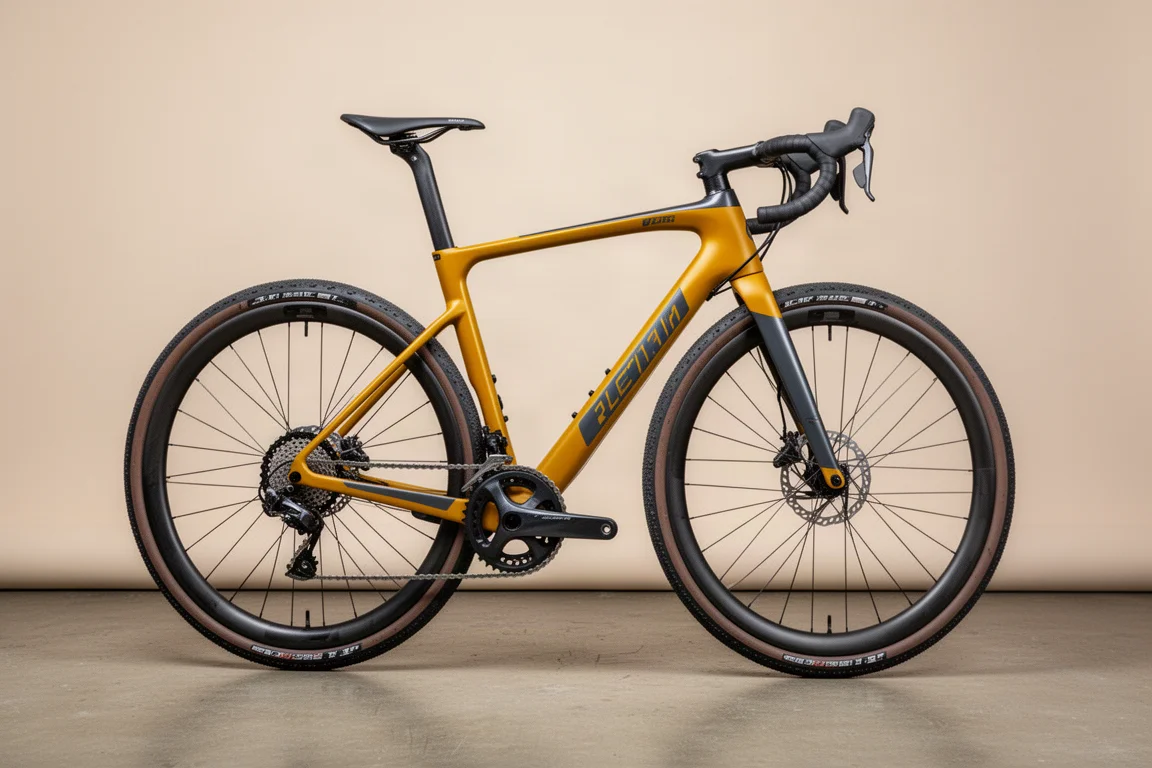
The A1 started as a sketch drawn out on a napkin during a conversation with Italian partners, and the brief was specific: a road frame designed around one chainring from the very first line. The result is a full carbon frameset, with the Alto version weighing in at 880 grams.
Because there are no shift cable ports anywhere on the frame, only brake hoses, the A1 is wireless-only. Any groupset fitted to it has to be a wireless system. That constraint is deliberate rather than incidental, and it is what allows the frame to be shaped the way it is.
With no inner chainring to clear, the bottom bracket can be pushed as wide as possible, which in turn lets the chainstays be symmetrical: wide and flat on both sides rather than mismatched between drive and non-drive. Vielo measures that section as 32 percent stiffer than the equivalent area on a two-by frame, and the extra material contributes to overall frame strength.
Aero work is present but measured. The frame uses an hourglass head tube running from 1.5 inches down to 1.125 inches, camtail profiles along the down tube and seat tube, and seat stays shaped both for aerodynamic benefit and for a small amount of mechanical flex. Tyres are optimised around 30mm for road surface vibration, with the seat stay movement adding comfort over coarser tarmac.
Up front sits a one-piece carbon handlebar and stem of the brand’s own design, with brake hoses entering through the stem, running through the bar and frame, and exiting at the chainstay or the front of the fork. The axles are also in-house, using a fast quick-release design that trims weight. Geometry is tweaked to suit the missing front mech: the seat tube angle sits slightly further forward, which opens the hips and produces a position that is comfortable and fast rather than super aggressive. A camtail aero seatpost completes the frameset.
Build Details and Gearing Explained
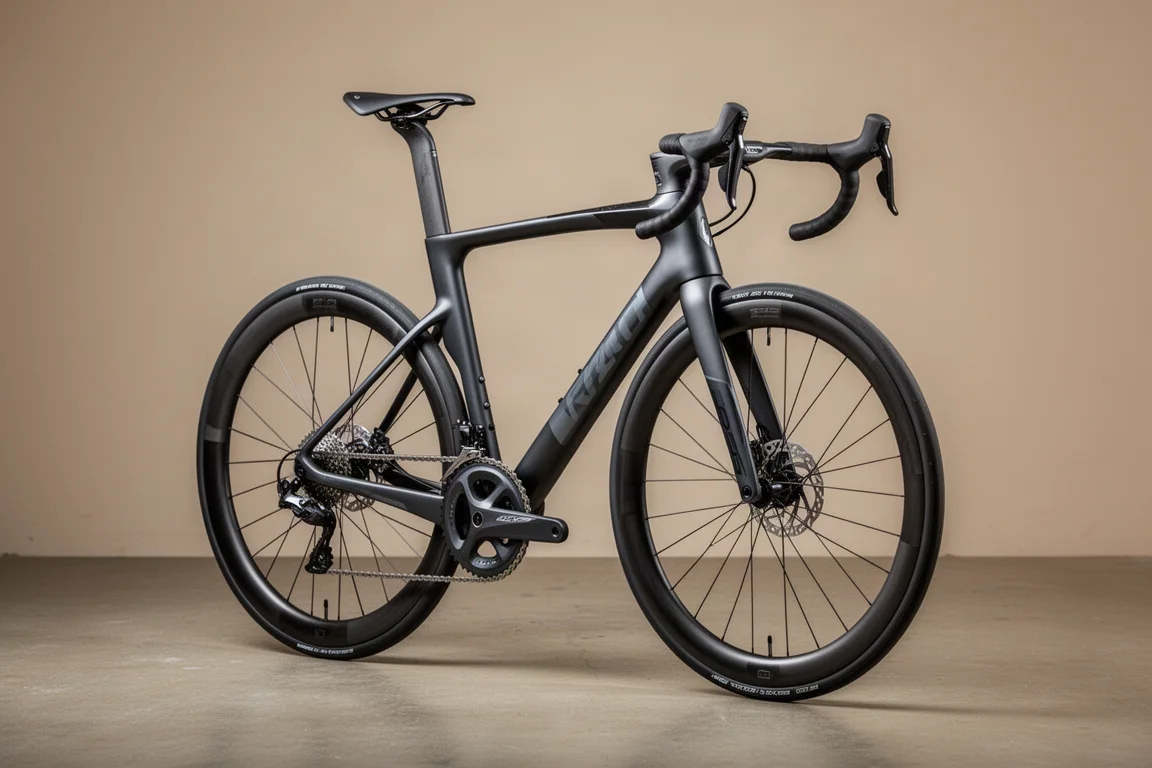
The most common chainring choices for this one-by setup are 44 or 46 teeth, depending on intended use, and you can drop to a 42 if touring or bikepacking is the plan. Range anxiety is the usual worry with a single ring, but the current drivetrain landscape answers it: the build shown here runs a 12-speed wireless setup with a 10-36 cassette, and 13-speed options now exist, including cassettes as wide as 10-52 borrowed from mountain bike groupsets.
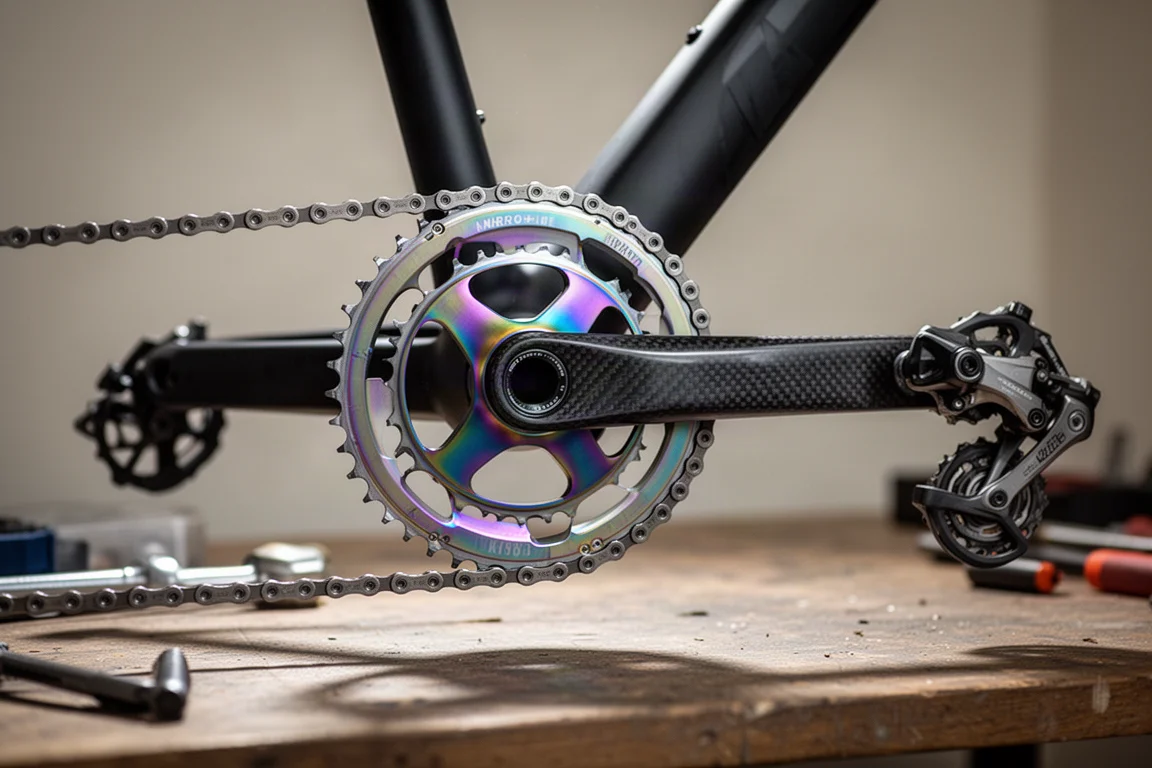
Wheels are 30mm wide and 40mm deep, wrapped in 30mm tyres run at low pressures, which suits broken tarmac surfaces where you want to float along rather than fight the road. Finishing kit leans toward comfort and tidiness: a carbon-railed flat saddle paired with silicone bar tape, which is wrapped outside-in so there is no need for the usual insulation tape at the end of the bar. Chainrings use a direct-mount fitting for the carbon crank arms, and SPD mountain bike pedals appear on this build as a personal preference rather than a recommendation. Even the bottle cage is a weight-conscious choice at 16 grams.
The complete bike comes in at roughly 7.5 kilograms, which is light by any road standard and comfortable enough for long days.
What to Consider Before Buying
The A1’s wireless-only design is the most important thing to understand before ordering. If you want mechanical shifting or a wired electronic groupset, this is not the frame for you. The upside is a cleaner front end and a frameset shaped without compromises to accommodate cables that do not exist.
Chainring size deserves real thought. A 44 or 46 tooth ring is the typical road choice, and a 42 is the option for loaded touring or bikepacking. Getting that decision right matters more on a one-by bike than on a two-by, because there is no second ring to fall back on.
It is also worth going in with realistic expectations about the brand itself. Vielo is a small operation that makes its own chainrings, handlebars, axles and seatposts, and it does not chase professional racing teams or the tiny fraction of riders who want the most aggressive position available. The frames are designed around comfort and speed for everyday riders, which is a different promise from a pure race bike.
Buying Advice
Choose the V+1 if your riding regularly leaves smooth tarmac, or if you want a single carbon bike that covers gravel, broken back roads and long endurance days. Choose the A1 if you ride predominantly on the road and want the simplicity of one ring up front, the clean look of fully hidden hoses, and a geometry that favours comfortable speed over a slammed racing position. The 880g Alto frameset and the symmetrical chainstay design are the technical arguments for the A1, while the V+1 is the more versatile starting point for riders who have not fully committed to one surface.
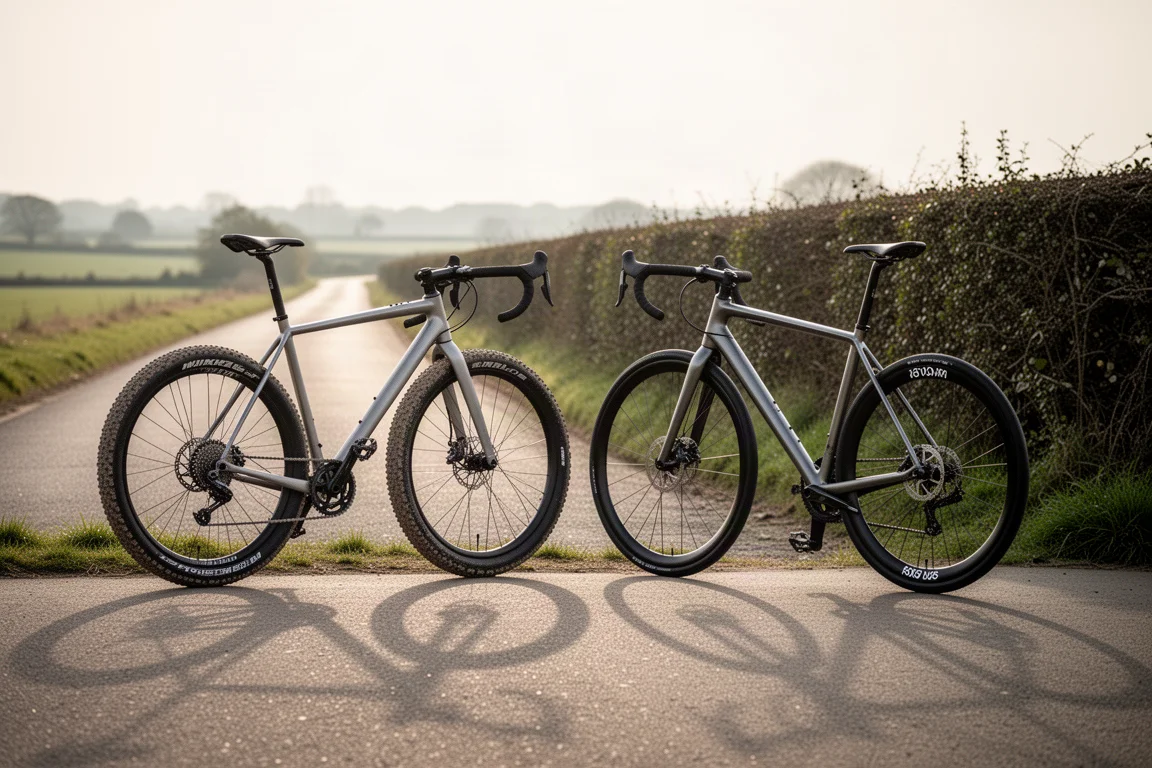
Either way, the same brand characteristics apply: in-house component design, restrained graphics, and a frame philosophy built around the absence of a front derailleur rather than around it.
Conclusion
The V+1 and the A1 show a small brand making a genuine engineering argument rather than chasing whatever the largest manufacturers are doing. The one-by approach is not a gimmick here; it is the reason the A1 has symmetrical chainstays, a stiffer bottom bracket area, no cable ports and a cleaner cockpit. For riders who want something distinctive, comfortable and thoughtfully built, both models are worth a close look.
Further reading
Related Reviews
Bikes
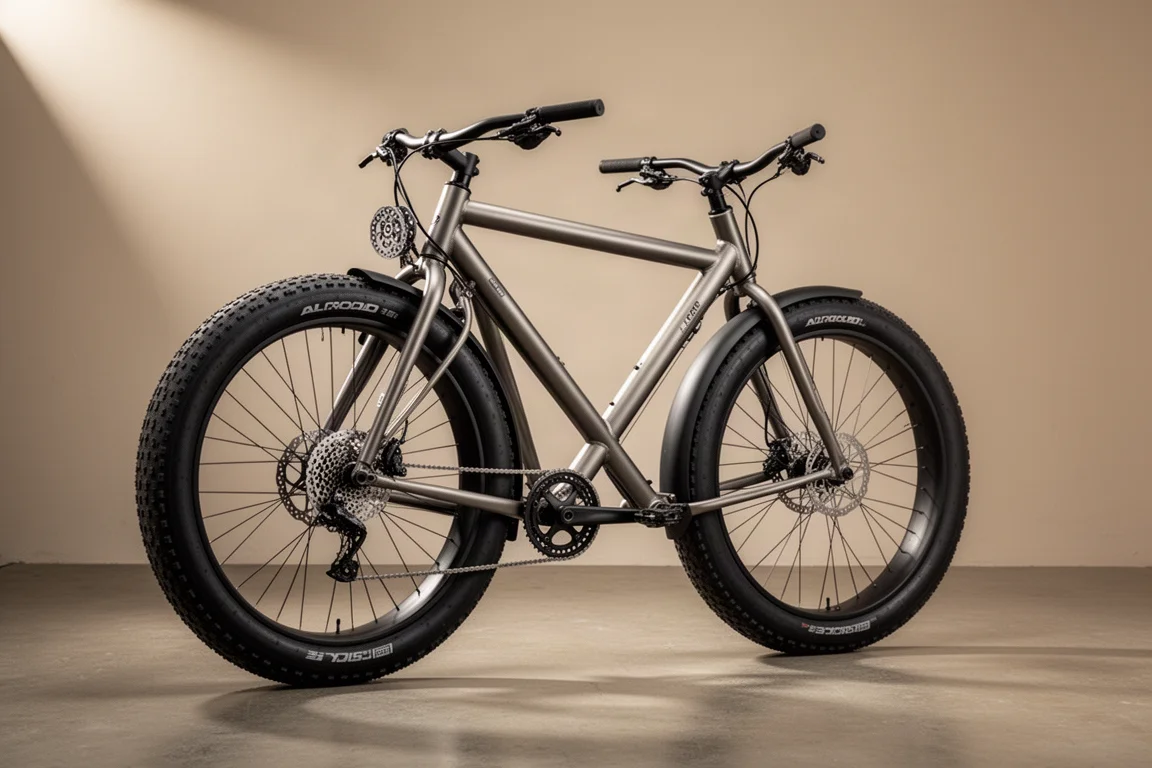
Dirty Sixer Allroad 2 5XL Review: A Serious Bike Built for Riders Over Seven Feet
A closer look at the Dirty Sixer Allroad 2 5XL, a 36-inch wheel bike designed for riders around 7'1" to 7'5", with dual front rotors, a 180 kg capacity, and a 15 kg alloy build.
Bikes
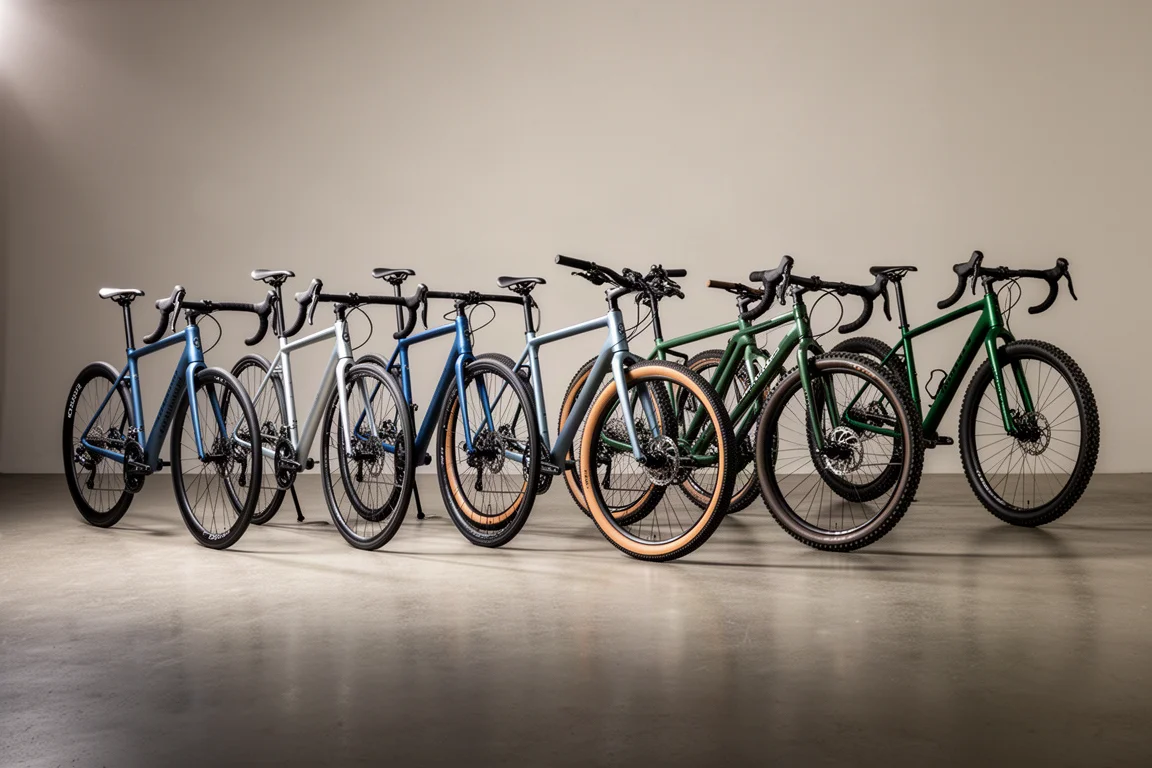
Seven Bikes Worth a Closer Look: Road, Gravel, and Mountain Picks
Seven bikes that stand out for fit, ride quality, and adjustability, from endurance road models to a steel gravel bike and a full-suspension mountain bike.

Backpacking Gear
Building a 10 lb Base Weight: An Ultralight Backpacking Gear List
A practical walkthrough of the ultralight pieces behind a 10 lb base weight, from a 765 g pack and a roomy one-person tent to a full camp chair and a dependable water filter.