Bikes
Google Campus Bike Review: The Free Ride You Can Actually Buy
A hands-on look at the Google G bike, the free campus bicycle around 2,000 of which roam the Google campus, and the retail version sold at the Google Store.
Introduction
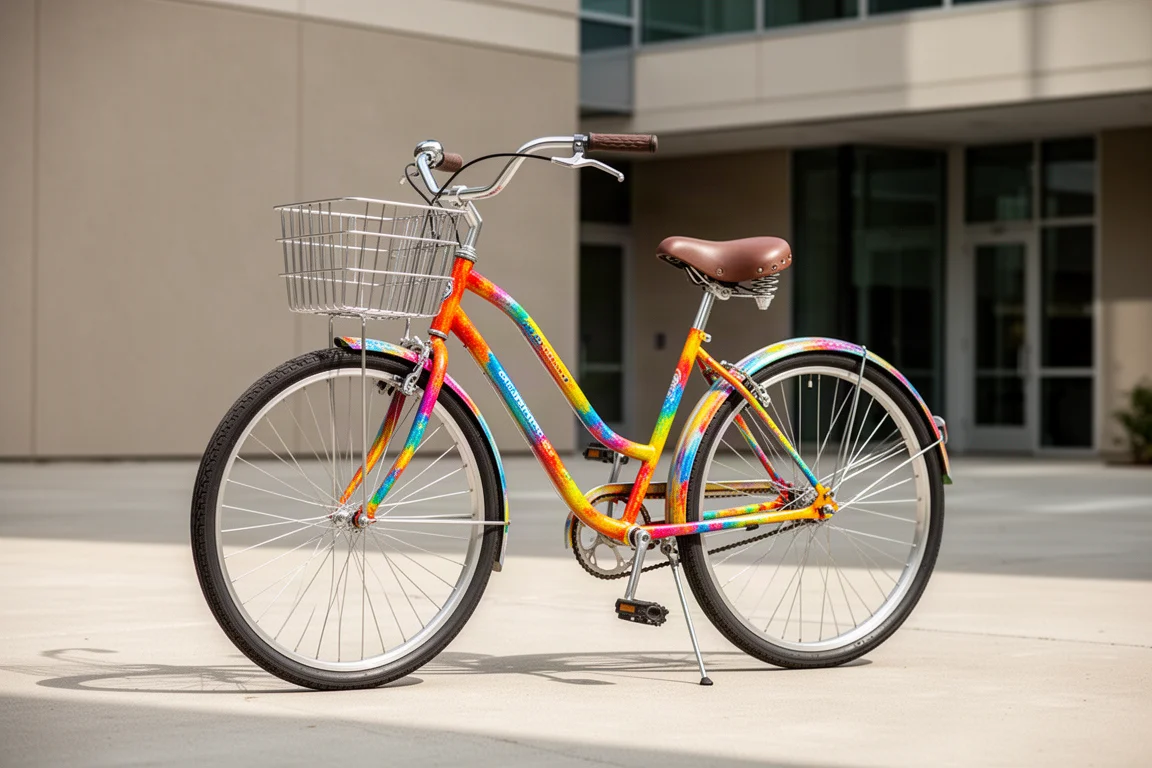
Few products invite a review as naturally as the Google campus bike, better known as the G bike. It is a free-to-use, single-speed bicycle scattered across the Google campus in numbers of roughly 2,000, and it has quietly become one of the most recognizable pieces of corporate hardware anywhere. What follows is a full rundown of how it is built, how it rides, and what to expect if you decide to buy the retail version from the Google Store.
The Basics: Free, Everywhere, and Surprisingly Simple
The system is about as low-friction as bike sharing gets. You walk up, you get on, and you pedal away. There are no locks, no docking stations, and no check-in of any kind. Painted areas on the pavement suggest where bikes should be returned, but in practice bikes end up all over campus and nobody seems to mind.
Helmets are available around campus, though they are sometimes found tossed in the bushes. There are no visible electronics or tap-to-unlock features, but each bike carries a hidden tracker inside to discourage theft. There is also a small plate with a QR code explaining what to do if you find a bike somewhere it should not be, which is sensible given that bikes occasionally do get ridden off.
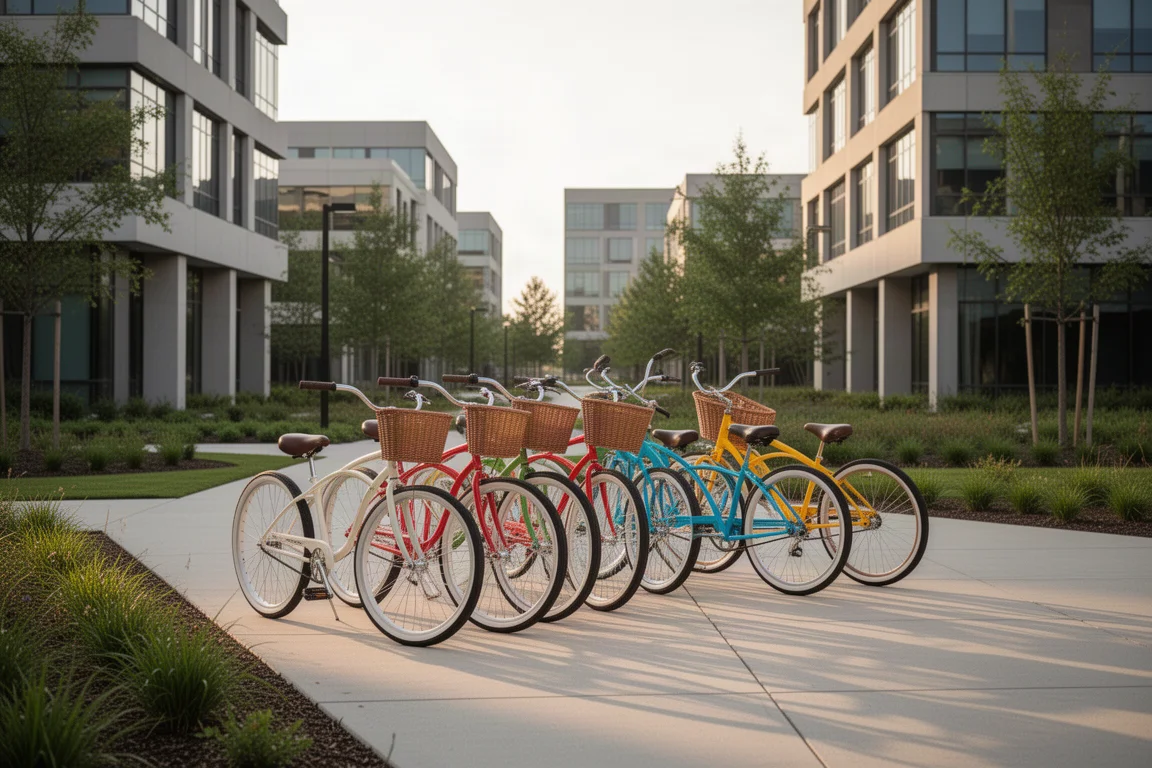
Bikes are redistributed across the campus throughout the day by maintenance crews using a flatbed trailer, which matters because product teams come and go. If a team disappears, its building’s bikes would otherwise be stranded, so the redistribution keeps the fleet useful.
Specs and Measurements
This is not a lightweight machine. Measured weight comes in at 34.4 lb. Overall length is roughly 5 ft 11 in, height is about 41 in, and the wheels measure around 26 in. Tire pressure feels very soft, around 28 to 30 PSI, which delivers a comfortable ride at the cost of some speed.
The frame carries fenders to keep water spray where it belongs, a kickstand, and a loud, robust bell on the handlebar assembly. Braking is handled by a handlebar brake, and because it is a single speed you can also slow down by back-pedalling. At the front there is a headlight powered by a dynamo hub, so the light charges as the wheel spins. There is no rear light, only a rear reflector.
Fit and Adjustability
The only thing you can adjust on the entire bike is the saddle height. You open the clamp, move the post up or down, and clamp it back. A numbering system on the seatpost makes it easy to return to the same position every time, which is a thoughtful touch on a shared fleet.
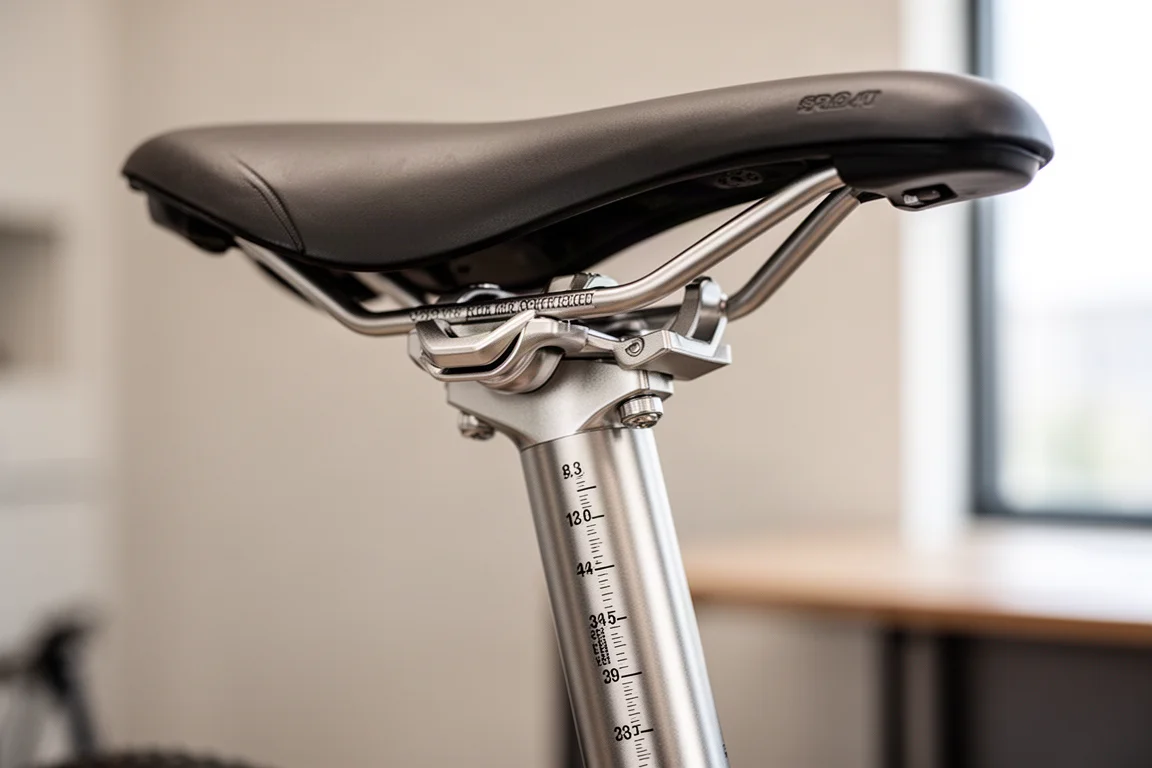
The saddle itself is comfortable and does not overheat in the sun. It is well suited to short trips around campus, though it would not be the pick for a long ride such as pedalling from San Francisco down the peninsula.
Drivetrain and Components
The bike is a strict single speed. There is no gearing of any kind, and the gearing it does have works well on the flats, which describes most of the campus. Ride feel is smooth and the drivetrain is quiet, with no audible noise from any part of the bike.
Google has chosen 165 mm crank arms, in line with the industry trend toward shorter cranks. The pedals are standard with reflectors on both sides and no sharp metal spikes, and they use standard pedal threads, so performance pedals such as power meter pedals could screw straight in. The front basket is the standout design decision: it is not attached to the handlebars, so a heavy load stays stable instead of rotating with your steering.
Performance: Stable and Smooth, Not Speedy
On the road, the bike is steady, stable, and smooth, but it is not fast. Getting off the line you feel hesitation, and once rolling you quickly run out of gears because there is only one. Going faster means cranking up your cadence, and even then there is not much speed on tap.
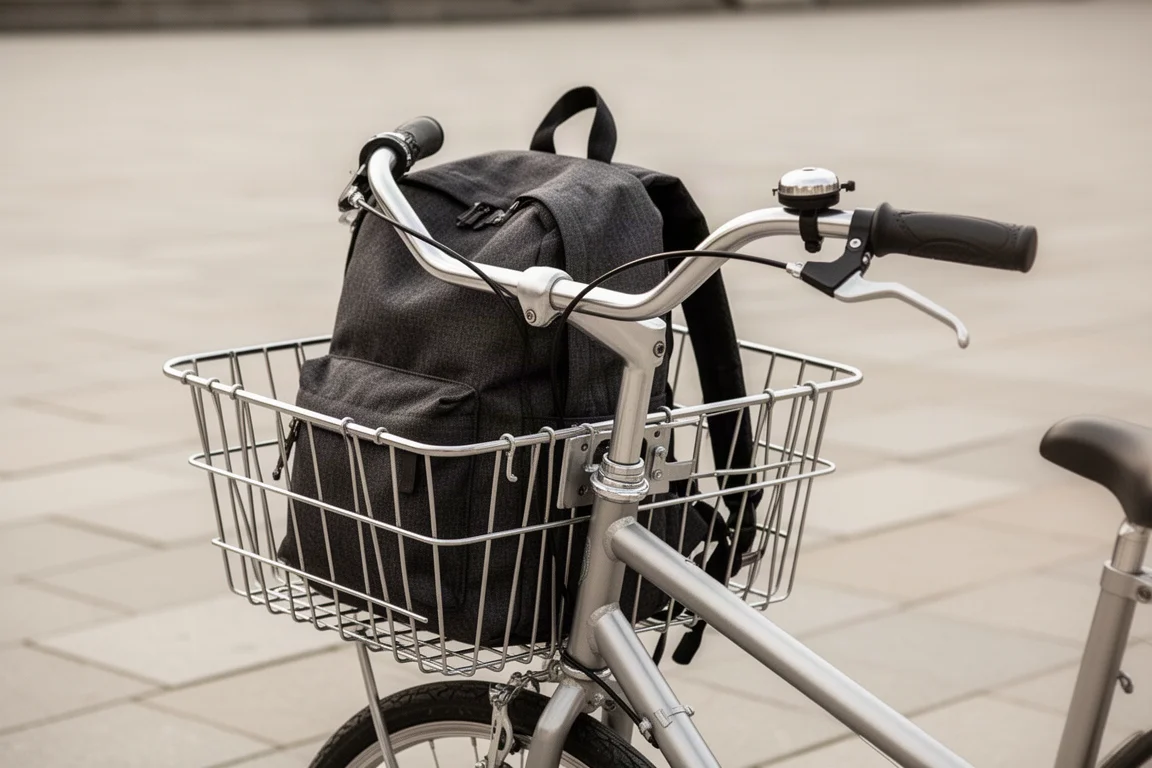
Where it does shine is cornering. The bike turns sharply without complaint, and the frame-mounted basket means a loaded front end never upsets the handling. For short, flat point-to-point trips between meetings, it does exactly what it is meant to do. Most riders simply lean the bike against a rack rather than using the kickstand, which makes for a faster departure.
A Brief History of the Fleet
The first Google bikes arrived in 2007 as an experiment: 100 blue Huffy bikes dropped on campus. By 2009, the more colorful bikes people know today started appearing, and the design has gone through several iterations since. The current version is made by a company called Republic, which also supplies other bike share and corporate fleets.
Despite roughly 2,000 bikes on campus, there could arguably be more. There were multiple occasions when arriving at a meeting meant finding no bike available and having to walk.
Buying One: The Google Store Model
If you want your own, you can buy one. The Google Experience Store on campus, open to the public, sells the Google campus bike. It arrives fully pre-assembled in a single piece of plastic packaging, which deserves credit: no assembly required.
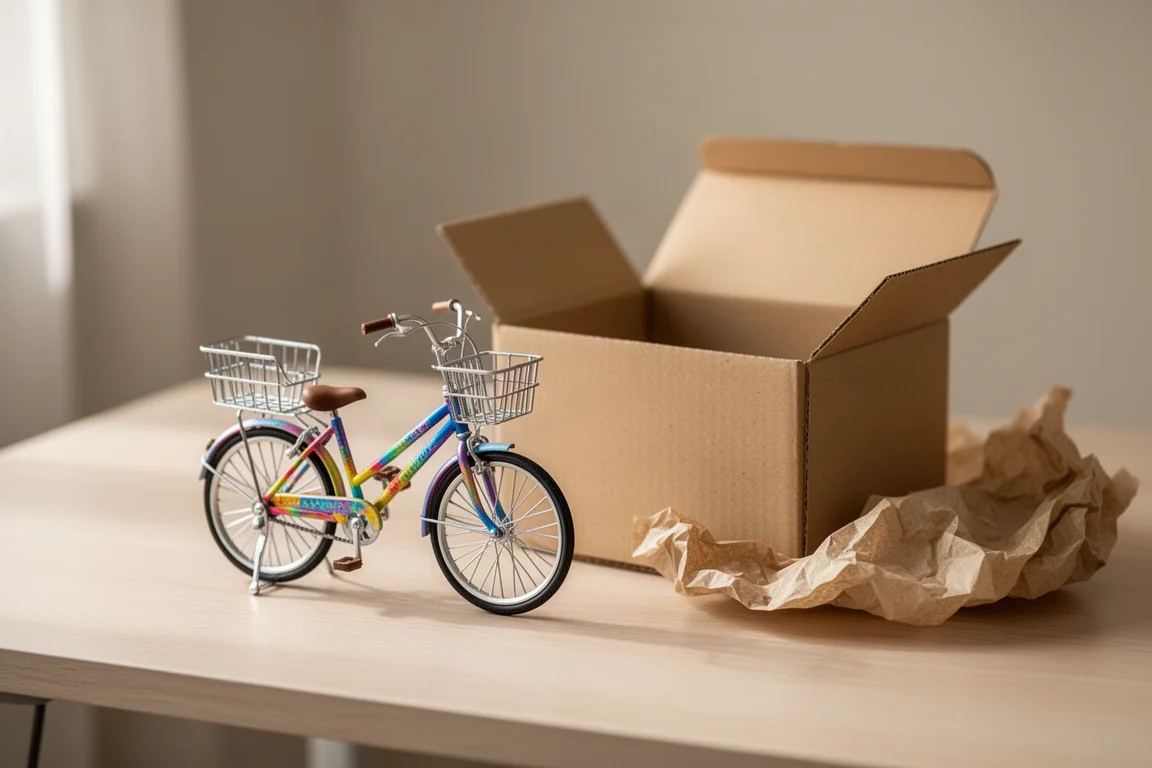
The retail model leans more performance-oriented in its looks and construction than the campus workhorse. The crank arm spins nicely, though the chain is not attached to it, so the pedal rotates in thin air out of the box. The front basket is sized more like a desk accessory than a cargo hold, and unlike the campus version it rotates with the handlebars rather than staying fixed, which is the main practical criticism. As a desk piece or novelty commuter, though, it is a charming purchase.
Conclusion
The Google campus bike is a masterclass in doing one job well. It is heavy, slow, and almost entirely non-adjustable, and none of that matters for scooting between buildings on flat ground. The comfortable saddle, quiet drivetrain, frame-stable basket, and dynamo-powered front light make it genuinely pleasant for short trips. If you want the real thing for yourself, the Google Store version delivers the same personality in a more display-friendly package, with the caveat that its basket rotates with the bars and its chain is not fitted.
Product link
View more details for Google Campus Bike (Google Store model)
This product is mentioned in the review. Check the specifications, options, and compatibility before buying.
View more details for Google Campus Bike (Google Store model)Further reading
Related Reviews
Bikes
Dirty Sixer Allroad 2 5XL Review: A Serious Bike Built for Riders Over Seven Feet
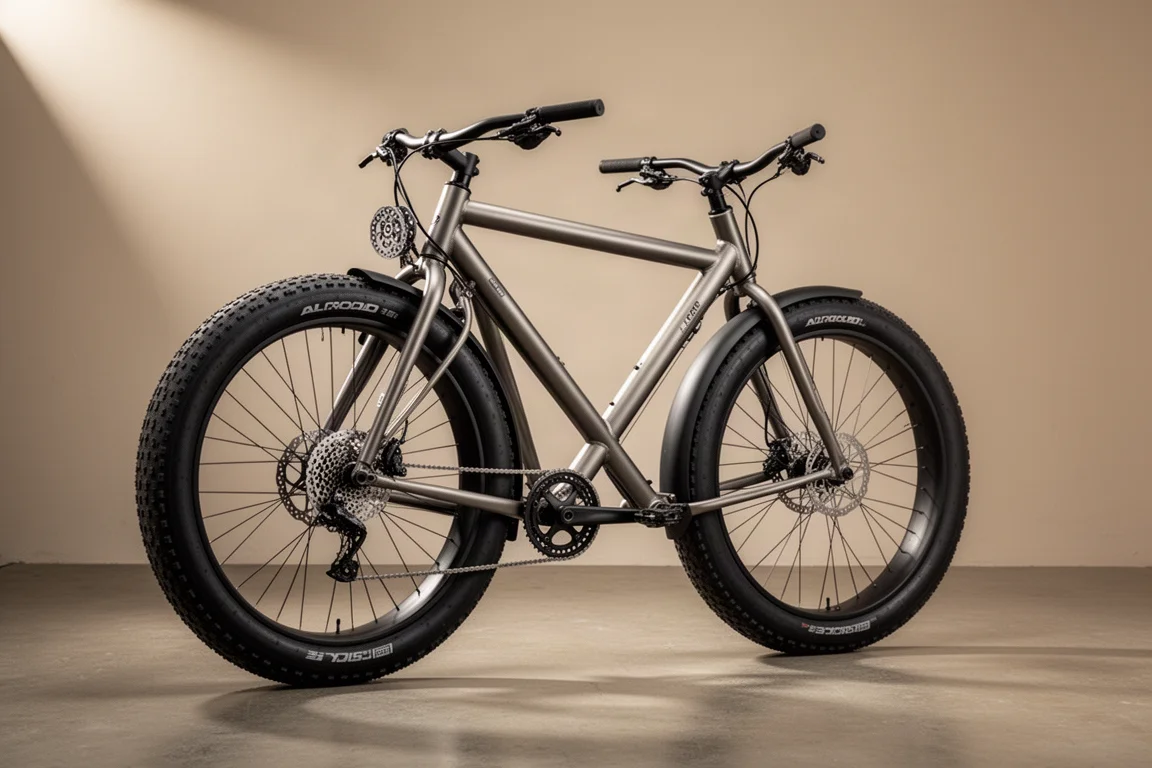
A closer look at the Dirty Sixer Allroad 2 5XL, a 36-inch wheel bike designed for riders around 7'1" to 7'5", with dual front rotors, a 180 kg capacity, and a 15 kg alloy build.
Bikes
Seven Bikes Worth a Closer Look: Road, Gravel, and Mountain Picks
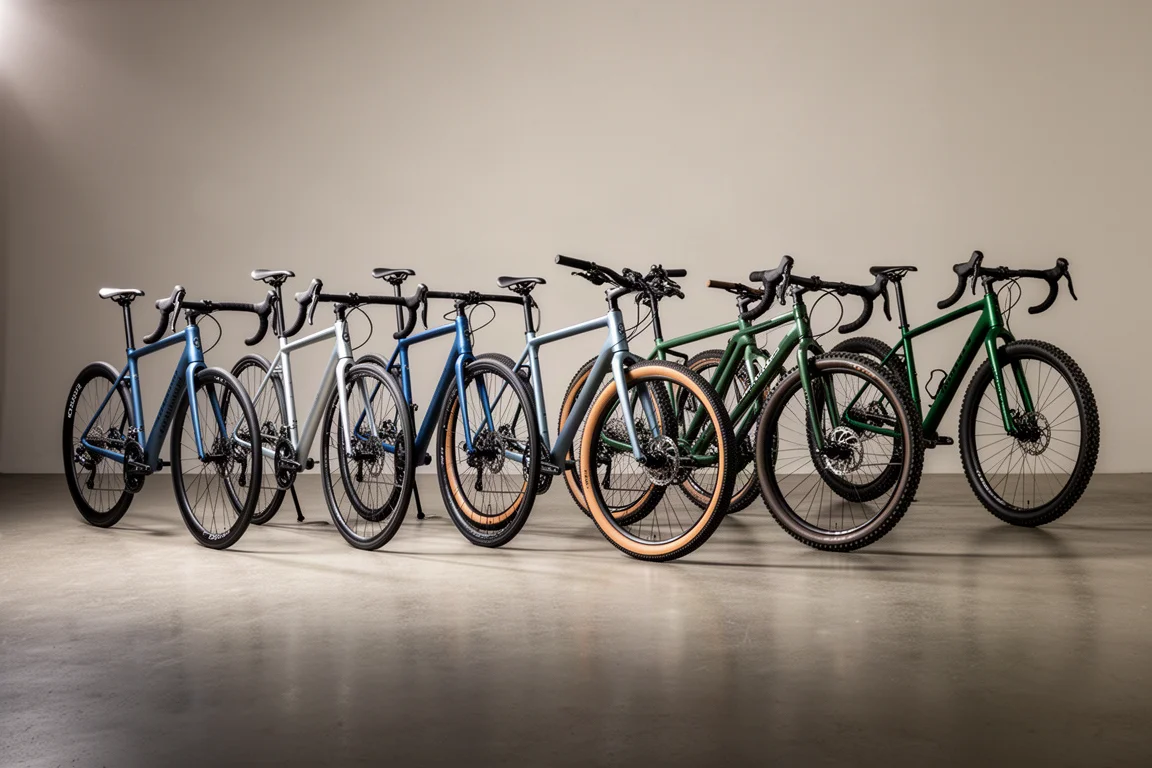
Seven bikes that stand out for fit, ride quality, and adjustability, from endurance road models to a steel gravel bike and a full-suspension mountain bike.
Bikes
Vielo V+1 and Vielo A1 Review: Two Carbon Bikes Built Around One-By Thinking
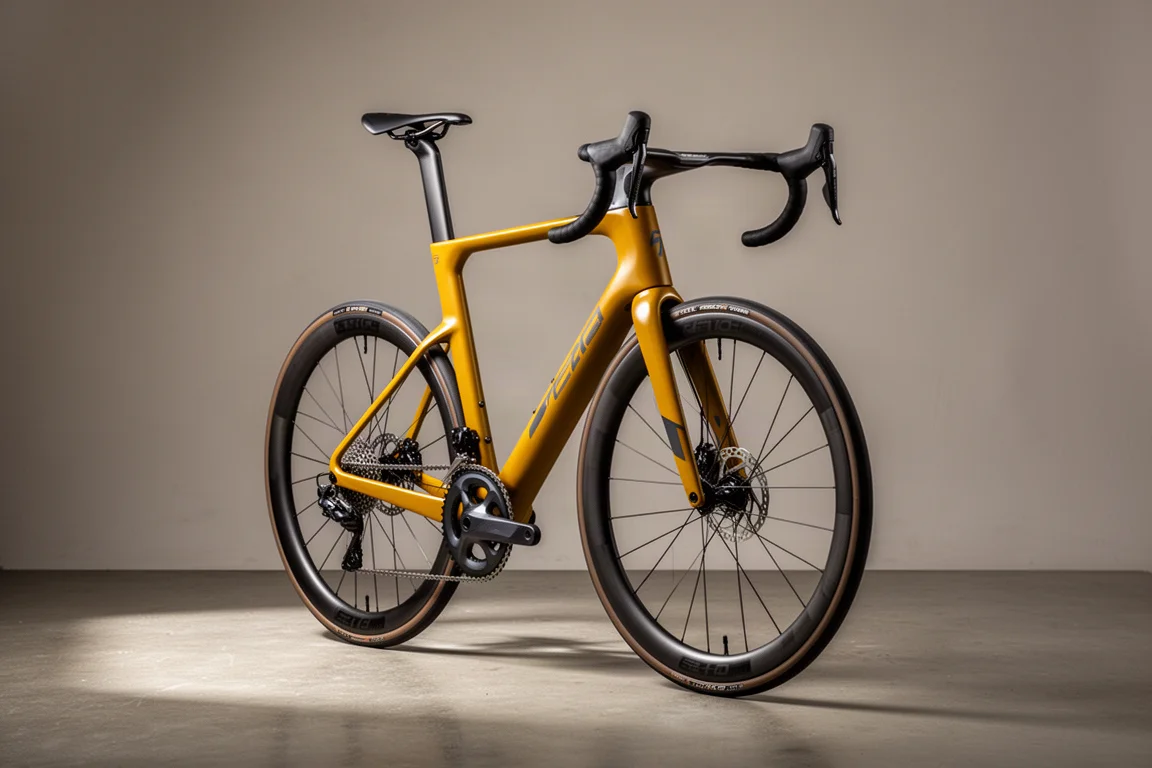
A close look at the Vielo V+1 gravel bike and the Vielo A1 road bike, including the 880g Alto frameset, symmetrical chainstays, and what one-by design actually changes.