Multitools
Victorinox Swiss Tool X vs Spirit X: Which Multitool Should You Choose?
A tool-by-tool comparison of Victorinox's two flagship multitools, covering size, weight, build quality, scissors, screwdrivers, and which one suits different carry styles.
Introduction
Victorinox multitools have a reputation for superb engineering, beautiful finishing, and a genuinely compelling feature set. But the range splits into two sizes, and choosing between them is where most buyers get stuck.
This comparison looks at the two models that sit at the top of that range: the Swiss Tool X and its smaller sibling, the Swiss Tool Spirit X. We compare them side by side, tool by tool, so you can decide which one belongs on your belt.
Two Sizes, One Philosophy
Victorinox entered the multitool market relatively late. The original Swiss Tool was announced in 1997 and reached the market in 1998, after at least two years of research and development, in an effort to challenge Leatherman, which had been selling multitools since 1983. Remarkably, the Swiss Tool has barely changed since launch, aside from a few modifications to the plier head in 2002.
The X in Swiss Tool X stands for scissors, which replace the serrated blade found on the standard Swiss Tool. The Spirit X arrived in 2004 as the smaller option, widely seen as Victorinox’s answer to the Leatherman Wave. On the Victorinox website, the Swiss Tool is available in two versions, the Swiss Tool and the Swiss Tool X, while the Spirit now comes only as the Spirit X.
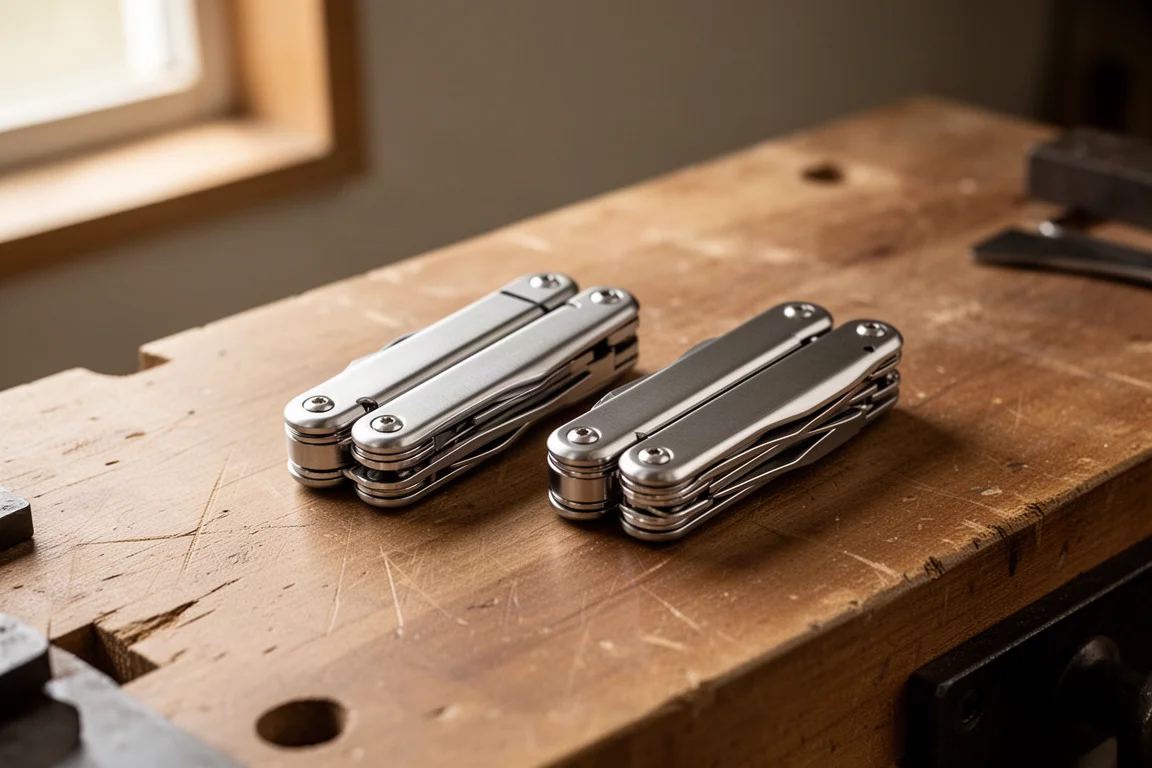
Both tools share the same high-carbon stainless steel with a high chromium content, giving the polished finish strong corrosion resistance. It is not the hardest steel for a knife blade, but that means the blade is easier to sharpen when it eventually dulls. Both are also fully externally accessible, so you can reach every tool without opening the pliers, and every tool locks for safety.
One thing worth flagging: because both carry a locking blade, neither can be carried legally in the UK or some other countries without good reason.
Size, Weight, and Build Quality
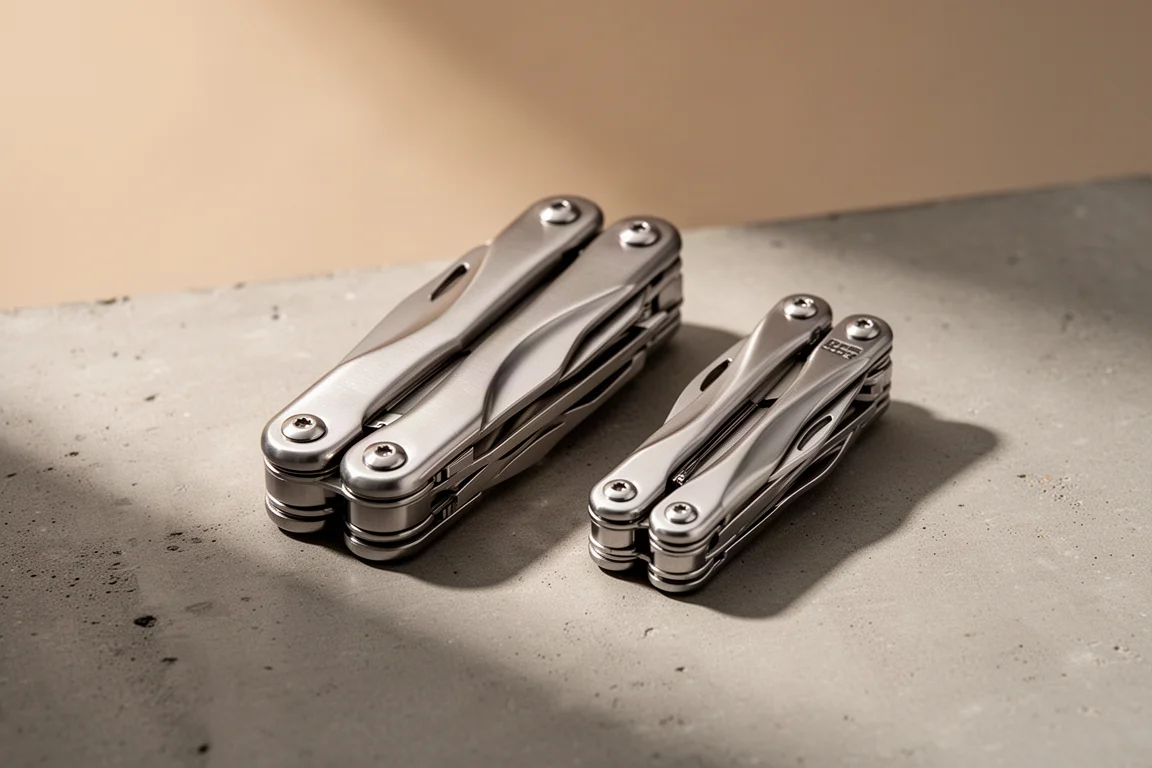
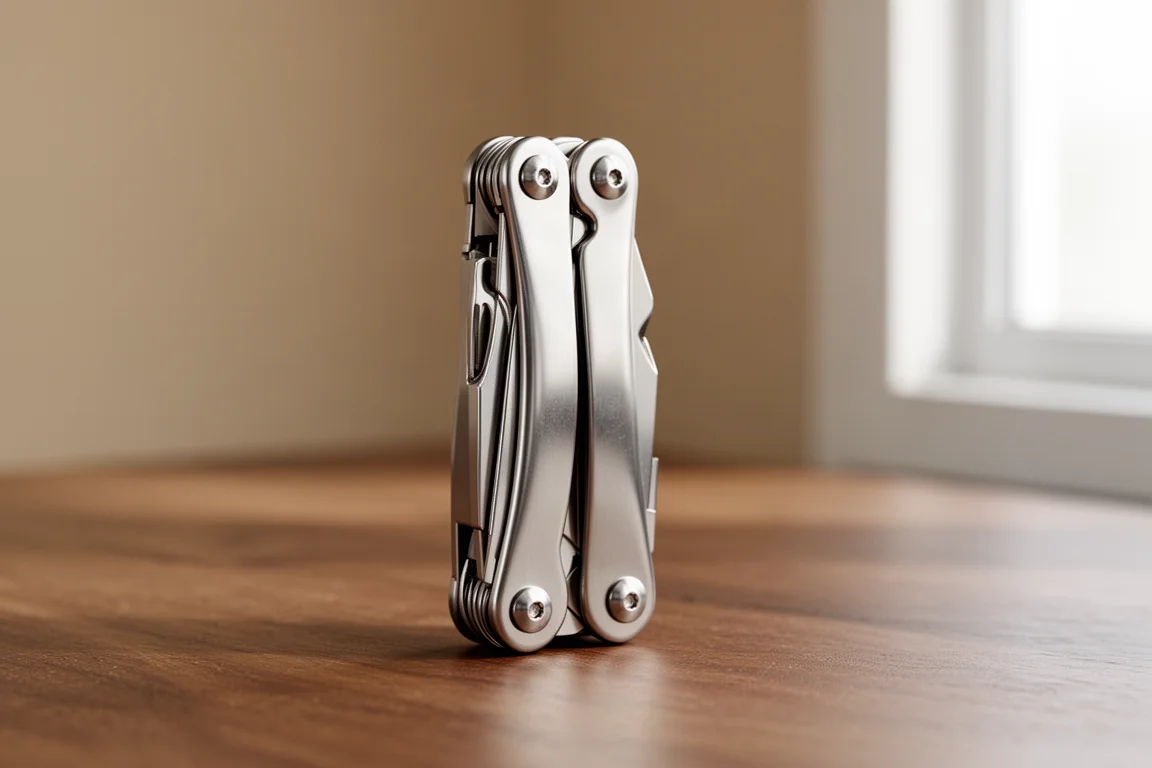
The Swiss Tool X is 115 mm long, 10 mm longer than the Spirit X, and only 1 mm wider. At the widest point both measure 35 mm, but the Spirit X curves in at the waist to about 30 mm, which makes it feel noticeably slimmer in the hand.
Weight is where the difference really lands. The Spirit X weighs 210 g, while the Swiss Tool X comes in at 290 g, roughly a third heavier, and you feel it immediately when you pick them up. The Swiss Tool feels bulkier and more heavy duty; the Spirit X feels more comfortable and precise.
Where both tools shine is the engineering. Each tool has its own backspring, partitioned per implement on both sides. When you pull a tool out, it clicks into place on its own and the other tools do not follow. It is a genuinely precision feel, very different from the clump-out style of some competitors, and it reflects the watchmaking heritage of Victorinox’s Swiss manufacturing.
Pliers and Wire Cutters
Both tools use the same needle-nose plier profile. The Swiss Tool X has chunkier, heavier-duty jaws, as you would expect from a bigger tool, but the Spirit X’s jaws actually open slightly wider. Both have hard wire cutters, non-replaceable in both cases.
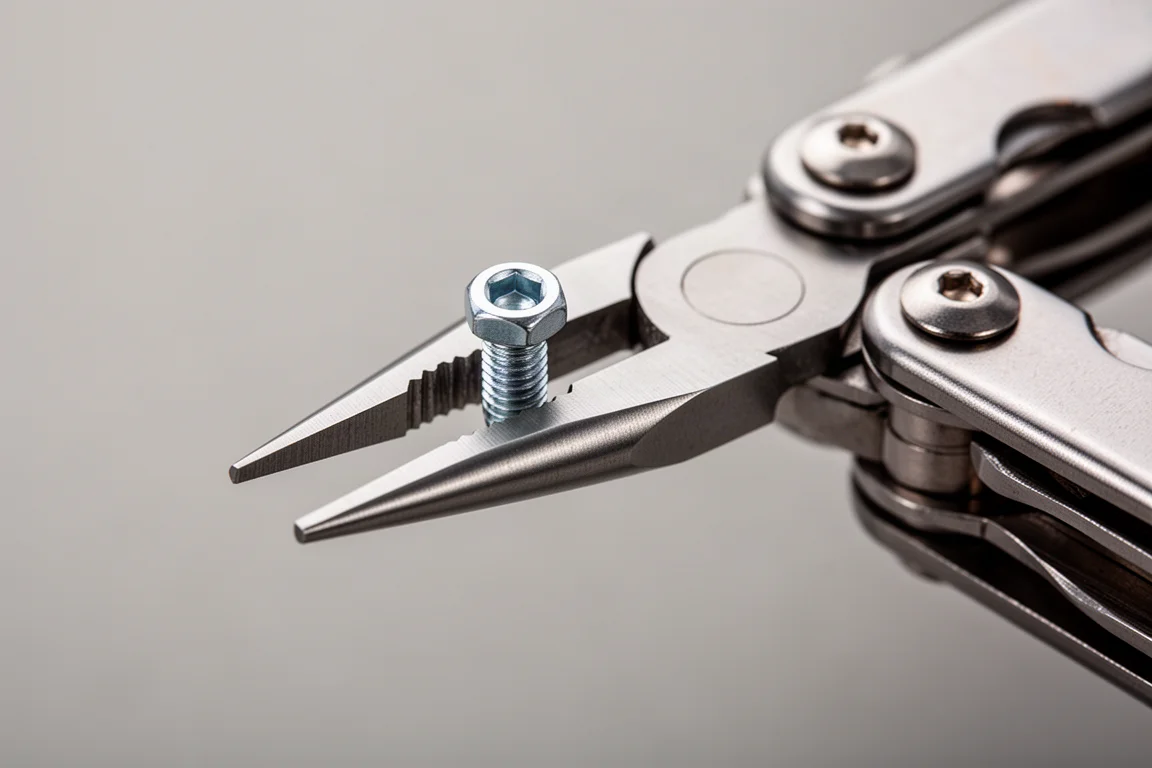
In the hand, the Swiss Tool feels more substantial, the Spirit X more comfortable, helped by its curved shape. This section is effectively a draw that comes down to how much heft you want.
Tool by Tool: Blades, Screwdrivers, and More
The Swiss Tool X has a noticeably bigger drop-point blade, though both are sharp and share the same profile. One surprise: the large screwdriver and cap lifter on the Spirit X is bigger and thicker than the Swiss Tool’s, with a 7 mm versus 6 mm blade width, making it better suited to doubling as a pry tool.
The Spirit X’s chisel is also better than the Swiss Tool’s, with two blade angles that make it a brilliant package opener. Its wire strippers are more suited to heavy-duty cabling too, with a heavier set plus a V-shaped one for smaller cable. Here the Spirit X clearly wins.
The saws are nearly neck and neck. The Swiss Tool’s saw is longer with a deeper profile, giving straighter cuts, while the Spirit X’s thicker but narrower saw copes better as a coping saw when cutting shapes out of wood. Both are genuinely good.
Both tools include an awl with a blade edge for scraping, and a Philips screwdriver each capable of Philips number one and number two heads, with the Swiss Tool’s slightly longer and thicker. The metal file on the Swiss Tool is bigger and more usable, though both share a rough cut plus a surface for cutting into metal.
Scissors: The Biggest Split
The scissors are where these tools diverge most. The Swiss Tool X uses scissors identical to those on a Victorinox Swiss Army knife: very good, super sharp, with the only weak point being a spring that can break, though replacements are easy to find.
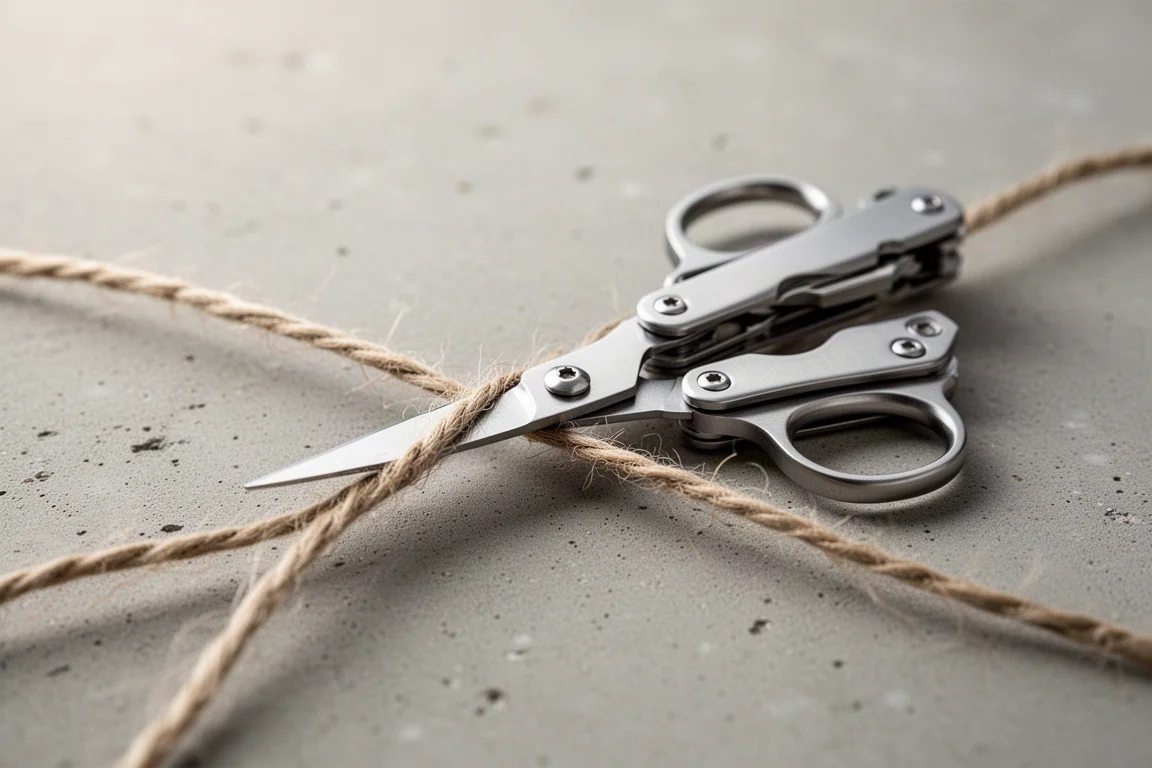
The Spirit X’s scissors use a completely different rod-based spring mechanism and feel solid and long-lasting, but the jaws open narrowly and the accessible blade length is short. They are excellent for snipping, but for cutting anything of length or needing a wide opening, the Swiss Tool X is the clear winner on scissors.
Screwdriver Range and Extras
The Swiss Tool X has one more trick: a very large flathead screwdriver that doubles as a pry tool, thick and substantial. Across the full set, the Swiss Tool X offers 2 mm, 3 mm, 6 mm, and 9 mm flatheads, while the Spirit X offers 3 mm, 4 mm, and 7 mm. That means the Swiss Tool has both the largest and the smallest flathead, a wider range overall.
The Swiss Tool X also has ruler indentations on both sides that combine into a full ruler, metric on one side and imperial on the other. The Spirit X has no ruler markings. Neither tool’s wire cutters are replaceable.
Which One Should You Buy?
The Swiss Tool X is the heavier-duty, more substantial tool, with a bigger blade, heavier plier head, better scissors, a wider flathead range including the 9 mm pry-capable driver, and the ruler. The Spirit X wins on the chisel and wire strippers, but its real killer feature is form factor: less size, less weight, and more comfortable handling.
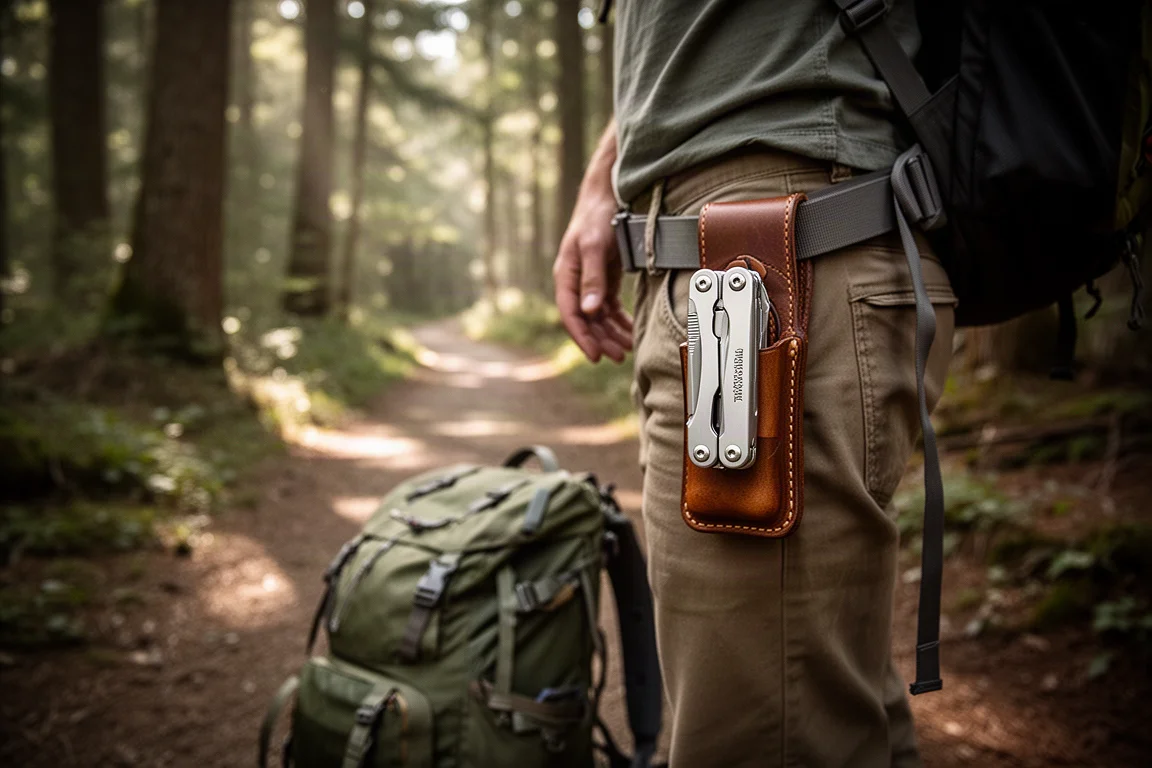
A multitool is a toolbox in your pocket, and it is only useful if you actually carry it. For backpacking, camping, or everyday carry where weight and bulk matter, the Spirit X delivers almost the same functionality for a much lighter package. If you regularly need heavy-duty capability, a larger blade, or proper scissors, the Swiss Tool X earns its extra weight.
On price, both sit close together on the Victorinox UK website, with the Spirit X at £135 and the Swiss Tool X listed slightly higher, so unless you are on a very tight budget, price is unlikely to be the deciding factor.
Conclusion
Both of these are brilliant multitools, and neither is a bad choice. The Swiss Tool X is the more capable, heavy-duty option with the better scissors and a wider screwdriver range. The Spirit X trades a little capability for a significantly better carry experience, and for most people who want a tool they will actually have with them every day, that trade is worth making.
Further reading
Related Reviews
Multitools
Victorinox Huntsman Swiss Army Knife Review: 15 Functions for Camp and Everyday Carry
A long-term look at the Victorinox Huntsman, covering what each of its 15 functions does, how the blades and saw perform, and the trade-offs to know before buying.
Multitools
Multitool Cutter Test: Leatherman Arc, Surge, Super Tool 300 and Gerber Center Drive Put to Work
We stress-tested four popular multitools on coat hangers, nails and screws, and found where replacement high-hardness cutters genuinely pay off.
Multitools
Harbor Freight 20-in-1 Multitool vs Leatherman Wave: A $40 Wave Clone Worth a Look
Harbor Freight's new 20-in-1 multitool copies the Leatherman Wave formula closely, and in some areas it improves on it. Here is how the two compare.