Multitools
Multitool Cutter Test: Leatherman Arc, Surge, Super Tool 300 and Gerber Center Drive Put to Work
We stress-tested four popular multitools on coat hangers, nails and screws, and found where replacement high-hardness cutters genuinely pay off.
Introduction
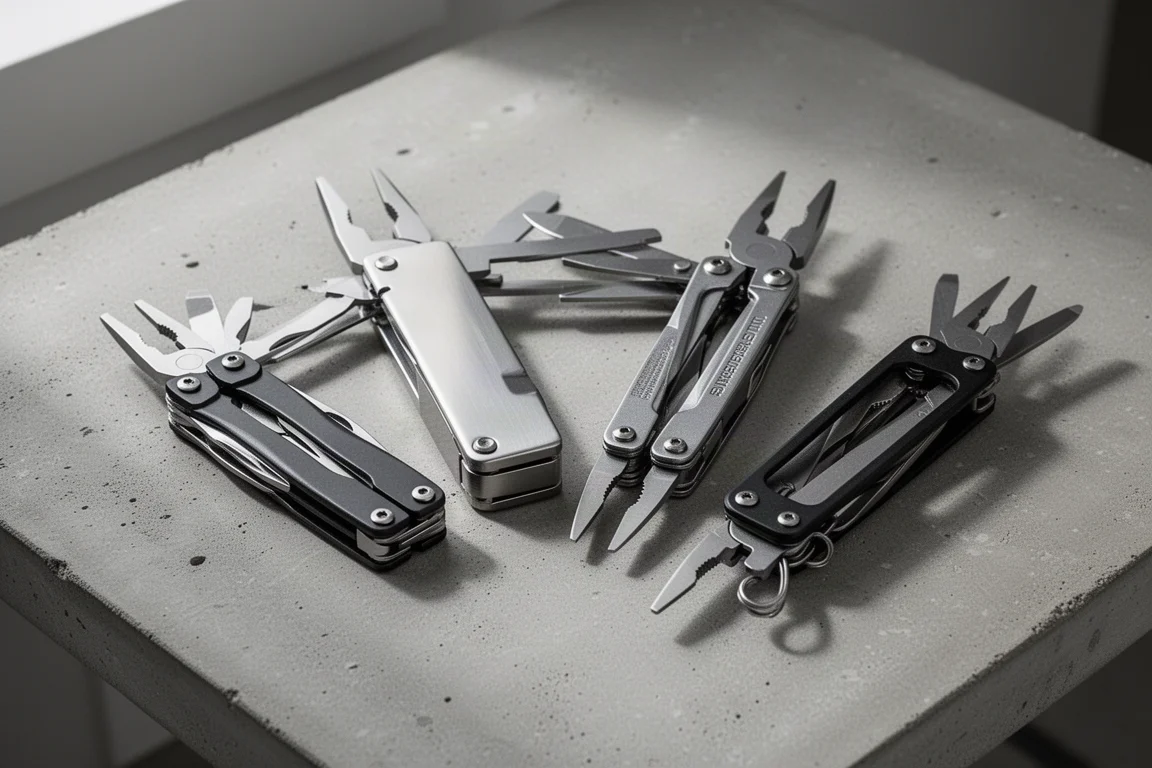
Multitool cutters are the part of the tool that takes the most abuse, and they are also the part where recent design changes have caused the most frustration. We put four popular multitools through a hands-on cutting test using coat hanger wire, common nails, and even a screw, to see which tools cut cleanly, which struggle, and where aftermarket replacement cutters change the equation.
Why Replacement Cutters Matter
On newer Leatherman multitools, the stock cutters have changed more than once. The original 154CM cutters were first swapped for a cheaper steel with the same shape, and later for a version with a noticeably worse geometry, including a visible gap at the very bottom of the jaws. That gap means materials can slip down and produce incomplete cuts, which is especially annoying with wider items like zip ties.
The older cutter design closes with essentially no gap and handles wire in the hard-wire section reliably. Many long-term users report never having broken or deformed the old-style cutters with normal use, which makes the downgrade feel unnecessary.
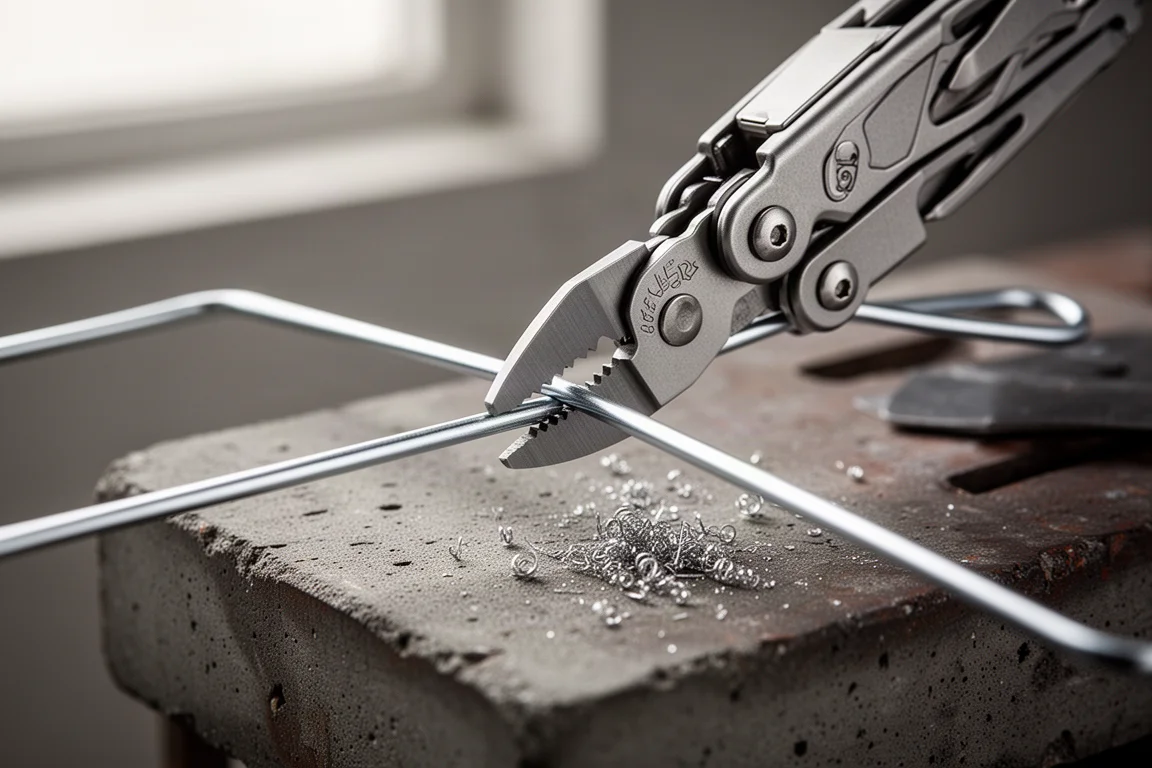
The practical takeaway: if your multitool has the newer cutter geometry, a set of replacement cutters made from harder steel can restore proper cutting performance without replacing the whole tool.
How High-Hardness Replacement Cutters Fit In
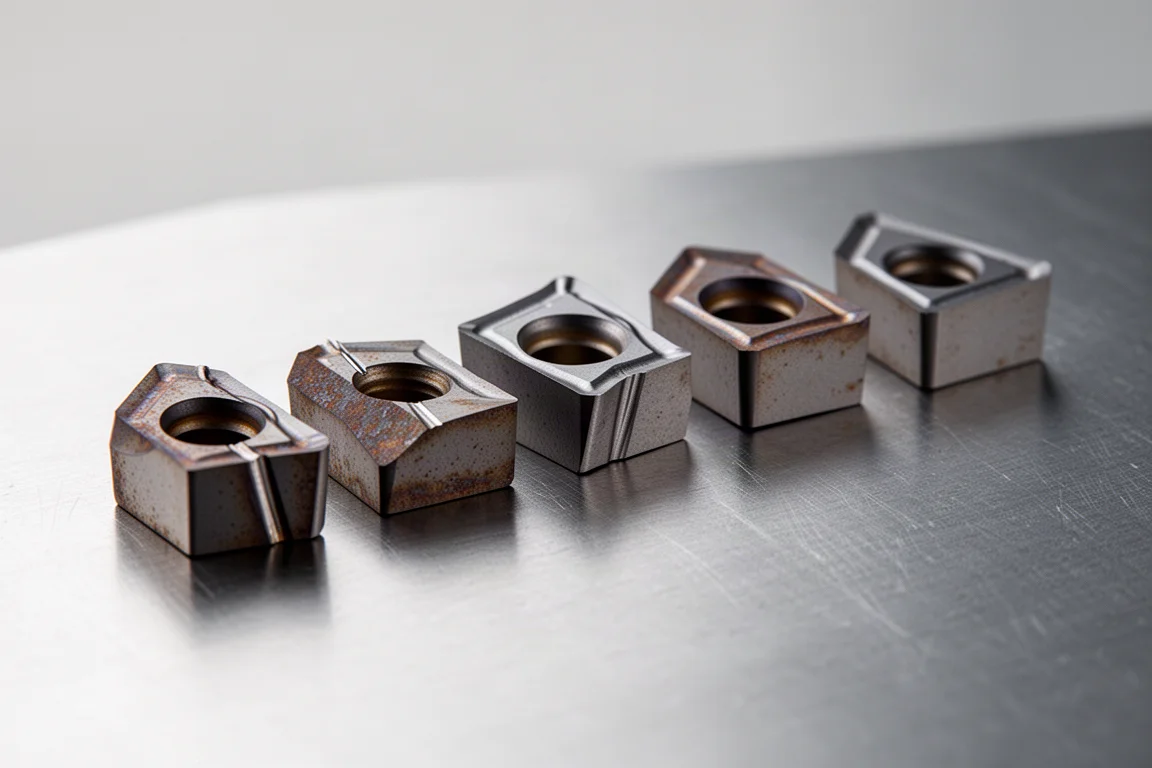
The most interesting option in this test is a set of handmade replacement cutters from Poland, made from high-speed steel at 65 HRC, wire EDM cut and then finished and ground by hand. That hardness is a step beyond the stock 154CM steel, and in use they cut nails cleanly with two hands and no visible damage.
Installation is straightforward: a T8 Torx screw holds each cutter in place, and the wire EDM cut line sits on the side that receives no pressure, so it is irrelevant once installed. The cutters come together with no light showing through the jaws, which is exactly what you want.
These cutters are also reusable across tools. Because high-speed steel cutters will almost certainly outlast the plier head itself, you can move them onto your next multitool when the time comes. Expect a bit of surface rust with high-speed steel; it is normal and does not affect cutting. One variant uses a 7-degree relief edge on three sides, so if you ding an edge you can rotate the cutter and keep going. A set for Gerber tools is also available, though sizing and edge angle matter more there, as we found later in the test.
Leatherman Arc
The Leatherman Arc ships with the newer cutter design, and it shows the familiar problem: cutting near the top of the jaws works fine, but sliding the material all the way down produces incomplete cuts. On a coat hanger the Arc did not break, which is reassuring, but the geometry still limits performance with wider materials.
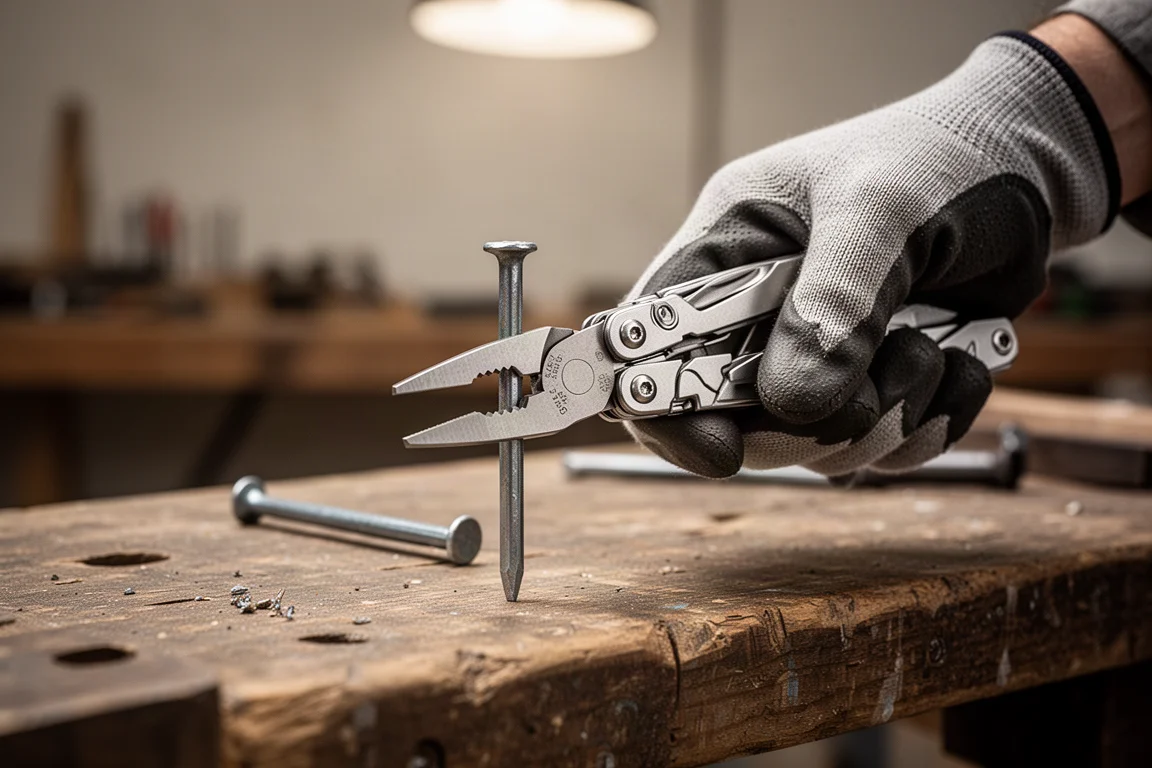
With the Polish high-speed steel cutters installed, the Arc transformed. It cut an 8D nail cleanly, handled repeated nail cuts with two hands, and when swapped onto other tools it consistently made cutting noticeably easier. There is no easy explanation for why the same cutters feel easier on the Arc than on some other plier heads, but the results were consistent.
For buyers, the Arc is a premium multitool with a refined feel, and with better cutters installed it becomes a genuinely strong cutting tool.
Leatherman Surge
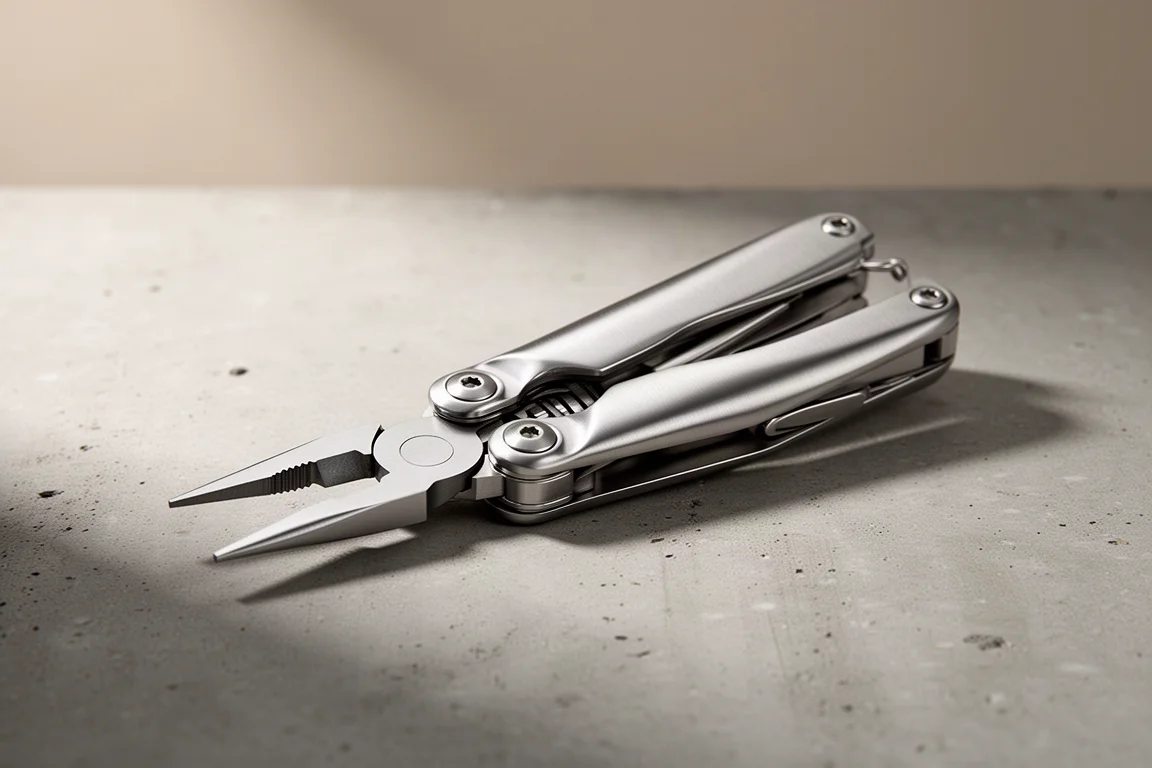
Our Surge is an older model with the original smooth cutters, which historically performed well. During testing, however, it required more force than expected to cut the same nail that other tools handled more easily. We checked the cutter thickness and edge shape, and the difference was hard to pin down; it may simply come down to the particular plier head.
The useful part: swapping in the high-hardness replacement cutters made a significant difference, turning a two-hand struggle into a clearly easier cut. If you own a Surge and find cutting harder than it should be, the cutters are the first thing to look at.
The Surge remains a large, capable multitool with plenty of leverage, and its cutter replacements are easy to service yourself.
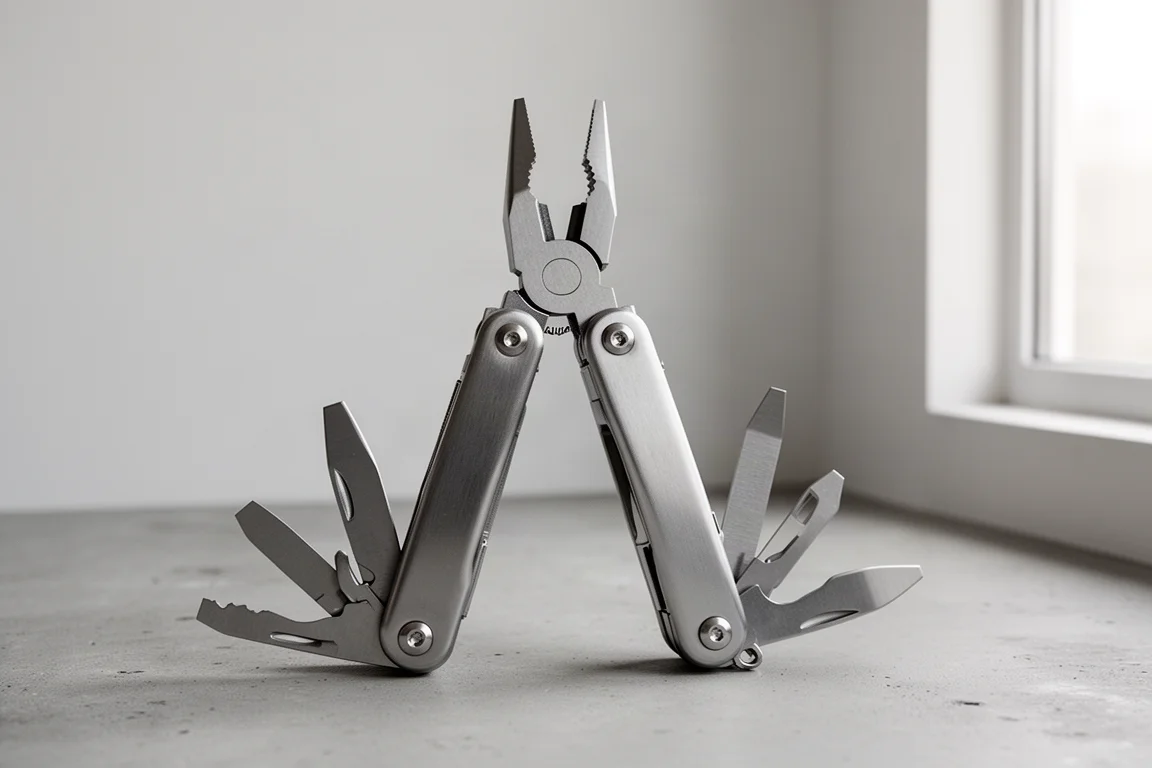
Leatherman Super Tool 300
The Super Tool 300, running its stock generic cutters, was surprisingly one of the easiest cutters in the whole test. Those cutters are a bit sharper than the high-hardness replacements, which helps on nails, though they are also more likely to deform or damage over repeated hard use.
If you want the most cutting performance per dollar out of the box, the Super Tool 300 is a strong pick. If you want cutters that will survive years of hard use and outlive the tool itself, pairing it with replacement high-speed steel cutters is the better long-term bet.
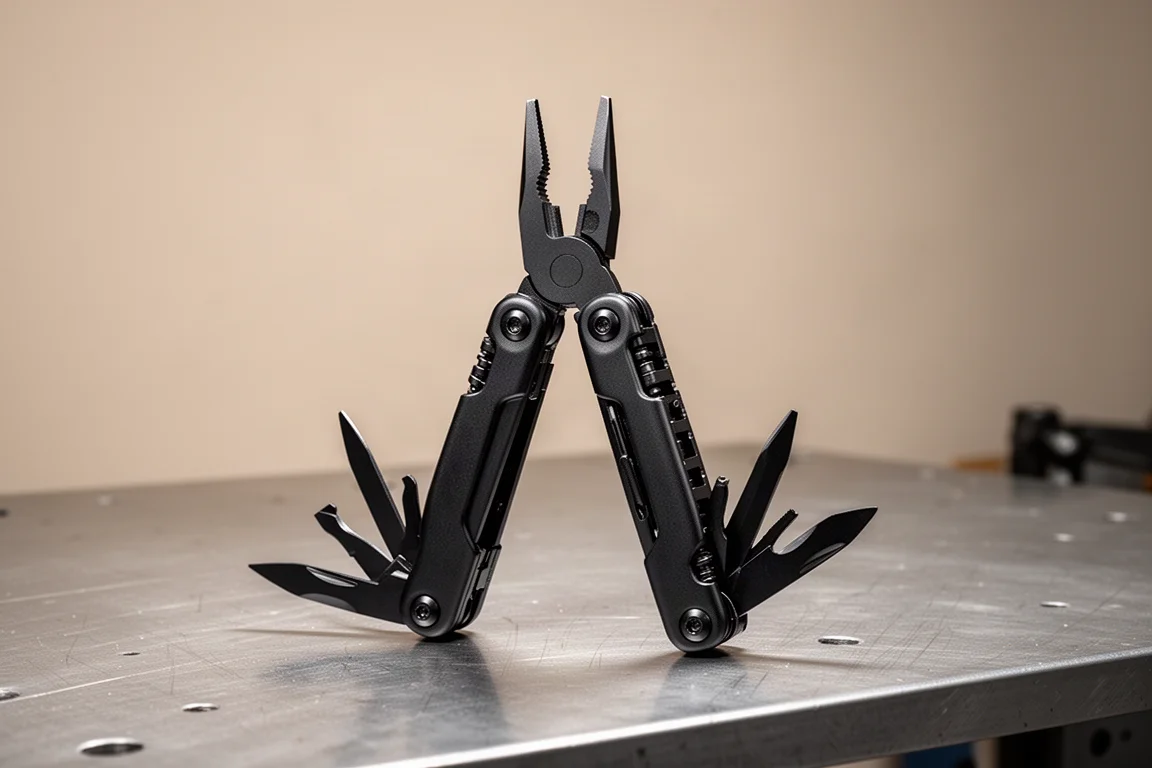
Gerber Center Drive
The Gerber Center Drive has a different problem. Its stock carbide cutters have three cutting edges, and when one edge breaks, the whole carbide insert tends to shatter. During testing, a simple coat hanger wire placed slightly too low in the jaws shattered a brand-new set of stock cutters with almost no effort. The hard-wire notch is not at the very bottom of the jaws, so material resting against the wrong spot cracks the carbide easily. That is a realistic failure mode for anyone working quickly.
The plier head itself is solid. What looks like play is actually movement between the handles, not the head, which is normal.
Installing the Polish high-speed steel cutters on the Center Drive eliminated the breakage problem entirely; nothing cracked or dinged. However, cutting a nail was difficult. The angle of these cutters brings the jaws to a narrower profile, while Gerber jaws stand nearly parallel, so there is not enough relief to bite cleanly. Any replacement cutters will hold up far better than the stock carbide inserts, but a Gerber-specific relief angle, something closer to 11 degrees, would cut cleaner.
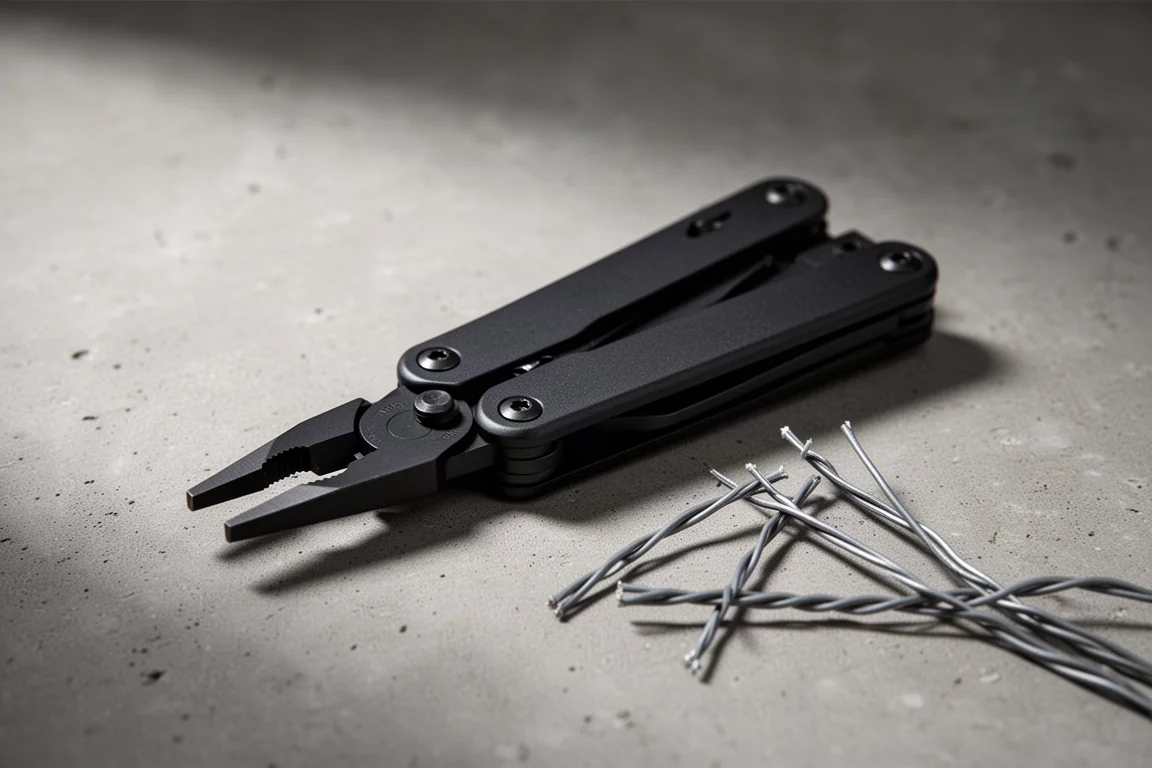
Until then, treat the Center Drive as a tool you should upgrade with replacement cutters mainly for durability, not for nail-level cutting performance.
Overall Buying Advice
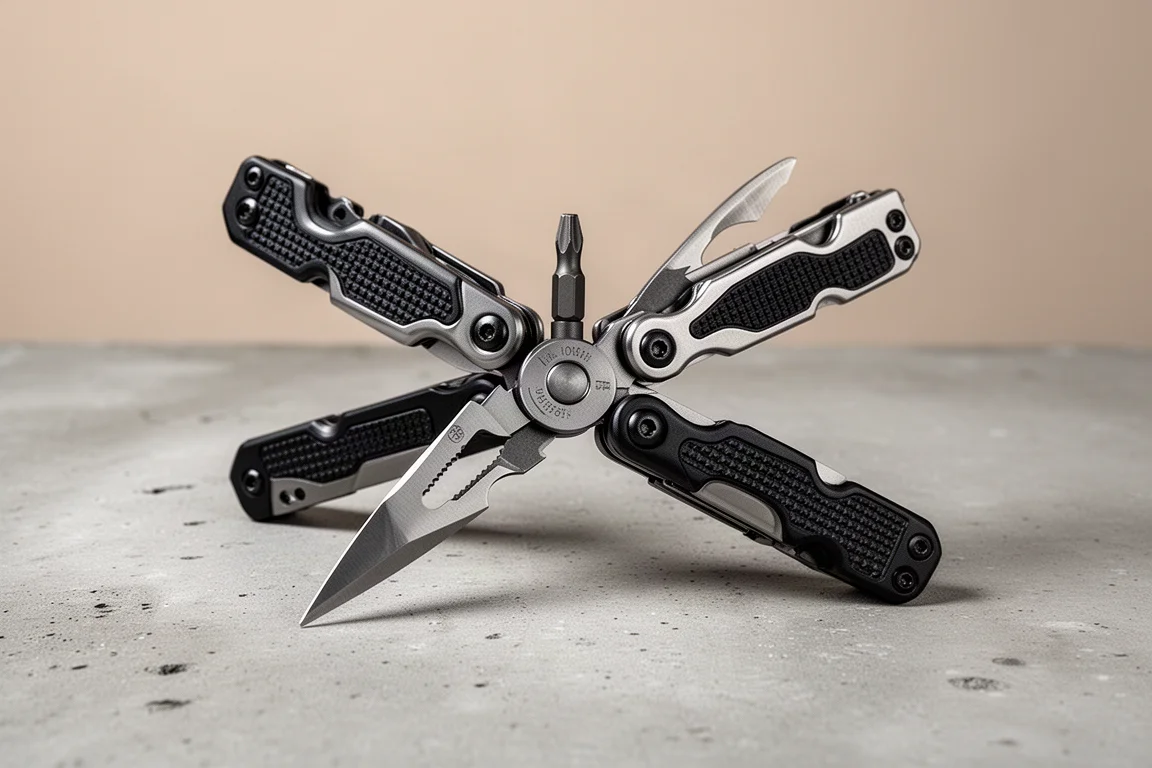
If you are choosing between these four tools, the practical picture is this. The Super Tool 300 offers the best out-of-the-box cutting feel at a lower price. The Arc becomes excellent once you fit high-hardness replacement cutters, and its premium build quality justifies the combination. The Surge is a workhorse that benefits noticeably from a cutter swap. The Center Drive is worth buying only if you plan to replace the carbide cutters, because the stock inserts can shatter from a single misplaced cut.
Whichever tool you choose, high-speed steel replacement cutters, whether made in the USA or hand-ground in Poland, will very likely outlive both the cutters and the plier head they mount in. Buy once, swap them onto your next tool, and keep cutting.
Conclusion
The cutting test showed two clear lessons. First, geometry and placement matter: modern cutter designs with gaps at the jaw bottom, or carbide inserts with fragile edges, can fail or underperform in ways the older designs never did. Second, upgrading to 65 HRC high-speed steel replacement cutters fixes the durability problem everywhere and the performance problem on Leatherman tools. Match the tool to your budget, and consider a set of replacement cutters as the single most worthwhile multitool upgrade you can make.
Further reading
Related Reviews
Multitools
Victorinox Huntsman Swiss Army Knife Review: 15 Functions for Camp and Everyday Carry
A long-term look at the Victorinox Huntsman, covering what each of its 15 functions does, how the blades and saw perform, and the trade-offs to know before buying.
Multitools
Harbor Freight 20-in-1 Multitool vs Leatherman Wave: A $40 Wave Clone Worth a Look
Harbor Freight's new 20-in-1 multitool copies the Leatherman Wave formula closely, and in some areas it improves on it. Here is how the two compare.
Multitools
Roxon Flex Review: A Fully Customizable Multitool That Changes the Rules
The Roxon Flex lets you pick exactly which implements go into the frame, and it turns out it can hold up to four long tools, not just two. Here is how to build it right.