Tools
Vessel 220USB Ball Grip Electric Screwdrivers: Four Options Compared
A close look at Vessel's Ball Grip rechargeable electric screwdriver family, from the single-speed base model to the 1,200 RPM high-speed version and the 25-piece bit kit.
Introduction
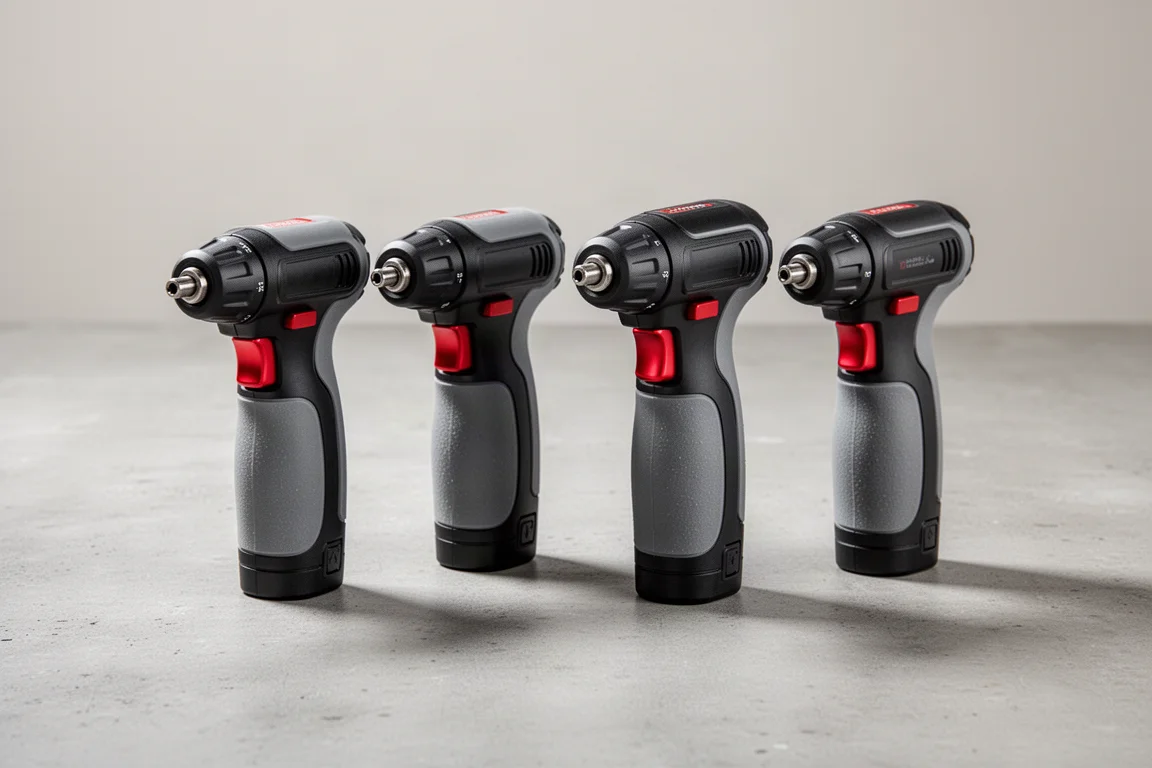
Vessel’s Ball Grip rechargeable electric screwdriver line covers more ground than most people expect from a compact driver. The lineup includes a single-speed base model, a three-speed version with USB-C charging, a high-speed model spinning at 1,200 RPM, and a kit version bundled with 25 impact bits in a storage case. All of them share the same core idea: a palm-filling ball grip, a JIS drive for Japanese-standard screws, and the ability to work both electrically and as a manual screwdriver for final tightening and loosening.
The key specs to know up front: the base model runs at 280 RPM with 17.7 inch-pounds of electrical output torque, the three-speed model steps through 280, 340, and 400 RPM, and the high-speed version tops out at 1,200 RPM. Every model is made in Japan, with only the charging cables (and the kit’s storage case) sourced elsewhere.
What the Ball Grip Gets Right
The grip is the defining feature across the whole line. The rounded ball sits comfortably in the palm, and there are finger indentations on the sides so you can twist the tool manually when you need extra leverage. Downward pressure during driving feels natural, and thumb operation of the momentary power switch works well in practice.
The chuck uses a pop-up collet design. You pull the collet forward to insert a bit rather than pushing it straight in, which takes a moment to get used to but locks bits in securely. A small LED light near the chuck illuminates the work area, and every model includes a charging indicator. One detail that stands out is the one-piece impact ball and torsion bit design, which includes a small ball at the center of the bit to help with torque under impact loads.
The Base Model: Vessel 220USB
This is the entry point: 280 RPM no-load speed, 17.7 ibf per inch of electrical output, and manual torque up to 88.5. It charges over micro USB and ships with a five-piece impact ball and torsion bit set. The body has red anodized accents on the collet, and the charging port is tucked into the handle where it is protected but slightly less accessible.
The micro USB port is the main modernization complaint here. The design, fit in the hand, and general build quality are otherwise excellent, and the tool feels intuitive enough that you barely need the instructions.
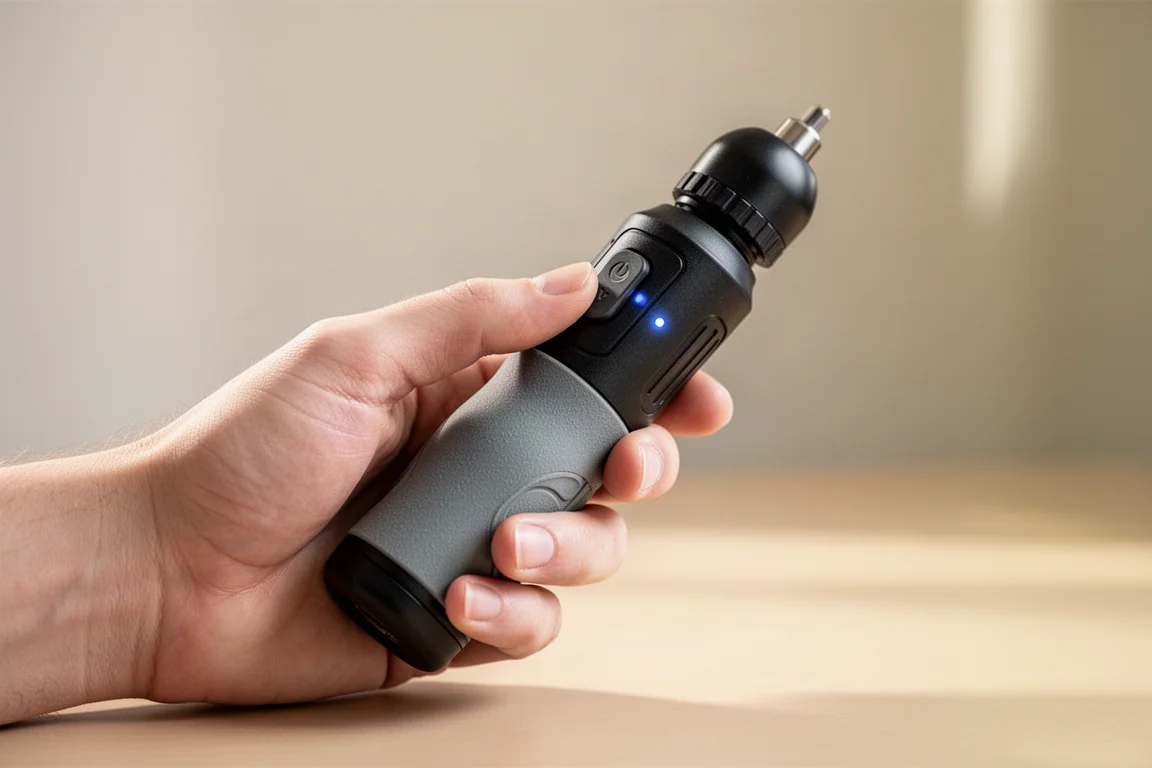
If you need one speed, one job, and a comfortable driver that can also do manual tightening, this model covers it well.
The Three-Speed Version: 220USB with Adjustable Speeds
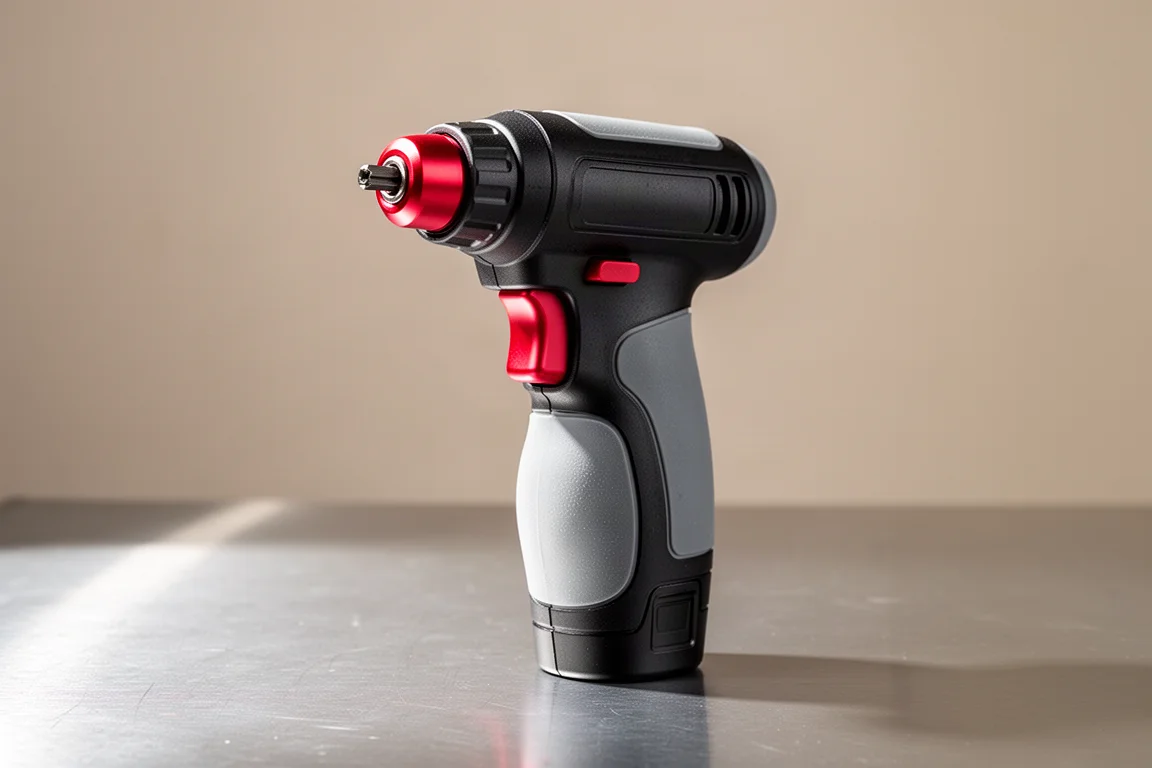
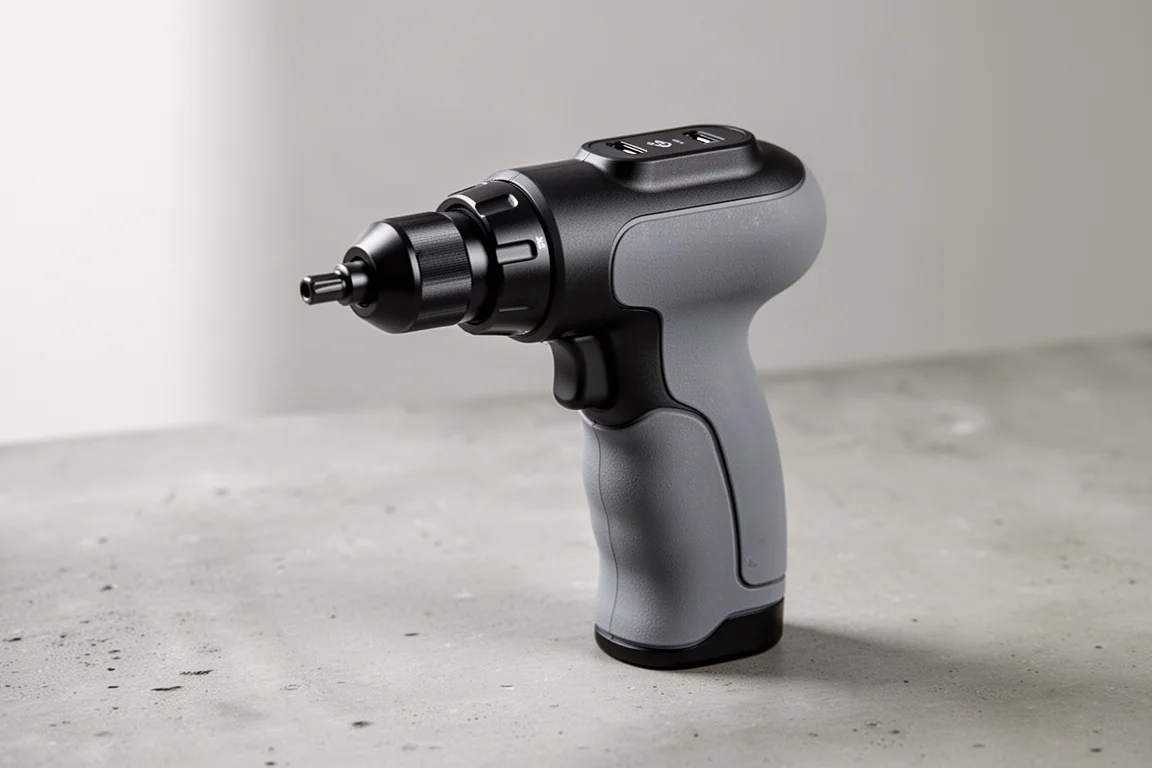
The three-speed model is the most versatile of the bunch. It offers 280 RPM on slow, 340 on medium, and 400 on high, with torque figures of 10.6, 14.2, and 17.7 ibf per inch respectively. Speed selection uses a single button: press and hold for slow, press and hold again for medium, with a distinct flash pattern for each speed so you always know the current setting.
Notably, this is the model that gets USB-C charging, which addresses the biggest gripe about the base version. The body is a two-tone design with grey rubberized parts against black plastic, finished with a black anodized collet. It also adds a small collar near the chuck, likely part of the reinforced gearing, which makes it a touch longer than the base model and slightly heavier.
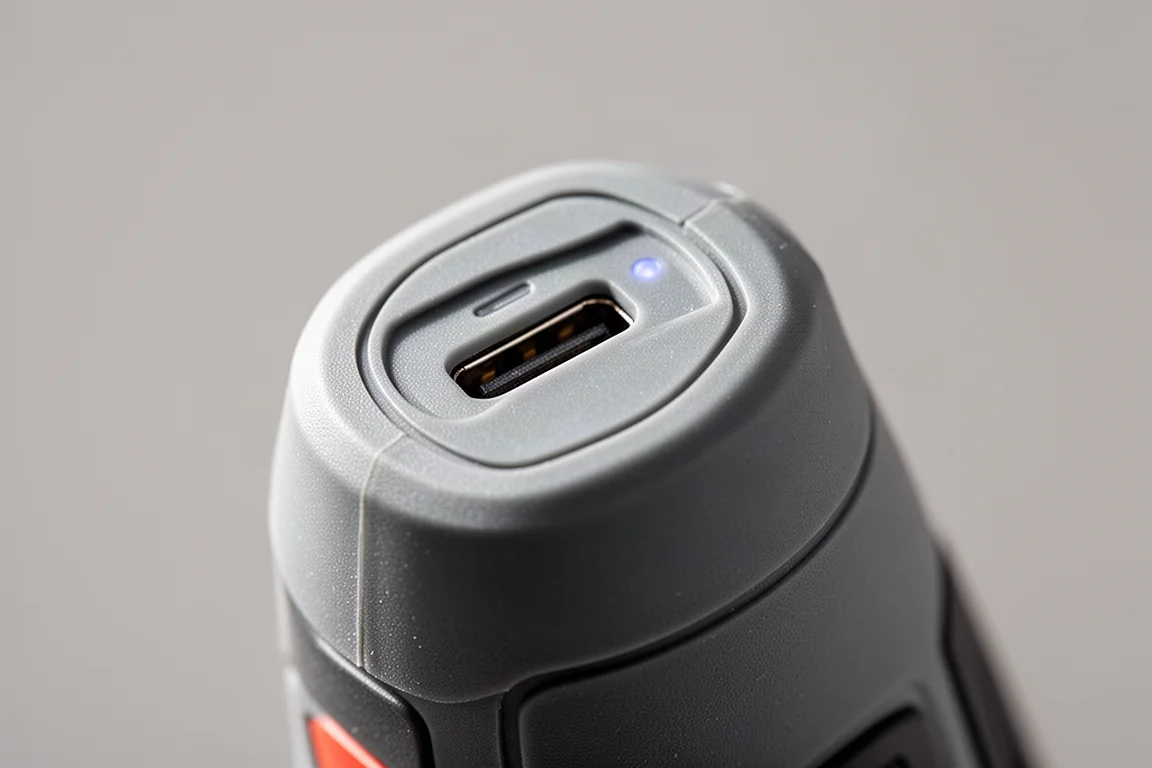
It also includes an attachable anti-lanyard point, though most users will never touch it. Of the four, this is arguably the best all-around choice because you get slow speed for delicate work and higher speeds for general driving in one tool.
The High-Speed Version: 1,200 RPM
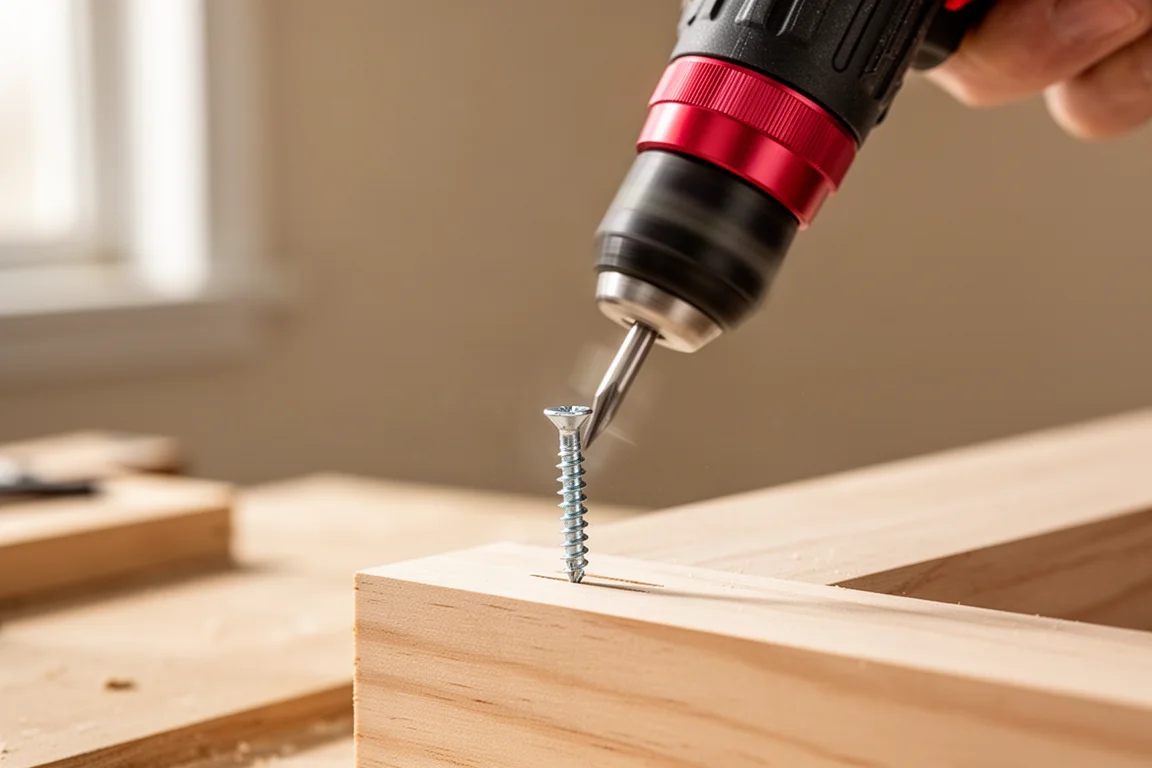
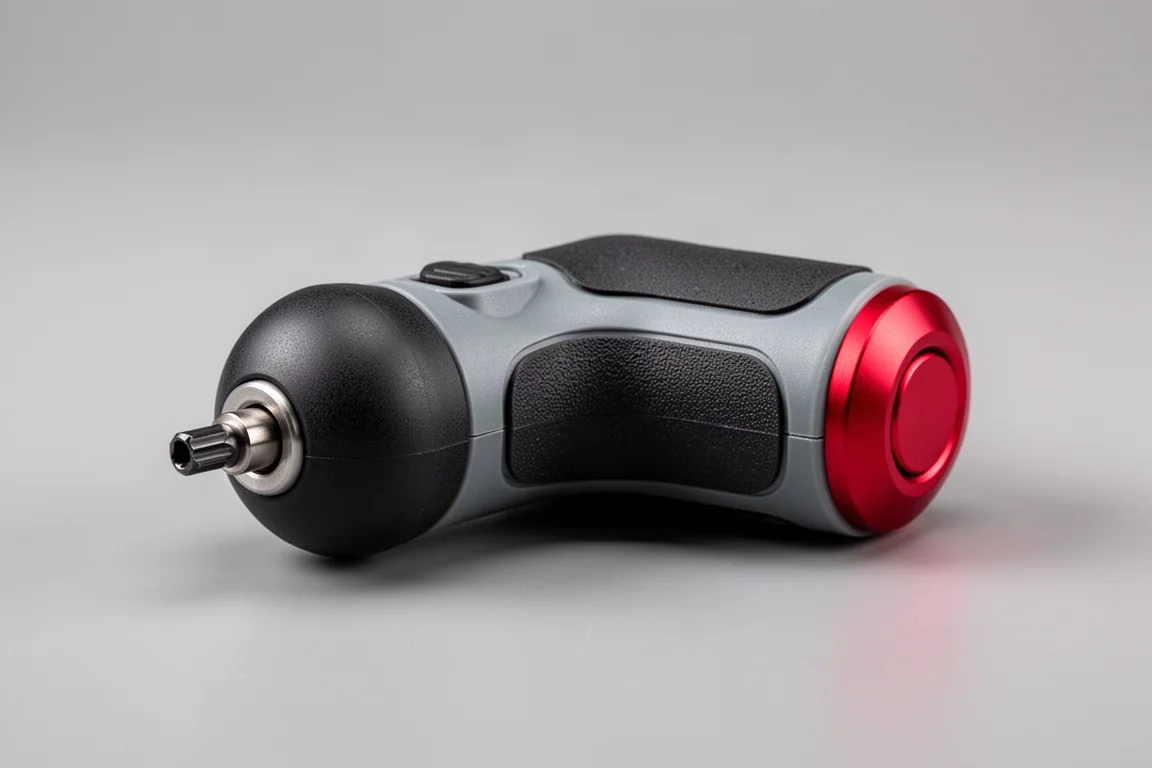
This model is essentially a higher-powered, single-speed version of the base driver. Its no-load speed is 1,200 RPM, more than four times the base model’s 280, and in side-by-side testing the difference is obvious: where the three-speed’s high setting shows a visible blur of rotation, the high-speed model is a straight-up blur.
It charges over micro USB, has a single speed with no button control, and features a distinctive color scheme: a grey body with black rubberized parts and a red anodized end. It ships with a standard torsion bit. The charging port door is easy to open, and the tool otherwise feels like the same well-built family.
The trade-off is flexibility. If your work consistently calls for one fast speed, this is the right pick. If you need to back off for delicate screws, the three-speed model is the better tool.
The 25-Piece Bit Kit
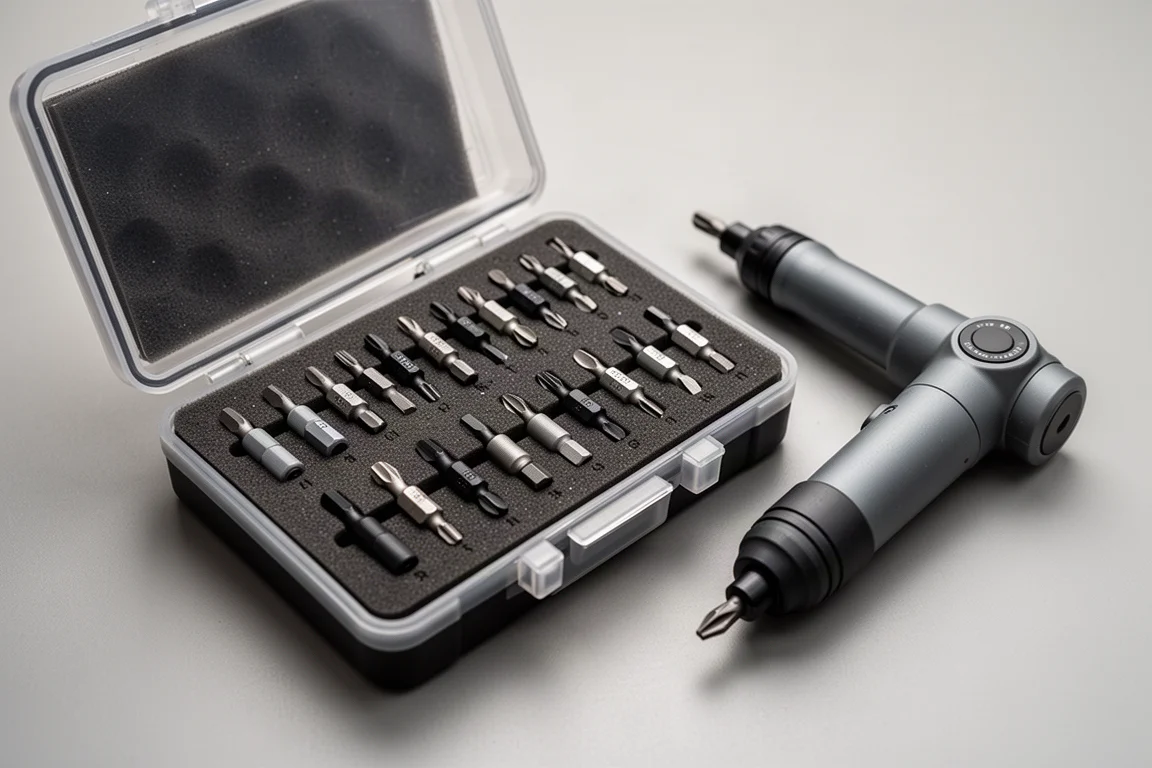
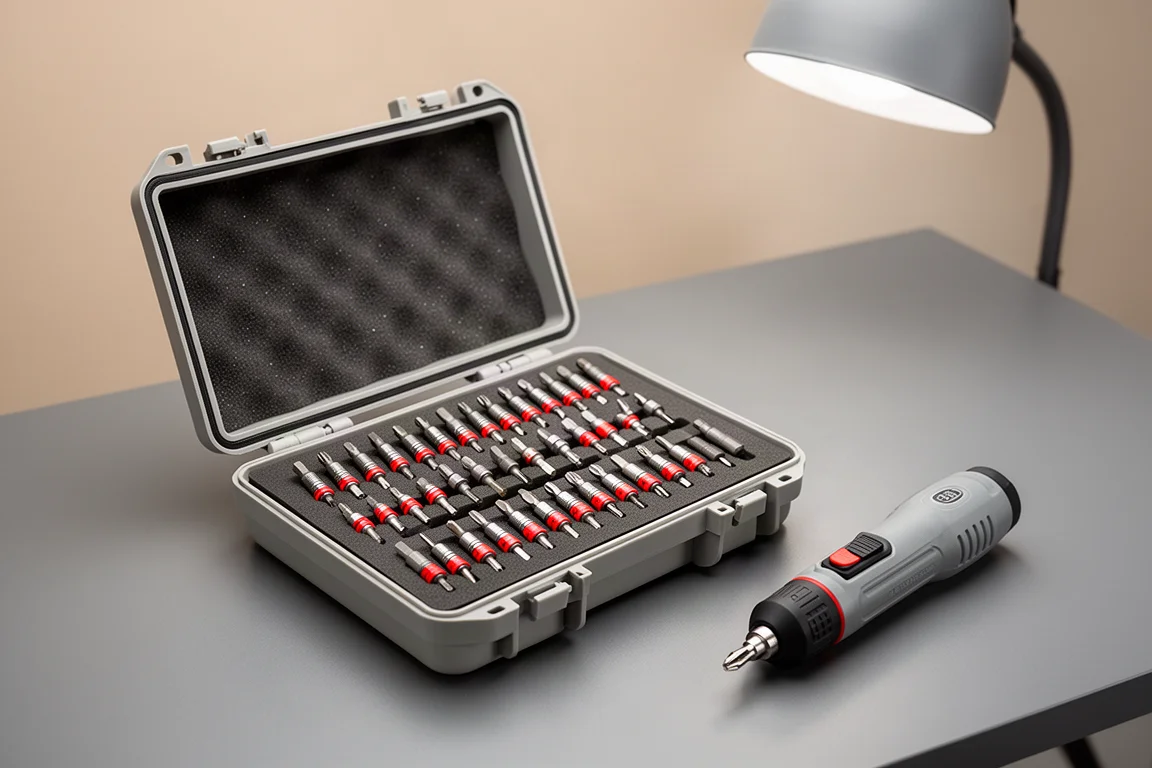
The kit bundles a driver from the base 220USB family with 25 pieces of Vessel’s impact ball and torsion bits in a hard storage case. The case includes a foam insert and pivoting bit slots, so the bits flip up for easy access, though they can pop out if the case is jostled. The driver inside is functionally identical to the standalone base model, confirmed by matching speed ratings and build details; the kit just gets a different part number and its own case.
Two sourcing notes: the storage case is made in Taiwan, the USB cable is made in China, and the driver itself is made in Japan. The case plastic is serviceable but not the glass-filled, impact-resistant polymer you might expect from premium tool storage, so it is worth handling with a bit of care.
One genuinely nice extra is the included bit holder extender. It uses a hex piece seated into the sleeve with a magnet held by a small c-clip inside, and bits can also be used directly in the chuck without the extender if access is tight. It is the kind of small engineering detail that is easy to miss and appreciated once noticed.
For anyone buying their first Vessel driver, the kit is a convenient way to get the tool and a full bit selection in one purchase.
Buying Advice
For most buyers, the three-speed version is the sweet spot: adjustable speeds for different materials, USB-C charging, and the same comfortable grip as the rest of the line. The base model and the kit version are effectively the same driver, so choose the kit if you want bits and a case included, or the standalone if you already have a bit collection. The high-speed model makes sense only if your work consistently demands maximum rotation speed and you do not need speed control.
Across the line, the shared strengths are the same: excellent palm fit, JIS compatibility for Japanese-standard screws, manual overdrive for final tightening, and build quality with small details like the c-clip-retained magnet in the bit holder that you rarely see elsewhere. The shared weakness is just as consistent: most of the line still charges over micro USB, which feels dated even if it is not a deal breaker.
Conclusion
Vessel’s Ball Grip electric screwdrivers deliver a well-thought-out grip, solid Japanese manufacturing, and a clear model hierarchy. Pick the three-speed for versatility, the kit for a complete starter package, the high-speed version for raw speed, and the base model for the simplest, most affordable entry into the family.
Further reading
Related Reviews

Tools
Best Contractor Grade Tape Measures 2026: Eight Models Tested Head to Head
We tested eight contractor grade tape measures from Milwaukee, DeWalt, Crescent Lufkin, Tajima, Stanley, Irwin, Gelan, and Craftsman to find the best value and performance.

Tools
Best Precision Screwdriver Sets 2026: Manual and Electric Options Compared
We compare 19 precision screwdriver sets, from budget manual kits to electric drivers, to find the strongest bits and best value.

Tools
Best Stud Finders 2026: Five Popular Models Put to the Test
We tested five popular stud finders on drywall, firewall, and lath and plaster surfaces to see which ones really find studs and avoid false readings.