Fountain Pens
Venustas Magna Fountain Pen Review: A Design Object That Writes
A piston-filling Italian fountain pen with an unusual three-piece slide construction, a semi-hooded steel nib, and a look you will either love or leave.
Introduction
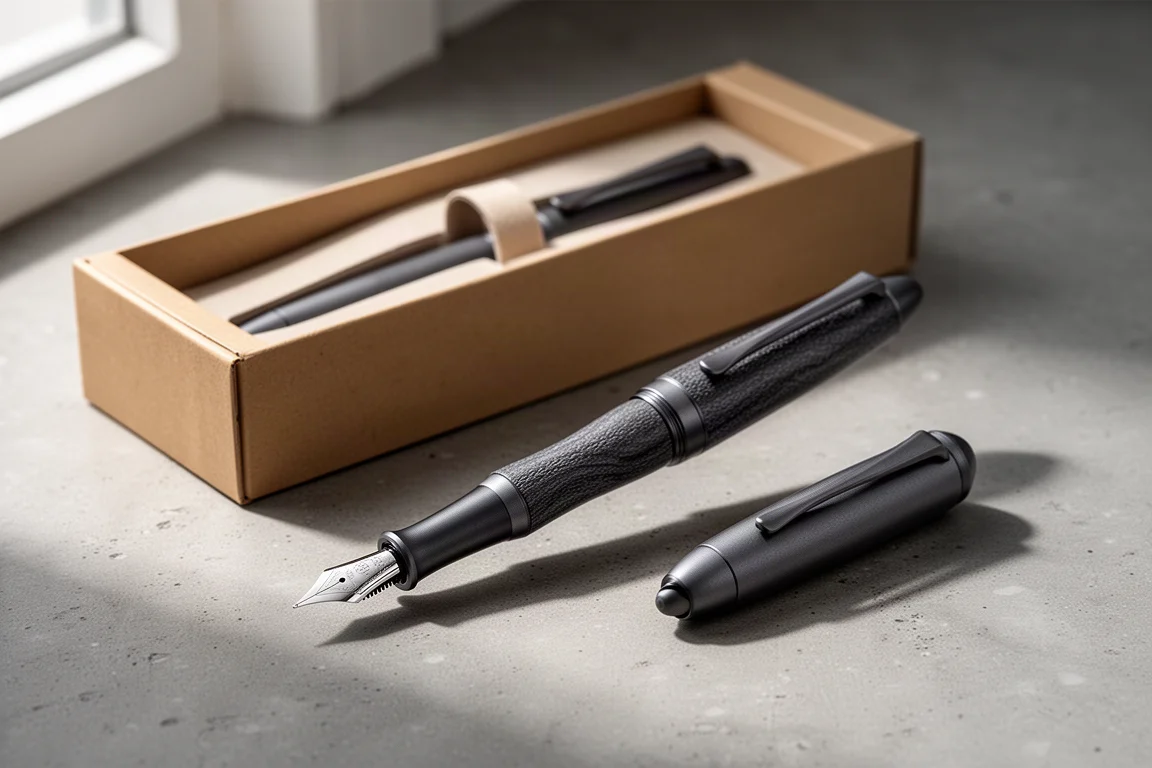
The Venustas Magna is not a pen that tries to disappear into your hand. It is a deliberate, sculptural fountain pen from an Italian brand whose entire identity is built around high-level design, and that is something you will either enjoy or bounce off immediately. Years ago the company was an early-stage Kickstarter-era operation; today its pens are commercially available through retailers, and the Magna is part of the current lineup.
This model stands out for a few concrete reasons: a piston-type filling mechanism, an unusual three-piece construction where the cap and barrel simply slide on and off, and a semi-hooded steel nib with a flat feed. It retails for €205.79, without VAT, at Joost’s shop, one of the retailers offering the brand. That price buys you more than a writing instrument; it buys you a design object. Whether that trade is worth it depends on your taste, and this review lays out both sides.
Who This Pen Is For
If you want a conventional black-and-gold workhorse pen, this is not it. The Magna is for people who enjoy pens as objects first and writers second, and who appreciate that the company has refined its products over successive generations. The original model had sharper, cruder details, including metal prongs that held the barrel and cap in place and were sharp enough to cut a finger. Those are gone in this version, and the improvement is noticeable.
It also suits writers who like a lighter pen. Because the barrel is largely hollow tube, the pen has some girth but little weight, and it does not become top heavy when posted. Compared side by side with a Pilot Metropolitan, the girth is about the same, though the Magna is a bit longer.
Main Strengths
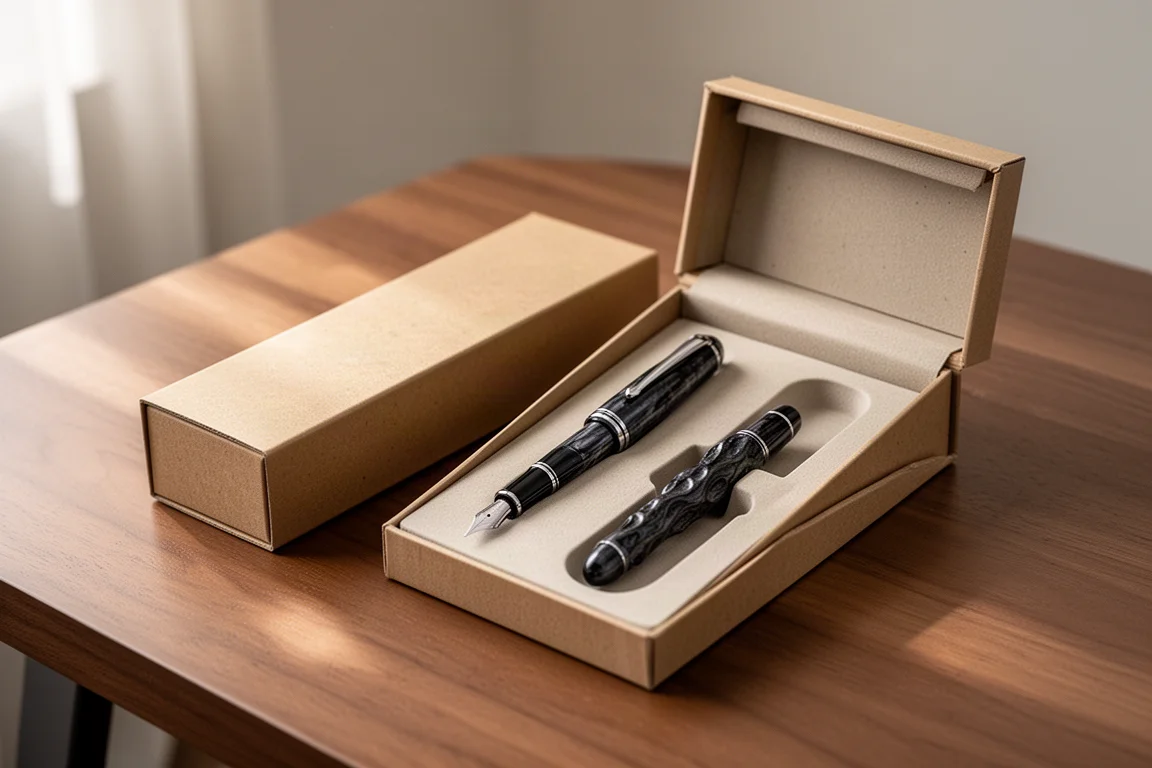
The three-piece slide construction is the signature feature. The rear of the barrel is open, and the cap, barrels, and filling mechanism all slide apart and back together. The cap posts onto the rear tube in the same way it caps, so you can write posted with a full-length pen, or leave it unposted if you prefer a shorter balance. There is a small groove near the ends of the cap and barrel that gives a fingernail a place to help uncap or unsleeve, though honestly the pieces slide off smoothly enough that the groove is not strictly necessary.
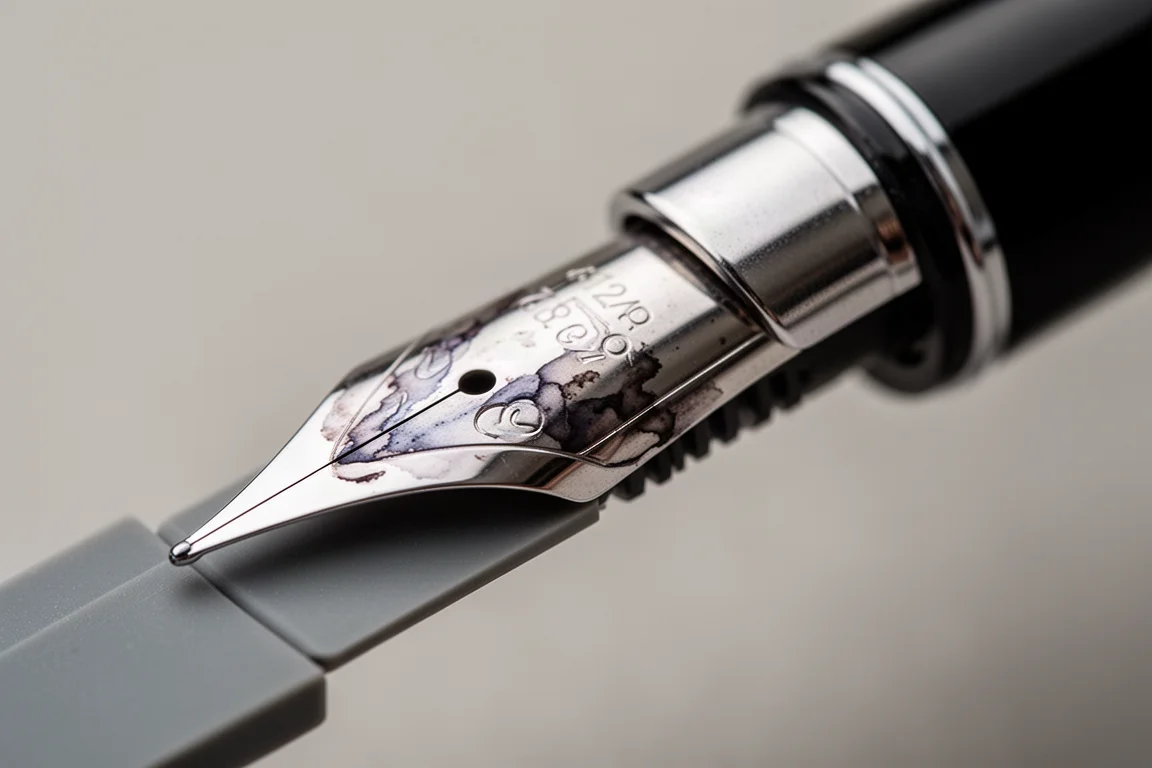
The nib is interesting. It is listed on the website as steel, but it has the look of a titanium nib: a semi-hooded design, appearing like a size six nib, with a metal piece that hoods the shoulders and creates a pleasant layered appearance alongside the flat feed, which matches the pen’s design language very nicely.
On paper, the nib has noticeable feedback but no scratchiness, and the feed keeps up well without flooding the page. The nib is a true round nib with no real line variation in the traditional sense, yet because it spreads open easily under light pressure, it behaves like an expressive nib: pressing lightly produces a visible line change without any feeling of damaging the pen. Reverse writing, however, becomes scratchy, so it is not recommended, particularly on a nib that is relatively fine to begin with.
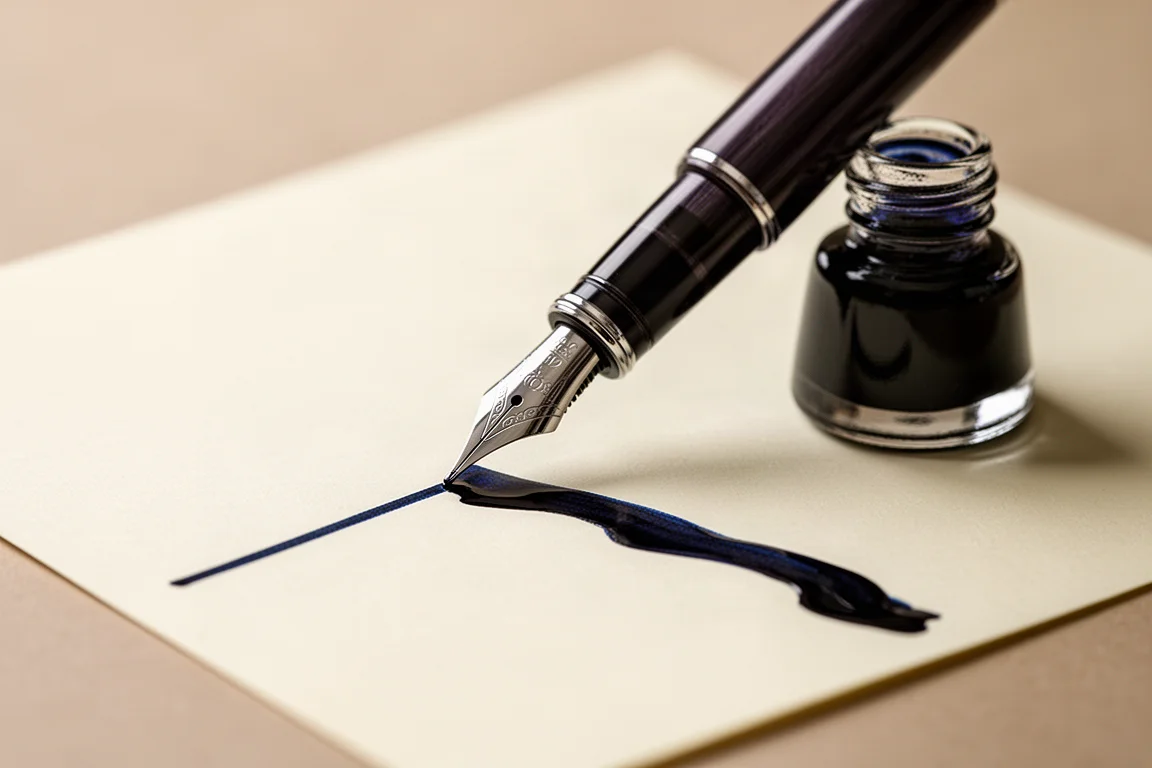
Filling is a pleasant experience in itself. The piston mechanism draws up a generous amount of ink, and the whole disassembly makes refilling and handling feel intentionally mechanical rather than fussy.
Things to Consider Before Buying
The price is the first consideration. At €205.79 without VAT for a steel nib, this is not a cheap pen, and the 14k gold nib upgrade in fine, medium, or broad costs an additional €123.97, also without VAT. You are paying for the design, not for a gold nib out of the box.
Capping takes some care. The cap only goes on one way: there is a cutout on the cap end and a notch inside the section that must line up, otherwise the pen will not cap, and there is some room for twisting and misalignment. The same applies to the barrel sliding on.
The ink window problem is the most practical drawback. Because the nib is only semi-hooded, the metal hooding piece picks up ink stains when you submerge the section deep enough in a bottle to fill the piston. That staining is visible on the material and hard to avoid. Separately, some users online have reported ink leaking from places it should not; that has not been experienced here, but it is worth knowing about before you buy.
Nib choice is also a small mystery: the marking on this particular nib could not be read, possibly hidden under the hood, so confirm the nib size with your retailer when ordering. Available options are fine, medium, or broad in steel, or the same sizes in 14k gold with the upgrade.
Buying Advice
If you love the aesthetic, the Magna rewards you: the finial is simple and refined, the slide mechanism is genuinely fun to use, and the pen writes well with expressive character. Choose the broad steel nib or a nibmeister smoothing service if buttery-smooth writing matters to you, since the fine and medium options carry more feedback.
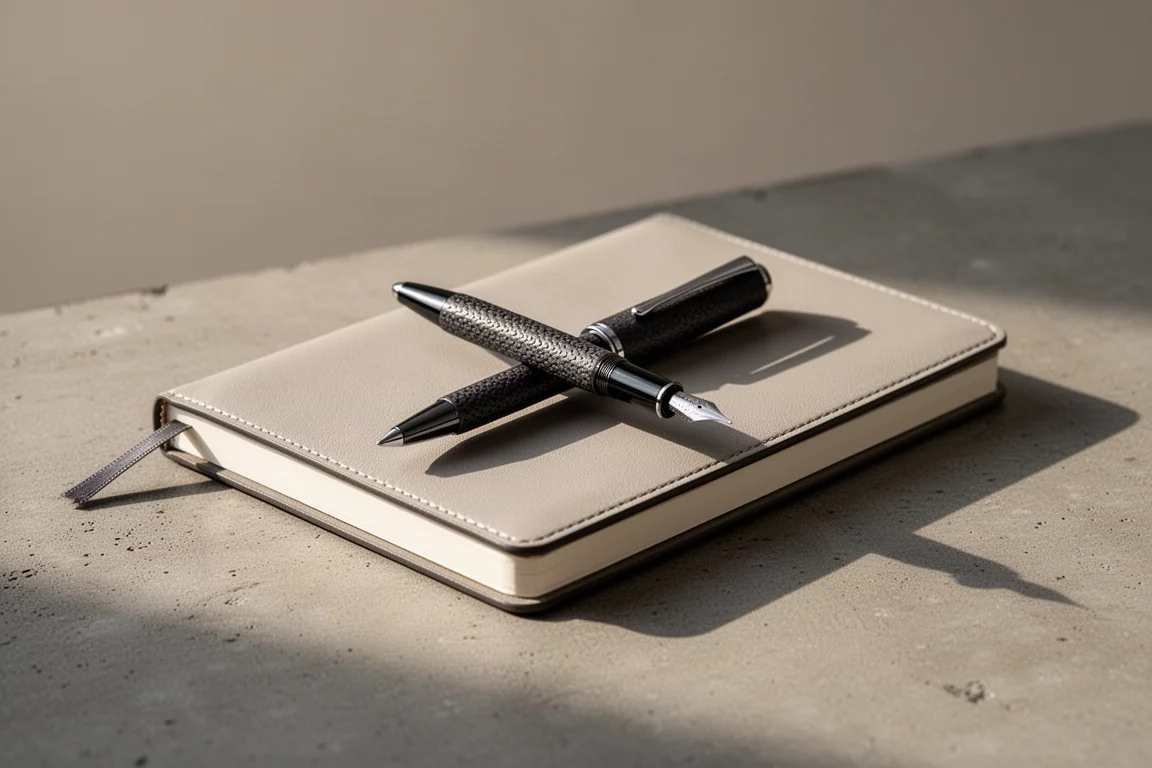
If staining on the hooded section or the possibility of leakage worries you, think twice, or at least buy from a retailer with a good return policy. For everyone else, this is one of the more distinctive pens available at this price, from a company that clearly keeps improving its products, and that counts for a lot.
Conclusion
The Venustas Magna is a design object that happens to write well. Its slide-apart construction, semi-hooded expressive nib, and light balance make it a genuinely interesting pen to own and use, as long as you accept the price, the staining risk when filling, and a capping mechanism that demands alignment. For buyers who want something different from the usual lineup, it is an easy recommendation; for conventionalists, there are safer choices.
Product link
View more details for Venustas Magna
This product is mentioned in the review. Check the specifications, options, and compatibility before buying.
View more details for Venustas MagnaFurther reading
Related Reviews
Fountain Pens
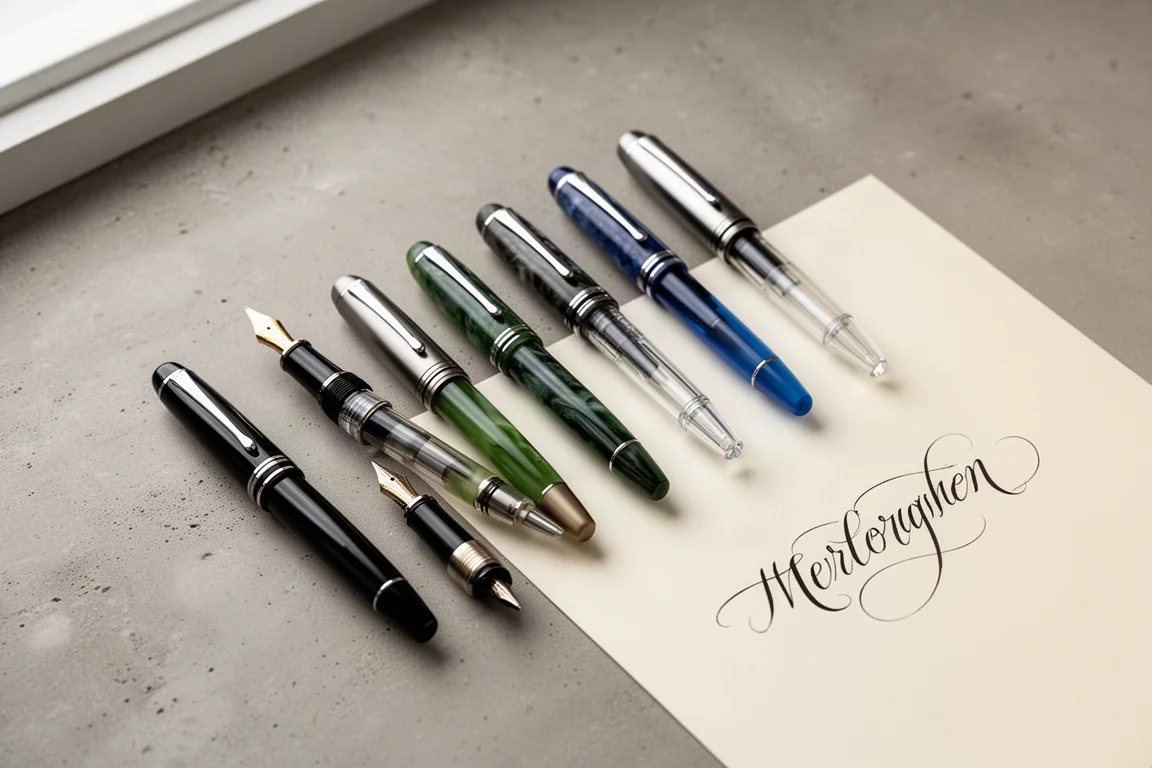
Best Budget Fountain Pens Tested: 9 Pens, One Clear Winner
A hands-on comparison of nine affordable fountain pens for everyday writing, calligraphy, and sketching, with a clear standout for flexible nib fans.
Fountain Pens
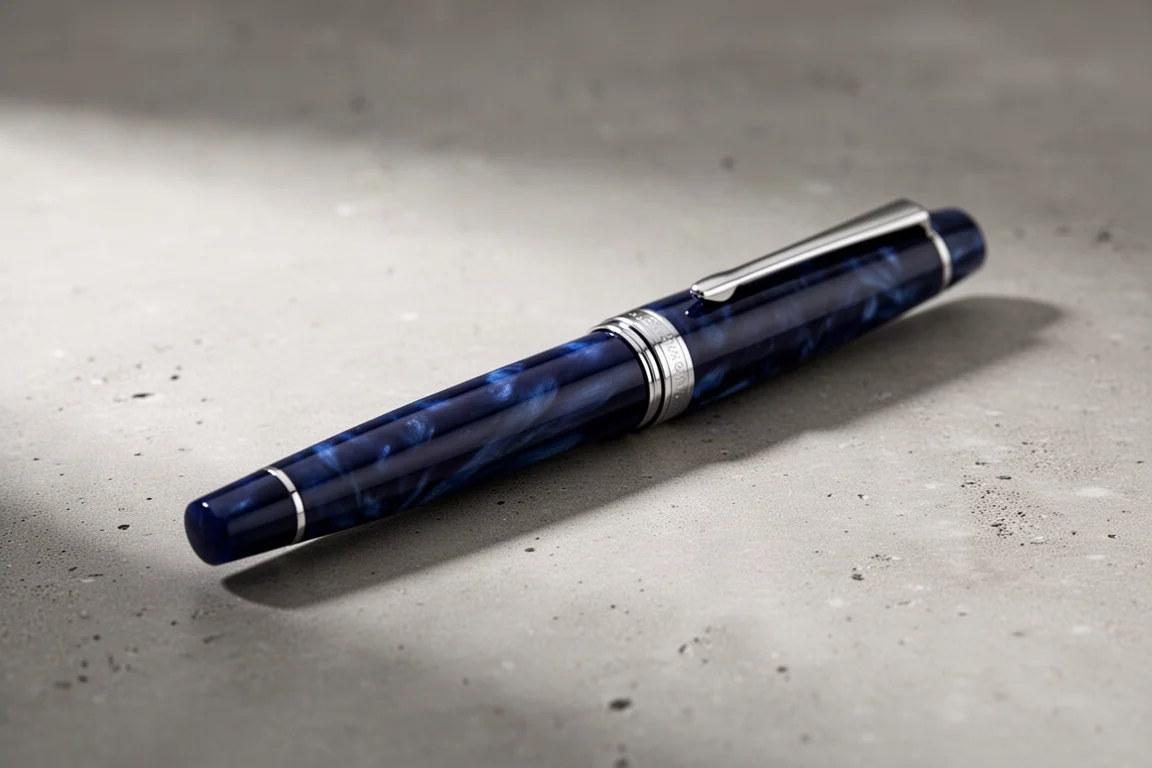
Aurora Optima Review: An Italian Piston Filler That Punches Above Its Price
A 14k gold nib, ebonite feed, and a beautifully deep oraloid body make the Aurora Optima one of the most rewarding piston fillers around.
Fountain Pens
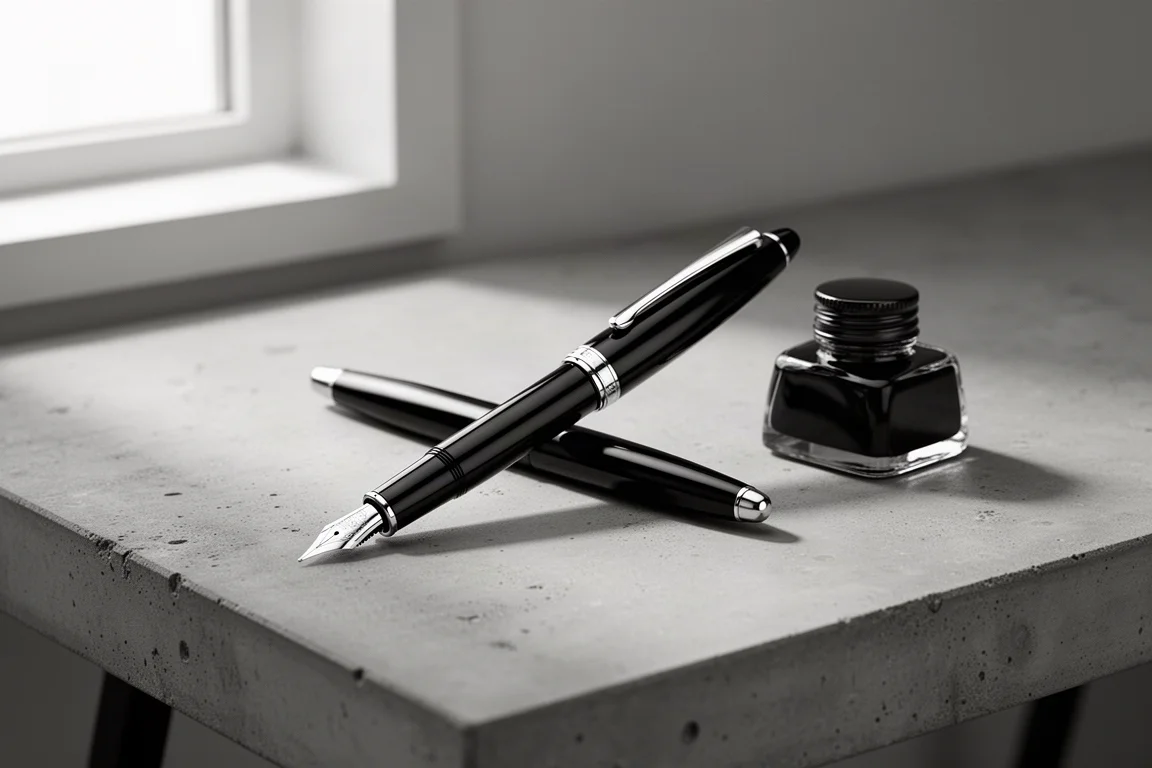
Cross Bailey Light Review: The Entry-Level Fountain Pen Worth Keeping at the Office
A plastic-bodied Cross with a metal clip, snap cap, and famously smooth extra fine steel nib. Around $15, available almost everywhere, and easy to recommend.