Garden & Outdoor
Vego Garden Easy Q 21x48 Review: A Self-Watering Raised Bed That Delivers
After more than a month of hands-on use with a bed full of herbs, the Easy Q self-watering planter proved easy to assemble and remarkably low maintenance.
Introduction
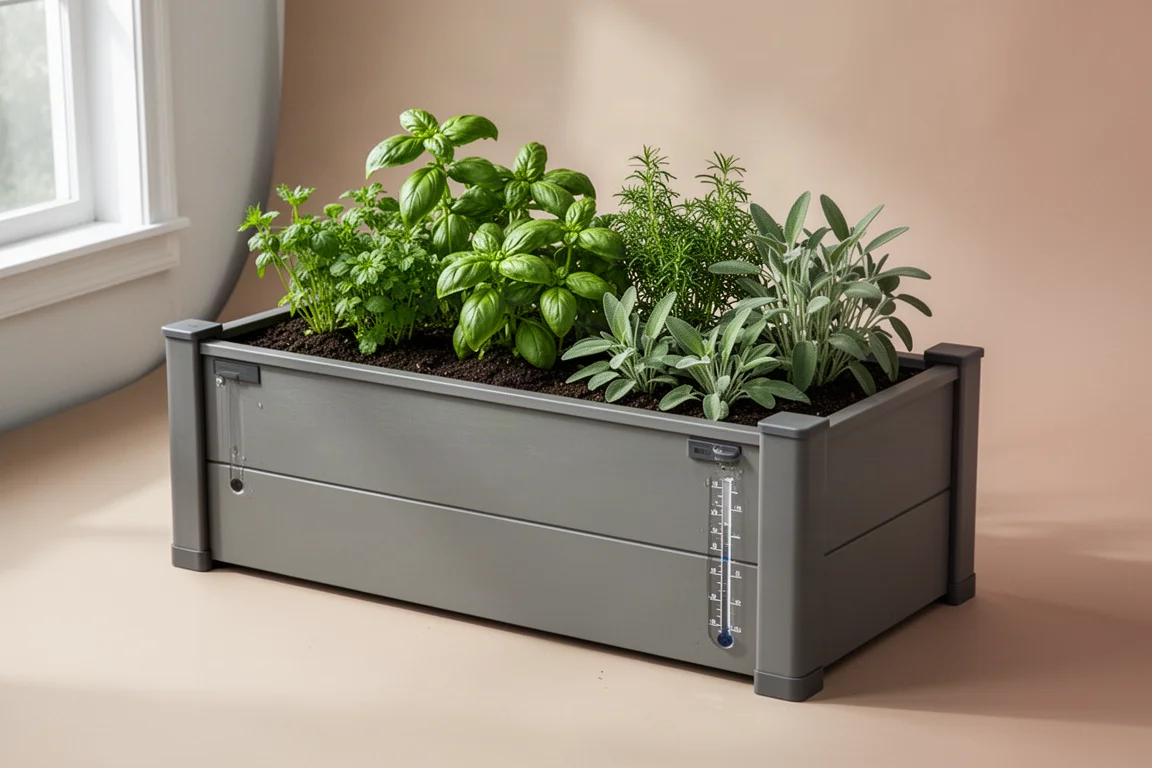
The Vego Garden Easy Q 21x48 is a self-watering raised garden bed aimed at gardeners who want healthy plants without the daily watering routine. We spent over a month growing herbs in one, transplanting nine different varieties into it on day one and letting the system do the rest. It earned its place in the garden.
Who This Product Is For
The Easy Q suits anyone who wants a raised bed that waters itself: busy households, frequent travelers, or beginners nervous about overwatering and underwatering. In our case it became a dedicated herb bed, holding basil, sage, and mint varieties with room for oregano, lavender, and chamomile. It also works for indoor growing, and the manual includes recommended water levels for both indoor and outdoor use.
Assembly and First Setup
Assembly is a straightforward bolt-together job. The kit includes panel walls, base pieces that connect the siding, corner pieces, longer support pegs that lift the bed off the ground, and an exit water tube. Panels slot together around the sides with connector pieces in between and at the corners, and the water level indicator slides into a dedicated square opening that must be positioned in the corner.
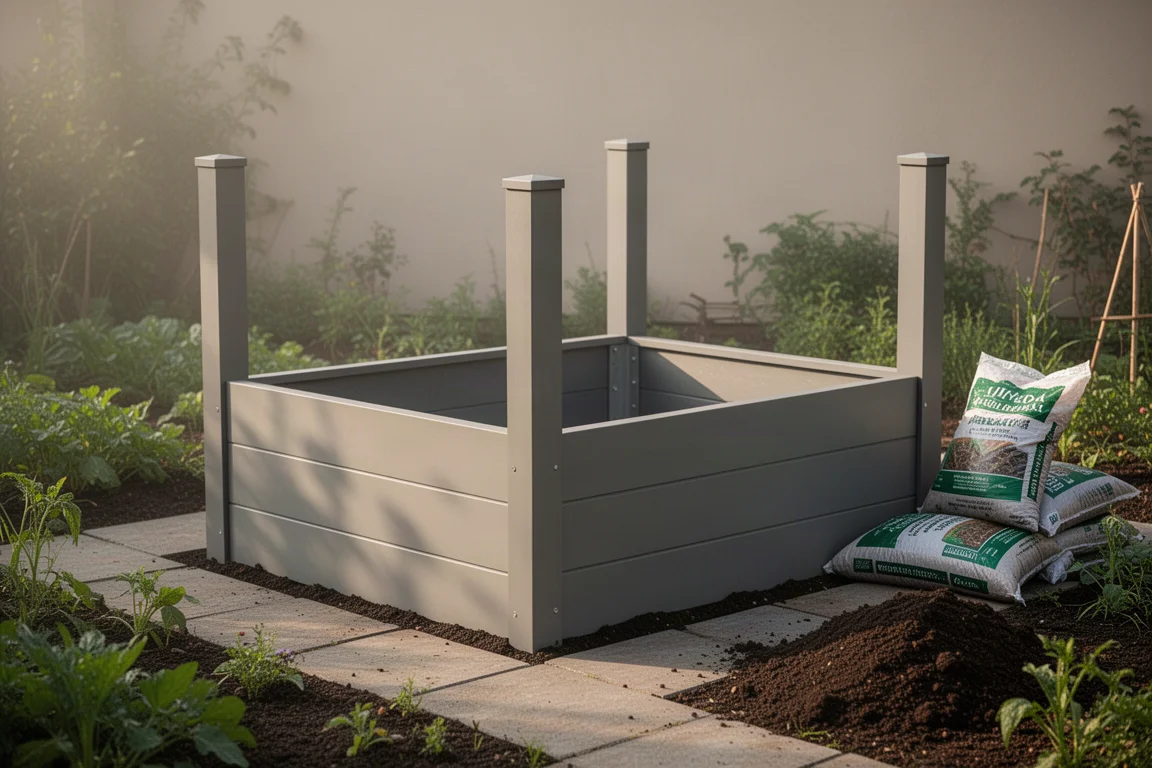
One tip worth learning from our setup: when connecting the two water bins with the plastic tubing, hold both in the center while screwing. Done wrong the first time, it needed a redo. Filling took a 40 lb bag of a herb-specific potting mix.
How the Self-Watering System Works
Water goes in through the columns at the corners, and one column carries a small bar indicator that tells you how much water is in the reservoir and when to refill. From there the system relies on gravity-fed irrigation driven by capillary action: cone shapes in the base sit in the water and act like a wicking system, drawing moisture up as the top layer of soil dries out.
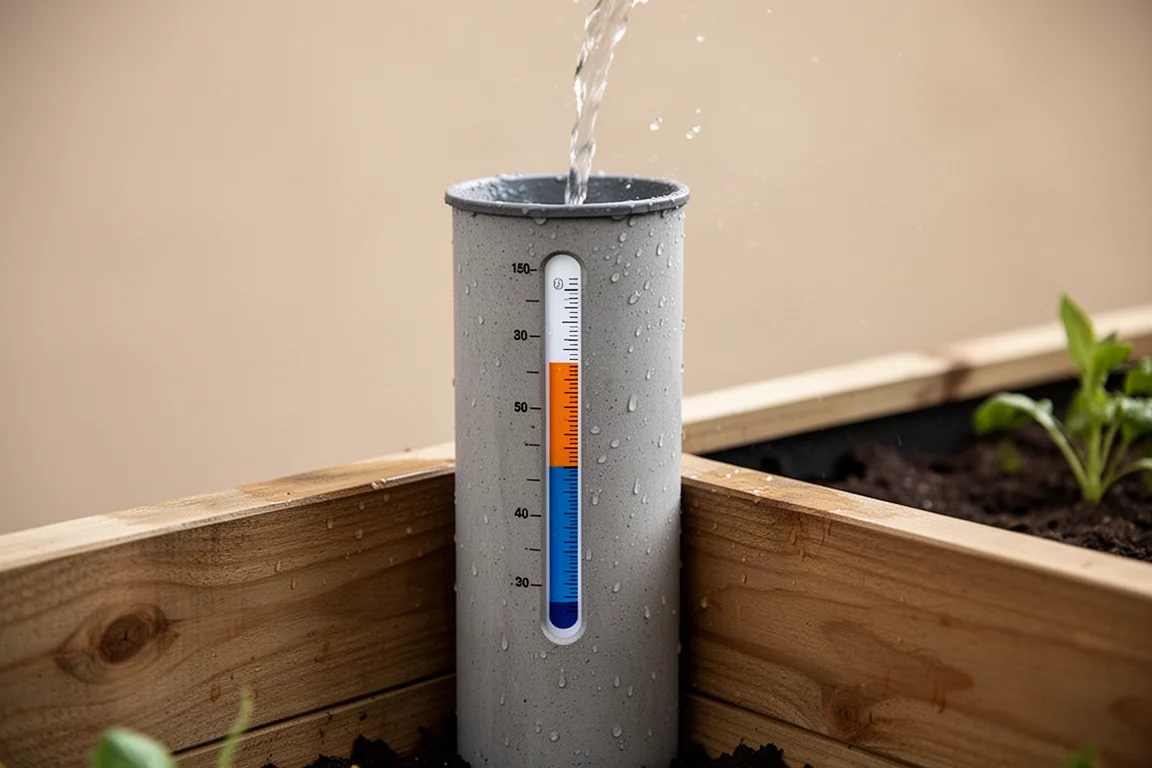
The advantages are real. You do not have to worry about watering at all, and the system keeps moisture essentially consistent, mimicking natural conditions instead of swinging between soggy and bone dry. The corner columns do double duty as air intakes: air enters through one column, passes along the bottom of the system, and exits the other, bringing oxygen to the roots, reducing moisture buildup, and helping prevent pathogens.
One important lesson from the first weeks: give the bed one watering from the top right after transplanting. The whole medium needs to be saturated once to kick off the capillary action. We got lucky with rain right after planting, and the brand confirmed that an initial top watering is good practice.
Build Quality and Materials
The panels feel strong and firm rather than flimsy, even though they are hollow. The material is tested for extreme heat and cold, so a scorching summer or a freezing winter should not be a problem. It is also coated for strong UV resistance, and the inner panels are made from 70% recycled plastic.
One Month Later: How the Herbs Performed
After more than a month without a single watering, everything was growing well, and in some cases too well. The chamomile took over its corner and crowded the lavender, the sages all did well, and the basil grew strongly. The one rookie mistake was planting three types of mint in a shared bed: mint turned out to be extremely invasive, with roots wrapping around neighboring plants, and needed to be moved to its own pot.
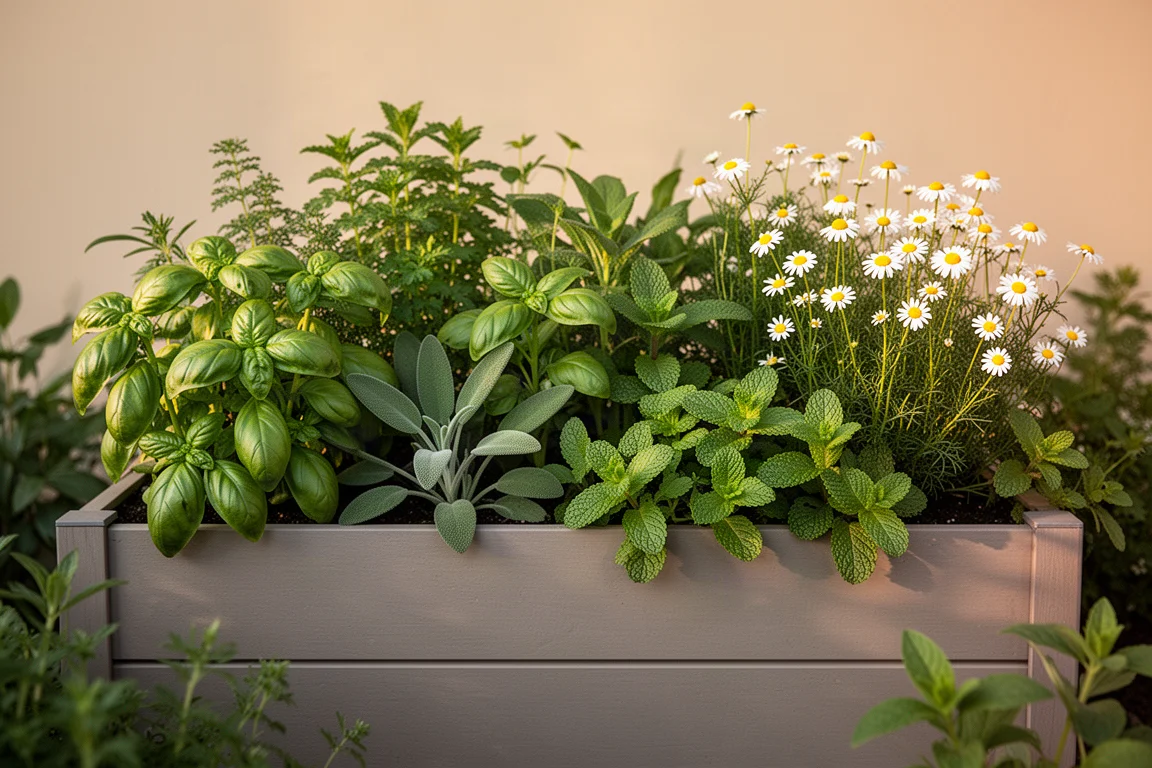
The freed-up space went to another basil variety, some chaquito peppers, and cherry tomatoes, which did get a light top watering to establish. That was the first time the bed had been watered in over a month.
Things to Consider Before Buying
A few practical points worth knowing. The bed needs to sit level; on an unlevel patch of ground, the self-watering system may not work as intended, and we used rocks to prop ours up. The chamomile and mint experience is a reminder that aggressive spreaders need their own space. Emptying the water is easy though, with capped tubes at both ends that flip down to drain.
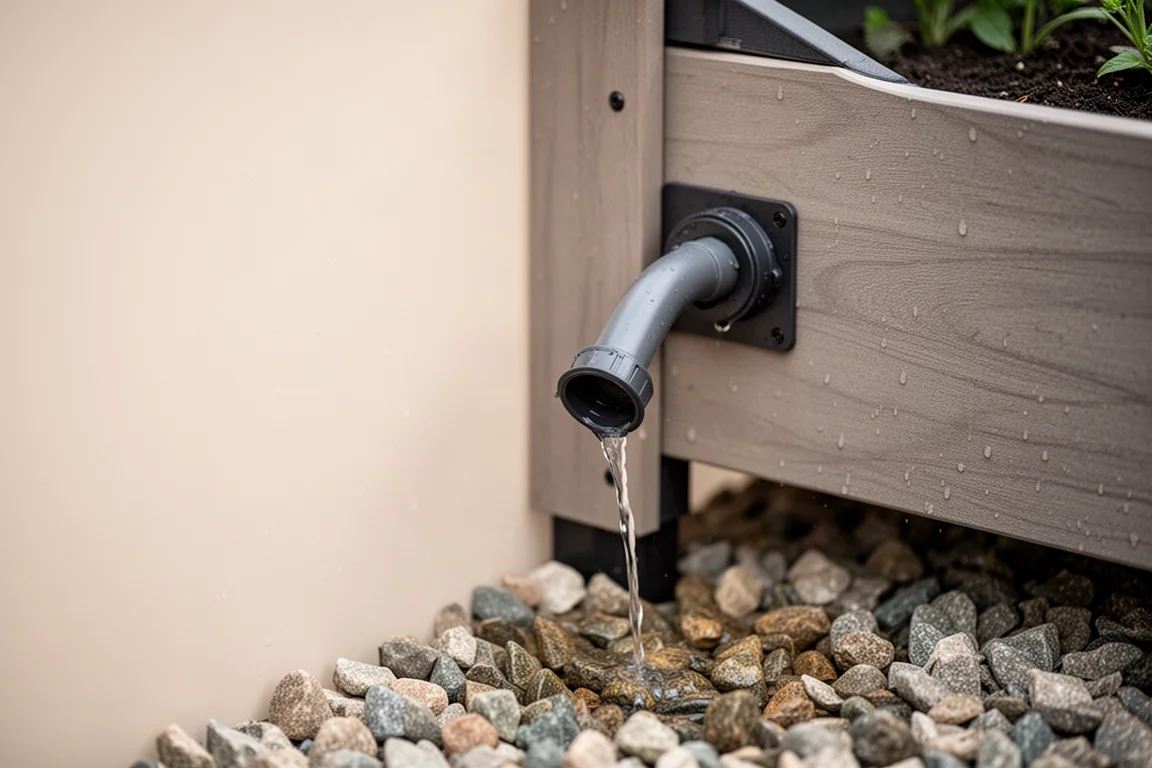
It is also worth noting that covers are available for these beds, which opens up the range of crops you can grow while keeping pests away. The brand offers the Easy Q in different sizes to fit unique spots around the garden and home.
Buying Advice
The Easy Q 21x48 proved itself as a genuinely convenient raised self-watering bed. If you set it up level, saturate the medium once at the start, and keep invasive plants like mint and chamomile in check, it delivers on its promise of a low-maintenance, productive garden bed. For herb gardeners and anyone tired of daily watering, it is an easy recommendation.
Conclusion
After a month of hands-on growing with zero watering, the Vego Garden Easy Q 21x48 has earned a permanent spot in the garden. The capillary-based self-watering system works as described, the panels feel built to last through heat, cold, and sun, and the airflow design adds a thoughtful touch for root health. It brought a whole variety of fresh herbs to the table that simply were not there before, and that is exactly what a good raised bed should do.
Product link
View more details for Vego Garden Easy Q 21x48 Self-Watering Raised Garden Bed
This product is mentioned in the review. Check the specifications, options, and compatibility before buying.
View more details for Vego Garden Easy Q 21x48 Self-Watering Raised Garden BedFurther reading
Related Reviews
Garden & Outdoor
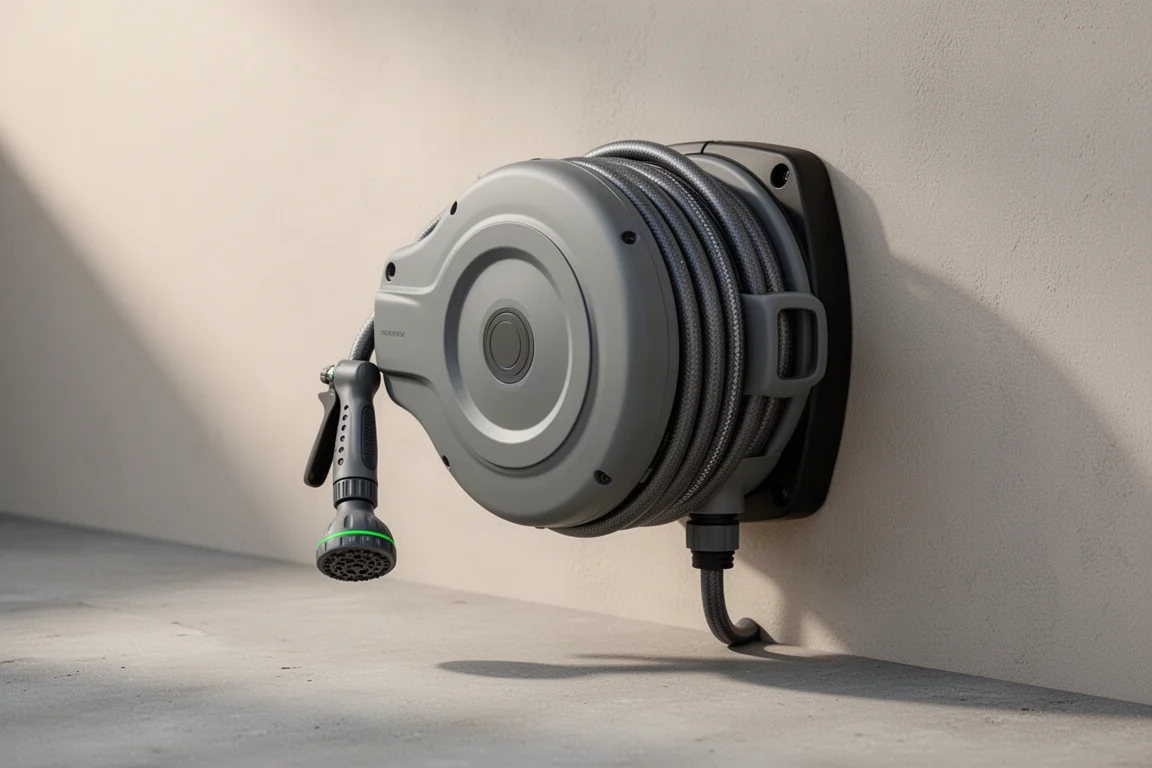
RealHost 100ft Retractable Garden Hose Review: Tidy Water Where You Need It
A wall-mounted 100ft retractable hose reel with an included multi-pattern nozzle, 180° swivel, and genuinely good mounting hardware.
Garden & Outdoor
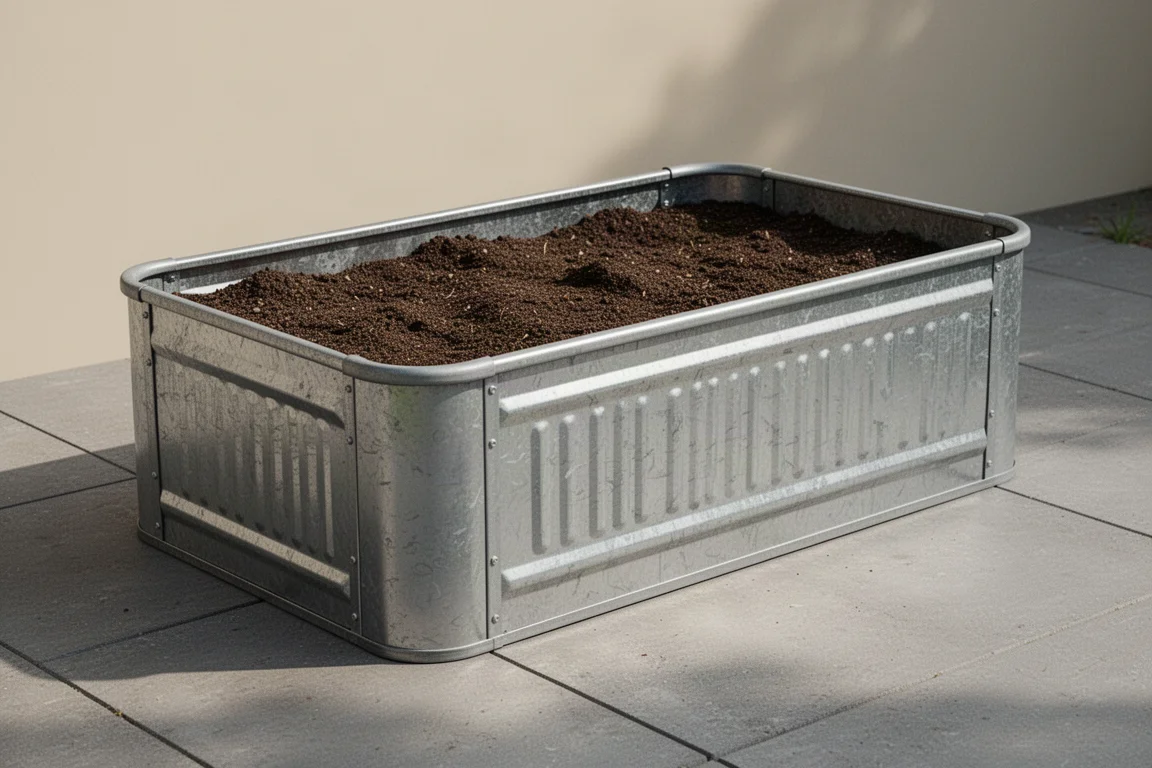
VIVO Galvanized Raised Garden Bed Review: A Solid Start for Homegrown Food
An 80-inch galvanized steel raised bed that is light, sharp-edge free, and priced well, with a few assembly quirks to know before you start.
Garden & Outdoor
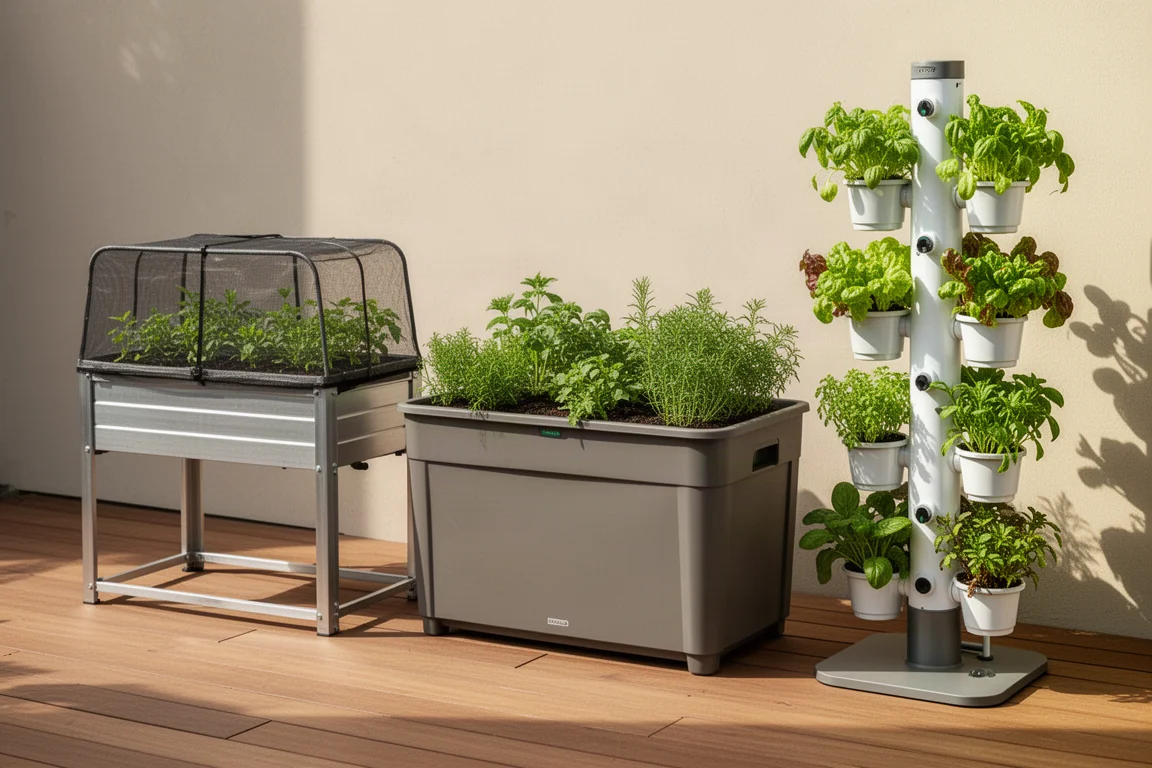
Best Self-Watering Systems for Small Urban Gardens: 3 Setups That Actually Work
Three self-watering garden systems compared: a covered raised bed, a long-interval planter, and a hydroponic tower for maximum harvests in tight spaces.