Garden & Outdoor
Best Self-Watering Systems for Small Urban Gardens: 3 Setups That Actually Work
Three self-watering garden systems compared: a covered raised bed, a long-interval planter, and a hydroponic tower for maximum harvests in tight spaces.
Introduction
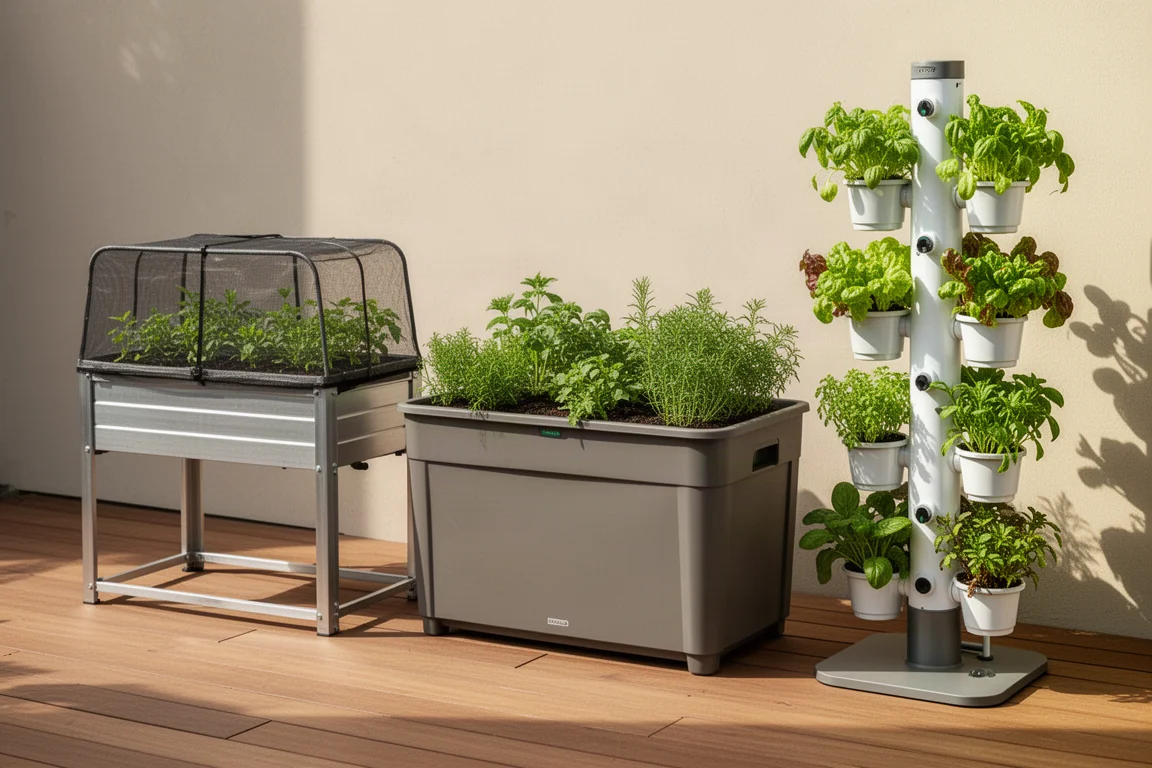
When growing space is limited, the container you plant in matters as much as what you grow. Self-watering systems take one of the biggest chores out of urban gardening and make it realistic to keep herbs, vegetables, and greens productive on a small patio or balcony. Here are three setups that have proven themselves in a small quarter-acre garden, each solving a different problem.
Veggie Pod: A Covered Self-Watering Bed
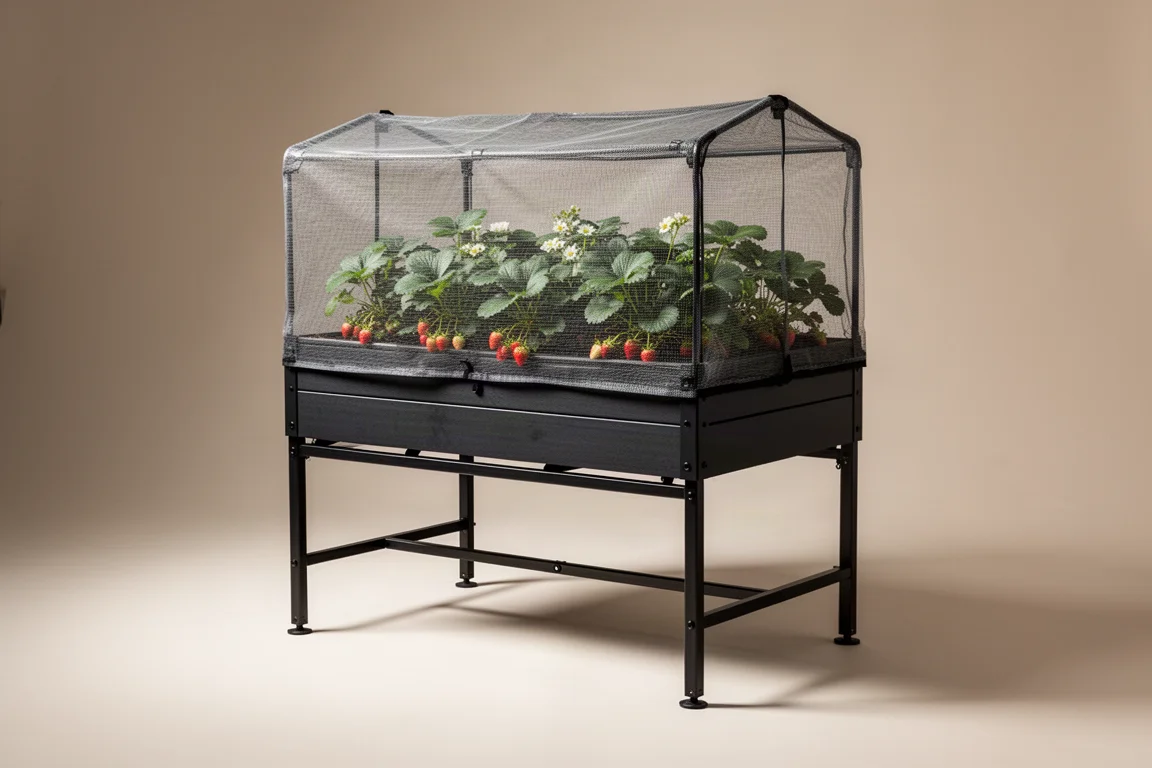
The Veggie Pod is a self-watering raised garden bed that also comes with a protective cover fitted with sprayers on the inside. That cover is the headline feature if birds, squirrels, or other animals have ever raided your crops, particularly strawberries. It physically shields what you are growing while the built-in reservoir handles watering.
The build quality is a strong point. The stand is solid metal and the whole unit feels very sturdy. Stakes inside the bed let you shape and train vines as they grow, and they fit neatly within the cage, which keeps tall growers like strawberries contained and manageable.
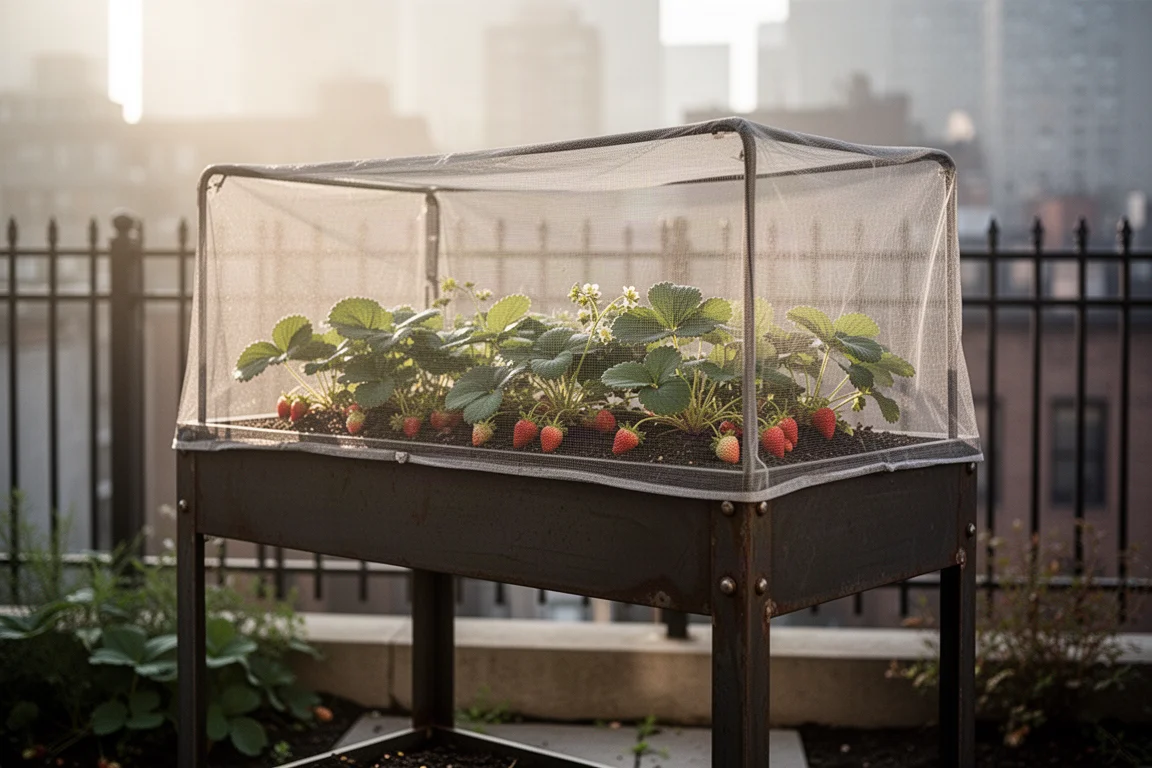
The main trade-off is the water reservoir. It is on the smaller side, so expect to refill roughly every two to three weeks depending on how hot and dry your climate is. On the plus side, it comes in at the lowest cost of the three systems here, at roughly $230.
Vego Garden Easy Cube: Built for Longer Intervals
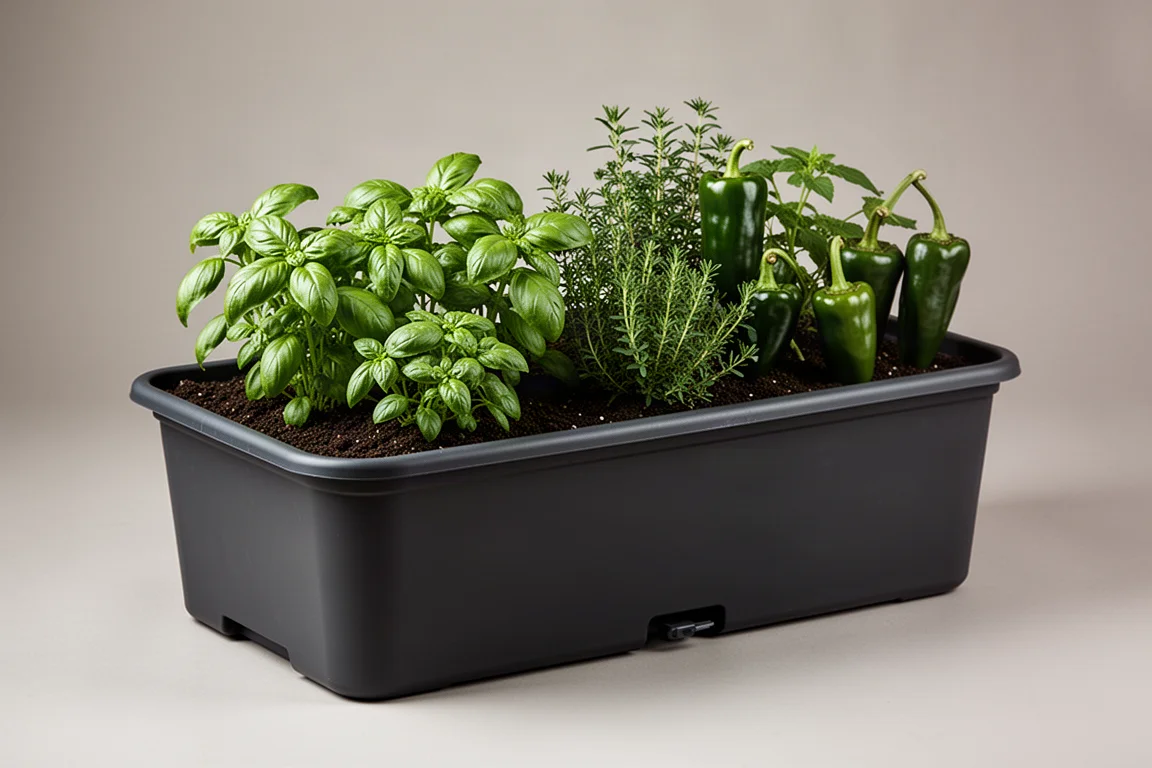
If you want something bigger that waters itself for longer, the Easy Cube self-watering raised garden bed from Vego Garden steps up. It holds almost double the soil of the Veggie Pod and, more importantly, features a larger tank at the bottom that keeps plants watered for an extended stretch before a refill is needed.
The practical difference is easy to see: this bed has gone over a month without manual watering. The plastic construction includes advanced UV protection, designed for the hottest summers and coldest winters, so it should hold up through tough seasons.
In practice, it has handled over half a dozen different herbs and spices, and it takes replanting well. Swapping out mint and chamomile that were overtaking the corners for tomatoes, peppers, and another basil type worked without issue.
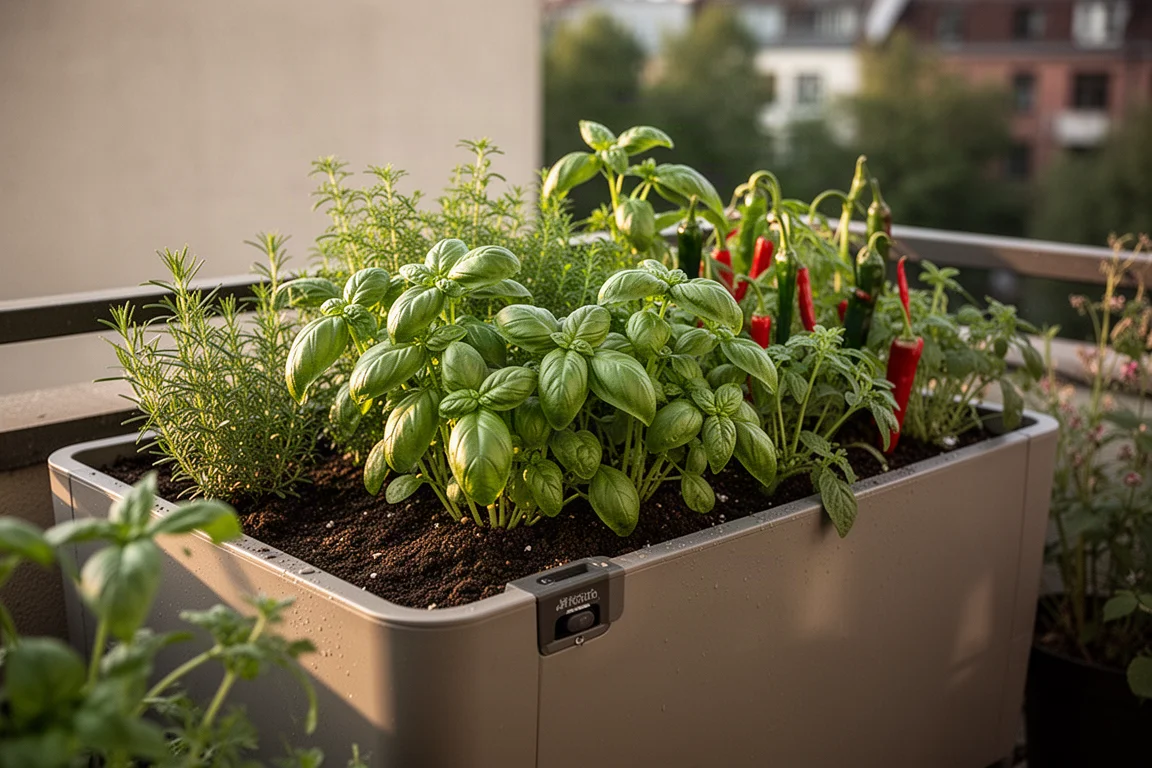
It comes in at roughly $320 and is available in different sizes and shapes to fit unique spots in your garden or home, which adds flexibility if your layout is awkward.
Tower Garden: Maximum Harvests in Minimal Space
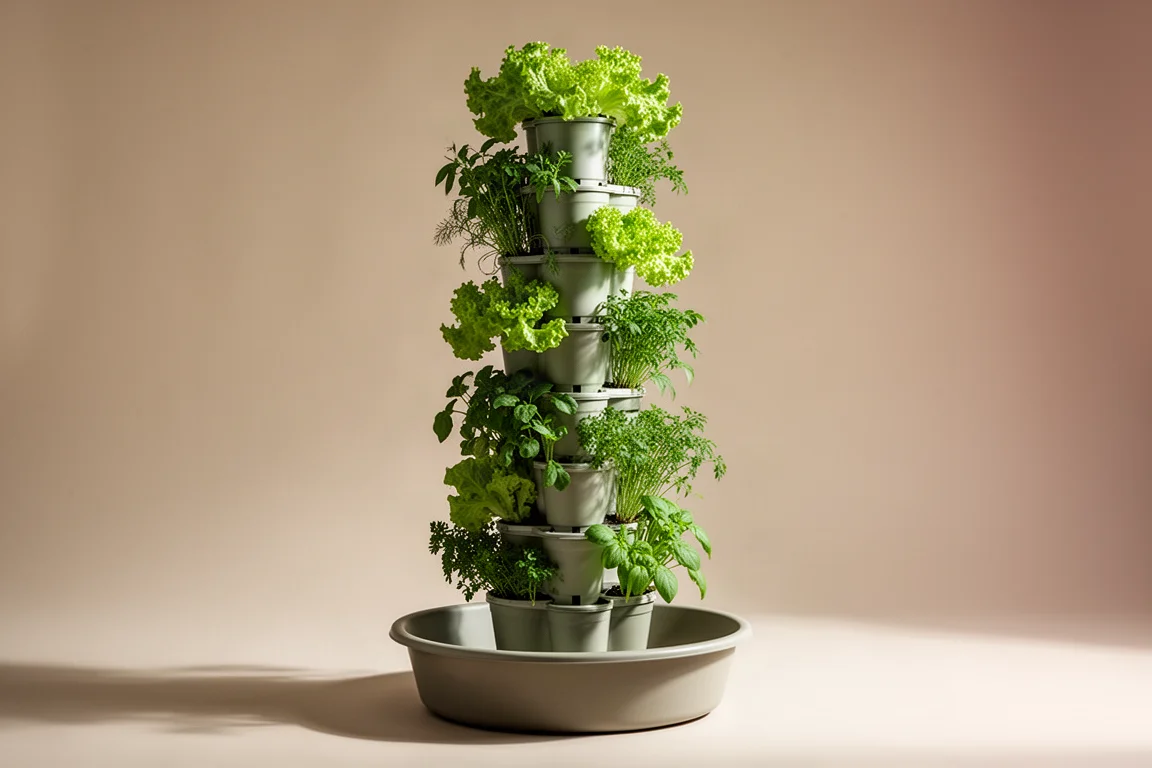
For growing a lot of almost anything in very little room, the Tower Garden takes a completely different approach. Instead of a soil bed with a reservoir, it is a hydroponic system, described as a low-pressure aeroponic setup where the roots hang in the air, giving them improved oxygen and nutrient absorption.
Rather than relying on gravity like the first two systems, these towers use a pump connected to a timer, watering automatically about every 45 minutes. Day-to-day care is simple: refill the basins, add nutrients, and do some trimming and harvesting to shape the towers as plants grow.
The productivity per square foot is the real story. With three towers standing 11 pots high, one holds 44 marigolds, another is full of spinach, and a third carries lettuces, squash, zucchini, peppers, and tomatoes, with a net supporting trailing vines. Growing that much in the ground would take a large footprint; here it fits in a fraction of the space.
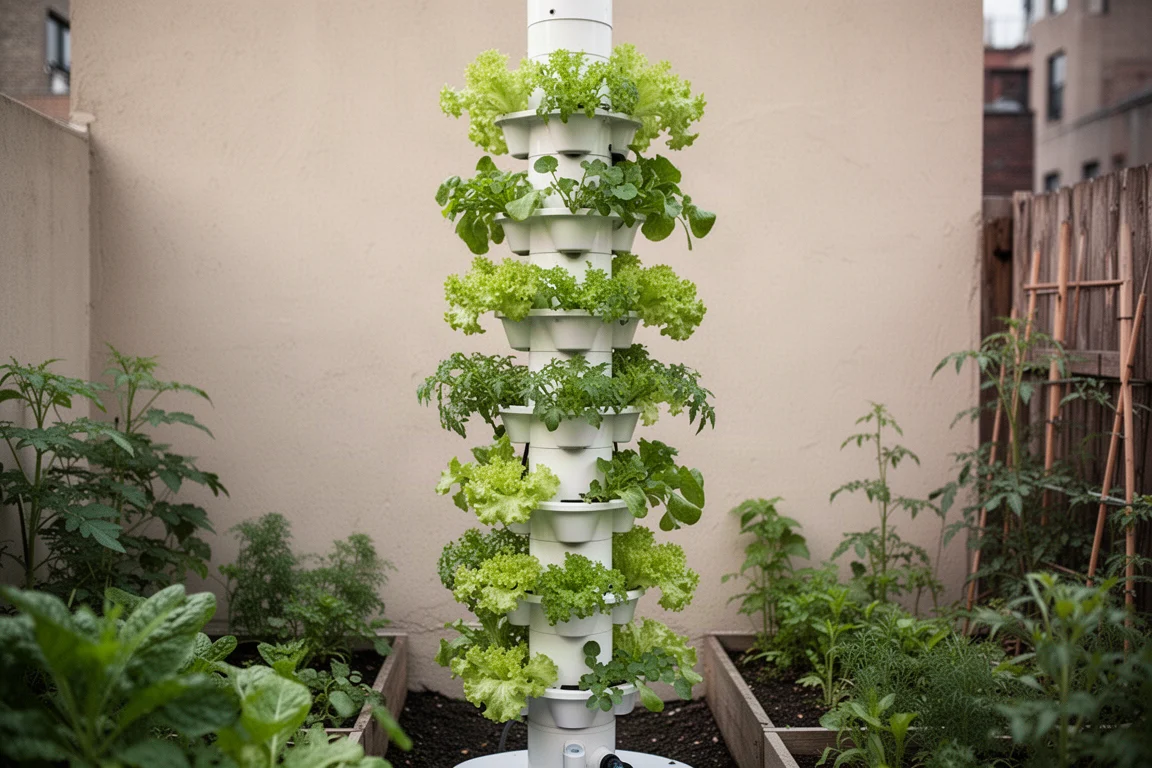
These full-size towers are massive, and the investment reflects it at around $1,000. You do not have to go that big, though: the smaller Tower Garden Home and Flex models start at five pots high, which brings the same growing approach within reach of smaller spaces and budgets.
Bonus: An Affordable Irrigation Line for Everything Else
There is one more addition worth knowing about: a roughly $30 irrigation system that waters everything growing in the ground. In a garden like this, that covers summer squash, cucumbers, zucchini, flowers, raised beds, corn, tomatoes, and mint. Once turned on, the entire garden waters itself while you step back.
To be clear, this is not truly self-watering, since it needs to be switched on manually. There are systems that can run a hose on a timed sequence, but at $30, the value here is hard to argue with, even with some labor involved in installing it.
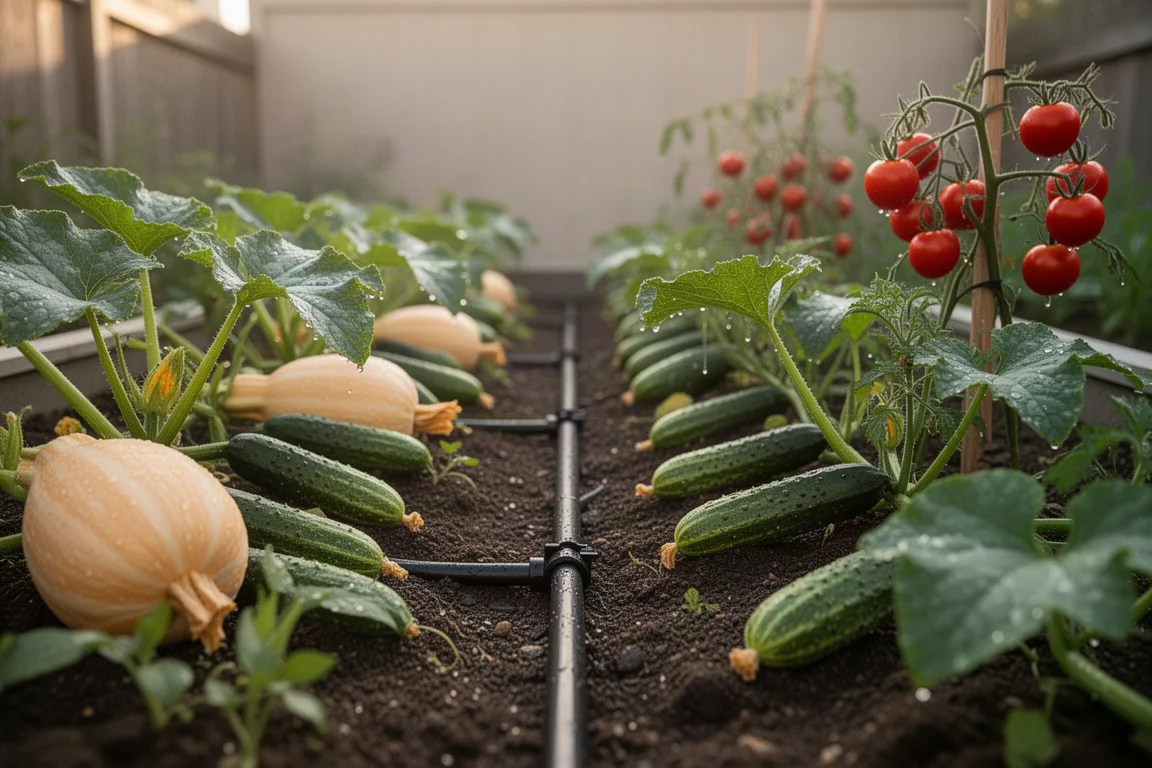
It makes a lot of sense if you have ground space or a collection of potted plants you want to send water to all at once, and it genuinely makes the whole gardening experience more enjoyable.
Conclusion
For small urban gardens, the choice comes down to what matters most. The Veggie Pod is the affordable pick with excellent protection from animals. The Vego Garden Easy Cube offers more soil, a larger tank, and long stretches between refills. And the Tower Garden delivers serious harvest volume in minimal space for those ready to invest more. Match the system to your space, your climate, and how often you want to refill, and any of these can make a compact garden remarkably productive.
Further reading
Related Reviews
Garden & Outdoor
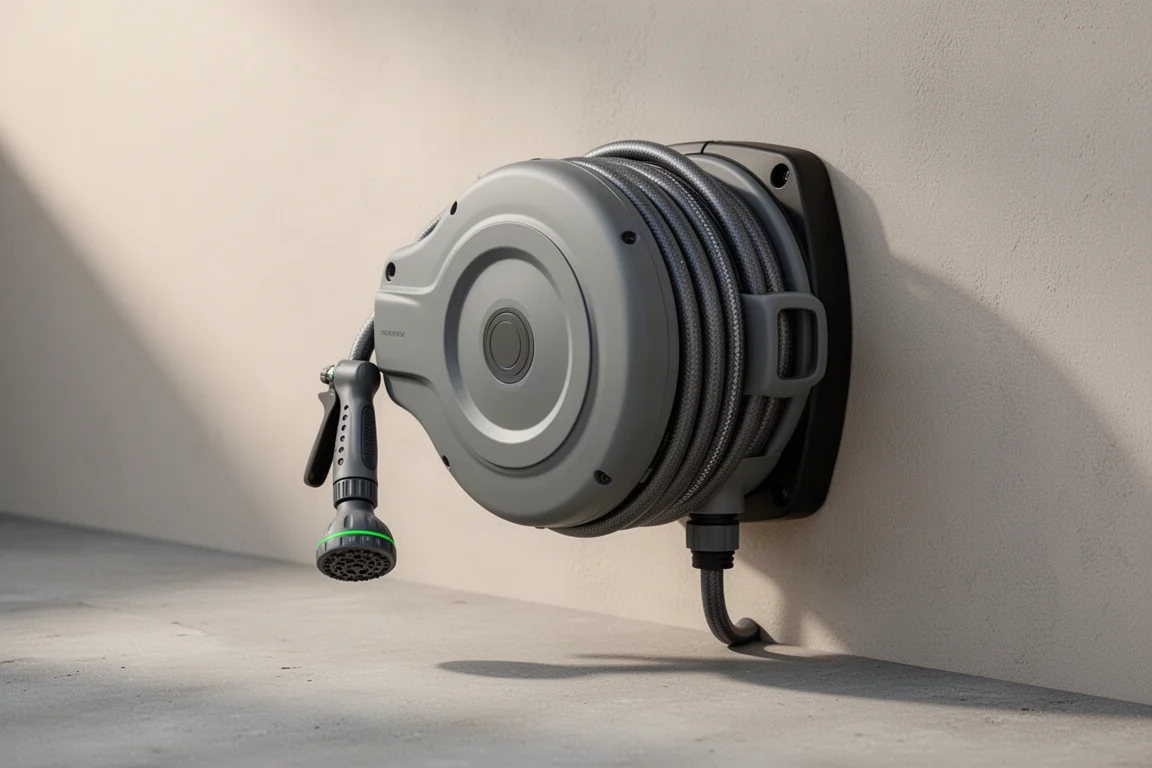
RealHost 100ft Retractable Garden Hose Review: Tidy Water Where You Need It
A wall-mounted 100ft retractable hose reel with an included multi-pattern nozzle, 180° swivel, and genuinely good mounting hardware.
Garden & Outdoor
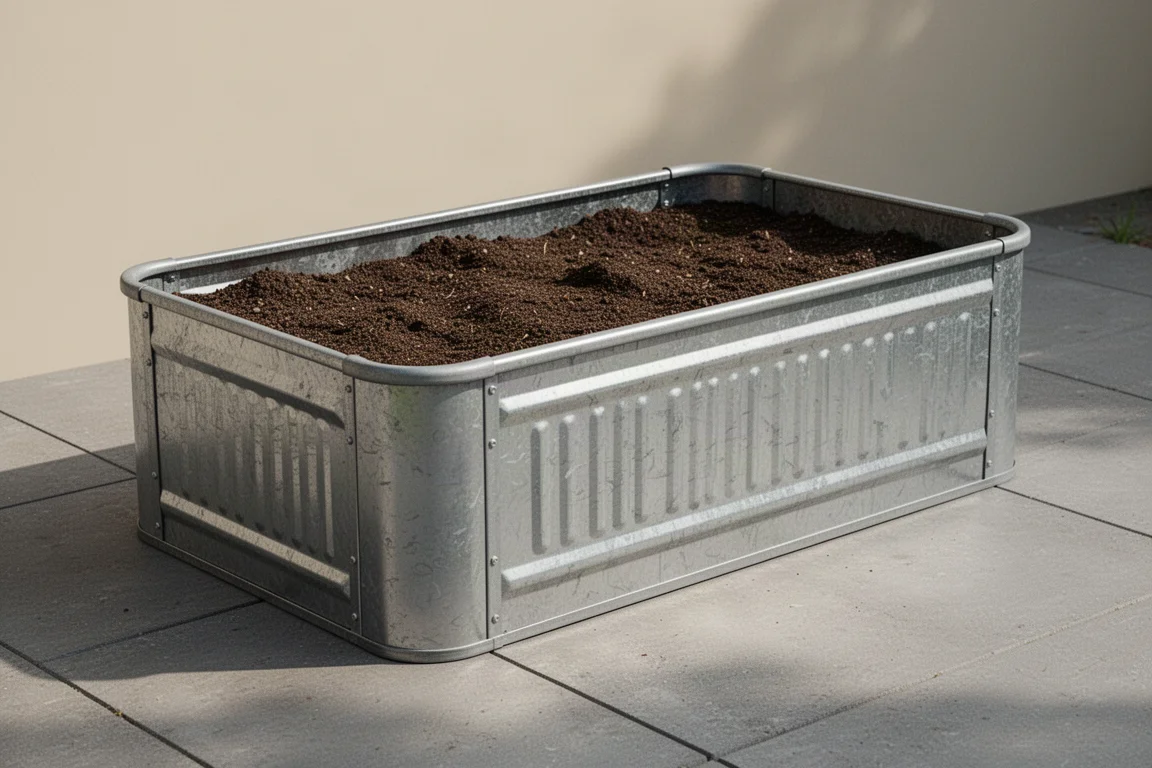
VIVO Galvanized Raised Garden Bed Review: A Solid Start for Homegrown Food
An 80-inch galvanized steel raised bed that is light, sharp-edge free, and priced well, with a few assembly quirks to know before you start.
Garden & Outdoor
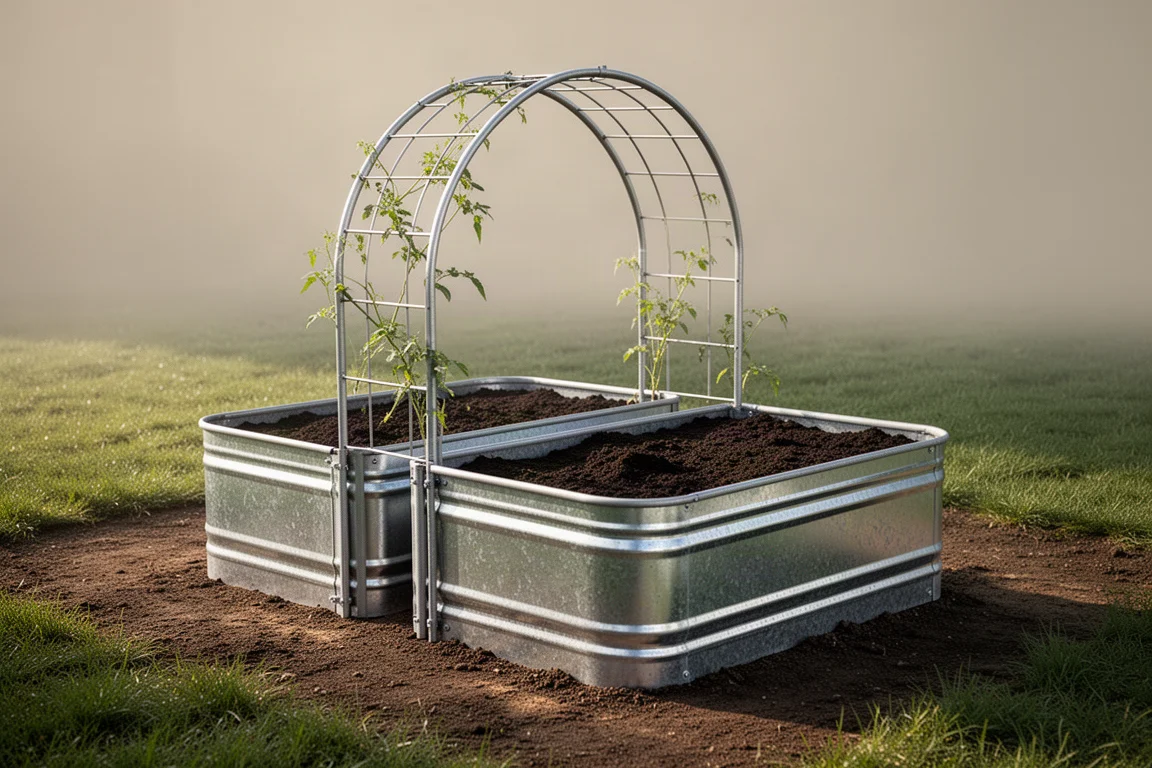
DTI Metal Raised Garden Bed Review: Two Beds and an Arch for Around $100
A hands-on look at the DTI two-piece metal raised garden bed with arch attachment, covering build quality, assembly, and whether it earns a spot in your garden.