Snowboard Boots
Vans High Standard Pro Review: A Stepped-Up Freestyle Boot with Real Customization
The High Standard Pro adds premium materials, a stiffer backspine, and a removable booster strap over the OG, with a wide-friendly fit and a liner that packs out fast.
Introduction
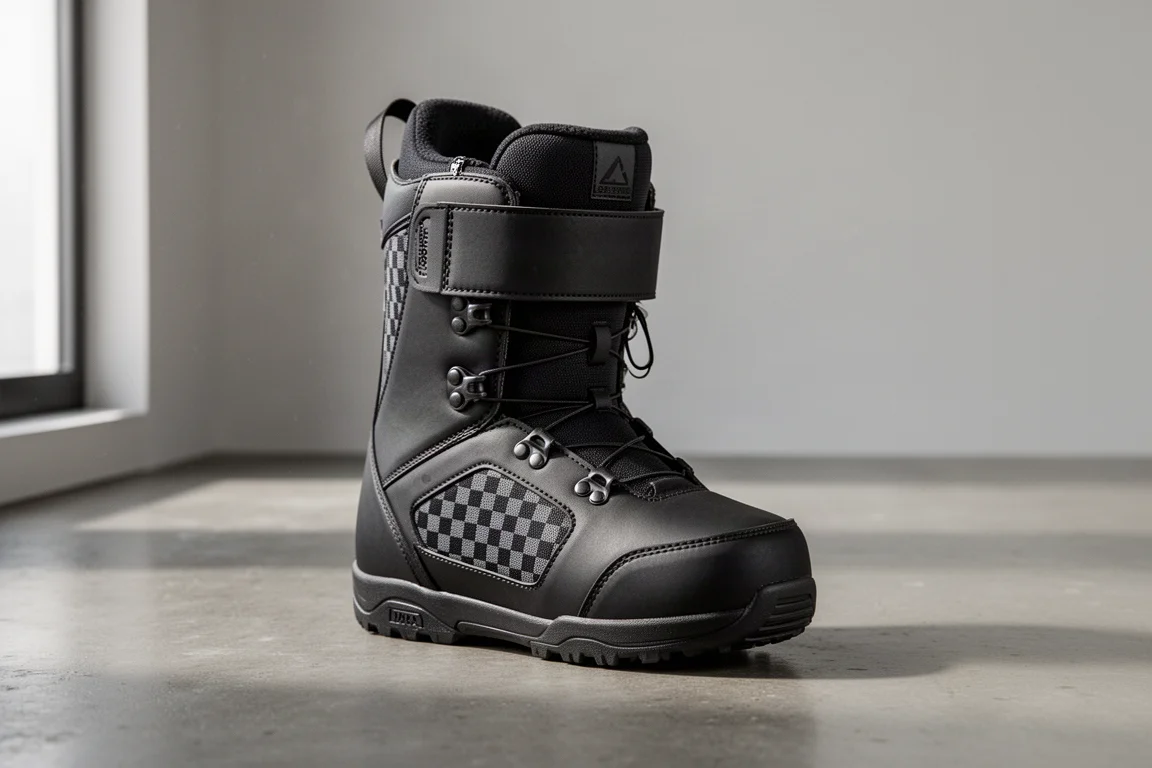
The Vans High Standard Pro is the big brother to the High Standard OG. The step up in the line is a logical one: for roughly $100 more, you get more premium materials, a higher-end liner, a higher-end sole, and extra options that let you tweak how the boot flexes and fits. It does not reinvent the OG so much as refine it in the places that matter, and that is exactly what an upgrade should do.
If you already know the High Standard OG, think of the Pro as the same idea executed with better components. If you are starting fresh, this breakdown should help you decide whether the extra spend is worth it for how you actually ride.
Who This Product Is For
This is a boot for riders who lean freestyle, probably solid intermediate level, who need something a bit beefier than the High Standard OG but are not ready to jump to a full freeride boot. It suits riders who like traditional laces, want a slightly wider forefoot and heel pocket, and value a boot with plenty of give rather than maximum stiffness.
Riders with wider feet or “platypus” style feet benefit here too. The neoprene instep and toe area bulges and gives, and the liner foam packs out noticeably, so the boot opens up room where pressure points usually form.
Shell, Durability, and Flex
Around the toe, the Pro uses a welded seam for a more durable, rugged toe box. The side keeps a triple stitch seam, so if you really crank your toe strap over, it can dig in. The laces sit recessed into the middle area of the shell, which protects them from getting hacked up when you rest your edge back.
The backspine is a multi-piece design that makes the boot a bit more rigid and stiffer than its sibling. A removable booster strap on the shell lets you tune forward flex: leave it cranked for a more rigid feel around the calf, or take it off entirely if you want more give. Even with it on, this is a boot with a lot of flex overall, which is worth knowing before you buy.
Sole and Underfoot Feel
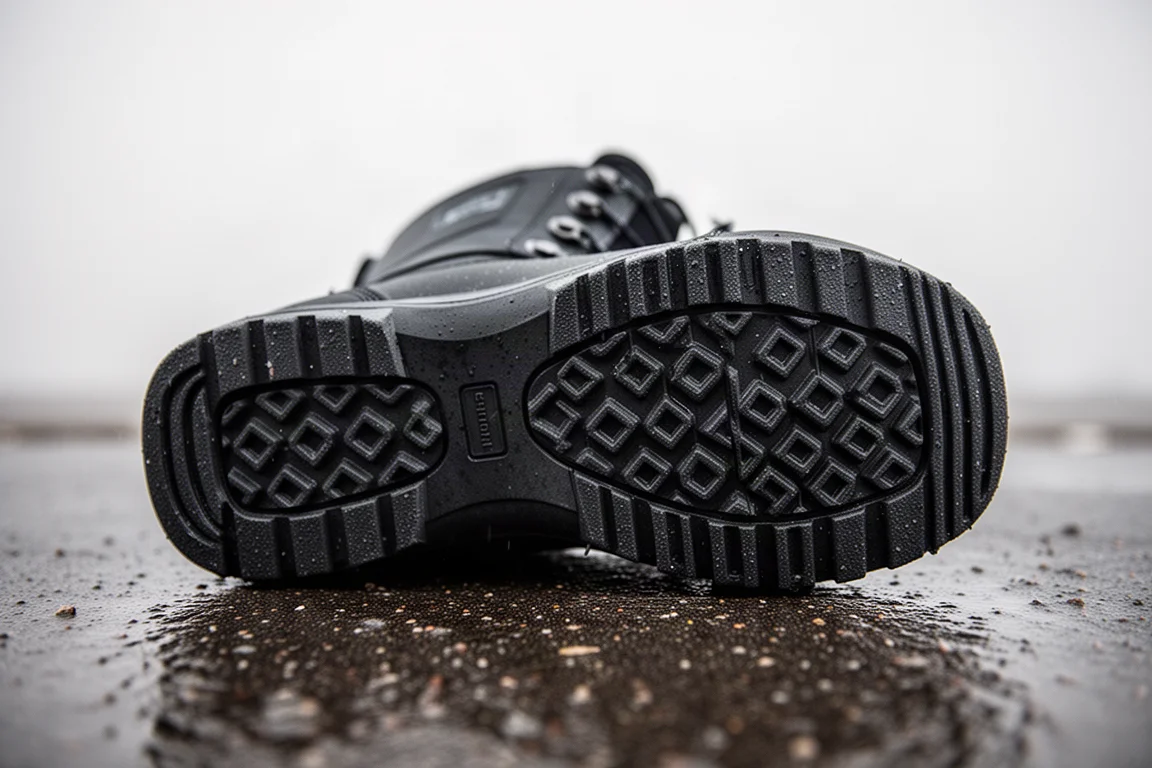
The sole is the V2 waffle in an AllTra rubber compound, aimed at better durability. It has a solid tread pattern that should grip well. The boot sits fairly chunky rather than low profile, and there is extra foam and damping underfoot.
That said, there is noticeable give under the forefoot. If you land toe heavy, you may feel it, and hiking across rocks will transmit through as well. This is a comfort-first underfoot feel, not a dampened freeride platform.
Lacing
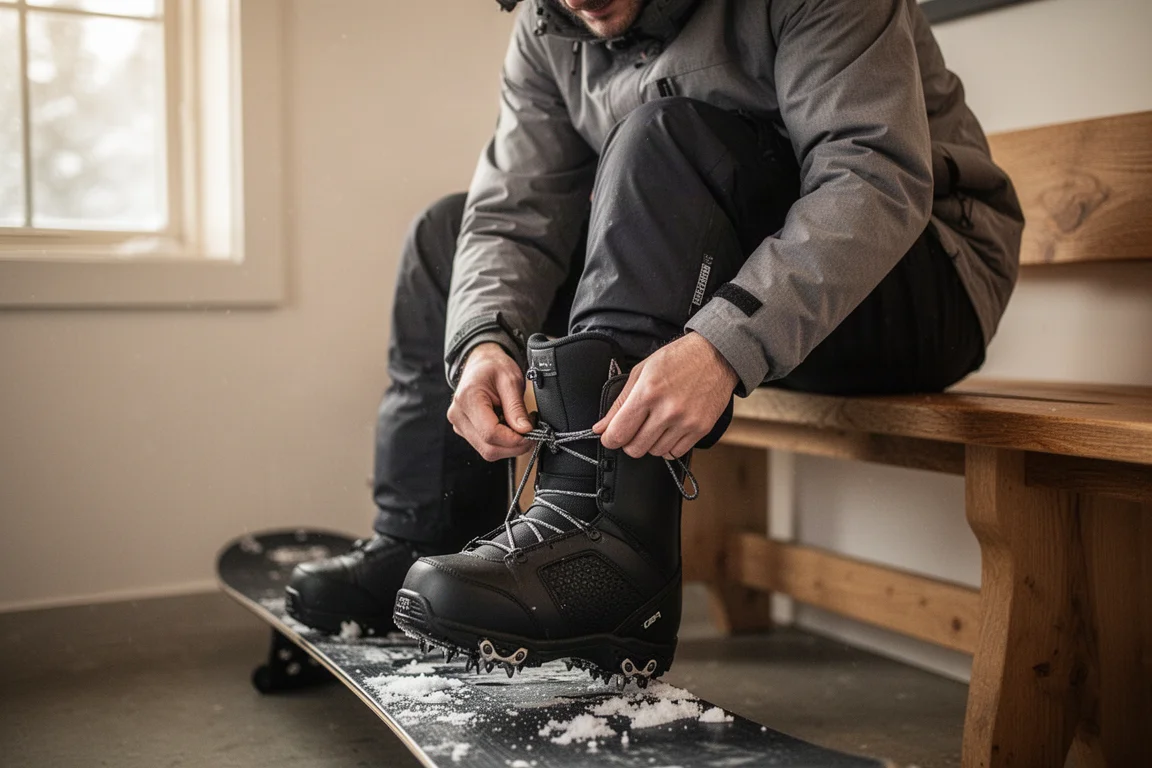
The lacing is a good, standard traditional system with no bells and whistles. Two cleats on the side mean you do not have to cinch the laces as tight, and the booster strap covers the top of the boot instead.
One caveat: the cleats are not locking. They hold tension but can loosen, so crisscrossing and tightening as you go keeps things snug. If they still will not stay tight, switching to hockey laces is a simple fix.
Liner, Warmth, and Fit
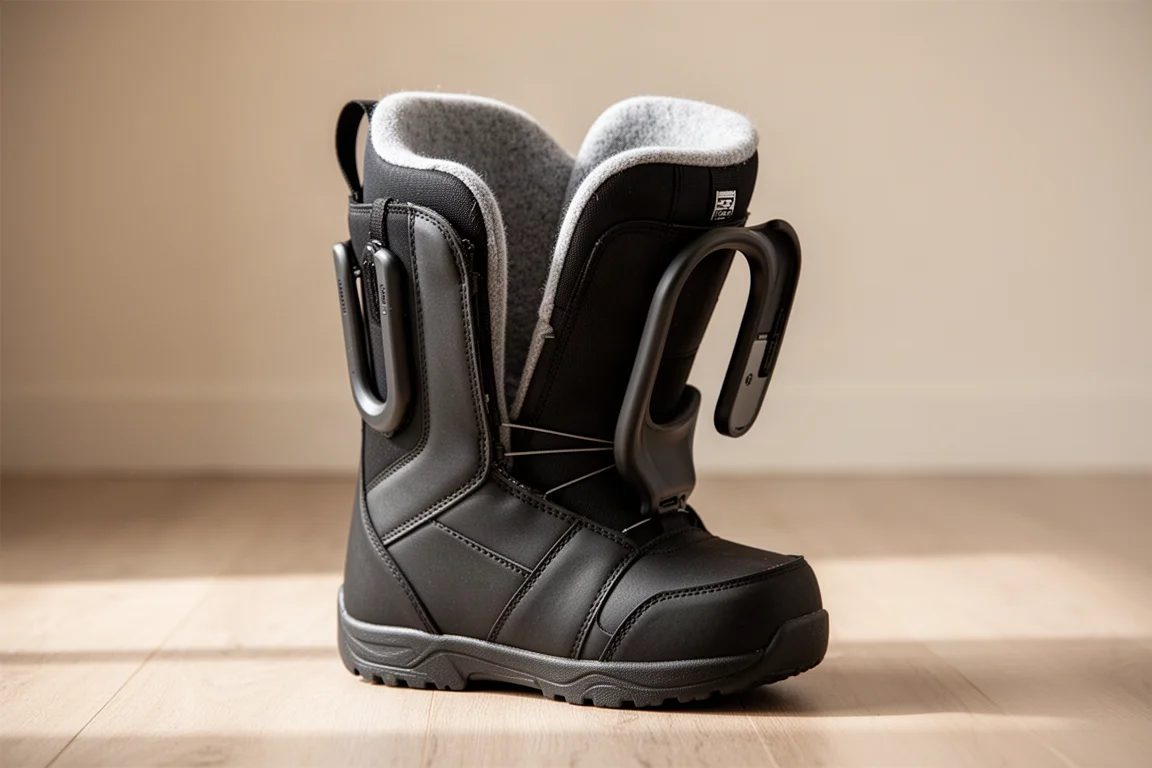
Inside, you get the V2 Ultra Cush liner with a Smartwool lining that helps wick moisture and keep feet warmer, a welcome touch for cold-feet sufferers. A standard drawstring internal harness is sewn into the shell for a tighter liner fit. The shell does not come up as high as some boots in the category, leaving a bit more give around the calf, which matches the booster strap design.
The liner has a deep heel pocket with a large J-bar for heel hold, plus an X-cage wrap on the outside to help lock the heel down. The stock insole is the V2 Pop Cush, which adds posting and shaping with a more rigid plastic that holds its arch support instead of fully compressing, and two layers of foam for better damping. It is a genuinely considered stock insole, better than what many brands ship, though not the best on the market.
Things to Consider Before Buying
The liner foam is stiffer than the previous version but packs out a lot, so multiple riders recommend downsizing aggressively. Get a very snug fit out of the box, because you will gain room as it breaks down. Expect it to pack out more than you think.
The deep heel pocket can also create pressure points for some feet. The stock insole may need to sit higher, heat molding may help, and in some cases the liner foam has to be trimmed to relieve the fit. The forefoot measures roughly four inches wide at the size nine tested, so this leans wider overall.
Buying Advice
Measure your fit honestly before buying. Cuff height without the liner sits just under 10 and a quarter inches at the heel and about 10 and a half at the toe; with the liner in, it reaches just below 11 inches at the back. Buy from a shop with a good return policy, because the odds of nailing the fit on the first boot are not high, and remember the best boot is the one that fits your foot and your needs.

Conclusion
The High Standard Pro earns its $100 premium over the OG with better materials, a stiffer backspine, a removable booster strap, a warmer wool-lined liner, and a more capable stock insole. It is not the stiffest or most aggressive boot available, and the fit quirks around the heel pocket mean sizing carefully matters. But for freestyle-minded intermediate riders who like laces and want a wider, more forgiving boot with real customization, it is a strong, well-thought-out choice.
Product link
View more details for Vans High Standard Pro
This product is mentioned in the review. Check the specifications, options, and compatibility before buying.
View more details for Vans High Standard ProFurther reading
Related Reviews

Snowboard Boots
32 Team Two Double Boa Review: 32's Highest-End Women's Snowboard Boot
A closer look at 32's top-tier women's snowboard boot, from the 3D molded toe box and double Boa lacing to the Performance Fit liner and heat-reflective footbed.

Snowboard Boots
Bataleon Acid BOA Snowboard Boot Review: A Serious First Entry from a Board Brand
Bataleon's first snowboard boot, designed by a former Burton boot designer, brings a stiff flex, dual BOA closure, and a heel hold system worth a closer look.

Snowboard Boots
Battalion Acid Boot Review: A Stiff, Aggressive Boot Built to Last
The Battalion Acid Boot is the brand's highest-end offering, built with seamless construction, TPU reinforcement, dual BOA lacing, and a heat-moldable liner. Here is what to know before buying.